REVIEW · PARIS
Paris: Fashion History Walking Tour in the Heart of Paris
Book on GetYourGuide →Operated by Fashion History Tour · Bookable on GetYourGuide
Fashion cues hide in plain sight. This 2-hour walk turns Paris landmarks into a fashion story you can actually use.
I really like the focus on how ideas move, from classic designers to today’s influencers and Fashion Week trends. I also like that the guide is an industry professional with an advanced fashion design degree, and in the small-group setting you’ll get clear, grounded explanations from guides like Ivo.
One consideration: it’s a fashion-first tour, so if you mainly want deep museum time or big shopping stops, you may want to pair it with an extra visit afterward.
In This Review
- Key highlights worth your time
- From La Comédie-Française to Rue Saint-Honoré: Why This Tour Starts Here
- Palais-Royal Gardens: Where Style Got Its Stage Time
- Rue Saint-Honoré and Rue du Faubourg-Saint-Honoré: Boutique Streets That Still Matter
- Colonnes de Buren: When Architecture Becomes a Fashion Backdrop
- Place Vendôme: Jewelry Grandeur and the Luxury Economy
- Rue Cambon: Coco Chanel’s Birthplace and the Psychology of Style
- How the Guide Makes Fashion Feel Understandable
- Price and Pace: Is $104 for 2 Hours Good Value?
- What to Bring and How to Prepare for an Easy Walk
- Who This Tour Fits Best
- After the Tour: Keep the Fashion Thread Going
- Should You Book This Paris Fashion History Walk?
- FAQ
- How long is the Paris Fashion History Walking Tour?
- Where is the meeting point?
- How much does the tour cost?
- What group size is this tour?
- What languages is the tour offered in?
- What stops and areas will I see?
- Is food or drinks included?
- Is the tour wheelchair accessible?
- Can I cancel for a full refund?
- What should I bring?
Key highlights worth your time

- Chanel to Fashion Week: you connect Rue Cambon to what’s shaping current style
- Boutiques and vintage comparisons: you see where well-dressed locals shop, not just photo ops
- Palais-Royal gardens: a real setting for the city’s style energy
- Colonnes de Buren: architecture that pulls in fashion influencers and trendsetters
- A small group (max 10): more questions, fewer rushed moments
- Practical direction: shop and viewing tips, including fashion-related stops to add later
From La Comédie-Française to Rue Saint-Honoré: Why This Tour Starts Here

You begin at the Comédie-Française, right outside the theater at 1 Place Colette (near the metro exit). It’s a fitting start point: this is a place tied to French culture, performance, and public taste. From the first minutes, the tour frames fashion as more than clothing. It’s about attention, identity, and persuasion, all playing out on Paris streets.
The tour is private-themed and designed for small groups of up to 10. That matters because fashion history can turn into a lecture if the group is huge. Here, you can actually hear how and why design choices spread, and you get a guide who can steer the conversation to what you care about.
The guide is licensed and described as an industry professional with an advanced degree in fashion design. You’ll feel that in the way the stories are told: not just dates and names, but how designers thought, what they were reacting to, and why certain styles stuck.
You can also read our reviews of more walking tours in Paris


Palais-Royal Gardens: Where Style Got Its Stage Time

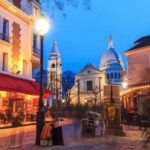
Next comes Palais-Royal, including a photo stop and a guided visit that lasts about 45 minutes. Even if you’ve walked through Paris before, Palais-Royal has a special effect. It’s not just pretty. It’s the kind of space that signals taste and conversation, the kind of setting where fashion would naturally grow a following.
What I like about this stop is that it’s treated like a fashion environment, not a sightseeing checkbox. You’ll learn why Palais-Royal mattered for the city’s high-fashion world and how the space connected culture, status, and design. The gardens provide a calm pause too, which is smart on a walking tour.
If you’re the type who enjoys small details, you’ll likely appreciate the pause here. This isn’t a sprint. It’s a moment to reset your eyes so the later boutique streets and architectural surprises land better.
Rue Saint-Honoré and Rue du Faubourg-Saint-Honoré: Boutique Streets That Still Matter

You spend meaningful time on the Rue Saint-Honoré area, including guided walking and sightseeing. This is where the story becomes very practical. The tour doesn’t stop at history plaques. It points you toward the fashion geography that still shapes how style works in Paris.
You’ll see the famous fashion corridor that includes Rue Saint-Honoré and Rue du Faubourg-Saint-Honoré, and you’ll get guidance on why these streets became so important. The emphasis is on exclusive boutiques and the real rhythm of this part of Paris—where luxury is visible, but also where commerce and branding do their everyday work.
A highlight here is the chance to step into the orbit of vintage luxury. You’ll visit vintage shops and small boutiques, which is where the comparisons become fun. Seeing vintage pieces alongside the idea of current collections helps you understand that trends are rarely invented from scratch. They’re updated, re-scored, and re-marketed.
You’ll also hear how the influence of today’s tastemakers changed luxury fashion. That’s a major shift from the classic designer-driven narrative. It gives you a bridge from old-school haute couture prestige to the modern machine of visibility—social media, influencers, and Fashion Week spectacle.
Colonnes de Buren: When Architecture Becomes a Fashion Backdrop

The tour also includes a stop focused on Colonnes de Buren, an architectural work that attracts fashion influencers and trendsetters. This is one of those places where Paris style and modern publicity overlap, and it’s exactly why it belongs on a fashion history walk.
The point isn’t only what it looks like. It’s why it works as a magnet: it photographs well, it reads instantly, and it makes a simple frame for fashion images. Once you learn that, you’ll start seeing similar patterns across Paris—how designers, brands, and photographers use space to tell stories.
If you like people-watching, this is your moment. Even if you’re not chasing street style, you’ll leave with a better eye for the staging that influences what counts as fashionable.
Place Vendôme: Jewelry Grandeur and the Luxury Economy

Then you move toward Place Vendôme, known for the opulence and grandeur that comes with being the epicenter of the French jewelry industry. This stop helps you widen the lens beyond fashion garments into luxury as an entire system.
Luxury jewelry operates differently than clothing, but it still runs on the same ingredients: symbolism, rarity, and branding. When you hear how designers and houses build value, Place Vendôme becomes more than a gorgeous square. It turns into a lesson about luxury economics—why certain materials, silhouettes, and reputations command attention year after year.
This is also a good spot for photos, but you’ll get more than a background. You’ll understand how the luxury industry uses visibility and exclusivity as tools. That makes the rest of the tour’s designer stories feel more grounded.
You can also read our reviews of more historical tours in Paris



Rue Cambon: Coco Chanel’s Birthplace and the Psychology of Style
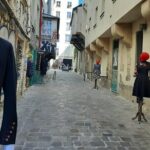
The tour’s emotional center is Rue Cambon, described as the birthplace of Coco Chanel’s fashion empire. This is where the walk shifts from streets and storefronts into ideas. You’ll hear the inspirational story behind Chanel’s legacy and the enduring psychological impact of her contributions to fashion.
Why does psychology belong on a fashion history tour? Because fashion doesn’t just cover the body. It helps people project confidence, belong to a culture, and signal values. Chanel’s story works as a case study for how a designer can change not only silhouettes, but what people believe style can do.
You’ll connect this to the wider tour theme: how fashion trends evolve, why some influences become stronger at certain moments, and how cultural mood affects design. It’s a useful way to look at fashion even after you leave Paris. You stop thinking in outfits-only terms and start tracking motivations.
The walk ends near Place de la Concorde, which is a big clue for planning. You’ll finish in a transit-friendly zone, but it’s still worth thinking about how you’ll get home or to your next stop. Wear comfortable shoes, and give yourself a little breathing room afterward if you want to keep exploring.
How the Guide Makes Fashion Feel Understandable

A lot of fashion history tours can feel either too academic or too superficial. What works here is that the guide translates design language into city-level storytelling.
From the way the tour is described, you’re not just getting designer names like Christian Dior, Louis Vuitton, Pierre Balmain, and Goyard thrown into conversation. You’re getting a through-line about influence—how luxury changes when the spotlight shifts, and how today’s trend culture affects what brands choose to promote.
In the small group format, guides such as Ivo have also shared practical pointers beyond the walk, like adding the Fashion Museum and looking for a Louvre fashion exhibition. That’s a smart bonus because it turns your time into a plan, not just a one-and-done experience.
The tone also seems designed to work for both fashion lovers and people who don’t think of themselves as fashion people. You learn enough context to follow the logic without needing a fashion degree.
Price and Pace: Is $104 for 2 Hours Good Value?
At $104 per person for a 2-hour guided walk, it’s not the cheapest thing on your Paris list. But it isn’t random sightseeing pricing either.
Here’s why I think the value can be solid:
- You get a licensed guide who’s described as an industry professional with advanced education in fashion design, which changes the depth of explanation.
- The group stays small (up to 10), which makes it feel more personal than big-bus-style touring.
- The tour mixes landmark context (Palais-Royal, Place Vendôme, Rue Cambon) with boutique and vintage viewing, so you’re not only looking at buildings.
- You come away with tips on fashion-related spots to keep going.
The pace is also considerate. One review notes the walk was comfortable and not strenuous, which is important since some Paris walking tours can feel longer than advertised. Still, 2 hours is 2 hours. If you want extended time inside specific shops or museums, you’ll likely need to add that afterward.
As always, the best use of your money here is to show up with curiosity. If you’re the type who enjoys watching how culture creates style, you’ll get your money’s worth quickly.
What to Bring and How to Prepare for an Easy Walk

Bring comfortable shoes. That’s the practical advice given for good reason: you’re moving through multiple stylish districts on foot.
If you care about photos, bring a camera or phone and plan to pause when the guide suggests it, especially around garden areas and the architectural stop at Colonnes de Buren. If you hate stopping, you might find the pacing a little more structured than a wander-at-your-own-speed afternoon, but that structure is part of what makes the story click.
Also consider how you’ll handle shopping temptation. The tour includes vintage shops and small boutiques, and even if you don’t plan to buy anything, it’s fun to compare materials, silhouettes, and styling choices.
Who This Tour Fits Best
This is an excellent fit if you:
- love fashion history and want more than a basic timeline
- like luxury shopping areas and want to understand how those places became powerful
- enjoy learning how modern influence (especially influencers) reshaped luxury fashion
- want a Paris walk that stays elegant but still gives you clear, usable context
It’s also a smart choice if you’re not obsessed with fashion, because the tour connects style to psychology, culture, and the way cities shape identity. That makes it easier for a non-specialist to follow.
After the Tour: Keep the Fashion Thread Going
To extend the experience, ask your guide for what to prioritize next based on your interests. From the tips shared on the tour, popular follow-ups include the Fashion Museum and a Louvre fashion exhibition.
If you want to keep exploring on your own, you’re already in the right part of Paris for quick add-ons. The tour ends at Place de la Concorde, so it’s easy to connect to other major sights or continue wandering toward the river with fresh eyes.
Should You Book This Paris Fashion History Walk?
If your goal is to understand how Paris style became a global language, this tour is worth your time. You get a tight 2-hour structure, a fashion-educated guide, and key stops that connect designers like Chanel and Dior to the luxury world you see today.
I’d skip it if you’re mainly after long museum hours, heavy shopping, or a purely visual street-style outing with no design thinking. But if you like stories that explain why fashion choices spread, and you enjoy pairing landmarks with real boutiques and vintage comparisons, book it.
FAQ
How long is the Paris Fashion History Walking Tour?
It lasts 2 hours.
Where is the meeting point?
Meet in front of the Comédie-Française at 1 Place Colette, 75001 Paris, near the metro station exit.
How much does the tour cost?
The price is $104 per person.
What group size is this tour?
It is a small group limited to 10 participants.
What languages is the tour offered in?
The live guide offers English and French.
What stops and areas will I see?
You’ll spend time around Palais-Royal, Rue Saint-Honoré and nearby fashion streets, Colonnes de Buren, Place Vendôme, and end near Rue Cambon and Place de la Concorde.
Is food or drinks included?
No, food and drinks are not included.
Is the tour wheelchair accessible?
Yes, it is wheelchair accessible.
Can I cancel for a full refund?
You can cancel up to 24 hours in advance for a full refund.
What should I bring?
Wear comfortable shoes.