REVIEW · PARIS
Paris: Arc de Triomphe Rooftop Tickets
Book on GetYourGuide →Operated by Distributor: GetYourGuide Tours & Tickets GmbH · Bookable on GetYourGuide
The Arc de Triomphe is worth the climb. I love the way this neoclassical giant puts you right above Paris at the center of those radiating avenues, and I especially like the solemn stop at the Tomb of the Unknown Soldier with its daily eternal flame ritual. One catch: the rooftop access is mostly stairs, and the elevator is for disabled customers and may not take you all the way up.
From street level, the monument feels massive; from the top, it feels like you’ve switched on a giant city map. You’ll spend about 1 day with a self-guided flow, with a small group size capped at 7, but plan for security checks and a lot of narrow steps once you start climbing.
In This Review
- Key things that make this rooftop ticket great
- The Arc de Triomphe rooftop: the view that makes everything else click
- How the stairs work (and how to plan for them)
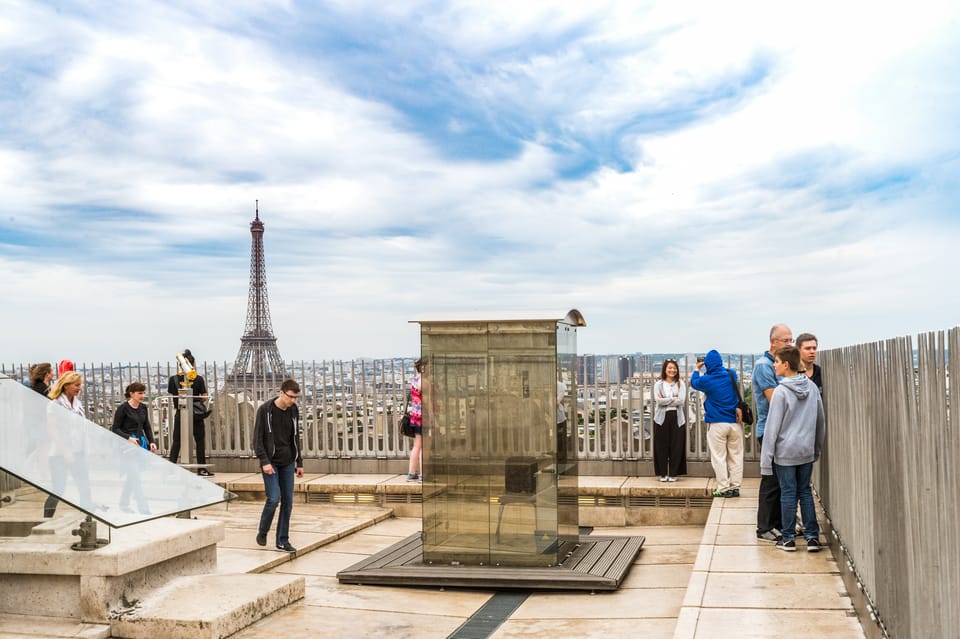
- What you see from up high: the city map in all directions
- Tomb of the Unknown Soldier: the moment most people remember
- Entry, security, and finding the right place at Place Charles de Gaulle
- Ticket value: paying $18 for a view you can feel
- When to go: lines, sunrise-to-night light, and the 6:30 PM flame
- Who this fits (and who should think twice)
- Should you book the Arc de Triomphe rooftop ticket?
- FAQ
- How long does the Arc de Triomphe rooftop ticket take?
- Where do I meet for the ticket?
- Is the tour guided?
- What’s included with the ticket?
- Is there an elevator?
- Do I need ID?
- Can I bring luggage or large bags?
- How much does it cost?
- Are there any free or discounted entry options?
- When is the Arc closed?
Key things that make this rooftop ticket great
- Best panoramic payoff: you get a platform view where the city’s main avenues radiate outward.
- The Tomb stop is real emotion: World War I tribute at the base, with the eternal flame rekindled daily at 6:30 PM.
- A self-guided win: no guided tour needed, so you control pacing at your own viewpoint.
- Stairs are the price of admission: the rooftop is reached by climbing 284 steps, plus the last push to the roof level.
- It’s a smart alternative to Eiffel-only days: the top views show different angles across Paris.
The Arc de Triomphe rooftop: the view that makes everything else click
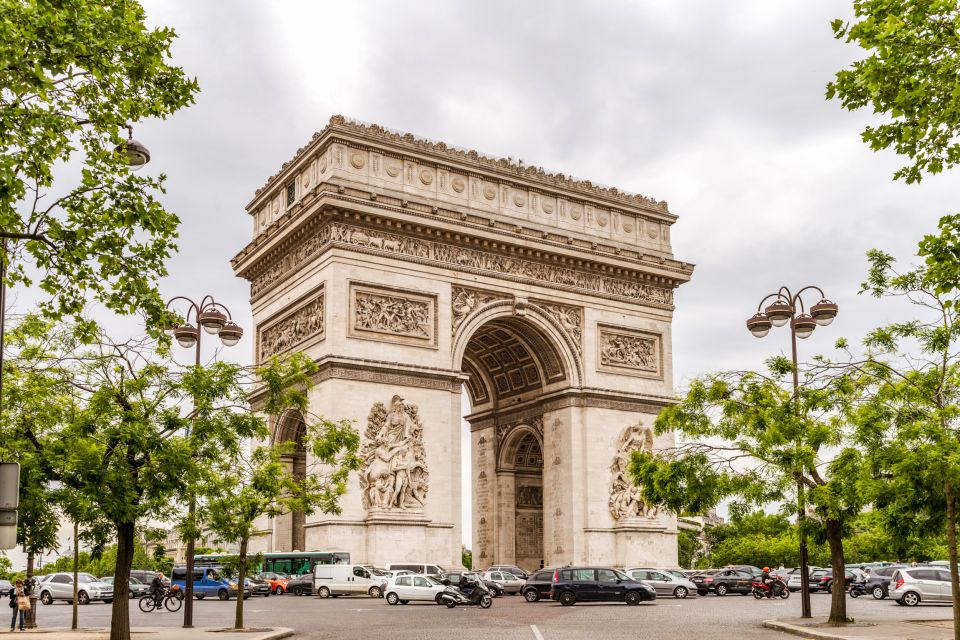
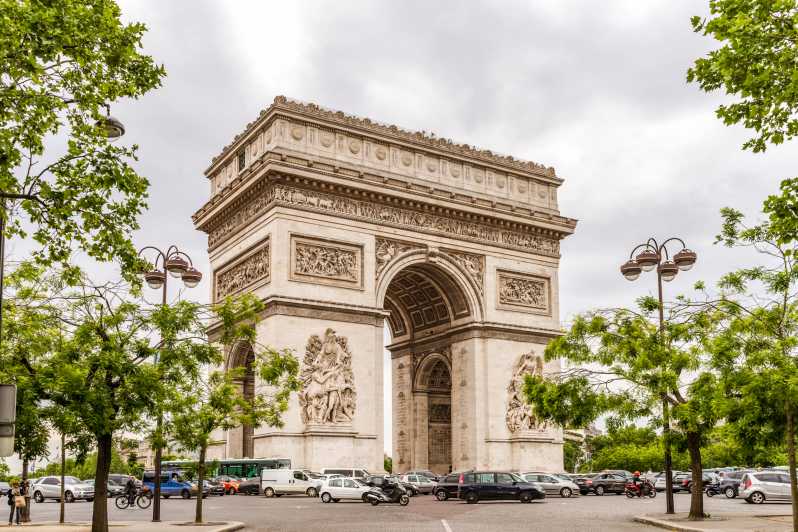
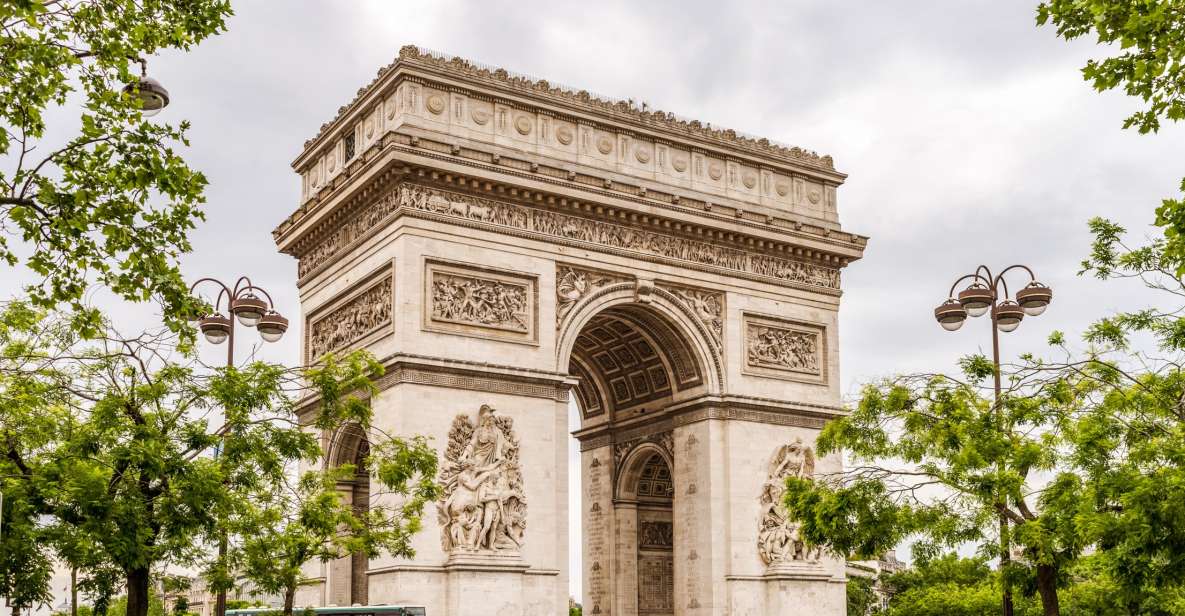
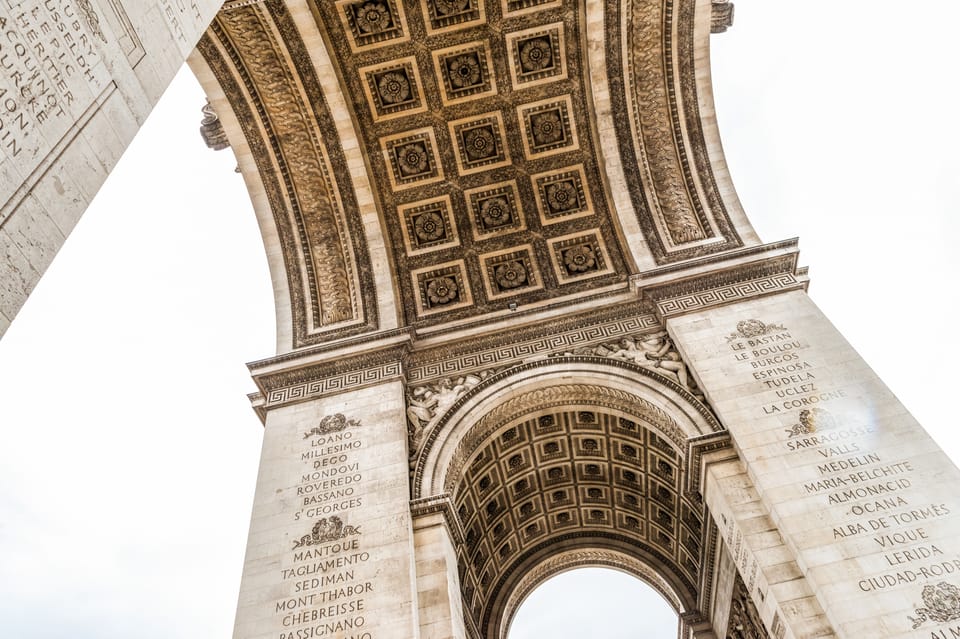
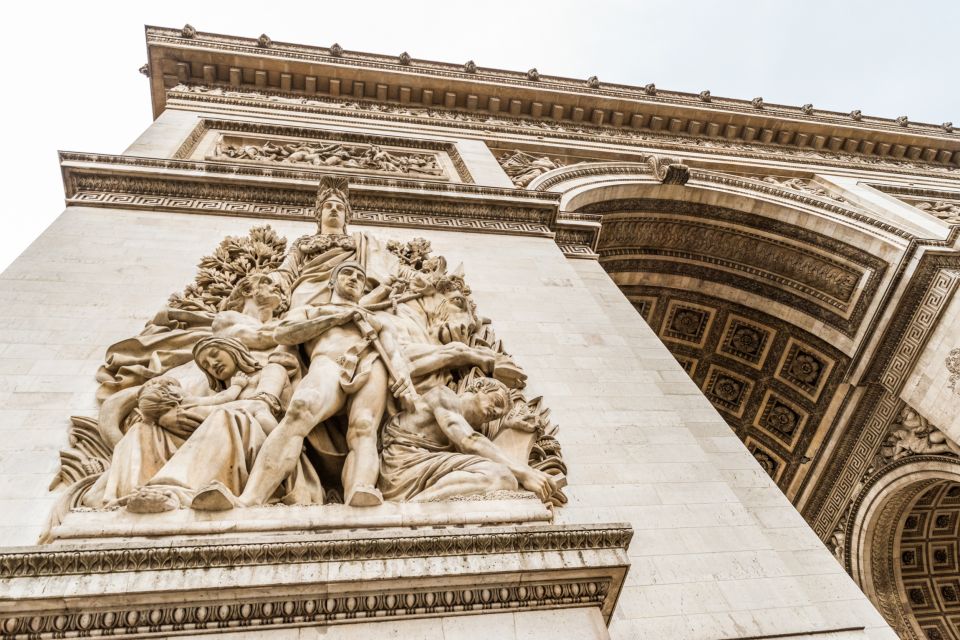
The Arc de Triomphe is built in the style of ancient Roman triumphal arches, but it’s very much Paris. It rises about 50 meters tall, and that height is what turns this from a quick photo stop into a real orientation moment. The payoff is the panoramic platform view, where you can actually understand how Paris is laid out.
What I like most is how the rooftop view makes the city feel logical. You see the major streets stretching out like spokes from the roundabout, and Paris starts to make sense fast, especially if your first days feel like blur. This is also one of the few big viewpoints where you can leave without committing to a long guided day.
The Tomb of the Unknown Soldier adds weight to the experience. At the base, it honors the 1.3 million French soldiers who died in World War I, and the eternal flame is rekindled at 6:30 PM each evening. Even if you’re not a museum person, it’s hard to walk past without slowing down.
A few more Paris tours and experiences worth a look



How the stairs work (and how to plan for them)
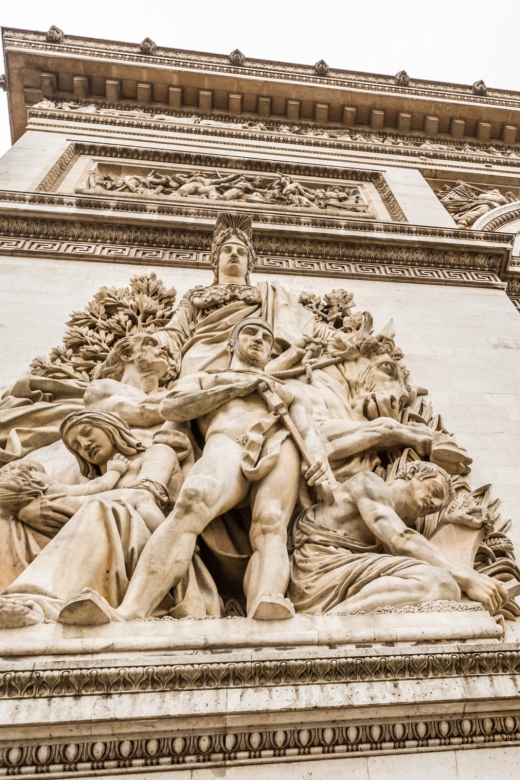
This is a ticket for people who can handle stairs. To reach the rooftop, you’ll climb 284 steps. The stair experience is part of the point—so when you plan your day, build in time for a slower pace and short breaks.
A couple practical things from the pattern of visit reports: expect the stairways to be tight and repetitive, and know there are no easy long rests until you reach higher levels. If you need to stop, it helps to step aside on landings to let people pass and keep the flow moving.
Elevator rules matter here. The elevator is reserved for disabled customers, and it is temporarily out of service for the full rooftop route. You might still be able to use the elevator to a shop level, with 50 steps remaining to reach the rooftop. If stairs are a deal-breaker for you, it’s worth thinking through that last stretch before you buy.
Good shoes beat any strategy. You’ll also want something with grip because stairs can feel slick depending on weather.
What you see from up high: the city map in all directions
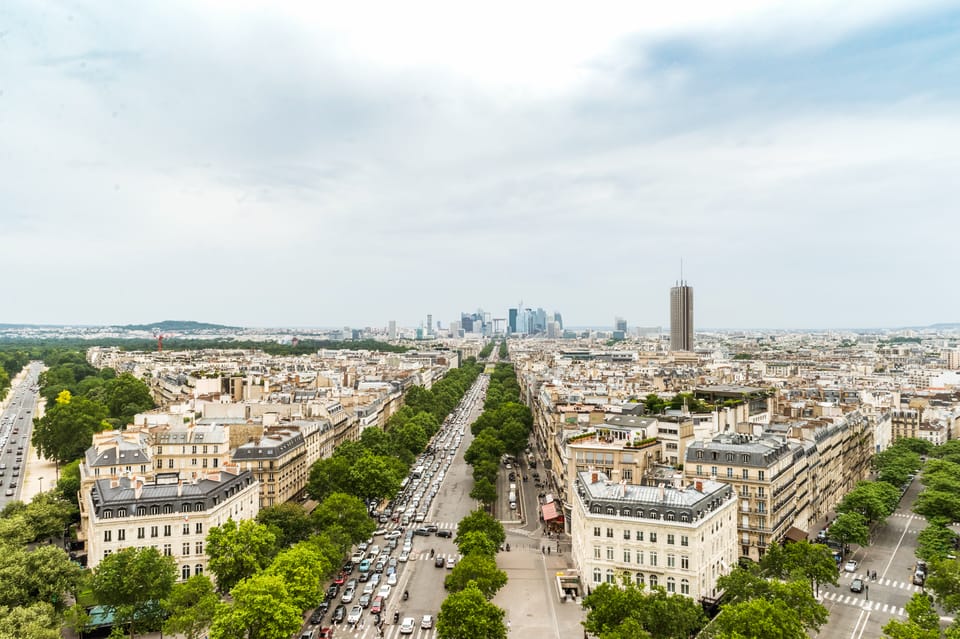
Once you’re up top, you’re rewarded with a wide, circular look across Paris. Many people focus on the Eiffel Tower because it’s the famous target, but the Arc viewpoint gives you more than one landmark at a time. You can take in multiple famous spots in the same sweep, depending on the day and visibility.
The rooftop is especially useful for first-time orientation. You’ll notice how the avenue spokes connect neighborhoods, and you’ll start recognizing the city you’ve been walking through below. If you’re planning museum days and long walks after this, that mental map is a real advantage.
Timing affects what the view feels like. If you go near sunset or after dark, you’ll likely catch the city lighting in a way that feels more cinematic than midday. Some visitors recommend night mode for photos, since the viewpoint is high and the lights can look dramatic.
One more note: visibility varies. Pollution and weather can soften the farthest views, so if you’re chasing a crisp line of sight, keep your schedule flexible.
Tomb of the Unknown Soldier: the moment most people remember
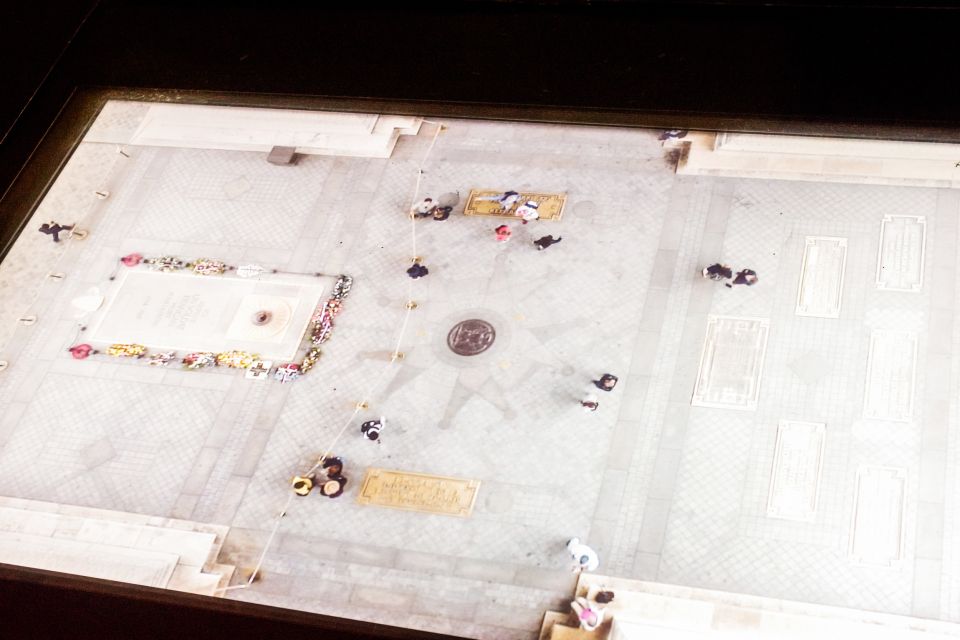
At the base of the Arc, the Tomb of the Unknown Soldier is a powerful counterpoint to the tourist energy. It commemorates the huge loss of life in World War I, and it’s not just a plaque you glance at. It asks for a pause.
Then there’s the eternal flame ritual at 6:30 PM. If your timing lines up, you’re in the right place for that daily rekindling. Even people who planned this visit for the rooftop photos often remember the flame moment because it changes the mood of the whole area.
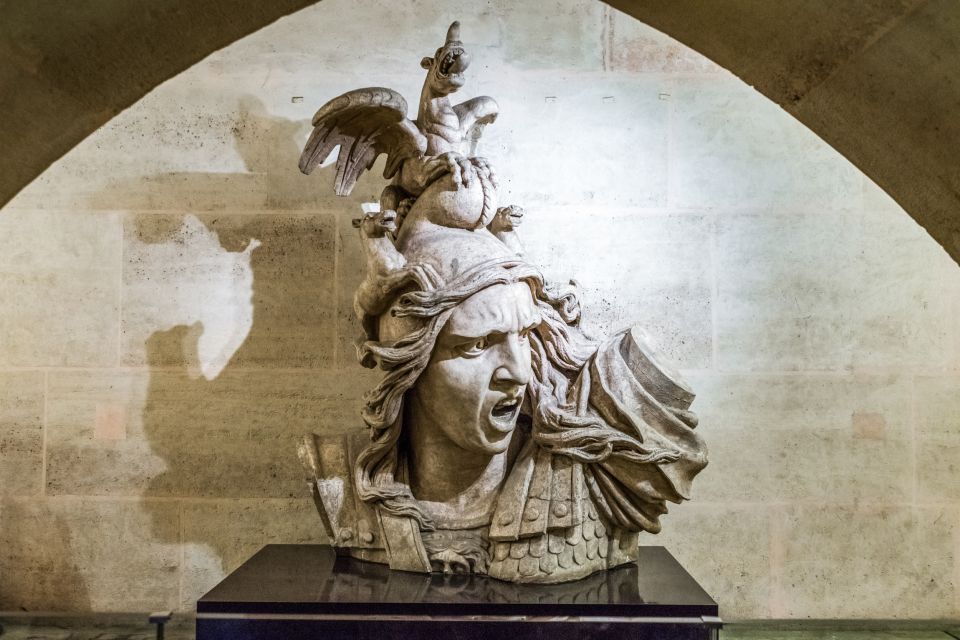
There’s also an exhibition inside that explains the symbolic importance of the monument. That part helps you connect the architecture to what it represents, not just what it looks like.
If your day is packed, this is one of the easiest ways to add meaning without adding a separate tour.
Entry, security, and finding the right place at Place Charles de Gaulle
Meet at the entrance of the Arc de Triomphe. The location is the big roundabout at Place Charles de Gaulle, and getting there is part of the experience—mostly because it’s busy and because pedestrian access is controlled.
You’ll pass a security check line for safety measures. This is the most common reason for delays, especially in peak season. The practical move: assume you’ll need extra minutes, even if your ticket is ready.
The underground approach helps. To get to the Place Charles de Gaulle area (where the Arc is), you take underground stairs from the Champs Elysées side and Rue de la Grande-Armée side. Once you’re in the underpass zone, there can be lines and flow around entrances, so don’t rush—follow the signs for the entrance point and keep your ticket info accessible.
What you bring matters. You need a passport or ID card. Plan to travel light because luggage or large bags are not allowed.






Ticket value: paying $18 for a view you can feel
At about $18 per person, this isn’t a bargain in the sense of being cheap. It is a bargain in the sense that you’re paying for something you can’t download onto your phone: height, angles, and city-wide perspective.
You also avoid the cost and time of a guided tour. This ticket includes access to the Arc de Triomphe rooftop and the views, and it’s designed for you to go at your own pace. In a city where guided experiences can turn into long time blocks, that flexibility is genuinely valuable.
Small group size also helps. The limit of 7 participants means the visit feels less like a herd, which makes it easier to slow down for photos and to linger at the Tomb portion without feeling rushed.
The one value trade-off is the non-refundable nature of the ticket, since the experience can be affected by weather and crowd timing. It’s best viewed as a commitment to showing up and climbing.
When to go: lines, sunrise-to-night light, and the 6:30 PM flame
This ticket is valid for 1 day, with specific starting times depending on availability, so you’ll want to match your visit to the light you want.
For crowds, the simplest strategy is to avoid the middle of the day if you can. If you can aim for earlier hours, you may get through security faster and still have great visibility. Midday can work, but it’s also when you’re more likely to feel the wait.
For atmosphere, many people recommend late afternoon into evening. Sunset and night views often feel special because the city lights spread out across the horizon and the Eiffel Tower may show up in your frame. If you plan around the 6:30 PM eternal flame, you’ll get a built-in reason to be there at a specific time—not just for photos, but for the ceremony itself.
Plan for last access. Last access is 45 minutes before closing, so build buffer time if you want to take your time on both the inside areas and the rooftop climb.
Closed dates are real. The Arc is closed on January 1, May 1, May 8 (morning), July 14 (morning), November 11 (morning), and December 25. There can also be exceptional closures due to official ceremonies, so if your date is a public holiday or near a major ceremony day, double-check before you go.
Who this fits (and who should think twice)
This rooftop ticket is ideal for you if you want a big view without adding a full guided tour day. It’s also great for you if you want fast orientation on your first visit to central Paris.
It’s a strong pick for couples, friends, and solo travelers who like self-guided pacing. It’s also a decent fit for families only if kids can handle the stair climb and the narrow sections without getting overwhelmed.
Think twice if you know stairs are difficult for you. The main route is 284 steps, and even if the elevator works for some customers, the final access can still involve stairs. If mobility is a concern, you’ll want to review how the elevator service works for the rooftop route on your visit date.
If your ideal Paris day is mostly flat museum floors, a rooftop climb might not be the best fit. But if you’re willing to trade a bit of effort for a rare aerial view, it hits the sweet spot.
Should you book the Arc de Triomphe rooftop ticket?
If your goal is to understand Paris from the center and see a panoramic view that goes beyond the typical Eiffel-only plan, I’d book it. At $18, the value is strong because you get multiple layers: the rooftop panorama, the Tomb tribute below, and the chance to catch the 6:30 PM eternal flame if your timing lines up.
Book it if you’re comfortable with stairs and you’re okay with security lines. I’d skip it if you can’t handle long stair climbs or if you need a fully elevator-only route to the rooftop. For everyone else, this is one of those Paris experiences where your legs do the work and your eyes do the rest.
FAQ
How long does the Arc de Triomphe rooftop ticket take?
This activity is listed as lasting 1 day. In practice, you should plan time for security, the inside areas you choose to see, and the full rooftop climb.
Where do I meet for the ticket?
Meet at the entrance of the Arc de Triomphe.
Is the tour guided?
No. This is self-guided, and a guided tour is not included.
What’s included with the ticket?
Your ticket includes access to the Arc de Triomphe rooftop and views over Paris.
Is there an elevator?
The elevator is reserved for disabled customers. The elevator to the top is temporarily out of service; it may reach the shop level, and you may still need 50 steps to access the rooftop.
Do I need ID?
Yes. Bring a passport or ID card.
Can I bring luggage or large bags?
No. Luggage or large bags are not allowed.
How much does it cost?
The price is listed as $18 per person.
Are there any free or discounted entry options?
Entrance is free for those under 18 and EU citizens under 26 (with picture ID presented at the ticketing station). Free entrance is also available on the first Sunday of January, February, March, November, and December and during European Heritage Days.
When is the Arc closed?
It’s closed on January 1, May 1, May 8 (morning), July 14 (morning), November 11 (morning), and December 25, and it may close exceptionally for official ceremonies.