REVIEW · PARIS
Paris: Louvre Overview, Exploration tour and Reserved Entry
Book on GetYourGuide →Operated by ParisCityVision · Bookable on GetYourGuide
Skip the chaos, then meet the art up close. This Louvre reserved-entry experience is built for speed and clarity: you get priority access through a dedicated door, an orientation walk, and an escort toward the museum’s biggest headline rooms, including Leonardo da Vinci’s Mona Lisa.
I especially like the reserved-entry setup because it removes the most stressful part of the Louvre—those long entrance queues. I also like that the route is designed as a practical overview, taking you from palace foundations to famous masterpieces, so you know what to chase after the tour ends.
One drawback to plan for: even with priority entry, it’s still a huge museum with security checks and a lot of walking and stairs, so it’s not suitable for people with mobility impairments.
In This Review
- Key takeaways before you go
- Entering the Louvre with reserved priority access
- Meeting at the Carrousel: where to stand and what to look for
- Your orientation route: what you’ll see before you settle in
- What’s special about this mix
- The Mona Lisa escort: how to handle the most crowded room
- Beyond the headlines: Egypt, antiquity, and the Ancient Near East
- Egypt that feels human, not distant
- Antiquity you can recognize instantly
- Ancient Near East context
- Royal Paris inside the museum: Galerie d’Apollon to Napoleon III
- Why these palace-room stops matter
- Audio guide support: using it to match your energy
- Getting your day to work: timing, walking, and crowd reality
- Price and value: is $60 a good deal?
- Who should book this reserved-entry Louvre experience?
- Should you book it? My call
- FAQ
- Where do I meet the host?
- Does this include skip-the-line Louvre entry?
- Will I be guided inside the Louvre?
- Is access to temporary exhibitions included?
- What languages are available?
- Are pets or large bags allowed?
- Is this tour suitable for people with mobility impairments?
Key takeaways before you go

- Priority entry through a dedicated door helps you get inside faster than standard lines
- An escort to the Mona Lisa keeps you from getting lost in the biggest crowds
- A smart highlights circuit includes Egyptian, Ancient Near East, and major European paintings and sculpture stops
- Personal audio guide support helps you slow down and choose your own pace after the orientation
- Temporary exhibitions aren’t included, so you’ll want to check what’s on separately
- Entry depends on Louvre procedures, and security or crowds can still slow things down
Entering the Louvre with reserved priority access
The Louvre can feel like two places at once: a stunning palace-turned-museum and a giant maze full of people with the same plan. The big win here is that you’re guided to skip-the-line entry using a dedicated door. That matters because your time at the museum is never “just art time.” It’s also lines, navigating, and figuring out where you are.
Once you’re in, you’re not thrown into the chaos. The whole idea is to get you oriented quickly—enough to understand how the museum is laid out and which rooms are worth your limited energy. That’s why this experience often works well even if you only have one day in Paris.
Just keep one expectation straight: priority entry can’t erase the Louvre’s security process entirely. The good news is that the tour is designed to make the “getting in” part more predictable, not to promise a magic, no-crowds Louvre fantasy.
You can also read our reviews of more tours and experiences in Paris.



Meeting at the Carrousel: where to stand and what to look for
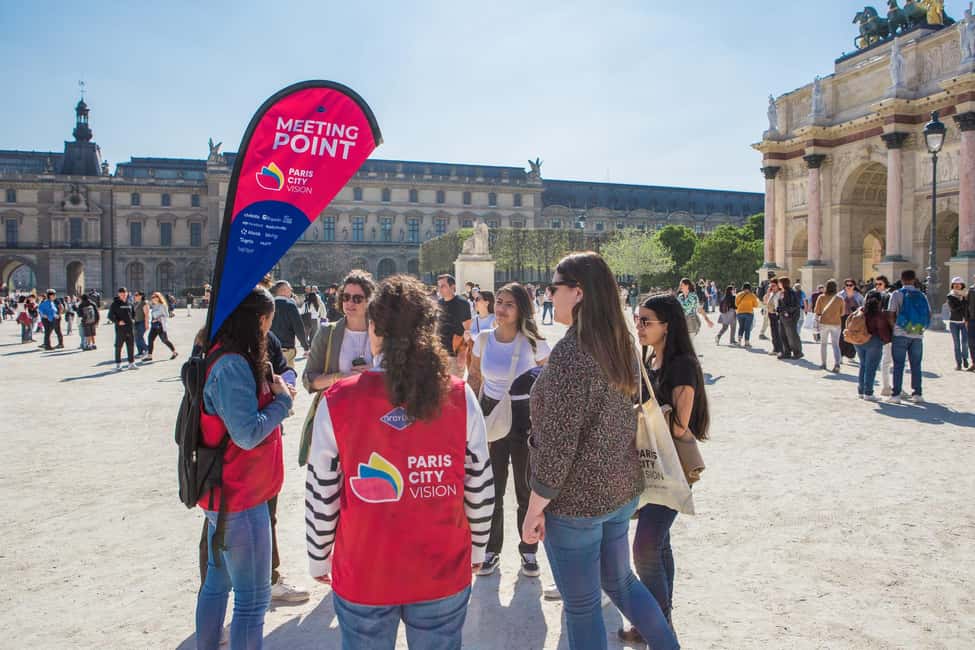
This starts at the Arc de Triomphe du Carrousel area, on the right side of the Carrousel Arch with the Louvre Pyramid at your back, at the end of the gardens. Your host holds a Paris City Vision sign and wears a red jacket.
That meeting detail is small, but it’s the difference between calm and confusion. The Louvre complex is enormous, and the Carrousel area funnels people in a few different directions. If you arrive early, you’ll have time to confirm you’re in the right spot and meet your group before the crowd builds.
Practical tip: I’d wear or bring something for changing weather. One guest noted the meeting point can get hot or rainy, and it’s not the moment you want to scramble for a jacket.
Your orientation route: what you’ll see before you settle in
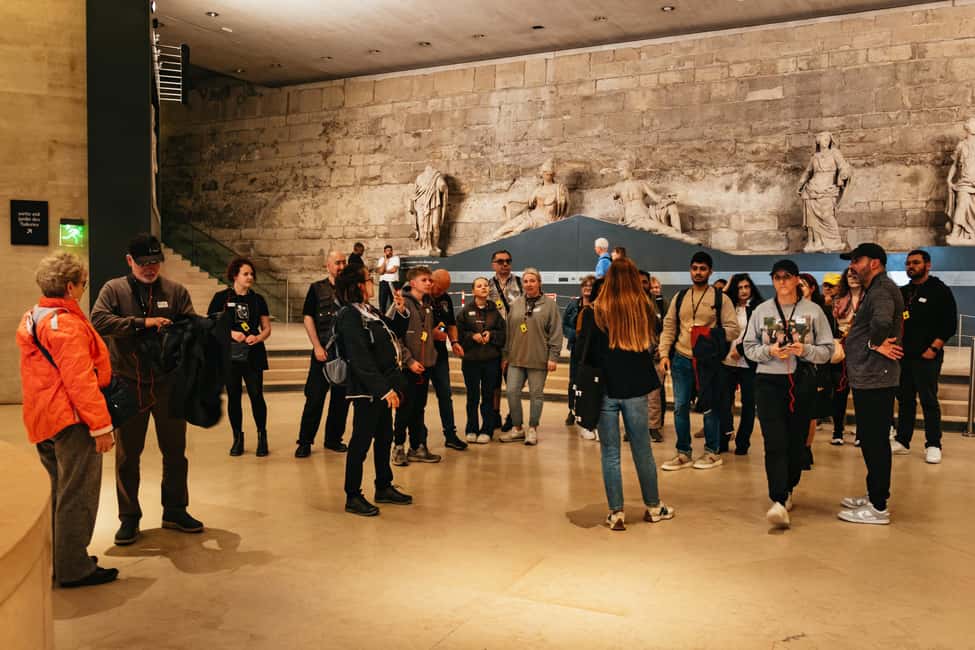
This isn’t a slow, room-by-room lecture. Think of it as a focused orientation walk that hits the Louvre’s strongest “greatest hits,” then points you toward what you’ll want to see in more detail on your own.
You’ll get a guided flow through major highlight areas, including:
- the museum’s medieval palace foundations
- the world-famous Mona Lisa (1506), where the final escort lands
- famous antiquities such as Venus de Milo and the Caryatids
- Etruscan collections
- Pharaonic Egypt, including the Seated Scribe and a mummy
- the Galerie d’Apollon and its decorative jewels
- major French paintings like Liberty Leading the People
- royal decorative arts and the apartments of Napoleon III
- the Richelieu Wing with French sculptures
And it doesn’t stop at classical Europe. The route also covers the museum’s Ancient Near East strengths—Mesopotamia, Syria, Persia, and Islamic art—so you get context for how writing, architecture, and culture shaped the world long before the Renaissance.
What’s special about this mix
The Louvre is too big to “see everything,” and most first-timers waste time picking randomly. This route helps because it’s broad enough to show you where the museum’s big departments live (Egyptian, Greek/Roman, Near East, Islamic, paintings, sculpture). Then you can return later with a plan.
A bonus: some guides are praised for giving just enough background to make the art make sense without turning your day into a textbook. If you want a detailed commentary in every room, you might find this format too fast. But if you want orientation and momentum, it works.
The Mona Lisa escort: how to handle the most crowded room
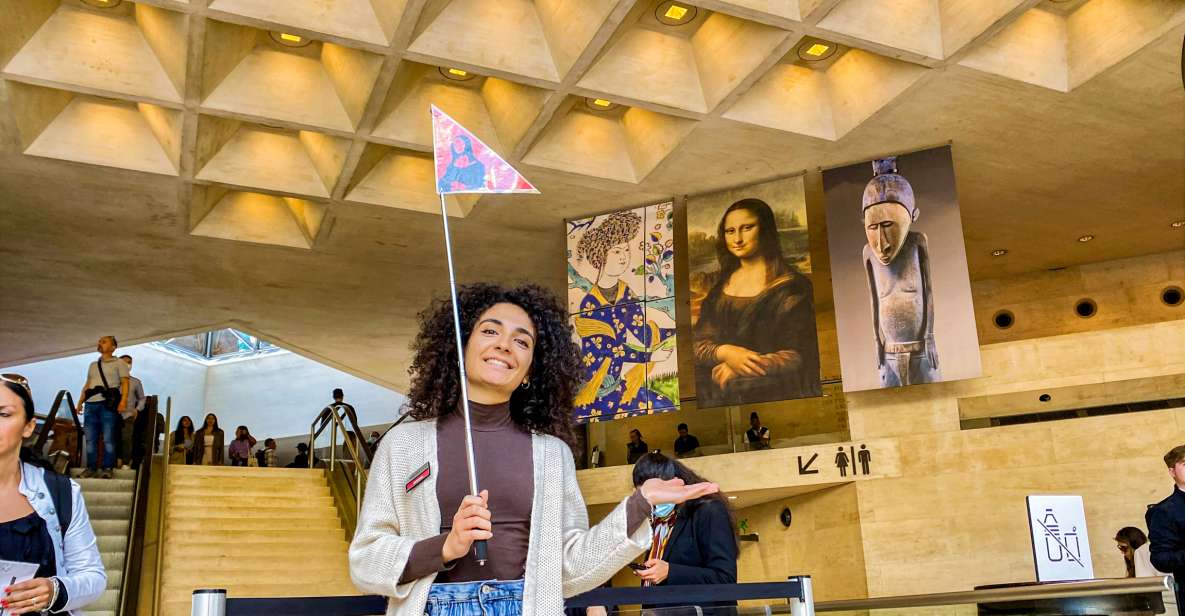
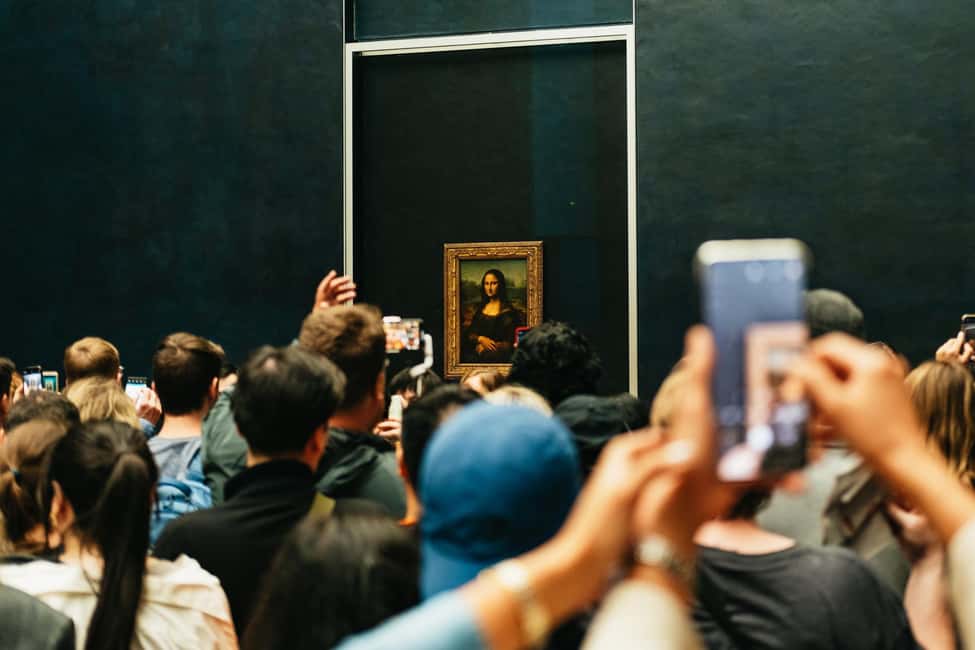
The Louvre’s Mona Lisa room is famous for a reason: people treat it like a must-see stop on a checklist, and that can turn the experience into shoulder-to-shoulder turbulence. The escort part is designed to reduce how much time you spend stuck figuring it out.
You’ll be led directly toward the Mona Lisa area, with a focus on getting you there efficiently and staying on track. Reviews also mention that once you reach the room, the flow is managed so people can take selfies and photos without lingering forever in the tight space.
One more reality check: the Mona Lisa is small, and the crowd makes details harder. That’s where the audio guide becomes useful. Even if you can only see the painting for a short moment in person, you can use audio moments later to understand what you’re looking at and why it matters.
If crowds stress you out, this is the right kind of tour format—because it gets you in, gets you there, and then gets you back to owning your pace.





Beyond the headlines: Egypt, antiquity, and the Ancient Near East

A lot of Louvre visits overweight one era: either painting rooms or ancient statues. Here, you get a path that spreads attention across multiple departments, which is exactly what you want on a first trip.
Egypt that feels human, not distant
The Egyptian stops include pharaonic pieces such as the Seated Scribe and a mummy. These displays do something important: they remind you that the Louvre isn’t only a gallery of European masterpieces. It’s also a museum of world civilizations, organized by departments that span thousands of years.
Antiquity you can recognize instantly
Stops like Venus de Milo and the Caryatids are powerful because they’re recognizable even before you learn the details. Seeing them in person helps you understand why they became icons in art history circles.
Ancient Near East context
The route also highlights civilizations of Mesopotamia, Syria, Persia, and Islamic art. That’s not just “more rooms.” It gives you a thread—ideas about writing, architecture, and culture—that connects the museum’s huge collection into something you can follow.
If you’re the type of traveler who likes to build a mental map, this department spread does the heavy lifting. It also makes your self-guided time later more satisfying, because you won’t only know where things are—you’ll know what kind of things they are.
Royal Paris inside the museum: Galerie d’Apollon to Napoleon III
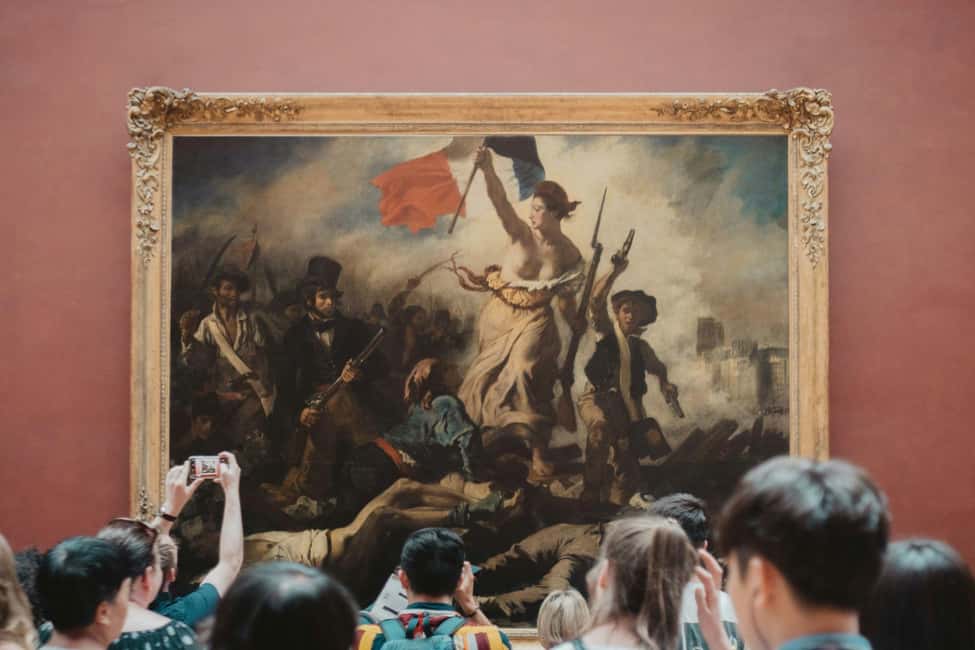
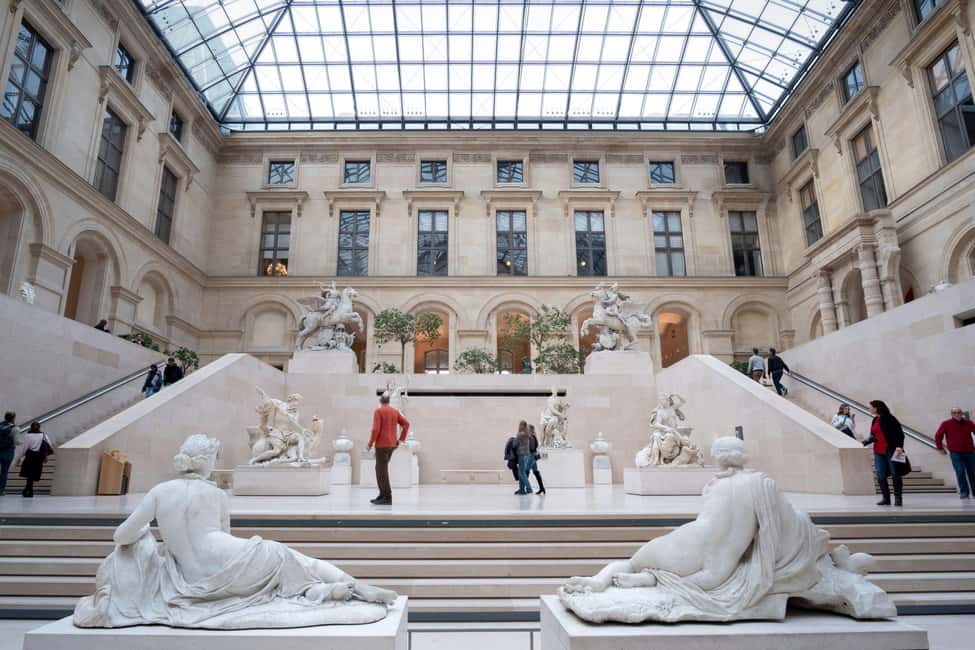
The Louvre isn’t only about paintings and sculptures. It’s also a palace with dramatic rooms, and this tour touches key spaces that show off that grandeur.
In the middle of your circuit, you’ll walk through:
- the Galerie d’Apollon, including its decorative jewels
- Liberty Leading the People, one of the most recognizable French painting scenes in the entire museum
- royal decorative arts
- the apartments of Napoleon III
- and ending up in the Richelieu Wing with French sculpture highlights
Why these palace-room stops matter
You might think “I came for art,” and fair. But palace interiors change how you experience the art. Rooms like Galerie d’Apollon make you slow down just enough to notice how display and architecture influence what you see.
Also, Napoleon III’s apartments and the Richelieu Wing give you a sense of how France collected, displayed, and staged its own artistic legacy. That makes the museum feel less random and more intentional.
Audio guide support: using it to match your energy
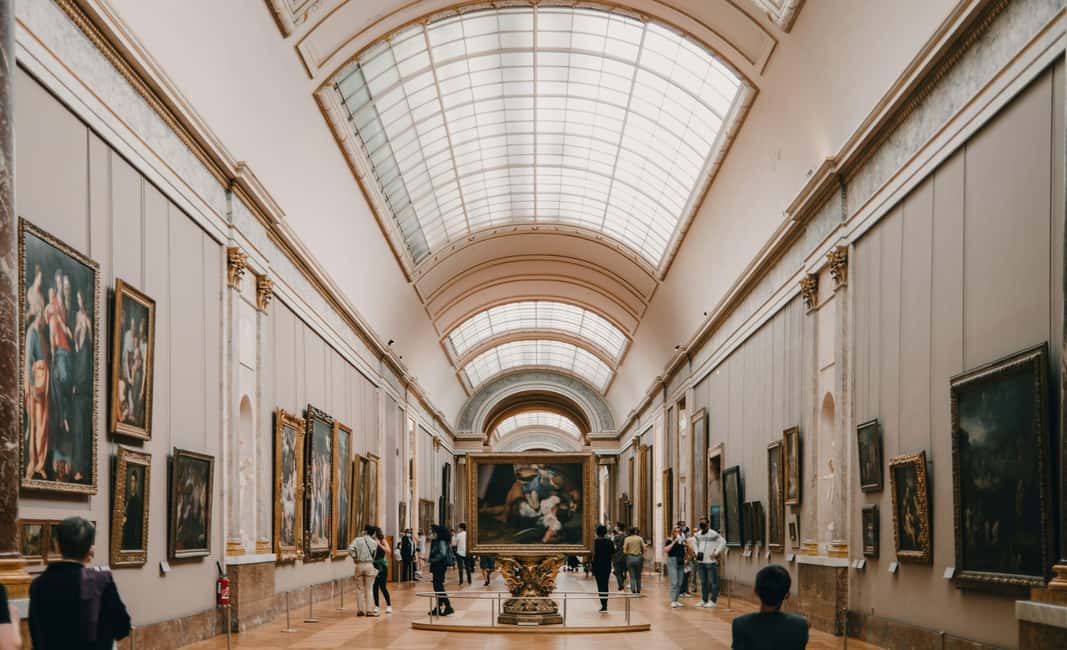
The personal audio guide for all ages is included, and it’s a smart pairing with this kind of orientation tour. Since the guided portion is more of a highlights route than a deep narration at every stop, the audio becomes the tool for “your version of the Louvre.”
Here’s the practical way to use it:
- Use the tour to get your bearings and pick what you want to return to.
- Once you go off on your own, use the audio guide in the rooms that match your interests.
- If a room is crowded, you might spend less time staring and more time listening—then go back to look again if you find a quiet angle.
Some guests also appreciated that the experience doesn’t try to trap you in constant commentary. You get direction, then you get space to enjoy the museum at your pace.
Getting your day to work: timing, walking, and crowd reality
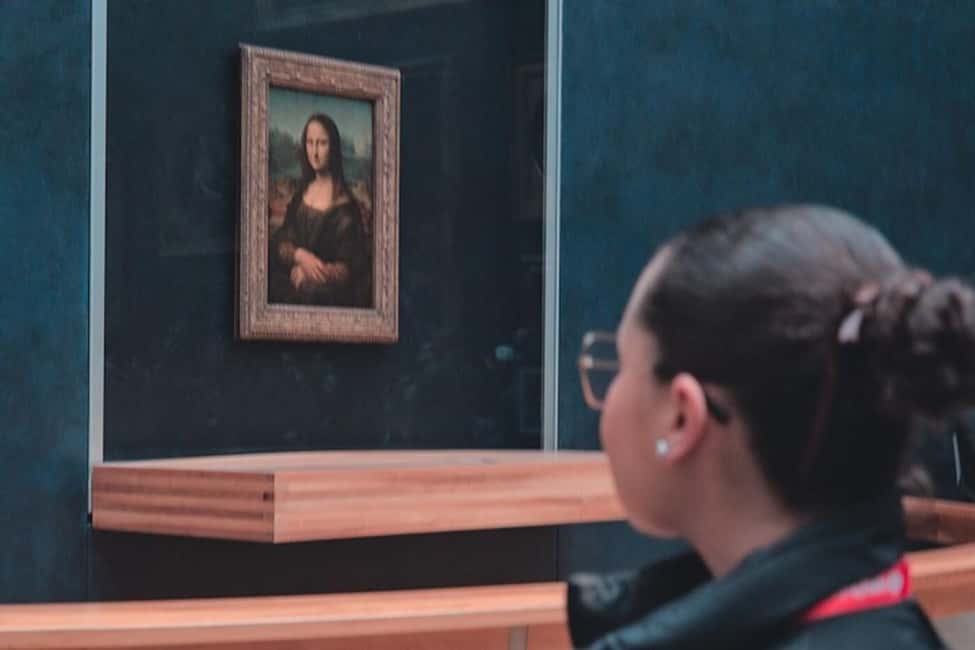
This is one-day, highlights-focused access, so time and movement matter. The museum is massive. Even with reserved entry, you’ll be moving through multiple rooms and dealing with bottlenecks near the top attractions.
A few practical reminders based on what people said worked:
- Bring comfortable shoes. You will use them.
- Expect stairs and lots of walking. One guest warned it’s not ideal if you need fewer steps.
- Plan for potential entry slowdowns if security is busy. The skip-the-line access is subject to Louvre procedures, and that’s real-world.
Lockers can also matter. One review noted there were no-charge lockable bins in the group tour area for possessions you don’t want to carry. If you’re traveling light, great. If not, it’s worth thinking through what you’ll bring so you’re not dragging bags through tight spaces.
Price and value: is $60 a good deal?
At $60 per person for a 1-day experience, the value is in what you avoid and what you gain.
You avoid:
- the main entrance queue
- the mental load of figuring out the best first route through a museum this size
You gain:
- priority entrance through a dedicated door
- an escort that gets you to the Mona Lisa
- a highlights orientation that includes a wide spread across departments
- a personal audio guide
What you don’t get for that price:
- access to temporary exhibitions
- a full guided explanation in every room (it’s more orientation than deep commentary)
So is it worth it? If your goal is to see the big works and get a workable plan for your remaining Louvre time, yes—this is often one of the more efficient ways to get inside and not waste half the day wandering. If your goal is a slow, fully narrated art lecture, you might prefer a more in-depth guided tour format.
One more “value” note: check the meeting instructions carefully. One guest reported a meeting point adjustment the day before that required extra transport costs. That doesn’t mean it happens often, but it’s smart to verify details the day before you go so your day stays smooth.
Who should book this reserved-entry Louvre experience?
This tour format fits best if you:
- are visiting the Louvre for the first time and want a fast orientation
- mainly care about seeing the major highlights without spending hours mapping rooms
- want help getting to the Mona Lisa without getting stuck in confusion
- like using audio at your own speed after a guided jumpstart
It may not fit if you:
- need step-free access (it’s not suitable for people with mobility impairments)
- want detailed guide talk in every room rather than an escort + quick orientation
- are mainly chasing temporary exhibitions, since they’re not included
Should you book it? My call
Book it if you want stress-reduced access and a clear route to the museum’s biggest hits, especially Mona Lisa. For many first-timers, that’s the difference between a frustrating day and a day that feels productive.
Skip it and choose a different type of tour if you want a slow, deeply narrated experience or if mobility needs make stairs and long walking an issue for you. In that case, you’ll likely be happier with an option designed around accessibility and longer stops.
If you do book, arrive prepared to move, and use the audio guide to turn your highlight sprint into a plan you can follow once you’re on your own. That combo is what makes the day feel like you got something real out of your limited time in Paris.
FAQ
Where do I meet the host?
Meet on the right side of the Carrousel Arch with the Louvre Pyramid at your back, at the end of the gardens. Your host will be holding a Paris City Vision sign and wearing a red jacket.
Does this include skip-the-line Louvre entry?
Yes. You’ll get skip-the-line Louvre Museum entry with priority entrance through a dedicated door.
Will I be guided inside the Louvre?
You’ll be escorted to the Mona Lisa and taken on a complete orientation-style walk through major highlights. The experience is not described as a full guided tour with continuous guided commentary in every room.
Is access to temporary exhibitions included?
No. Temporary exhibitions are not included.
What languages are available?
The live tour guide is available in English and Spanish.
Are pets or large bags allowed?
No pets are allowed, and luggage or large bags are not allowed. Smoking is also not allowed.
Is this tour suitable for people with mobility impairments?
No. It is not suitable for people with mobility impairments.
If you want, tell me your travel month and what you most care about (paintings, antiquity, Egypt, or palace rooms), and I’ll suggest a smart plan for what to revisit after the Mona Lisa stop.