REVIEW · PARIS
Paris: Dark History and Ghostly Guided Walking Tour
Book on GetYourGuide →Operated by Irreplaceable Tours · Bookable on GetYourGuide
Paris turns different after dark, and this tour leans hard into the spooky, street-level stories. I like that you get both history and ghost lore at major central landmarks, not just one spooky theme. One thing to consider: the tone is gruesome-dark history more than scary jump-scares, so if you’re easily rattled, bring your boundaries.
You’ll meet your guide at 1 rue d’Arcole, then wind through the Left Bank core for a compact night walk that hits famous sites with unsettling details—plus a few legends that feel made for Paris at dusk.
In This Review
- Key takeaways
- Entering Rue d’Arcole: why the tour starts at the grimy edge of town
- The public execution stories that make Paris feel real
- Pont Neuf and the Left Bank vibe: crime, river, and power
- Conciergerie: where justice became legend
- Notre-Dame exterior: demons, symbols, and the chill factor
- Templars and secret-society lore: why Paris keeps returning to it
- The theatre poet and the Opera House ghost: legends that feel staged
- Signs and symbols: how the guide makes you look like a local
- The vampire finish: a strong closer, not a random jump scare
- Price and value: is $35 worth a night walk?
- Practical tips that matter for a comfortable night
- Who should book this Paris dark history and ghost walk
- Should you book it?
- FAQ
- How long is the Dark History and Ghostly Guided Walking Tour?
- Where do I meet the guide in Paris?
- What language is the tour offered in?
- Does the tour run in bad weather?
- What should I wear or bring?
- Can I cancel and get a refund?
Key takeaways
- Execution-era start point at Rue d’Arcole, setting a grim tone from minute one
- Notre-Dame exterior pauses for demon lore and carved-symbol spotting
- Templar connections that explain why secret-society stories keep echoing in Paris
- Theatre and poet ghost legend plus a nod to a fire-related Opera House haunting
- Pont Neuf and Conciergerie stops that connect the dots between crime, power, and punishment
- A finish at the meeting area with a vampire story to cap the night
Entering Rue d’Arcole: why the tour starts at the grimy edge of town
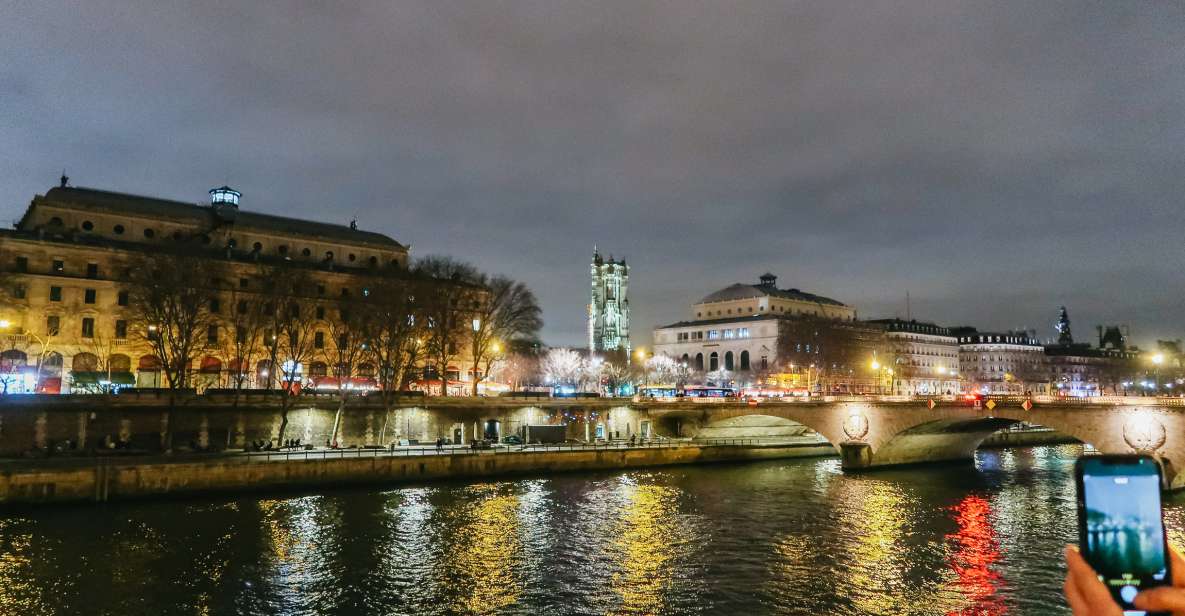
The tour begins at 1 rue d’Arcole, near Hotel-de-Ville, Cité on the metro. That matters because Rue d’Arcole sits in the historical heart of Paris, where you can still feel how the city used to run on public spectacle and fierce justice. Starting here also avoids the tourist-trap feeling that can happen when a night tour always begins at the same famous square.
I like that the guide’s first stories are rooted in real public punishment—meaning you’re not just chasing ghosts for vibes. The opening sets up a pattern the whole walk follows: what people believed, what authorities enforced, and how fear gets remembered.
One practical note: this is a walking experience, so comfortable shoes are non-negotiable. Add an umbrella because it runs in rain or shine, and evening weather in Paris has a way of changing fast.
You can also read our reviews of more walking tours in Paris



The public execution stories that make Paris feel real
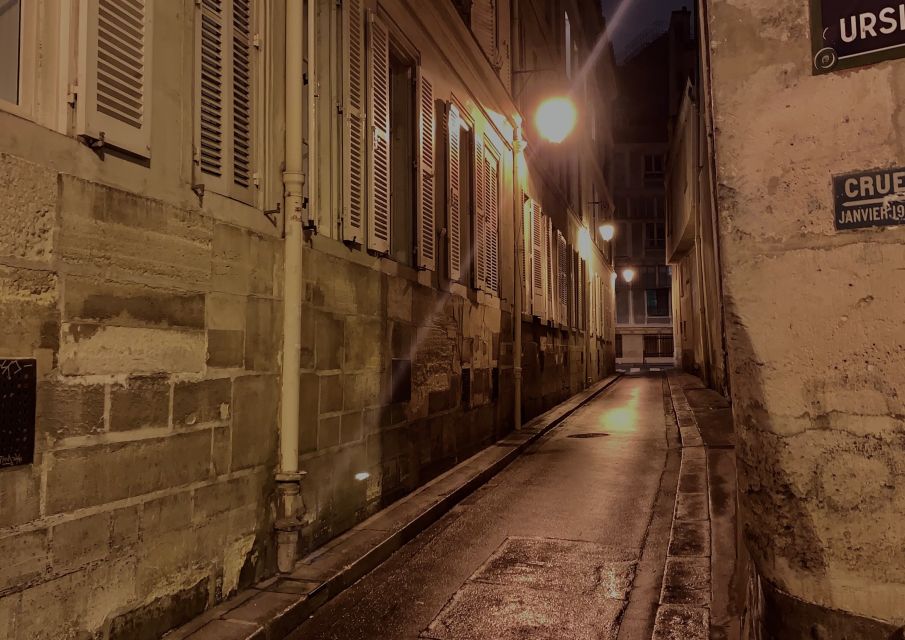
Right away, you’ll hear tales tied to the former site of public executions. The guide talks about the cruel punishments that were inflicted on criminals—plus the uncomfortable truth that sometimes the system caught innocent people too.
This is the part of the tour that gives you the most context for the rest. Once you understand how punishment, rumor, and power worked, the ghost stories don’t feel random. They feel like the fear left behind after the crowds went home.
The best guides on this route keep the stories paced so you can follow the timeline without getting lost in names. If you end up with a storyteller in the spirit of Catherine, Dora, or Katherine (names that show up repeatedly in English reviews), you’ll likely get clear transitions and plenty of room for questions.
Pont Neuf and the Left Bank vibe: crime, river, and power
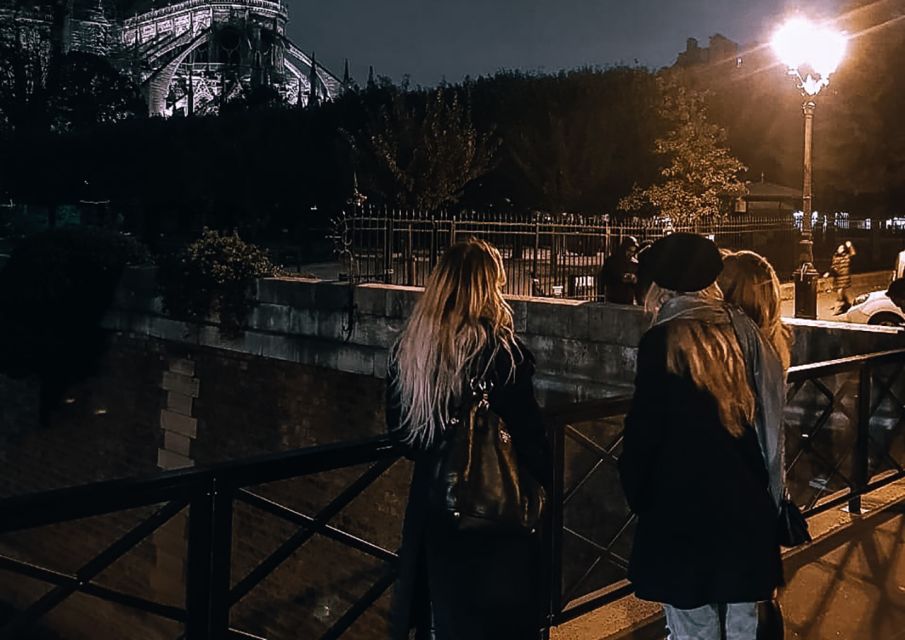
From there, the walk moves toward Pont Neuf, a classic central bridge that naturally frames the city as movement and crossroads. Even if you’ve seen the view during the day, at night it has a different feeling: darker reflections in the water, quieter streets, and the sense that history was always happening here, not just in museums.
Pont Neuf also helps the guide do something smart: connect stories across locations. You’re not just hearing about one tragedy—you’re getting a sense of how Paris’s centers of authority, transit, and punishment were linked.
Expect the guide to point out details you’d normally ignore, like how certain buildings and corners became stages for public life. That’s why this tour works even if you’re not a hardcore true-crime fan. You’re learning how Paris’s layout amplified fear.
Conciergerie: where justice became legend
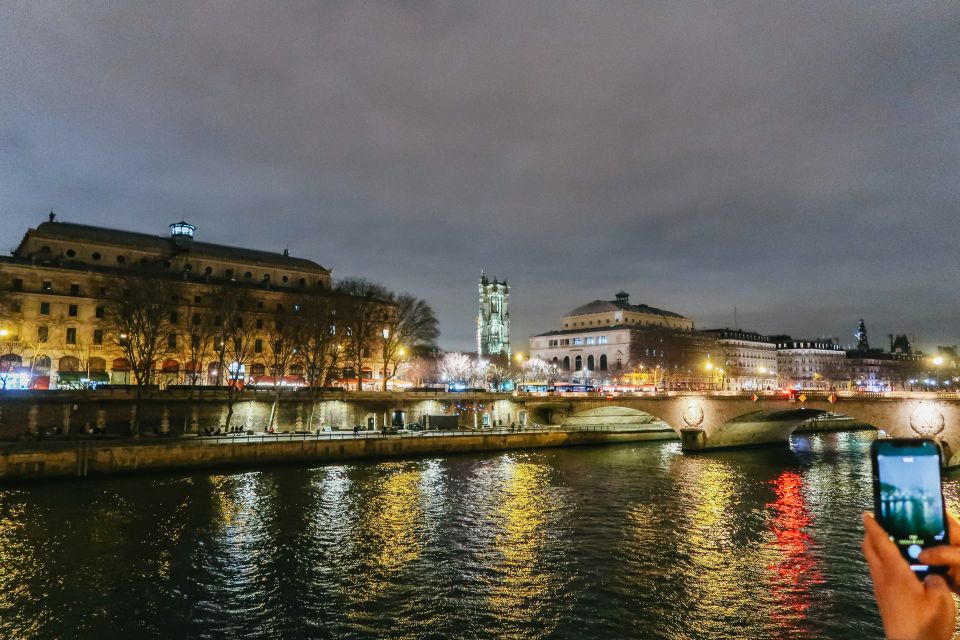
Next up is the Conciergerie, a site strongly tied to incarceration and justice. This stop is valuable because it sits in the overlap of fact and myth. Even if you don’t know the details beforehand, your guide’s job is to show how the place earned its reputation.
I like that the tour uses this area to show consequences rather than just theatrics. You’re hearing about the machinery of punishment—how people were processed, judged, and ultimately absorbed into the stories people kept telling.
If you’re doing other major Paris sights on the same trip, this is a good counterbalance. You’ll still be in the middle of postcard Paris, but the mood will be sharper and more personal. It’s the kind of tour that makes you look at stone buildings as if they had voices.
Notre-Dame exterior: demons, symbols, and the chill factor
The most atmospheric stop is the Notre-Dame Cathedral exterior, where the guide highlights demon lore and malevolent beings. This isn’t about pretending the supernatural is real. It’s about showing how people used religion, fear, and symbolism to explain the unknown—then leaving those symbols for centuries.
You’ll also learn to notice the kind of carved details and signs that many visitors miss. Some guides pause multiple times around the Notre-Dame area to point out different symbol clusters, so you get a guided “look and compare” experience instead of a single photo stop.
Here’s the key practical thing: this is where the tour may feel more intense if you’re sensitive to dark material. The tour is described as gruesome by some, but not usually in a gore-forward way. One recurring theme in the experience is that it’s spooky and dark, not cartoonish horror.
If you want the chill without the extreme, you should still be prepared for grim stories. Keep your expectations on the “eerie and disturbing” side, not the “full horror movie” side.
You can also read our reviews of more guided tours in Paris





Templars and secret-society lore: why Paris keeps returning to it
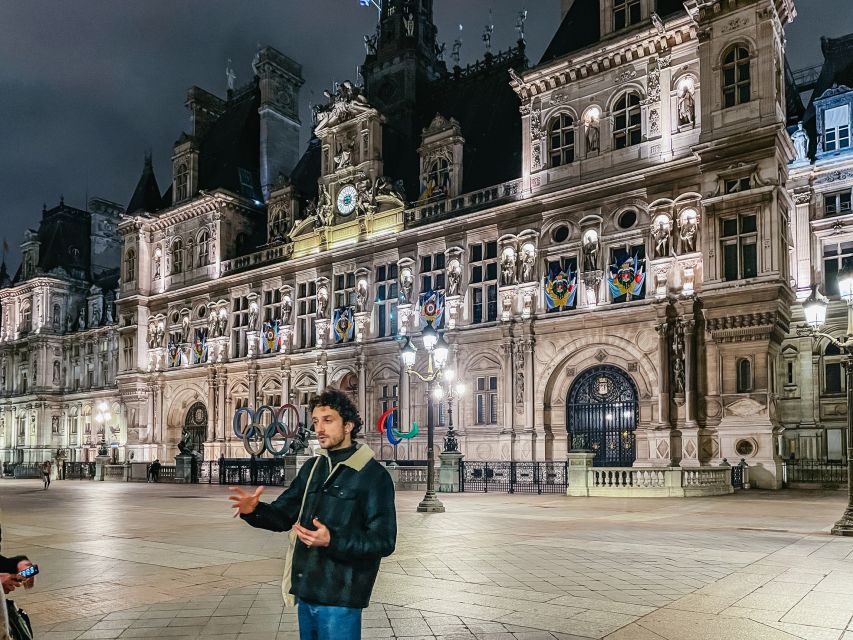
Mid-walk, you’ll uncover the history of the Templars, including Parisian connections tied to secret-society myths. This is where the tour becomes more than ghost spotting. The guide shows how secret orders, power struggles, and legends can blend into one another over time.
I like this angle because it explains a common Paris phenomenon. The city is full of layers, and certain names keep resurfacing in weird places: a stone carving here, a story told in a theatre there, a rumor attached to a street corner. Once the guide links those pieces, you start seeing the pattern everywhere.
The practical takeaway for you: if you enjoy urban legends with an origin story, this stop will click. If you only want light spooky tales, you might find this portion heavier. Still, it’s short enough to keep the tour moving.
The theatre poet and the Opera House ghost: legends that feel staged
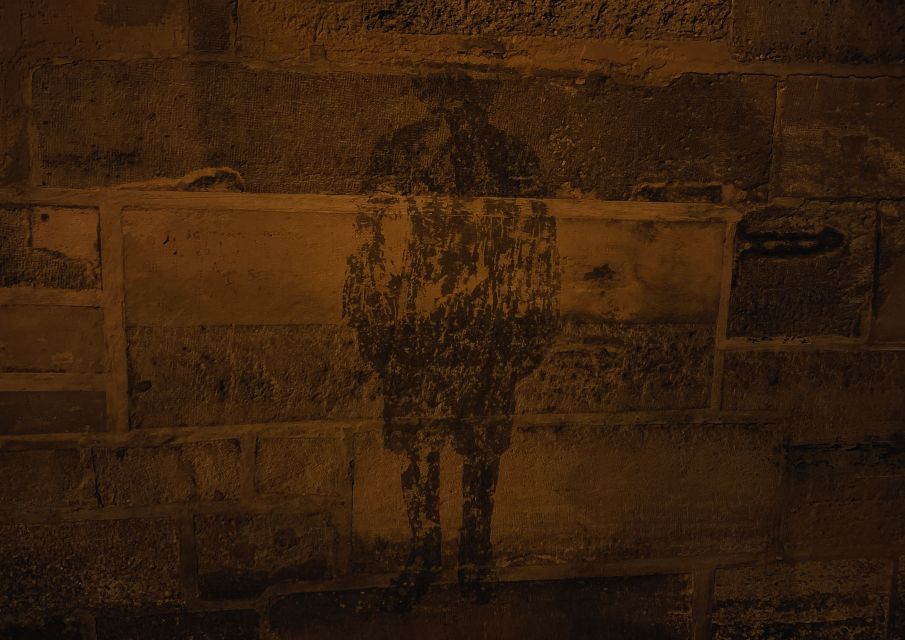
Two of the most memorable legend-style elements come from the tour’s ghost stories tied to performance spaces.
First, there’s the tale of a French poet that roams a Parisian theatre. Second, you’ll hear about the Opera House ghost, said to be someone injured during a fire. These stories add variety to the night because they shift from execution-and-justice horror toward haunting-as-memory.
What’s smart here is how the guide uses these legends to talk about how cities remember trauma. A theatre isn’t just a building. It’s where crowds gather, emotions spread, and stories become part of public life. That makes it a believable stage for lingering fears—whether you treat it as folklore or just a strong story.
If you’re the type who likes when a guide connects a legend to a place’s identity, these stops can be a highlight. Names of guides like Morgan, Joris, Leo, Jade/Jaed, and Morris appear often, and many of those storytellers are praised for pacing and storytelling tone.
Signs and symbols: how the guide makes you look like a local
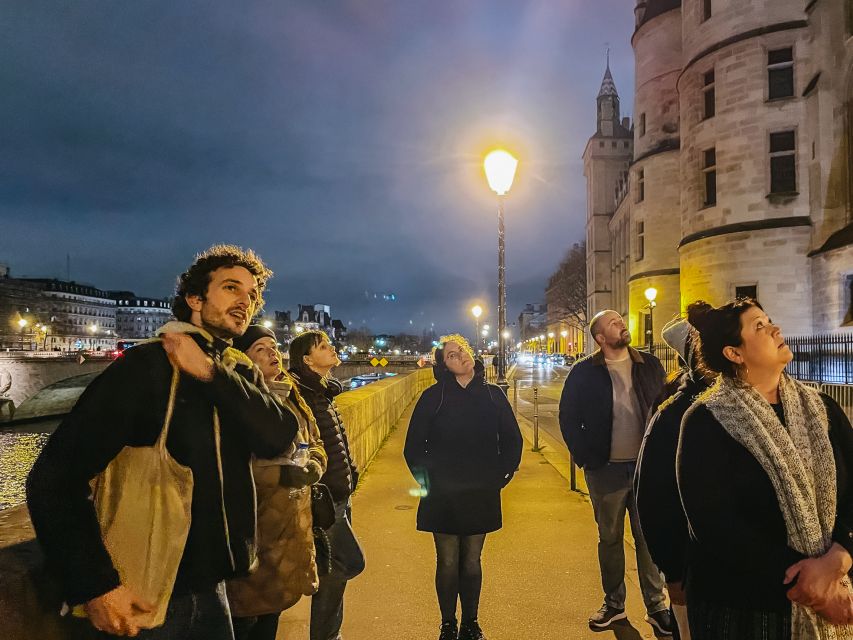
A big part of the value is that you’re not just hearing what happened. The guide points out chilling signs and symbols across stops. That changes the whole experience, because Paris becomes a puzzle you’re solving in real time.
This is also where the tour can feel less scripted. Many people note humor and crowd engagement during the walk. If that’s your style, you’ll likely appreciate how the guide keeps energy up while still walking the line between dark history and ghost lore.
If you want photos, plan to take some only after the guide explains what to look for. The tour’s best shots come when you understand the details you’re photographing, not when you’re only trying to catch a landmark silhouette.
The vampire finish: a strong closer, not a random jump scare
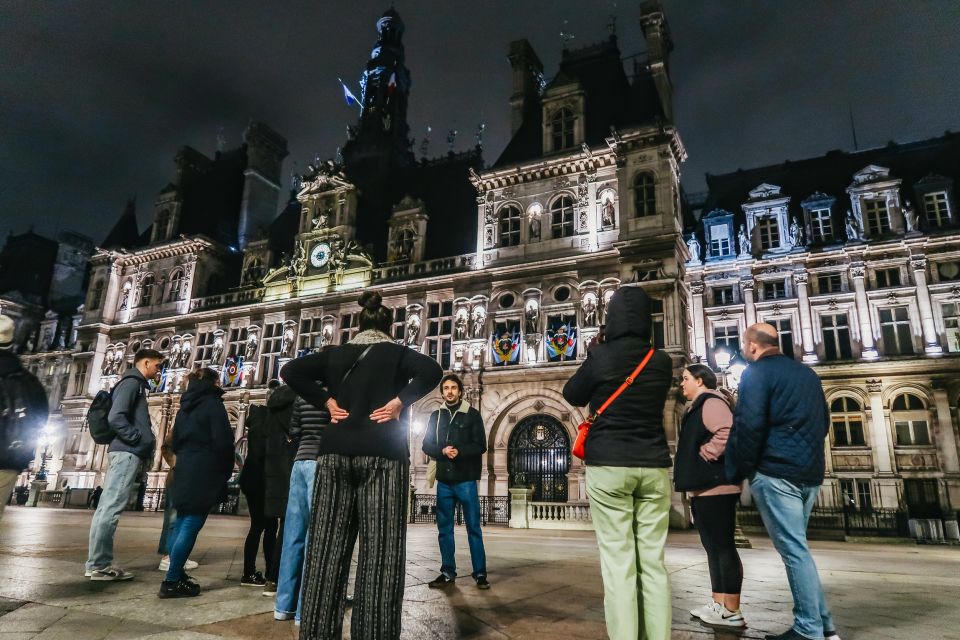
The walk ends back around the meeting area with the story of a vampire tied to a cursed Paris location. This final legend gives you a closing “spell” that’s different from the execution-and-demons material.
I like closers like this because they wrap the evening into one theme: fear that moves through culture. Even if you don’t believe in vampires, you can still enjoy how folklore spreads and sticks—especially in a city like Paris that turns stories into souvenirs.
It also helps that the duration is about 2 hours, so the tour doesn’t drag. You get a complete evening arc: grim reality, eerie overlays, symbol spotting, and then a final legend that leaves you talking with your group on the metro ride home.
Price and value: is $35 worth a night walk?
At $35 per person for roughly two hours, the value comes down to what you want from a guide.
You’re paying for:
- A guided narrative that connects multiple central sites
- Story variety (executions, Templars, Notre-Dame demon lore, theatre and Opera ghosts, and a vampire legend)
- Time efficiency versus hopping between paid attractions
If you already plan to visit Notre-Dame and major landmarks during the day, this tour isn’t replacing that. It’s changing what you notice when you see them. For many people, that’s worth it—especially when a skilled guide brings humor and keeps the pace moving.
One caution on value: if you hate dark subject matter, you may feel the cost doesn’t match the experience you want. But if you’re drawn to true-crime vibes with a supernatural layer, this price feels reasonable for the amount of ground covered in a single evening.
Practical tips that matter for a comfortable night
This tour is simple logistics, but a few details will make it smoother.
Bring:
- Comfortable shoes (you’ll be walking through central Paris at night)
- An umbrella (rain or shine)
Plan on:
- Evening chill on the water and in open streets, especially near central landmarks.
- Being ready to pause often. Some stops around Notre-Dame are treated like mini lesson moments, which means less “speed walking” and more looking.
If you’re worried about content, know that the tour is often described as gruesome but respectful, with some guides checking in before sharing particularly disturbing images. If that matters to you, you’ll feel better going into it with a clear sense of what you want from the evening.
Who should book this Paris dark history and ghost walk
This is a strong match if you want:
- A night walking tour in central Paris with stories that go beyond the usual facts
- An even mix of place-based history and ghost folklore
- A guide who tells stories with energy—people often mention humor and lively engagement
It may be less ideal if you:
- Want only classic ghost stories and nothing tied to punishment or darker real events
- Prefer a calm, museum-style experience with minimal shock value
If you’re traveling as a couple or with friends, it’s also a fun “compare notes” tour. Each stop feeds a new piece of the puzzle, and the shared stories turn into conversation back at your hotel.
Should you book it?
I’d book it if you’re in Paris for a short trip and want your evening to feel different from daytime sightseeing. The combination of Notre-Dame exterior hauntings, public execution-era history, and Templar lore gives you real variety in just two hours.
I’d skip it only if dark history isn’t your thing or if you’re looking for purely light spooky entertainment. Otherwise, get your shoes ready, bring that umbrella, and choose the shared or private format that fits your vibe.
FAQ
How long is the Dark History and Ghostly Guided Walking Tour?
The tour lasts 2 hours.
Where do I meet the guide in Paris?
Meet your guide at 1 rue d’Arcole. The nearest metro station is Hotel-de-Ville, Cité.
What language is the tour offered in?
The live tour guide speaks English.
Does the tour run in bad weather?
Yes. The tour runs rain or shine. Bring an umbrella.
What should I wear or bring?
Wear comfortable shoes for walking and bring an umbrella since it operates in all weather.
Can I cancel and get a refund?
Yes. You can cancel up to 24 hours in advance for a full refund.