REVIEW · PARIS
Louvre Museum: Skip-the-Line Small Group Guided Tour
Book on GetYourGuide →Operated by UTG EXPERIENCE · Bookable on GetYourGuide
Two hours at the Louvre beats aimless wandering. This small-group tour lines up a smart route through the museum’s biggest hits, with priority access and a real guide instead of guesswork.
I especially like the focus on the places that most first-timers don’t manage on their own: Napoleon’s apartments (with crown-jewel style splendor) and the Egyptian department stops, including the sphinx and mummies. The one catch to plan for is that even with skip-the-ticket-line entry, security can still cause a wait, especially in peak season.
In This Review
- Key points before you go
- How This Louvre Tour Works in Real Life
- Price and Value: Is $129 Worth It?
- Meeting Up and Finding Your Way Inside
- A practical tip
- Skip the Lines: What You Still Might Wait For
- First Stop Energy: Venus de Milo and the Crowd Rhythm
- The Louvre Highlights You’ll Actually Remember
- Mona Lisa, plus the stories behind the paint
- Canova and the emotional turn
- Gericault’s Raft of Medusa
- Basement stop: finding the Louvre’s original footprint
- Napoleon’s Apartments: When the Louvre Feels Like a Palace
- Egypt Inside a French Palace Building
- Headsets and Small-Group Pacing: How It Feels On the Ground
- What to Know So You Don’t Feel Rushed
- Who This Tour Is Best For
- Should You Book This Louvre Skip-the-Line Small Group Tour?
- FAQ
- How long is the Louvre tour?
- Is the tour price just for the guide and entrance?
- Will I be able to skip the ticket line completely?
- What languages are available during the tour?
- Can I bring a large bag or luggage?
- Is the Louvre closed on any day?
Key points before you go

- Small group size (up to 10) keeps the pace human and makes questions feel normal
- Priority access through a separate entrance helps you beat the long public ticket lines
- Napoleon’s former apartments give you palace vibes inside the museum
- Masterpieces stop fast at the Mona Lisa and Venus de Milo, plus other crowd magnets
- Headset included so you can actually follow the story while you’re standing still in a crowd
- Egyptian department visit adds a totally different feel compared to the Renaissance rooms
How This Louvre Tour Works in Real Life
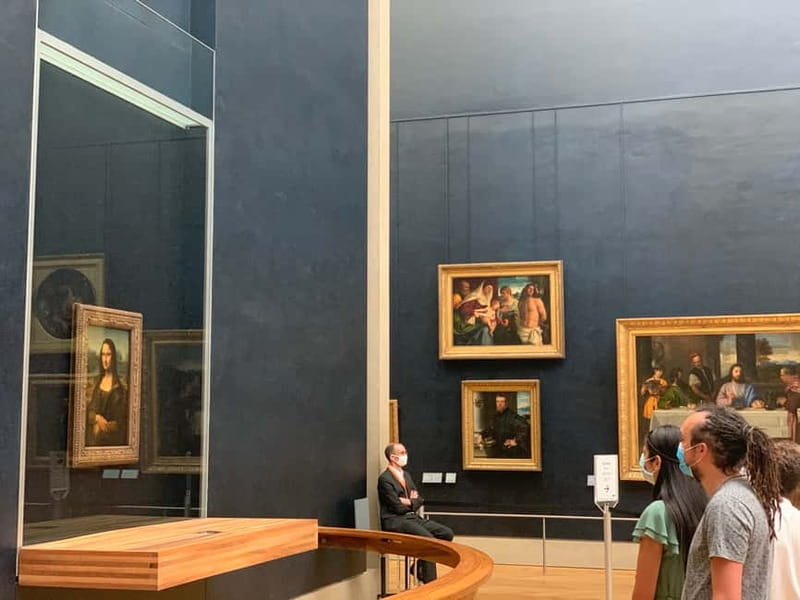
The Louvre is huge, and it can feel like you’re racing your own map. This tour is built for damage control. You get a planned route that targets the museum’s most famous works, then connects them with short, guided context so you’re not just staring at labels.
The 2 to 3 hour length is also a big deal. It’s long enough to hit serious highlights, but short enough that your day doesn’t get crushed. If you’re juggling jet lag, teens, or just a limited afternoon, this format makes the Louvre feel doable.
And because it’s a small group limited to 10, you usually don’t spend the whole time fighting for space. It’s one of those rare museum moments where you can actually listen.
You can also read our reviews of more guided tours in Paris



Price and Value: Is $129 Worth It?

At $129 per person, you’re paying for three things that matter at the Louvre: time, structure, and guidance.
1) Time: Skip-the-line entry is the obvious win, but the bigger value is what you gain afterward. You start your visit already in motion, instead of burning energy waiting.
2) Structure: The Louvre collection is effectively endless. A route like this saves you from the classic mistake of wandering into the wrong wing and losing the day.
3) Guidance: A licensed guide helps you understand what you’re seeing, and the included headset means you’re not stuck reading lips in a crowded gallery.
If you want to do the Louvre like a checklist, you can. But paying for this tour is often a smarter move if you’d rather spend your limited time looking at art than playing logistics.
Meeting Up and Finding Your Way Inside

The meeting point can vary depending on the option booked, so double-check your specific pickup spot when you confirm. The one consistent theme in the details you’re given is that your start is close to the Louvre approach, with a common meeting option listed along Rue de Rivoli.
Once you’re lined up, you’ll pass the Louvre Pyramid area at the start. It’s a good visual landmark. You’ll know where you are the moment you walk in.
A practical tip
Wear comfortable shoes. Not because it’s a cliché, but because the Louvre is made of long corridors and crowded rooms. You’ll move more than you think in a 2–3 hour highlight run.
Skip the Lines: What You Still Might Wait For

This experience includes Priority Access and skip-the-ticket lines via a separate entrance. That’s the headline.
Now the real-world part: the information you’re given is clear that you may still see a wait at security. During high season, that wait can be up to 20 minutes. So set expectations accordingly. You’re mostly cutting the biggest line pain, not eliminating all queues.
Also keep the bag rules in mind. No luggage or large bags, and anything larger than 55 x 35 x 20 cm isn’t permitted. This matters because security slowdowns often come from people who brought the wrong bag size.
You can also read our reviews of more museum experiences in Paris






First Stop Energy: Venus de Milo and the Crowd Rhythm
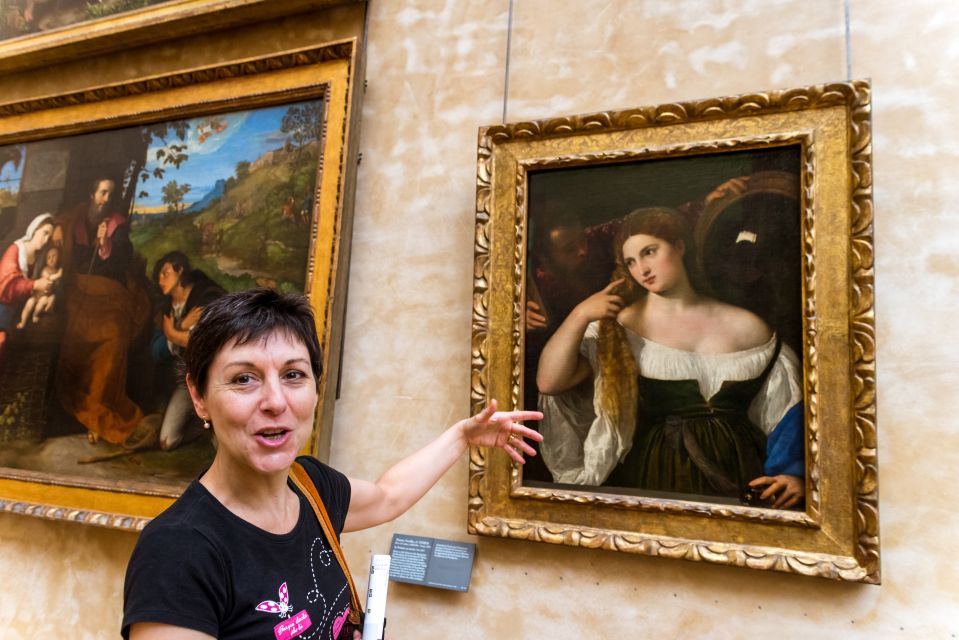
Your tour includes a visit to Venus de Milo, one of the museum’s best-known statues. The key value here isn’t just seeing it. It’s getting there early in the tour when you’re still fresh and the group is moving as a unit.
A guided stop like this also helps with crowd rhythm. Without a plan, you get stuck staring at the most famous works from the wrong angle at the wrong time. With a guide, you’re more likely to be in the right place when the moment happens.
The Louvre Highlights You’ll Actually Remember
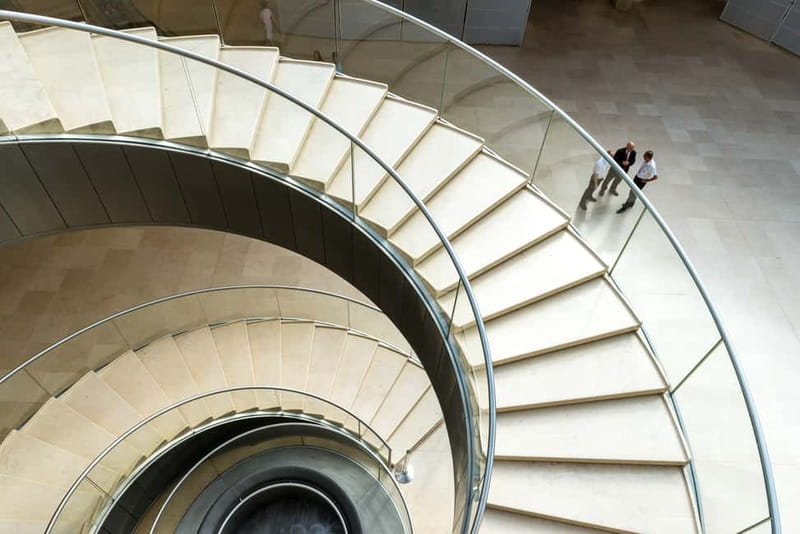
The tour’s core is a guided walk through the Louvre Museum, hitting standout masterpieces and major themes. Here are the stops that stand out from the tour description, and what each one adds to your visit.
Mona Lisa, plus the stories behind the paint
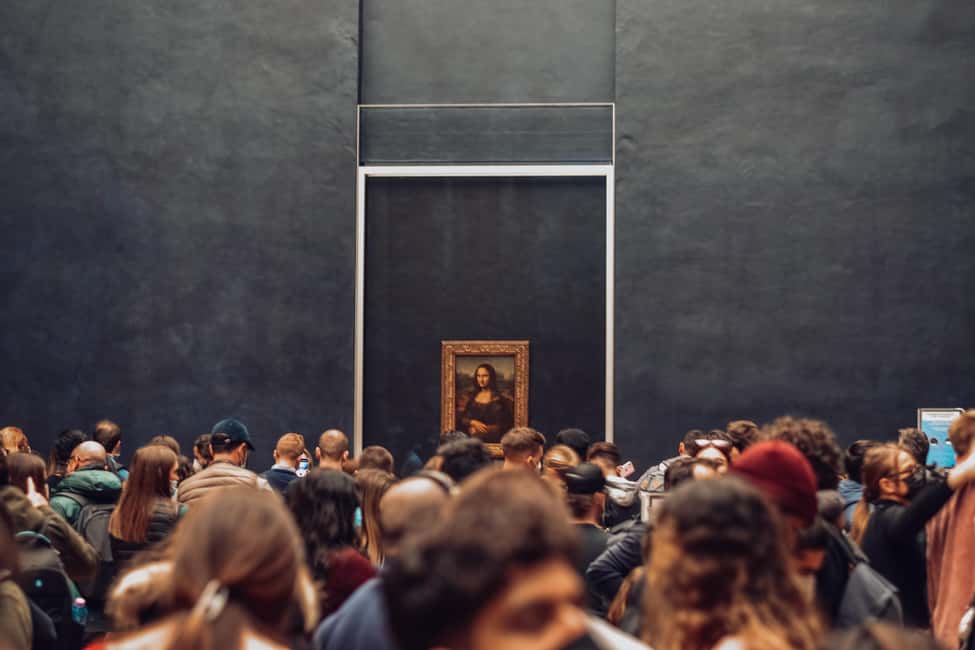
You’ll spend time with da Vinci’s Mona Lisa. The tour frames it as an enigmatic work, and the guide’s job is to help you look past the initial shock of how famous it is. When the story comes with the viewing, you don’t feel like you’re just waiting in a photo line.
Canova and the emotional turn
You’ll also see Anthony Canova’s Psyche Revived by Cupid’s Kiss. That wording in the experience description matters: it signals that you’re not only doing technical art appreciation. You’re being pointed toward what emotion and narrative can do, especially in sculpture.
Gericault’s Raft of Medusa
The tour includes Gericault’s Raft of Medusa with instruction around the true story depicted in the work. This is one of the best ways to make the Louvre feel less like a maze. It shifts you from viewing objects to following events.
Basement stop: finding the Louvre’s original footprint
You’ll go to the basement to see the foundations of the castle that once stood on the site. This is a quietly smart inclusion. It reminds you that the Louvre isn’t just a building that houses art. It’s a place with layers, and that basement stop makes the museum feel more rooted in real time.
Napoleon’s Apartments: When the Louvre Feels Like a Palace

This is one of the strongest reasons to book this exact experience. Your guided route includes Napoleon’s former apartments, described as having stunning décor and a collection of crown jewels.
Even if you’re not a deep monarchy person, this stop changes your perspective. It’s not just a gallery. It’s palace rooms, with the look and feel of power sitting right next to paintings.
It’s also a nice contrast to the Renaissance and classic-masterpiece vibe elsewhere in the museum. If you want one area that feels like you’re stepping into a different world inside Paris, this is it.
Egypt Inside a French Palace Building

The Egyptian department stop is another high-value element in this tour. You’ll see an Egyptian sphinx and mummies, which is a completely different atmosphere than European painting and sculpture.
This kind of change-up is one of the best ways to keep the Louvre from becoming a blur. Instead of seeing masterpieces back-to-back with no mental reset, you get a shift in material, mood, and scale.
And because you’re with a guide, you’re more likely to get the theme logic of why this part belongs in your highlight route rather than just getting a quick look and moving on.
Headsets and Small-Group Pacing: How It Feels On the Ground
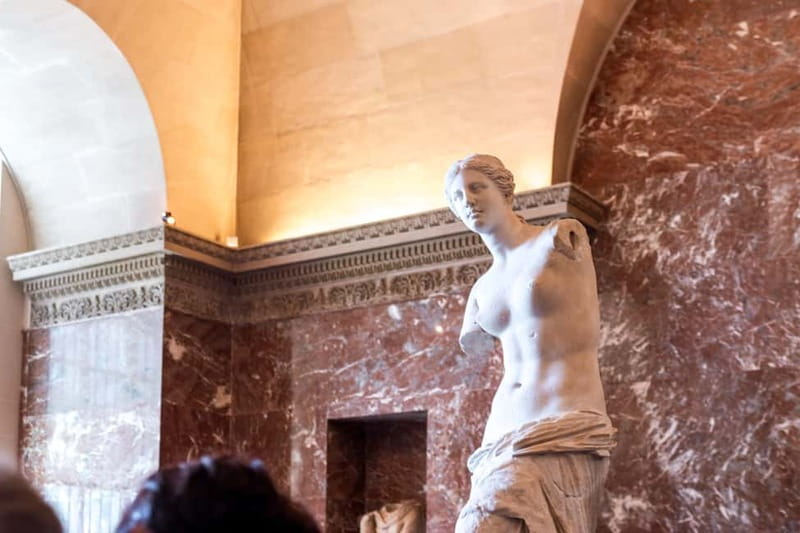
The tour includes a head set, which is a practical upgrade in a museum like the Louvre. Without it, you spend half your time turning your head to hear the guide.
That said, you should still plan for normal crowd noise. One of the recurring realities of popular rooms is that even with headsets, sound can get tough in dense areas. The best approach is simple: stand where you can face the guide and keep your attention on the spoken context while the group is moving.
The pacing also tends to work well for families. Multiple experiences note that it works for teens and mixed-age groups. It’s not a “stand still and listen forever” tour. It moves enough that you don’t lose momentum.
What to Know So You Don’t Feel Rushed
A highlight tour can feel like a sprint if you expect a full museum day. This one is designed to show the big works and key themes, not to cover everything.
So here’s how I’d plan your expectations:
- If you want everything, you’ll need a longer visit than 2–3 hours.
- If you want the most recognizable works plus a couple of big theme stops, this length is about right.
- If you’re pressed for time, you’ll likely appreciate the saved hours more than you expect.
Also, the Louvre is closed on Tuesdays. If you’re going midweek, confirm your date early, because no amount of skip-the-line access changes that.
Who This Tour Is Best For
This is a smart pick if you match one or more of these situations:
- You’re a first-time Louvre visitor and want the famous pieces without getting lost
- You’re traveling with teens who might not tolerate a slow museum day
- You prefer a small-group pace over a big bus crowd
- You’d rather spend your energy seeing art than solving entry and navigation problems
It’s also a good match if you care about variety: Renaissance masterpieces, palace-style décor, and ancient Egypt all in one run.
Should You Book This Louvre Skip-the-Line Small Group Tour?
I’d book it if your goal is simple: see the Louvre’s biggest highlights in a short window without turning your day into a security line and route-planning puzzle.
If you’re the type who wants to linger for long, and you’re comfortable building your own path through departments, you might feel limited by the tour’s tight timing. But for most people, especially on a first trip, the combination of priority access, licensed guide, headsets, and a high-signal route is strong value.
If you’re only in Paris for a day and the Louvre is non-negotiable, this is one of the cleaner ways to make it work.
FAQ
How long is the Louvre tour?
The tour lasts 2 to 3 hours, depending on the starting time and conditions.
Is the tour price just for the guide and entrance?
Yes. It includes a licensed guide, a Louvre Museum tour, an entrance ticket, and a head set. Transportation to and from the Louvre is not included.
Will I be able to skip the ticket line completely?
You get skip-the-line access through a separate entrance. Even so, you may still wait at security, and during high season that wait can be up to 20 minutes.
What languages are available during the tour?
The guide languages listed are German, English, Portuguese, Spanish, Italian, and French. The tour also notes it can be bilingual.
Can I bring a large bag or luggage?
No. Luggage or large bags aren’t allowed, and items exceeding 55 x 35 x 20 cm are not permitted in the museum.
Is the Louvre closed on any day?
The Louvre is closed on Tuesdays.