REVIEW · BORDEAUX
Médoc Region Half-Day Wine Tour with Winery Visit & Tastings from Bordeaux
Book on Viator →Operated by Ophorus · Bookable on Viator
Médoc wine tasting, the quick route. This half-day tour takes you out of Bordeaux and into the Médoc and Margaux areas for two winery stops with classified-growth style tastings, plus a scenic drive along the Route des Châteaux. You’ll start with one estate, then head deeper into the Left Bank red-wine world and end back in Bordeaux with your head buzzing (in a good way).
I like that the tour keeps things focused: you get all wine-tasting fees included and a professional English-speaking guide who talks about how the region works, not just the pour-and-go routine. I also like the small-group size (max 8), which makes it easier to ask questions, like why some vintages taste the way they do, and what makes each appellation different.
One consideration: it’s only about 4 hours, so you’re trading time for convenience. If you want a slow, sit-down tasting day, this can feel a bit rushed at the wineries, and I’ve seen feedback about some on-site explanations going too fast or sounding hard to catch (one guest mentioned this at the first stop).
In This Review
- Key highlights at a glance
- Why this half-day Médoc tour fits when time is tight
- Meeting at Bordeaux and what “small group” really means
- The drive on Route des Châteaux: Palmer, Margaux, and the bigger story
- Stop 1: your first Classified Growth-style tasting and estate story
- Stop 2: second chateau tasting, plus a chance to compare styles
- What you actually taste (and why you should plan your stomach)
- Wine-tour comfort: minivan, time pressure, and how to get the most out of it
- Price and value: $156.88 for two tastings plus guidance
- Who should book this Médoc half-day tour
- Tips to make your tasting day smoother
- Final verdict: should you book this Médoc half-day wine tour?
- FAQ
- How long is the Médoc region half-day wine tour?
- What does the tour cost?
- Is the tour offered in English?
- How many people are on the tour?
- Are wine tasting fees included?
- Is food included with the tastings?
- Where do I meet for the tour?
- Is hotel pickup included?
- Can children or pets join the tour?
- What if the tour doesn’t meet the minimum number of travelers?
Key highlights at a glance
- Small group (max 8) on an air-conditioned minivan, so you’re not packed in like luggage
- Two chateau tastings at estates tied to Classified Growth or Crus Bourgeois classifications
- Route des Châteaux drive passing famous names like Palmer and Margaux
- Included wine fees and a guide who handles the wine basics and the region context
- You might get a hands-on, fun angle, like aroma games on the way back
- No snack guarantee, so eat breakfast or lunch first
Why this half-day Médoc tour fits when time is tight
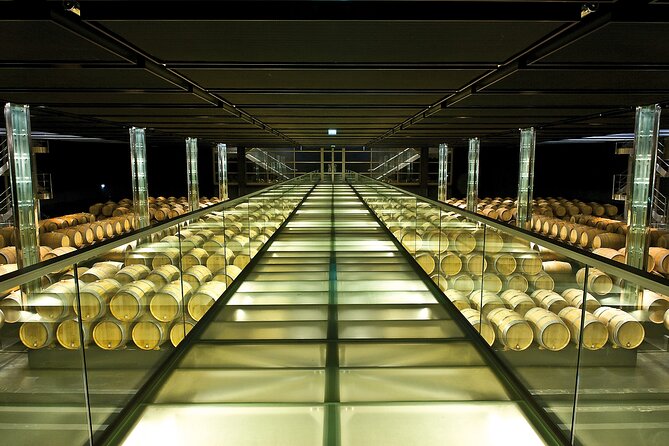
The Médoc is famous for Cabernet and for the kind of wine tasting that feels part science, part culture, part friendly competition. This tour is built for people who want the big picture without losing an entire day to traffic and detours.
If you’re staying in Bordeaux for a short trip, this is a practical way to get your bearings. You learn what Médoc is trying to do in the vineyard and cellar, then you taste at two stops that reflect that style. Even if you don’t buy bottles, you’ll leave knowing what to look for when you’re tasting wine on your own later.
You can also read our reviews of more wine tours in Bordeaux

Meeting at Bordeaux and what “small group” really means
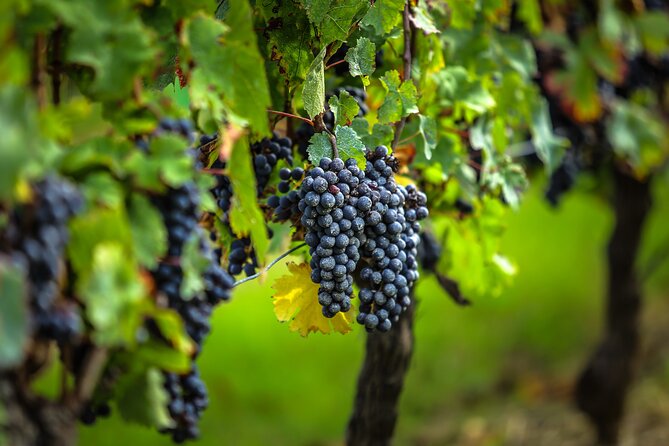
You meet at 12 Cr du 30 Juillet, 33000 Bordeaux, and the activity ends back at the meeting point. It’s described as near public transportation, so you shouldn’t need a taxi just to get started.
The tour runs with a maximum of 8 travelers, and that matters more than you’d think. In a bigger group, you usually get one question opportunity. With fewer people, your guide can actually steer the conversation—like answering why soils, grape choices, and aging all shift what ends up in your glass.
Also, this is an adult-only tour (no under-18s) and pets aren’t allowed. If that fits your situation, the vibe tends to be more like wine class mixed with a good countryside chat.
The drive on Route des Châteaux: Palmer, Margaux, and the bigger story
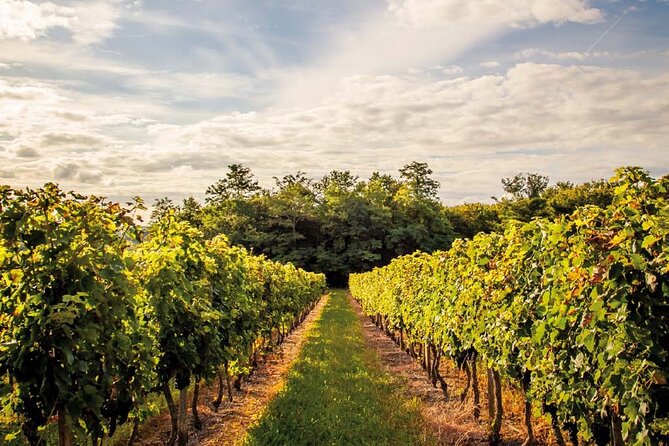
After you get moving, your guide takes you out from Bordeaux toward the first winery stop. This is where you get one of the tour’s best “bonus” components: the drive through the wine belt along the Route des Châteaux.
You’ll pass famous names like Palmer and Margaux while your guide connects what you see to what you’ll taste later. One of the most useful things you can do in wine country is learn the map of reputation. Even if the chateaux you pass are not the ones you taste, you start to understand why certain areas and estates are tied to specific wine styles.
It’s also a good window for questions. If you’re the type who wonders why one Cabernet tastes more powerful and another tastes more elegant, this is when your guide can explain the logic.
Stop 1: your first Classified Growth-style tasting and estate story
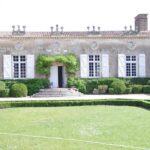
Your first winery stop is the one where you get the foundation. The tour starts at a prestigious classified-growth type chateau where you’ll sample wines and hear what it takes to make them. That “what it takes” part is the real point, because it turns the tasting into something you can remember.
At this first estate, you usually spend the most time. That’s great when the guide is strong. It can be frustrating when the explanation is hard to follow.
I saw two patterns in feedback. In the positive direction, guests described guides who were funny, engaging, and really good at keeping the group involved. For example, one guest praised Lea for being entertaining throughout, and another called Roldolphe very knowledgeable and lively, including a tour that covered multiple phases of the winemaking process. Another guest highlighted the on-site representative at the first stop as excellent for agronomy talk.
In the tougher direction, at least one guest said the first winery guide spoke quickly with a strong French accent and was difficult to hear, so they stopped trying to absorb the story. That doesn’t mean every first-stop guide is like that, but it’s a reminder: if you have hearing challenges, you’ll want to position yourself where you can hear clearly.
Stop 2: second chateau tasting, plus a chance to compare styles
After the first stop, you head onward toward another classified-growth chateau for another tasting. The tour is designed so you get comparison, not just repetition.
The second winery often feels different in focus. One guest had a memorable time at Château Prieuré Lichine around mid-September, with harvest activity underway—grapes being harvested, cleaned, sorted, and moved toward fermentation. You might not be in harvest season on your date, but it’s a good example of why a real estate visit can make tasting feel more concrete.
Another guest loved Château Siran, including a vivid description of its wine storage setup that they compared to a nuclear bunker. Whether or not you’ll see anything dramatic like that on your day, you’re likely to get a second perspective on wine-making in the Médoc.
And yes, there are moments where the route itself adds flavor. One review mentioned a very short photo stop at Château Margaux. It’s brief, but it’s a neat reminder that the region is dense with iconic names—you’re not only tasting, you’re learning how these places relate to each other.
A few more Bordeaux tours and experiences worth a look

What you actually taste (and why you should plan your stomach)
This tour includes all-wine tasting fees, which is one of the best value signals. Your cost isn’t inflated by add-on tasting charges once you arrive.
But don’t treat it like an all-you-can-eat gourmet day. Food and drinks are not included unless specified, and in France, snacks are usually not provided during tastings to keep the wine’s flavor pure. I’d follow that logic.
Do yourself a favor and eat a proper breakfast or lunch before you go. One guest wished there was more wine for the price, which lines up with the reality that most tastings in classified estates are controlled servings. You’re there for education and sampling, not to leave with a crate of bottles in your bag.
If you’re hoping to taste a lot, your best strategy is to ask smart questions during each tasting—like what to expect from the next vintage, or what aging does to tannins in that specific estate. You’ll get more “value” from your time than by chasing volume.
Wine-tour comfort: minivan, time pressure, and how to get the most out of it
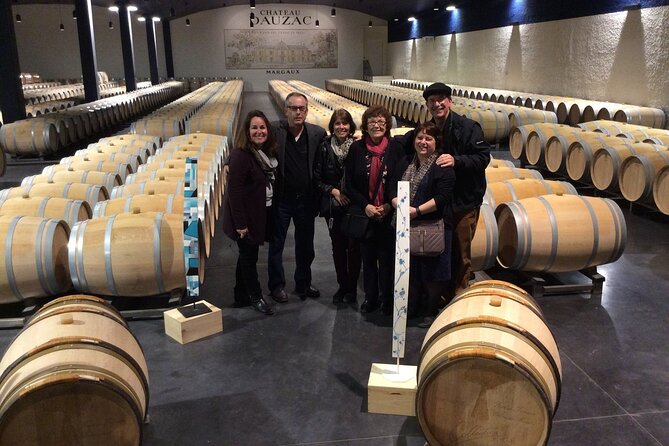
Transportation is by an air-conditioned minivan, and the group size stays small, so you shouldn’t feel like you’re trapped in a bus for hours with no control of the schedule. The drive is part of the experience, but it can still feel like a lot when you’re only out for half a day.
The good guides make the drive count. Multiple guests praised guides like Oscar (for comfort and knowledge in one case), Anne (for being informative and friendly), and Julie (for being nice and knowledgeable). On the fun side, one guest said Karim was the best guide they’d had anywhere, including a game on the way back that helped the group bond—and another guest mentioned an aroma-identification game.
Still, the half-day format means there’s less room for detours, long conversations, or slow photo stops. If you’re sensitive to rushing, go into it expecting an efficient pace. One negative review described an experience where the guide was very rushed and even rude at the start; another said the driver didn’t provide much information during the drive. That’s not typical of what you want, but it’s a good reminder: your experience can hinge on who’s running the day.
Price and value: $156.88 for two tastings plus guidance
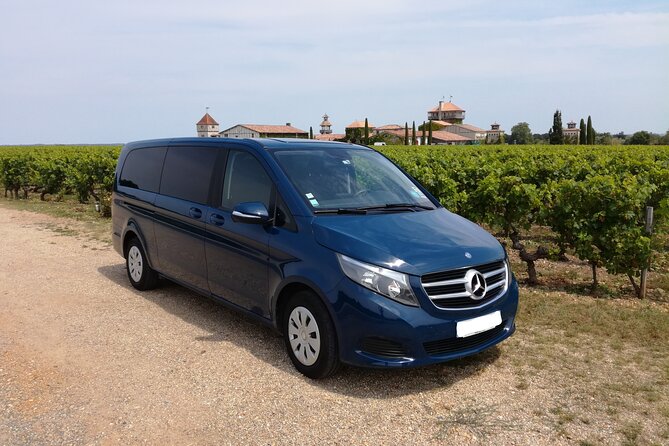
At $156.88 per person for around 4 hours, this sits in the middle of the Bordeaux wine-tour universe. Is it worth it?
It can be, because you’re not paying extra for tastings—you get all wine-tasting fees covered, plus a professional English-speaking guide and round-trip transport from the meeting point. That’s the core cost you’d otherwise pay piecemeal if you organized it yourself.
Where value can wobble is if you’re expecting a long tasting marathon or if you’re hard-sold to buy a lot. One guest directly noted a wish for more wine for the price. Another guest said nobody bought a bottle, which hints at an issue beyond just servings—like how the winery staff experience landed.
My practical take: if you want a guided introduction to Médoc and Margaux with enough structure to learn something real, this price can feel fair. If your priority is maximum wine quantity or long-form winery tours, you may prefer a full-day option.
Who should book this Médoc half-day tour
This tour is a strong fit if:
- You want an efficient intro to Médoc from Bordeaux with two tastings
- You prefer small-group pacing (max 8)
- You want an English guide to explain wine classifications and what matters
It may be a weaker fit if:
- You hate the idea of limited time at each stop
- You need lots of time for questions, or you’re easily stressed by schedules
- You expect a very heavy food component (because food isn’t included)
If you’re a Cabernet-focused person, this route makes sense. If you’re a casual sipper who just wants to be out in wine country for a short window, you’ll still enjoy it—just go in with the right expectations about how much you’ll taste.
Tips to make your tasting day smoother
A few small moves can make this tour feel better in real life:
- Eat beforehand. Tastings aren’t paired with snacks by default, and wine on an empty stomach is not the plan.
- Bring questions. During both tastings and the drive, your guide can help connect what you’re tasting to what’s happening in the vineyard and cellar.
- If you’re near the front at the first chateau, you’ll often hear the on-site guide better. One guest had trouble with a fast speaker and strong accent, and location matters.
- If you’re a buyer, ask about bottles right after the tasting, before time gets tight. One guest complained about being rushed during purchases at the end.
Final verdict: should you book this Médoc half-day wine tour?
Book it if you want a structured, English-friendly snapshot of Médoc with two tastings, guided context, and a quick countryside escape from Bordeaux. It’s especially good for first-timers who want to understand classifications and learn how the region tastes.
Think twice (or consider a full-day tour) if you’re chasing quantity, slow pacing, or a long winery experience. The half-day format is efficient, and your enjoyment will depend on whether the on-site explanations are easy to follow and whether the day’s guide keeps the energy up.
If you do book, set yourself up to win: eat first, bring questions, and remember this is a taste-and-learn outing. Do that, and the Médoc will feel less like a blur of fancy names and more like a place you can actually navigate on your own.
FAQ
How long is the Médoc region half-day wine tour?
It’s about 4 hours.
What does the tour cost?
The price is $156.88 per person.
Is the tour offered in English?
Yes, it’s offered in English.
How many people are on the tour?
The tour has a maximum of 8 travelers.
Are wine tasting fees included?
Yes, all wine tasting fees are included.
Is food included with the tastings?
No. Food and drinks are not included unless specified, and snacks are usually not provided during wine tastings in France. You should have a good meal before you go.
Where do I meet for the tour?
You meet at 12 Cr du 30 Juillet, 33000 Bordeaux, France.
Is hotel pickup included?
No, hotel pickup and drop-off are not included.
Can children or pets join the tour?
No. This is an adult-only tour (no children under 18) and pets are not allowed.
What if the tour doesn’t meet the minimum number of travelers?
If it’s canceled because the minimum isn’t met, you’ll be offered a different date/experience or receive a full refund. You can cancel up to 24 hours in advance for a full refund.