REVIEW · BORDEAUX
Bordeaux: Vineyards Wine Tasting Half-Day Trip
Book on GetYourGuide →Operated by OFFICE DE TOURISME DE BORDEAUX · Bookable on GetYourGuide
Wine country in five hours, without the rental car.
This Bordeaux vineyards half-day trip is built for people who want the highlights fast: UNESCO village streets on certain days, a château visit and 2-wine tasting in every stop, plus bus commentary that explains what you’re seeing as you go. Depending on the day you book, you’ll ride to very different wine regions around Bordeaux.
What I really like is the strong pairing of “place + product.” You don’t just taste; you get a guided walk through the cellars and production areas, and you learn what makes each appellation tick. I also like that guides can bring the story to life, with names like Astrid, Veronique, Bruno, and Jean-Claude showing up in reviews as clear, energetic guides.
One consideration: the schedule is tight and wine pours can be small. Even though you’ll get tastings (usually 2 wines at each château), you may feel the day is more about history and how wine is made than about doing a big, long tasting session.
In This Review
- Key Points That Matter Before You Go
- How This Half-Day Tour Works (Without Feeling Rushed to Nowhere)
- Choosing Your Day: Saint-Émilion vs Médoc vs Graves/Sauternes vs Entre-deux-Mers vs Blaye
- Monday/Sunday Saint-Émilion: Cobblestones, a Rock-Carved Church, Then Château Tasting
- Winter Saturday Saint-Émilion: The Underground Church Is the Ticket
- Médoc on Tuesday/Saturday: Two Château Visits and the Classic Bordeaux Style
- Graves and Sauternais (Wednesday) or Entre-deux-Mers (Thursday): Comparing Regions in One Afternoon
- Friday Blaye and the Citadel: A UNESCO Break From Wine Rooms
- Price and Value: Does $68 Per Person Make Sense?
- Tasting Reality Check: What You’ll Get From the Wine Stops
- Getting There, Timing, and What to Bring (Comfort Matters)
- Who This Tour Suits Best—and Who Might Prefer a Different Day
- Should You Book This Bordeaux Half-Day Wine Trip?
- FAQ
- How long is the Bordeaux vineyards wine tasting half-day trip?
- Where do I meet the group?
- What days does the tour run, and where does it go?
- What’s included in the ticket price?
- How many wines will I taste?
- Is food or drinks included?
- Does the tour run in bad weather?
- What should I bring?
- What languages are available?
- Can I cancel for free?
- Is this tour suitable for people with mobility issues?
Key Points That Matter Before You Go
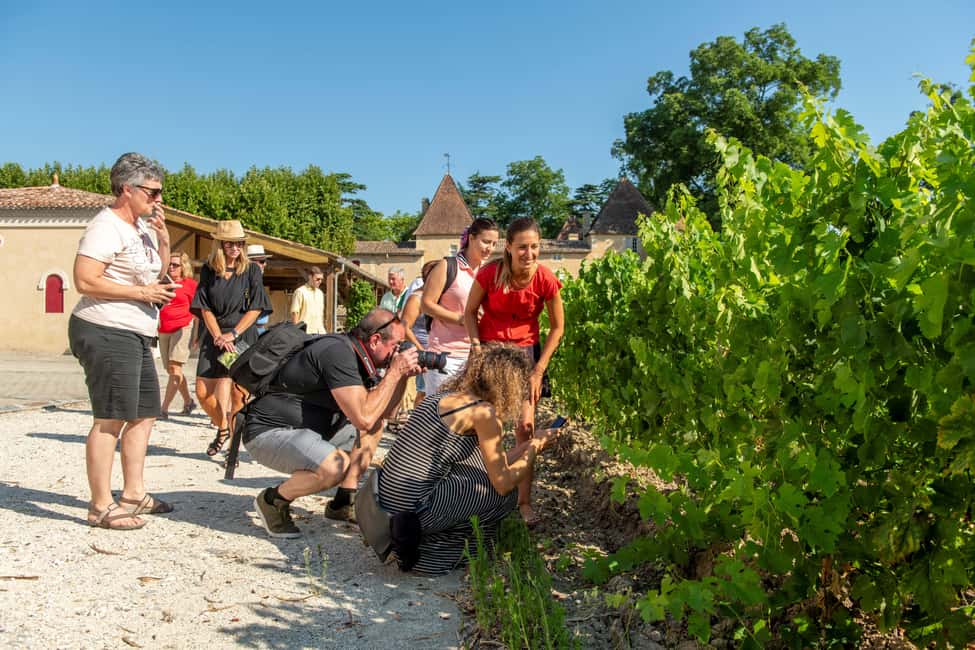
- Day-by-day routing across Saint-Émilion, Médoc, Graves-Sauternais, Entre-deux-Mers, or Blaye, so pick the day that fits your interests.
- UNESCO time in Saint-Émilion plus access to the rock-carved monolithic underground church (a standout included stop).
- Most days include two château visits with tours and tastings of 2 wines per château.
- Professional French and English guide with helpful on-bus explanations; some guides are especially good at keeping it fun and easy to follow.
- Built-in rain-or-shine bus logistics, which is a big deal if you don’t want to drive or plan between villages.
- Portions are for sampling, not getting tipsy. Plan your hunger and hydration accordingly.
How This Half-Day Tour Works (Without Feeling Rushed to Nowhere)
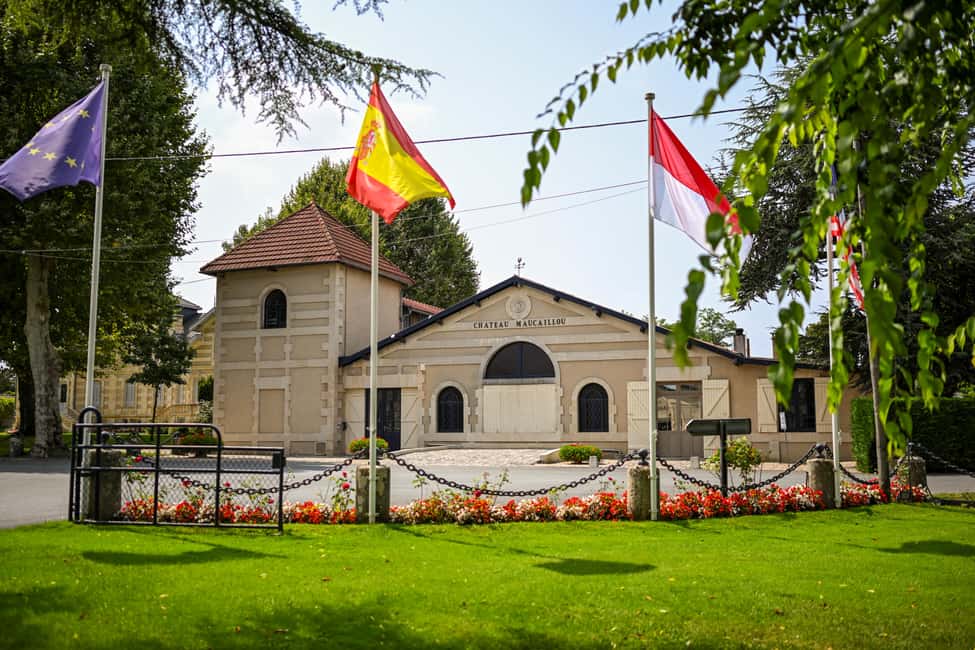
This is a coach-based, 5-hour wine excursion that starts and ends at the Office de Tourisme et des Congrès de Bordeaux Métropole (12 Cr du 30 Juillet, Bordeaux). Departure is at 1:30 PM and you’re back by 6:30 PM. That structure is the point: you get a real taste of Bordeaux wine country without burning a whole day on driving, parking, and figuring out schedules.
The bus time matters because it’s not just travel. The tour guide uses it to explain what makes the region different and what to look for at each château. On hot days, you’ll also appreciate guidance that adapts to the weather—at least, that’s what shows up in reviews (for example, one guide is praised for keeping the group in shade while explaining wine-making).
You should also go in knowing what’s included: transportation, a professional guide, château tours, tastings, and access to either the Saint-Émilion underground church or the Blaye Citadel depending on the day. What’s not included is the “extra comfort stuff”: food and drinks.
You can also read our reviews of more food & drink experiences in Bordeaux


Choosing Your Day: Saint-Émilion vs Médoc vs Graves/Sauternes vs Entre-deux-Mers vs Blaye
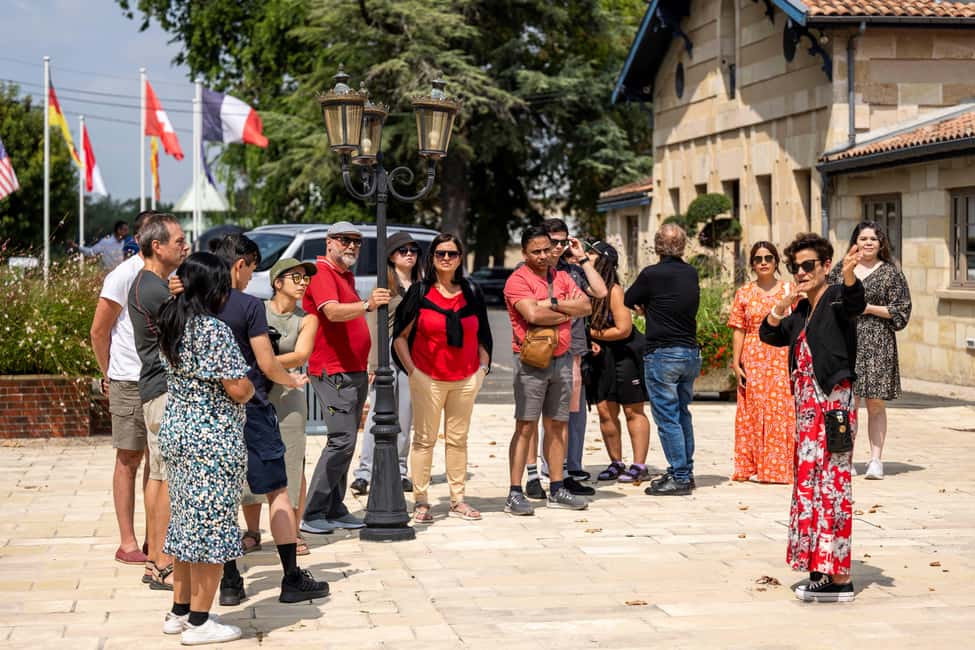
This tour is scheduled in a smart way, but your experience depends heavily on which day you go. Here’s how to think about it.
Winter (November to March): departures are every Saturday and the half-day focuses on Saint-Émilion, including the monolithic underground church, followed by a wine château visit and tasting.
April to October: the tour runs Monday through Sunday with different regions:
- Monday & Sunday: Saint-Émilion (UNESCO) + underground church, then wine tour and tasting at a château.
- Tuesday & Saturday: Médoc, with two château visits and tastings.
- Wednesday: Graves and Sauternais, with two château visits and tastings (you’ll sample wines from both areas).
- Thursday: Entre-deux-Mers, again with two château visits and tastings.
- Friday: Blaye Citadel (UNESCO-listed) plus a château wine tasting in either Bourg or Blaye.
So how should you choose? If you want a “Bordeaux postcard day,” go for Saint-Émilion. If you want a more wine-maker focused experience, go for Médoc, Graves/Sauternais, or Entre-deux-Mers, where the day is centered on two château stops and tastings.
Monday/Sunday Saint-Émilion: Cobblestones, a Rock-Carved Church, Then Château Tasting
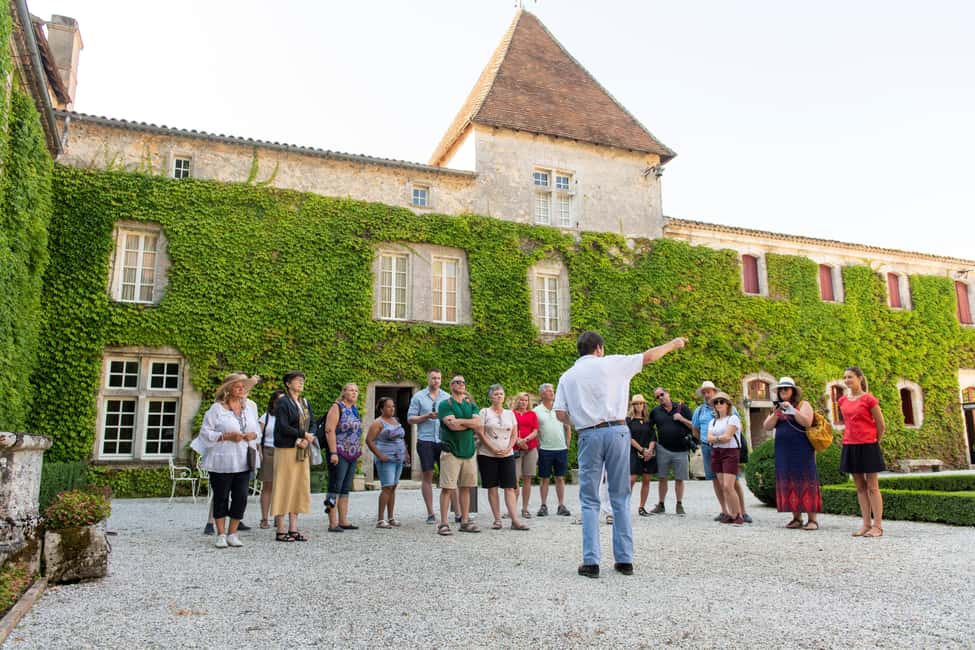
On Saint-Émilion days, you get the famous village experience first: UNESCO streets, historic sights, and time to walk. You should expect that the schedule is structured—there’s sightseeing time, but it’s not a slow wandering day.
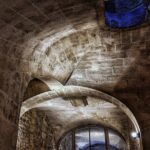
The real headline is the monolithic underground church, carved directly into rock. This stop is included, and it’s the kind of thing you’d struggle to schedule on your own because it’s tied to access. Some people in reviews even mention seeing the underground church in ways that aren’t available at regular hours. Either way, it’s a memorable break from tasting rooms and a reminder that wine in this region is tightly connected to place and centuries of tradition.
A practical note: some restrictions can apply in the church area, and at least one guest reported that photography wasn’t allowed. Bring comfortable shoes and keep your phone ready for normal street photos.
After the village visit, you head to a château for the wine portion. Most days on this tour include a guided château tour plus a tasting of two wines. The tone tends to be instructional: you’ll usually get the basics of how wine is made and why these appellations are treated differently. Reviews also highlight friendly staff and clear explanations—exactly what you want when you’re trying to learn without turning the day into a classroom.
Winter Saturday Saint-Émilion: The Underground Church Is the Ticket
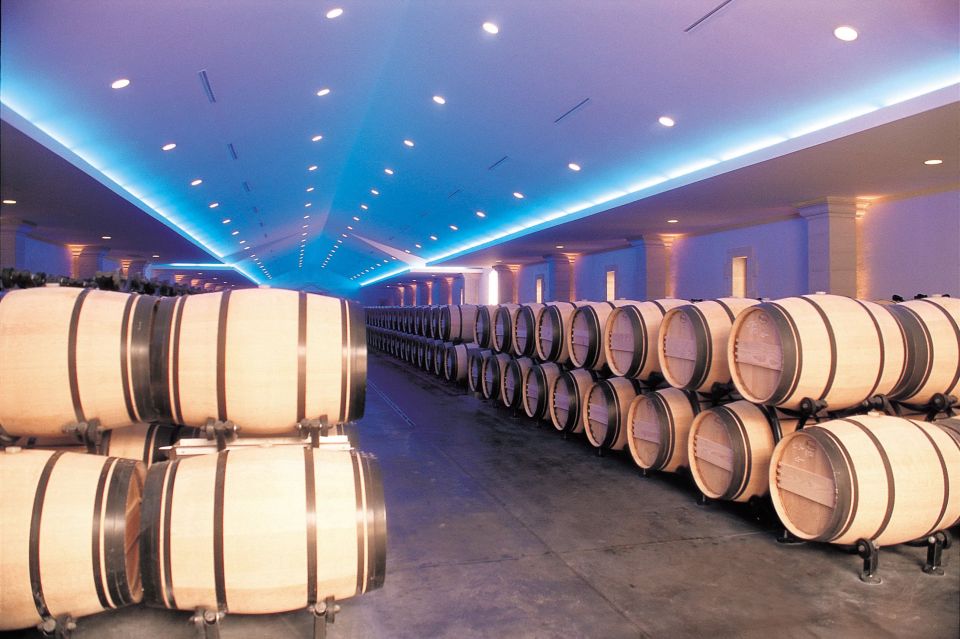
If you’re traveling in November through March, your Saturday plan leans strongly into Saint-Émilion. You still get the village atmosphere and the key included stop: the monolithic church, then a visit to a local château for tasting and a guided explanation.
In the colder months, the value is that the route is focused. You’re not hopping around multiple regions; you’re getting one major UNESCO experience and then stepping into the wine-making setting. That makes it a good choice if you want “iconic Bordeaux” without needing long daylight.
One more thing to know: the tour runs rain or shine, so winter is a bring-a-jacket situation even if the plan sounds charming. You’ll be on foot in the village and on site in the château, and comfortable shoes matter here more than you think.
Médoc on Tuesday/Saturday: Two Château Visits and the Classic Bordeaux Style
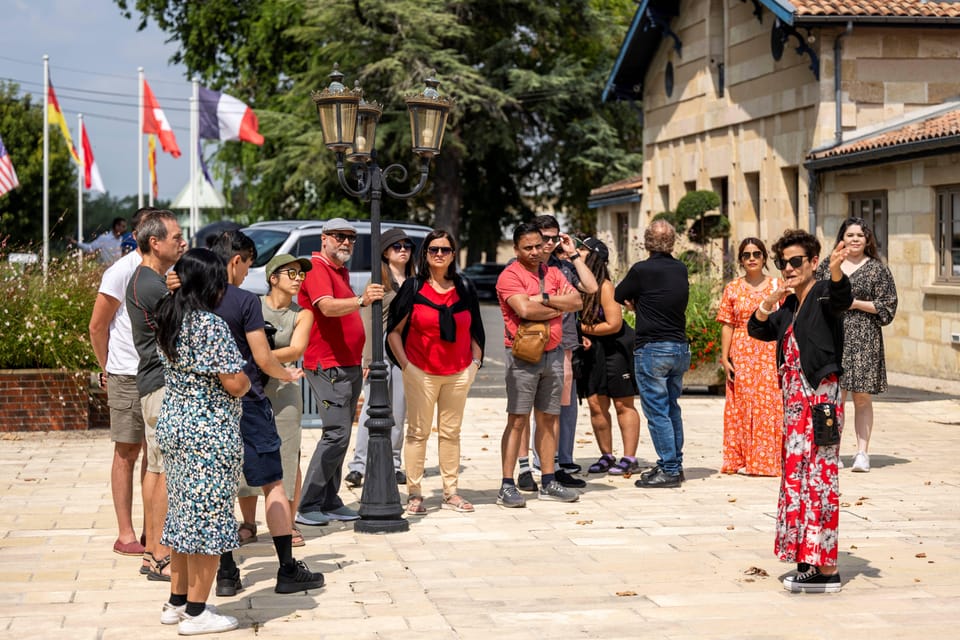
On Médoc days, the tour usually feels more like a wine itinerary: two château visits, two tours, and tastings of two wines at each stop. That means you’ll get a stronger comparison between producers and approaches than you would if the day were only one château.
What I like about this structure is that it teaches you to separate “region” from “house style.” Médoc has its own identity, sure, but the day helps you see how different château strategies can still lead to something recognizable as Médoc.
At each château, you should expect a guided walk: vines and production areas, storage, and the story behind how wine becomes wine. Reviews often call out that guides explain production points clearly, and that the staff you meet on site can be especially welcoming.
A drawback you should keep in mind: the day can feel concentrated on structure and information rather than on lots of time in each room. Some guests wish the winery walking experience had been more interactive or more detailed, and that’s a fair expectation if you like hands-on learning. Still, for many people, the two stop design hits a sweet spot for a half-day.
You can also read our reviews of more wine tours in Bordeaux


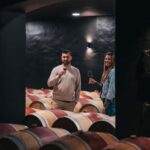

Graves and Sauternais (Wednesday) or Entre-deux-Mers (Thursday): Comparing Regions in One Afternoon
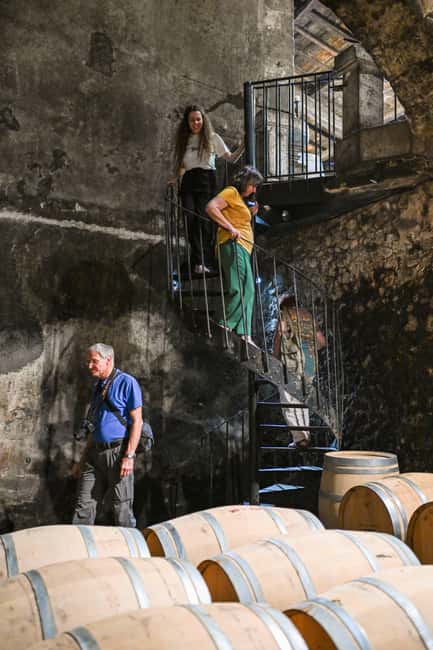
Wednesday and Thursday are for people who want variety in a small amount of time.
Wednesday: Graves and Sauternais
You’ll do two château visits and taste wines from both areas. That gives you an easy way to understand how the tasting profile changes by region without needing to plan separate days or transport. It’s also a useful day if you’re curious about sweeter wine styles (Sauternais) but don’t want to get stuck in one producer’s explanation.
Thursday: Entre-deux-Mers
This day is similar in structure: two château visits and tastings. Between the stops, you’re likely to notice how the production environment and bottle style change from one place to the next, even when the regional theme is the same.
In reviews, the most positive comments often mention the contrast between château sizes and approaches, including family-run places versus larger operations. That’s an underrated benefit of this tour design: you see that Bordeaux isn’t one single mold.
What to watch for: tasting size. Several reviews mention tastings are small—meant for sampling. It’s not a fault, it’s just the trade-off for squeezing two château visits into a 5-hour window.
Friday Blaye and the Citadel: A UNESCO Break From Wine Rooms
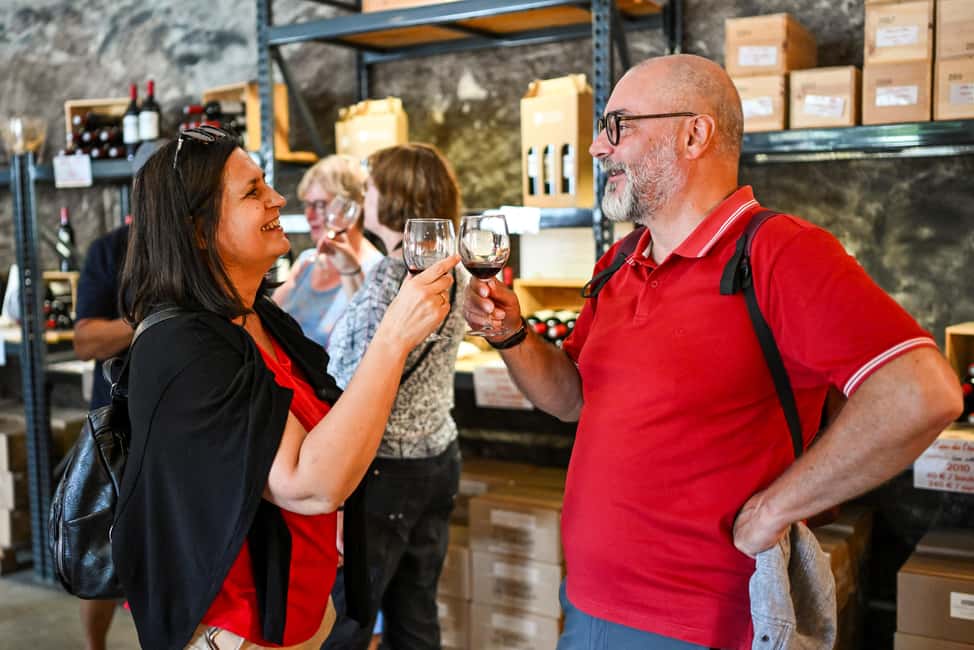
Friday swaps out the second château emphasis for a city-and-fortress moment. You’ll visit the Citadel of Blaye (UNESCO-listed), then enjoy a wine tasting at a château in Bourg or Blaye.
This is a good day if you want your wine country experience to include something more than buildings and barrels. The citadel adds scale and history you can feel with your eyes, which makes the wine tastings land differently after you’ve seen a strong landmark.
You should also know that the day still runs on a tight schedule. If you’re the type who likes long photo stops, you’ll probably want to keep an eye on the guide’s timing.
Price and Value: Does $68 Per Person Make Sense?
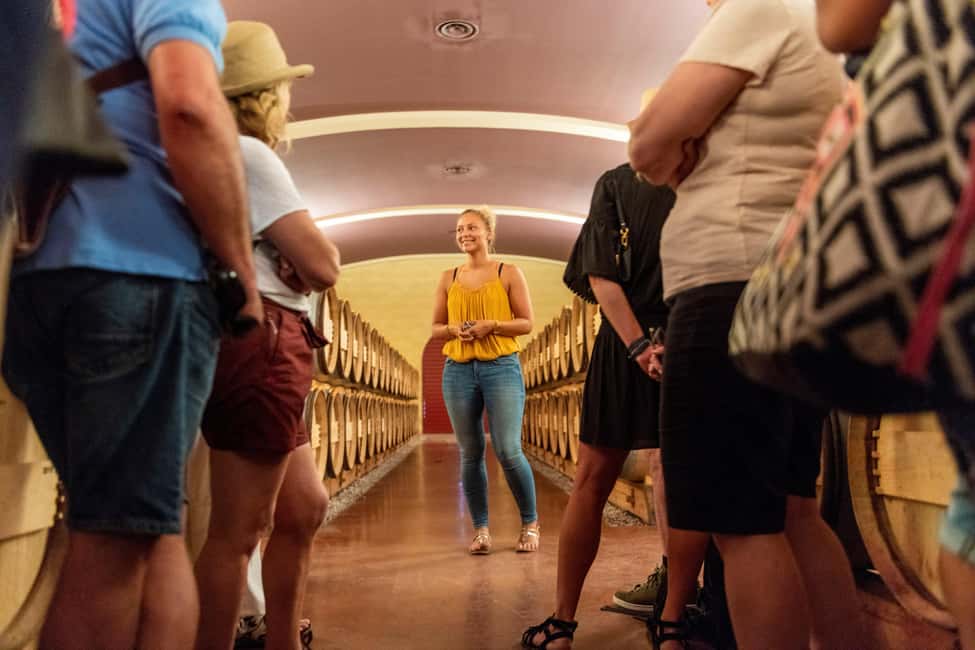
At $68 per person for a 5-hour half-day, you’re paying for more than wine. You’re paying for three big components that are hard to replicate cheaply on your own:
- Round-trip coach transport between Bordeaux and wine country.
- A professional guide in English and French who explains what you’re seeing.
- Included château tours and tastings (typically multiple tastings depending on the day), with tasting structure tied to the program.
That said, the tour’s value depends on what you want out of wine tourism. If you want a long, generous tasting session, you might feel disappointed because tastings can be small and not everyone finds the wine pours satisfying. Reviews repeatedly note that tastings are more about learning than drinking a lot.
If you want a structured afternoon where you learn the basics, see the key spots, and come home with a few bottles you actually picked thoughtfully, then the price feels more reasonable. You’re also not paying for a rental car, and the guide handles routing and explanations.
Tasting Reality Check: What You’ll Get From the Wine Stops
Expect tastings of two wines at each château visit included on your day. Most days feature two château visits, so you might see up to four wines total. The experience is meant to be paced and educational.
Here’s what you should take from the château tours:
- You’ll usually see how wine is stored and produced, with explanations geared to people who are new (or semi-new) to Bordeaux.
- You’ll get enough detail to understand the main ideas: fermentation basics, barrel or cellar context, and why tastings differ by château and region.
- Some guides and staff add personality. One review mentions a château owner doing small magic tricks during a tasting, which is the kind of playful touch that makes a short visit feel more human.
A common complaint to pay attention to: tastings can be very small. That doesn’t mean you won’t enjoy the wines; it means you should plan your expectations. Treat it like sampling. If you want more, you’ll likely need to buy a bottle and taste more carefully later.
Also remember: the tour does not include food and drinks. So eat before you go. This matters because some people mention the lack of water or food can make an afternoon feel long, especially in warm weather.
Getting There, Timing, and What to Bring (Comfort Matters)
Meet your guide in front of the Bordeaux Tourist Office at 12 Cr du 30 Juillet. Be there and listen when the guide announces departure, because the day moves quickly once you board.
Bring comfortable shoes. You’ll be walking in villages and moving through château sites where surfaces aren’t always flat. Also consider the weather: the tour runs rain or shine, and you’ll still be doing the same stops.
A few “don’t bring” rules are important:
- No oversize luggage or large bags
- No food
- No weapons or sharp objects
This is one of those details that saves hassle on tour day. If you’re traveling with a big day bag or shopping bags, plan to travel light so you aren’t stuck with what you can’t carry.
Who This Tour Suits Best—and Who Might Prefer a Different Day
This half-day tour is a strong match if:
- You want to see more than just Bordeaux city without renting a car.
- You like guided structure: a coach ride with explanations, then tastings with context.
- You want a mix of wine culture and serious sights like Saint-Émilion’s underground church or the Blaye Citadel.
It may be less ideal if:
- You want a big tasting experience with lots of pours and lots of time at each stop.
- You need plenty of downtime. The timing is designed to keep you moving.
- You’re sensitive to noise or group pacing. Some reviews mention it can be harder to hear in Saint-Émilion, so if you rely on hearing every word, position yourself well and ask questions early.
It’s also not suitable for pregnant women and people with mobility impairments, based on the tour’s stated limits.
Should You Book This Bordeaux Half-Day Wine Trip?
Yes, I’d book it if you’re short on time and you want the essentials done correctly: UNESCO Saint-Émilion or Blaye, a château visit with real context, and a tasting structure that helps you understand what you’re buying. The biggest advantage is that you’re not guessing. The guide handles timing, transport, and explanations.
Before booking, decide what you’re optimizing for:
- If you want the most memorable single sight, pick the day with Saint-Émilion and the monolithic church.
- If you want a clearer wine education through comparisons, pick Médoc or Graves/Sauternais or Entre-deux-Mers with two château stops.
- If you want UNESCO views plus a tasting without repeating the same type of winery stop all afternoon, pick Blaye on Friday.
If your main goal is heavy tasting, eat well, hydrate, and treat the pours as samples. That mindset will make the day feel like a good trade for the time and value you’re getting.
FAQ
How long is the Bordeaux vineyards wine tasting half-day trip?
The tour lasts about 5 hours, departing at 1:30 PM and returning by 6:30 PM.
Where do I meet the group?
You meet in front of the Bordeaux Tourist Office and be attentive when the guide announces departure at 12 Cr du 30 Juillet, 33000 Bordeaux, France.
What days does the tour run, and where does it go?
From April to October, the destination changes by day: Saint-Émilion on Monday and Sunday, Médoc on Tuesday and Saturday, Graves and Sauternais on Wednesday, Entre-deux-Mers on Thursday, and Blaye (Citadel) with a château tasting on Friday. From November to March, departures are every Saturday to Saint-Émilion.
What’s included in the ticket price?
You get a professional French and English-speaking guide, bus transportation, and the program-specific château tours and tastings (usually tastings of 2 wines), plus access to the Saint-Émilion monolithic church or the Blaye Citadel depending on the day.
How many wines will I taste?
You’ll taste two wines per château stop. Most day programs include two château visits, while the Saint-Émilion winter program is described as including a château tour and tasting after the village visit.
Is food or drinks included?
No. Food and drinks are not included, and food is not allowed on the coach.
Does the tour run in bad weather?
Yes. The tour runs rain or shine.
What should I bring?
Wear comfortable shoes. The tour also restricts oversize luggage and large bags.
What languages are available?
The tour includes a live guide in English and French.
Can I cancel for free?
Yes. You can cancel up to 24 hours in advance for a full refund.
Is this tour suitable for people with mobility issues?
No. It is stated as not suitable for people with mobility impairments, and also not suitable for pregnant women.