REVIEW · BORDEAUX
Bordeaux: Small group – Guided Walking Tour
Book on GetYourGuide →Operated by Bordeaux: Tours & Wine · Bookable on GetYourGuide
Bordeaux history fits into two easy hours. With local guide Guadalupe, you walk a small group route starting at Place Pey Berland. You get a guided path through the city’s big shifts over time, not just a list of landmarks.
I love how the tour reads Bordeaux through its key monuments, especially the Pey-Berland bell tower square and the cathedral area where the city’s changes show up in stone and statues. I also like the hands-on food intelligence, including the cannelé and where to try Bordeaux-style patisseries.
One consideration: if you want to see every neighborhood in Bordeaux, two hours won’t be enough. This is a strong highlights-and-context walk, not an all-day marathon.
In This Review
- Key points to know before you go
- Bordeaux in 2 Hours With Guadalupe: A Fast Orientation Route
- Meeting Guadalupe at Cathédrale Saint-André (Place Pey-Berland)
- Cathédrale Saint-André: Why the Outside Matters for First-Time Visitors
- Pey-Berland Bell Tower Square: Statues, Viewpoints, and City Power
- Hotel de Ville and the Rhythm of Bordeaux Squares
- Patisseries and Cannelé: The Best Address Tip You’ll Actually Use
- Rue des Bahutiers and the Trade-Lane Feeling of Medieval Bordeaux
- Porte Cailhau and Place du Palais: A City Gate With a Backstory
- Saint-Pierre Area Contrasts: Churches, Old Quarters, and Living Addresses
- Place Saint-Projet and Camille Julian: Reading Bordeaux Through Smaller Names
- Place de la Bourse and Miroir d’Eau: The Port, the Trade, the Photo
- Golden Triangle to Grand-Théâtre: Finish With Class (and Plans)
- Pace, Comfort, and Meeting Point Tips That Save Time
- Price and Value: Is $22 for a 2-Hour Bordeaux Walk a Good Deal?
- Who Should Book This Tour (and Who Might Need to Rethink It)
- Should You Book the Bordeaux Small-Group Walking Tour?
- FAQ
- FAQ
- How long is the Bordeaux guided walking tour?
- Where do I meet the guide?
- What’s included in the price?
- What sights will I see during the walk?
- Does the tour include tasting Bordeaux pastries?
- Is it offered in English?
- Is the tour wheelchair accessible?
Key points to know before you go
- Guadalupe leads the route with clear stories that connect what you see to what the city used to be
- Cathédrale Saint-André exterior and Pey-Berland tower make a great first “anchor” in Bordeaux
- Cannelé and patisserie advice go beyond a sweet suggestion and help you plan your next stop
- Medieval quarter wandering covers real trades and street texture, not just photos from a distance
- Place de la Bourse plus Miroir d’Eau delivers an easy, classic Bordeaux reflection-shot moment
- Finish at Grand-Théâtre so you can keep your evening moving right after the walk
Bordeaux in 2 Hours With Guadalupe: A Fast Orientation Route
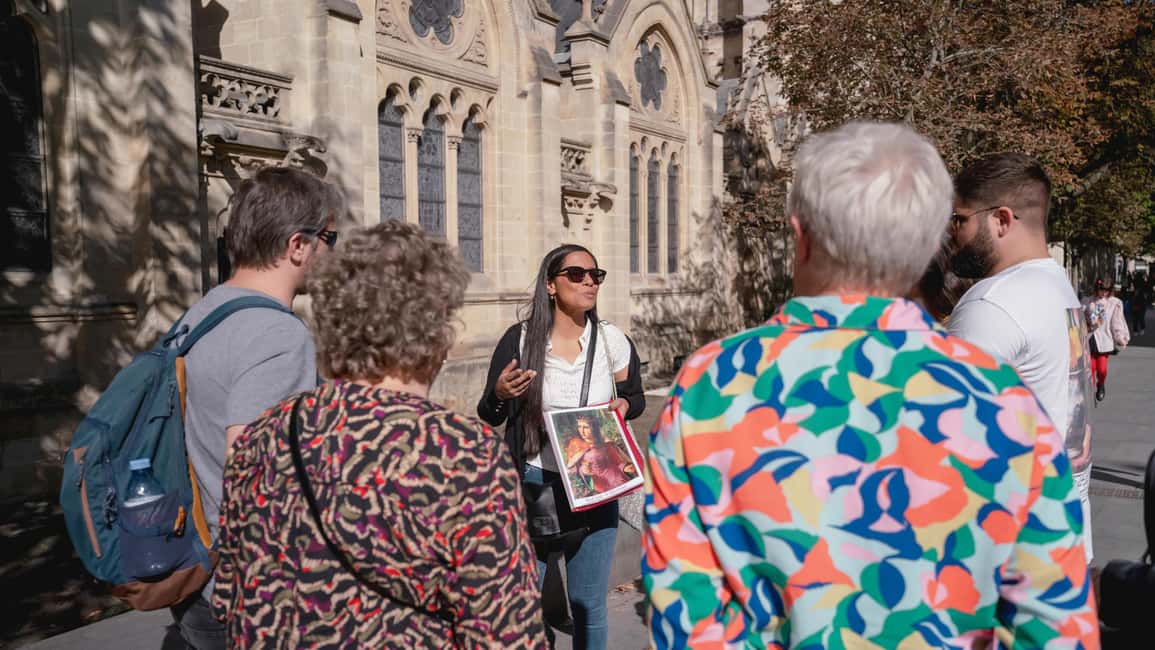
A good short tour should do one thing really well: help you understand where you are. This Bordeaux walking tour is built for that. In about two hours, you move from the cathedral area into medieval lanes, then toward the port-and-commerce heart of the city, finishing near the Grand Théâtre.
What makes it work is the pacing and the structure. You’re not rushing past stops with vague commentary. You’re getting a sequence of places that each answers a different question: Where did Bordeaux come from? Who held power here? What did people do in the streets? Where did wealth concentrate?
The price is also the right kind of low. At $22 per person, you’re paying mostly for a live guide and the local context that would take you hours to assemble yourself from books and apps. If you have only one free morning or afternoon, this is a smart way to get your bearings fast.
You can also read our reviews of more walking tours in Bordeaux

Meeting Guadalupe at Cathédrale Saint-André (Place Pey-Berland)
You’ll meet Guadalupe at the entrance of Cathédrale Saint-André, in Place Pey Berland, and she’ll be holding a green umbrella. That detail matters, because the meeting point is the first place where the plan can go wrong if you rely on a generic map pin.
Once you’re together, the tour starts with the cathedral area as your reference point. You’re not just looking at a façade and moving on. You learn how this zone connects to Bordeaux’s evolution through different eras and different needs. The goal is to make the rest of your walk easier to follow.
Also, because it’s a small group (maximum 15 people), you can actually ask questions. That sounds small, but it changes the whole feel: you’re not yelling over a crowd, and the guide can adjust when the group gets curious.
Cathédrale Saint-André: Why the Outside Matters for First-Time Visitors
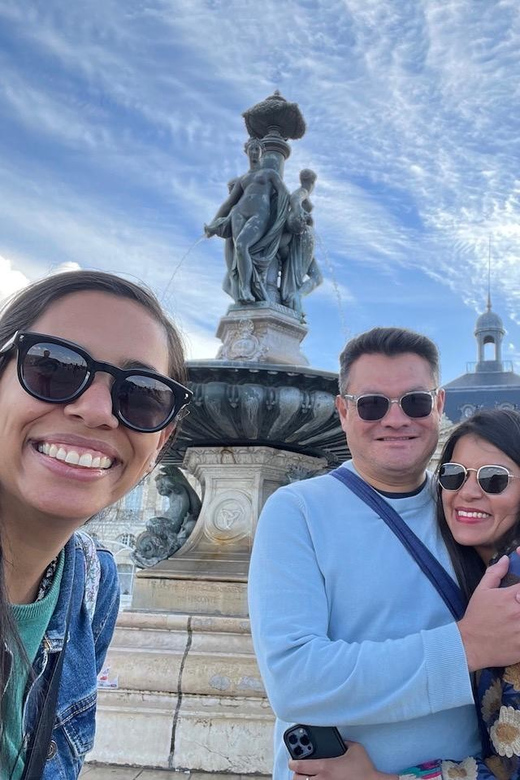
The tour’s first real monument focus is the outside of Cathédrale Saint-André. Even if you never step inside (this is an outdoor walking tour), the cathedral’s exterior gives you a lot: scale, design cues, and the sense of how major religious buildings anchored city life.
You also hear how the cathedral area served different purposes across time. That’s useful because Bordeaux is a port city with layers, and the city’s identity didn’t form in one neat era. Understanding those shifts makes the later stops feel connected rather than random.
If you’re the type who wants to see the “why” behind what you’re staring at, this portion will land. If you only want pretty architecture, you still get plenty, but the story is what turns the buildings into something memorable.
Pey-Berland Bell Tower Square: Statues, Viewpoints, and City Power
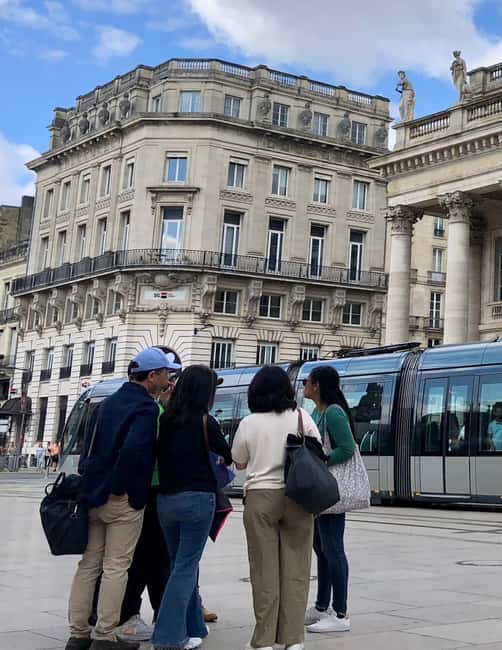
Next comes the Pey-Berland bell tower and the square around it. This is where the tour uses a smart technique: it gives you a central public space and explains what it represents.
The guide points out the various statues present in the square, and you learn how the tower connects to the cathedral complex and to the city’s leadership and public identity. It’s also a good place to take your first “orientation photos” because you’re standing in the center of the cathedral zone, with landmarks that help you recognize your route later.
Even if you don’t climb anything, this stop gives you a sense of verticality and authority. It’s like learning the skyline’s vocabulary before you move into the smaller medieval streets.
Hotel de Ville and the Rhythm of Bordeaux Squares
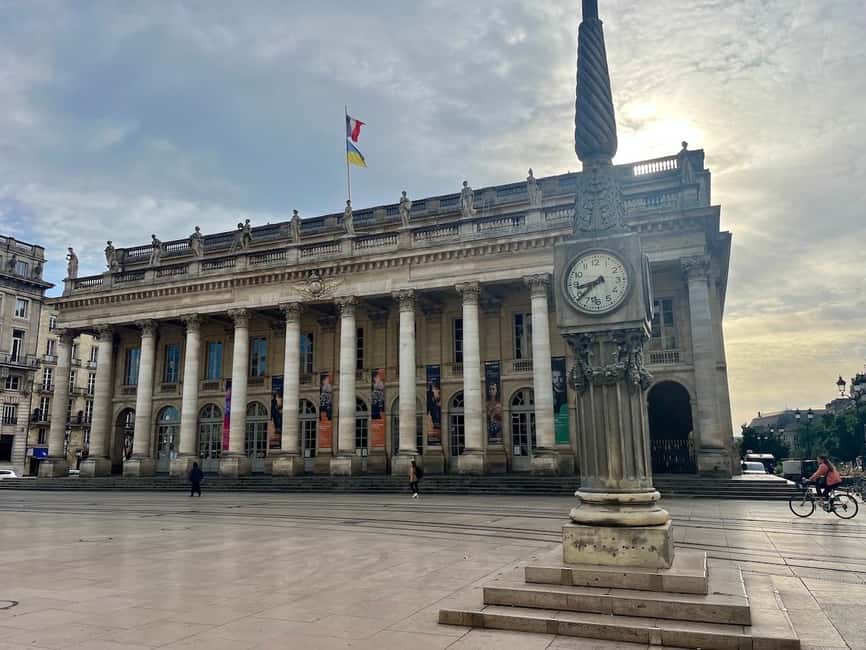
Between the cathedral area and the medieval lanes, the walk flows through key squares such as the Hotel de Ville (Bordeaux Town Hall) area. You’ll get quick context while you’re there, with just enough time to connect the city’s civic side to its religious and historical side.
Why this matters: Bordeaux doesn’t feel like a single museum. It feels like an active city layered with old meanings. Squares are where that layering shows most clearly, because squares are public stages. When you learn what those spaces were for, it’s easier to understand why the city looks the way it does.
You also pass by short stop points that act like “signposts,” so when your guide later talks about power, port commerce, and neighborhood life, you’re not lost in a blur of streets.
You can also read our reviews of more guided tours in Bordeaux





Patisseries and Cannelé: The Best Address Tip You’ll Actually Use
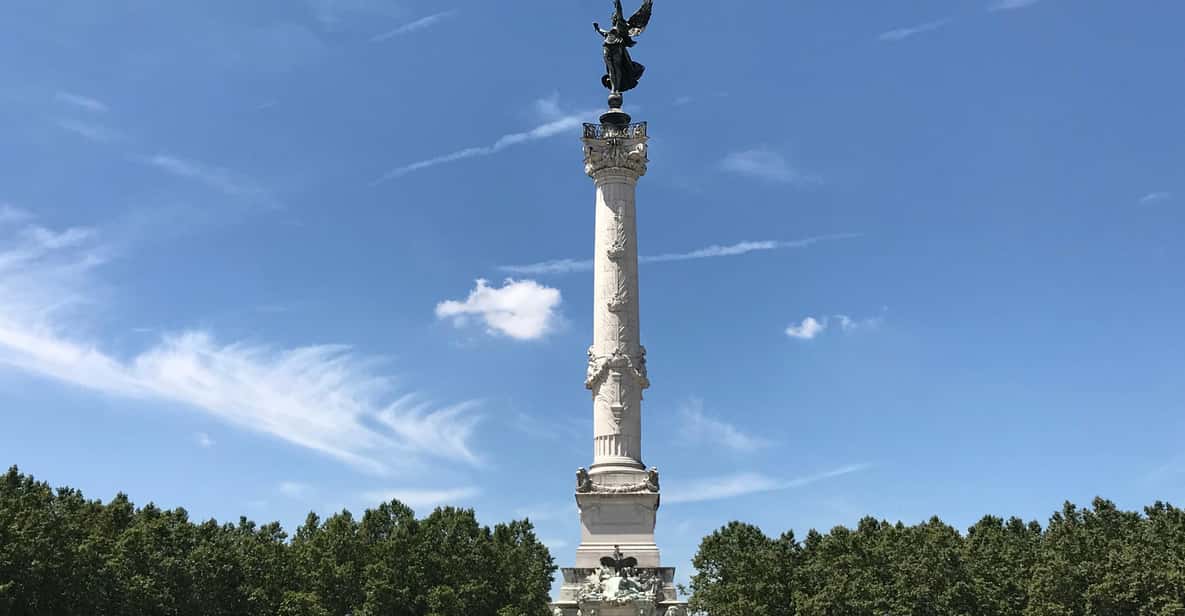
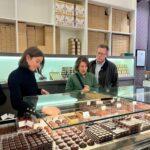
One of the most practical parts of this tour is the food guidance. You’ll hear about typical patisseries of Bordeaux, including the famous cannelé, and you’ll get the best address to try them.
This isn’t just a throwaway recommendation. It’s a way of saying: here’s what locals treat as normal, and here’s how to plan your sweet stop without wasting time hunting. If you’ve ever wandered into a random bakery and ended up with the wrong thing, you’ll appreciate this.
You may also get a cannelé tasting as part of the experience, mentioned through the tour’s feedback. It’s the kind of small moment that helps you understand the city through flavor, not just stone.
Pro tip for your own planning: buy your patisserie recommendation soon after the tour or later that same day. That way, you’re still in Bordeaux-mode and the guide’s context sticks.
Rue des Bahutiers and the Trade-Lane Feeling of Medieval Bordeaux
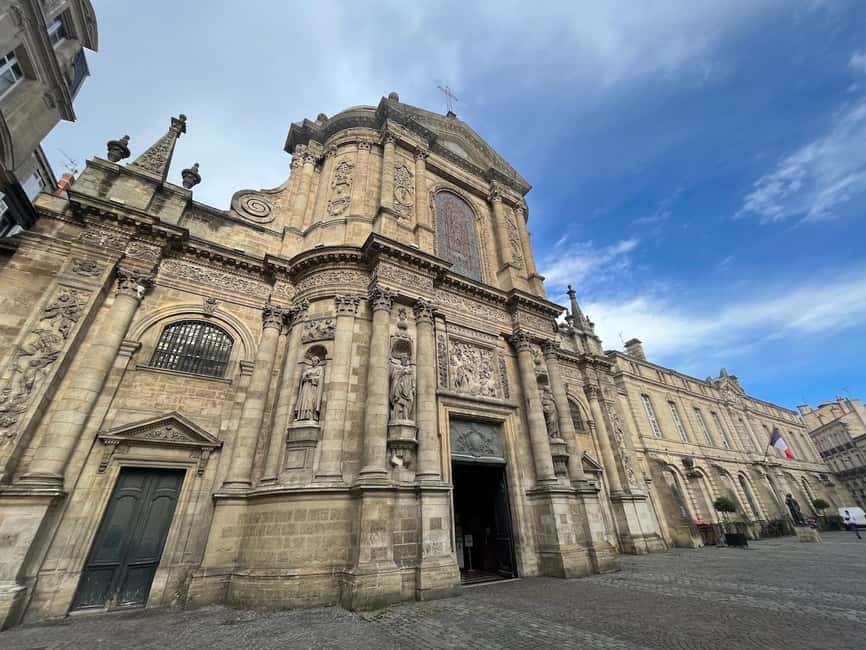
Once the tour moves into the older quarter, you start getting the street texture that makes Bordeaux feel like Bordeaux. The walk includes Rue des Bahutiers, a lane you’ll experience as a change in scale and tone from the bigger squares.
This portion focuses on trades and the way neighborhoods used to function. Even if you don’t know medieval vocabulary, you can “read” what you’re seeing: narrow streets, the way buildings hold street corners, and the feeling of practical daily movement.
This is one of those moments where a guide earns their fee. Left alone, you’d see old streets. With Guadalupe, you learn what those streets were for and why they look the way they do.
Porte Cailhau and Place du Palais: A City Gate With a Backstory
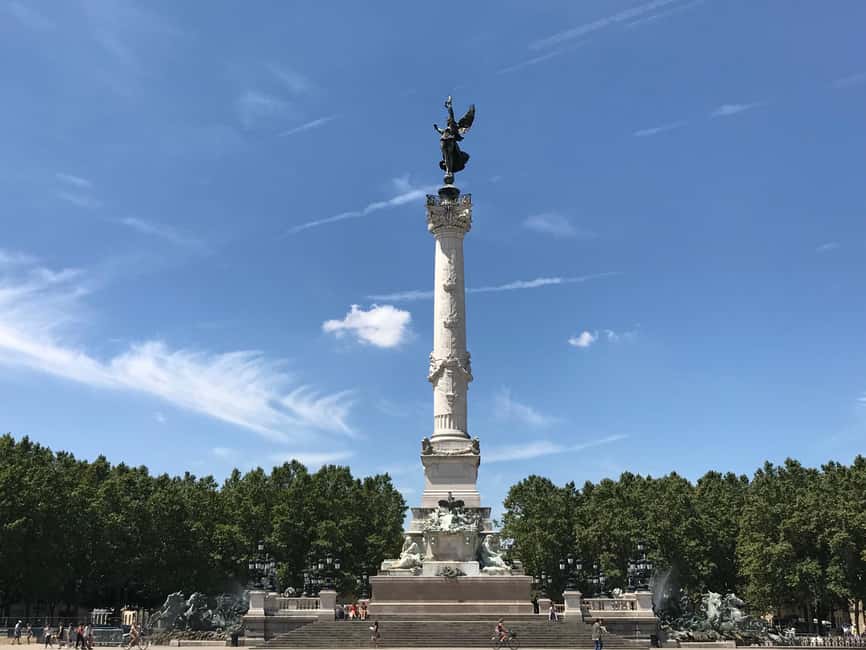
The tour then works in Porte Cailhau, with context tied to Place du Palais. You’ll hear about the history and function of that famous gate and about how the square around it changed over time.
City gates are more than “cool old architecture.” They’re the physical boundary between what’s inside and what’s controlled by city power, trade, and movement. Learning that turns Porte Cailhau from a standalone photo stop into a piece of Bordeaux’s logistics.
If you like history that connects to geography, this is a standout. You start to understand Bordeaux as a port city that managed flow, goods, and people, not just a city that happened to get pretty buildings later.
Saint-Pierre Area Contrasts: Churches, Old Quarters, and Living Addresses
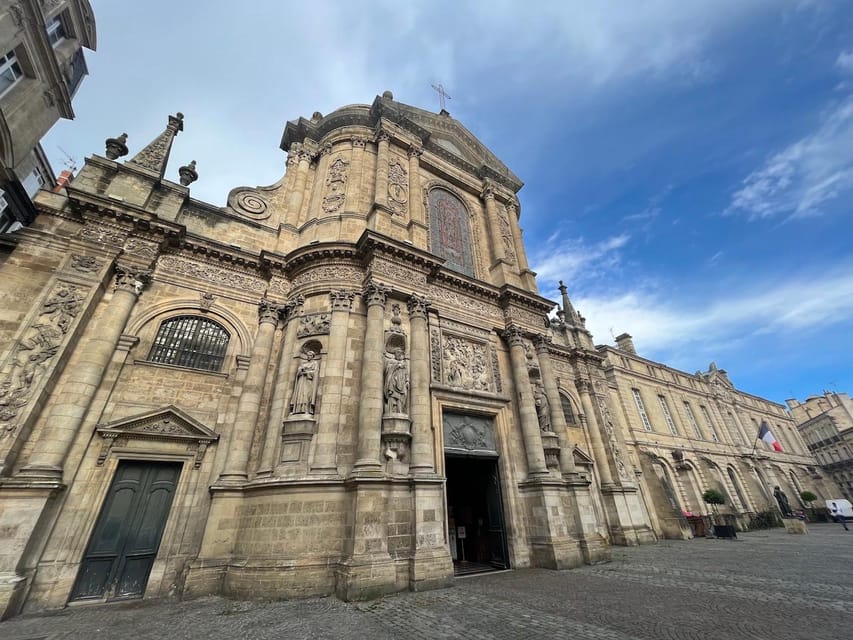
Next you reach the medieval quarter of Saint Pierre, and the tour emphasizes contrasts and changes in how the area was used over the years. You also visit Église Saint-Pierre, which helps anchor the religious side of this older neighborhood.
What I like here is the way it’s framed as a mix of old structures and current life. The guide shares lively addresses to dine, so the neighborhood isn’t treated like a theme park. It’s a place you can actually use after the walk.
This stop is also where small-group pacing shines. You get time to look closely at street corners without feeling like you’re being marched past everything.
Place Saint-Projet and Camille Julian: Reading Bordeaux Through Smaller Names
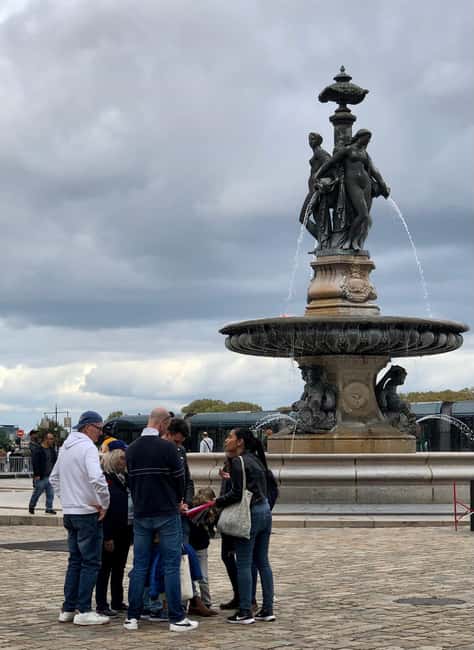
Two quick square stops you’ll make are Place Saint-Projet and Place Camille Jullian. These aren’t the biggest-picture locations, but they matter because they teach you how Bordeaux’s identity is stitched together by many layers, not one monumental “center.”
The guide connects these spaces to the city’s broader story. That’s a big deal for first-time visitors: you stop thinking you have to memorize every statue and just start understanding how cities mark change—through public squares, street names, and the placement of important buildings.
If you enjoy a tour that doesn’t just hit famous postcard spots, these smaller stops give you satisfaction. They’re the glue.
Place de la Bourse and Miroir d’Eau: The Port, the Trade, the Photo
Then the walk opens out toward Place de la Bourse, one of Bordeaux’s most iconic public spaces. Here, the focus shifts strongly to the port, commerce, and trade, and you get the explanation for why this part of town looks the way it does.
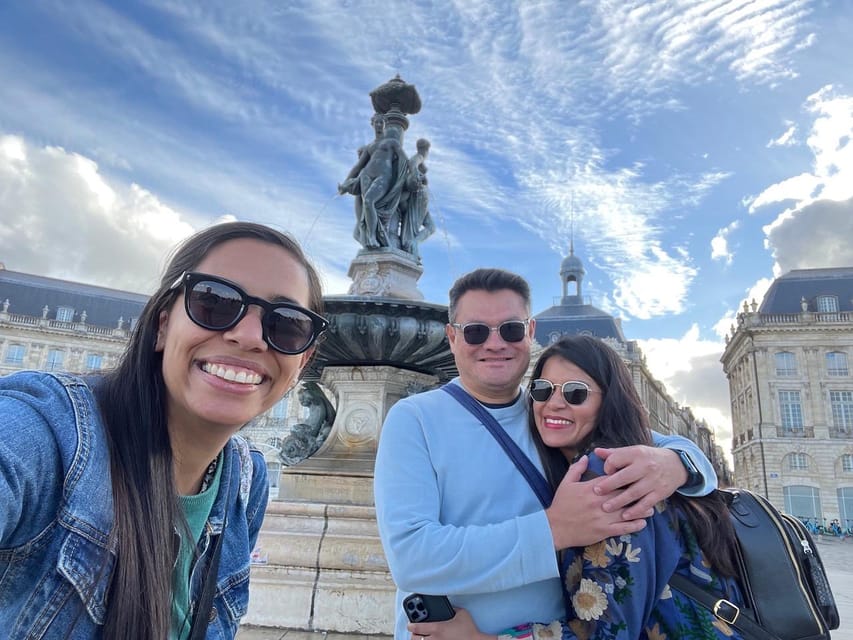
After that, you reach the Water Mirror (Miroir d’Eau). This is the symbol spot where Bordeaux lets the modern visitor take an easy, satisfying photo. The reflection effect turns even a simple phone camera into a souvenir machine.
Practical note: bring a phone case or something that can handle water reflections, and take your time. This stop is short in walking-tour terms, but it pays off visually and gives you an obvious “I was here” image.
Golden Triangle to Grand-Théâtre: Finish With Class (and Plans)
The last stretch takes you toward the Golden Triangle, described as Bordeaux’s most prestigious and exclusive district. It’s a useful shift because it shows how wealth and status concentrated in certain parts of the city.
From there, the tour heads to Cours du Chapeau-Rouge and ends at Place de la Comédie, near the Opéra National de Bordeaux – Grand-Théâtre. You get explanations about the square and the creation of the Grand Théâtre, so the finish feels intentional rather than like a random stop.
Why this ending works: the Grand Théâtre area is a natural place to continue exploring on your own. You’ve already learned the logic of Bordeaux’s movement from port power to civic glamour. Now you can decide what kind of evening you want.
Pace, Comfort, and Meeting Point Tips That Save Time
This is a walking tour of 2 hours with multiple outdoor stops, and it stays best with comfortable shoes and water. The tour also encourages basic sunny-day prep like sunscreen and comfortable clothes, which is exactly what you want for an outdoor city walk.
Group size is up to 15, which helps keep things social without making it feel like a chaotic conga line. You’ll also have the chance to ask questions during the walk, and that matters if you want to personalize your Bordeaux plans.
One extra practical tip from real-world experience with this kind of tour: double-check your meeting approach. If your navigation app sends people to the wrong place, you don’t want to be arriving late and missing the first explanation. Look for the green umbrella and the cathedral entrance area.
Price and Value: Is $22 for a 2-Hour Bordeaux Walk a Good Deal?
At $22 per person, this tour is priced like an efficient way to buy time and confidence. You’re not paying for entry fees or transport. You’re paying for a live local guide, a tight route, and recommendations you can use right after.
It also includes restaurant, wine bar, and things-to-do recommendations. That’s a big value add because Bordeaux is full of choices, and it’s easy to get stuck in “convenient but not great” spots near major landmarks.
One more value point: small-group tours tend to feel more human. Your guide can read the group’s questions and pace accordingly. In the feedback connected to this tour, people consistently praised Guadalupe’s energy, her ability to weave stories across ordinary life as well as major figures, and her follow-up recommendations after the walk.
Important: pastries are not included. That’s actually fine. You’ll learn where to buy the good stuff instead of getting a generic sweet that doesn’t match your preferences.
Who Should Book This Tour (and Who Might Need to Rethink It)
This experience fits best if you:
- Want a first look at Bordeaux without spending hours planning
- Like architecture plus street-level context
- Want practical food guidance like the best address for cannelé and Bordeaux patisserie
- Have a short stay and need a route that makes the city easier to explore later
If you have mobility limitations, the tour information is a mixed signal: it’s listed as wheelchair accessible, but it also says it’s not suitable for people with mobility impairments. Because the route includes medieval streets and walking, the safest move is to contact the operator and ask what the path looks like for your specific situation.
Should You Book the Bordeaux Small-Group Walking Tour?
If you’re trying to decide between spending your time wandering on your own or learning a clear story as you walk, this tour is the smarter bet. You get major landmarks (Saint-André, Pey-Berland, Porte Cailhau, Place de la Bourse, Miroir d’Eau, Grand-Théâtre) plus the less-famous street texture in between.
I’d book it if your top priority is getting your bearings fast and leaving with a short list of where to eat and drink. I wouldn’t book it if you’re hoping to cover the whole city in one go, or if walking on uneven medieval streets is a deal-breaker for you.
FAQ
FAQ
How long is the Bordeaux guided walking tour?
It lasts 2 hours.
Where do I meet the guide?
Meet at the entrance of Cathédrale Saint-André (Place Pey Berland). Guadalupe will be holding a green umbrella.
What’s included in the price?
The tour includes an English-speaking local guide, a small group (maximum 15 people), and recommendations for restaurants, bars, and things to do in Bordeaux.
What sights will I see during the walk?
You’ll visit the outside of Cathédrale Saint-André, the Pey-Berland bell tower, medieval streets (including Rue des Bahutiers and Saint-Pierre), Porte Cailhau, Place de la Bourse and Miroir d’Eau, and you’ll finish near the Grand-Théâtre.
Does the tour include tasting Bordeaux pastries?
Pastries are not included. The tour includes guidance about Bordeaux patisseries, including the cannelé.
Is it offered in English?
Yes. The tour is guided in English (and also Spanish).
Is the tour wheelchair accessible?
The activity is listed as wheelchair accessible, but it also states it is not suitable for people with mobility impairments. If that applies to you, it’s worth checking with the provider before booking.