REVIEW · BORDEAUX
Guided Bordeaux Wine Tasting Class with 6 Wines and pairings
Book on GetYourGuide →Operated by I love my 2cv Sas Verrevidophobe · Bookable on GetYourGuide
Six Bordeaux wines in 75 minutes. This guided class gives you a friendly, structured way to understand Bordeaux without doing the big vineyard day, plus you get hands-on tasting coaching through an aroma game. I really like that it’s a small group (up to 6) and that the guide work comes with a take-home booklet you can actually use. One practical catch: it’s not suitable for people with mobility impairments.
You’ll taste a focused lineup that includes a mystery wine, two dry whites (from left and right bank styles), three reds (including varietal blends and both banks), and one sweet wine. The vibe is relaxed but serious about technique, and the hosts are trained at the Université du Vin, so you get real instruction, not just casual sipping. Expect a little back-and-forth, plenty of questions, and wine/food pairings that help you connect flavor to choices you can make later.
In This Review
- Key highlights I’d plan around
- Finding the door: a secret-feeling Bordeaux tasting room
- What the 75 minutes are really for: technique first, wine second
- Learning to taste like a pro: aroma game + your take-home booklet
- Left Bank vs Right Bank: Bordeaux explained in a way you can use
- Food and wine pairings that actually teach you
- The wine selection: why a mystery bottle is more valuable than a trivia contest
- Price and value: is $53 worth it for a wine tasting class?
- Who should book this Bordeaux class (and who might want a different format)
- Should you book this Bordeaux wine tasting class?
- FAQ
- What wines are included in the class?
- How long is the Bordeaux tasting class?
- Does the price include food and wine pairings?
- Is hotel pickup or drop-off included?
- What languages are available for the guided tasting?
- Is this experience suitable for people with mobility impairments?
Key highlights I’d plan around
- 6 wines in 75 minutes (including a mystery pour plus sweet wine)
- Left Bank vs Right Bank tasting with practical explanations of grape and blend choices
- Aroma game to help you identify scents before you taste
- Wine and food pairing coaching that teaches, not just entertains
- Small group of up to 6 for a more personal pace
- Tasting booklet included so you can keep improving after you leave
Finding the door: a secret-feeling Bordeaux tasting room
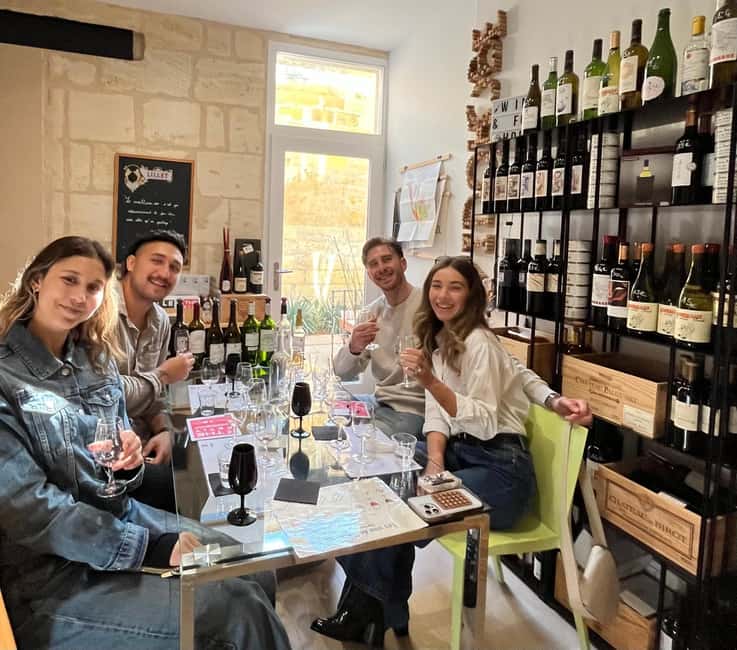
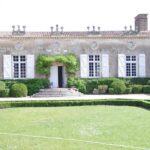
The meeting point is on the n25 street, but it won’t look like a storefront. You’re looking for the ring sign that reads I LOVE TASTING, and it feels like the place is hidden behind a normal-looking entrance. Once inside, the whole experience shifts from city busy to calm cellar-or-patio mood.
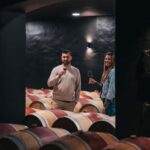
Even if you’re just passing through Bordeaux, this format works well because you’re not committing to a half-day of driving and winery logistics. In good weather, tastings can take place in a private patio, while cooler months may mean the cool of a cellar or a specially equipped tasting room.
If you hate being rushed, this helps. It’s not a factory tour schedule; it’s a short class built around your senses.
You can also read our reviews of more food & drink experiences in Bordeaux
What the 75 minutes are really for: technique first, wine second
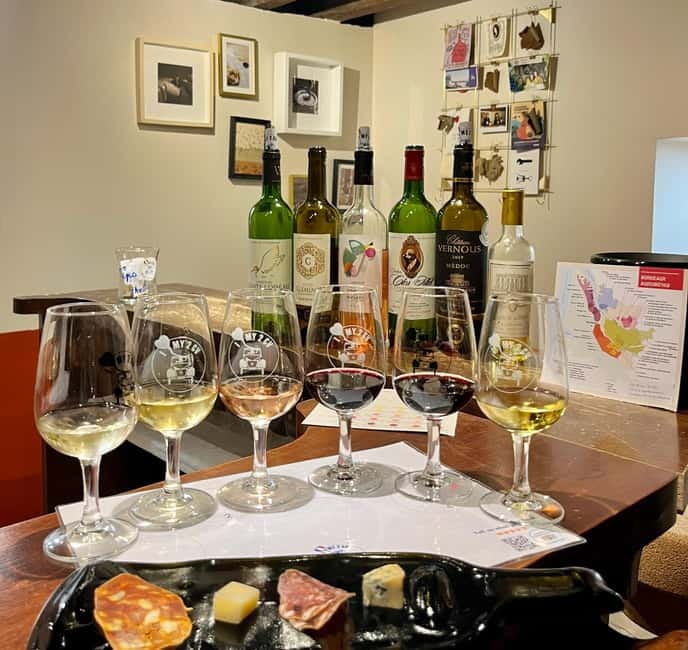
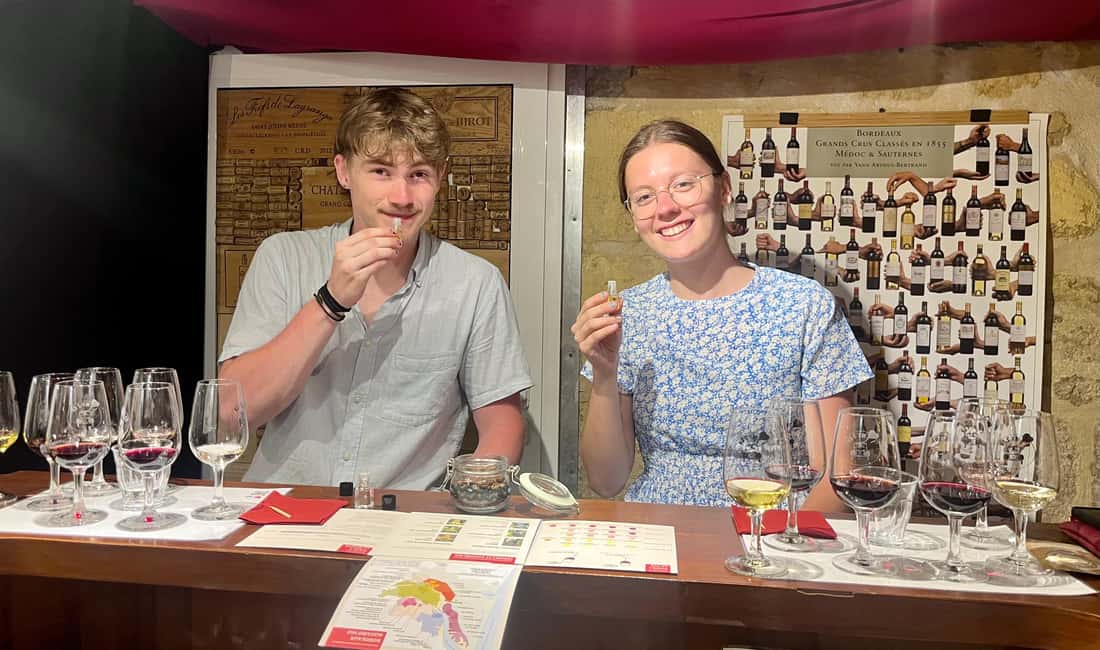
This isn’t built like a long lecture. You’ll taste 6 glasses of Bordeaux wine and learn a method for tasting that makes wine feel less abstract.
Here’s the lineup logic you can count on:
- 1 mystery wine (meant to get you thinking and testing your own guesses)
- 2 dry white wines (left bank and right bank styles)
- 3 red wines (varietal blends, including left bank and right bank examples)
- 1 sweet wine (so you understand how sweetness changes aroma and pairing)
Because the session is only 75 minutes, the teaching stays focused. You’re learning the “how” behind what you like, not memorizing a wall of names. That matters in Bordeaux, where the wine choices can feel endless fast.
Also, you get a small group capped at 6 participants. With that size, the guide can adjust questions and pacing, instead of pushing everyone through at the same tempo.
Learning to taste like a pro: aroma game + your take-home booklet
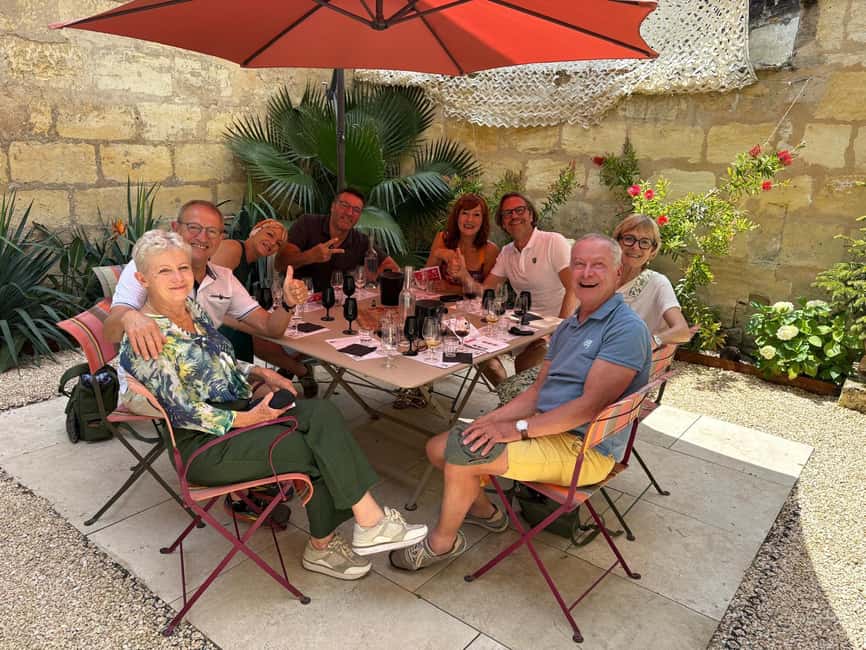
If wine tasting has ever felt awkward, it’s usually because you’re asked to guess aromas without training your nose. This class fixes that with an aroma game. You’ll use guided scent exercises designed to make aromas easier to pick out before you taste each wine.
That sounds simple, but it’s the difference between drinking and noticing. Once you learn how to separate smells and textures, you start picking up what a wine is trying to tell you, even if you don’t have a sommelier vocabulary yet.
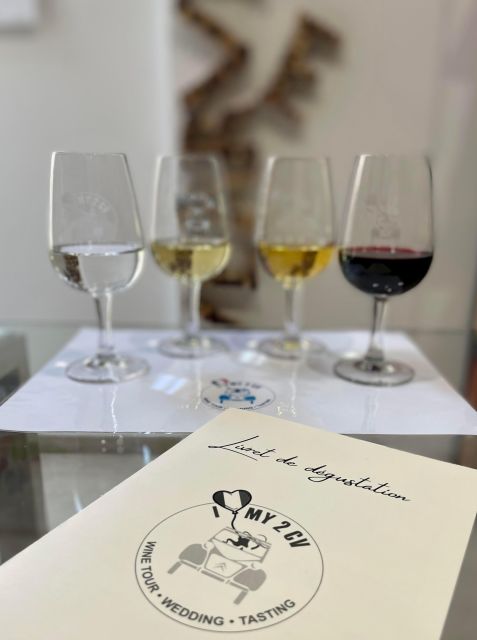
Then there’s the bonus: a personal tasting booklet. You take it home to keep practicing your technique. I like that because wine learning doesn’t end when the session ends. You can revisit the method later, and your next glass of Bordeaux will make more sense.
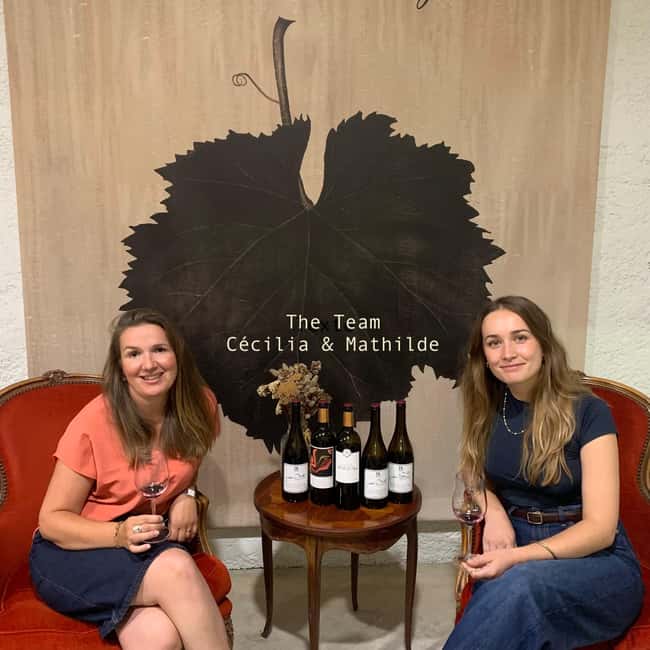
Guides (including Cécilia and Mathilde, plus other hosts seen in past sessions) are trained at Université du Vin, so the instruction is grounded in real tasting practice. And the guides are described as adapting to your tastes, which keeps the class from becoming a one-size-fits-all script.
Left Bank vs Right Bank: Bordeaux explained in a way you can use
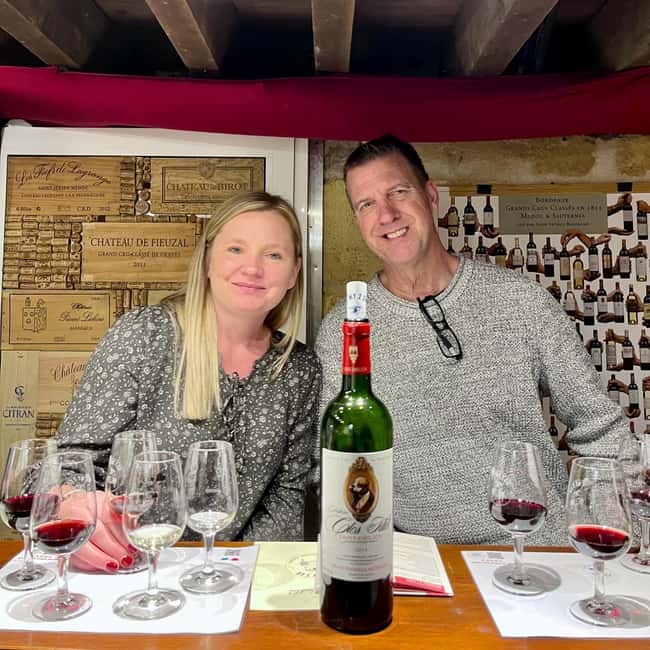
Bordeaux often gets described through categories: appellations, terroirs, classifications, blends. This class helps you connect those labels to what you can taste.
You’ll specifically cover the contrast between left bank and right bank styles through the wines you pour. The left bank side tends to be associated with Cabernet Sauvignon-forward blends, while the right bank is often linked with Merlot-led profiles. You also get the practical reason grapes are planted where they are, including the idea of gravel vs clay soils and how that impacts the kind of grapes that thrive.
What you should take away is not just “Left bank equals X.” It’s how the site and grape strategy shape the wine you’re smelling and tasting.
You also get a chance to notice how blend structure changes your experience. With reds, you’ll taste both blend logic and varietal choices, so you start understanding why one wine might feel smoother, another more structured, and another more aromatic.
This is the part of the class that makes Bordeaux less intimidating. After 75 minutes, you’ll usually walk away with better instincts for what to order next—based on the method you just practiced, not just the label.
Food and wine pairings that actually teach you
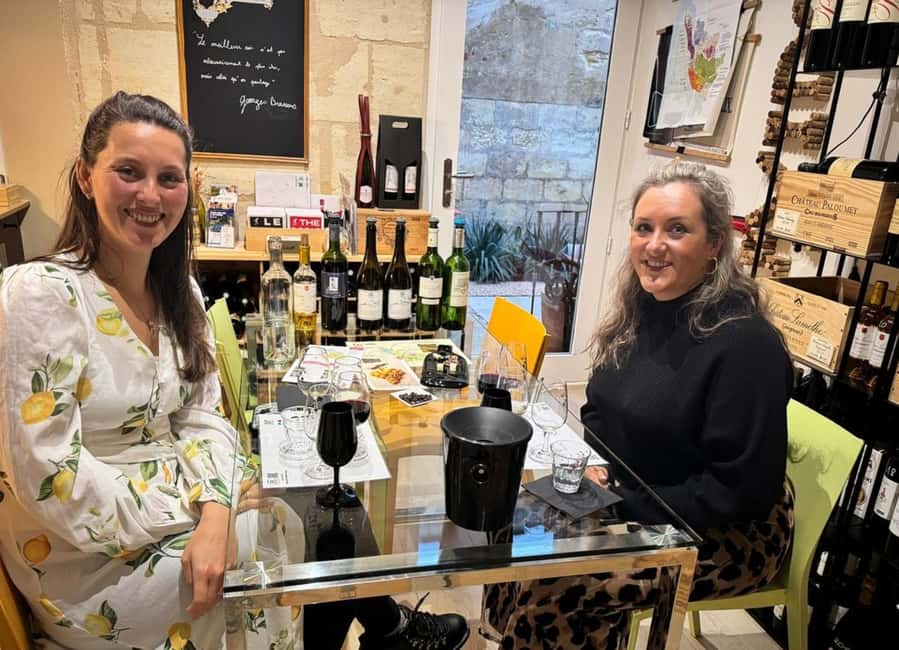
Pairings can be a guessing game, especially when someone says things like “it just works.” This class aims to teach the mechanism.
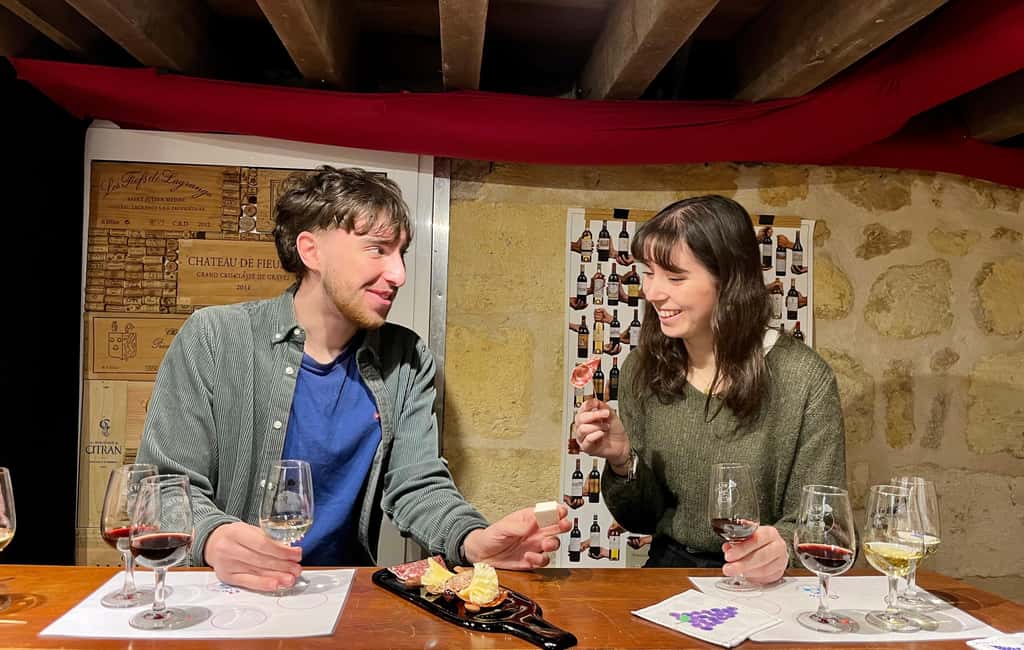
You’ll get pairing guidance alongside your tasting. The wines come with food pairing moments built into the session, so you can test how flavor changes when food is introduced. That helps you learn why pairing decisions aren’t random.
One pairing lesson that stands out across good wine classes is balance: how acidity, tannin, and sweetness interact with salty, fatty, or savory bites. When you practice with guidance right in the session, you stop thinking only in terms of “red with meat.”
Also, you’re tasting a mix that includes dry whites and a sweet wine. That range is useful because it forces you to notice the difference in mouthfeel and aroma intensity when sweetness enters the picture.
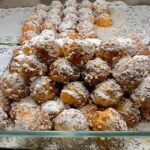
A practical note: while there is food pairing, the session is still short. One participant wished there were a bit more food during the pairing, so don’t assume it’s a full snack meal.
You can also read our reviews of more guided tours in Bordeaux




The wine selection: why a mystery bottle is more valuable than a trivia contest
The mystery wine isn’t there to test your ego. It’s there to train your brain.
When you try to identify a wine based on aroma, structure, and flavor, you start using a real tasting checklist. You’ll likely notice cues like:
- how intense or subtle the fruit smells
- whether tannins feel more drying or more smooth
- how the finish lingers
- what sweetness changes in your perception
That’s a skill you can reuse later in Bordeaux, when a shop clerk offers you something you’ve never heard of. Your goal isn’t to always name the exact appellation; your goal is to make better predictions about the style.
And since you get both banks plus the sweet wine, the mystery helps tie everything together. It’s not just one “type” of Bordeaux—it’s a tour of Bordeaux’s range in a single hour-plus.
Price and value: is $53 worth it for a wine tasting class?
At $53 per person, you’re paying for guided technique plus 6 glasses, pairing coaching, and a take-home booklet. For Bordeaux, that can be good value compared with doing a longer tasting day where transportation and time cost more.
Here’s how I judge whether it’s a fair deal:
- You get instruction, not just samples. The aroma game and booklet are part of the cost, and they help you learn something repeatable.
- You get breadth (white, red, sweet, both banks). Many tastings show only one lane. This one mixes styles.
- You get small-group attention (up to 6). In a crowded setting, you often don’t get real feedback.
If your only goal is to drink and browse bottles with no interest in tasting technique, you might feel it’s more education than you need. But if you want confidence for future wine decisions, $53 is easier to justify.
Also, because the tasting is relatively short, it fits into tight itineraries. You don’t need a full day off to do real wine learning.
Who should book this Bordeaux class (and who might want a different format)
I think this works best if you:
- want a short Bordeaux activity that still teaches
- feel overwhelmed by Bordeaux menus and want a guided path
- like learning how to taste (aroma, texture, structure)
- travel in a small group or as a couple and want a relaxed pace
It’s also a nice option during winter when vineyard visits can be less appealing. The class setting can move to a cellar or equipped room, so you still get the experience without weather stress.
I’d consider a different option if you:
- need full accessibility (it’s not suitable for mobility impairments)
- want a vineyard walking tour with big outdoor scenery
- only care about one wine color (this class includes both white and red, plus sweet)
Should you book this Bordeaux wine tasting class?
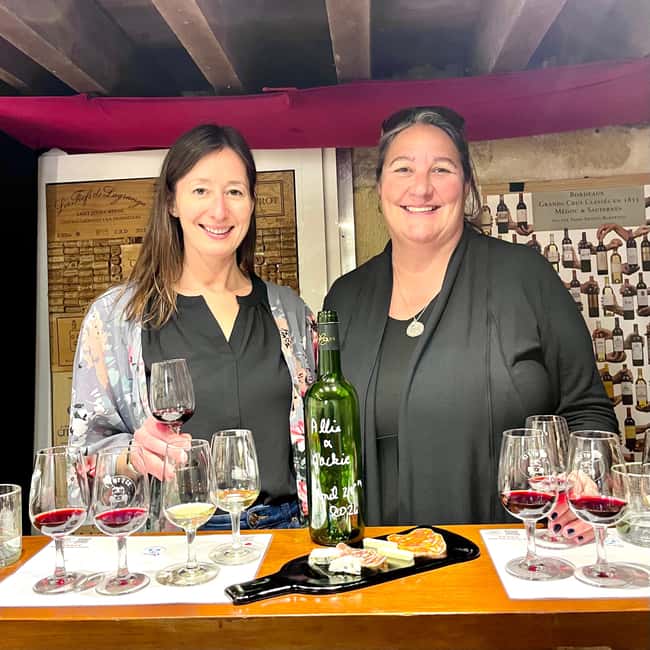
Yes, if you want a clear, friendly introduction to Bordeaux that gives you a method you can reuse. The combination of 6 wines, an aroma game, food pairing coaching, and a booklet is a smart way to turn wine tasting from guesswork into something you can practice.
Book it early enough that it fits your schedule, especially if Bordeaux is busy for your dates. Bring curiosity, ask questions, and don’t worry about knowing labels beforehand. The point is to learn how to taste, so you can enjoy the next bottle more confidently.
FAQ
What wines are included in the class?
You’ll taste 6 Bordeaux wines: 1 mystery wine, 2 dry white wines (left bank and right bank), 3 red wines (varietal blends, including left bank and right bank), and 1 sweet wine.
How long is the Bordeaux tasting class?
The experience lasts 75 minutes.
Does the price include food and wine pairings?
Yes. The class includes wine and food pairing, plus 6 glasses of Bordeaux wine.
Is hotel pickup or drop-off included?
No. Hotel pickup and drop-off are not included.
What languages are available for the guided tasting?
The guide is available in English, French, and Spanish.
Is this experience suitable for people with mobility impairments?
No. It is not suitable for people with mobility impairments.