REVIEW · BORDEAUX
Bordeaux Wine and Trade Museum Admission Ticket with Wine Tasting
Book on Viator →Operated by BORDEAUX HISTORIA VINI MUSEE DES NEGOCIANTS · Bookable on Viator
Wine and trade history, tucked in real cellars.
This ticket combines a walk through the Musée du Vin et du Négoce in the Louis XV-era trade building with an included tasting that teaches you to tell Merlot vs Cabernet Sauvignon apart. I also like how the museum focuses on the business side of Bordeaux wine, not just the grapes. One thing to consider: the vaulted cellars are humid, and a few visitors report a strong musty or mouldy smell.
In practice, you’re in for about 1 to 2 hours, with the museum visit largely self-guided using English explanations, then a short wine tasting at the end. If you want a polished, high-tech experience, you may prefer a bigger museum in Bordeaux, but for learning how Bordeaux wine trading worked, this is a very good value.
In This Review
- Key highlights at a glance
- Why the Musée du Vin et du Négoce feels different in Bordeaux
- Price and what you truly get for about $14.51
- Step inside: three centuries of Bordeaux wine trade in one small museum
- The cellar reality: humidity, musty smells, and how to cope
- Wine tasting at the end: two wines, real grape learning
- How long is the tasting?
- How much do you taste?
- If you don’t drink alcohol
- Self-guided museum with staff help: a smart way to do it
- Should you compare it to Cité du Vin?
- Timing it well in your Bordeaux day
- Who this museum suits best
- Should you book the Bordeaux Wine and Trade Museum with tasting?
- FAQ
- What is included with the admission ticket?
- Which wines are tasted?
- How long does the experience take?
- Is the experience offered in English?
- Is the museum visit self-guided?
- What are the opening hours?
- Is there free cancellation?
- Closing thought
Key highlights at a glance
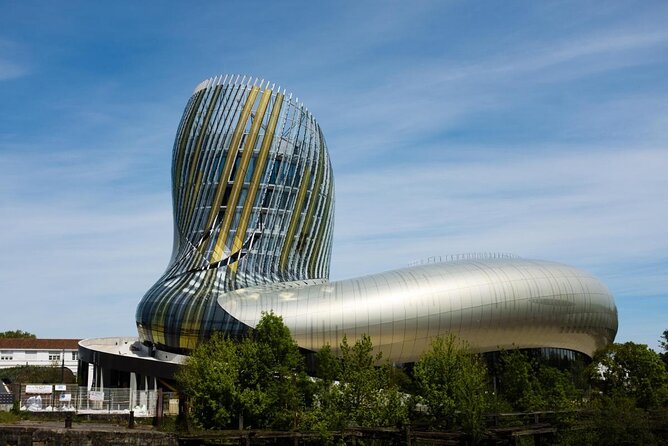
- Louis XV-era trade building with vaulted cellars dating to 1720, shaped by centuries of wine commerce
- Included tasting of two wines (Merlot and Cabernet Sauvignon) in the museum boutique
- Clear focus on Bordeaux wine trade: coopers, aging practices, merchant families, and the chateau vs merchant idea
- English explanations across displays and a tasting led by museum staff
- Small museum format that’s easy to finish in about an hour (or longer if you read)
- Family-friendly extras reported by visitors, including a scent game during the tasting
Why the Musée du Vin et du Négoce feels different in Bordeaux
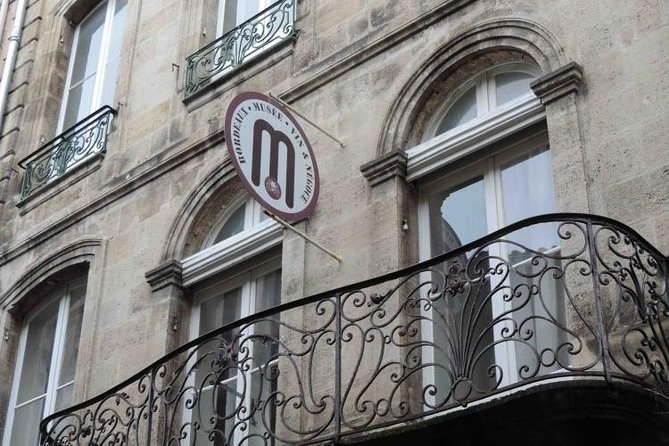
Bordeaux has plenty of wine museums. This one feels more like stepping into how wine actually lived and worked—especially the trade side of it.
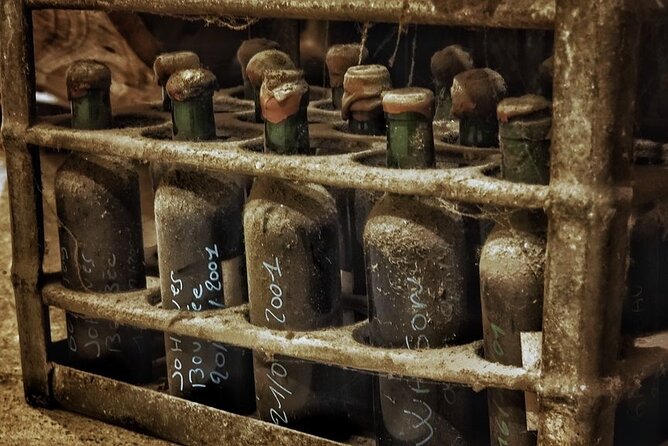
The building itself matters. You’re visiting the Musée du Vin et du Négoce in a historical setting tied to the royal broker Louis XV, with vaulted cellars built around 1720. That’s not just decoration. Those cellars reflect how wine was stored and aged, and they connect to the work of coopers and the routines of nineteenth-century traders. It’s a museum where the architecture supports the story.
What I like best is the museum’s angle. Instead of treating wine as only a farming product, it frames Bordeaux wine as a system: growers, coopers, merchants, and the people who moved wine through networks near and far. You end the visit with a tasting that ties directly back to grape varieties and the way Bordeaux wines are labeled and marketed.
A few more Bordeaux tours and experiences worth a look

Price and what you truly get for about $14.51
For around $14.51 per person, you’re paying for an admission ticket that includes a wine tasting (two wines). That’s the key value piece.
Here’s why it adds up for most people:
- You’re not paying extra on top of admission just to taste something.
- The tasting comes with explanations about Merlot vs Cabernet Sauvignon and also the difference between Merchant wine and Chateau wine.
- The whole experience fits into a short window—about 1 to 2 hours—so you can slot it into a sightseeing day without turning it into a half-day project.
This price is also easier to justify than bigger museums if you’re traveling on a tighter budget. And if you’re planning to visit both Bordeaux’s wine museums, this one works well as the more historical, trade-focused counterpart.
Step inside: three centuries of Bordeaux wine trade in one small museum
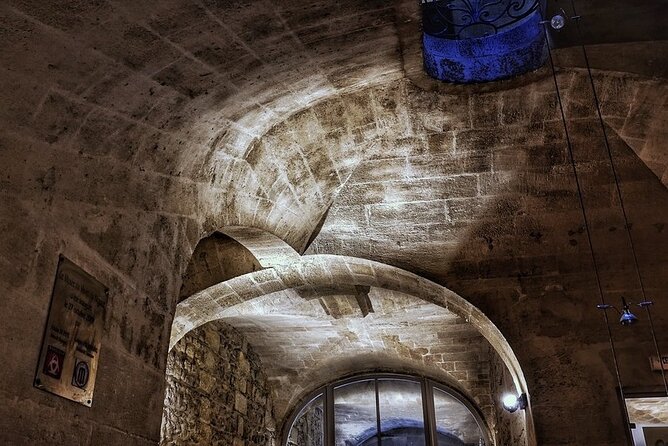
Your first stop is the museum’s main exhibition area, inside the historic trade building. You’ll see how Bordeaux wine gained prestige over centuries—especially through the ‘grands vins de Bordeaux’ as they were handled, stored, and sold.
Expect a mix of:
- Display panels and archival documents tracing the “great merchant families”
- Objects that connect to the work of cellar cooperages and traditional wine aging practices
- Collections that explain Bordeaux wine trade beyond the local region
If you like Bordeaux’s personality beyond the clichés, this is where you’ll feel it. The displays also give context on why merchant houses and trading practices became so influential in Bordeaux. It’s the difference between knowing a wine’s name and understanding how those names reached buyers.
You can keep it simple and let the English notes do the work. Many visitors find the structure manageable because the museum is small. You’re not fighting through endless galleries.
The cellar reality: humidity, musty smells, and how to cope
Let me be honest about the one potential downside: the cellars are part of the point, but they can be a deal-breaker if you’re sensitive to smells.
Some visitors report a strong musty or mouldy scent in the vaulted cellar spaces. The museum’s explanation (based on what you’ll hear in responses to reviews) is that humidity is important for wine preservation, and the building design has continued to support that environment.
So what can you do?
- Give yourself a minute or two to adjust. The smell can feel stronger at first.
- Focus on the displays you can read quickly. This is not a museum that requires you to stand and stare for hours.
- If you’re smell-sensitive, consider timing and ventilation. Going earlier in the day may help, since you can step out and reset between rooms.
Also note one practical review detail: one visitor mentioned restroom conditions were very poor. That’s not something you can plan perfectly for, but it’s worth keeping in mind if you’re the type who needs facilities before you settle in.
Wine tasting at the end: two wines, real grape learning
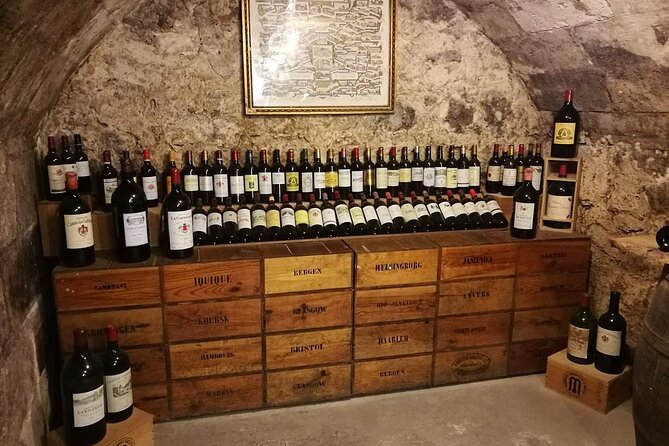
The tasting is where the ticket becomes more than a history walk.
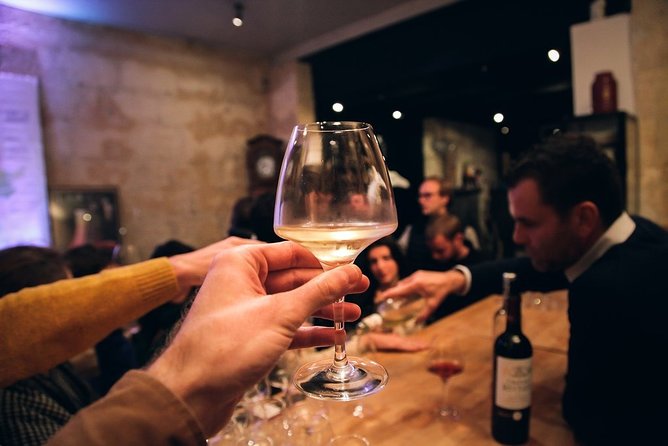
At the end of your museum visit, you can take part in an included wine tasting in the museum boutique. You’ll sample two wines and learn how to differentiate Merlot and Cabernet Sauvignon.
That grape lesson is useful even if you’re not trying to become a wine expert. Merlot and Cabernet can feel confusing on a menu—this tasting gives you a concrete reference point so that next time you see those names, they’re not just labels.
You’ll also hear about the difference between:
- Merchant wine (wine made within the broader trading system that merchants manage)
- Chateau wine (tied to specific estates)
That Merchant vs Chateau distinction matters because Bordeaux marketing isn’t only about taste. It’s also about organization, branding, and how wine gets handled before it reaches you. This is one of the reasons the museum feels coherent: the tasting connects directly to what you see in the exhibits.
You can also read our reviews of more food & drink experiences in Bordeaux


How long is the tasting?
Plan on the tasting being short. Several reviews describe it as quick, and that matches the format: it’s designed to wrap up your visit, not turn into a long sit-down seminar.
How much do you taste?
Expect modest pours rather than an extended flight. The price covers two wines, and the experience is more about education than volume.
If you don’t drink alcohol
One review notes that when a visitor didn’t consume alcohol, staff served grape juice instead. If you need a non-alcohol option, ask at the tasting counter so you’re not caught off guard.
Self-guided museum with staff help: a smart way to do it
This experience isn’t set up like a big guided tour where you follow someone step-by-step the whole time. It’s largely self-guided, supported by English notes and materials.
What works well:
- You can move at your own pace.
- You can spend more time on the parts that interest you, especially trade history elements.
- Staff are available during the tasting and are willing to answer questions.
What can trip you up:
- Some visitors find audio helpful but a bit confusing, especially if you rely on it too heavily.
- A couple of reviews describe the museum as packed with text that can be easy to skim if you don’t slow down.
My advice is simple: treat the museum like a guided reading session you control. If something catches your attention, pause. If the text feels too small or dense, move to the next display. The museum is physically small, so you won’t feel stuck.
You may also meet staff with strong English and clear teaching styles. One review specifically names Cristina and praises her attention during the visit and tasting. Another praises a young presenter for having lots of wine knowledge. If you have questions about a grape, a region, or the trade side of Bordeaux, ask them right away while the tasting staff is there.
Should you compare it to Cité du Vin?
Many people visiting Bordeaux run into a choice: this museum versus the city’s larger wine museum.
Here’s how I’d think about it:
- Choose this museum if you want trade history, the cellar setting, and a practical learning moment tied to Merlot and Cabernet.
- Choose a bigger, more high-tech museum if you want a more polished, immersive format with more scale and production value.
You don’t have to pick only one. But if you only have time for one, this smaller museum is often easier to finish quickly and still feel meaningful.
Timing it well in your Bordeaux day
The museum is open 10:00 AM to 6:00 PM, Monday through Sunday, during the listed period. Also, the tasting is available at multiple points throughout the day, so you can align it with your schedule.
A smart strategy:
- Go earlier in the day if you want more calm reading time in the cellars.
- Keep your tasting at the end, so you walk in knowing what you’re about to learn.
If you’re arriving by cruise or doing a long walking day, you may find the location convenient. One review mentions it as a short walk from a cruise boat, and the museum is near public transportation.
Pair it with:
- A stroll in the Chartrons area (since the trade story connects to the broader Bordeaux wine world)
- A second museum later if you want contrast: one focused on trade and one focused on a larger museum-style overview
Who this museum suits best
This is a great fit if you want a practical Bordeaux wine stop without spending half the day.
You’ll likely love it if:
- You’re curious about how Bordeaux wine became a global product
- You like wine basics taught clearly, especially Merlot vs Cabernet
- You’re budget-minded and want included tasting value
- You prefer small, readable spaces over giant exhibits
It may be less ideal if:
- You’re strongly bothered by cellar odors or humidity
- You expect a high-tech, fully immersive show from start to finish
- You want a longer tasting with heavy pouring and extended time
For families, it can also work. One review mentions a scent game for kids during the tasting. And if you need a non-alcohol option, staff reportedly accommodate at least one visitor with grape juice.
Should you book the Bordeaux Wine and Trade Museum with tasting?
If you’re on the fence, I’d book it if your goal is to leave Bordeaux with a better grasp of how wine trade shaped what you drink today. For the price, you get a historical setting you can’t fake, plus an included tasting that teaches you something you can use on future wine menus.
I would only skip it if you know you’re sensitive to musty cellar smells or if you’re expecting a huge, multimedia wine production show. In that case, a bigger museum might match your style better.
Bottom line: this is a short, focused Bordeaux experience where the tasting ties directly to the museum’s trade story. For many people, that’s exactly the kind of value that makes a day feel complete.
FAQ
What is included with the admission ticket?
The ticket includes an included wine tasting as part of the museum visit.
Which wines are tasted?
The tasting includes two wines: Merlot and Cabernet Sauvignon.
How long does the experience take?
Plan for about 1 to 2 hours.
Is the experience offered in English?
Yes, it’s offered in English.
Is the museum visit self-guided?
The museum is described as self-guided, supported by English notes and materials, with staff available for help.
What are the opening hours?
The museum is open 10:00 AM to 6:00 PM, Monday through Sunday.
Is there free cancellation?
Yes. Free cancellation is available up to 24 hours in advance for a full refund.
Closing thought
If you want Bordeaux wine told through cellars, trade, and grape basics—without paying extra for the tasting—this ticket is a smart buy. If cellar smells would ruin your day, consider a different format.