REVIEW · BORDEAUX
The Ultimate Bordeaux Food Tour: Full Meal & Fine Wines
Book on GetYourGuide →Operated by _Do Eat Better Experience · Bookable on GetYourGuide
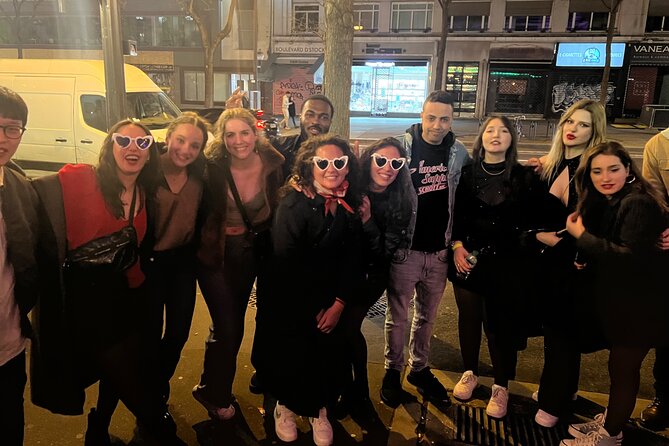
Bordeaux tastes different when you walk it. This 3.5-hour food-and-wine stroll is a smart way to sample top local products while seeing Bordeaux in a slow, human way. I like that the tour is led by real people who know where to point you, from guides such as Antoine to Aurélien, and that it uses a light-foot pace so you can actually talk and look around.
My other favorite part is the spread: you start with an organic wine tasting, then move through savory French flavors and finish with Bordeaux sweet standards like cannelés (plus a region-linked treat like Dune Blanche du Bassin d’Arcachon). One thing to consider: it’s not set up for vegans or for people with mobility impairments, and you’ll be doing a lot of walking in the city center.
In This Review
- Key things I’d zero in on before you go
- Place de la Bourse to Place Gambetta: what the route really feels like
- The tastings: how you go from wine to classic French bites
- Wine tasting in Bordeaux: what you’re actually learning
- Historic corners plus modern cafés: why the mix matters
- The savory highlights: traditional dish, plus cheese for dinner
- Sweet stuff you’ll want to plan around: cannelés and Dune Blanche
- Chocolate bonbons (lunch) and the value of finishing strong
- Pacing, group size, and what to expect from your guide
- Price and value: what $102 gets you in Bordeaux
- Who should book this Bordeaux food tour (and who shouldn’t)
- Should you book: my take
- FAQ
- Where is the meeting point, and where does the tour end?
- How long is the Bordeaux food and wine tour?
- What’s included in the tour price?
- Is wine included, and what type is it?
- What sweet items are part of the tour?
- Does the tour include cheese and chocolate?
- How big are the groups, and is it guaranteed to run?
- Is this tour suitable for everyone?
- What languages are offered, and can I cancel if plans change?
Key things I’d zero in on before you go
- Meet near the fountain at Place de la Bourse, then walk through the core of Bordeaux with frequent food stops
- Organic wine tasting with a choice of white, red, or rosé plus time to learn how it’s made
- A mix of historic eateries and modern spots, so the food feels like the city itself
- Sweet specialties include cannelés and Dune Blanche du Bassin d’Arcachon
- Lunch and dinner have different featured items, such as chocolate bonbons for lunch and cheese for dinner
- Small group size (max 12) keeps the experience from feeling rushed
Place de la Bourse to Place Gambetta: what the route really feels like
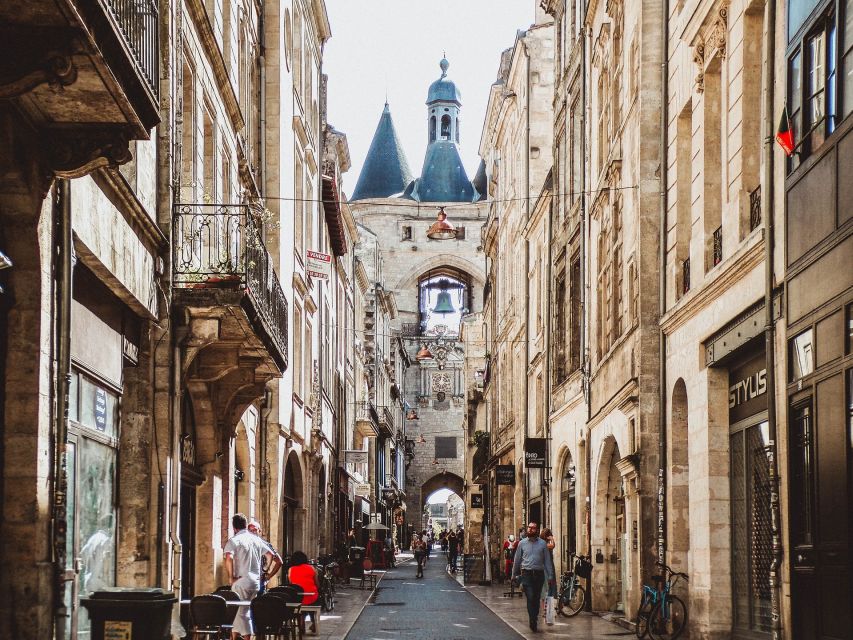
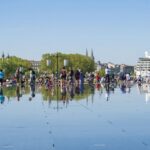
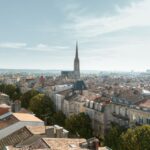
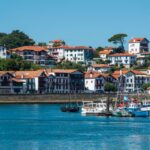
The tour begins at Place de la Bourse, right near the fountain, which is a great starting point because the area is easy to find and visually sets the tone for Bordeaux. From there, you’ll walk through the city’s center, with guide-led stops that break up the route so you’re not just collecting food bites while moving fast.
Expect a gentle but steady walking rhythm. The full duration is 210 minutes, and the way the stops are spread out means you can take in landmarks without turning it into an endurance test. You’ll also get the feeling of how Bordeaux changes block to block: polished façades and major squares on one side, smaller streets and more lived-in corners on the other.
End point is Place Gambetta, another central location that’s useful if you want to continue on your own after the tour. It’s also helpful that the tour stays in the compact core—no transfers, no long rides, no waiting around for transport.
Practical tip: bring comfortable shoes. This is a walking tour first, food tour second. The food stops are frequent, but you still want your feet to be happy.
You can also read our reviews of more food & drink experiences in Bordeaux
The tastings: how you go from wine to classic French bites
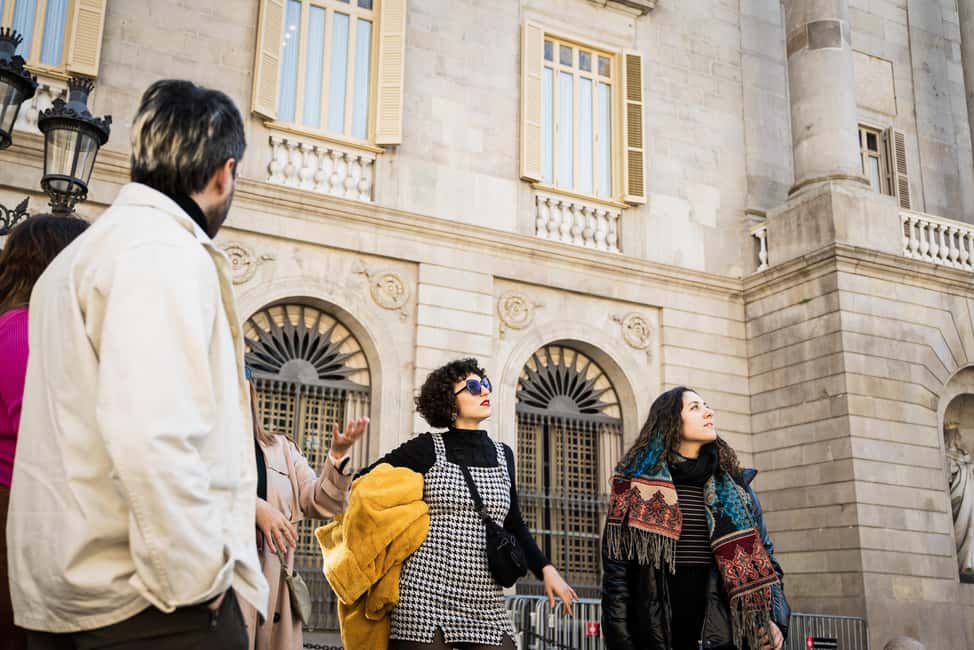
The experience is built like a progression. You start with wine, then you move into savory food, then you hit sweets and finish with refined chocolate if your time slot includes lunch.
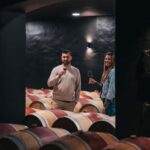
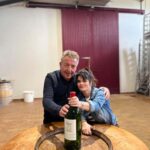
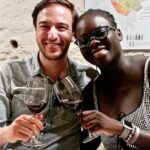
At the first part of the tour, you get a wine tasting where you’ll try a glass of high-quality organic wine. The tour format suggests you can taste white, red, or rosé, and your guide also shares how the wine is made—enough context to make the glass feel earned, not random.
Then the tour shifts into the core goal: tasting Bordeaux at a practical level. You’re not just sampling a single specialty. You’ll try:
- At least four food stops, with at least one serving of food at each stop
- A traditional French dish (the exact dish can vary by what partners have available)
- Cheese if it’s the dinner version
- Sweet specialties that include both a regional nod (Dune Blanche du Bassin d’Arcachon) and a Bordeaux icon (cannelés)
- Chocolate bonbons if it’s the lunch version
This structure works because it matches how people actually eat in France: you build through courses and flavor types, not just one snack after another. It also means you’ll come away with a real sense of what Bordeaux tastes like, not only what it looks like.
Wine tasting in Bordeaux: what you’re actually learning
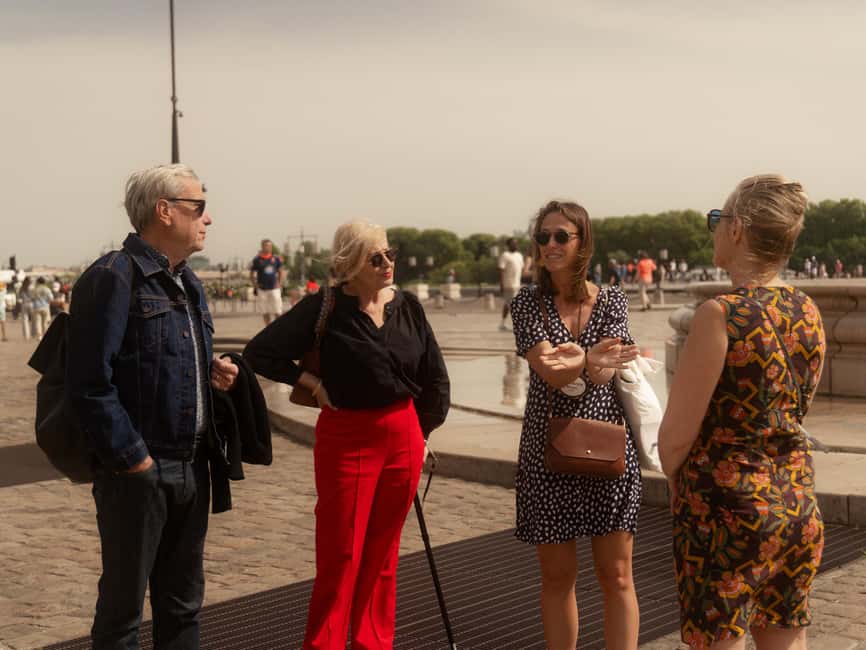
Wine is the headline here, and it’s not just because it’s fun. This tour gives you a small educational framework. You’ll taste an organic glass and learn how it’s made, which helps you connect the flavor you’re drinking to something real: the choices behind the bottle.
Also, because you’re walking and tasting other foods right after, you get a better sense of pairing. Even without a formal course-by-course lesson, the way the tour flows nudges you to notice what tastes good together—wine alongside traditional French food, then wine energy turning into dessert cravings.
One more practical note: the tour includes water plus 1 alcoholic drink. So you’re set up for a comfortable tasting pace. If you want more after the tour, you’ll be doing it on your own.
Historic corners plus modern cafés: why the mix matters
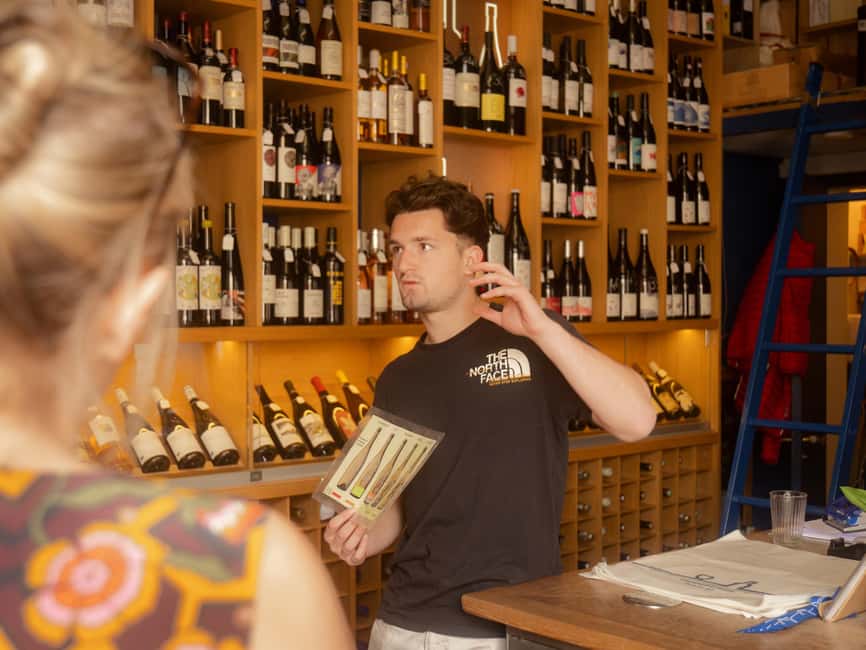
A lot of food tours fall into one of two traps: either everything is super traditional, or everything is trendy and styled for Instagram. This one aims for a balance. You’ll visit historic eateries, modern cafés, and trendy restaurants, which makes Bordeaux feel like a living city rather than a museum.
Here’s what that does for you as a visitor:
- Historic spots help you understand local food culture and the long-standing palate
- Modern stops show what Bordeaux does now, not just what it did decades ago
- Frequent changing of settings prevents the tour from feeling repetitive
You’ll also get guided city-center sightseeing at a couple of the key points, which helps you keep your bearings. Some guides—like Antoine and Aurélien—are particularly helpful with local context, pointing out spots you might otherwise miss. It’s one of those touches that turns the tour from a meal run into a real city walk.
Weather reality check: if it’s rainy, the walking part still happens. The good news is the pace is designed around stops, so you’re not out there for hours with no breaks.
The savory highlights: traditional dish, plus cheese for dinner
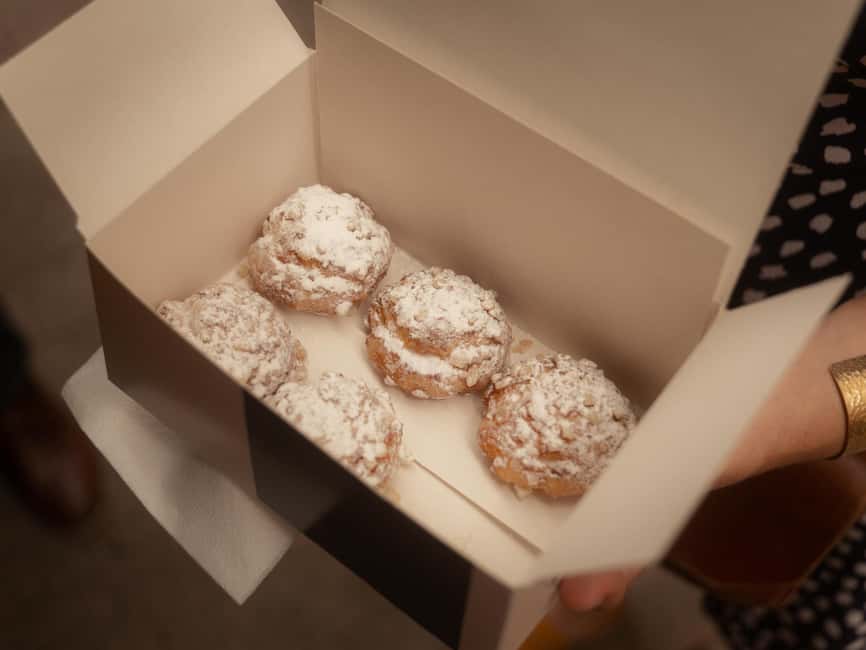
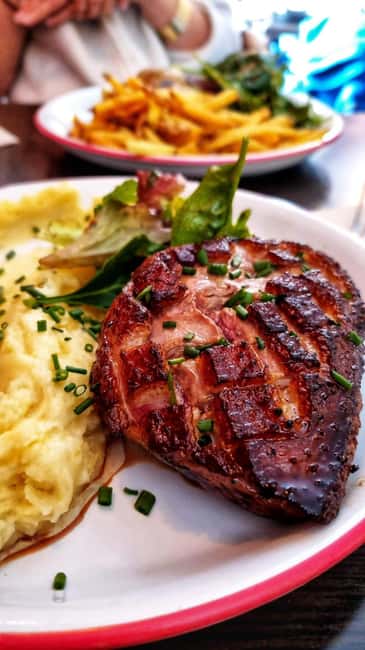
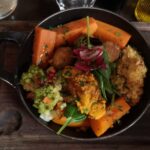
The tour is designed so you’re not stuck with only one category of food. You’ll try a traditional French dish that’s chosen based on what’s available, and it’s typically the kind of item you’d want to order if you were dining like a local.
Then, if you’re taking the dinner version, the tour includes a selection of fresh, flavorful cheeses. That cheese stop is specifically framed as a dinner-only element, so it’s worth checking which time slot you’re booking if you care about cheese.
Even when the exact menu items shift seasonally, the goal stays consistent: you taste quality products and you get enough variety to recognize Bordeaux preferences. Cheese and wine also tend to reinforce each other in a way you’ll notice immediately—salty, creamy, and tangy flavors often bring out different parts of the wine.
A few more Bordeaux tours and experiences worth a look
Sweet stuff you’ll want to plan around: cannelés and Dune Blanche
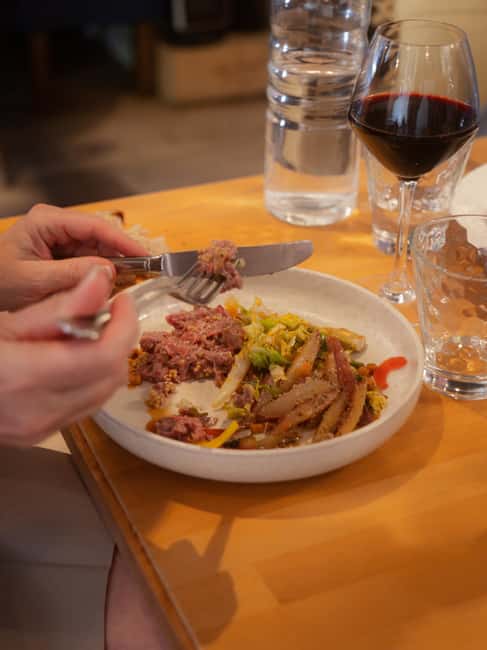
If you have a sweet tooth, Bordeaux will not disappoint you on this tour. Two specific items are called out:
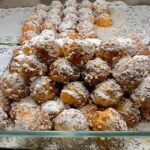
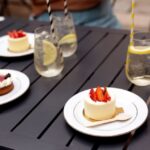
- Cannelés, the iconic Bordeaux pastry with that caramelized crust and soft interior
- Dune Blanche du Bassin d’Arcachon, a sweet specialty tied to the Bassin d’Arcachon region
The Dune Blanche connection matters because it gives you something tied to the broader region, not only the city itself. Bordeaux is the anchor, but the tastes come from around it too.
In other words: this is not random dessert. It’s a small guided taste of what Bordeaux is proud of.
Chocolate bonbons (lunch) and the value of finishing strong
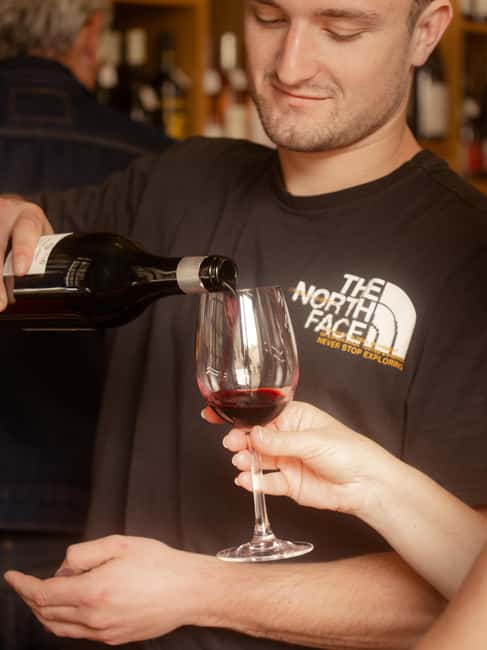
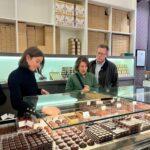
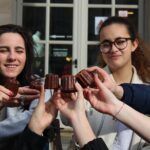
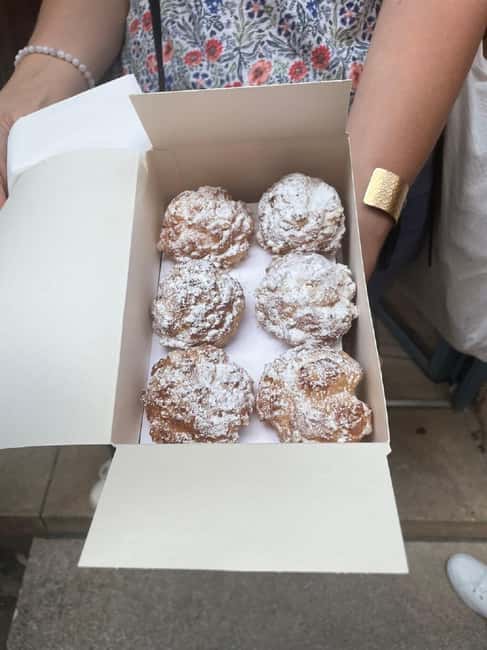
If your tour time is the lunch version, you’ll end with refined chocolate bonbons from a local chocolatier. That ending is a smart move because it gives you a polished finale. You’ve already handled wine and savory bites; chocolate closes the loop and makes the experience feel complete.
Even if your slot is the dinner version (where cheese is highlighted), finishing with sweets is still the theme. The tour is built so you leave with the full Bordeaux flavor arc: savory to sweet to chocolate, all within about three and a half hours.
Pacing, group size, and what to expect from your guide
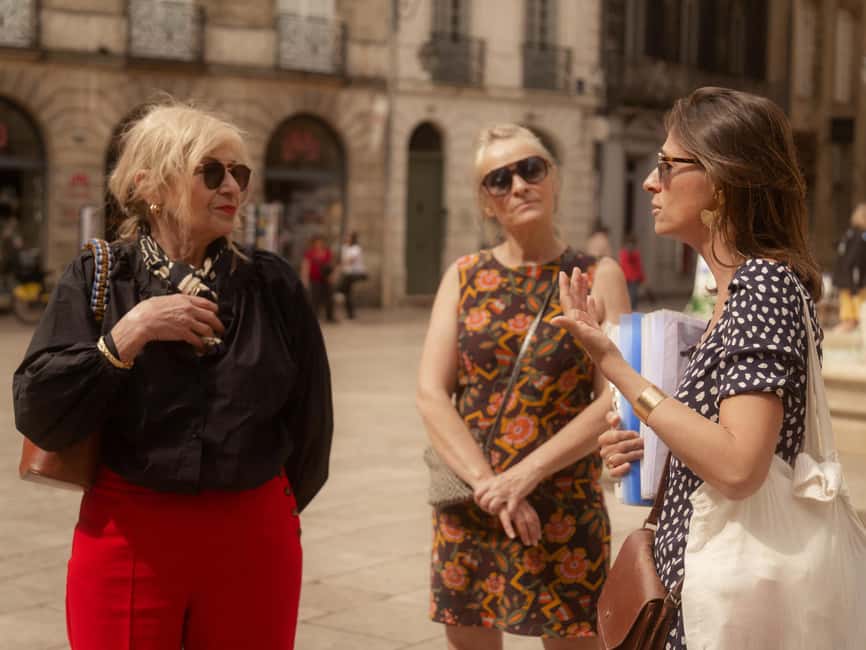
This runs with a minimum of 2 people and a maximum of 12, which keeps it friendly and manageable. In a group this size, you’re more likely to get personal attention—especially if you have questions about what you’re eating or what to order later in the city.
Guides also vary in style, but the overall tone is relaxed and considerate. Many guides are described as attentive to group pacing, and they’ll share city-center context that helps you make better choices once you’re on your own. Some guides are also helpful with recommendations beyond the tour, like other places to try for tasting items such as pastries, coffee, or chocolate.
What you should do: ask questions. If your guide is the kind that likes to talk (most of them are), you’ll get more from the stops than you would by eating silently and moving on.
Price and value: what $102 gets you in Bordeaux
At $102 per person, this isn’t a budget snack crawl. It’s a mid-range experience, and the value comes from what’s included:
- A tour guide
- At least 4 food stops
- Wine (plus water)
- At least one food serving at each stop
- A format that includes both city sights and multiple types of tastings
A quick way to think about it: you’re paying for access—access to quality places, access to a guided flow, and access to the wine component that’s usually the hardest part to set up well on your own.
Also, because tastings can shift with season and availability, you’re getting a curated experience that adapts rather than a rigid script that might not match what’s actually fresh that week.
The main reason it can feel expensive is also the main reason it’s good: you’re paying for the structure. If you prefer wandering freely and choosing everything yourself, you might not want to pay for that.
Who should book this Bordeaux food tour (and who shouldn’t)
This is a strong match if you want:
- A walkable way to taste Bordeaux without planning each stop
- Multiple food styles—traditional dish, cheese (dinner), regional sweets, and chocolate (lunch)
- A guided explanation that makes the wine and food feel connected
It’s less of a match if:
- You’re vegan. The tour is not suitable for vegans
- You have mobility impairments. The walking format isn’t designed for that
- You travel with pets or luggage/large bags, since they aren’t allowed
If you’re traveling as a couple or a small group, the cap of 12 helps keep things pleasant. If you’re solo, you’ll still have a real voice in the group—just don’t expect a private tour.
Should you book: my take
I’d book this if you want a high-quality, city-centered food-and-wine experience that saves you planning time and gives you a balanced Bordeaux tasting menu—from organic wine to cannelés. The structure also makes it easier to enjoy Bordeaux even if it’s your first time, because you’re not only eating—you’re building your bearings.
I’d skip it if you don’t like walking, if you’re vegan, or if you prefer to choose exactly what you eat at your own pace. For everyone else, this is one of those rare tours that feels like you’re getting a real meal experience plus genuine city context, not just a list of stops.
FAQ
Where is the meeting point, and where does the tour end?
You meet at Place de la Bourse, near the fountain. The tour finishes at Place Gambetta.
How long is the Bordeaux food and wine tour?
The duration is 210 minutes (about 3.5 hours).
What’s included in the tour price?
The tour includes a tour guide, at least 4 food stops, wine, and water. It also includes water and 1 alcoholic drink, and at least one serving of food at each stop.
Is wine included, and what type is it?
Yes. You’ll have a wine tasting with a glass of high-quality organic wine, and you’ll taste white, red, or rosé. The guide also explains how it is made.
What sweet items are part of the tour?
The tour includes a regional sweet specialty called Dune Blanche du Bassin d’Arcachon and the Bordeaux classic cannelés.
Does the tour include cheese and chocolate?
Cheese is included for the dinner version, and chocolate bonbons are included for the lunch version. The specific tastings can vary by season and partner availability.
How big are the groups, and is it guaranteed to run?
It has a maximum of 12 and a minimum of 2 people. If the minimum isn’t reached, the tour can be rescheduled.
Is this tour suitable for everyone?
It’s not suitable for vegans and it isn’t designed for people with mobility impairments. Pets and luggage or large bags aren’t allowed.
What languages are offered, and can I cancel if plans change?
The live guide is available in English and French. You can cancel up to 24 hours in advance for a full refund, and you can also reserve now and pay later.