REVIEW · BORDEAUX
Bordeaux: Guided Walking Tour
Book on GetYourGuide →Operated by OFFICE DE TOURISME DE BORDEAUX · Bookable on GetYourGuide
Bordeaux clicks into place in two hours. This guided walking tour strings together Bordeaux’s big public spaces and old narrow streets, with a clear story about how the city grew, changed, and earned UNESCO World Heritage status. I especially like the French/English morning format and the way the walk uses Place des Quinconces as a springboard for understanding Bordeaux’s urban design. One catch: on Saturday afternoons, the tour is French only, so non-French speakers may want to choose a morning slot instead.
Plan for a smooth 105-minute stroll that’s paced for seeing a lot without feeling rushed. You start at the Bordeaux Tourist Office on Cours du 30 Juillet, then move through wide neo-classical avenues, grand landmarks like the Grand Théâtre, and the tighter lanes of the Saint-Pierre area. Bring comfortable shoes, because you’re on stone streets and you’ll want to keep a steady stride.
This is also one of those tours where the guide quality matters a lot. The experience often shines with guides who tell Bordeaux’s stories well (you might get names like Bruno, Alcides, or Christine), but if your hearing is sensitive to projection, rain, or group spacing, you’ll want to position yourself closer to the front so you don’t miss key points.
In This Review
- Key Things I’d Prioritize on This Bordeaux Walking Tour
- Starting at Cours du 30 Juillet: Where the Tour Finds Its Rhythm
- Place des Quinconces: Europe’s Big Square and the Bordeaux Planning Story
- From Neo-Classical Avenues to the Grand Théâtre: Seeing Style Shifts On Foot
- Saint-Pierre Streets and Small Shops: Where Bordeaux Feels Human-Scale
- Place de la Bourse Reflecting Pool: A Photo Stop With a Point
- Garonne River Bridges: Romantic Views, Better Context
- Bilingual vs French-Only: Choose Your Time Slot Carefully
- Pacing, Weather, and How to Hear the Guide
- Price and Value: What $17 Buys You in Real Time
- Who Should Book This Bordeaux Walking Tour
- Should You Book This Bordeaux Walking Tour?
- FAQ
- How long is the Bordeaux guided walking tour?
- Where does the tour meet?
- What languages are offered?
- What should I bring?
- Is luggage allowed?
- Do I need to bring a ticket before the tour starts?
- Is there free cancellation?
Key Things I’d Prioritize on This Bordeaux Walking Tour
- Bilingual in the morning, French-only on Saturday afternoons, so pick your time slot by your comfort level.
- Place des Quinconces: learn why it’s such a defining urban stage, not just a big empty square.
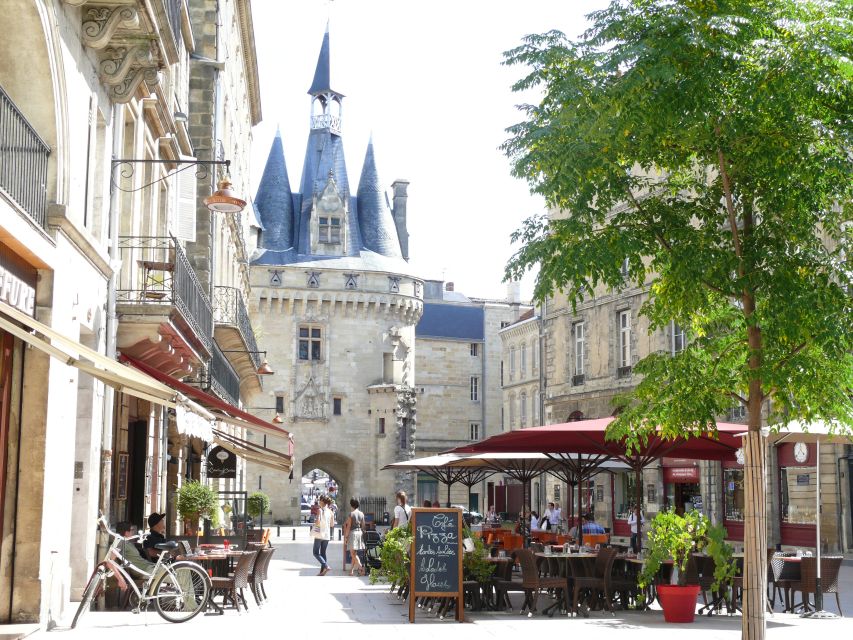
- Old Town street texture: narrow paved lanes, small shops, and a real feel for how Bordeaux neighborhoods connect.
- Place de la Bourse reflecting pool: a classic photo stop with context, not just a quick look.
- Garonne River bridge views: the tour gives you a reason to notice details you’d usually walk past.
Starting at Cours du 30 Juillet: Where the Tour Finds Its Rhythm
The tour meets at the Bordeaux Tourist Office on Cours du 30 Juillet. That’s a good choice, because it’s central and it puts you right into the flow of the historic center fast, instead of starting in an awkward outskirts location.
Plan to arrive about 10 minutes early. You’ll need to show a downloaded or printed e-ticket for each person. This is the kind of small step that can stall a group if it’s missed, so I treat it as part of the tour prep rather than an afterthought.
Also note the sensible rule: no luggage or large bags. The streets you’ll cover are narrow in places, and you’ll be moving as a group. If you’re traveling light, you’ll feel more relaxed. If you’re hauling a big suitcase, you’ll feel every bump.
You can also read our reviews of more walking tours in Bordeaux

Place des Quinconces: Europe’s Big Square and the Bordeaux Planning Story
One of the most satisfying parts of this tour is how Place des Quinconces isn’t just a landmark you glance at. It’s a teaching moment. You get oriented to how Bordeaux uses large public spaces to shape movement and civic life, then you carry that understanding into the surrounding neighborhoods.
The square is described as one of the largest in Europe, and that scale changes how you see everything around it. From that open space, you can better appreciate why some streets feel grand and ceremonial while others feel intimate and old-world. The guide uses this contrast to explain the city’s evolution, including the influence of Enlightenment philosophers on Bordeaux’s urban landscape.
Practical tip: when you reach the square, take a few seconds before moving again. Let your eyes adjust to the breadth, then listen for how the guide connects the open space to the city’s planning logic.
From Neo-Classical Avenues to the Grand Théâtre: Seeing Style Shifts On Foot
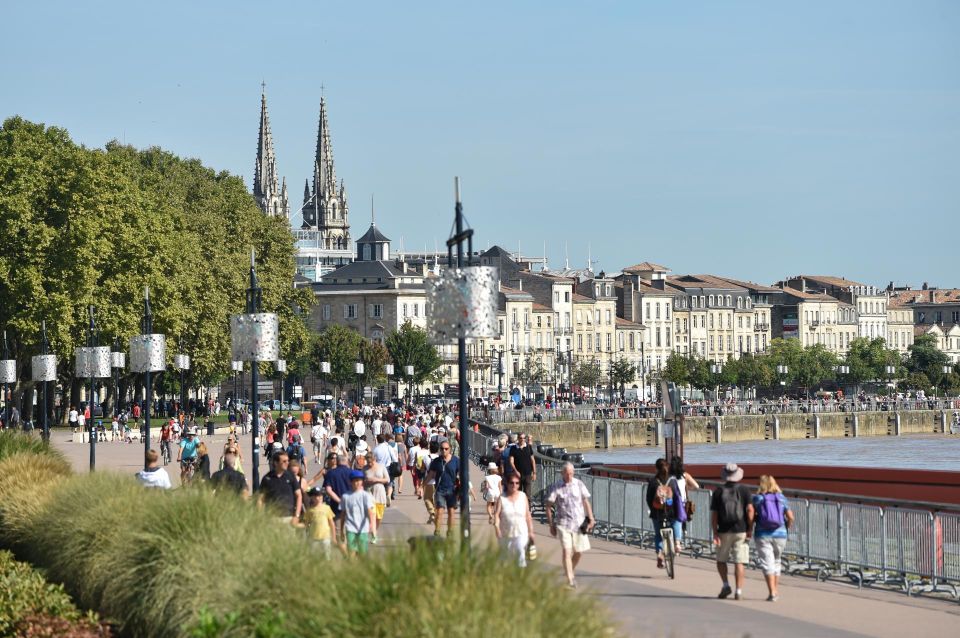
After the wide-open civic stage, the tour shifts into motion through Bordeaux’s neo-classical neighborhoods. The description sets you up to notice how Bordeaux mixes big, formal architectural gestures with softer residential texture.
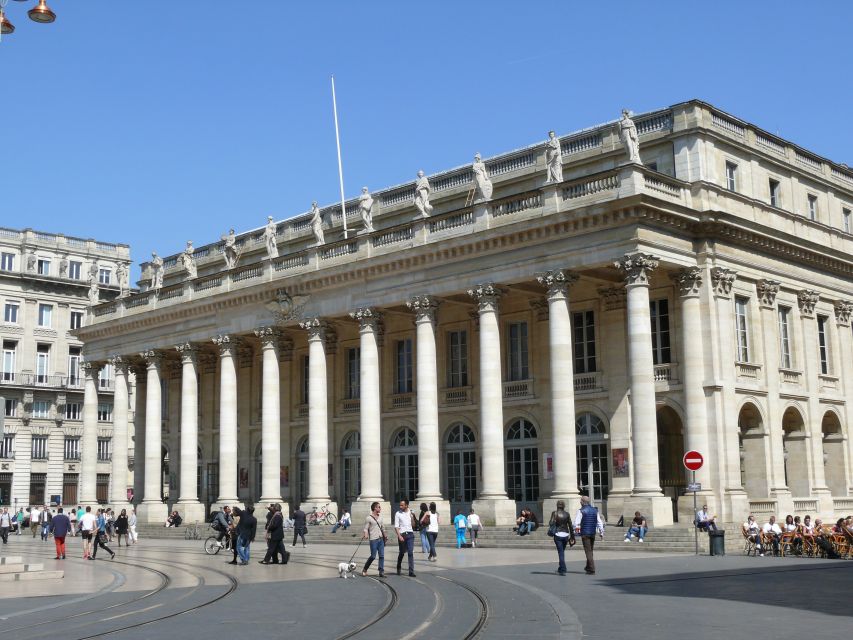
Expect stops and viewpoints tied to major cultural anchors like the Grand Théâtre. Even if you’ve only seen exterior photos of the building, a guided walk helps you clock the details you’d miss alone: the geometry, the rhythm of facades, and how these structures relate to the streets that lead into them.
This part of the walk also connects to the idea of Bordeaux changing in real time. The tour references new economic and artistic projects, so you’re not only studying the past. You’re learning how today’s city makes room for new uses while keeping the historic framework readable.
Saint-Pierre Streets and Small Shops: Where Bordeaux Feels Human-Scale
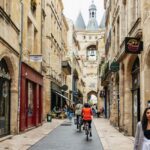
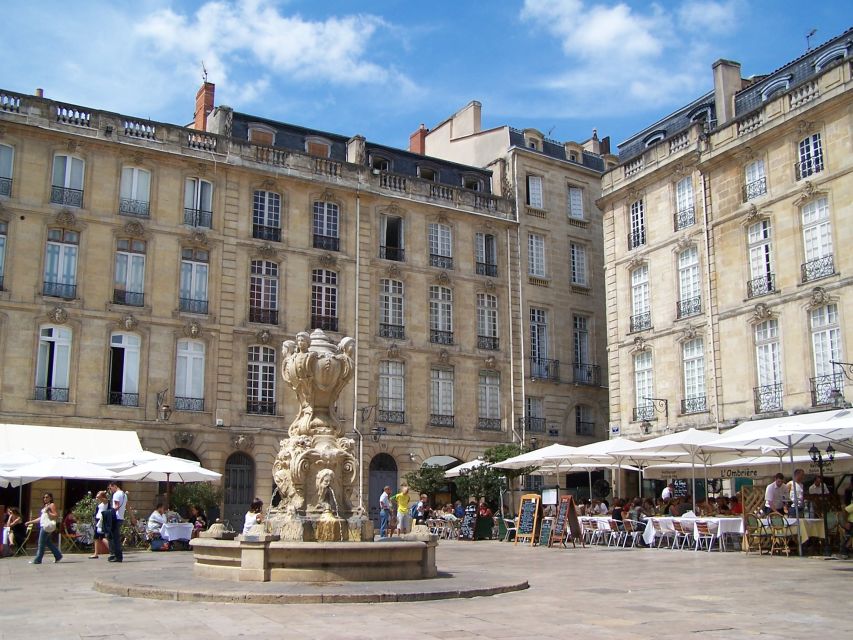
Then you move into the old center feel: narrow paved streets, tighter corners, and small shops that make the city seem less like a museum and more like a lived-in place. The tour specifically invites you into the Saint-Pierre neighborhood, and that’s a smart choice for first-time visitors.
Why this matters: Bordeaux’s beauty isn’t only monumental. It’s also the way streets funnel you, slow you, and force you to pay attention. In a guided format, you get context for the layout while also enjoying the sensory side—stone underfoot, storefront rhythm, and those small squares where you can pause without planning it.
One note for your comfort: the tour is about 2 hours, so the pace stays active. If you’re the type who likes to stop for extra photos, you may want to save your longest shots for the square-and-bridge stops where the guide builds in time.
Place de la Bourse Reflecting Pool: A Photo Stop With a Point
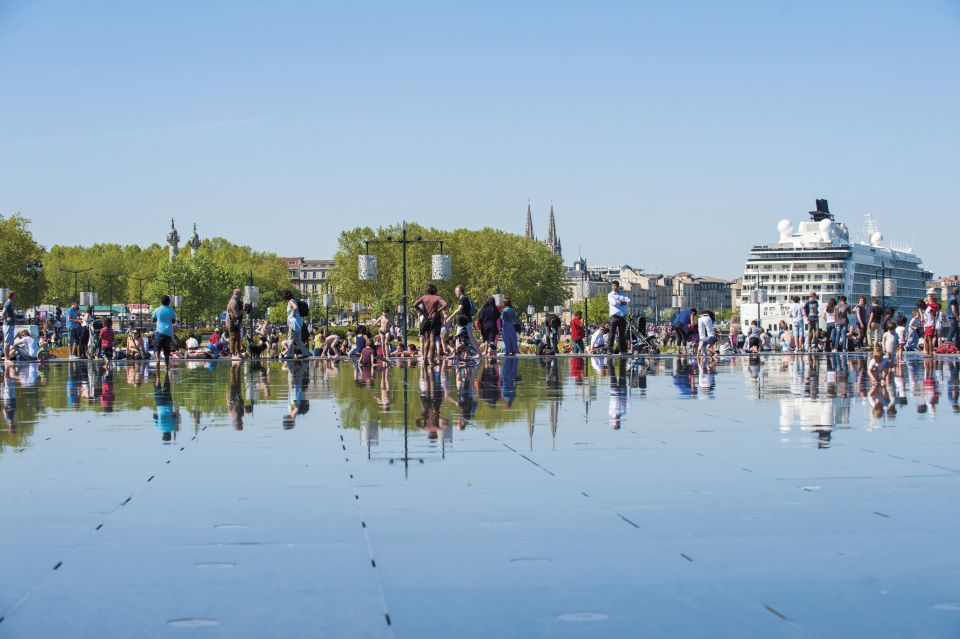
The walk brings you to the reflecting pool of the Place de la Bourse. The reflecting water is iconic, but the better value here is that the guide connects the setting to Bordeaux’s urban story, so you’re not just doing a checklist photo.
This is also one of the easiest places to understand scale. You can see how the city arranges views and sightlines so public space feels composed. A quick look might tell you it’s beautiful. A guided explanation helps you understand why it works.
Practical tip: if you’re photographing, keep your spot. The group moves on. Try to capture both the reflection and the surrounding architecture without blocking the flow behind you.
You can also read our reviews of more guided tours in Bordeaux





Garonne River Bridges: Romantic Views, Better Context
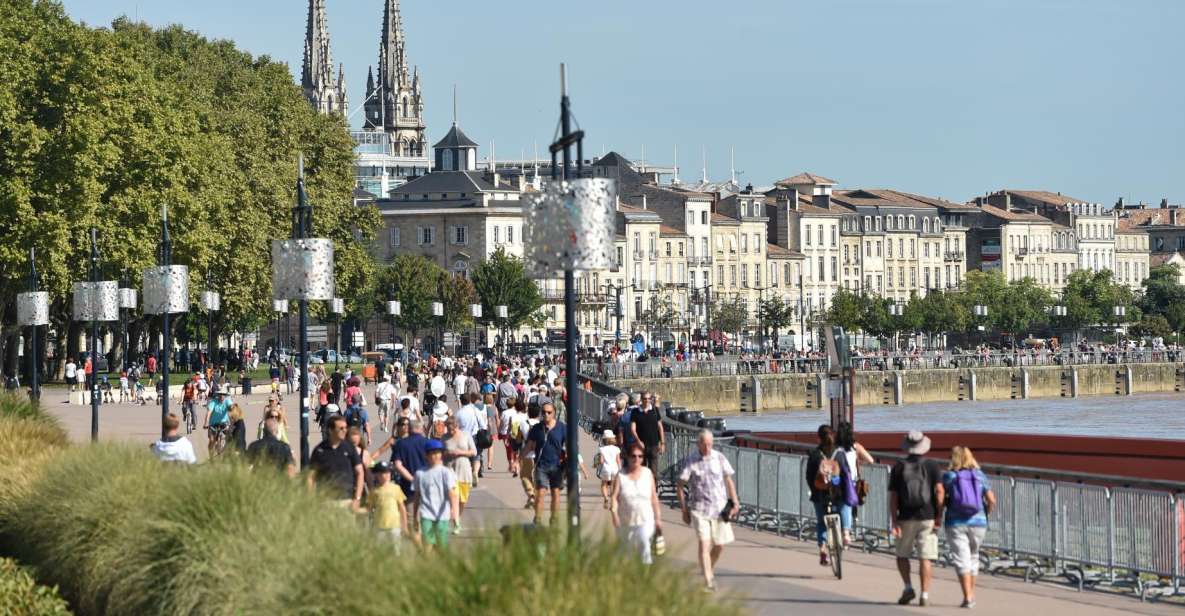
Finally, the tour heads toward the Garonne River and its romantic bridges. If you’ve only seen postcards, you might think the river area is purely scenic. A guided walk gives you the reason to watch more carefully: how Bordeaux uses the riverfront as part of its city identity and movement.
The “romance” isn’t just aesthetic here. The riverfront matters because it helped shape how the city connected with trade, culture, and expansion over time. Even if the tour doesn’t linger for long photo marathons, you’ll leave with clearer ideas about why this river-facing direction feels like a second heart of Bordeaux.
If it’s windy or raining, this is one section where you’ll feel it. Stand with the group, listen, and take your photos quickly.
Bilingual vs French-Only: Choose Your Time Slot Carefully
Your language experience depends a lot on when you go.
The tour is bilingual French/English in the morning. It switches to only French in the afternoon on Saturdays. That detail is the single biggest planning lever for non-French speakers.
What you’ll likely notice on the bilingual version: the guide keeps both streams in mind and may repeat key points when needed. Some guides manage this smoothly, and you can feel the difference. In past groups, guides like Bruno have been described as repeating information in English when the group’s language balance required it.
Possible drawback: in mixed-language formats, some guests can feel they’re hearing the same idea twice. On top of that, a few accounts mention hearing can be harder in rain or if the guide’s voice projection isn’t clear enough for everyone. The simple fix is positioning: stand where you can see the guide’s face and hear without turning your body every sentence.
Pacing, Weather, and How to Hear the Guide
This tour is designed to be doable in 105 minutes (about 2 hours). That’s a sweet length for first-day orientation. You get enough time to connect major landmarks, but you’re not stuck for half a day.
Sound and comfort are the main variables. If it’s raining, expect tougher hearing. Stone streets don’t help either. One practical move: wear shoes with traction and skip anything that pinches your feet. When your feet hurt, your brain tunes out and you miss the story.
There’s also mention of an audio link setup working well for some people, while other times a Bluetooth-style connection can cut in and out. If you’re offered an audio device, keep an eye on whether it’s stable, and don’t be shy about telling the guide or organizer if it’s failing.
Price and Value: What $17 Buys You in Real Time
At $17 per person for a guided walking tour lasting about 2 hours, the value is mainly in the efficiency and the interpretation.
You’re paying for:
- A guided route that hits major “must-see” locations without you having to plan a perfect path
- Context behind Bordeaux’s layout, from Enlightenment influence to how public spaces and neighborhoods interact
- Local storytelling that can add texture, including how Bordeaux’s culture ties into things like wine and food when guides choose to mention it
If you’re on a short schedule, paying a modest fee to get your bearings is often better than spending the same time hopping between landmarks with a guidebook. You’ll come away understanding the city’s logic, not just collecting pictures.
If you’re the type who already knows Bordeaux well, you might feel it’s more of an orientation tour than a deep specialist experience. But for most first-timers, it’s a strong value because it covers the key emotional and visual parts of the center quickly.
Who Should Book This Bordeaux Walking Tour
This is a great pick if you:
- Want an easy first introduction to Bordeaux’s historic center
- Like tours that connect architecture and city planning to what you’re seeing
- Prefer walking with stops at major squares and viewpoints instead of sitting for long stretches
It’s also a solid choice for solo visitors, couples, and small friend groups who want to ask questions without planning every turn.
If you don’t speak much French, prioritize a morning departure when the tour is bilingual. On Saturday afternoons, French-only can be a deal-breaker unless you’re comfortable catching gist-level meaning.
Should You Book This Bordeaux Walking Tour?
Yes, if you want a fast, well-structured way to understand Bordeaux in a short window. The route makes sense: you start in the center, hit Place des Quinconces, move into the old lanes near Saint-Pierre, then end with the big visual payoff of the Place de la Bourse reflecting pool and Garonne bridge views.
Book it soon if you’re visiting on a Saturday and rely on English: pick your slot to match the bilingual morning format. And do yourself a favor by arriving early, wearing comfortable shoes, and keeping your position near the guide so you hear the story as the city shifts around you.
FAQ
How long is the Bordeaux guided walking tour?
It lasts about 105 minutes, or roughly 2 hours.
Where does the tour meet?
The tour meets at the Bordeaux Tourist Office on Cours du 30 Juillet.
What languages are offered?
The tour is bilingual English/French in the morning, and French only in the afternoon on Saturdays.
What should I bring?
Wear comfortable shoes. That’s the main item to plan for.
Is luggage allowed?
No. Luggage or large bags are not allowed.
Do I need to bring a ticket before the tour starts?
Yes. You must present your downloaded or printed e-ticket for each person, and you should arrive 10 minutes before departure.
Is there free cancellation?
Yes. You can cancel up to 2 days in advance for a full refund.