REVIEW · BORDEAUX
Bordeaux Walking Tour with a Local Private Guide
Book on Viator →Operated by HandMedinaCo Tours · Bookable on Viator
Bordeaux clicks into focus on foot. This private walk strings together major sights like Cathedrale Saint-Andre and Place de la Bourse, with a guide who can slow down for your questions. I also like how it’s designed for an active visit—easy to see a lot without hunting maps all day.
One possible drawback: you’ll mostly view the monuments from the outside. Entrance tickets aren’t included unless you request them, so plan your expectations around exteriors and street-level stories.
Expect a tight 2–3 hours depending on the option you choose, starting at Place Pey Berland and typically ending near the Monument aux Girondins. At about $114.89 per person, it’s not a budget-only pick—but the private guide format and local recommendations can make it feel like paying for time-saving, not just sightseeing.
In This Review
- Key highlights at a glance
- Entering Bordeaux History: Pey Berland, Saint-Andre, and the Separate Belfry
- Place Camille Jullian and Saint‑Projet: Seeing Utopia and Medieval Clues
- Porte Cailhau: A Medieval Gateway with Big Political Shifts
- The Santiago Connection and a Harbor-Era First Port
- Photo Stop with Pont de Pierre: The Water Mirror
- Place de la Bourse and the Golden Triangle Feel
- Revolution Memory at the Monument aux Girondins
- Price and Value: What $114.89 Buys (and What It Doesn’t)
- Pacing, Comfort, and Weather: A Walking Tour Means Walking
- The Guide Factor: Why Names Like Lilia, Raphaël, and Guadalupe Matter
- Who This Tour Suits Best
- Should You Book This Bordeaux Walking Tour?
- FAQ
- How long is the Bordeaux walking tour?
- Is this tour private?
- Is the tour in English?
- Where does the tour start?
- Where does the tour end?
- Are entrance tickets included?
- Do I need to carry a ticket on my phone?
- Is the tour suitable for someone traveling with a service animal?
- What if weather is bad?
Key highlights at a glance
- Private, English-speaking guide for a more personal pace than any bus stop
- Exterior-first route that still covers the city’s biggest landmarks
- Photo-ready Bordeaux including the Water Mirror with Pont de Pierre in view
- Streets that connect eras from medieval Guyenne to English rule and French control
- Local restaurant and food guidance (including help with navigating allergies for at least some guests)
Entering Bordeaux History: Pey Berland, Saint-Andre, and the Separate Belfry
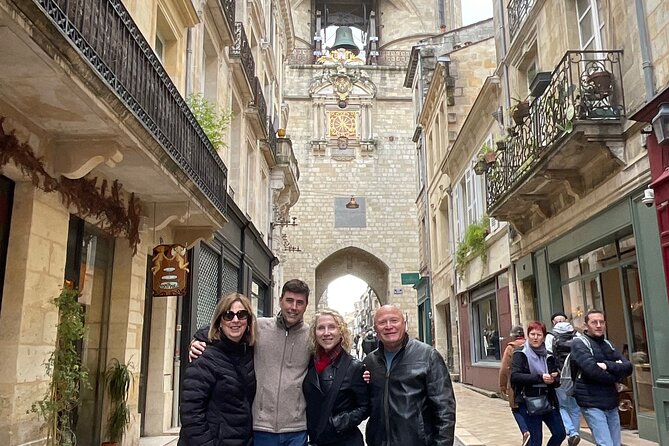
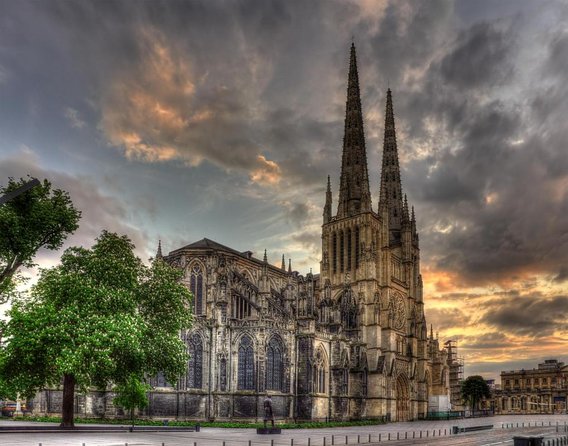
You start at the Statue of Jacques Chaban Delmas on Place Pey Berland, one of Bordeaux’s best bases for orientation. From here, the Cathedrale Saint-Andre dominates the skyline, and the guide’s job is to translate what you’re seeing into a story you can actually use later while exploring on your own.
This is an exterior viewing stop, so you won’t be walking inside as part of the standard experience. The upside is you keep momentum and you avoid getting stuck waiting around for entry lines. The tradeoff is simple: if you were hoping for cathedral interiors, you’ll need to ask about entrances during your tour.
Next comes the Tour Pey-Berland, the 15th-century belfry built separately beside the cathedral. That “separate on purpose” detail is exactly the kind of thing that makes a walking tour worth the price. You’ll learn how and why it was built apart—and that changes how you look at the cathedral area in real life, not just in photos.
Practical tip: this area can be breezy and open. On windy days, keep your phone secure and keep an eye on your hat. You’ll want clear photos before you move on.
You can also read our reviews of more walking tours in Bordeaux
Place Camille Jullian and Saint‑Projet: Seeing Utopia and Medieval Clues
After the cathedral core, the walk shifts into the “look closer” part of Bordeaux. One stop is Utopia at Place Camille Jullian. You’ll spend time outside, taking in a famous building and learning the context that makes it more than a pretty facade.
Then it’s on to Place Saint-Projet, where you’ll get a lesson in what used to be here in the Middle Ages. The cool moment is spotting the older bell tower that remains—small enough to miss if you’re wandering alone, but easy to notice once someone points it out. This is how you get value from a guide: they help your eyes do the work.
These stops are short, and that’s not a bad thing. Short stops work well when you want a history thread without dragging your day. The downside is timing: if you love architecture and could happily spend an hour at one facade, you may wish the tour allowed a little more flexibility.
Porte Cailhau: A Medieval Gateway with Big Political Shifts
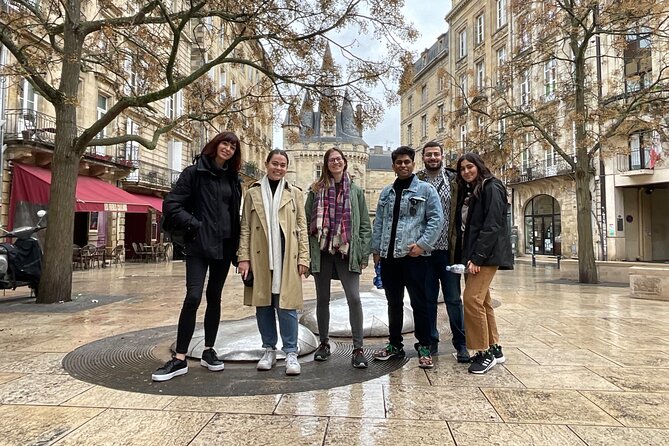
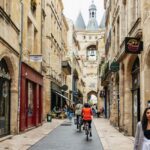
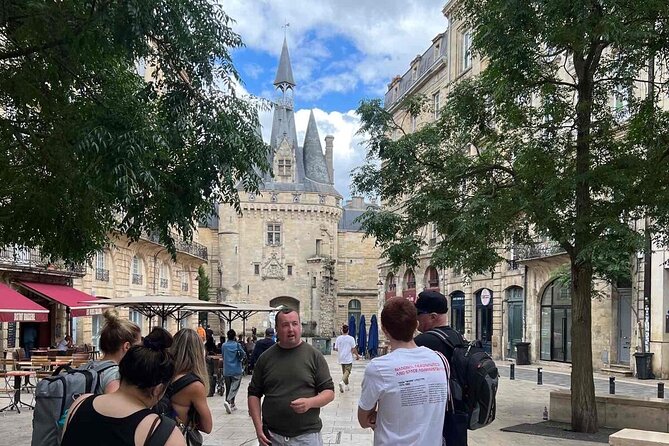
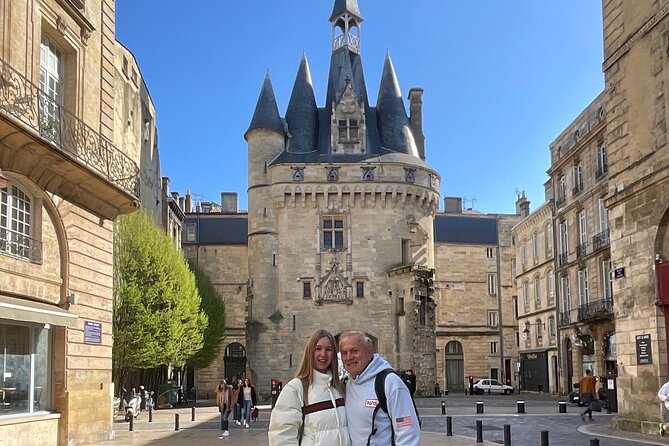
Porte Cailhau is one of the route’s standout wow factors. Built in 1495, it’s an awe-inspiring medieval gateway—and it becomes a doorway into the region’s shifting power. You’ll hear how the story moves from the independent state of Guyenne to English rule, and then into the current French era.
This is the kind of stop that makes you feel like you’re walking through centuries, not just a modern street. Even without entering the monument, the scale and placement do most of the visual teaching. Your guide adds the timeline, so the gate doesn’t feel like a random landmark.
A quick consideration: because it’s a gateway you’re viewing from the outside, your best photos will depend on your position and the flow of pedestrians. If you see a good angle, take it early. You may not get a second perfect shot later.
The Santiago Connection and a Harbor-Era First Port
Eglise St Pierre is a stop that pays off if you like how religion, travel, and trade shaped towns. You’ll learn that this church traces back to the city’s first port area in the 12th century, and you’ll get context about pilgrimage routes, including the trek to Santiago de Compostella.
That may sound like a detour, but it’s actually one of the best ways to understand Bordeaux’s growth. Ports bring movement. Pilgrimages bring steady foot traffic. And once you connect those dots, you start noticing why certain streets and districts feel the way they do.
You’ll likely keep it exterior here too, so plan for storytelling rather than interior exploring. If interior access matters most to you, make a note to ask your guide what’s possible during your selected time.
Photo Stop with Pont de Pierre: The Water Mirror
Then you get the classic Bordeaux photo moment: The Water Mirror. The spot is the most photographed location in the city, and the guide’s presence makes it easier to frame the scene. You’ll capture the mirror with the Pont de Pierre in the distance, which helps you remember the river/bridge layout later when you return independently.
This is one of the easiest stops on the route—mostly look, frame, click, and move. But it still delivers value because the guide helps you understand what you’re photographing, not just where it is.
Practical tip: if it’s bright, reflections can be intense. Use your phone’s camera controls to manage glare, and try stepping half a meter left or right for a cleaner composition.
You can also read our reviews of more guided tours in Bordeaux
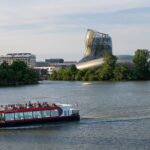

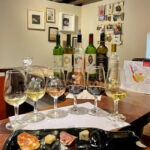


Place de la Bourse and the Golden Triangle Feel
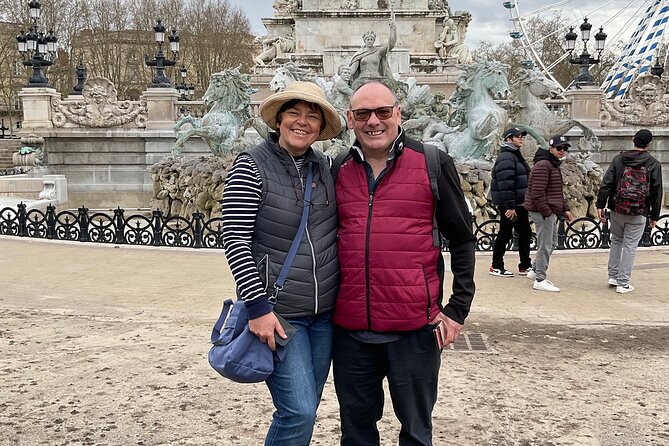
Now the tour shifts into civic power. Place de la Bourse is the focal point of the quays, and it anchors the next part of the walk around Bordeaux’s “Golden Triangle.” You’ll spend time here learning about port history and using the moment to make notes for the rest of your trip.
This stop lists an admission ticket as included. Still, the overall tour guidance emphasizes exterior viewing. If you’re hoping for entry, confirm what’s actually possible at your exact time with your guide. It’s the kind of question that can save you disappointment.
Next up: the Grand Theatre, built in the late 18th century. It’s described as the heart of the Golden Triangle, and even from outside you get a strong sense of why it became a cultural magnet. This is another “stand and see” stop—short on time, strong on impact.
Revolution Memory at the Monument aux Girondins
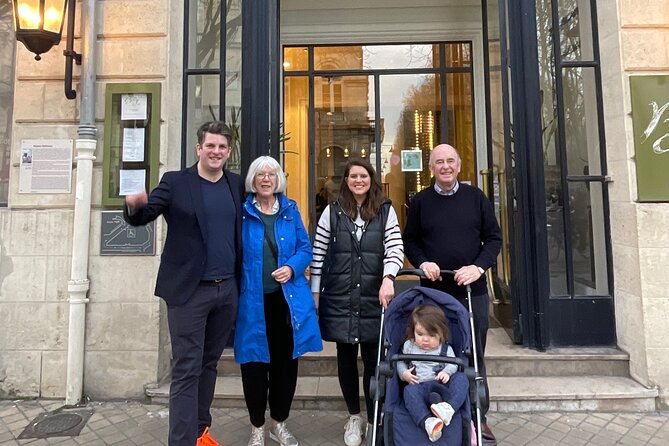
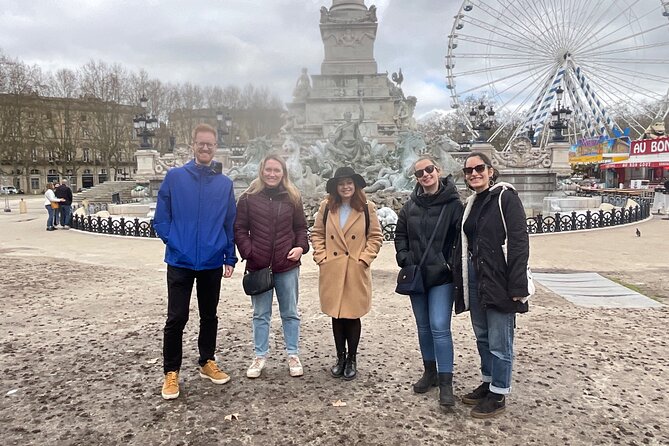
You finish with Monument aux Girondins, a free stop that brings the story back to politics. You’ll view it and learn about the history of the revolution. This closing chapter helps Bordeaux feel like more than wine and river views. It adds the human stakes behind the buildings.
The tour typically ends here, at 2792 Pl. des Quinconces, though it can depend on your request. If your schedule is tight, ask early if there’s an alternative drop-off that better fits your plans.
Price and Value: What $114.89 Buys (and What It Doesn’t)
At $114.89 per person, this is priced like a true private-guided experience, not a free-for-all walking loop. You’re paying for three big things:
- time with a local who can connect the dots between sites
- a route that hits major landmarks without you stitching together a self-guided plan
- recommendations that help your next days feel easier
What’s not included is interior access by default. Most stops are exterior-only, unless you request entry. For some monuments, that means you won’t get the full “walk inside and wander” experience unless you plan for it on your end.
The value question becomes personal. If you love architecture and want interiors, you may feel underwhelmed unless you add ticket requests. If you want the best possible overview—then return later for deeper visits—this price starts to make sense fast.
Also keep in mind the tour notes group discounts. If you’re traveling with friends or family and can book together, it can stretch your budget further.
Pacing, Comfort, and Weather: A Walking Tour Means Walking
This is an active walk across central Bordeaux. Even though the tour is “only” 2–3 hours, you’re on your feet for a good chunk of that time. Good shoes help. Bring water, especially in warmer weather.
This experience also requires good weather. If rain or poor conditions hit, you’ll either be offered a different date or a full refund. That’s the kind of setup that keeps the tour experience on track instead of turning into a soggy scavenger hunt.
If you’re traveling with limited mobility, you might find the walk tough. The good news: it’s private, so your guide can usually adjust the pace for your group. Still, the route is built as a walking route, not a ride-and-stop plan.
The Guide Factor: Why Names Like Lilia, Raphaël, and Guadalupe Matter
A walking tour lives or dies by the guide’s storytelling. The strongest praise here centers on guides who can make Bordeaux feel alive in a practical way—clear explanations, good flow, and personal attention.
In the feedback you shared, I noticed recurring guide standouts:
- Pascale Rocher for a strong 2-hour overview that helps you get your bearings
- Lilia for friendliness and a smoothly paced tour
- Raphaël for helpful restaurant recommendations, including help for guests with allergies
- Guadalupe for energy and extra wine-region context
- Emma, Marina, Leyla, and Camilla for packing a lot in without feeling rushed
There’s also a helpful “private tour reality” piece: some guides are flexible about small requests, like taking a short break at a cafe. That kind of flexibility is exactly what you’re buying with private time.
One caution, based on the negative experiences: a small number of past bookings reported bad communication (like late cancellations or being unable to reach the guide). I’d treat this as a reminder to double-check your meeting details close to start time and save the contact info provided at booking.
Who This Tour Suits Best
This is a great fit if you want:
- a structured introduction to Bordeaux’s major landmarks
- an English-speaking guide who can explain what you’re seeing
- a walking format that helps you plan the rest of your trip on foot
It’s especially useful for first-timers who want a “do this now, then explore later” foundation. It also works well if you like history but get impatient with long lectures. The stops are timed, the storytelling is practical, and the route creates a clear mental map.
If you’re the type who cares mainly about museum interiors, you’ll need to add entry plans separately. If your ideal day is fully inside monuments, this route may feel like it’s missing part of the experience.
Should You Book This Bordeaux Walking Tour?
I’d book it if you want a smart, time-efficient way to understand Bordeaux without guessing. The route hits the big hitters—Saint-Andre, Pey-Berland belfry views, Porte Cailhau, Place de la Bourse, and a prime photo stop at the Water Mirror—so you leave with a usable map in your head, not just a stack of photos.
I’d skip it (or be cautious) if interiors are your top priority. Also, if you’re traveling on a tight schedule where a cancellation would break your plans, keep your options flexible and be ready to confirm close to start time.
In short: this is a high-value way to learn Bordeaux by walking, especially for your first day or first full morning.
FAQ
How long is the Bordeaux walking tour?
The tour runs about 2 to 3 hours, depending on the option you select.
Is this tour private?
Yes. It’s a private tour/activity, and only your group participates.
Is the tour in English?
Yes, it’s offered in English.
Where does the tour start?
You meet at the Statue of Jacques Chaban Delmas, Pl. Pey Berland, 33000 Bordeaux, France.
Where does the tour end?
It usually finishes at the Monument aux Girondins, 2792 Pl. des Quinconces, Bordeaux, France, but it may depend on your request.
Are entrance tickets included?
Entrance inside the monuments is not included unless requested. The itinerary notes some specific stops as not included and one stop (Place de la Bourse) as included.
Do I need to carry a ticket on my phone?
You’ll use a mobile ticket.
Is the tour suitable for someone traveling with a service animal?
Yes, service animals are allowed.
What if weather is bad?
This experience requires good weather. If it’s canceled due to poor weather, you’ll be offered a different date or a full refund.