REVIEW · BORDEAUX
Bordeaux: Historic Center & Chartrons District Bike Tour
Book on GetYourGuide →Operated by Monsieur Bacchus Bike Tours · Bookable on GetYourGuide
Bordeaux by bike feels like using a city shortcut. You glide past major landmarks and quieter streets, with a local guide turning architecture and urban changes into stories you can actually remember. I especially love how the route is designed for easy flow while still covering both the historic center and the Chartrons side.
The second big win for me is the mix of sights and small pauses: photo stops at iconic buildings, a proper stop at Darwin Eco-systeme, and a sweet canelé break from Casonnade. If your group gets a guide like Mika or Benjamin, you can expect lively explanations that connect Roman-era roots to what Bordeaux looks like today.
The main drawback to think about is simple: this tour is not for brand-new cyclists. You’ll cover about 13 km, you need bike confidence in city traffic conditions, and the height/fitness rules mean it’s not a good fit for everyone.
In This Review
- Key things I’d prioritize before you book
- Why this Bordeaux bike tour works so well for first-time visitors
- Start points: Jardin Public vs Rue Dumaine (and why it matters)
- The ride setup: Dutch bikes, helmets, and e-bike option
- Stop-by-stop: from ancient traces to Bordeaux’s big church moments
- Palais Gallien photo stop
- Place des Grands Hommes pass
- Église Notre-Dame de Bordeaux and the Cathedral
- Tribunal Judiciaire and Grosse Cloche
- Crossing the Garonne: Pont de Pierre to Pont Chaban-Delmas
- Darwin Eco-systeme break plus Casonnade canelé tasting
- Chartrons: the district stop that turns the tour from sights into feel
- Pace, distance, and who this bike tour fits best
- Price and value: what $42 buys in real terms
- What to bring so the tour feels smooth, not sweaty
- Should you book Monsieur Bacchus Bike Tours?
- FAQ
- How long is the Bordeaux Historic Center & Chartrons District bike tour?
- How far do you cycle during the tour?
- Are e-bikes included, or do I need to choose an option?
- What’s included in the price?
- What languages is the guide available in?
- Where do you meet, and do drop-off locations differ?
- What should I bring and what’s not allowed?
- Is this tour suitable for children or wheelchair users?
Key things I’d prioritize before you book
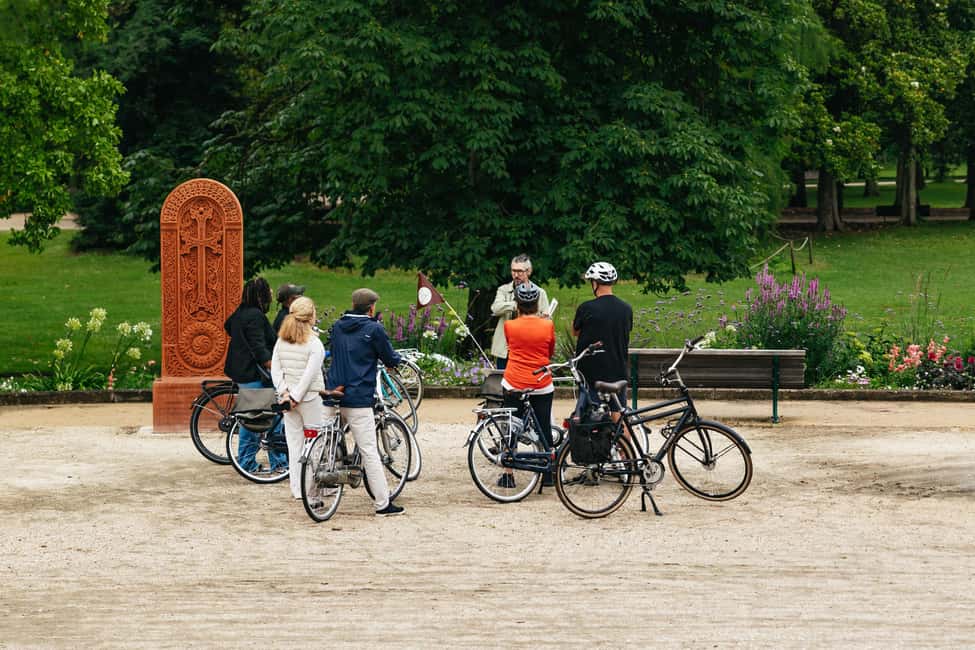
- 13 km, 3 hours, easy pace with frequent photo stops so you’re not just riding through
- Small groups (max 12) and helmets included, which makes it feel more personal than a big bus tour
- Both riverbanks via Pont de Pierre and Pont Jacques Chaban Delmas, plus time along the quay roads
- Chartrons district time where the city shifts from grand facades to street-level color and modern energy
- Darwin Eco-systeme break for downtime and photos, plus an actual local treat with Canelée from Casonnade
- Handcrafted postcard souvenir made by a local artist, so you leave with more than photos
Why this Bordeaux bike tour works so well for first-time visitors
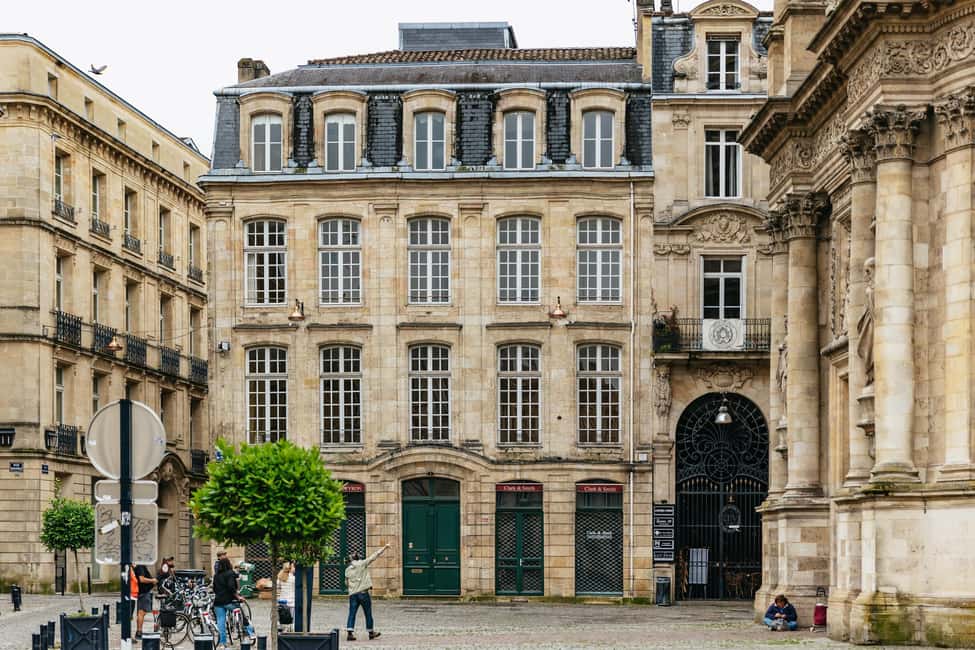
Bordeaux is a city you can cover fast, but it’s also the kind of place where details matter: why a street curves a certain way, what a building’s position says about power, or how neighborhoods evolved from older trade routes. A bike tour is one of the best ways to catch those layers without feeling rushed.
What makes this one practical is the built-in rhythm. You ride long enough to feel like you’re moving, then you stop just often enough to reset your eyes and listen. The route is designed around UNESCO-listed streets and classic viewpoints along the Garonne riverfront, so you’re not guessing where the “good angles” are.
It’s also eco-friendly without being preachy. You’re not standing in traffic or craning your neck on a bus. You’re gliding through the city at a human pace, with a guide who can answer questions on the spot and point out what to look for next time you pass it on your own.
You can also read our reviews of more cycling tours in Bordeaux


Start points: Jardin Public vs Rue Dumaine (and why it matters)
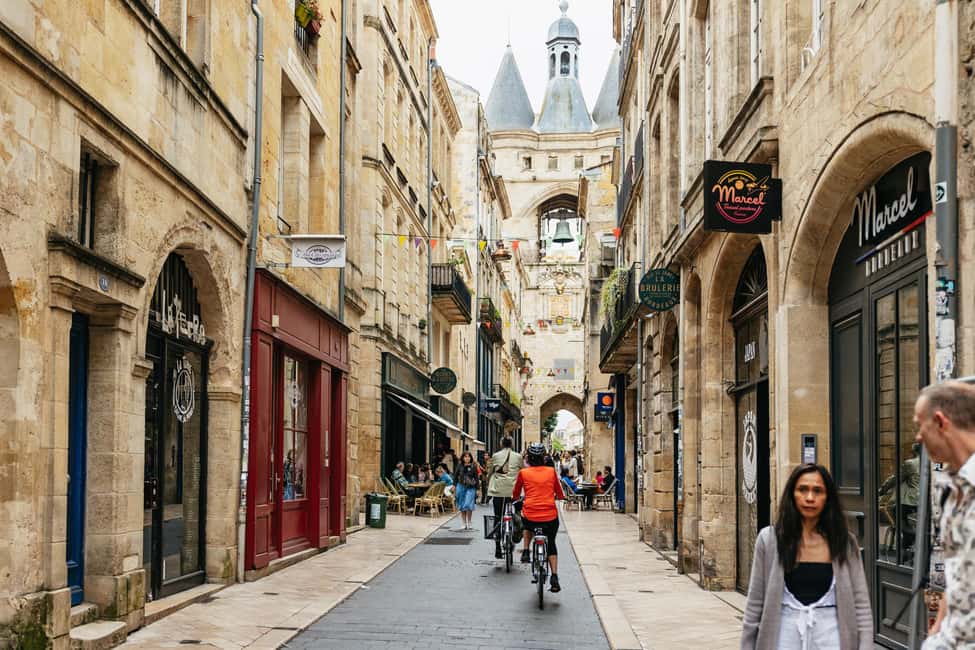
You’ll meet near Jardin Public at 16 Rue du Jardin public, or at 16 Rue Dumaine, depending on the starting option you book. Both are workable, but the Jardin Public area often feels like an easier mental entry point because it’s close to open space and a clear “start here” vibe.
Right at the beginning there’s a short safety briefing and a quick settling-in moment (about 10 minutes). That matters, because the tour is not a casual stroll. You want your group comfortable on the bikes before you start threading through streets and photo stops.
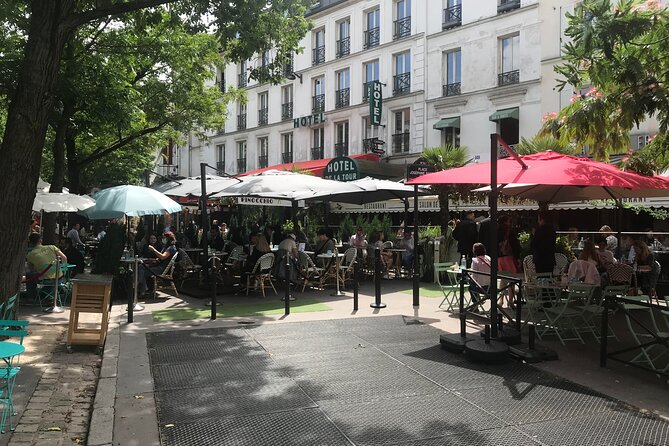
If you’re planning your day in Bordeaux, choosing the start point can also help you time lunch. Many people like finishing near the Chartrons area because it’s a natural jump-off for food and walking afterward.
The ride setup: Dutch bikes, helmets, and e-bike option
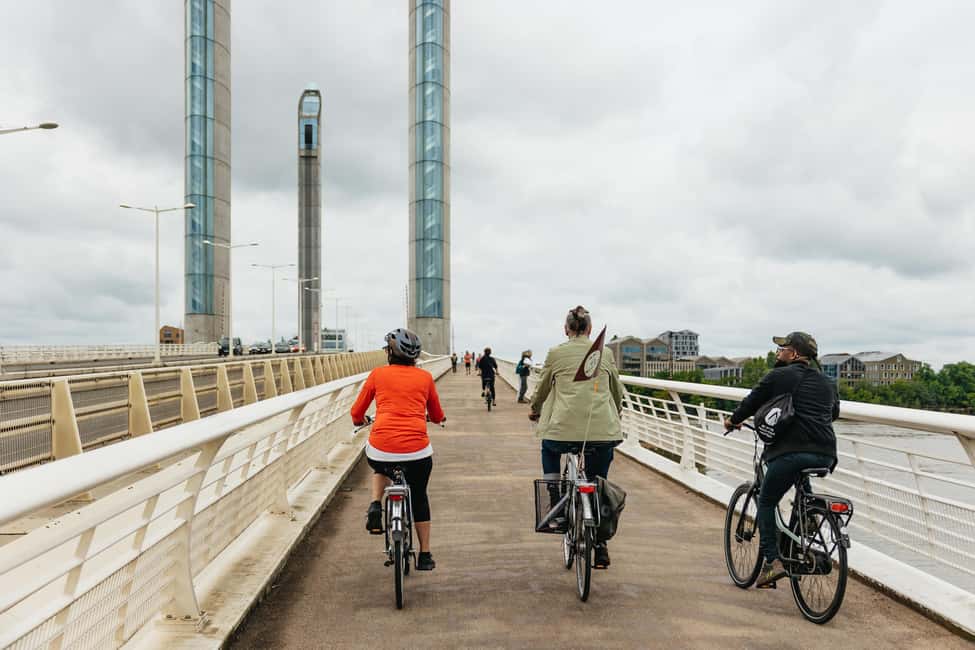
The bikes are described as comfortable Dutch-style bikes, and you’ll also have the option of e-bikes. Helmets are included, which is a big deal in cities where you share space with cars, buses, and bikes.
The best part of having an e-bike option is not that it makes the tour “easy mode.” It just smooths out the energy you spend riding so you can focus on the sights and the guide’s storytelling. And since the tour covers roughly 13 km in about 3 hours, the electrical assist can be the difference between arriving fresh and arriving tired.
One important reality check: this tour is specifically not suitable for inexperienced cyclists. You don’t need to be a road-racing athlete, but you do need real bike confidence in a city environment. If you’re the type who only rides on flat bike paths, this may feel stressful.
Stop-by-stop: from ancient traces to Bordeaux’s big church moments
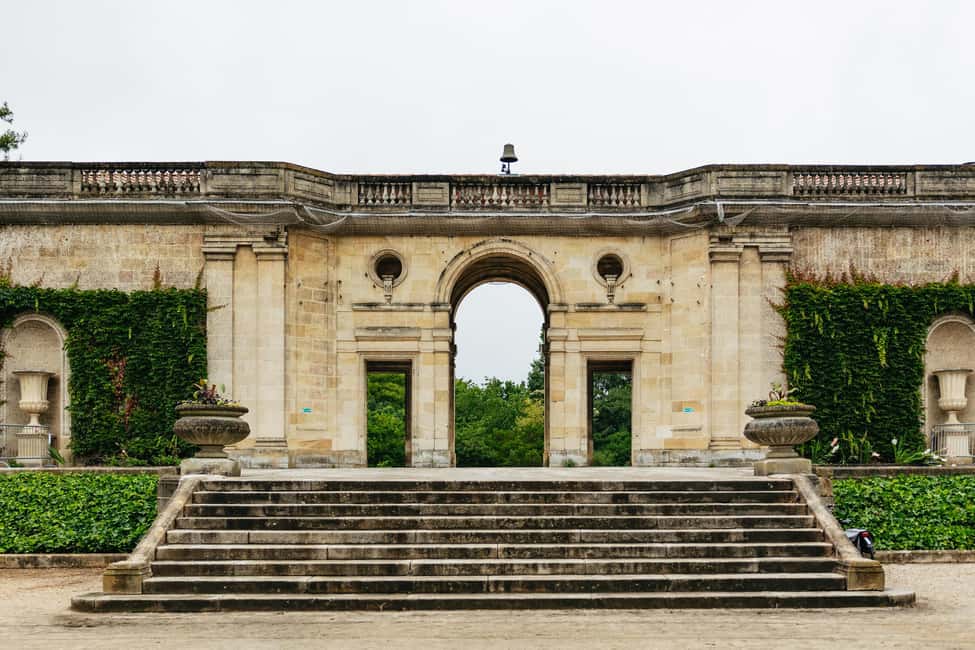
This route hits the core of Bordeaux in a way that makes sense in sequence. You start near the Jardin Public area, then move toward landmark zones where the city’s story becomes visible in stone, street plans, and scale.
Palais Gallien photo stop
You’ll stop for photos at Palais Gallien, then get a short guided pass. This is the kind of place where Bordeaux’s layered past becomes obvious without a museum ticket. Expect a quick orientation and context you can carry into the later stops.
You can also read our reviews of more historical tours in Bordeaux




Place des Grands Hommes pass
At Place des Grands Hommes, you’ll mainly pass through and orient yourself to the historic center. Even when you’re not stopping long, it’s useful. You’ll see how the city frames its major civic space and why the streets around it feel intentionally designed.
Église Notre-Dame de Bordeaux and the Cathedral
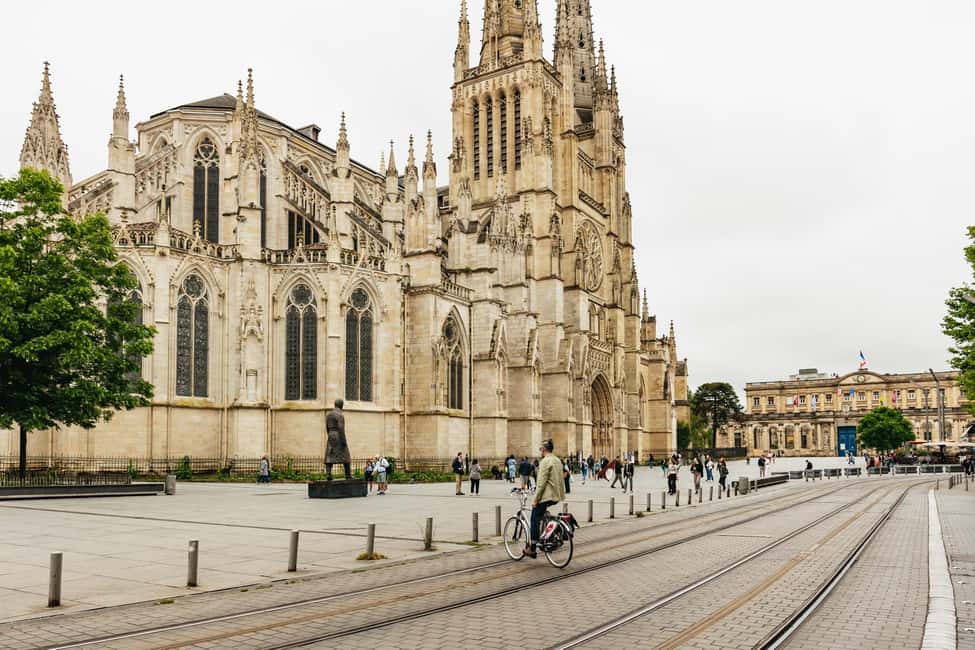
You get both a photo stop and visit time at Église Notre-Dame de Bordeaux, then you’ll reach Bordeaux Cathedral shortly after. These stops are where the guide’s storytelling tends to click, because you can compare styles and how neighborhoods gathered attention around major religious and civic structures.
A helpful expectation here: these aren’t “run in, run out” stops. You’ll have enough time to look up, notice details, and let the guide’s narrative connect the dots between what you’re seeing and how Bordeaux grew.
Tribunal Judiciaire and Grosse Cloche
Next come strong landmarks tied to Bordeaux’s identity: Tribunal Judiciaire de Bordeaux and the Grosse Cloche. You’ll stop for photos at both, with guided context and scenic ride-by viewpoints.
From a practical perspective, these stops break up your cycling energy. They also train your eyes to spot what makes Bordeaux feel distinct: scale, symmetry, and the way buildings act like anchors for whole blocks of street life.
Crossing the Garonne: Pont de Pierre to Pont Chaban-Delmas
One of the most satisfying parts of the tour is going across the river not once, but in a way that changes your perspective.
You’ll pass over Pont de Pierre and then continue along quay areas such as Quai des Queyries, with photo opportunities and guide commentary. Then comes the big shift: you cross again via Pont Jacques Chaban Delmas.
This is where Bordeaux becomes two cities in the same ride. The city feels different on each side of the river—different angles, different building rhythms, and a different sense of what trade, design, and daily life look like.
If you like photography, you’ll appreciate these bridge moments. You’ll get clean sightlines and a change of backdrop without needing a separate walking detour.
Darwin Eco-systeme break plus Casonnade canelé tasting
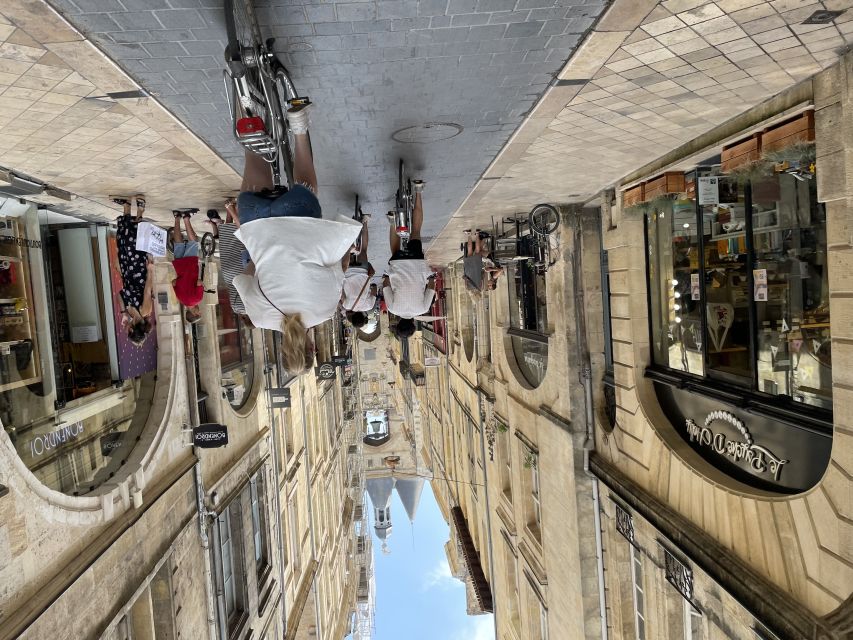
You’ll pause at Darwin Eco-systeme, which is listed as both a break time and an on-site visit area, with time to take photos and walk around. Expect a friendly “creative hub” stop that’s more modern than the stone-heavy center.
This break is one of the smartest parts of the schedule. It prevents the tour from feeling like a nonstop checklist. You get time to sit, rehydrate, and reset your legs.
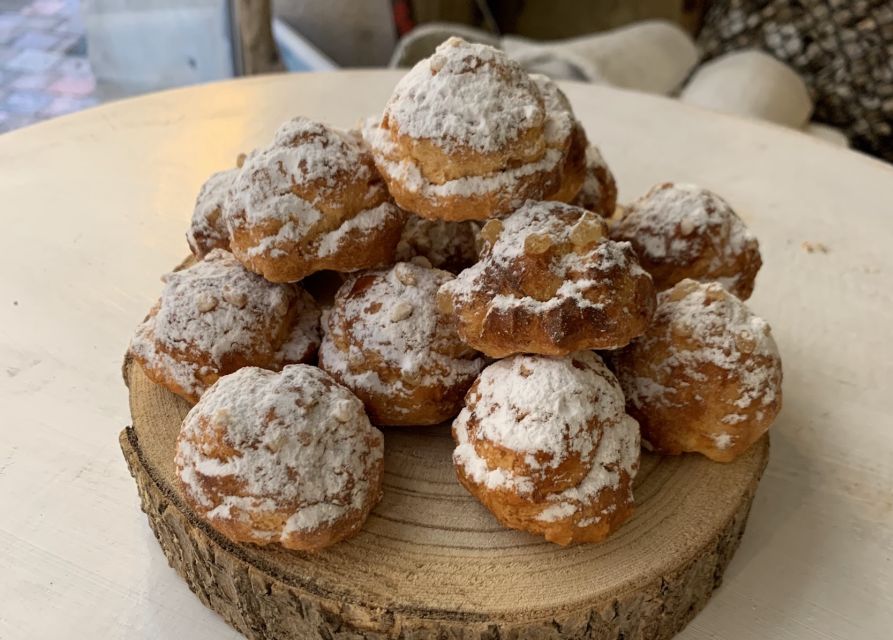
Then there’s the sweet tradition: an exclusive canelée tasting from Casonnade. This isn’t just a random snack stop. Canelé is one of the most recognizable Bordeaux treats, and tasting it here gives you a small taste of local identity that matches what the guide has been saying about the city’s culture and urban development.
As a practical tip: you’ll still want your water. Your guide can’t control weather, and you’re riding for hours, even at an easy pace.
Chartrons: the district stop that turns the tour from sights into feel
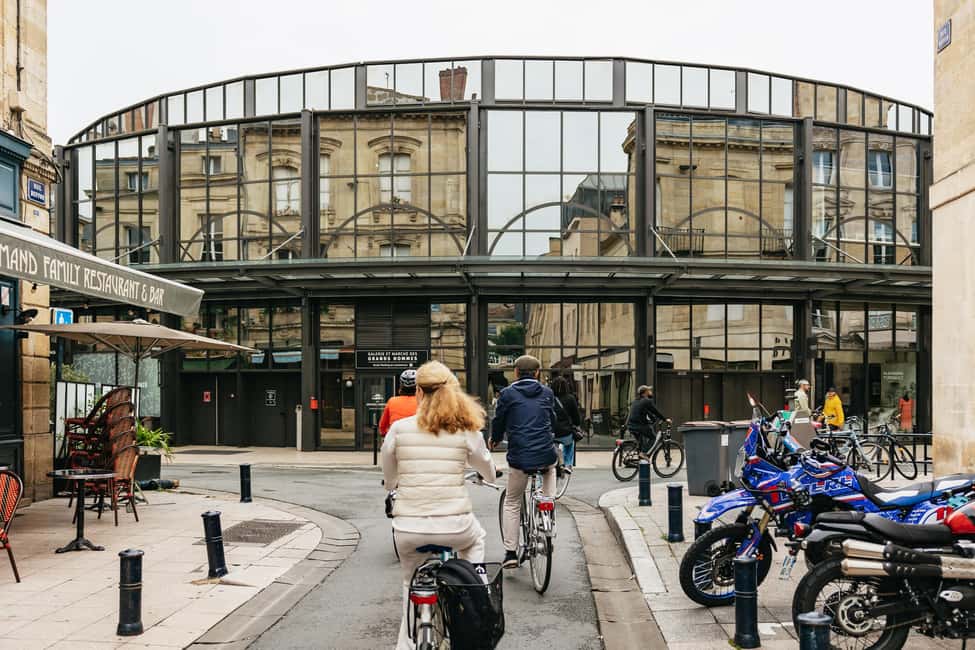
The tour includes time near Quai des Chartrons and streets around the Chartrons district. This is where Bordeaux starts to feel less like monuments and more like neighborhood life.
You also pass through areas such as Rue Notre-Dame and Cours Xavier Arnozan. These are the kinds of streets that can be easy to miss if you’re walking quickly. On a bike tour, they become part of the narrative. You’ll notice street art, the scale of residential blocks, and how newer energy shows up alongside older architecture.
Chartrons is also a good reminder that Bordeaux isn’t only about the waterfront and grand buildings. It’s about everyday movement: how people live, shop, and hang out in spaces that aren’t always on postcards.
Guides often make this section work by connecting it to the city’s changes over time. If your guide is someone like Dovi or Flavia, the story tends to stretch from architecture and street layout to what these areas mean now.
Pace, distance, and who this bike tour fits best
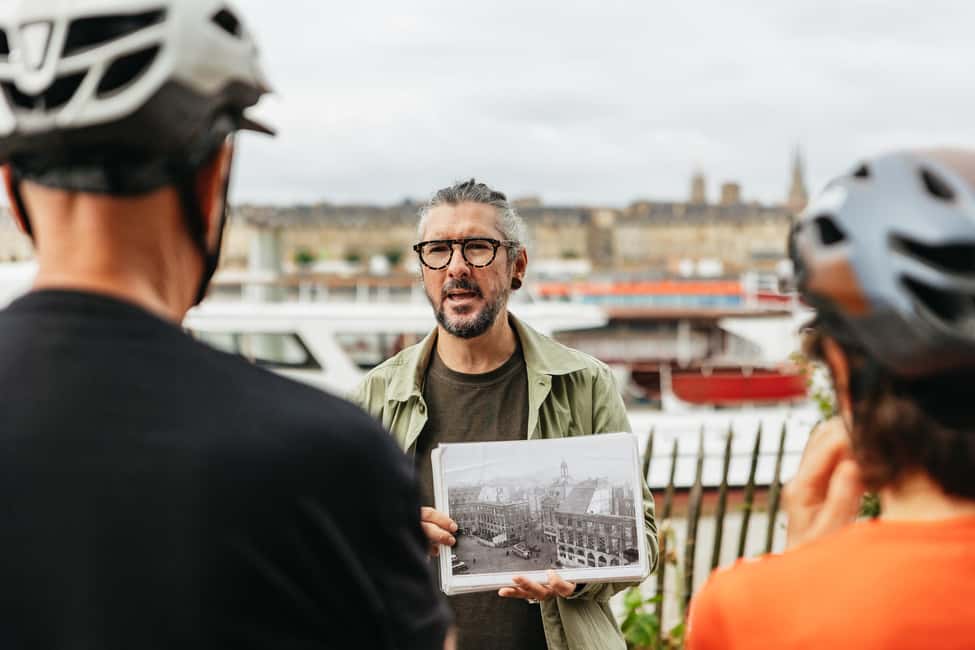
This is an easy-to-moderate cycling tour, described as comfortable for all levels, but it comes with a clear warning: it’s not suitable for inexperienced cyclists. So treat “easy pace” as “manageable,” not “zero-skill.”
You’ll cycle about 13 km in roughly 3 hours, and the group stays together with stops built in. Many riders say the pace feels relaxed, and you’ll have plenty of time at landmarks for photos and quick questions.
Still, it won’t be right for everyone. It’s not suitable for:
- children under 12
- people who can’t ride a bike
- wheelchair users
- pregnant women
- people under 4 ft 9 in (150 cm)
- people over 260 lbs (118 kg)
- people with low level of fitness
If you’re a confident urban cyclist, you’ll likely enjoy this a lot. If you’re unsure, consider choosing a walking tour instead or practice riding in a low-traffic area first.
Price and value: what $42 buys in real terms
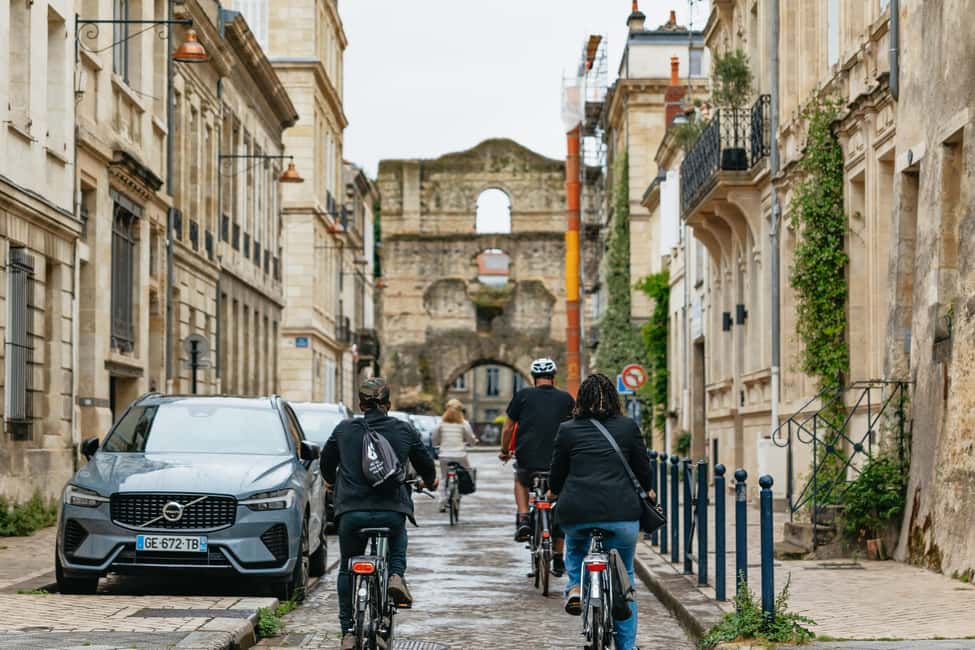
At $42 per person for 3 hours, you’re paying for more than wheels and a guide standing nearby.
Your ticket includes:
- bicycle rental and helmets
- e-bike tour if you select that option
- a canelée tasting from Casonnade
- a handcrafted postcard souvenir made by a local artist
- a refreshment break at Darwin (listed as about 10–15 minutes)
That’s real value when you compare it to doing everything solo: you’d have to arrange bike access, figure out the route, and still try to “learn on the fly.” Here, the guide handles the context and keeps the group moving at a pace that doesn’t feel like a chore.
Also, small groups help value. With max 12, your questions are more likely to get heard, and you’re less likely to feel like you’re being dragged past stops.
What to bring so the tour feels smooth, not sweaty
The tour gives you bikes and helmets. You’ll want to bring the comfort basics.
Bring:
- comfortable shoes
- sunglasses
- sun hat
- snacks (if you like having your own backup)
- sunscreen
- water and a reusable water bottle
Also, plan for the fact that you’ll spend time outside and stop along scenic areas. Even on a mild day, you’re biking for hours, so hydration isn’t optional.
Don’t bring headphones. The rules say they’re not allowed, which makes sense for group safety and for hearing the guide’s stories clearly as you roll between stops.
Should you book Monsieur Bacchus Bike Tours?
I’d book this if you want a high-efficiency Bordeaux orientation that still feels personal. It’s a strong choice for first-timers because you cover the city center, cross the river, and reach Chartrons in just 3 hours, with a tasting stop that gives you a memorable local payoff.
I would not book it if you’re an absolute beginner on a bike, if you’re not comfortable cycling in a city setting, or if you fall into the listed height and fitness restrictions. In those cases, you’ll get more stress than reward.
If your goal is to learn how Bordeaux fits together—old stone, civic landmarks, river life, and modern creative spaces—this is a practical way to do it without turning your day into a hop-on-hop-off marathon. And if you get a guide like Mika, Benjamin, Dovi, or Flavia, the stories tend to land because they connect what you see to how the city became what it is now.
FAQ
How long is the Bordeaux Historic Center & Chartrons District bike tour?
The tour lasts 3 hours.
How far do you cycle during the tour?
You’ll ride approximately 13 kilometers (about 9 miles).
Are e-bikes included, or do I need to choose an option?
Bicycle rental is included. An e-bike tour is included if you select the e-bike option.
What’s included in the price?
The tour includes bicycle rental and helmets, the canelée tasting from Casonnade, a handcrafted postcard souvenir, and a refreshment break at Darwin Eco-systeme.
What languages is the guide available in?
The live guide offers tours in English, French, and Spanish.
Where do you meet, and do drop-off locations differ?
You meet at one of two starting options (near 16 Rue Dumaine or 16 Rue du Jardin public). Drop-off is also at 16 Rue du Jardin public or 16 Rue Dumaine, depending on the option booked.
What should I bring and what’s not allowed?
Bring comfortable shoes, sunglasses, sun hat, snacks, sunscreen, and water (preferably in a reusable bottle). Headphones are not allowed, and the rules also prohibit alcohol and drugs.
Is this tour suitable for children or wheelchair users?
No. It is not suitable for children under 12, wheelchair users, or people who can’t ride a bike. There are also height and weight limits listed for adults.