REVIEW · BORDEAUX
Bordeaux:Wine Masterclass & Blending workshop with appetizer
Book on GetYourGuide →Operated by A La Francaise Tourisme - Bordeaux · Bookable on GetYourGuide
Bordeaux wine goes from mystery to skills. This 90-minute blending workshop turns tastings into something you can actually repeat, with an English educator and six well-chosen wines. I like how casual it feels while still teaching you how to taste with structure, and I like that you make your own cuvée instead of just watching. The main thing to consider: because it runs in small groups, you may get more direct back-and-forth feedback than you expected.
You start with a welcome pour, learn what to look for on the nose and the palate, then taste single-varietal wines before you jump into blending. Along the way, you also do a blind tasting and guess where a famous Bordeaux bottle comes from. If you’re the type who wants instant “yep, that’s right” reassurance all the time, you might find the process a bit more coach-like than comforting.
In This Review
- Key Points I’d Prioritize
- Entering the Workshop at 3 Rue d’Enghien
- The 90-Minute Flow: From Welcome Glass to Blind Guess
- Six Bordeaux Tastings That Actually Teach Your Palate
- Start with single-varietal wines
- Then move to blended wines (and watch the differences happen)
- Making Your Own Cuvée: The Blending Workshop Moment
- Bordeaux Wine Context Without the Lecture Overload
- Apéritif Pairings: Cheese, Charcuterie, and Chocolate
- Group Size, Feedback Style, and Who This Fits
- Price and Value: Is $53 Worth It?
- What You’ll Know Afterward (That Actually Helps in Bordeaux)
- Should You Book This Bordeaux Wine Masterclass?
- FAQ
- Where does the class start?
- What time should I arrive?
- How long is the wine masterclass and blending workshop?
- How many wines will I taste?
- Does the experience include blending?
- Is the tour guided in English?
- What kind of food comes with the wines?
- Is the class suitable for people with mobility impairments?
Key Points I’d Prioritize
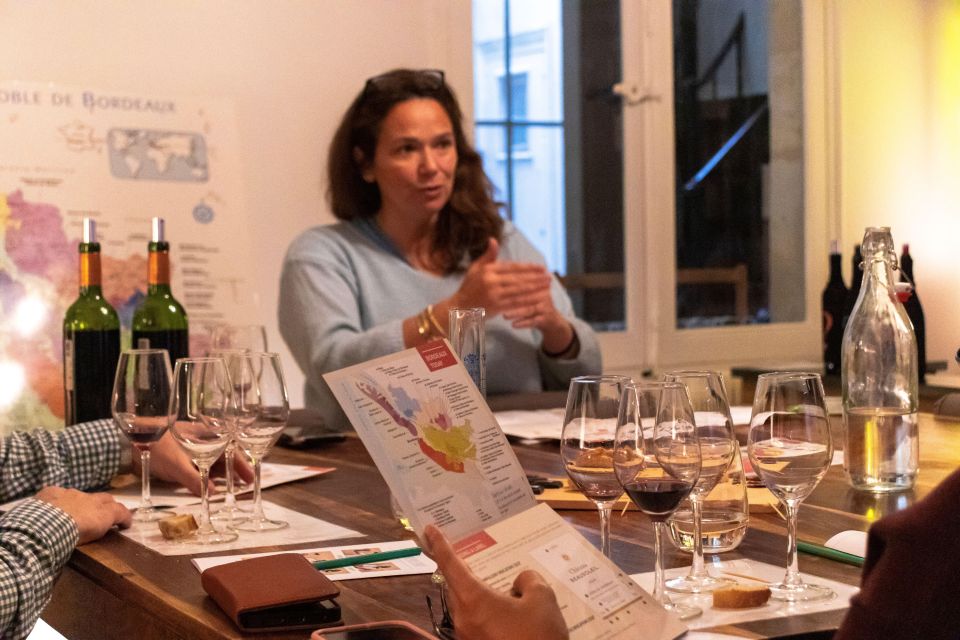
- Six wine tastings with guided comparisons, not just a sip-and-skip experience
- Hands-on blending where you build a cuvée and learn why blends taste the way they do
- Sommelier-style tasting basics you can use later in Bordeaux wine shops and restaurants
- Blind tasting practice that trains your palate to pay attention, not just react
- Apéritif pairing platter with classic French bites to reset your taste buds
- Small-group pace (max 12) that can feel intimate, sometimes very intimate
Entering the Workshop at 3 Rue d’Enghien
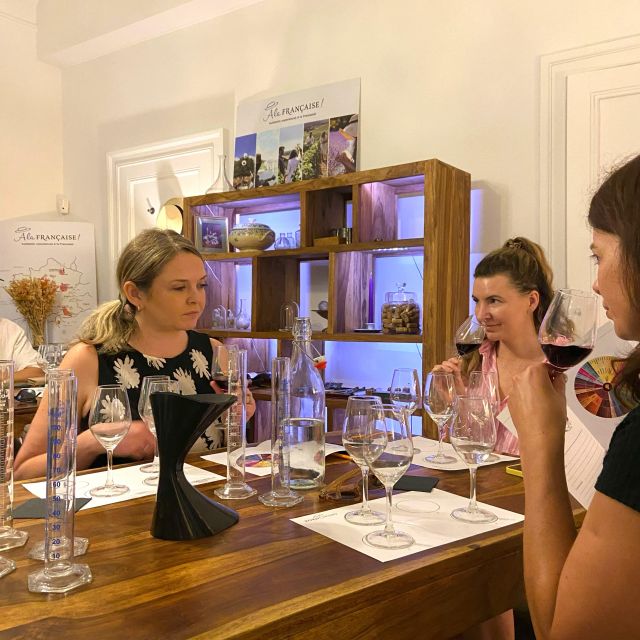
Meet at 3 Rue d’Enghien, 33000 Bordeaux, at the À la Française apartment. Plan to arrive by 10:25 so you’re not rushing when the group is about to start.
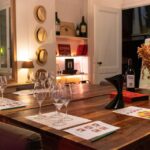
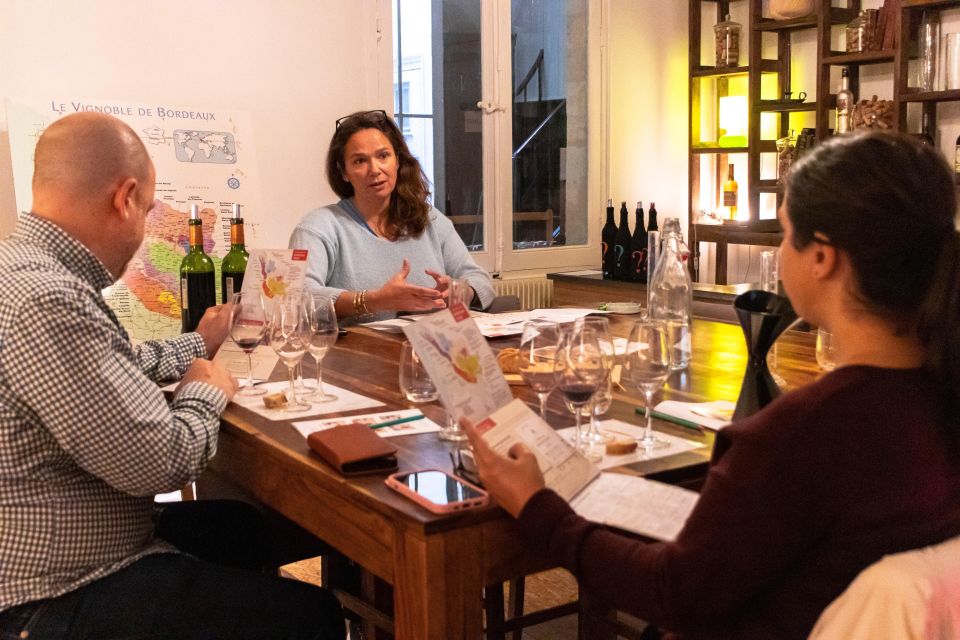
This kind of class works best when you’re already calm. You’re in a proper apartment setting, not a loud tasting room. That matters because the teaching is built around discussion: smelling, swirling, comparing, and trying to describe what you notice. If you show up flustered, you’ll miss the small cues the educator is pointing out.
Also note what’s not really part of this experience: it’s not billed as a full meal, and it’s not a French-language class. You’re there for wine training in English, plus a traditional apéritif.
You can also read our reviews of more wine tours in Bordeaux

The 90-Minute Flow: From Welcome Glass to Blind Guess
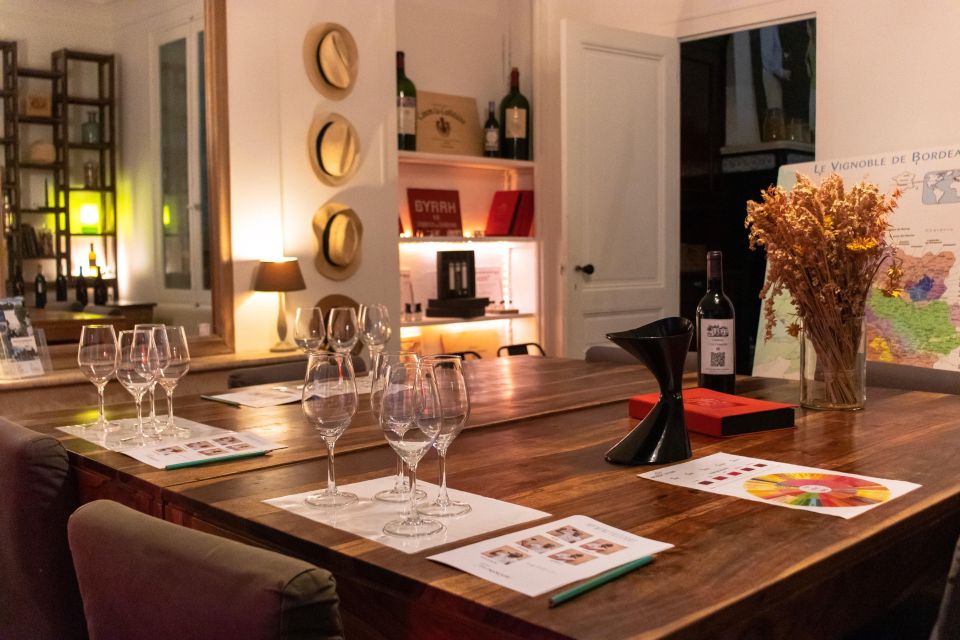
The schedule is tight, in a good way. You’re looking at about 90 minutes total, starting around 10:30 and wrapping around 12:00.
Here’s the rhythm you’ll experience:
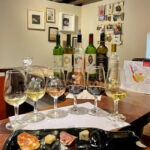
First, you get a welcome glass of white wine and then a glass of red wine. That quick start matters because it removes the intimidation factor. You’re not learning theory with no payoff. You’re tasting immediately.
Next, your guide walks you through how to taste like a sommelier: how to approach the glass, what to pay attention to, and how to compare wines without needing fancy vocabulary. You’ll hear about Bordeaux’s main grape varieties—especially Merlot and Cabernet Sauvignon—so the tasting isn’t floating in a vacuum.
Then comes the tasting sequence:
- Two single-varietal wines, so you can compare what each grape style tastes like on its own
- Two blended wines, tasted after you learn blending basics so you understand why blends often feel more balanced or layered
- A blind tasting of a famous Bordeaux wine, where you guess where it’s from
The final section includes an aperitif with classic French bites to pair with what you’re learning. That food isn’t an afterthought. It helps clear and reset your palate, so the next wine still tastes distinct.
Six Bordeaux Tastings That Actually Teach Your Palate
The heart of this experience is the six wines you taste. You’ll go from simple observations to more specific comparisons, which is how your skills improve fast.
Start with single-varietal wines
Before you blend, you taste two wines made from a single grape variety. This step is valuable because it gives you a baseline. When you later taste blends, you can link what you feel in the glass back to grape traits you already noticed.
A practical way to stay focused: don’t try to name everything at once. Use a simple mental checklist:
- What do you notice first on the nose?
- Does the taste feel more fruity, more herbal, more dry, more structured?
- How does the finish feel: short and quick, or lingering?
Then move to blended wines (and watch the differences happen)
After the single-varietals, you taste two blended wines that were prepared in front of you. Even if you don’t consider yourself a wine person, this part usually clicks because the differences become concrete. You’ll be able to say things like: this one feels softer; that one feels more structured; this one seems more complex. You don’t need perfection. You need comparison.
This is where the class earns its keep. A lot of wine tastings stop at “here’s what it tastes like.” This one pushes you toward “here’s why it tastes like that.”
A few more Bordeaux tours and experiences worth a look

Making Your Own Cuvée: The Blending Workshop Moment
Blending is the hands-on skill that turns tasting into understanding. You’ll do a blending session, and the goal is not to create a perfect wine that wins awards. The goal is to learn how small changes affect the final flavor and structure.
Here’s what I like about this approach: it teaches you that wine is a set of choices. In Bordeaux, blends often combine grapes for balance—like pairing fruit character with structure.
During the workshop, you’ll taste blended samples prepared in front of you, then you create your own cuvée. You’ll likely get prompted to think about:
- How changing the grape proportions shifts balance
- How the same wine can feel different when the blend changes
- How your own preferences map to flavors, not just to labels
One caution: if you’re very sensitive to feedback style, be ready. In very small groups, coaching can feel more direct, and the process is built around discussion and correction. The best way to handle that is to stay curious. Your job is to learn how to describe what you taste, even when you’re still figuring it out.
Bordeaux Wine Context Without the Lecture Overload
You get an overview of Bordeaux wine in plain terms—enough to connect grapes to flavor. You learn about the history of Bordeaux wines and how key grape varieties like Merlot and Cabernet Sauvignon fit into the region’s style.
This matters because it changes how you read wine labels later. Instead of seeing a bottle as a marketing label, you start seeing it as a set of ingredients and regional choices. In Bordeaux, especially, that connection is powerful: Merlot tends to be associated with rounder, softer fruit character, while Cabernet Sauvignon is often linked with firmer structure and more grip. You’ll still taste the final wine, of course, but your brain stops starting from zero.
If you’ve ever walked out of a restaurant thinking, I liked it but I can’t explain why, this is the part that fixes that.
Apéritif Pairings: Cheese, Charcuterie, and Chocolate
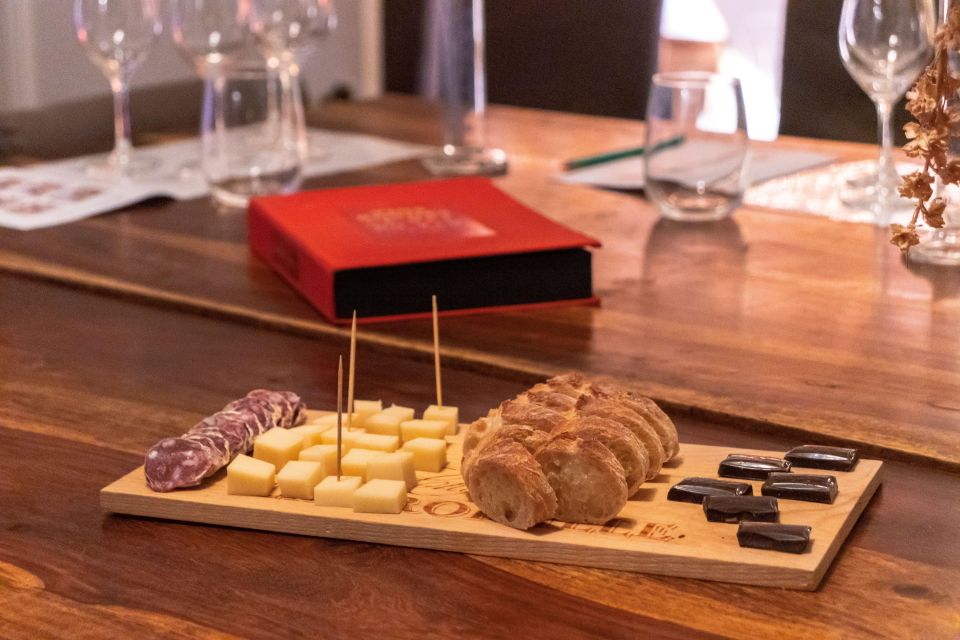
The tour includes a traditional French aperitif platter, meant to pair with your tastings. You’ll have things like fresh bread, sausage, cheese, and dark chocolate.
This is more than snack time. Pairing teaches you a real-world skill: how food changes what you taste. For example:
- Salt and fat from cheese and charcuterie can soften harsh edges and make fruit feel more pronounced
- Bread gives you a neutral reset between wines
- Dark chocolate can shift perceived sweetness and add a different kind of richness
You’ll also get a chance to discover your tasting profile with the guide’s help. That’s useful because it tells you what you naturally reach for—so future choices feel less like gambling.
Group Size, Feedback Style, and Who This Fits
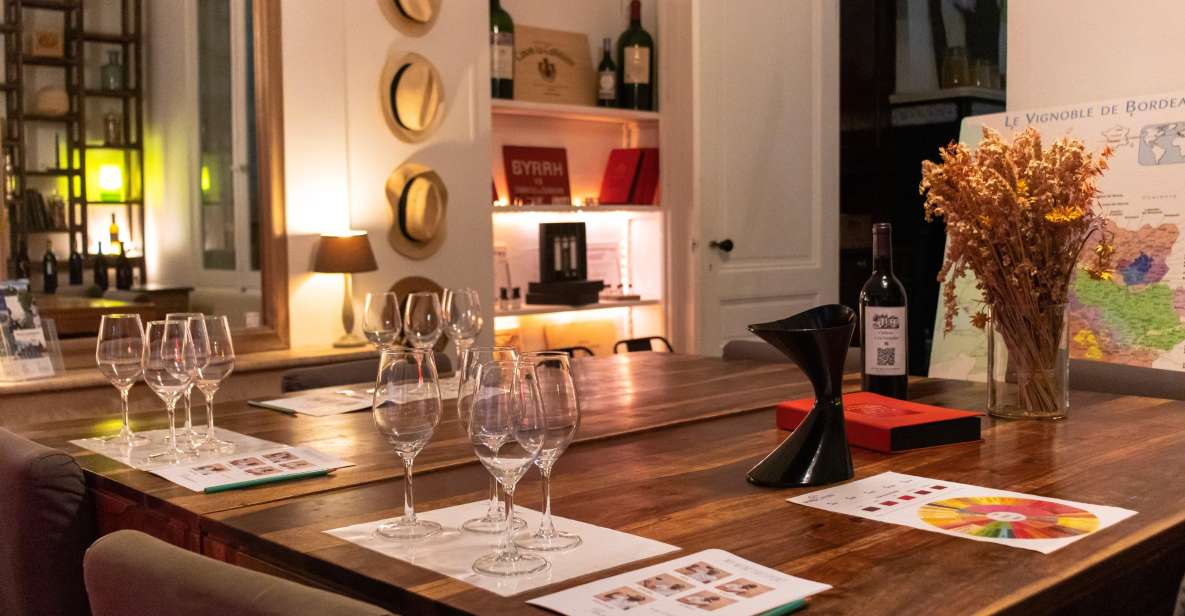
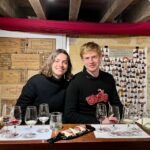
This class runs in a small group of up to 12 people, and it legally requires at least two participants to operate. That means the experience can feel either comfortably social or very intimate.
I like small groups for wine because you can ask questions and actually hear the reasoning behind the answers. Your guide can respond to what you notice, not just to what’s written on a placemat.
One practical consideration: when a group is tiny, you may feel more exposed during discussion. There’s a learning curve to tasting descriptions, and the coaching may not always feel gentle. If you’re the type who gets discouraged easily, go in with the mindset that this is training, not a test.
This experience is a great fit if:
- You’re new to French wine and want a confidence boost
- You want a structured way to taste and compare
- You like interactive classes more than passive tours
- You’re curious about blending and want to understand the logic
It’s not a fit if you have mobility impairments, because it isn’t suitable for that.
Price and Value: Is $53 Worth It?
At $53 per person, you’re paying for more than six drinks. You’re paying for:
- Six wine tastings guided by a professional educator
- A blending session where your hands-on choices matter
- English instruction and structured practice (single-varietals, blended wines, blind tasting)
- A French apéritif platter with food pairing
If you’ve ever priced out tasting flights and separate workshops around Bordeaux, this price starts making sense. Even if you only care about drinking, you still get food pairing plus teaching. And if you care about learning, the blending workshop is where the value lives. It’s the one piece that turns you from spectator into participant.
So I’d call this good value for people who want skill-building, not just a fun hour with wine.
What You’ll Know Afterward (That Actually Helps in Bordeaux)
The best souvenir isn’t a bottle. It’s your improved ability to taste and compare.
By the end of this class, you should be able to do things like:
- Approach a wine glass with a simple tasting method instead of guessing
- Talk about what you notice in a structured way (nose, taste, finish)
- Understand why blends can feel more balanced than single-grape wines
- Use grape variety clues to form expectations before tasting
- Make a more confident guess during a blind tasting exercise—because you’ll know what to focus on
Also, you’ll have a clearer sense of your preferences after the food pairing and guided discussion. That helps you order with less second-guessing later.
If you plan to do any wine shopping or restaurant dining during your trip, this class gives you a shortcut to enjoying what you buy.
Should You Book This Bordeaux Wine Masterclass?
Book it if you want an English-taught, hands-on wine class that teaches you how to taste with structure. I especially recommend it if you’re a beginner or you’ve tasted wine before but felt stuck. The single-varietal to blending sequence is the kind of learning path that actually sticks.
Skip it if you need a very low-pressure environment where nobody challenges your answers. In very small groups, coaching during tasting can feel more direct than you might expect. And if mobility is an issue, it’s not designed for that.
If you can handle a little coaching and you like interactive learning, this is one of the more practical ways to experience Bordeaux wine culture in a short visit.
FAQ
Where does the class start?
The meeting point is À la Française apartment, 3 Rue d’Enghien, 33000 Bordeaux.
What time should I arrive?
You should be there by 10:25 am so you can start with the group.
How long is the wine masterclass and blending workshop?
The experience lasts about 90 minutes.
How many wines will I taste?
You’ll taste 6 wines in total.
Does the experience include blending?
Yes. You’ll take part in a blending session and create your own cuvée.
Is the tour guided in English?
Yes, the live guide provides instruction in English.
What kind of food comes with the wines?
You’ll enjoy a French apéritif platter, including items such as fresh bread, sausage, cheese, and dark chocolate.
Is the class suitable for people with mobility impairments?
No, it is not suitable for people with mobility impairments. Pets are also not allowed.