REVIEW · BORDEAUX
Workshop Bordeaux wine tasting: 4 reds & charcuterie pairing
Book on GetYourGuide →Operated by I love my 2cv Sas Verrevidophobe · Bookable on GetYourGuide
Four Bordeaux reds, taught like a conversation. This is a small-group tasting class in central Bordeaux where charcuterie pairing is part of the lesson, not an afterthought. Led by wine experts like Cécilia and Mathilde, you’ll learn how Bordeaux reds are built—grape, blend, terroir, and even ageing—without feeling like you’re studying for an exam. One thing to consider: it runs about 1 hour and the tasting space can be in hidden rooms, so it may not work well if you need mobility-friendly access.
For me, the best part is the way the class turns wine into something you can do yourself. You get structured guidance on tasting like a professional, plus games and a take-home booklet so you can keep practicing after you leave. If you’re the type who wants to understand why a wine tastes the way it does (instead of just liking it), this is a very efficient use of your time.
In This Review
- What You’ll Be Doing (and Where You’ll Find It)
- The 5 Glasses: 4 Bordeaux Reds + One Mystery Pour
- Bordeaux Left Bank vs Right Bank: The Lesson You Can Actually Use
- Left Bank: structure first
- Right Bank: fruit-forward smoothness
- Why this matters after the class
- The Wines: Single Grapes, Blends, Grand Cru, and Organic Estate Styles
- How the Aroma Game Teaches You to Taste Like a Pro
- Charcuterie Pairing: Why Food Changes What You Notice
- The Vibe: Small Group, Real Conversation, Cellar Ambiance
- Languages and Pace: One Hour, But Not Rushed
- Price and Value: Why $46 Feels Reasonable for This Setup
- Who This Bordeaux Tasting Class Is Perfect For
- Can They Accommodate White-Wine Preferences?
- Should You Book This Bordeaux Wine Tasting Class?
- FAQ
- How long is the Bordeaux wine tasting workshop?
- How much does the workshop cost?
- How many people are in each group?
- What’s included in the class?
- Where is the meeting point in Bordeaux?
- Is it suitable for people with mobility impairments?
What You’ll Be Doing (and Where You’ll Find It)
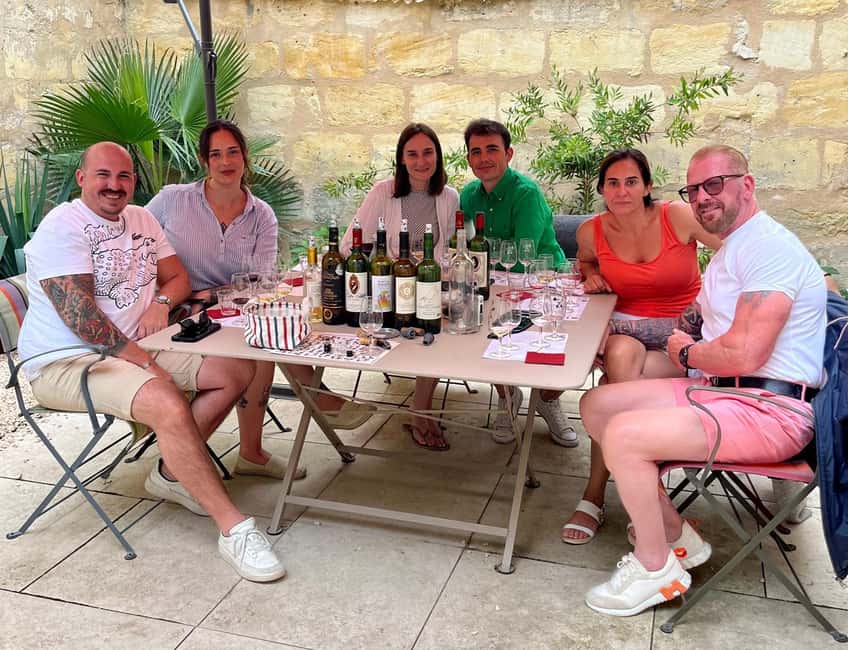
The meeting point is at 25 avenue Thiers, 33100 Bordeaux, about 100 meters from the tram A stop Stalingrad. The tasting room isn’t in plain sight—you’re looking for a gray door behind a building. When you arrive at the Guy Hoquet panel, go to that gray door next to it, then ring the bell marked I ♥️ TASTING.
Depending on the season, your tasting happens in a stone-built room, a private courtyard, or an underground cellar setting. That sounds small, but it matters. A cellar setting cools the mood fast and makes the whole experience feel less like a classroom and more like a proper sit-down tasting session.
The group stays intimate: it’s limited to 6 participants, and the guide runs the session in English, French, or Spanish.
The 5 Glasses: 4 Bordeaux Reds + One Mystery Pour
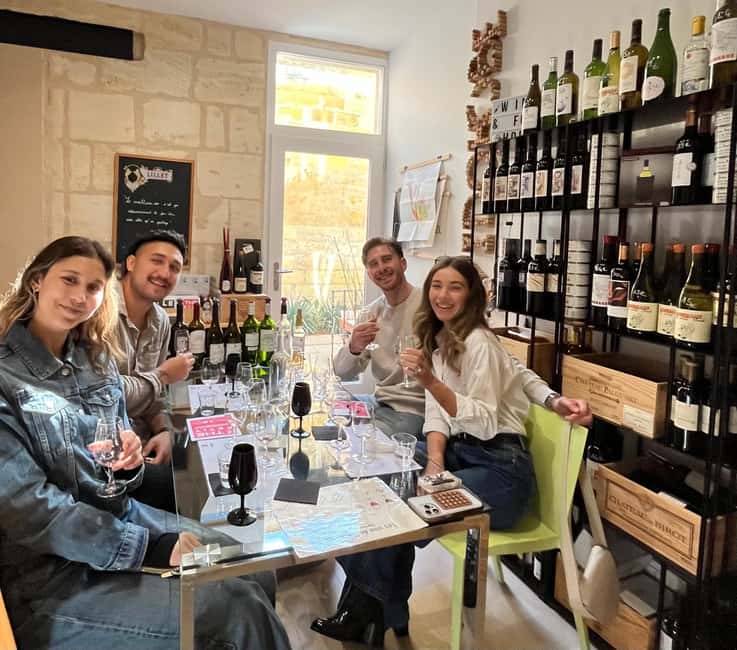
This tasting is built around a simple goal: help you see Bordeaux clearly, not just taste it once. You’ll sample four carefully selected Bordeaux red wines, each meant to show a different face of the region. On top of that, you’ll also get one mystery glass, which is part surprise and part teaching tool—your guide nudges you to spot patterns as you taste.
You’re not just drinking. You’re learning a method. You’ll practice how to notice aroma and texture, what to look for as tannins and fruit show up, and how production choices affect what’s in your glass. The class is designed to feel approachable for beginners, but it still gives enough structure for wine lovers.
There’s also one more clever element: you’ll include one mature wine so you can taste how ageing changes Bordeaux in real life, not just in theory.
You can also read our reviews of more food & drink experiences in Bordeaux
Bordeaux Left Bank vs Right Bank: The Lesson You Can Actually Use
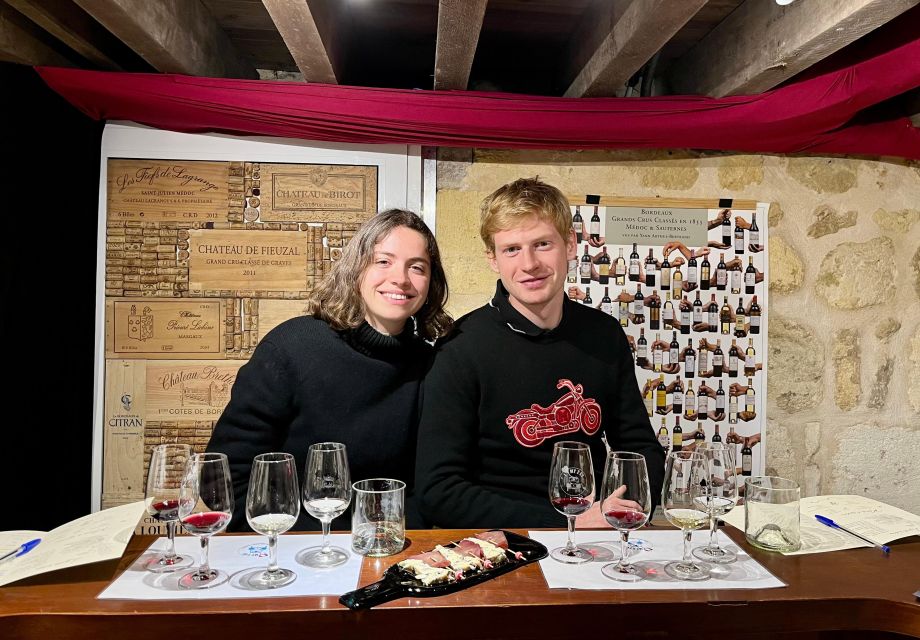
Bordeaux can feel confusing because the labels carry geography, tradition, and style all at once. This class tackles that head-on by walking you through the differences between Left Bank and Right Bank styles in a way that sticks.
Left Bank: structure first
You’ll get a sense of the more structured, age-worthy side of Bordeaux, including the classic emphasis on Cabernet Sauvignon from areas like the Médoc. In practical terms, the lesson trains your palate to notice how Cabernet can bring a firmer backbone, a drier grip from tannins, and a longer, slower fade.
Right Bank: fruit-forward smoothness
Then you’ll contrast it with the smooth, fruit-forward style often associated with Merlot, especially from Saint-Émilion. This isn’t about memorizing grapes like trivia. It’s about tasting the effects: Merlot tends to feel rounder on the palate, and you’ll learn to recognize how that shows up in aroma and texture.
Why this matters after the class
Once you’ve tasted both directions of Bordeaux through a guided set, reading a restaurant wine list gets easier. You start seeing Bordeaux less as a single category and more as a range of styles you can choose intentionally.
You can also read our reviews of more wine tours in Bordeaux


The Wines: Single Grapes, Blends, Grand Cru, and Organic Estate Styles
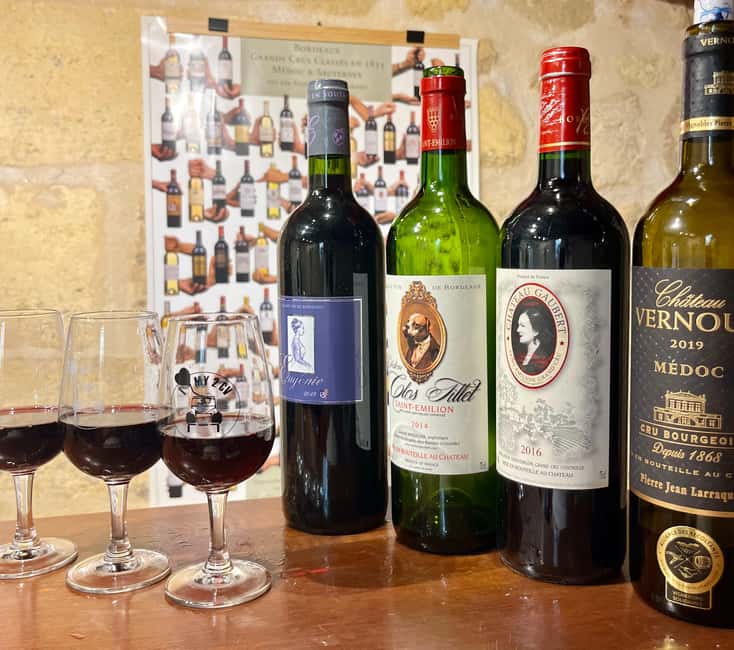
The lineup is designed to show how Bordeaux gets interesting fast: by mixing grape character with winemaking decisions.
You’ll taste:
- Single-varietal wines that highlight what grapes like Merlot and Cabernet Sauvignon bring to the glass
- Elegant blends that show how Bordeaux often works best when grapes complement each other
- Wines connected to familial organic estates, plus selections meant to reflect prestige like Grand Crus
- A mature wine to teach you what ageing does to aroma and structure
Even if you’ve never cared about appellations before, this kind of line-up makes the ideas real. You taste the differences, then your guide connects them to concepts you’ll see on bottle labels—appellation, grape variety, blend logic, and what those choices can mean for ageing potential.
How the Aroma Game Teaches You to Taste Like a Pro
The class includes an aroma-focused activity—called an aroma game—that’s basically a guided shortcut to better tasting. The point isn’t to memorize scent names. The point is to learn how to pay attention.
In the same spirit, multiple hosts (including Mathilde in recent sessions) guide the group through playful scent-detection moments—so you feel comfortable raising your hand and saying what you’re smelling. That matters because wine tasting can feel intimidating if you think you’re supposed to be “correct.” Here, you’re practicing.
You’ll also receive a tasting booklet with Bordeaux information and a tasting method you can use later. That’s one of the best value parts of this experience. A lot of tastings end with a pleasant hour. This one tries to leave you with a skill you can keep.
Charcuterie Pairing: Why Food Changes What You Notice
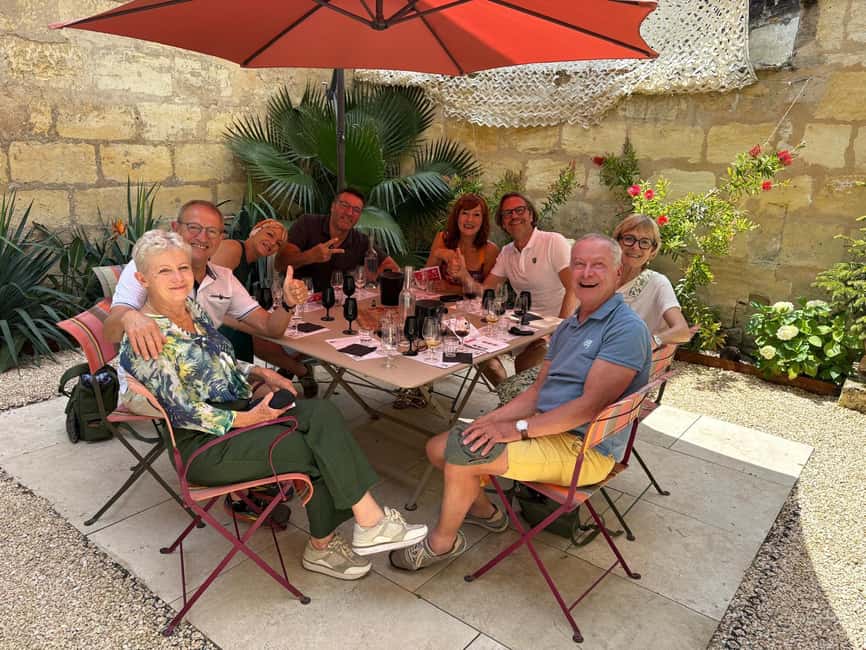
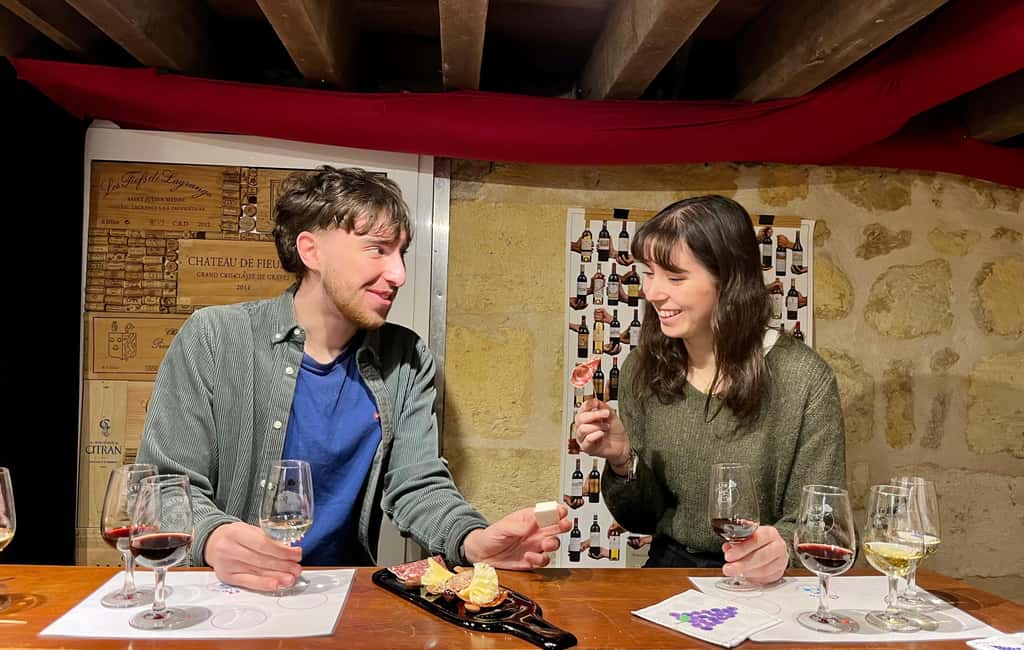
You’ll taste the wines with artisanal charcuterie, and the pairings are intentional: each food selection is meant to match what’s happening in that specific wine.
Food pairing is where the lesson becomes practical. A wine that feels sharp on its own can soften when paired with salty, fatty, or savory elements. Meanwhile, tannins can show up differently once your palate is working with the right flavors on the tongue.
This is also where the tasting becomes social in a good way. You’ll be comparing notes in small group conversation—what you tasted first, what changed after the bite, and what you think the pairing is doing.
If you like hands-on learning, this pairing structure is a big reason the session feels fun rather than formal.
The Vibe: Small Group, Real Conversation, Cellar Ambiance
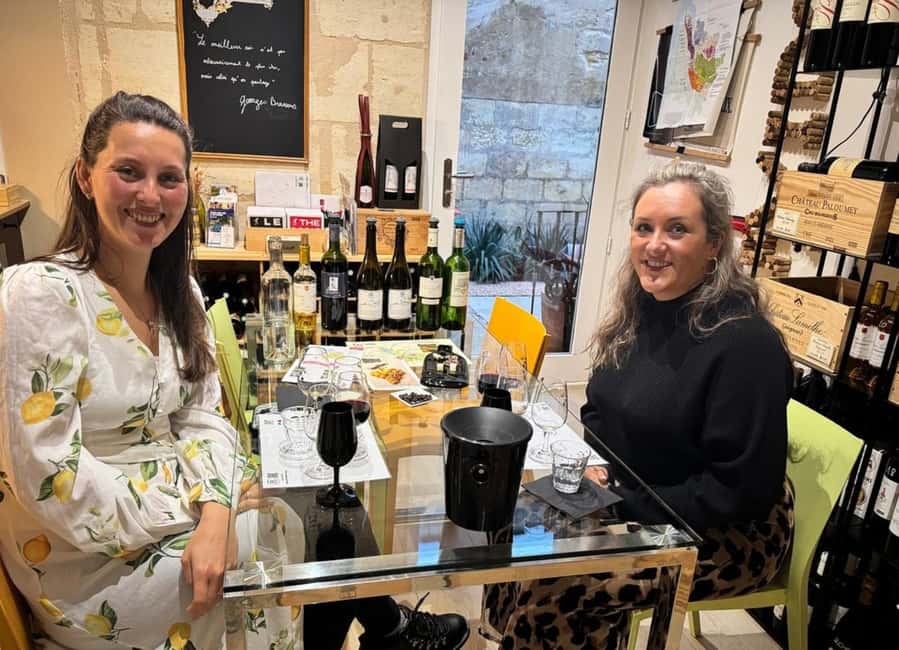
With a group capped at 6, the session has room for back-and-forth. People often expect a lecture format for wine tasting. Here, the energy is more like a guided conversation where the guide checks in with you and adjusts the pace.
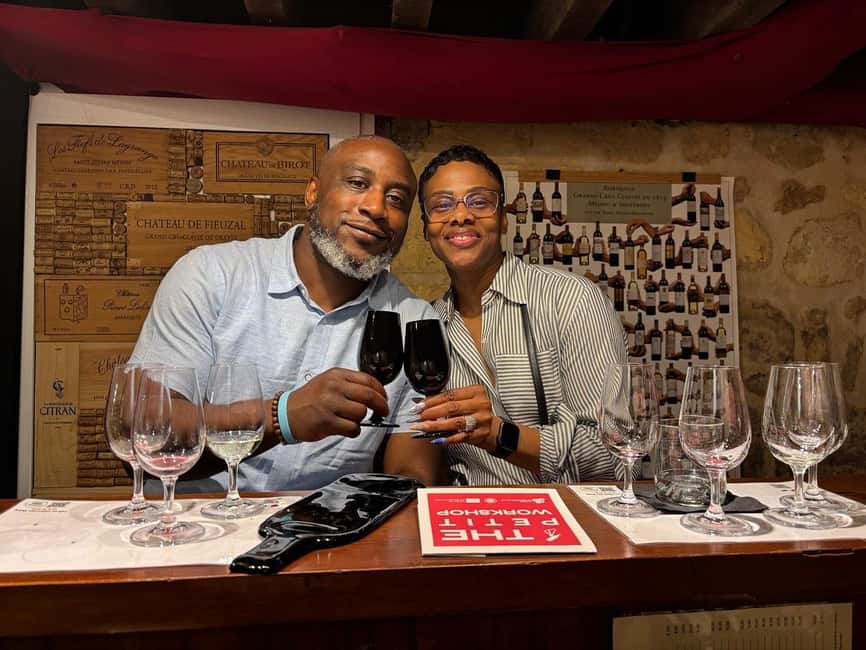
There’s also a nice atmosphere element. Sessions may happen in an underground cellar, which automatically changes your senses—dimmer light, cooler air, and that quiet setting that makes the wine feel more “serious.” If you’re the type who enjoys setting and mood, you’ll likely appreciate that.
And on the practical side, the team tends to make it easy to show up ready—people report helpful pre-arrival guidance for finding the hidden room.
Languages and Pace: One Hour, But Not Rushed
You’re in the class for about 1 hour, which is a tight timeline. That’s not a downside if you go in with the right expectations. This isn’t a multi-hour tasting marathon. It’s a concentrated primer on Bordeaux red wine styles and how to taste with intention.
You’ll still get real content: grape variety, blend approach, terroir and vinification choices, and how all of that shapes aroma, texture, and ageing potential. The guide keeps it accessible, including clear explanations for beginners, but the structure also satisfies people who already know the basics.
If you have questions about what you should buy later, this is also a solid starting point. Wines tasted are available for purchase on site, which makes it easy to take your learning home as a bottle rather than just as a memory.
Price and Value: Why $46 Feels Reasonable for This Setup
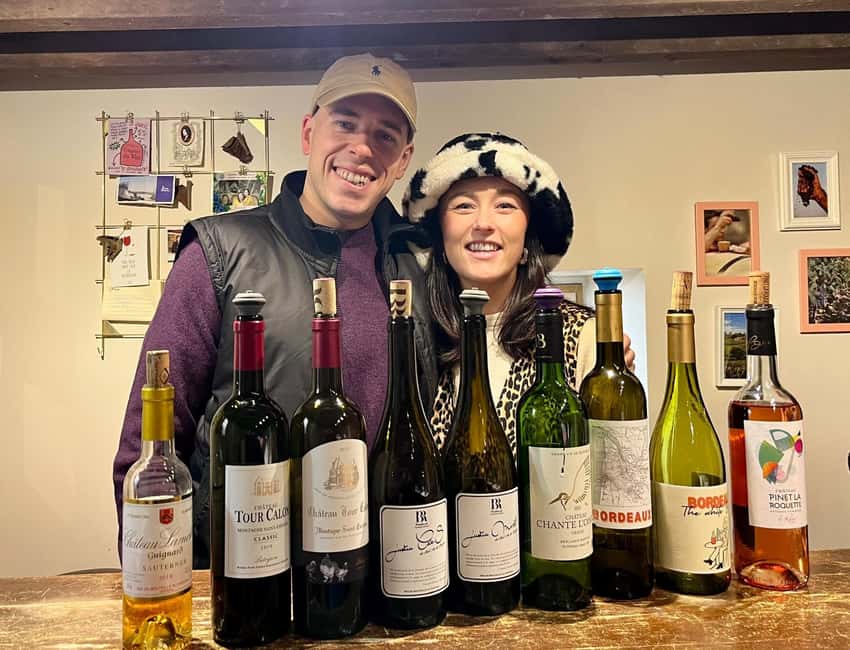
At $46 per person for a one-hour class, you’re paying for more than just four pours. The price includes:
- The wine class itself
- Your own tasting booklet
- An aroma game / guided tasting method practice
- 4 Bordeaux red wines
- Charcuterie pairing with the wines
In other words, you’re not only buying drinks. You’re buying a structured learning session from trained wine experts (including guides trained at the Université du Vin). You also get enough wine and food to make the comparisons meaningful within a short time window.
If you’re doing a limited number of wine experiences in Bordeaux, this is the kind of value that pays off. You’re likely to leave with language you can use on menus and in shops, not just a buzz.
Who This Bordeaux Tasting Class Is Perfect For
This is best for you if you want Bordeaux to make sense quickly.
It’s a great fit if:
- You’re a beginner who wants an easy entry into tasting without feeling lost
- You’re a wine lover who wants a clear framework for Bordeaux styles (not just random sips)
- You like learning through interaction—games, guided aroma work, and pairings
- You want a compact experience that won’t swallow your whole day
It may not be the best fit if:
- You need mobility-friendly access, since the tasting is sometimes held in less accessible spaces
- You’re looking for a long tour with lots of walking and vineyard context (this is tasting-focused)
Can They Accommodate White-Wine Preferences?
Yes. If your group prefers white wines, you can request accommodation. There’s also a white Bordeaux wine tasting option available—just let the provider know in advance so they can plan for it.
So if you’re traveling with a mixed group—one person who loves reds and another who wants whites—this can still work without splitting plans.
Should You Book This Bordeaux Wine Tasting Class?
I’d book it if you want a smart, social, one-hour start to Bordeaux red wine. The combination of 4 Bordeaux reds plus a mystery glass, the aroma game, the take-home tasting booklet, and the charcuterie pairing makes this feel like a complete mini-course rather than a quick pour-and-go.
Book it especially if you’re short on time in Bordeaux. After this class, you’ll be better at choosing bottles and spotting Left Bank vs Right Bank styles on labels and menus.
Skip it if you’re expecting a full day outing or if mobility access is a concern. In those cases, you’ll be happier with a different format.
FAQ
How long is the Bordeaux wine tasting workshop?
It lasts about 1 hour.
How much does the workshop cost?
The price is $46 per person.
How many people are in each group?
It’s a small group limited to 6 participants.
What’s included in the class?
You get a wine tasting class with your own tasting booklet, an aroma game, tasting glasses for 4 Bordeaux red wines, and wine with charcuterie pairing.
Where is the meeting point in Bordeaux?
Meeting point is 25 avenue Thiers, 33100 Bordeaux, about 100 meters from the tram A stop Stalingrad. The tasting room is behind a building, entered through a gray door by the Guy Hoquet panel (bell: I ♥️ TASTING).
Is it suitable for people with mobility impairments?
No. It’s listed as not suitable for people with mobility impairments.