REVIEW · PARIS
Hands-on Eclair and Choux Making with a Pastry Chef
Book on Viator →Operated by Maison Fleuret — The Baking School · Bookable on Viator
Choux pastry can feel like magic, but it’s mostly technique. In this 2.5-hour, English-friendly class in Paris, you’ll make pâte à choux from scratch, pipe it, bake it golden-crisp, then fill éclairs with pastry cream and top them with chocolate glaze. I like that it’s beginner-focused without prior pastry experience, and I also like the small size (max 8) that makes it easier to get close help when your dough, piping, or timing goes off-script. One thing to consider: some people are paired up or take turns with equipment, so it’s not always a solo hands-on setup.
If you’ve ever watched a Paris baker work and thought, I can’t learn that, this class gives you a clear path. Expect a step-by-step flow: choux dough on the stove, piping on parchment, baking at 200°C, then pastry cream thickened on low heat, and finally filling and glazing. I love that ingredients are handled in a way that lets you focus on technique (many reviewers mention premeasured ingredients), and I also love the social-but-not-chaotic vibe that still leaves room to ask questions. A possible drawback is that the atmosphere and space can feel a bit tight, and a couple of reviews mention the room isn’t fancy or that pacing/personality varies by instructor.
In This Review
- Key highlights
- Paris Eclairs in 2.5 Hours: Make the Whole Choux-to-Glaze Chain
- Where You Meet in the 3rd Arrondissement (and How to Arrive Calm)
- Choux Pastry Step-by-Step: What You Learn That Actually Matters
- Piping Choux: Plain Tip, Real Control, No Fancy Gimmicks
- Baking at 200°C: The Shell Is Your Finished Skill
- Pastry Cream: Thick, Glossy, and Built for Filling
- Filling the Eclairs: Chocolate, Vanilla, or Coffee Choices
- Chocolate Glaze: Dip the Top and Learn the Finish
- Small-Group Energy: Personalized Attention, Different Instructor Personalities
- Price and Value: Is $132.75 Worth It?
- Who This Class Fits Best (and Who Might Want Another Option)
- A Realistic Expectation: Timing, Cooling, and Short-Term Freshness
- Should You Book This Eclair and Choux Class?
- FAQ
- How long is the eclair and choux making class in Paris?
- Where does the class meet and where does it end?
- Is the class offered in English and is it beginner-friendly?
- How many people are in the class?
- What will I make during the class?
- What’s included in the price?
- Is there free cancellation?
Key highlights
- Small group, max 8 cooks for real help while you pipe and bake
- Beginner-friendly choux and eclairs with clear technique steps
- From dough to chocolate glaze so you finish with edible results
- 200°C baking for golden, crispy shells you learn to judge by color
- Recipe takeaway noted by reviewers, sometimes shared via scanning instead of paper
Paris Eclairs in 2.5 Hours: Make the Whole Choux-to-Glaze Chain
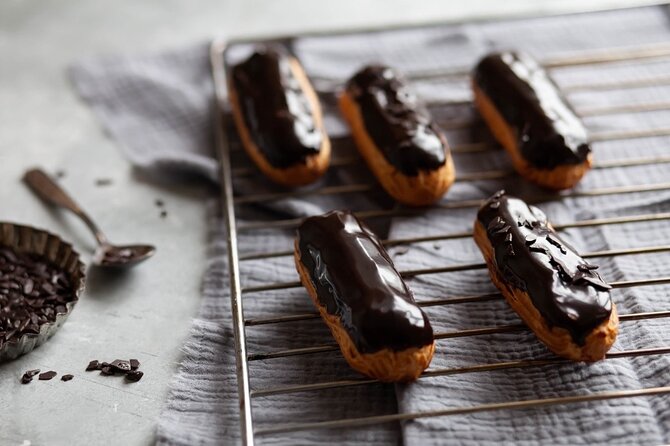
This is the kind of cooking class where the payoff is immediate. You start with choux pastry, and by the end you’ll have éclairs (plus choux-style treats) that you made, filled, and glazed yourself. It’s designed for learning, but it also respects time and hands-on flow—because nobody wants a class that ends with empty trays.
You’ll move through a full production cycle: dough, shaping, baking, pastry cream, assembly, and chocolate finish. That means the skills aren’t just “watch and hope.” You actually practice the parts that make French pastry feel intimidating.
Also, coffee and/or tea is included. Just don’t count on a long sit-down tasting moment; some people say they packed up pastries to go instead of eating together during the class.
A few more Paris tours and experiences worth a look


Where You Meet in the 3rd Arrondissement (and How to Arrive Calm)
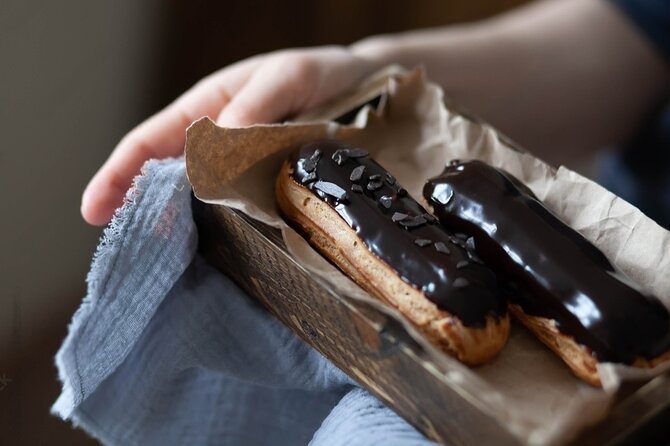
The meeting point is 7 Rue de Béarn, 75003 Paris, and the activity ends back there. The good news: it’s described as an easy walk from the nearest metro station and “near public transportation,” so you’re not stuck planning around complicated routes.
Because this class is only about 2 hours 30 minutes, timing matters. I’d treat it like a dinner reservation: give yourself a buffer for getting out of the station and finding the right address, especially if you’re carrying bags. Paris streets can be easy until they aren’t, and a 10-minute delay can steal the fun of seeing your first tray going into the oven.
You’ll get a mobile ticket, and the class is offered in English. Service animals are allowed.
Choux Pastry Step-by-Step: What You Learn That Actually Matters
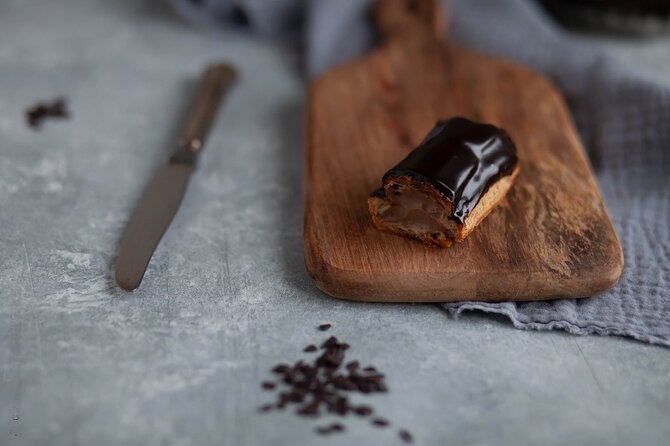
The heart of the class is pâte à choux. And the teaching focus makes sense: the technique is simple in theory, but it demands timing and texture sense. You heat water, butter, and salt in a saucepan until the butter melts. Then you add flour and mix until the dough pulls away from the sides of the pan.
That “pulls away” cue is important. It’s your signal that the dough has cooked enough for structure, so later the eggs can transform it into the glossy, pipeable base that bakes into hollow-ish shells.
Next comes the egg stage. You transfer the dough to a bowl and add eggs one at a time, mixing well between additions. This is where beginners learn that choux dough doesn’t like shortcuts. If the eggs go in too fast, texture can get weird. If you go slowly and mix thoroughly, the dough becomes smooth and workable for piping.
Many reviewers mention ingredients are handled in a way that makes it easier to focus on technique and conversation. That’s a big deal for first-timers. You’re not juggling measuring cups while trying to nail dough consistency.
Piping Choux: Plain Tip, Real Control, No Fancy Gimmicks
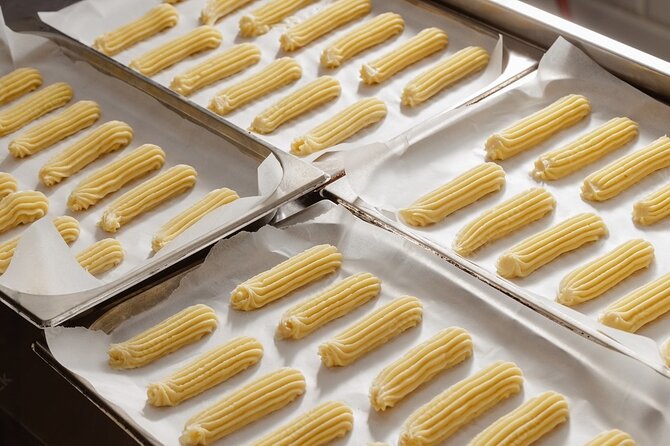
Once the dough is ready, you pipe it onto a baking sheet lined with parchment paper. The class uses a piping bag fitted with a plain tip, and you pipe sticks of dough—classic éclair shape, but made at your pace.
I like that the piping setup is straightforward. You’re learning how to control the bag, the pressure, and the length of each piece, without needing to master fancy tips or decorative flourishes.
If your piping looks shaky, don’t panic. Multiple reviews mention imperfect piping still led to pretty, delicious results. That tells you the class is teaching technique, not demanding bakery-perfect lines. In other words: your first attempt doesn’t have to look like a magazine photo to taste correct.
One practical note: some people say they were paired up and had to take turns making éclairs instead of working at their own station the whole time. With a max group size of 8, this is usually manageable, but if hands-on autonomy is your top priority, it’s worth keeping expectations flexible.
Baking at 200°C: The Shell Is Your Finished Skill
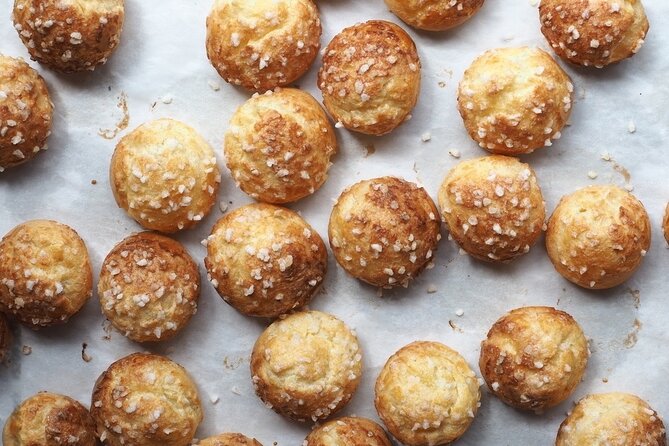
Your baking step is clearly defined: the oven is preheated to 200°C and the choux bakes for about 20 to 25 minutes until it’s golden and crispy. That timing range is normal in pastry classes because ovens vary, and dough size affects bake time.
What you’re learning here is not just heat—it’s visual judgment. Golden color and crisp surface tell you the shells can hold cream filling later. Underbake and they can go soft; overbake and they can be too dry. The class helps you get that sweet spot.
A fun part of learning choux is that it rises in a way that feels almost theatrical. Still, the class keeps it grounded: you’re practicing cause-and-effect. Dough consistency influences rise. Baking time influences crispness.






Pastry Cream: Thick, Glossy, and Built for Filling
While the choux bakes, you move into pastry cream. You heat milk in a saucepan. In a bowl, you whisk egg yolks, sugar, flour, and cornstarch. Then you pour hot milk into the egg mixture while stirring constantly—this step is crucial for preventing scrambled eggs.
After that, you pour everything back into the saucepan and cook over low heat until the cream thickens. This is one of those skills that travels with you after the class. Even if you never make éclairs again, learning how to thicken custard-style cream without turning it grainy is useful in a lot of French desserts.
The cream cools before filling, so plan around waiting. Some people describe the final pastries as delicious but short-lived—which makes sense. Fresh choux is at its best soon after assembly, and cream can soften the shell over time.
Filling the Eclairs: Chocolate, Vanilla, or Coffee Choices
Once the éclairs cool, you cut them in half and fill them with pastry cream. A piping bag does the job, keeping the filling tidy and centered.
The filling options listed include chocolate / vanilla / coffee (the class uses those flavor directions). That flexibility helps if your group has different taste preferences, and it lets you experiment a little even within the same template.
In reviews, people mention they ended up loving the chocolate version—especially when the glaze isn’t the ultra-sweet icing some people associate with American-style eclairs. It sounds like the chocolate flavor in this setup leans deeper and more balanced.
Chocolate Glaze: Dip the Top and Learn the Finish
For the glaze, you melt dark chocolate and mix it with melted butter until smooth. Then you glaze the éclairs by dipping the tops into the chocolate mixture.
This part is quick and satisfying. It also teaches how to handle a glossy finish without overthinking it. If you’ve ever made chocolate at home and felt like it seized or turned dull, this is your reminder that temperature and technique matter.
And yes—your end product is part of the point. You’ll leave with pastries you made, not just a recipe file and a pat on the back.
Small-Group Energy: Personalized Attention, Different Instructor Personalities
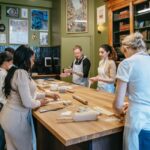
The class caps at 8 travelers, and that’s one of the biggest reasons it works. With more people, piping stations and troubleshooting get harder. With this size, the teacher can watch what you’re doing and help steer the dough or piping technique.
Reviews also mention specific instructors, including Clara, Matthieu/Matteo, Millie, and Alyssa, and the tone is consistent: patient, clear instruction and encouraging coaching. That said, one review notes the atmosphere felt a bit dull and the space was small or basic. Another mentions a chef who seemed preoccupied. So the safest expectation is: technique teaching is strong, but the room vibe can be simple.
You’ll also see a social element. Some reviews say it’s more social than expected, with time to chat while you work. Others mention a more laid-back pace rather than an intense factory-style class.
Price and Value: Is $132.75 Worth It?
At $132.75 per person for about 2 hours 30 minutes, the value is really about what you take home and what you can repeat later.
You’re not paying for a tasting. You’re paying for:
- learning choux dough technique (stove-to-bowl-to-egg mixing),
- practicing piping,
- baking at a specific temperature and learning what “done” looks like,
- cooking pastry cream to the right thickness,
- assembling and finishing with chocolate glaze,
- and getting coffee/tea included.
And because choux and cream are exacting, the chance to get hands-on feedback is where the money turns into confidence. Several reviews mention that even shaky piping still produced good-looking, delicious éclairs. That’s a strong sign the class is structured to help beginners succeed.
The only money wobble is if you want total solo workstation time. Some people say they were paired up or took turns. If that would annoy you, you might feel the value drops a notch.
Who This Class Fits Best (and Who Might Want Another Option)
This is ideal for:
- first-time bakers who want a practical win,
- people who like hands-on teaching with a small group,
- anyone craving classic Paris pastry skills you can recreate.
It can be a good fit for families too. One review mentions a 9-year-old had fun and produced delicious results, suggesting the steps are teachable with patience.
It might not be ideal if:
- you hate sharing equipment or taking turns,
- you expect a grand sit-down food experience (coffee/tea doesn’t necessarily mean you’ll eat together),
- you need a super-polished, high-end studio vibe.
A Realistic Expectation: Timing, Cooling, and Short-Term Freshness
Pastry timing can be tricky. Choux is best soon after baking, but you’ll cool before filling and glazing. That’s normal—and it’s why you get the “short-lived but delicious” effect that some people mention.
So if you want the most bite-per-bite happiness, plan to eat your first éclair soon after you’re done. Packing and taking home is part of the experience, but crispness won’t last like a shelf-stable snack.
Should You Book This Eclair and Choux Class?
I’d book it if you want a beginner-friendly way to make real French-style éclairs and you’re happy learning technique you can actually repeat at home. The small group size, the full process from choux to chocolate glaze, and the clear steps around baking and pastry cream are the big reasons it works—especially if you’re coming to Paris specifically for food skills.
I’d hesitate only if you’re very sensitive about workstation independence or you’re traveling with a tight schedule. Also note: a couple of reviews mention last-minute changes or cancellations due to circumstances like a chef falling ill, with rescheduling offered in those cases. If your itinerary is inflexible, build in backup options.
If you’re the type who loves returning from a trip with more than photos, this class is a satisfying use of time—and you’ll have chocolate on your hands as proof.
FAQ
How long is the eclair and choux making class in Paris?
The class runs for about 2 hours 30 minutes.
Where does the class meet and where does it end?
It starts at 7 Rue de Béarn, 75003 Paris, France and ends back at the meeting point.
Is the class offered in English and is it beginner-friendly?
Yes, it is offered in English, and it’s described as beginner-friendly with no prior pastry experience needed.
How many people are in the class?
The group size is limited to a maximum of 8 travelers.
What will I make during the class?
You’ll make choux pastry, pipe it onto parchment, bake it until golden, make pastry cream, fill the cooled éclairs, and glaze them with dark chocolate.
What’s included in the price?
The class includes coffee and/or tea.
Is there free cancellation?
Yes. You can cancel up to 24 hours in advance for a full refund. If you cancel less than 24 hours before the start time, the amount paid is not refunded.