REVIEW · PARIS
Fragonard Paris: Mini Perfume Workshop
Book on GetYourGuide →Operated by LE MUSEE DU PARFUM FRAGONARD · Bookable on GetYourGuide
A perfume workshop that feels like French culture class. I love the way the Fragonard Perfume Museum walk-through sets the mood, from its Second Empire mansion setting to the old bottles and display objects that make perfume feel like art. You also get a clear sense of how fragrance moved through society over time, not just how it smells.
My other favorite part is the hands-on blending: you’ll learn the top, heart, base idea and then mix the year’s pre-composed notes into your own Fragonard Flower of the Year Eau de Toilette. You finish with a 12 ml spray bottle to keep, which makes it feel like a real souvenir instead of a tasting-only stop. The one thing to consider is timing: at 45 minutes total, the experience moves fast, so if you want extra time to linger or redo your blend, plan to slow down later in the shop or museum galleries.
In This Review
- Key things that make this workshop work
- Where Fragonard’s perfume story starts: the museum setting by Opéra
- The guided tour that connects bottles to blending
- The olfactory pyramid lesson: how to smell like a perfumer
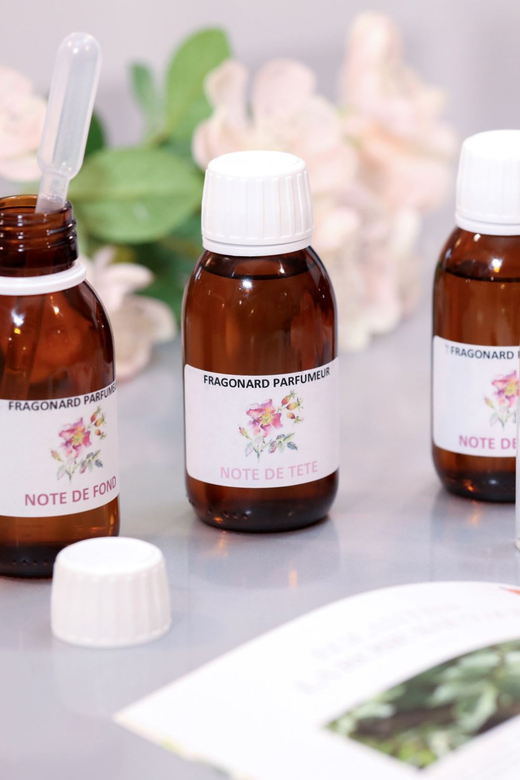
- Your 20-minute perfume workshop: mixing the year’s three notes
- The museum galleries after (or before) the workshop
- What I’d focus on if you want the best result
- Who this mini perfume workshop is best for
- Value check: is $36 for 45 minutes actually fair?
- Should you book Fragonard Paris: Mini Perfume Workshop?
- FAQ
- How long is the Fragonard Paris Mini Perfume Workshop?
- What does the price include?
- Is the tour in English?
- What will I create during the workshop?
- What is the take-home size?
- Are children allowed?
- Is it wheelchair accessible?
- Where do I meet for the experience?
- Is cancellation free?
Key things that make this workshop work
- A small group (up to 10) so the guide can keep things moving and answer questions
- Museum tour + workshop in one tight session, so you connect history to what you actually mix
- Olfactory pyramid teaching using top, heart, and base notes as a practical tasting tool
- Your custom take-home bottle (12 ml spray) made from the year’s three pre-composed notes
- A French art-de-vivre vibe right next to Opéra Garnier, so it fits easily into a classic Paris day
Where Fragonard’s perfume story starts: the museum setting by Opéra
The Fragonard Perfume Museum is the kind of place that makes you slow your breathing down on purpose. It’s housed in a private mansion atmosphere, and the overall feel is very “French know-how meets collectible objects.” Since it’s right by Opéra Garnier, you don’t need a complicated route—this is an easy add-on to an afternoon of sights.
The museum’s guided portion is designed to set context before you mix anything. You’ll get oriented to why perfume mattered (and still matters) as a status object, a craft, and a sensory language. The experience leans into the idea of perfumery as both science and performance: you learn how fragrances are built, not just how they’re marketed.
One practical advantage: starting in the museum makes it easier to understand what you’ll do later in the workshop. When you finally smell the notes and blend your own, the lesson has somewhere to land.
A few more Paris tours and experiences worth a look

The guided tour that connects bottles to blending
This isn’t just a quick slideshow of perfume history. Your guide leads you through the museum with a focus on the craft: trade secrets, how perfumery works, and how historic fragrance objects reflect culture. The museum experience is split in feel, with one side leaning more toward perfume-making as a kind of laboratory and another side showing artistic objects, rare bottles, and metalwork-style craftsmanship.
You’ll also get background on Grasse know-how and vanished raw materials—useful because it explains why modern scents sometimes feel different from older ones. You don’t need chemistry to follow along; you just need to be willing to smell what’s offered and listen for the logic behind the scents.
If you love details, you’ll probably enjoy the sheer variety of bottle history—from older perfume containers to ornate styles that show how social habits shaped luxury objects. If you don’t care about history, the tour still pays off because it trains your nose before the workshop starts.
The olfactory pyramid lesson: how to smell like a perfumer
At the center of this experience is a sensory lesson built around the olfactory pyramid. This tool breaks a fragrance into three layers that unfold over time: top notes, heart notes, and base notes. In regular life, we smell and react. In perfumery, the goal is to predict what you’ll notice first, what will show up next, and what will linger after the first impression fades.
You’ll practice that idea as part of the sensory development. The goal is not to memorize definitions, but to build olfactory memory—so when you smell something new, you can place it in a structure. Guides often explain this in a way that sticks, and many sessions have been led by instructors praised for clarity and personality, including names like Naomi and Yoko in the way the experience is described.
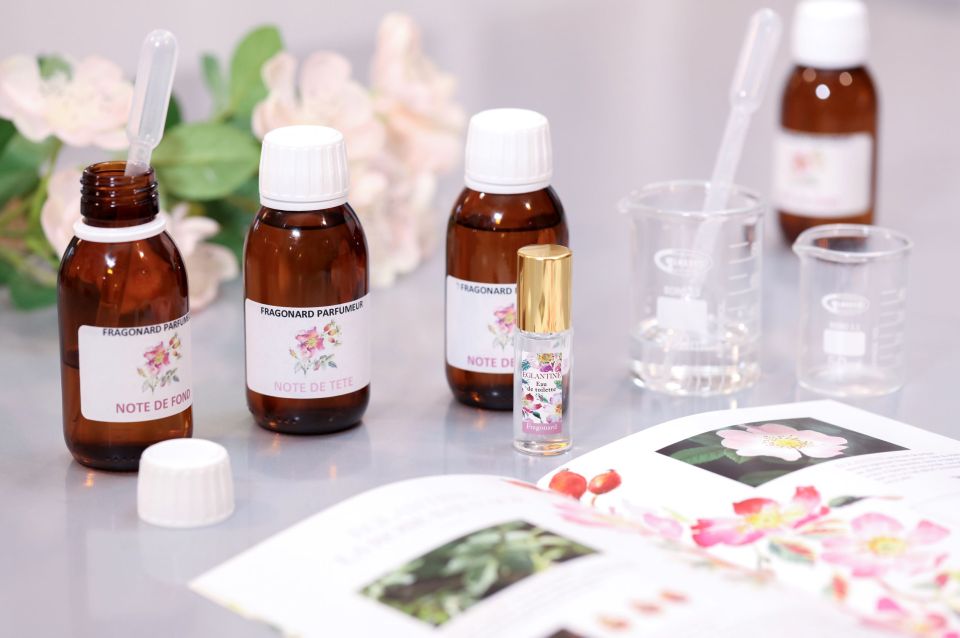
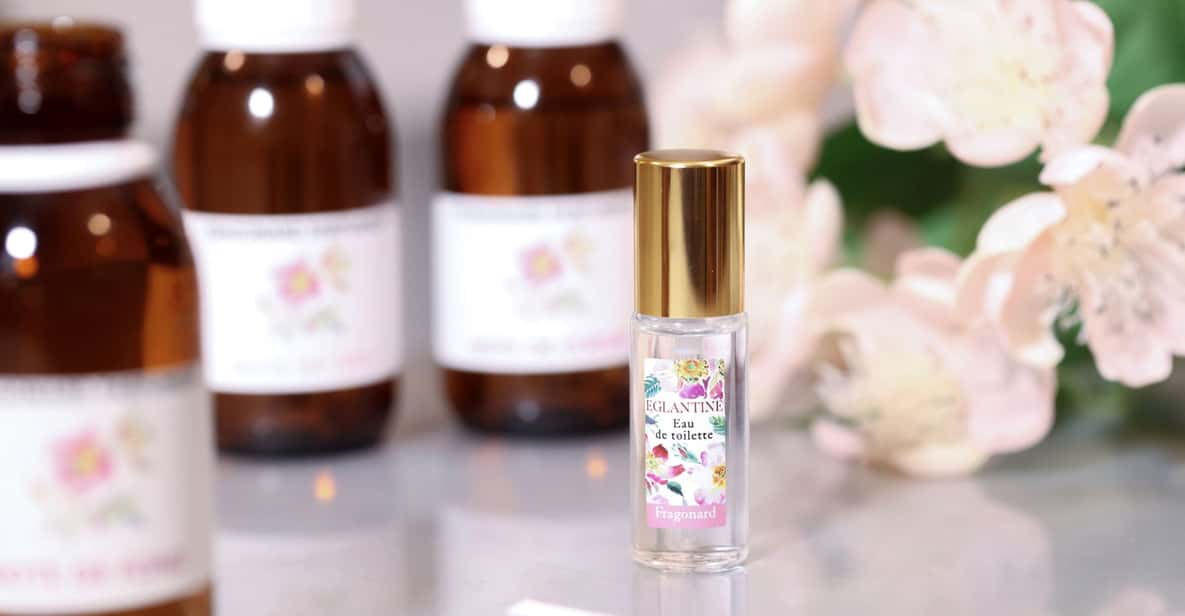
This is also where the year’s scent concept matters. Your workshop blend is based on Fragonard Flower of the Year using three pre-composed notes. Knowing the top/heart/base structure makes those notes easier to work with while you’re mixing.
Your 20-minute perfume workshop: mixing the year’s three notes
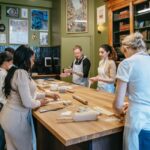
The workshop part is where the experience turns from interesting to yours. You’ll blend an Eau de Toilette using the year’s pre-composed notes—top, heart, and base—guided by an instructor who stays with you through the steps.
What you’re creating is an Eau de Toilette called Fragonard Flower of the year, and the “custom” element is your control over the mix. Even when the notes are pre-set, you can influence the balance, so your final scent doesn’t have to land exactly like someone else’s blend from the same set.
A nice detail: your take-home perfume is 12 ml in a spray bottle. That’s a meaningful amount. It’s not a tiny dab vial that vanishes in one shower. It’s enough to actually wear, test, and compare later, which is exactly what makes this kind of souvenir useful rather than decorative.
Group size helps here. With a limit of 10 participants, the guide can keep an eye on your progress and help you adjust if your mix feels too heavy in one direction. Many people also appreciate how the session feels more like a guided activity than a rushed sales pitch.
The museum galleries after (or before) the workshop
Plan for the workshop to take the spotlight, but don’t forget the museum itself. After—or sometimes before—the blending session, you can spend time in the galleries in a way that matches your interests. The museum’s collection includes rare bottles and old fragrance objects, with a second portion that leans into artistic objects and goldsmithery. That combination is part of the appeal: perfume isn’t treated like a single product, but like something connected to craft, materials, and design.
There’s a real “Second Empire atmosphere” to the rooms, and you’ll likely find it easier to appreciate the objects after learning the olfactory pyramid. You’ll start noticing that the displays aren’t just old bottles. They’re evidence of how people expressed identity through scent.
One small consideration: the overall experience is short. Some people want more time inside the museum galleries. If you love browsing, treat this workshop as your launchpad and then plan a longer self-guided visit to linger with the exhibits you liked most.


What I’d focus on if you want the best result
This is the kind of activity where a few smart choices make the workshop more fun.
- Go scent-free. If you’re wearing strong perfume or have scented hand products, it can mess with how the notes register.
- Be patient with the pyramid. Your first whiff might not be the final story. Try to think in layers while you mix.
- Trust the guide’s pacing. The session runs fast for a reason, but good guidance helps you land with a blend you’ll like enough to wear.
- Expect categories to come up. Some sessions include practical scent-category guidance such as citrus, floral, and oriental styles. Even if you’re not buying anything, it helps you describe what you’re making.
Also, if you want to buy more after your workshop, the museum shop can offer incentives. In at least some sessions, there’s mention of a discount for additional containers, so it can be a good time to pick up a bigger bottle or related items while the scent memory is still fresh.
Who this mini perfume workshop is best for
This works especially well if you want Paris that’s a little different from the standard museum circuit.
It’s a strong fit for:
- couples or friends who enjoy hands-on activities
- anyone who likes scent, fashion, or design and wants a structured way to understand perfume
- families with kids from age 8 and up, as long as they come with a paying adult
It’s less ideal if:
- you want a long, slow museum day (the session is brief)
- you rely on wheelchair accessibility (the activity is not suitable for wheelchair users)
- you’re traveling with pets (pets aren’t allowed)
Value check: is $36 for 45 minutes actually fair?
At $36 per person for about 45 minutes, you’re paying for three things: a guided museum introduction, a taught perfume lesson, and a take-home bottle.
For value, the key is the 12 ml spray bottle. If you’re already the type who buys fragrance while traveling, this workshop converts that impulse into a personalized souvenir. Instead of paying for a scent you didn’t choose, you create one from a defined structure and keep it to wear later.
And because the group is limited to 10 participants, the time doesn’t feel like a mass demo. You get enough interaction to leave with a scent that feels earned.
If you’re purely window-shopping or you hate hands-on mixing, the value is less obvious. But if you’re open to smelling and mixing, it’s one of the more rewarding “small-ticket” activities near central sights.
Should you book Fragonard Paris: Mini Perfume Workshop?
If you want a short, memorable experience that combines French craft history with a real sensory outcome, I think this is an easy yes. The mix of a guided museum tour, the olfactory pyramid lesson, and the take-home 12 ml Eau de Toilette is exactly the kind of pairing that makes travel feel personal.
Book it if:
- you want a structured way to understand perfumes
- you like souvenirs you’ll actually use
- you’re in the Opéra Garnier area and want a rainy-day-friendly activity with a fun result
Consider something else if:
- you hate fast pacing and want lots of time to wander
- you need wheelchair-friendly access
- you prefer perfume shopping over perfume-making
If that sounds like you, this is one of those Paris activities where the memories come back every time you spray.
FAQ
How long is the Fragonard Paris Mini Perfume Workshop?
The total experience runs about 45 minutes.
What does the price include?
You get a guided museum tour, the perfume making workshop, and a take-home 12 ml spray bottle of Eau de Toilette.
Is the tour in English?
Yes, the live tour guide is listed as English.
What will I create during the workshop?
You’ll blend an Eau de Toilette called Fragonard Flower of the year using three pre-composed notes, based on top, heart, and base notes.
What is the take-home size?
You receive a 12 ml bottle in spray form.
Are children allowed?
Children are accepted from age 8 and must be accompanied by a paying adult.
Is it wheelchair accessible?
No, it’s listed as not suitable for wheelchair users.
Where do I meet for the experience?
Meet at the Fragonard Perfume Museum.
Is cancellation free?
Free cancellation is offered up to 24 hours in advance for a full refund.