REVIEW · BORDEAUX
Bordeaux wines tasting workshop including Food & Wine pairings
Book on Viator →Operated by Olala Bordeaux · Bookable on Viator
Bordeaux tastes better when you understand it. This 1-hour Bordeaux wine workshop turns tasting into a hands-on lesson with food and wine pairings you can actually remember later. I like that it’s playful and participative, not a stuffy lecture. I also like that you try a full set of three styles—dry white, red, and sweet white—with bites matched to each one.
One thing to keep in mind: there are no substitutions, so if you have specific food restrictions, check first before you book.
In This Review
- Key Things You’ll Notice
- A 1-Hour Bordeaux Pairing Lesson in the Middle of Town
- What You Taste: Dry White, Red, Sweet White, Plus Caviar, Duck, and Blue Cheese
- How the Pairing Rules Actually Help You Taste Better
- The Flow of the Workshop: What Happens Before Each Sip
- 1) Welcome + wine tasting basics
- 2) The pairing principles
- 3) Tastings with matched bites
- 4) Questions and friendly conversation
- Why the Food Choices Matter (and How to Use This at Restaurants Later)
- The Host Factor: Friendly, Talkable, and Built for Real Questions
- Price and Value: $42.05 for Three Wines and Four Serious Bites
- Timing at 4:30 pm: Easy to Fit Into a Bordeaux Afternoon
- Small Group Size: Why Max 12 Matters
- Who This Workshop Fits Best
- Should You Book It?
- FAQ
- What is the duration of the Bordeaux wine tasting workshop?
- What wines are included in the tasting?
- What food is included with the wine pairings?
- Is the workshop offered in English?
- Where does the workshop start, and what time is it?
- How big is the group?
- Are substitutions available for the food or pairings?
- Can I get a full refund if I cancel?
Key Things You’ll Notice

- Three Bordeaux wine styles in one session: dry white, red, and sweet white
- Real pairings with local bites like sturgeon and caviar rillettes, dried duck magret, and blue cheese
- A sommelier-led format built around simple pairing principles you can reuse
- Small group size (max 12) so you can ask questions and compare impressions
- English workshop with a mobile ticket for easy check-in
- In the center of Bordeaux at Olala Bordeaux, right where most walking plans start
A 1-Hour Bordeaux Pairing Lesson in the Middle of Town

If you only do one wine thing in Bordeaux, make it one that teaches you how to taste. This workshop is built for that. It runs about one hour, starts at 4:30 pm, and happens in a central Bordeaux location at OLALA BORDEAUX – Wine tours & tastings, 2ter Rue Mably, 33000 Bordeaux.
You’ll begin with an intro to Bordeaux wines and terroirs, then a quick reminder of the steps of wine tasting (the kind that helps you stop guessing and start noticing). After that, your sommelier explains the three main principles for food and wine pairings. Translation: you’re not just drinking and eating. You’re learning a process.
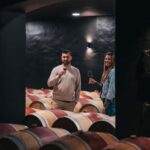
This is also a social setup. The format is conversational and playful, and you’ll be encouraged to talk about what you taste and why the pairing works. That matters, because wine is personal. The whole point is to give you a way to put words to your own impressions without needing a wine degree.
You can also read our reviews of more food & drink experiences in Bordeaux
What You Taste: Dry White, Red, Sweet White, Plus Caviar, Duck, and Blue Cheese

You taste three fine Bordeaux wines, and the tasting set is balanced across the sweetness and body spectrum:
- 1 dry white
- 1 red
- 1 sweet white
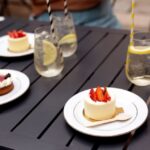
Each wine comes with a pairing from the snack lineup. You’ll also get French baguette, which is handy for palate reset and keeps things practical.
For food, the workshop includes:
- Sturgeon and caviar rillettes
- Artisanal dried duck magret
- Blue cheese
A quick practical note: because the pairing choices are built as a matched set, the experience is designed so you eat exactly what they provide. There’s no swapping items in and out. That’s good for pairing consistency, but it also means you should think about allergies, dietary needs, and personal dislikes before you go.
How the Pairing Rules Actually Help You Taste Better
The pairing portion is where I think this workshop earns its value. The sommelier doesn’t just say red wine goes with meat. Instead, you’ll learn three principles for successful pairings—then you apply them while tasting the specific Bordeaux styles and local bites in front of you.
Even if you don’t memorize every “rule,” you’ll walk out with a sharper sense of what to look for next time you’re ordering in a restaurant or picking bottles at a shop.
Here’s the kind of thinking this sort of pairing lesson encourages:
- Notice how acidity, weight, and sweetness change what food tastes like.
- Pay attention to how flavors can match (same direction) or contrast (different direction) without fighting each other.
- Learn to judge whether a pairing is creating harmony—or just masking one element.
And because you can ask questions during the tastings, you’re not stuck with generalities. If you taste something and wonder why it works, the workshop is set up for you to talk it through.
The Flow of the Workshop: What Happens Before Each Sip

Let’s break down the experience in a way that helps you picture it.
1) Welcome + wine tasting basics
You start with the workshop intro in the center of Bordeaux. You’ll get context on Bordeaux wines and terroirs, plus a quick refresher on the steps of wine tasting. This is a good moment to ask your own baseline questions, even simple ones like what you should focus on when you smell and sip.
A few more Bordeaux tours and experiences worth a look

2) The pairing principles
Before the tasting, the sommelier explains the three main principles behind food and wine pairings. This is the part that turns the session from “three nice wines” into “a method.”
3) Tastings with matched bites
Then you move into the tasting set. You’ll sample:
- three Bordeaux wines (dry white, red, sweet white)
- and the corresponding food pairings (sturgeon and caviar rillettes, dried duck magret, blue cheese, plus baguette)
Between each pairing, there’s time to talk. The structure is meant to help you connect what you taste to why the pairing was chosen—often with a bit of history and context on the products themselves.
4) Questions and friendly conversation
This workshop is designed to be participative, not a one-way presentation. You should expect an easy back-and-forth. It’s the kind of setting where you can ask why something tastes better together than you expected.
Why the Food Choices Matter (and How to Use This at Restaurants Later)

This isn’t a generic “cheese and crackers” situation. The snack list is specific, and that’s the point.
- Sturgeon and caviar rillettes bring salinity and richness. In tastings, that kind of flavor profile can spotlight a wine’s acidity and texture. It’s a bold bite—good for learning, not just for tasting.
- Artisanal dried duck magret adds savory depth and a slightly intense, meat-forward character. Reds often shine with this kind of flavor, but the workshop’s pairing logic helps you understand what’s doing the heavy lifting.
- Blue cheese can be strong and funky. Pairing it well is tricky because blue cheese can overpower subtle wines. When it works, you learn fast what to look for in future orders.
And the baguette isn’t just there to fill time. It gives you a neutral, practical reset between wines and helps keep the tasting experience comfortable.
The Host Factor: Friendly, Talkable, and Built for Real Questions

The workshop’s reviews have a consistent theme: the host’s friendly approach and the quality of the tasting get real praise. I like experiences where you feel comfortable asking questions, because that’s where the workshop turns into something memorable.
The good sign here is that the pairing tastings are paired with conversation. You’ll have chances to ask about:
- why a wine matches a specific bite
- what to look for in your own tasting
- basic wine and food pairing reasoning without the ego
You don’t need to already know Bordeaux labels. You just need a willingness to taste and talk.
Price and Value: $42.05 for Three Wines and Four Serious Bites

At $42.05 per person, you’re paying for an hour of wine instruction, three glasses of Bordeaux, and a set menu of snacks that aren’t the usual bar food.
Let’s translate that into plain value logic:
- Three wines (dry white, red, sweet white) means you’re tasting across styles, not just one safe lane.
- The food lineup is included: caviar rillettes, dried duck magret, blue cheese, and baguette. That alone is the kind of tasting spread you’d normally pay extra for in a restaurant setting.
- You also get time with a sommelier, which is the real multiplier. Wine gets interesting when someone helps you notice what matters.
One small trade-off: the price also reflects the fact that everything is a fixed matched set. If you dislike one of the included foods, the no-substitution rule could sting.
Timing at 4:30 pm: Easy to Fit Into a Bordeaux Afternoon

Starting at 4:30 pm is smart. It slots nicely between a daytime walk and an evening dinner plan. You won’t be stuck feeling like you missed the day, and you also won’t be rushing to make it work at night.
If you like to do one structured activity and then go wander, this is a great fit. It’s short enough that you can still make dinner plans afterward, but substantial enough that you’ll feel like you did something meaningful.
Small Group Size: Why Max 12 Matters
This workshop caps at 12 travelers. That small size changes the experience.
With a group that size:
- you’re more likely to get direct answers
- you can compare notes without shouting over everyone
- you don’t feel lost in the background
If you want a tasting that feels personal—without being private—you’ll appreciate this setup.
Who This Workshop Fits Best
This is a great match if you:
- want a beginner-friendly introduction to Bordeaux without pretending you know everything
- enjoy learning through tasting rather than reading
- like pairing food and wine in a structured, teachable way
- want a short, high-impact activity that’s easy to schedule at 4:30 pm
It may be less ideal if:
- you have strict dietary needs you can’t adjust for (since there are no substitutions)
- you’re hoping for a longer format with additional tastings beyond the three wines listed
- you prefer very quiet, observational experiences rather than a talk-and-taste workshop style
Should You Book It?
Yes—if you want a focused Bordeaux experience that teaches you how to pair with confidence. For $42.05, you get three Bordeaux styles, a sommelier-led pairing lesson, and a serious snack lineup that goes beyond the usual cheese plate. The small group size and conversational format are also strong reasons to choose this over a bigger, more scripted tasting.
If you’re the type who needs swaps for dietary restrictions or you’re very sensitive to strong flavors (like blue cheese), think carefully first since the tasting items can’t be changed.
Overall, this is the kind of workshop that helps you leave with both good taste in your mouth and a better sense of what to order next time you’re in a wine shop—or at a bistro.
FAQ
What is the duration of the Bordeaux wine tasting workshop?
The workshop lasts about 1 hour.
What wines are included in the tasting?
You taste 3 Bordeaux wines: 1 dry white, 1 red, and 1 sweet white, with 3 glasses total.
What food is included with the wine pairings?
The included snacks are sturgeon and caviar rillettes, artisanal dried duck magret, blue cheese, and French baguette.
Is the workshop offered in English?
Yes. The workshop is offered in English.
Where does the workshop start, and what time is it?
It starts at OLALA BORDEAUX – Wine tours & tastings, 2ter Rue Mably, 33000 Bordeaux at 4:30 pm.
How big is the group?
The workshop has a maximum group size of 12 travelers.
Are substitutions available for the food or pairings?
No. The delicacies are carefully selected to match the wines, and no substitutions can be made.
Can I get a full refund if I cancel?
You can cancel for a full refund up to 24 hours before the experience’s start time. If you cancel within 24 hours, the amount paid is not refunded.