REVIEW · BORDEAUX
Bordeaux Old Town Food and Wine Tour
Book on Viator →Operated by Bordeaux in Bites · Bookable on Viator
That first bite changes your whole Bordeaux game.
This is a small-group Old Town walk that blends medieval sights with serious eating: stops at a bakery, fromagerie, butcher, and canelé shop, then a seated pairing in a wine cellar. I love that the route keeps you out of the usual tourist shuffle, and I love the way the guide connects food choices to the streets you’re walking. One thing to consider: this is a tasting-focused format, so if you’re expecting a long, heavy meal, you may still want dinner after.
The second half is where it clicks. You’ll sit down with wine plus cheese and charcuterie, and a sommelier-style explanation (often linked to Tom at the wine shop) helps Bordeaux wine make sense fast. I also like that the pace builds in rest, and the walking distance can be adjusted if someone has mobility limits.
The main drawback is simple: you’ll be standing and walking for parts of the tour, and the schedule is built around tastings, not long wandering. Come hungry, wear comfy shoes, and you’ll do great.
In This Review
- Key points to know before you go
- A 3-hour Bordeaux food-and-wine plan that actually fits a city break
- Starting at Cinéma Utopia: why the meeting point matters
- The Old Town stretch: seeing landmarks while your hands stay busy
- Grosse Cloche area tastings: bakery, fromagerie, butcher, and canelés
- The Cinéma Utopia to wine-shop segment: a 1 km walk with built-in breathing room
- La Galerie and gluten-free needs: how they handle celiac without drama
- The grand finale: seated wine, cheese, and charcuterie pairing
- Why the shop choices beat the tourist-trap approach
- Guide style: why having Alex/Alexandre matters
- Practical tips: how to get the best version of this tour
- Who this tour suits best (and who might want a different format)
- Should you book this Bordeaux Old Town Food and Wine Tour?
- FAQ
- How long is the Bordeaux Old Town Food and Wine Tour?
- What does the tour cost?
- How large is the group?
- Where do I meet, and where does the tour end?
- Is the tour offered in English?
- What tastings and drinks are included?
- Is there any gluten-free option?
- Can the walk be adjusted for mobility needs?
- What is the cancellation and refund policy?
- What if the tour is canceled because of the minimum number of travelers?
Key points to know before you go
- Small group (max 9) for easier questions and a more personal pace.
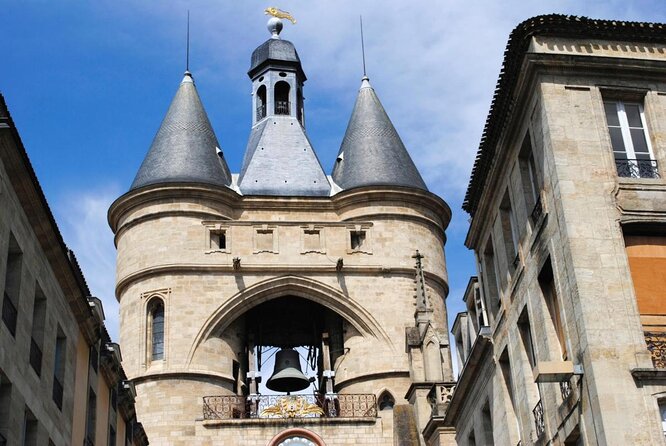
- Real Old Town route, built around landmarks like Grosse Cloche.
- Multiple food categories: bakery goods, fromagerie, butcher meats, and canelés.
- Seated wine finale with a structured pairing explanation at the cellar/wine shop.
- Gluten-free protocol with a bonus stop for gluten-free needs (tell them if you’re celiac).
- Pace can flex: there are places to sit, and walking distance can be reduced when needed.
A 3-hour Bordeaux food-and-wine plan that actually fits a city break
For $151.23, you’re paying for more than a few samples. You’re buying a guided sequence of stops where each place has a job: bread and pastries to start the story, cheese and charcuterie to anchor it, then wine to connect it to Bordeaux’s region. In 3 hours, it’s a tidy way to get a handle on where to eat next.
The tour runs about 3 hours and keeps a leisurely rhythm. The group is capped at 9 travelers, which matters in Bordeaux Old Town because narrow lanes and crowded squares can otherwise turn into a slow-motion crowd shuffle. A smaller group also makes it easier for the guide—often Alexandre or Alexandra—to answer your questions without rushing you.
Language is straightforward too. The experience is offered in English, and the guides tend to slow down their explanations when people need extra time. That’s a real quality-of-life perk if you’re still getting your bearings in a French-speaking city.
You can also read our reviews of more food & drink experiences in Bordeaux
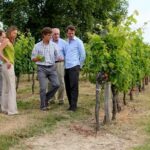
Starting at Cinéma Utopia: why the meeting point matters
You begin at Cinéma Utopia, 5 Pl. Camille Jullian (33000 Bordeaux). Starting here puts you in walking distance of the medieval core without making you tackle a long transfer through neighborhoods you don’t need to see.
Cinéma Utopia is a useful anchor because you can check in, group up, and then settle into the Old Town lanes right away. If you’re relying on public transit, this start point also makes it easier to arrive without a complicated plan.
From the start, you’ll walk about 1 km over roughly 1.5 hours, with spots to sit and rest along the way. That walking distance can also be reduced if someone in the group has mobility limitations. So even though it’s not a wheelchair-style tour on paper, it’s built with breaks in mind.
The Old Town stretch: seeing landmarks while your hands stay busy
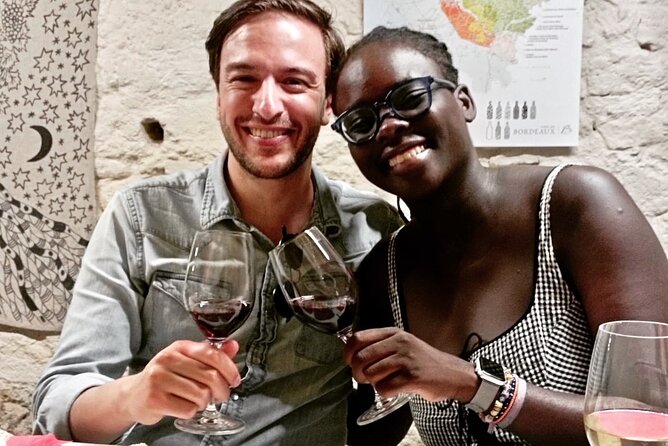
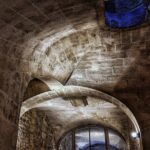
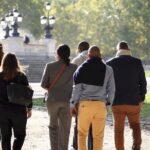
As you head through Bordeaux’s medieval streets, the guide points out landmarks and historical context as the tasting rhythm unfolds. One memorable thread is the connection to the Camino de Santiago, which shows up in the way Bordeaux’s route and architecture echo older pilgrim-era movement. It’s not a museum lecture—it’s history folded into where you’re actually standing.
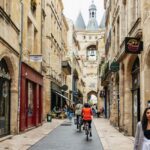
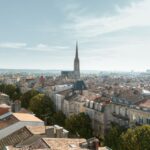
Then you’ll link that context to a standout monument: Grosse Cloche. This is one of Bordeaux’s most recognized sights, and it’s also a handy waypoint that helps you understand the Old Town layout in a way that later map-checking can’t. Once you’ve seen the lanes around it, you’ll find it easier to navigate on your own later.
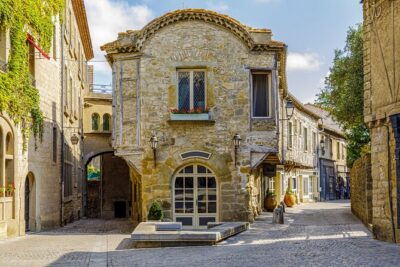
In practical terms, this section is where you get the feel of Bordeaux: stone streets, small shopfronts, and the sense that the city lives through markets and neighborhood purveyors. If you want to learn what Bordeaux tastes like, this is the right time for it—before you get overwhelmed by too many menus.
Grosse Cloche area tastings: bakery, fromagerie, butcher, and canelés
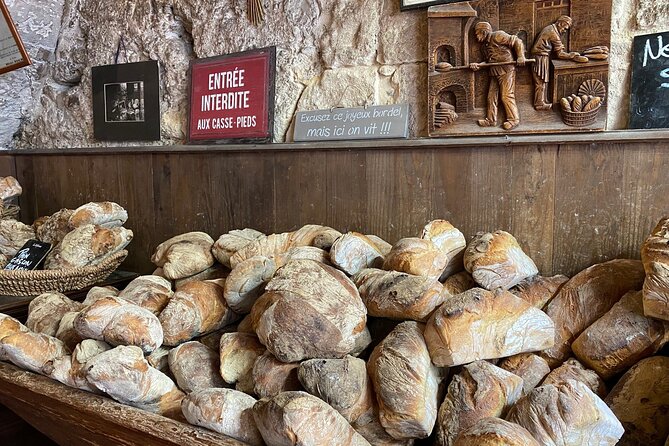
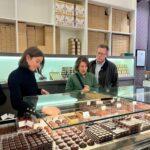
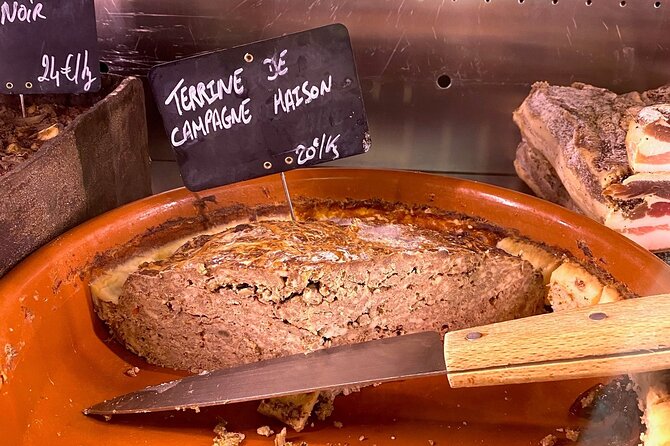
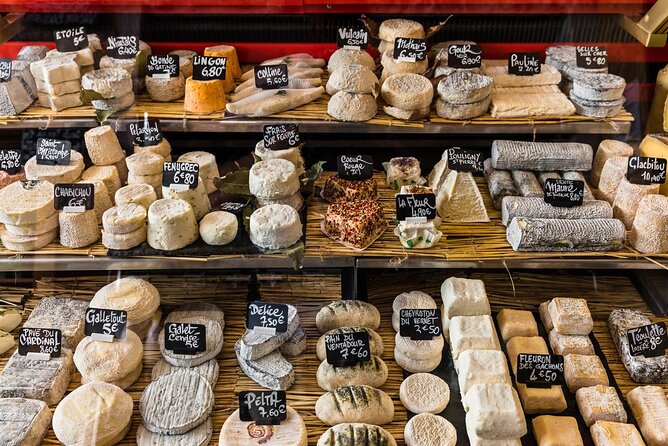
About halfway in, the tour leans into the food. The route focuses on top artisanal shops—specifically an artisanal bakery, a fromagerie, a butcher, and a canelé shop. You’ll sample along the way, but the big finale lands later at the wine cellar.
This stop pattern is smart because each category trains your palate differently:
- Bakery goods teach you what people mean by French bread and pastry character.
- Cheese tasting gives you a sense of texture and aging styles you can recognize later in shops.
- Charcuterie helps you understand cured-meat culture beyond the generic board.
- Canelé adds the sweet Bordeaux signature that’s hard to get right elsewhere.
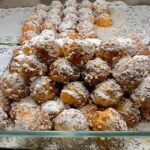
In reviews, the canelé is commonly called out, and so is the way the guide brings the shops to life with production stories—like how complex baguette making can be. You don’t need to become a food scientist, but you’ll come away with enough detail to order better next time.
One extra note that can matter: the tour can include a fun twist like king cake. In one described tour moment, the king cake was handled as part of the group experience with a small gift element. It’s the kind of low-stakes detail that turns a tasting into a shared memory.
The Cinéma Utopia to wine-shop segment: a 1 km walk with built-in breathing room
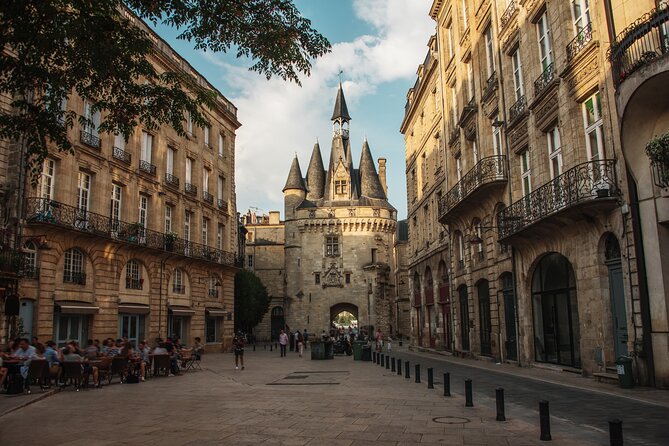
After the Old Town shopping stretch, the tour keeps moving toward the final seated portion. The day is designed so you’re not constantly in motion. There are spots to sit during the route, and that’s useful in summer heat or if you’ve already been walking all morning.
This part is also where the guide can slow down and make sure you’re following the thread. The best tours don’t just feed you—they connect the dots. You’ll get historical pointers again, and you’ll also be thinking about the wine pairing you’ll do next.
If your group includes someone elderly or with limited mobility, you should know the tour can adjust the walking distance. That doesn’t mean the tour becomes a totally different experience, but it does mean you’re not stuck grinding through every step to keep up.
A few more Bordeaux tours and experiences worth a look
La Galerie and gluten-free needs: how they handle celiac without drama
You may stop at Bakery Art Gallery – La Galerie during the tour. The key detail here is that they can accommodate gluten-free clients by making a bonus stop to a gluten-free bakery.
If you’re celiac, you need to tell them in advance so they can follow their specific protocol. That’s the difference between a casual dietary note and an actual safety plan. If you’ve ever had to explain gluten needs in French while trying not to cry, you’ll appreciate the clarity.
Even if you’re not gluten-free, this stop is still part of what makes the tour feel like it’s built for real humans with real constraints. Food tours can turn into stress festivals when dietary needs get ignored. Here, they’ve thought about it.
The grand finale: seated wine, cheese, and charcuterie pairing
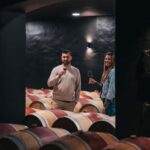
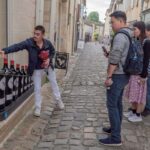
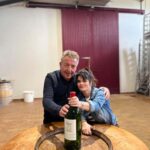
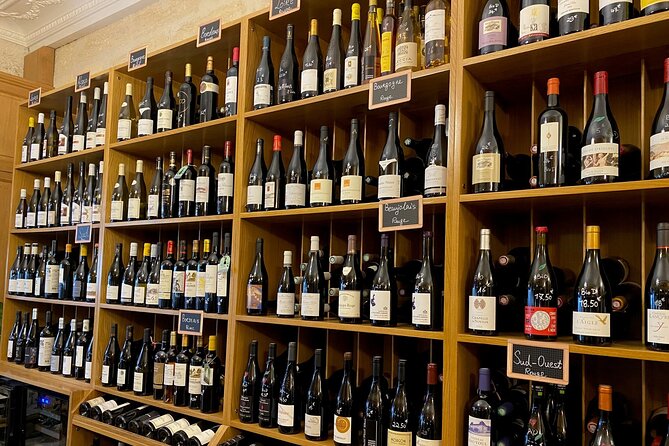
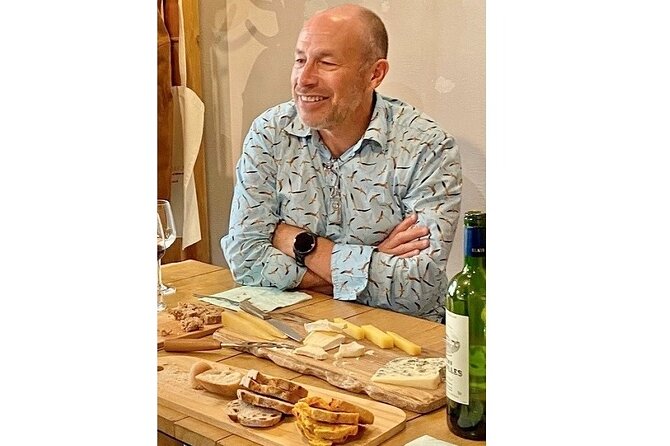
The highlight is the seated pairing in a wine cellar/wine shop. This is where everything comes together: the food you gathered on the walk becomes a tasting set on a table, and the wine gets matched to it in a structured way.
In the Bordeaux context, this is the moment that can turn confusion into confidence. When a guide explains Bordeaux wine appellations in a clear way—often described as being led by someone like Tom associated with Cave de la Rousselle—you start recognizing patterns. You learn what to look for and why certain wine styles make sense with certain foods.
What you should expect from the finale:
- A seated tasting experience (no more constant walking).
- Wine paired with the cheese and charcuterie collected earlier.
- Explanations that aim to make appellations understandable, even if you’re new to the French wine world.
One of the best outcomes of a finale like this is that it saves you from random ordering later. You’ll leave with enough vocabulary to ask the right questions at a shop or restaurant. And you’ll also understand why the guide chose the specific cheese or meat you tasted—so you’re not just eating, you’re learning in a way that sticks.
Why the shop choices beat the tourist-trap approach
This tour works because it treats Bordeaux food like a local system. Instead of sending you to generic spots, it sends you to specialist purveyors: bakery, cheese, butcher, pastry, and then a real wine shop setting. You get breadth without wandering blindly.
The “skip the tourist traps” angle isn’t marketing fluff here. Small purveyors make a huge difference in taste, and they also change how you understand the city. When you buy from people who do one thing extremely well, you get a better sense of how Bordeaux’s food culture functions day to day.
I also like that the guide may tailor items based on preferences and likes/dislikes. You don’t always get that level of attention in a standard group tour. When the guide adjusts the selection, you end up tasting more of what you’ll actually enjoy.
And yes, it’s possible to come away thinking you could skip dinner. The tastings are described as generous, and the final pairing can be enough to satisfy a big appetite if you don’t overdo it on the way out.
Guide style: why having Alex/Alexandre matters
Guides are the secret ingredient in food-and-wine tours. Here, the experience is led by someone with deep ties to food and wine—described as former chef, food writer, or wine expert—so you don’t just get facts. You get stories and practical guidance.
Names you may meet include Alexandre, Alexandra, and Alexandra M. In the wine shop segment, Tom also shows up in descriptions as the person explaining the wine pairing and regional appellations.
Across the guide styles, the common thread is pace and patience. People mention being taken through history gently, with time for questions, and with clear English delivery. That sounds basic, but in a city like Bordeaux, clarity changes everything. You don’t want your only takeaway to be pretty streets and half-understood plates.
Practical tips: how to get the best version of this tour
Do these and the tour will feel like money well spent:
- Come hungry and curious. This is tasting-forward, and it’s easier to enjoy when your appetite is ready.
- Wear comfortable shoes. Old Town streets are lovely, but they don’t care about your heels.
- Bring a short list of preferences if you have them (mild vs. strong flavors, what you avoid, and if you’re gluten-free or celiac).
- Ask questions about what you’re eating. A good guide will turn your questions into better explanations for everyone.
If you’re the type who likes to learn through food, this is a strong fit. You’ll likely leave with names of cheeses and pastries you can look for later, plus a better sense of how Bordeaux wine styles connect to food.
Who this tour suits best (and who might want a different format)
This tour is a great match if you:
- Want a first structured look at Bordeaux food and wine in one afternoon.
- Prefer small-group pacing over big-bus chaos.
- Enjoy learning history through landmarks while you taste rather than sitting through slides.
- Have dietary needs and want a plan, not guesswork.
You might want a different kind of tour if you:
- Want a long, sit-down restaurant meal rather than tastings.
- Prefer a totally free-form self-guided day with no scheduled pairing.
- Are very sensitive to walking, since it’s still built around a walking route with some breaks.
That said, the inclusion of rest points and the ability to reduce distance for mobility needs makes it more flexible than many Old Town walks.
Should you book this Bordeaux Old Town Food and Wine Tour?
If your goal is a smart, tasty Bordeaux intro that also helps you understand what to order later, I’d book it. The value comes from the mix: multiple food categories, landmark context around Grosse Cloche, and a seated wine pairing where Bordeaux wine becomes less mysterious.
Book it sooner rather than later. On average, this one is reserved about 60 days ahead, and the small group size means it can fill.
My simple checklist: if you can eat a range of cheeses and meats (or you can share dietary needs), if you’re okay walking about 1 km with breaks, and if you want your wine explained in plain terms, this is the kind of tour that turns into a highlight you’ll remember when you’re back home.
FAQ
How long is the Bordeaux Old Town Food and Wine Tour?
The tour lasts about 3 hours.
What does the tour cost?
It’s $151.23 per person.
How large is the group?
The maximum group size is 9 travelers.
Where do I meet, and where does the tour end?
The start is at Cinéma Utopia, 5 Pl. Camille Jullian, Bordeaux. The tour ends at Place Fernand Lafargue, Bordeaux.
Is the tour offered in English?
Yes, the experience is offered in English.
What tastings and drinks are included?
You’ll visit artisanal shops for samples such as bakery items, cheese, and charcuterie, and you’ll end with a seated wine and food pairing.
Is there any gluten-free option?
Yes. A gluten-free bonus stop is available at Bakery Art Gallery – La Galerie. If you are celiac, you should let them know in advance so they can follow their protocol.
Can the walk be adjusted for mobility needs?
The route includes spots to sit and rest. The distance can also be reduced if a participant is elderly or has mobility impairments.
What is the cancellation and refund policy?
You can cancel for a full refund up to 24 hours before the experience’s start time. If you cancel less than 24 hours before, the amount you paid is not refunded.
What if the tour is canceled because of the minimum number of travelers?
If it’s canceled due to not meeting the minimum traveler requirement, you’ll be offered a different date/experience or a full refund.