REVIEW · BORDEAUX
Medoc Region Wine Day Trip with Vineyard Visits & Tastings from Bordeaux
Book on Viator →Operated by Ophorus · Bookable on Viator
Cabernet country beats sitting in a museum. This small-group Médoc day is built around tasting wines from different appellations, with guided stops that make the whole left-bank story click.
I love that you don’t just visit one place and call it a day. You get a first château on the Margaux or St-Julien side, a break with time in Pauillac, then another tasting later in Pauillac or St-Estèphe, plus a final classified stop.
One heads-up: you spend a lot of the day in the van, and like any winery route, the experience can vary a bit from château to château depending on how that day’s hosts run things.
In This Review
- Key takeaways
- How the Médoc Day Trip Keeps the Route Interesting
- Tastings That Teach You What to Notice (Not Just What to Swallow)
- The Small-Group Advantage: Guides, Conversation, and a Real Sense of Pace
- Pauillac Lunch and Free Time: How to Use Your Own Hours
- What You’re Really Paying For: Value at $266
- Comfort, Timing, and Weather: Set Yourself Up for a Smooth Day
- Who This Médoc Tour Fits Best
- Should You Book This Médoc Tour?
- FAQ
- How long is the Médoc wine day trip from Bordeaux?
- What time does the tour start, and where does it meet?
- Is the tour in English?
- How large is the group?
- Are wine tasting fees included?
- Is lunch included?
- Does the tour provide snacks during tastings?
- Do I need hotel pickup?
- Is the tour available every day?
- What if the weather is bad?
Key takeaways
- Max 8 travelers means the day feels personal, not like cattle-carrying
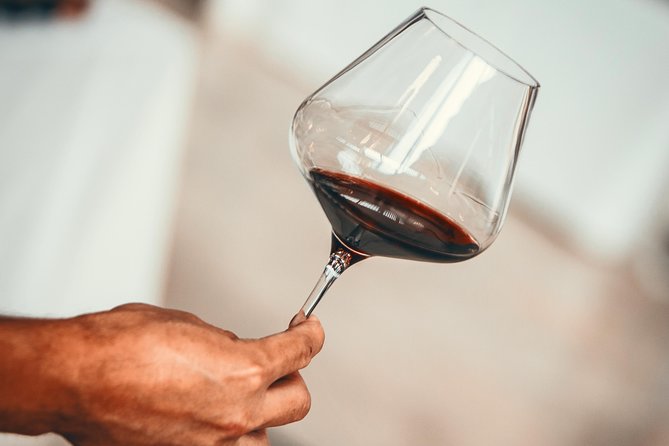
- Two (often three) tasting moments help you compare styles across Médoc sub-regions
- English-speaking guides explain classifications and what you’re tasting, not just the basics
- Pauillac free time gives you a real lunch option (own expense) and a chance to explore on foot
- Air-conditioned minivan keeps the drive comfortable when the weather and road traffic shift
How the Médoc Day Trip Keeps the Route Interesting
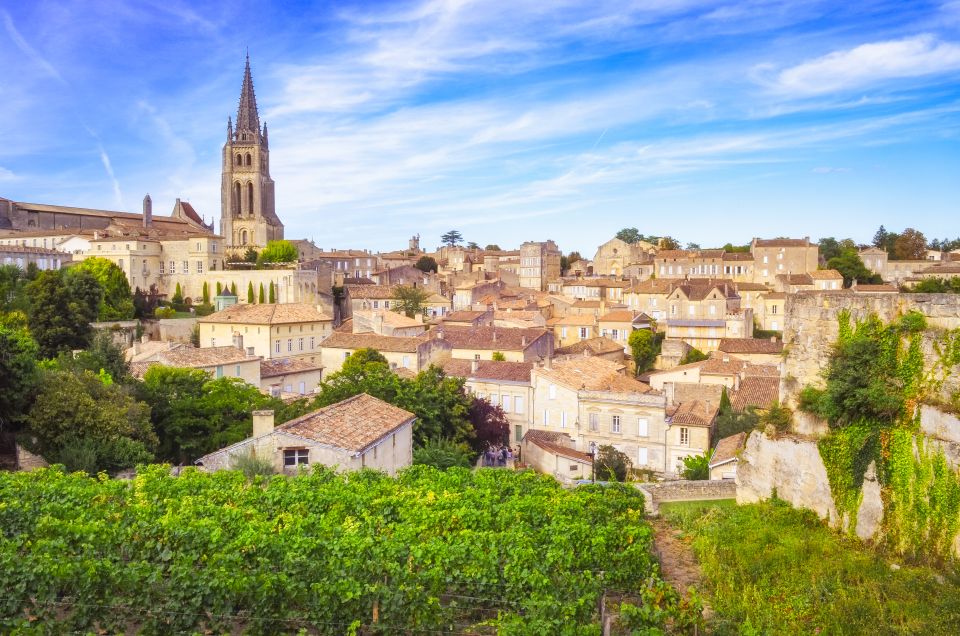
This is a classic left-bank wine day: you leave Bordeaux in the morning and work your way through some of the most famous parts of the Médoc. The exact appellations shift a bit by day, but the rhythm stays smart and easy to follow.
You start with a château visit in either Margaux or St-Julien—often a great way to begin because those areas are closely watched for style. Expect guided tasting time there, with your guide setting the context so the wine isn’t just something you taste and forget. One review highlight was how guides like Hugo explained appellations and even how the rating systems connect to what you see in the glass. You get that kind of “wait, now I get it” moment without sounding like a lecture.
Next comes Pauillac. You’ll have free time to explore at your leisure, and you can make it a lunch stop (own expense). This is also the part of the day where you can control your pace: slow strolls for photos, or quick bites, or a second look at the town depending on what you feel like. After that break, you rejoin the group for the second tasting, in either Pauillac or St-Estèphe. The point here is comparison—how the terroir and approach show up once you’re already tasted something earlier.
The day ends at a final château, another classified growth stop with tastings that can include wines from Classified Growth or Crus Bourgeois categories, depending on which property you visit. That last stop helps you finish with a broader sense of the Médoc range: not only top-name estates, but also the “serious value” tier that wine lovers often chase.
You can also read our reviews of more wine tours in Bordeaux

Tastings That Teach You What to Notice (Not Just What to Swallow)
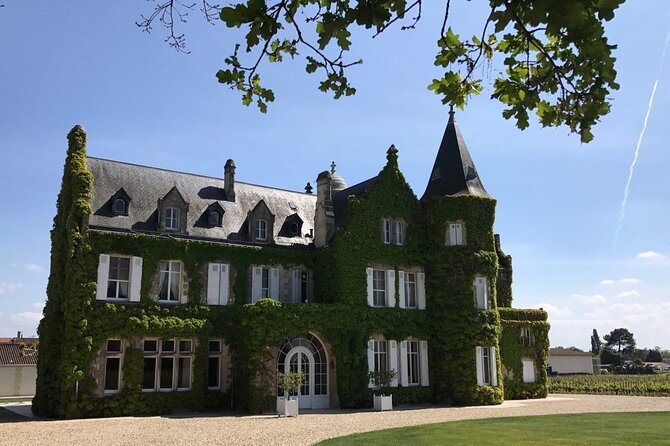
The real value of this tour is that it turns tastings into learning. You taste, yes—but your guide frames what matters so you start noticing patterns fast.
During the morning stop (Margaux or St-Julien), you’re essentially getting the “start here” baseline. Many guides on this route focus on what makes each appellation distinct, and how blending choices and growing conditions influence the final wine. One guide named Jerome was praised for keeping the group involved and making the region’s structure feel understandable. That matters because the Médoc system can feel confusing if you show up as a total beginner.
Then the tour gives you a built-in comparison. The second tasting happens later, in Pauillac or St-Estèphe. By this point, you’ve already tasted wines once that morning, so you can actually compare style changes—more about fruit vs. structure, the balance of tannin, and how the wine feels in the glass. The guide usually points out what’s different, which helps you avoid the common beginner mistake: tasting three different wines and calling them all Bordeaux Cabernet.
By the final château, you’re tasting again with more context. Some stops may lean into highly classified wines; others may include wines from the Crus Bourgeois world. Either way, that range teaches you something important: price and label aren’t the whole story. You’ll likely leave with a clearer idea of what you personally enjoy—whether that’s a more polished style, a deeper, firmer profile, or something that feels more expressive early.
The Small-Group Advantage: Guides, Conversation, and a Real Sense of Pace
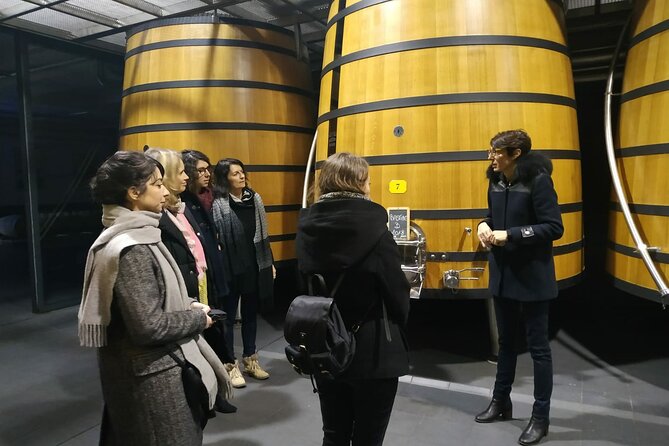
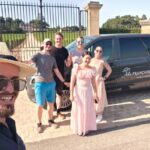
This tour caps at 8 travelers, which changes everything. You’re not stuck shouting to be heard. It’s easier to ask questions, and it’s more likely your guide notices what you care about—whether you’re brand new or you already know terms like appellation and classification.
The guide quality varies by personality (as it does on any tour), but the pattern here is strong: many guides are described as high-energy, organized, and willing to explain. Names that came up include Guy, Helene (often praised for high energy and extensive regional knowledge), Mathis (mentioned for an encyclopedic grasp), Mirela (praised for making drive time pleasant with region and industry commentary), and Luigi (praised for a smooth, enjoyable route and great stops). If you’re worried about being stuck with a quiet guide, focus on how your day is structured: even when someone is calmer, the itinerary still forces comparison across estates.
Practical note: a few people flagged comfort in the van. One review noted the group can reach nine people total in some cases, which can feel cramped. If comfort is your top priority, consider bringing a travel cushion or planning to get comfortable quickly—this is a wine tour with road time, so having a plan for the ride helps.
The other big plus is that the minivan is air-conditioned, which makes a big difference on a day that runs about 8 hours total. With wine breaks spaced out by driving, you want the ride to feel manageable.
Pauillac Lunch and Free Time: How to Use Your Own Hours
The Pauillac break is the flexible piece of the day. You’re given time to explore town on your own and do lunch at your own expense. That’s actually a good setup if you like choosing where and how you eat, instead of being herded into a single fixed lunch spot.
Just plan for a key French wine-tasting reality: snacks are usually not provided during tastings to preserve the purity of the wine’s flavor. So don’t show up hungry. Go in with a solid breakfast or lunch before the tour. If you don’t, you’ll likely feel it after the first château tasting, even if you’re excited and determined.
When you reach Pauillac, decide quickly how you want to spend your time. If you want a relaxed lunch, pick something you can finish without rushing and still have time for a short walk. If your priority is wine shopping or photos, keep lunch simple and aim to balance fuel and sightseeing. The best days are the ones where you don’t feel behind schedule.
Also, if rain shows up, build in more flexibility. Even a great day can feel tight when you’re coordinating walking time, photos, and getting back to the van.
What You’re Really Paying For: Value at $266
At about $266.16 per person, the value comes from packing several expensive-to-arrange pieces into one day: guided expertise in English, transport by air-conditioned minivan, and all wine tasting fees at the stops.
Without that package, you’d be spending separately on transportation, paying for tastings at each estate, and trying to figure out which châteaux make sense for your limited time. Even if you’re a confident traveler, it’s hard to replicate that structure on your own in one day without either renting a car and doing the driving math or booking multiple separate tastings.
This price also makes sense because the day includes multiple estates rather than one extended visit. That’s the whole trick: you get to sample the Médoc range and leave with actual preferences, not just a souvenir bottle.
Is it worth it for every wine lover? It’s especially good for people who want an organized first look at Médoc and a chance to compare styles across sub-regions. If you already have a strong list of specific estates you want to visit, and you can manage logistics easily, you might question whether this route matches your personal “musts.” But if you want a guided overview with tasting fees handled, this tour is priced like a practical shortcut.
A few more Bordeaux tours and experiences worth a look


Comfort, Timing, and Weather: Set Yourself Up for a Smooth Day
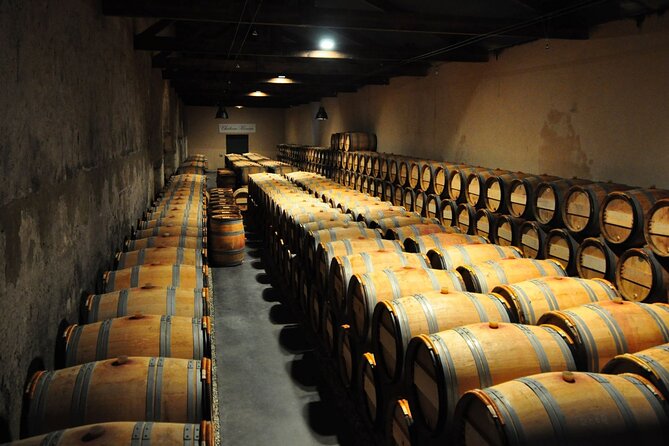
The tour starts at 9:30am and runs about 8 hours back to the meeting point at 12 Cr du 30 Juillet, 33000 Bordeaux. That means you should treat it as a whole-day plan, not a half-day add-on. Build in an early start the night before—coffee, clothes ready, and a simple breakfast plan.
Because the experience is dependent on good weather, don’t assume it will always run as scheduled. When conditions are poor, you may be offered a different date or a full refund. That’s normal for outdoor wine-country travel, and it’s smart to keep your calendar flexible if you can.
On comfort, the van is air-conditioned and the group is small. Still, you’ll be riding between stops. If you get restless in vehicles, bring something simple: a light layer for temperature changes, and a way to pass the time without scrolling yourself into fatigue.
One more practical tip: bring your own water bottle. Tastings can make you thirsty, and the tour notes that snacks are not typically provided during tastings. You don’t want dehydration to become your problem halfway through the day.
Who This Médoc Tour Fits Best
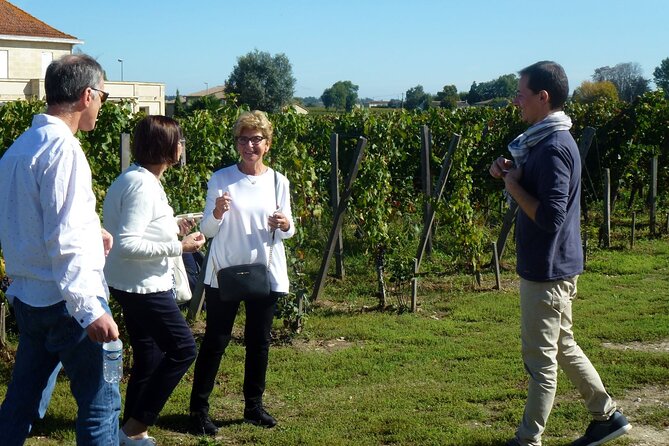
This tour is a great fit if you want a structured introduction to Médoc and you’d like help translating what you taste. It works for beginners because the guide explains the appellations and how the classification system connects to the wine. It also works for experienced drinkers because the day offers multiple styles and quality tiers, so you can test your own palate against the regional differences.
You’ll probably enjoy it most if:
- You want small-group attention and a guided explanation in English
- You like comparison tasting more than single-estate focus
- You’re okay spending the day driving between three château experiences
It may be less ideal if you want one very small, family-run estate as your main focus and you don’t want to split your time across big-name properties. Some people also wished for more “outside the tasting room” nuance in a way that felt less rushed. If that’s your style, read the day as: three structured tastings and a town break—not a slow, deep, vineyard-only ramble.
Should You Book This Médoc Tour?
I’d book it if you’re looking for one day that gives you real Médoc direction: what Margaux/St-Julien tastes like, what changes in Pauillac/St-Estèphe, and how classified growth wines compare with the Crus Bourgeois world. The price makes sense when you add up transport plus wine tasting fees, and the small group size keeps it from feeling generic.
I’d hesitate if you hate time in the van, need very hands-on vineyard access, or you’re specifically hunting a particular tiny producer with a very narrow focus. In that case, you may prefer a more tailored private day with estates you already picked.
FAQ
How long is the Médoc wine day trip from Bordeaux?
It runs about 8 hours.
What time does the tour start, and where does it meet?
The tour starts at 9:30am at 12 Cr du 30 Juillet, 33000 Bordeaux, France.
Is the tour in English?
Yes, it is offered in English.
How large is the group?
The tour has a maximum of 8 travelers.
Are wine tasting fees included?
Yes. All wine tasting fees are included in the tour.
Is lunch included?
Lunch and food are not included unless specified. You’ll have free time in Pauillac where you can buy lunch on your own.
Does the tour provide snacks during tastings?
Snacks are usually not provided during wine tastings in France to preserve the purity of the wine’s flavor. A good breakfast or lunch beforehand is recommended.
Do I need hotel pickup?
No. Hotel pickup and drop-off are not included.
Is the tour available every day?
It is not available on Sundays in March and November.
What if the weather is bad?
This experience requires good weather. If it’s canceled due to poor weather, you’ll be offered a different date or a full refund.