REVIEW · BORDEAUX
From Bordeaux: Full-Day St Emilion Wine Tasting Tour
Book on GetYourGuide →Operated by Ophorus · Bookable on GetYourGuide
Three chateaux, one medieval town, eight hours. This full-day Bordeaux-to–St Emilion wine tour strings together tastings, guidance, and time to wander one of France’s most photogenic hilltop villages.
I especially like the small group size (max 8), which keeps things relaxed, and the fact you visit three classified-growth chateaux instead of just one stop plus a long drive. You get enough structure to learn something real, then enough breathing room to explore on your own.
One consideration: the day is adult-only, and St Emilion involves walking on uneven streets and steps. Also, meals and snacks aren’t included, so eat before you go and plan lunch yourself.
In This Review
- Key highlights worth marking on your map
- Why the Right Bank terroir drives everything in St-Émilion
- Getting there from Bordeaux: the van ride that actually teaches you
- Winery stop #1: your tasting baseline for merlot-forward reds
- Winery stop #2: comparing chateau styles without feeling rushed
- St-Émilion village break: lunch time plus a guided monument walk
- Winery stop #3: finishing strong with one last taste comparison
- How the 8 hours really feel: pace, walking, and meal planning
- Price and value: is $247 worth it for a Red-Right-Bank day?
- Who should book this St-Émilion wine tour (and who might not)
- Should you book this Bordeaux-to-St-Émilion tour?
- FAQ
- How many chateaux are visited on this tour?
- How long is the St-Émilion break?
- Is there a walking tour in St-Émilion?
- Are meals included?
- What language is the tour guide?
- Is the tour wheelchair accessible?
- What should I bring?
- Does the tour run in the rain?
- Where do I meet the tour?
Key highlights worth marking on your map
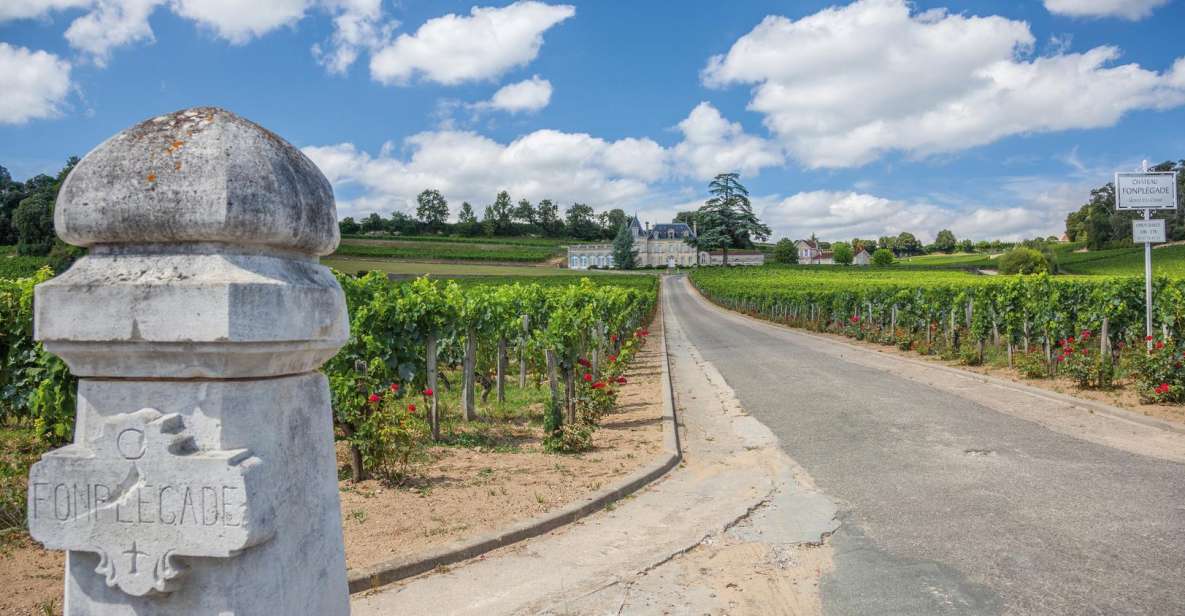
- Three classified growth chateaux tastings with guided context as you compare styles
- Small-group van rides in comfortable, fully equipped minivans (max 8)
- St Emilion village time plus a guided walk of key monuments
- Underground monuments options during your free time (entrance fees aren’t included)
- Wine guide + driver: you get explanations while someone else handles the roads
- Rain or shine operation, so bring practical shoes and a layer
Why the Right Bank terroir drives everything in St-Émilion
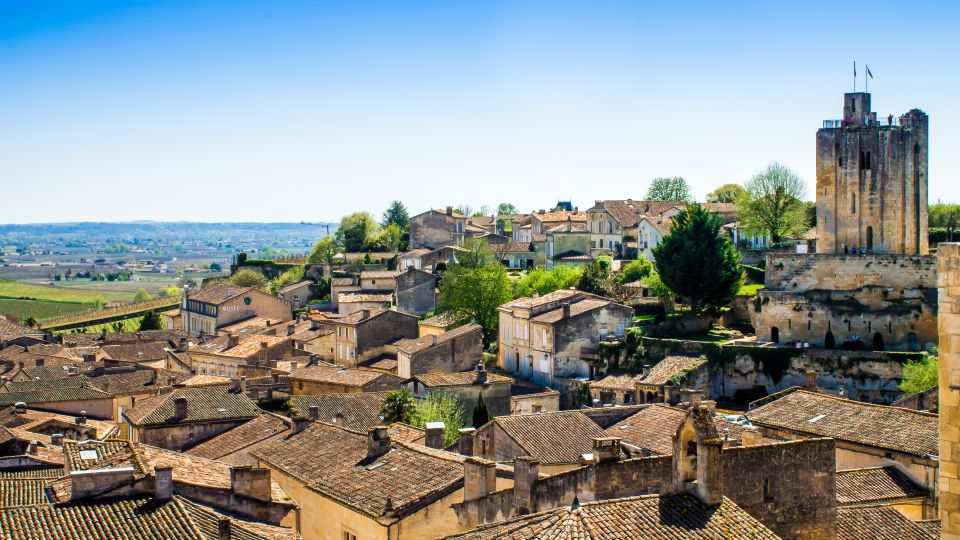
If Bordeaux is the big wine stage, the Right Bank is one of its main acts—especially the Libournais area around St-Émilion and Pomerol. This tour keeps you focused on what makes the wines from here different: the grapes, the climate, and the growing conditions.
Merlot is the dominant grape in the region. You’ll also see Cabernet Franc, and only a small amount of Malbec, which is slowly fading. One practical reason matters for what ends up in your glass: the area’s climate is often damp and cool, with soils that don’t always push Cabernet Sauvignon to full ripeness. That’s why you don’t see Cabernet Sauvignon playing the star role as often.
You also get a sense of how this region is organized. The name Right Bank points you toward the St-Émilion and Pomerol zones that sit within the broader Libournais area, with Pomerol bordering the west. And nearby satellite appellations—like Montagne-Saint-Émilion and St-Georges-Saint-Émilion—share the family name and the general “this is the neighborhood” feeling. When you taste across multiple classified chateaux, you’re tasting within that same geography, but with different choices about farming and winemaking.
You can also read our reviews of more food & drink experiences in Bordeaux
Getting there from Bordeaux: the van ride that actually teaches you
The meeting point is simple: in front of the central Bordeaux tourism office at 12 cours du 30 Juillet, 33000 Bordeaux. From there, you’re in a comfortable, fully equipped minivan, guided in English by a driver/wine guide.
The schedule is built to keep you moving without feeling frantic. You’ll spend roughly 45 minutes reaching the first winery, then shorter hops between stops—about 30 minutes to the second chateau, and later about 15 minutes from St-Émilion back out to the third tasting. Those “just ride along” stretches matter because the guide can explain what you’re going to see next and connect it to what you’re about to taste.
In the day-to-day reality of a wine tour, that’s one of the biggest quality signals. Several guides have been highlighted for doing more than reciting facts. For example, people have raved about Rodolphe and Lea for mixing wine history with humor, and Karim for making the drive itself a learning session. Dulce and Mathis also received praise for keeping the group engaged and answering questions throughout the day. That’s your clue: this isn’t a sit-and-wait tour. You’re meant to understand the why behind each tasting.
Winery stop #1: your tasting baseline for merlot-forward reds
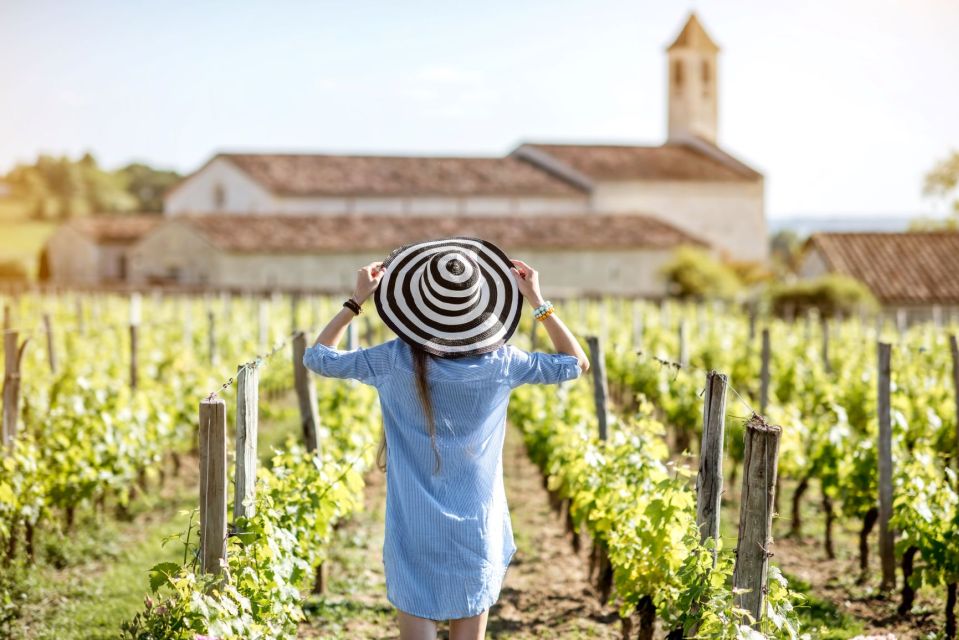
Your first classified-growth chateau visit includes about 1 hour for touring the property and tasting. The exact estate can vary, but the expectation is consistent: you’re tasting reds from the St-Émilion/Pomerol world with a guide narrating what to look for.
This opening stop is your baseline. It helps you learn what the region tends to do with its dominant grape—Merlot—and how that grape can express itself differently depending on soil, vineyard habits, and the producer’s style. One detail worth knowing: Merlot here often carries the fruit-and-roundness you’d expect, but the regional dampness and cool conditions also encourage a more thoughtful balance. Your guide should help you notice that balance instead of treating every glass as “just tasty red.”
You’ll likely also get practical tasting instruction. Some past groups mentioned lessons that ranged from how growers handle soil and crops to tasting technique. People also noted specific mentions of farming practices like avoiding pesticides or chemicals at one stop, which can change the profile you notice in the glass.
Winery stop #2: comparing chateau styles without feeling rushed
After the first tasting, you’ll transfer by minivan for about 30 minutes, then arrive for the second winery. Again, you’ll get roughly 1 hour with a visit and tasting.
This is the stop where the “classified growth” part becomes real. Classified estates are not all clones. Even within the same appellation neighborhood, you can taste meaningful differences: more structure versus more softness, different expressions of fruit, and varying levels of spice or earth notes. A couple of people described the variety on their day as spanning a classic, family-owned feel at one stop and a more traditional-meets-modern approach at another.
That variety is why two winery tastings before lunch is such a good structure. You start the day with one frame of reference, then refine it. You’re not stuck waiting until the end to realize, oh—that estate tasted completely different from the first.
And because your wine guide is with you the whole time, you’re not forced to guess what to pay attention to. In past outings, guides like Hugo and Oscar got called out for passion and professionalism, while others like Julie and Colas were praised for making the information easy to follow and fun to ask about. The goal is simple: leave with comparison skills, not just an empty souvenir tote.
St-Émilion village break: lunch time plus a guided monument walk
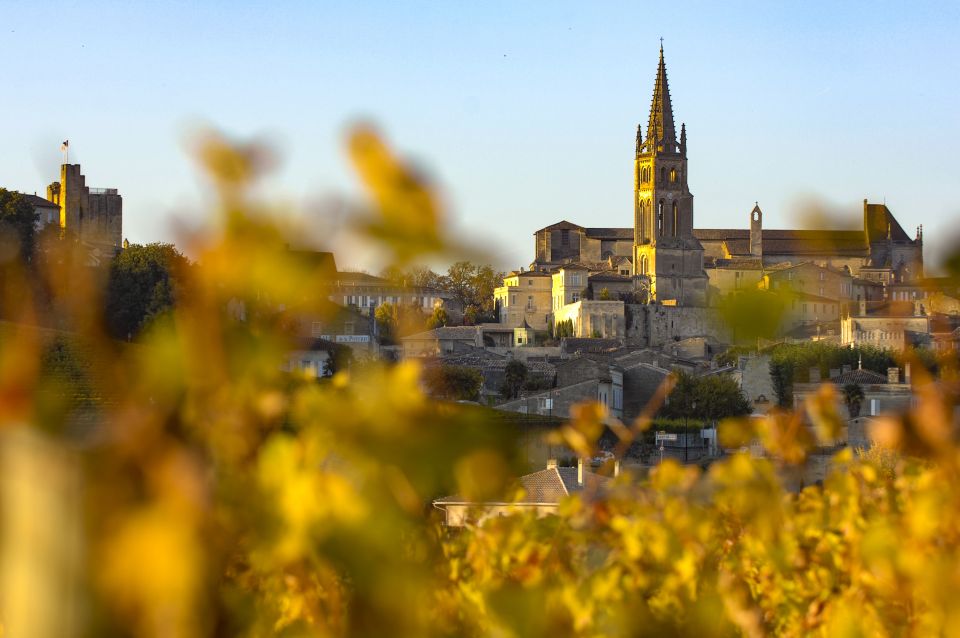
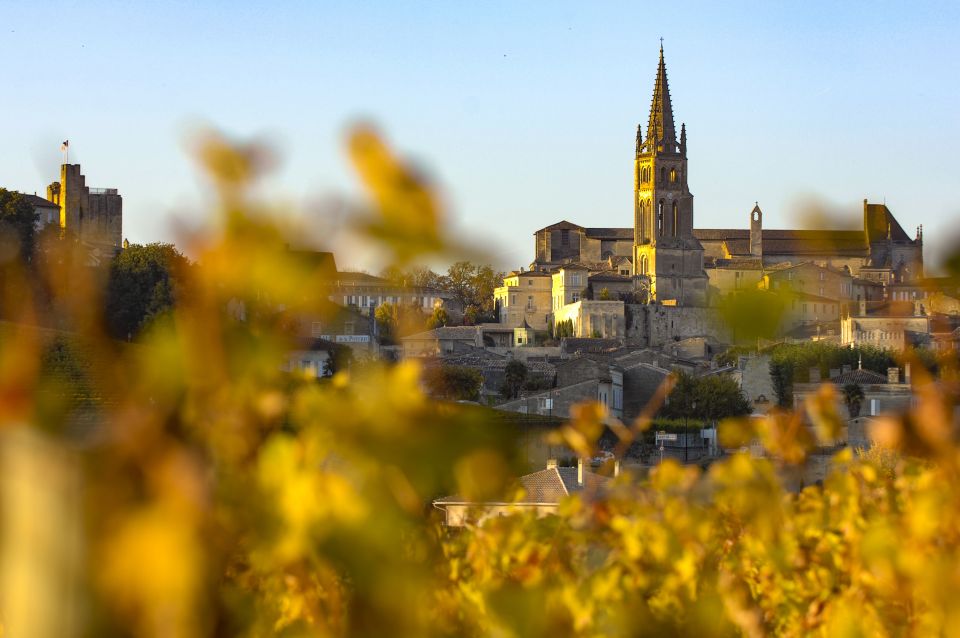
Now for the part that makes this tour more than wine tasting: the St-Émilion village time.
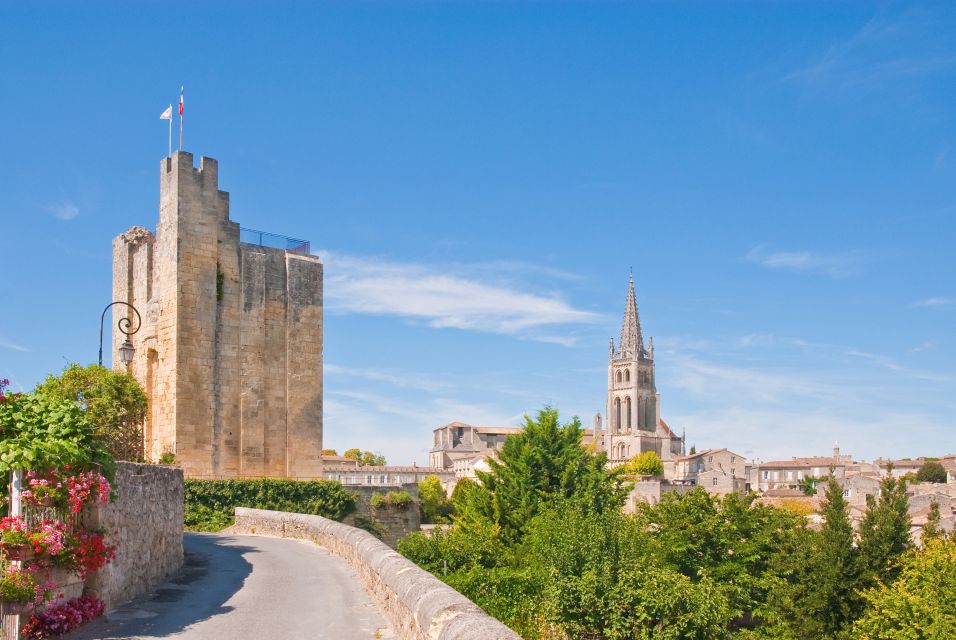
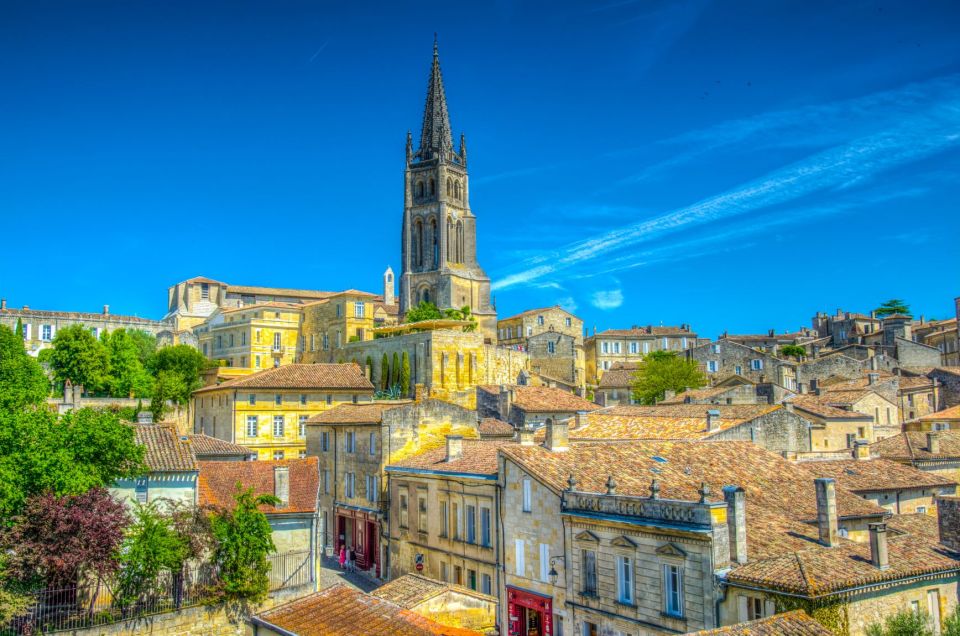
You’ll spend about 2 hours in St-Émilion, including lunch and time for personal discovery. In that block, you’ll also have a guided walking tour of the main village monuments. St-Émilion is a hilltop medieval town, and the guided walk helps you orient quickly—so your free time doesn’t feel like wandering without a plan.
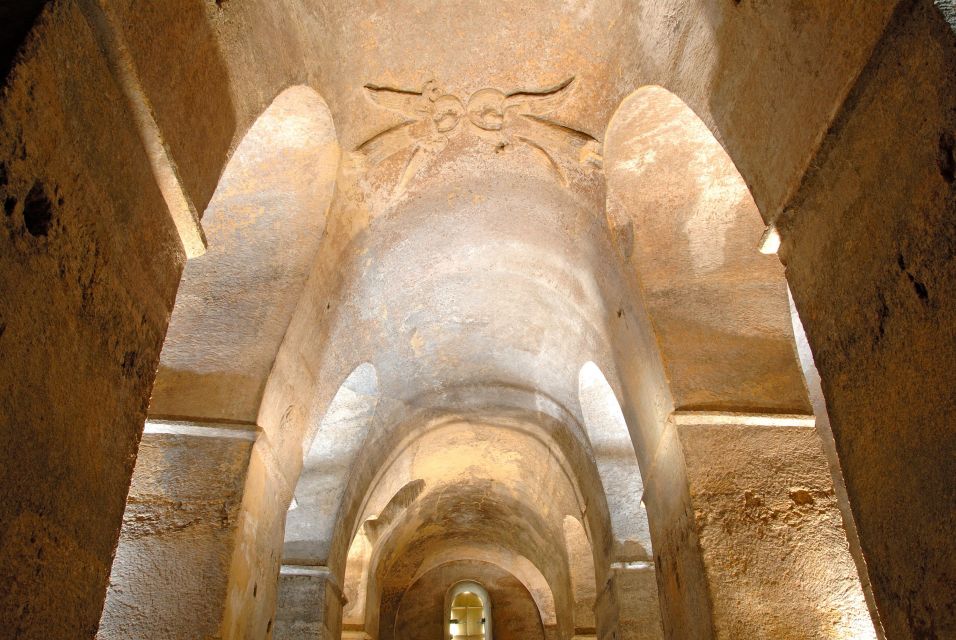
Here’s the bonus: during your free time, you can also visit the underground monuments. The tour’s main info mentions these underground sites as part of what you can discover in your own time. Just know entrance fees to monuments and attractions (including things like underground sites) aren’t included, so plan a little cash.
Two practical tips that make the village portion smoother:
- Wear comfortable shoes. Cobblestones and stairs are common in St-Émilion, and you’ll want your feet to stay happy.
- Think about lunch logistics. Meals and drinks are not included on the tour. Several people reported good lunch choices nearby, including Lard et Bauchon and Table 38 being recommended in the St-Émilion break.
Also note the vibe of the village time: because you’re only there for about two hours, it’s ideal for quick sightseeing plus a relaxed bite—not for museum marathons.
You can also read our reviews of more wine tours in Bordeaux



Winery stop #3: finishing strong with one last taste comparison
After St-Émilion, you’ll re-group and transfer by minivan for about 15 minutes to the third winery. This last stop again includes a 1-hour visit and wine tasting.
This final tasting is where you make sense of the day. By now, you’ve compared multiple chateau approaches, so you can start answering questions like: Which style fits your palate? Which producer matched the aromas you were drawn to earlier? Did the guide’s notes help you taste more confidently, or did the wine do the talking?
In some past experiences, people mentioned the third winery feeling more like a dedicated tasting stop, which makes sense as a closing chapter. It’s also a good time to ask any lingering questions. If you found a varietal or style you liked earlier, this is when you can check what was behind it—vineyard choices, vinification differences, or aging direction.
How the 8 hours really feel: pace, walking, and meal planning
The total duration is listed as 8 hours, and the structure is tight but not chaotic. You get:
- Winery time with tastings at three sites (about 1 hour each)
- Short van transfers between each stop
- A 2-hour St-Émilion break for lunch and exploring
- A guided village walk included inside that block
The most important “real life” planning point: no meals are included, and snacks aren’t typically part of wine tastings (the tour notes that snacks are often avoided to preserve the purity of the wine’s flavor). So treat this like a full day out, not a light tasting. Eat a solid breakfast beforehand, or you’ll likely feel it by the second and third pour.
You’ll also want to bring:
- Passport or ID card
- Comfortable shoes
- A layer (France weather shifts fast, even on days when the tour runs normally rain or shine)
Group size stays small. The tour caps at 8 passengers maximum, which tends to make the guide’s attention easier to share and keeps transitions smoother.
Price and value: is $247 worth it for a Red-Right-Bank day?
At $247 per person for an 8-hour tour, you’re paying for more than the wine. You’re paying for:
- Transportation that removes the driving problem (and the stress)
- A driver/wine guide in English for the whole day
- Visits and tastings at three classified-growth chateaux
- A guided walking tour of St-Émilion’s main monuments
Could you DIY this cheaper with a rental car? Sure, if you’re comfortable with timing, parking, and arranging tastings yourself. But wine touring without a plan can turn into a lot of “waiting and negotiating,” especially in a region where chateaux visits depend on schedules.
The value question really comes down to what you want from the day:
- If you want a structured tasting path plus a guide to interpret what you’re tasting, this price starts to make sense.
- If you only want to sample a couple glasses and wander slowly, you might feel the cost for the amount of time in the countryside.
Because three tastings are included, the tour has a built-in educational payoff. Several guides were singled out for being fun and engaging—Rodolphe, Lea, Mirela, Karim, and others—so you’re also buying that communication layer, not just access.
Who should book this St-Émilion wine tour (and who might not)
This tour fits best if you:
- Like your wine days organized but still social (small group, max 8)
- Want to taste Merlot-driven Right Bank reds with context, not just random pours
- Appreciate time in St-Émilion that includes a guided orientation walk
- Would rather not spend your trip time planning driving and winery logistics
It may not be the best match if you:
- Need wheelchair accessibility (the tour is not wheelchair accessible)
- Travel with kids (it’s adult-only; under 18 isn’t allowed)
- Want private, one-on-one tastings (the tour notes that winery visits and tastings are not private, though they are often for your group)
Also, if underground monuments are a must for you, build in extra time and consider entrance fees since those aren’t included.
Should you book this Bordeaux-to-St-Émilion tour?
I’d book it if you want a high-quality, guided St-Émilion day that gives you three tastings and a real St-Émilion walking experience without dealing with car logistics. The best part is the built-in comparison: tasting across multiple classified chateaux, then using St-Émilion’s village time to reset before the final pour.
Skip it if you’re sensitive to uneven walking, you’re traveling with minors, or you want a long, slow day where lunch and wandering take center stage.
If you’re a first-timer to the Right Bank, this kind of structure is the fastest way to understand what makes the Merlot world here tick—and you’ll still leave with time to enjoy the medieval village streets after you’ve learned how to taste.
FAQ
How many chateaux are visited on this tour?
You visit 3 classified growth chateaux and enjoy wine tastings at each one.
How long is the St-Émilion break?
The St-Émilion portion is about 2 hours, including lunch time and personal discovery.
Is there a walking tour in St-Émilion?
Yes. You get a short walking tour of the St-Émilion village monuments, with your guide.
Are meals included?
No. Meals and drinks aren’t included, and snacks are usually not provided during wine tastings.
What language is the tour guide?
The live tour guide speaks English only.
Is the tour wheelchair accessible?
No. The tour is not wheelchair accessible.
What should I bring?
Bring a passport or ID card and comfortable shoes.
Does the tour run in the rain?
Yes. It operates rain or shine.
Where do I meet the tour?
You meet in front of the central Bordeaux tourism office at 12 cours du 30 Juillet, 33000 Bordeaux.