REVIEW · PARIS
Paris: Guided tour of Marais in German
Book on GetYourGuide →Operated by HelpTourists · Bookable on GetYourGuide
Marais has a way of surprising you. In this 2-hour German guided walk, I like how the guide turns the Jewish Quarter into a clear story you can actually follow while you stroll. You get Jewish life context, then quick landmark hits around Paris City Hall and the Centre Pompidou area, all without feeling rushed.
I especially enjoyed the focus on 16th and 17th century city palaces and the big-picture architecture of the quarter. Stops like Place des Vosges (Paris’s oldest square) help you see why Marais looks so polished and why so many older buildings still stand.
One thing to consider: it’s $94 per person for a private group for just 2 hours, and entrance tickets and food are not included. If you’re hoping for lots of museum time inside, you’ll want to plan for that extra cost.
In This Review
- Key highlights at a glance
- Where you start matters: Hôtel de Ville and Basket4Ballers (31 Rue de Rivoli)
- Centre Pompidou and Paris City Hall: modern icons with a purpose
- Place des Vosges: the oldest square that teaches you how Marais was designed
- Musée Carnavalet: the museum zone that puts the neighborhood into context
- Rue des Rosiers: Jewish life in the most famous street of the quarter
- How the Marais stayed architectural: palaces from the 1500s and 1600s
- The last traces of medieval Paris: how the ending feels different
- Price and pacing: is $94 per person good value?
- Who this tour suits best (and who should skip it)
- What to do before and after your walk
- Should you book this Marais (Jewish Quarter) guided tour in German?
- FAQ
- What language is the tour guide?
- How long is the tour?
- Is this a private tour?
- Where do I meet the guide?
- What’s included in the price?
- Are entrance tickets or food included?
- Can children join?
Key highlights at a glance
- German-language live guide so the history lands fast and questions get answered
- Rue des Rosiers and the feel of Jewish life in the Marais
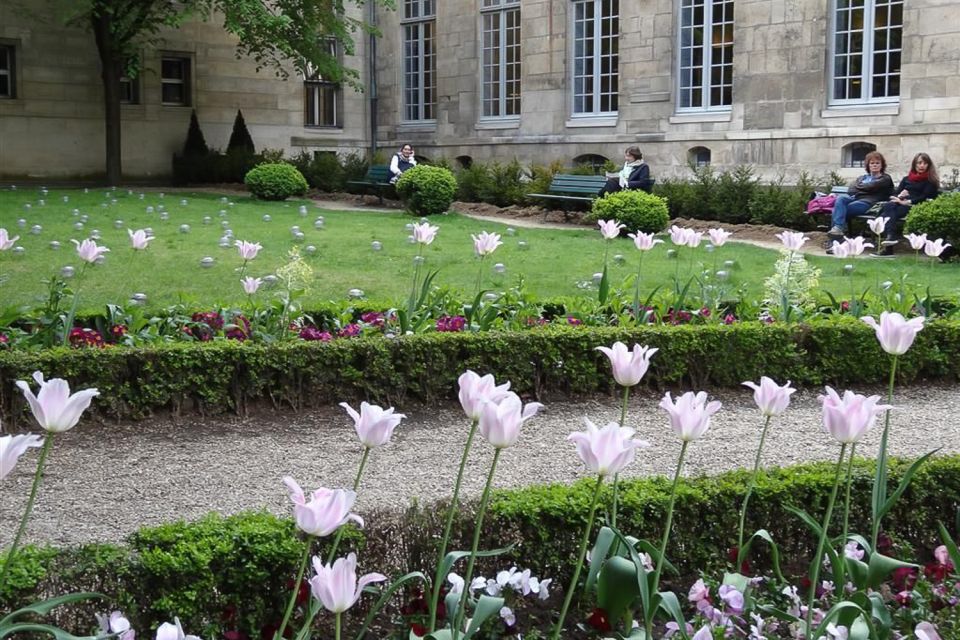
- Place des Vosges with Paris’s oldest-square architecture and grand surroundings
- Centre Pompidou and Hôtel de Ville as major waypoints that frame the walk
- Well-kept city palaces from the 1500s and 1600s, plus sightings of the oldest city palace on the route
- A wrap-up that includes the last traces of medieval Paris
Where you start matters: Hôtel de Ville and Basket4Ballers (31 Rue de Rivoli)
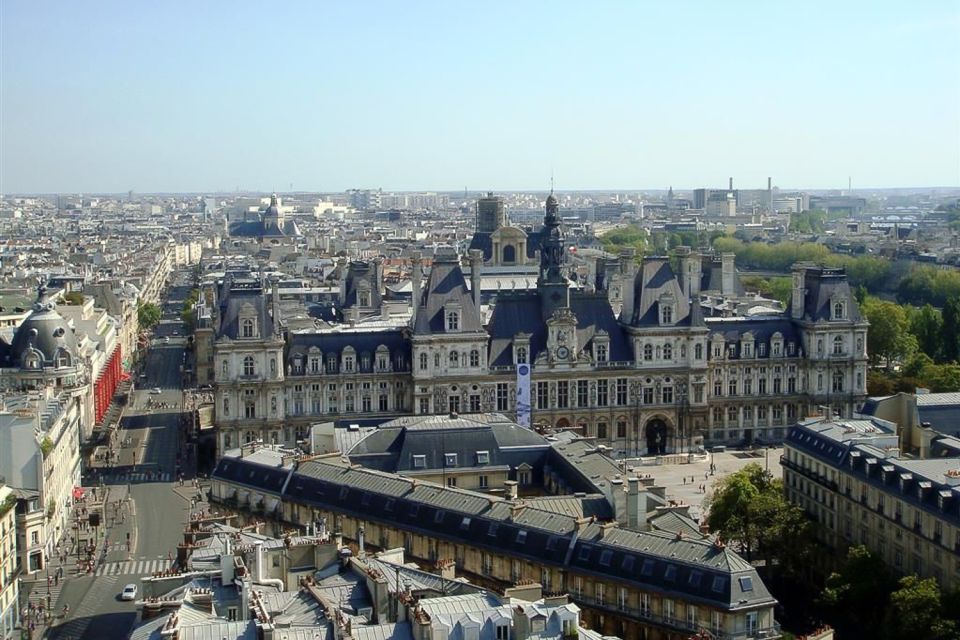
Your tour begins in the right place for getting oriented quickly: right at Hôtel de Ville, in front of the store Basket4Ballers on 31 Rue de Rivoli. That’s a smart starting point because it puts you at the center of government-land Paris, not at some far-flung side street where you can’t read the city around you.
From there, you’re set up to walk into the Marais with momentum. You’ll spend the next couple hours learning what you’re seeing, rather than just moving from photo spot to photo spot. It’s also easy to match your schedule: because the tour is only 2 hours, it works well as a first or second-day activity.
If you like having a clear plan but still want freedom after, this kind of start helps. You get a route in your head, and then you can wander on your own later without feeling lost.
You can also read our reviews of more guided tours in Paris



Centre Pompidou and Paris City Hall: modern icons with a purpose
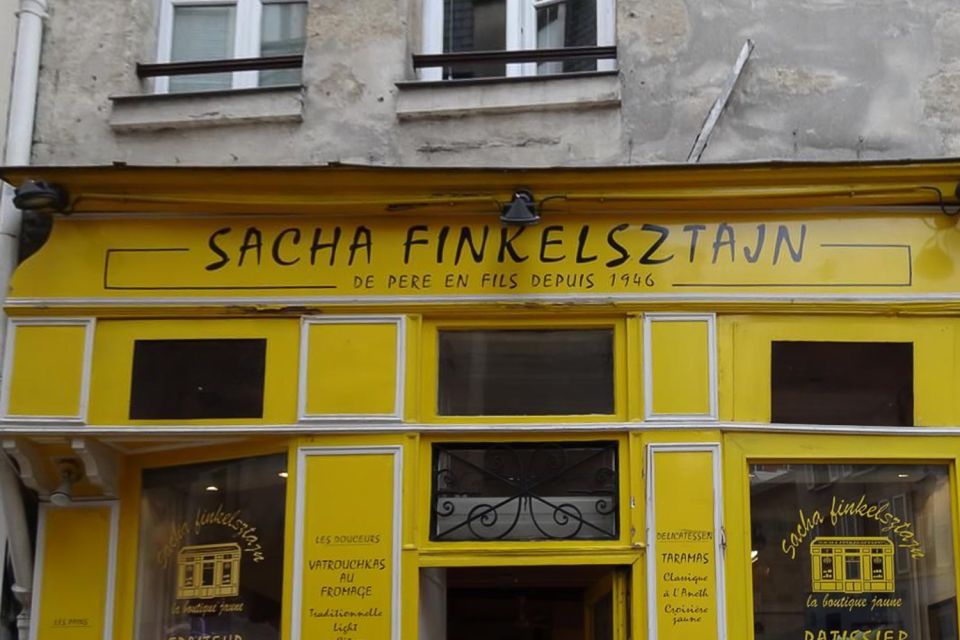
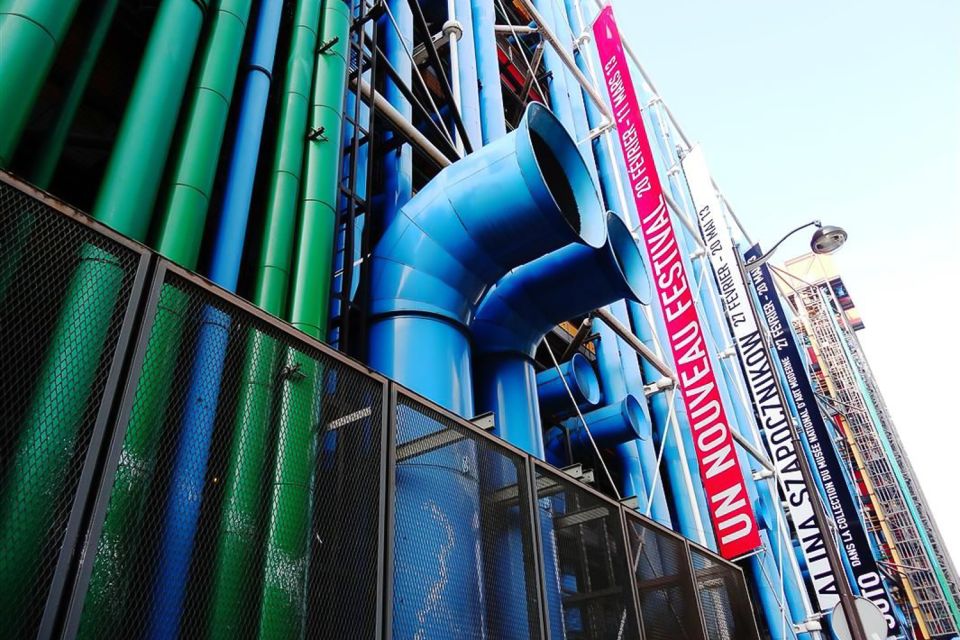
The early stops include Centre Pompidou and Paris City Hall. Even if you’re not going inside, these landmarks are useful because they anchor the walk. The Marais is old, detailed, and easy to get wrapped up in. Starting with big, recognizable points of reference helps you keep the story straight.
Here’s what I think you’ll like about this combination: the tour doesn’t treat the Marais as a frozen museum. It treats it like part of current Paris, where old architecture and modern civic life share the same streets. You’ll learn how the Jewish Quarter fits into the wider city map—so later, when you see the Pompidou area or Hôtel de Ville again, you’ll understand why it feels like the city’s nerve center.
Another plus: the “landmark-first” approach makes the walk easier if you’re short on time. In 2 hours, you still get the wow factor, without needing a full day.
Place des Vosges: the oldest square that teaches you how Marais was designed
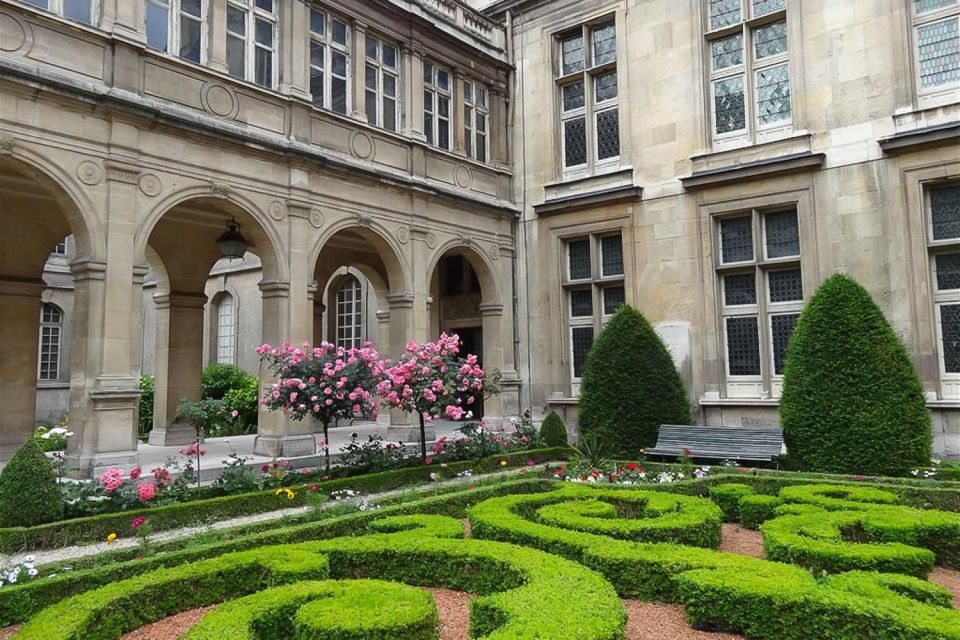
Place des Vosges is one of those spaces where you can feel the order of the city. It’s also Paris’s oldest square, and that matters because it changes how you look at the surrounding facades. Instead of seeing pretty buildings, you start seeing planning.
This stop comes with a guided explanation, so you’re not just admiring symmetry from the sidewalk. The key value is learning what makes the square historically significant—why its design is still readable today, and how that design relates to the broader evolution of the Marais.
Also, think about timing. A square is the kind of place where pauses work. Even on a compact tour, it gives your guide a place to slow down for photos, short explanations, and small orientation moments before you move into the denser streets.
Musée Carnavalet: the museum zone that puts the neighborhood into context
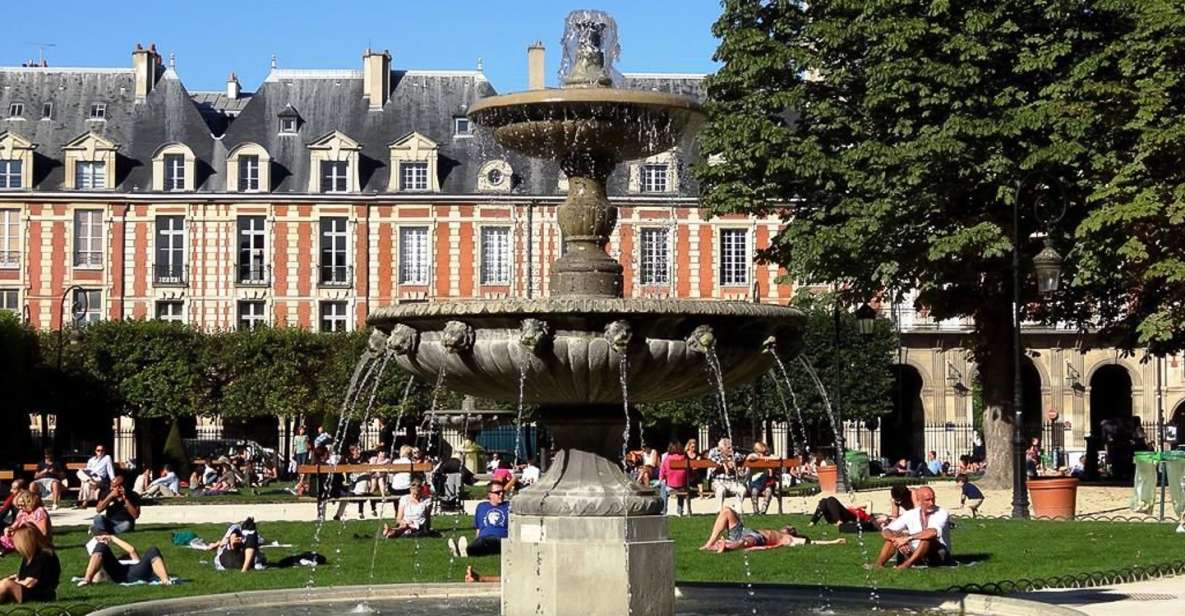
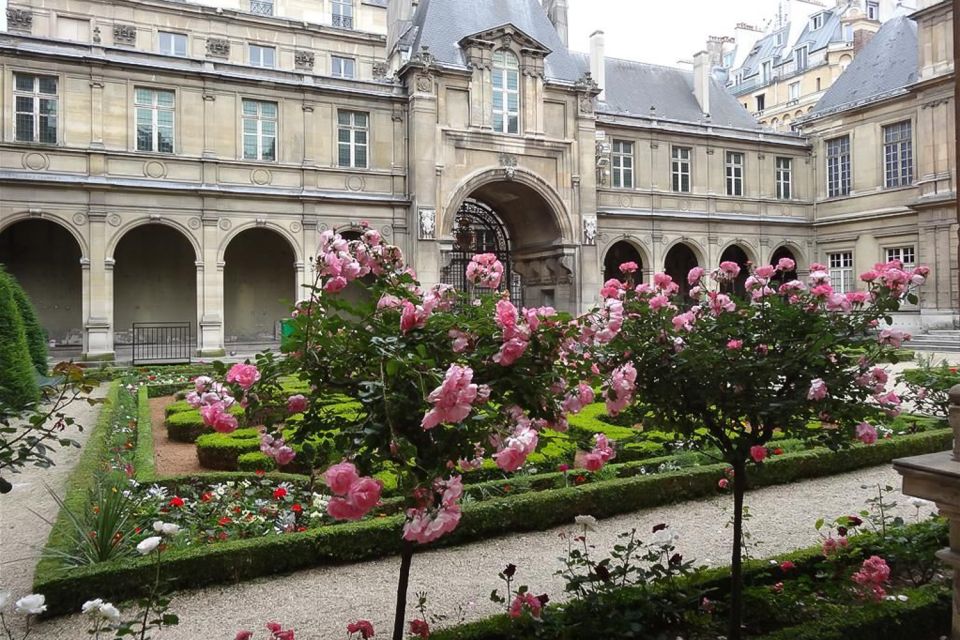
You’ll also be guided around the Musée Carnavalet area. This is the kind of stop that helps you connect neighborhood-level views with the bigger narrative of Paris.
One practical note: entrance tickets aren’t included. So if you want to go inside and spend time in galleries, you’ll need to budget for tickets separately. If you’re not planning on museum time, the value here is still strong. Your guide can point you to what you should look for, and you’ll leave with a sharper sense of what the Marais means historically.
In short, this stop is for people who like to understand what they’re standing in front of. If you prefer only outdoor walking and street-level atmosphere, you can still enjoy it—just know museum entry isn’t guaranteed.
Rue des Rosiers: Jewish life in the most famous street of the quarter
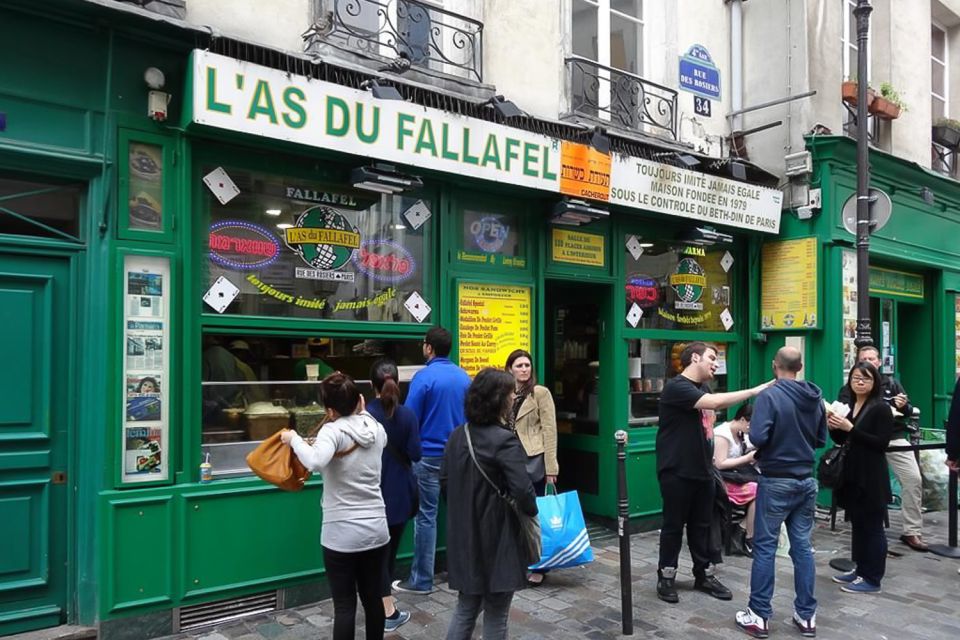
One of the biggest highlights is Rue des Rosiers, known for its central role in Jewish life in the Marais. This is where the tour shifts from architecture to people, from facades to community.
What I like about this portion is the way it’s handled as more than a quick sightseeing photo stop. The tour frames the street as part of the quarter’s identity, so you get the feeling of why this part of Paris has long been a magnet for Jewish culture and daily life.
You also learn the local “why” behind what you see: the neighborhood history, and the reason so much of the area still holds older architectural character. That’s key. Without that context, the street can feel like just another busy street with shops. With context, it becomes a lived-in slice of Paris history.
If you care about cultural history as much as buildings, this is likely your favorite section of the tour.






How the Marais stayed architectural: palaces from the 1500s and 1600s
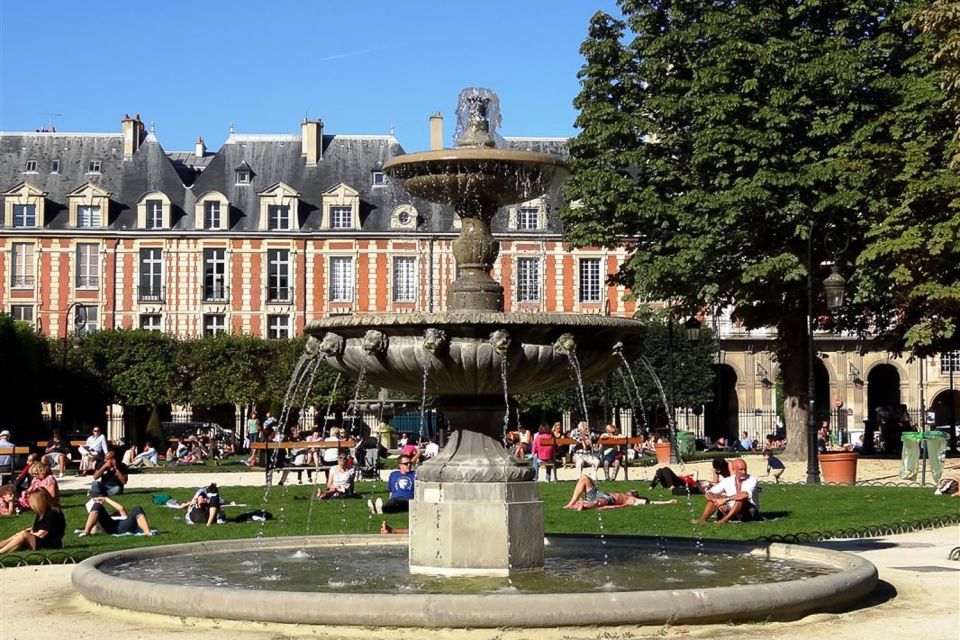
The tour shines on city palaces from the 16th and 17th centuries. That’s not a random fact—this is the Marais’s visual signature. And once you learn what to look for, you start seeing it everywhere.
Here’s what you’ll probably notice as you walk:
- The facades feel “kept,” not rebuilt into modern uniformity.
- The buildings show off older design choices that are still readable at street level.
- The neighborhood’s history explains why these structures survived.
The tour also points out that the Marais used to be former swampland on the outskirts of the city. That one detail changes how you view the whole quarter. It turns the area from just pretty to believable: you understand that land use, growth, and planning shaped the kind of neighborhood Paris became.
Your guide also highlights the oldest city palace on the route and references the broader pattern of historic urban design. Even if you’re not an architecture nerd, you’ll come away with a better eye for how older cities grow.
The last traces of medieval Paris: how the ending feels different
The tour ends with the last traces of medieval Paris. That final section is useful because it prevents the walk from becoming purely “early modern palaces, check, check.” Paris didn’t flip from medieval to modern in one day. You’ll see hints of what earlier urban life was like.
This matters because medieval traces in a city like Paris aren’t always dramatic. Often they show up as street layouts, old corners, or lingering building shapes. A guided approach helps you notice these details without needing expert training yourself.
You’ll finish back near the meeting point at 31 Rue de Rivoli, so you’re not dealing with a confusing “end somewhere else” situation. That makes it easy to continue your day—grab food nearby, walk somewhere new, or connect to other plans without stress.
Price and pacing: is $94 per person good value?
At $94 per person for a 2-hour private walk, you’re paying for three things: a live guide, a private group setting (your group only), and a focused route that packs in several major landmarks and neighborhood identity.
Compared with larger group tours, you’re paying a bit more for control. That control shows up in two ways:
- You can ask questions without waiting for a group to regroup.
- The guide can adjust pacing for your interests—history, architecture, Jewish Quarter context, or just better street-level orientation.
This tour also notes that children under 12 participate for free, which can make it a better deal for families than you might expect. It’s a good option when you want something educational but still short and walkable.
The main downside is the same with many guided urban walks: entrance tickets and food aren’t included. If you’re hoping to spend time inside every major building, your total cost can rise.
But if your goal is smart guidance, good context, and a route you can build on afterward, the price is easier to justify.
Who this tour suits best (and who should skip it)
This is a strong match if you want:
- A German guide and you value understanding details in your language
- A compact walk that connects Jewish Quarter identity with major Paris landmarks
- Focus on architecture, especially 16th–17th century city palaces
- A route you can use as a base for your own wandering later
It may be less ideal if:
- You want long museum time. The tour includes stops connected to major institutions, but tickets aren’t included, so plan accordingly.
- You prefer a totally independent experience with zero guiding. This is built for interpretation, not just walking.
What to do before and after your walk
To get the most out of it, keep your day simple. Wear comfortable shoes. Bring water. If you’re hungry afterward, plan a nearby meal because food isn’t included.
After the tour, you’ll likely want to slow down and look at the neighborhood on your own. That’s the quiet payoff of a guided walk like this: you start seeing the Marais like a place with layers, not just a list of sights.
If you’re also exploring other parts of Paris, use the knowledge you gain here to spot connections fast. Centre Pompidou and Hôtel de Ville stop being random landmarks. They become anchors for understanding how the city organizes itself around older neighborhoods.
Should you book this Marais (Jewish Quarter) guided tour in German?
If you’re doing the Marais anyway, booking this tour is a smart way to avoid superficial sightseeing. The mix of Jewish Quarter context, Rue des Rosiers, major public landmarks, and the standout architecture of 16th–17th century palaces gives you a lot of payoff for a short time.
The decision comes down to your priorities. If you want a guided story in German and you like learning what you’re looking at while you walk, this is a great fit. If you want lots of indoor museum time, budget for entrance tickets on your own. Either way, you’ll leave with a clearer map of Marais—and a better eye for why it still looks the way it does.
FAQ
What language is the tour guide?
The live tour guide speaks German.
How long is the tour?
The tour lasts 2 hours.
Is this a private tour?
Yes. It’s a private group tour for your group only. The price is quoted per person.
Where do I meet the guide?
Meet at Hôtel de Ville, in front of the store Basket4Ballers, 31 Rue de Rivoli.
What’s included in the price?
The price includes a private guided tour.
Are entrance tickets or food included?
No. Entrance tickets and food and drinks are not included.
Can children join?
Yes. Children under 12 can participate free of charge.