REVIEW · STRASBOURG
Explore Strasbourg in 60 minutes with a Local
Book on Viator →Operated by LocalBini - The go-to platform for Experiences by Locals in Europe · Bookable on Viator
Strasbourg in 60 minutes feels like a shortcut. You get a local-led walk through the historic core, with real context from medieval-era power to modern-day culture. I especially love how the guide turns big monuments into understandable stories, and how you leave with useful restaurant and bar recommendations. One drawback: it is still a walking tour, so it may not feel great if you have mobility limits or you want to linger at every stop.
This is the kind of tour where the guide matters, and the vibe is human. I like that different guides stand out for different strengths, like Benoit’s patient explanations, Rebecca’s easygoing pace, and Mathieu’s interactive humor. Either way, you finish by the Ponts Couverts area, with enough orientation to keep exploring on your own.
In This Review
- Key Things You’ll Notice on This Strasbourg Walk
- A 60–90 Minute Strasbourg Loop That Actually Fits Your Day
- Where You Start at Pl. de la République (And Where It Ends)
- Strasbourg Cathedral: Gothic Facade Details and Stained Glass Power
- The Historic Dam Stop: Terrace Views Over Petite-France
- Opulent Opera House: Culture in a Beautiful Package
- Historic Square by Cathedral and Palais Rohan
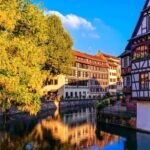
- Petite France Stroll: Half-Timbered Charm and Waterway Calm
- Food and Bar Tips That Actually Help You Plan
- Small-Group Comfort: How Up to 8 Changes Everything
- Price and Value: What You Get for About $60
- Weather, Tickets, and the Walking Reality Check
- Should You Book This Strasbourg Walk with a Local?
- FAQ
- How long is the Strasbourg tour?
- What group size is this tour?
- Where does the tour start and end?
- Is the tour offered in English?
- Are entrance tickets included for museums or monuments?
- Can I get a full refund if I cancel?
- Is this tour suitable for people with impaired mobility?
Key Things You’ll Notice on This Strasbourg Walk
- Small-group feel: up to 8 people, designed to stay intimate
- A fast history timeline: from medieval Strasbourg through contemporary life
- Photo-worthy variety: cathedral, terrace views, an opulent opera house, and Petite France waterways
- Practical insider tips: where to eat and what to try nearby
- Adapted timing: the route flexes to your interests and walking pace
- Weather-aware planning: stops may shift depending on conditions
A 60–90 Minute Strasbourg Loop That Actually Fits Your Day
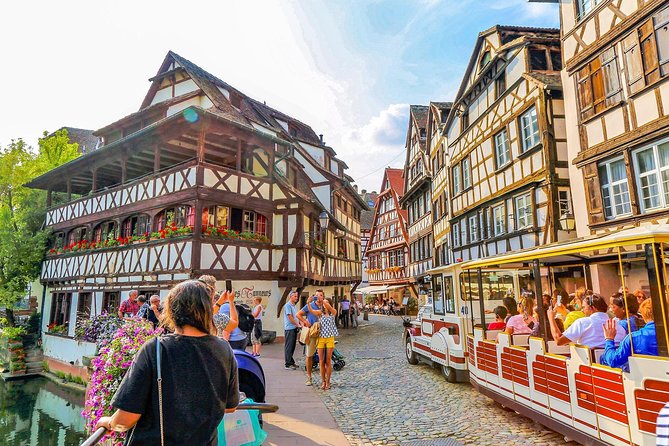
This tour is built for people who want the core of Strasbourg without spending half a day getting oriented. It runs about 1 hour to 1 hour 30 minutes, so it works well if you are doing a short city visit, arriving late, or planning to hit the Christmas markets afterward. You move at a walking pace that the guide adjusts, so you should not feel like you are being dragged along.
What you really pay for is the translation layer. Strasbourg can feel like a beautiful maze of stone, canals, and half-timbered streets, and a local helps you connect what you see to why it mattered. That turns a basic sightseeing loop into a story you can remember.
The small-group size also matters. With up to 8 travelers, conversations are easier, and you get time to ask questions instead of just listening while stepping around strangers.
A few more Strasbourg tours and experiences worth a look


Where You Start at Pl. de la République (And Where It Ends)
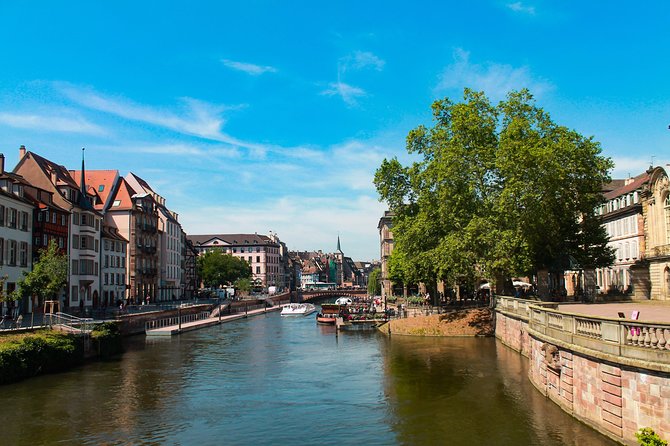
The meeting point is Monument aux morts de Strasbourg on Pl. de la République, in the 67000 area. If you like starting points that are easy to reach, you will appreciate that it is near public transportation. You also get a mobile ticket, which keeps things simple on the day of the walk.
The tour ends at Ponts Couverts de Strasbourg. Ending near this iconic bridge-and-canal zone is smart, because you naturally drift into more wandering afterward. In other words, the tour gives you a finish line, but it does not trap you inside a schedule.
If you have a tight itinerary, this layout is handy: you get your guided overview first, then you can decide how much time to spend in Petite France, the cathedral area, or the squares nearby.
Strasbourg Cathedral: Gothic Facade Details and Stained Glass Power
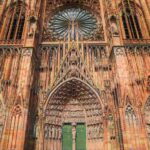
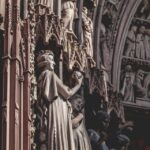
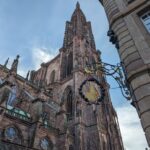
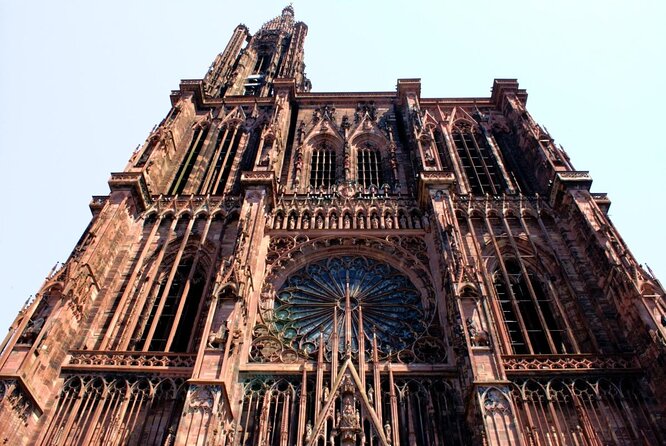
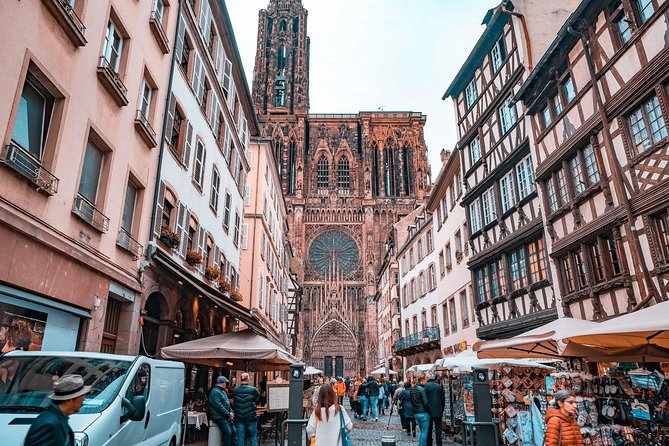
The walk’s first big architectural hit is the towering Strasbourg cathedral, known for its intricate facade and stunning stained glass. Even if you have seen other Gothic churches, this one is worth your full attention because the design rewards close looking. The guide’s job here is to point out what you might otherwise miss, and to explain the why behind the awe.
Look for how the building dominates the surrounding streets and squares. That visual “gravity” is not just pretty; it reflects how medieval Strasbourg organized its identity around religion and civic pride. When the guide connects the architecture to that mindset, the cathedral stops being only a photo stop.
A practical note: this is one of those places where you may want a few extra minutes if you enjoy details. The tour is short, so you will get the essentials, but you might leave wanting to come back for a deeper look. If you have that itch, you are in good company.
The Historic Dam Stop: Terrace Views Over Petite-France
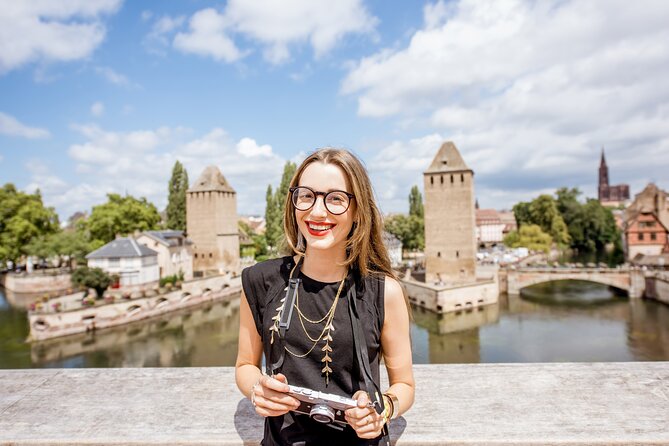
Next comes a very Strasbourg-specific moment: a historic dam with panoramic terrace views over Petite-France. This is not just scenic; it is tied to the city’s defensive role in the past. When a guide explains how waterworks and fortifications shaped daily life, the canals start to feel like infrastructure, not just atmosphere.
What I like about this stop is the viewpoint payoff. You get an elevated perspective that makes the area’s geography click: the flow of waterways, the layout of old neighborhoods, and why certain areas gained importance. It is a viewpoint you can often use later when you go exploring on your own.
If the weather is clear, this is a top moment for photos. If it is rainy, the terrace experience may feel less comfortable, but the guide can adapt the pacing and timing to keep it manageable.
Opulent Opera House: Culture in a Beautiful Package
Then you shift from medieval gravity to modern cultural identity at an opulent opera house—a major hub for performances. This stop works because it shows that Strasbourg’s “past to present” story is not only about old stones. It is also about how the city continues to invest in music, arts, and public life.
When I tour architecture, I like stops where the building tells you something about the people who built it. An opera house does that fast. It signals civic ambition and a kind of public confidence—an idea of culture as a shared experience, not a private luxury.
You will likely get a quick framework for what to notice visually, and then the guide ties it back to Strasbourg’s broader evolution. In a short walk, that kind of connective tissue is exactly what you want.



Historic Square by Cathedral and Palais Rohan
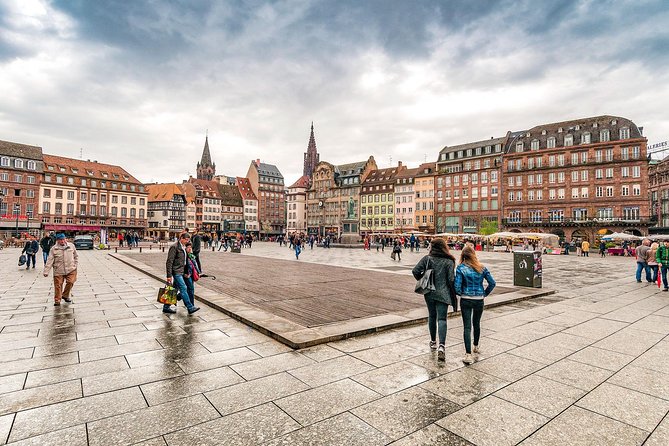
After that, you head to a historic square flanked by the cathedral and Palais Rohan. This is a “regal heritage snapshot” stop, and it is a smart one for a first visit. Squares like this are where old European cities stage power, ceremony, and public identity all at once.
If you have ever wondered why certain buildings feel like they belong together, a square like this helps answer it. The guide’s explanation should help you understand how the cathedral and Palais Rohan interact spatially and historically—who needed what, and how the city shaped itself around those roles.
This is also a nice pause point in the walk. Even if you want to keep moving, you can stand back and take in the composition. It helps you realize Strasbourg is organized, not random.
Petite France Stroll: Half-Timbered Charm and Waterway Calm
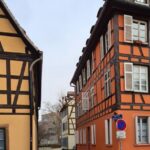
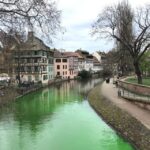
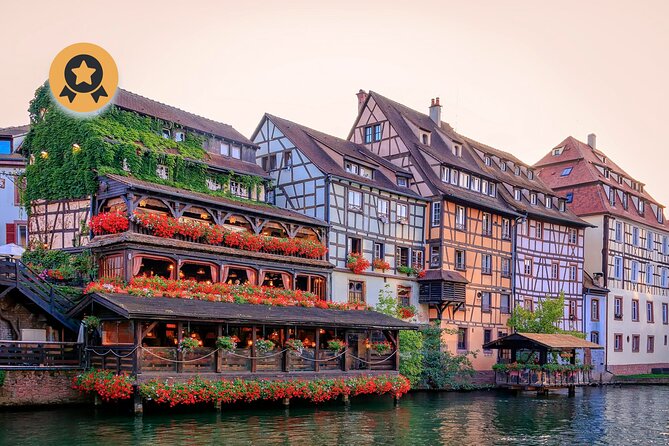
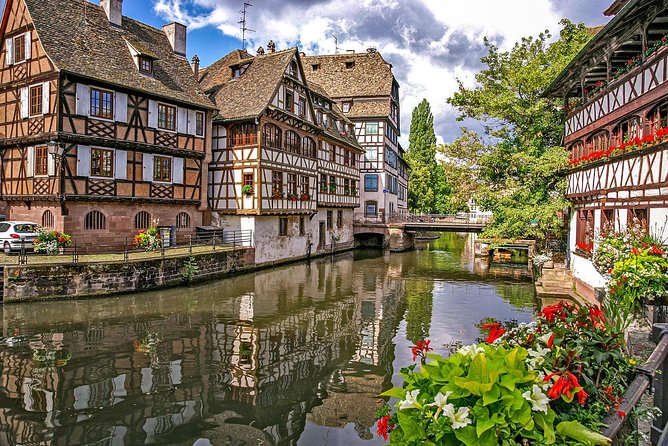
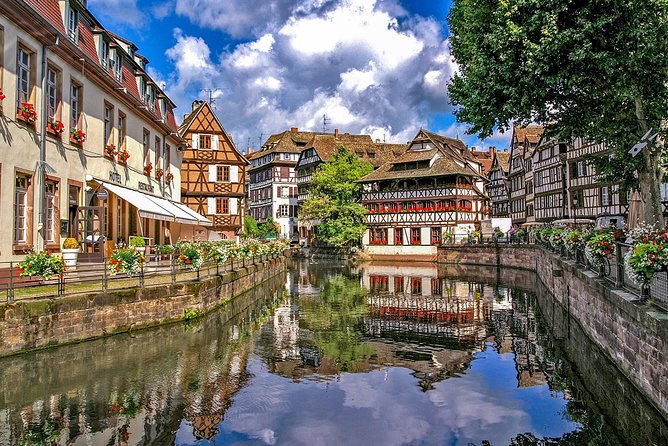
The final “wow” zone is a picturesque district famous for half-timbered houses and serene waterways—the classic Alsatian feel people come to see. In this part of the walk, the guide’s value is in context. You are not just seeing charming buildings; you are seeing how the city’s layout, water, and architecture created a specific kind of neighborhood life.
The waterways are the big clue. They help you understand why certain streets feel sheltered and why the district looks the way it does. Half-timbered facades add texture and a human scale that you do not get in every historic city center.
This is also where you start imagining your next steps. Once the tour has shown you the core layout, you can decide how much time to spend around the canals after the official walk ends at Ponts Couverts.
Food and Bar Tips That Actually Help You Plan
One of the biggest reasons this tour gets high marks is that it is not only about monuments. You also get personalized recommendations—practical guidance on places to eat, plus local tips that help you navigate Strasbourg beyond the usual checklist.
I like this because it saves you from the common trap: spending hours searching on your phone while hungry and tired. In a city like Strasbourg, the difference between a good meal and a rushed meal often comes down to timing and neighborhood choice. A local guide can steer you toward options that fit your day.
You should treat these recommendations as starting points, not rigid instructions. If you enjoy trying different neighborhoods, ask what is best for lunch versus dinner, and what areas feel lively versus calmer. That is usually where the guide’s personalization really shows.
Small-Group Comfort: How Up to 8 Changes Everything
A walk capped at up to 8 travelers keeps the experience conversational. You can hear the guide, ask follow-up questions, and actually move as a group without feeling stuck behind a crowd. This matters more than people expect, especially in tight historic streets.
The tour is also designed to adapt to your interests and walking pace. That means if you care more about architecture, you can steer the conversation that way. If you want the quick version of the story, you can keep things moving. It is not a rigid lecture.
English is offered, and that is a big deal when you are learning history and architecture. You want clear explanations, not simplified fluff. Based on the guide styles you might encounter, the tour seems built for real communication, with warmth and patience when people move at different speeds.
Price and Value: What You Get for About $60
At $60.34 per person, this is not the cheapest way to walk Strasbourg. But it can be good value if you treat it as an orientation tool plus a local planning shortcut. You are paying for time-saving context, a curated sequence of “must-see plus must-understand,” and recommendations you can use immediately.
For a city break where you might only have a day, a guided walk often beats guessing. You do not have to wonder what you are looking at, or why it is important. You also avoid the time-sink of trying to map a self-guided route that hits the cathedral, the opera area, and Petite France without wasting energy.
If you have a full day and you love independent roaming, you could DIY it. But if you want to reduce effort and boost understanding, this price can feel reasonable for the output you get in a short window.
Weather, Tickets, and the Walking Reality Check
A few practical things to know before you go:
- Stops may vary with weather. In rain or strong wind, you might not get the exact same flow, but the guide should keep the experience workable.
- Entry tickets are not included for museums and monuments, and public transport entry tickets are not included either. If you want to go inside any landmark, you will need to plan those separately.
- Not recommended for guests with impaired mobility. This is a walking tour with uneven historic streets, so take that seriously.
On the positive side, it is near public transportation, and service animals are allowed. So for many people, logistics are straightforward.
Should You Book This Strasbourg Walk with a Local?
If you want to see the highlights and learn what they mean, this is a strong choice. I especially like it for first-timers because it stitches together Strasbourg’s story in a way that you can carry into your own wandering afterward. The combination of iconic stops plus food tips is the key advantage, and the short time window makes it easy to fit into real travel plans.
Book it if:
- you have limited time and want a tight overview
- you enjoy architecture and want the “why,” not just the “where”
- you like getting restaurant ideas before hunger hits
Skip it if:
- you want a slow, long, sit-down tour with lots of museum time
- walking is a struggle for you
- you only want to take photos and do not care about history or context
If you are arriving at Strasbourg with a half-day and a big appetite for understanding, this is the kind of tour that helps you start exploring with confidence.
FAQ
How long is the Strasbourg tour?
It typically lasts 1 hour to 1 hour 30 minutes.
What group size is this tour?
The tour is capped at a maximum of 8 travelers.
Where does the tour start and end?
It starts at Monument aux morts de Strasbourg, Pl. de la République, 67000 Strasbourg and ends at Ponts Couverts de Strasbourg (Ponts Couverts), 67000 Strasbourg.
Is the tour offered in English?
Yes, the tour is offered in English.
Are entrance tickets included for museums or monuments?
No. Entry tickets for public transportation, museums, and monuments are not included.
Can I get a full refund if I cancel?
Yes. You can cancel up to 24 hours in advance for a full refund.
Is this tour suitable for people with impaired mobility?
No. It is not recommended for guests with impaired mobility.