REVIEW · STRASBOURG
Strasbourg: Walking Tour with a Local Guide
Book on GetYourGuide →Operated by UTG EXPERIENCE · Bookable on GetYourGuide
One-square-kilometer magic starts here. In just 2 hours, this Strasbourg Cathedral-and-Petite-France walk gives you fast city context, great photo guidance, and a human sense of how people lived here.
I especially love how the route combines big landmarks with small street moments, so you get both the headline sights and the corners you’d miss on your own.
I also like that your guide doesn’t just point things out; they share stories plus practical ideas for what to do next, including where to eat and explore.
The main thing to consider is language. The tour runs in German and English, and it can be multi-lingual, so you may spend portions listening to more than one language depending on the group.
In This Review
- Highlights You’ll Actually Notice on the Walk
- Getting Oriented Fast on Grande Île
- Strasbourg Cathedral: Photos, Details, and Why It Matters
- Petite France Canals and Color: The Part That Feels Like a Movie
- Place Gutenberg and the Printing Press Connection
- Tanners’ Quarter: Cozy Stops and a More Everyday Strasbourg
- Place Kléber and Jean-Baptiste Kléber
- How the 2-Hour Format Works (And How to Get the Best Out of It)
- Price and Value: What $28 Buys You in Real Life
- Who This Tour Fits Best
- What to Bring so the Walk Feels Easy
- Should You Book This Strasbourg Walking Tour?
- FAQ
- How long is the Strasbourg walking tour?
- Where do I meet the guide?
- What languages are available?
- Is the Strasbourg Cathedral entrance included?
- Is food or drinks included in the price?
- Is the tour wheelchair accessible?
- Can I cancel for a full refund?
Highlights You’ll Actually Notice on the Walk
- Strasbourg Cathedral exterior focus with close-looking details and photo tips
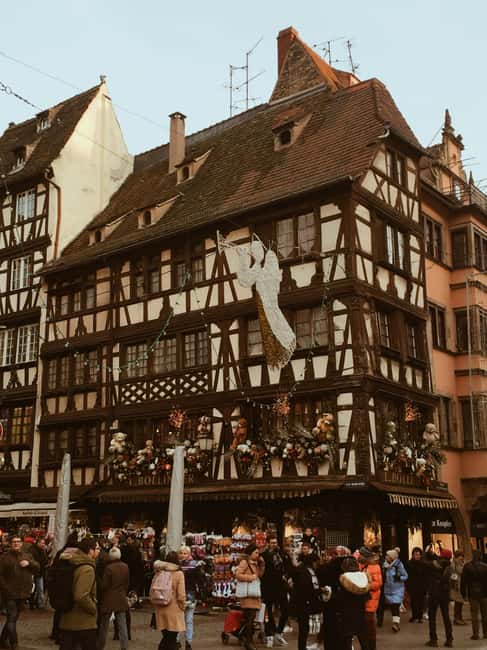
- Petite France canals, bridges, and colorful historic houses in a small, walkable area
- Place Gutenberg and the printing press story that shaped the city’s identity
- Tanners’ Quarter atmosphere for that lived-in Strasbourg feeling (restaurants and bars nearby)
- Place Kléber plus a French Revolution connection through Jean-Baptiste Kléber
Getting Oriented Fast on Grande Île
Start at Place Gutenberg (67000 Strasbourg). It’s easy to find once you’re there: meet your guide in the square near the statue and the tree, and look for a blue UTG Experience badge.
In two hours, the goal is simple: you should finish the walk knowing where the “important stuff” sits on the historic Grande Île (the UNESCO heart of Strasbourg) and how the city connects across canals and streets. Even if you’ve never visited before, this kind of guided pacing helps you stop feeling lost and start moving with confidence.
Because it’s a walking tour, wear comfortable shoes and bring a camera. You’ll be outdoors for most of it, and the best photos depend on being able to linger for a few seconds at each viewpoint.
You can also read our reviews of more walking tours in Strasbourg


Strasbourg Cathedral: Photos, Details, and Why It Matters
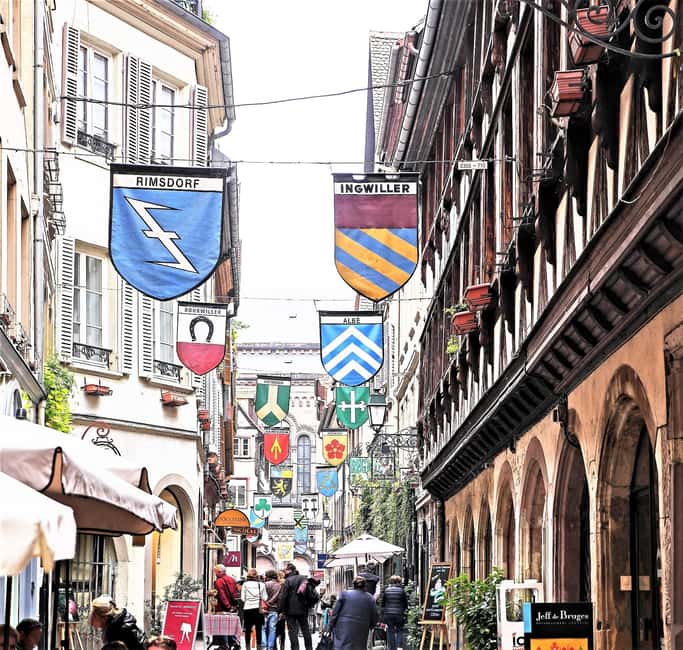
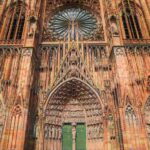
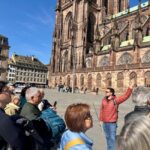
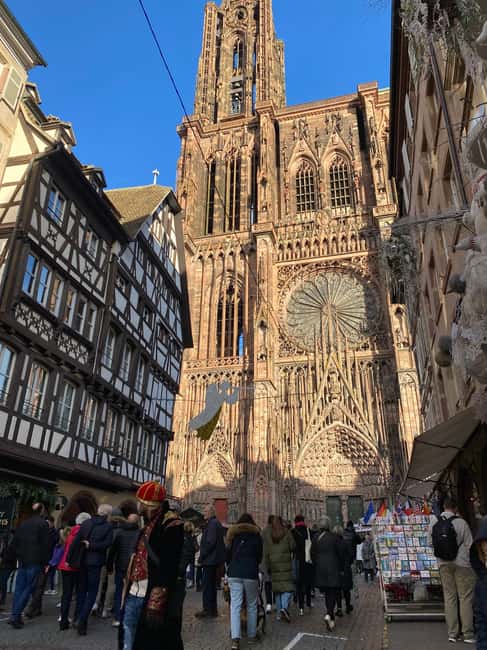
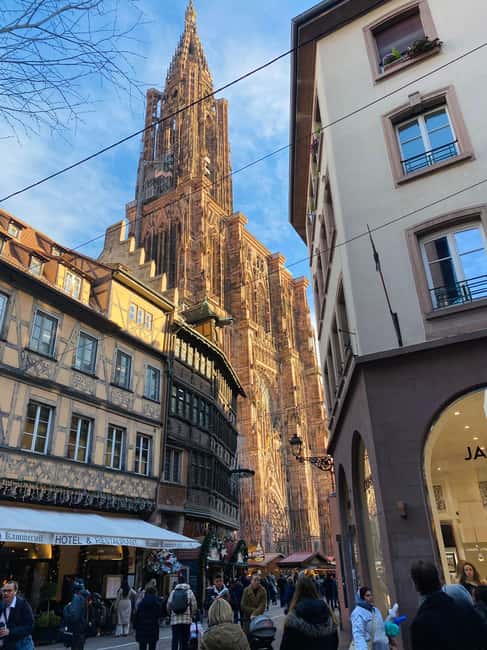
Your first big moment is the Strasbourg Cathedral. Even from outside, it’s the type of landmark that makes you slow down. Your guide will give you facts that help the building “click” rather than just impress you.
You’ll get a closer look at decorative elements and learn what to notice—think angles, ornament placement, and the features that people often overlook when they only snap a quick wide shot. This is where having a guide who gives photo advice pays off: you’re not guessing where the best angle is, and you’re not wasting time testing spots that don’t work with the view you want.
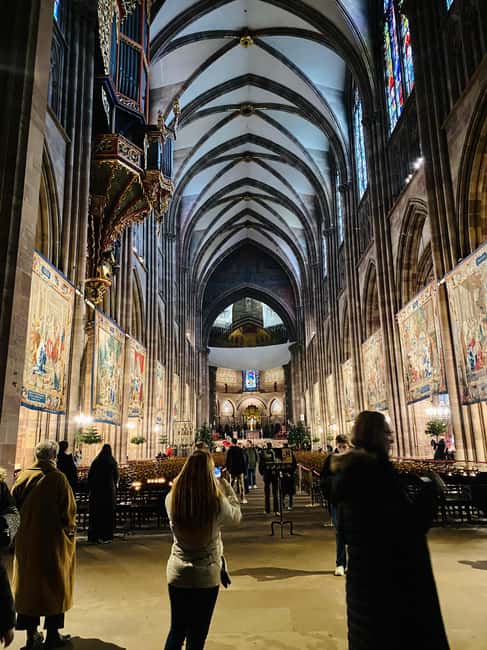
One practical note: cathedral entry tickets aren’t included, so you’ll mostly experience the church from the outside during the walk. If you’re hoping to go inside, plan for that separately based on your own schedule and ticket needs.
Petite France Canals and Color: The Part That Feels Like a Movie
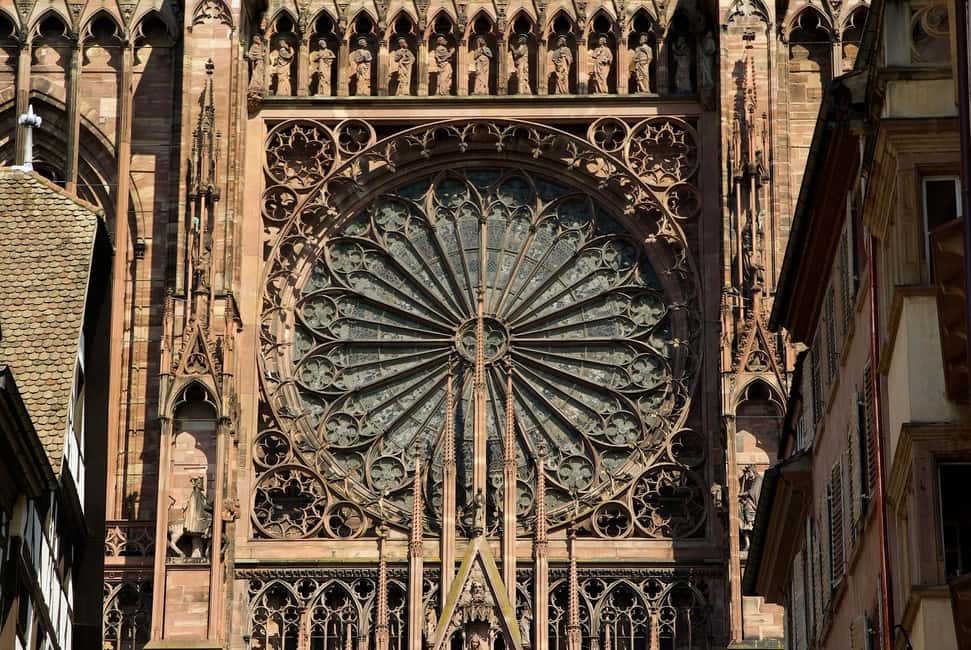
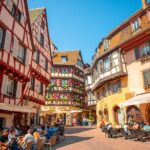
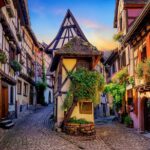
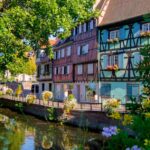
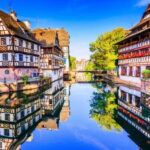
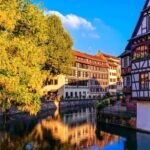
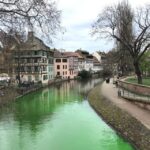
Next comes Petite France, one of Strasbourg’s most photogenic areas. Expect narrow lanes, canals, and little bridges that make you feel like you’ve stepped into a postcard—only you’re doing it at walking speed, so the details keep changing.
This is where the tour slows down in a smart way. Your guide shares stories about the people who used to live here and points out where to look for the strongest canal-and-house compositions. You’ll also get help choosing viewpoints that frame water, bridges, and the colorful facades without getting your photo spoiled by random street clutter.
Even if you’ve seen Petite France in pictures, this stop works because it teaches you how to see: watch how the canal edges guide sightlines and how the historic buildings sit close to the water. You’ll leave with a sense of how the neighborhood is laid out, not just an album of photos.
Place Gutenberg and the Printing Press Connection
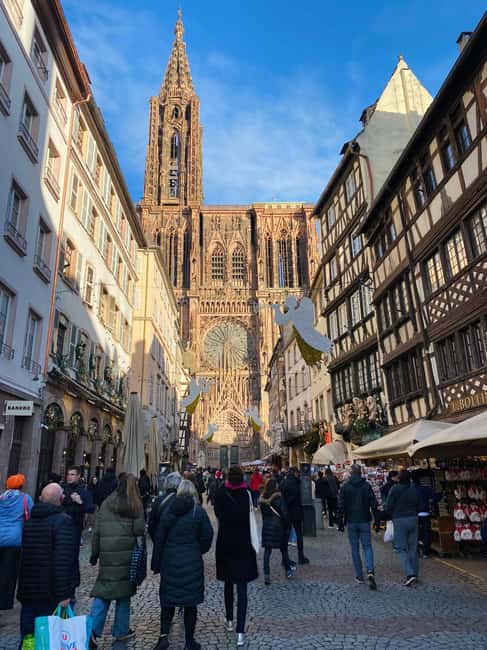
After the canal charm, you’ll head to Place Gutenberg, named after the man credited with inventing the printing press. This is a small square, but it’s an important kind of stop: the kind that explains why the city’s ideas and culture traveled farther than its walls.
Your guide connects this square to Strasbourg’s story and helps you understand why a technology shift matters in a place like this. When you know that background, later landmarks feel more meaningful because you understand what people were trying to build—schools, publishing, and civic life—rather than just admiring stone and timber.
It’s also a good reset moment in the tour. If you’ve been walking nonstop between viewpoints, the square gives you a chance to regroup, check your camera settings, and get ready for the next neighborhood change.
Tanners’ Quarter: Cozy Stops and a More Everyday Strasbourg
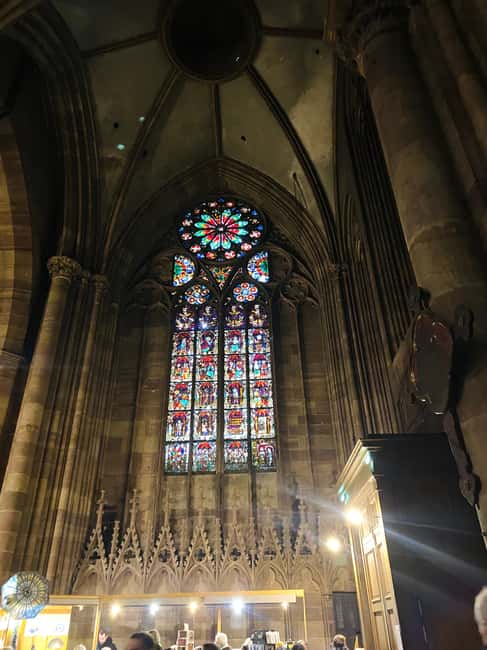
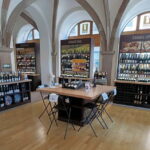
Then you move through the Tanners’ Quarter, where the feel turns more local. Instead of only looking at historic scenery, you’ll see places where people still dine and relax in cozy restaurants and bars.
This part of the walk matters because it keeps Strasbourg from turning into a museum. It’s the practical contrast that helps you picture daily life in the past and the present at the same time.
If you’re the type who likes to keep your sightseeing grounded, this stop will likely be one of your favorites. And it’s also a useful moment to let your guide’s recommendations guide your next steps. The tour doesn’t just end with history; it points you toward what’s worth trying after the walk.
You can also read our reviews of more guided tours in Strasbourg



Place Kléber and Jean-Baptiste Kléber
Your final main square on the loop is Place Kléber, the central public space in Strasbourg. This stop adds political context through Jean-Baptiste Kléber, a figure tied to the French Revolution.
Your guide will explain why Kléber matters and what to connect the name to in Strasbourg’s story. This is the kind of information that makes the city feel less random. Suddenly the biggest squares aren’t just wide open space for photos; they become places where major historical forces played out.
It’s also a nice end point because it naturally helps you plan your next move. From a central square, it’s easier to hop into shopping, follow up with a museum choice, or just wander toward your next meal.
How the 2-Hour Format Works (And How to Get the Best Out of It)
This is a short, efficient walk by design. You’ll spend most of your time moving between key stops, with only small stretches of pass-by time between locations. That’s good if you’re visiting Strasbourg for the first time and want orientation without committing a half day.
Because the walking is “easy” in style, it’s a solid option if you don’t want intense sightseeing. Still, you should expect a steady pace. Some groups include different language needs, and you might pause slightly less often if the guide is translating or if you’re in a mixed-language crowd.
If you’re sensitive to pace, give your guide a quick heads-up. In situations like this, guides usually slow down when they understand you need it. You’ll enjoy the tour more if you can keep up and still take in details at each stop.
Price and Value: What $28 Buys You in Real Life
At $28 per person for a 2-hour guided walk, you’re paying for three things: a curated route, an expert who can explain what you’re seeing, and practical tips that save you time.
You also get value from what’s included versus what isn’t:
- Included: the guided tour experience with a local guide
- Not included: entry tickets to the cathedral and food/drinks
For me, that trade makes sense. Cathedral entry is a separate decision, and food is a personal preference anyway. By keeping it flexible, the tour helps you decide what to do next instead of forcing stops that might not match your tastes.
The “cheap or expensive” question also depends on your style. If you like architecture plus city stories, this price is a fair deal for getting oriented fast. If you prefer to roam totally on your own with no guidance, then you might skip it. But if you want a guided start that makes everything else easier, $28 is a reasonable way to buy momentum.
Who This Tour Fits Best
This is a great fit for:
- First-time visitors who want a quick, structured introduction
- People who like photo guidance and want to know where to stand
- Travelers who enjoy history when it’s told through real places and short explanations
- Anyone who wants ideas for where to eat and explore right after the tour
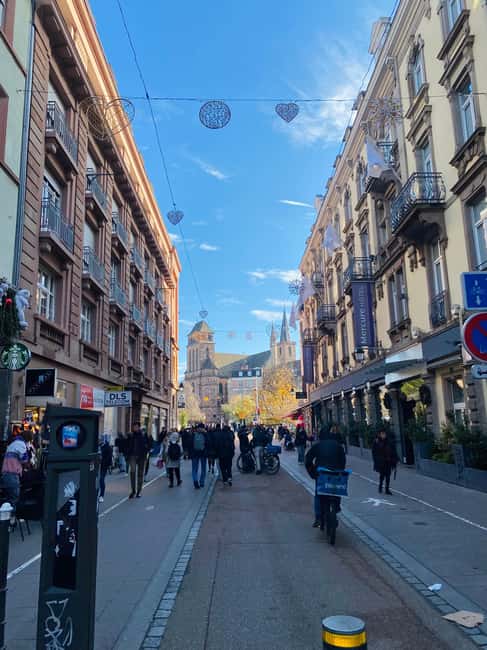
It’s also a good option for mixed interests—architecture lovers will get the Cathedral focus, and neighborhood fans will enjoy Petite France and the canal streets.
The language consideration is the biggest “fit” detail. If you strongly prefer only one language at all times, you may want to confirm how your session handles German and English.
What to Bring so the Walk Feels Easy
Come ready for a comfortable outdoor stroll:
- Comfortable shoes (no smooth-soled regrets)
- Camera (you’ll want to shoot the Cathedral and canal views)
- Water (especially on warm days)
- Hat and sunscreen for sun exposure
- If you’re visiting in cold weather, dress for it since you’ll be outside for much of the time
If you tend to get tired quickly, build in a little buffer by saving your longest day walking for after you’ve done this short orientation.
Should You Book This Strasbourg Walking Tour?
Yes, I think you should book it if you want a smart first pass through Strasbourg that connects landmarks to real stories. This tour’s strength is how it pairs major sights—especially the Strasbourg Cathedral—with the human-scale charm of Petite France and the central life around Place Kléber.
Skip it only if you already know Strasbourg well, you hate guided pacing, or you need a guaranteed single-language experience with no switching. If you fall into the first group, booking this is an easy way to make the rest of your trip smoother and more fun.
FAQ
How long is the Strasbourg walking tour?
It lasts 2 hours.
Where do I meet the guide?
Meet at Place Gutenberg, 67000 Strasbourg, in the square near the statue and the tree. Your guide will be wearing a blue UTG Experience badge.
What languages are available?
The live guide works in German and English. The tour can be multi-lingual.
Is the Strasbourg Cathedral entrance included?
No. Entry tickets to the Strasbourg Cathedral are not included.
Is food or drinks included in the price?
No. Food and drinks are not included.
Is the tour wheelchair accessible?
Yes, the tour is wheelchair accessible.
Can I cancel for a full refund?
Yes. You can cancel up to 24 hours in advance for a full refund.