REVIEW · STRASBOURG
Alsace Wine Route Wineries & Tasting Small Group Guided Tour from Strasbourg
Book on Viator →Operated by Ophorus · Bookable on Viator
Alsace wine feels personal on the road. This small-group day trip from Strasbourg puts you on the Route des Vins d’Alsace with three guided white wine tastings and real time in postcard villages. You’re not just sipping either—you learn how terroir and old winemaking choices shape what ends up in your glass.
Two things I really like: the pacing. You get enough time to talk, taste, and absorb why Alsace is so Riesling-forward. And the villages matter, because Mittelbergheim, Dambach-la-Ville, Ribeauvillé, and Riquewihr give you context for the wines, not just scenery.
One drawback to plan for: the day runs on a route, not a fixed script, so seasonal traffic (especially around Christmas markets) can affect how much time you spend in Riquewihr, even though it’s a big part of the experience.
In This Review
- Key things to know before you go
- Why the Alsace Wine Route feels different from other French wine days
- Small-group format: what max 8 really changes
- Mittelbergheim stop: Riesling, grands crus, and the Alsace basics you’ll remember
- Dambach-la-Ville: caveau tastings and the Frankstein Grand Cru moment
- Lunch timing and how to eat so tastings still taste good
- Ribeauvillé and Riquewihr: five grands crus in a walkable finish
- How the tasting lineup teaches you to read Alsace wine
- Guide factor: when it’s excellent, it changes the whole day
- Price and value: is $260.12 fair for an 8-hour wine day?
- Timing, weather, and seasonal access to Riquewihr
- Meeting point and day-of logistics that save you stress
- Should you book this Alsace Wine Route tour?
- FAQ
- How long is the Alsace Wine Route wineries and tasting tour?
- How many wineries and tastings are included?
- Where do you meet in Strasbourg?
- Is lunch included?
- Is this tour suitable for children?
- What wines will you taste during the day?
- Are there any dates it does not operate?
Key things to know before you go
- Max 8 people means the guide can adjust explanations and tasting pace to the group.
- Three winery tastings focus on Alsace whites like Riesling, plus Sylvaner, Pinot Blanc, Gewürztraminer, and more.
- You’ll tour Mittelbergheim, Dambach-la-Ville, and Ribeauvillé/Riquewihr, with the grands crus of the region in mind.
- Lunch is on your own, and snacks aren’t typically part of tastings—eat beforehand.
- Expect a full day (about 8 hours) with a mid-day break and a return to Strasbourg.
Why the Alsace Wine Route feels different from other French wine days
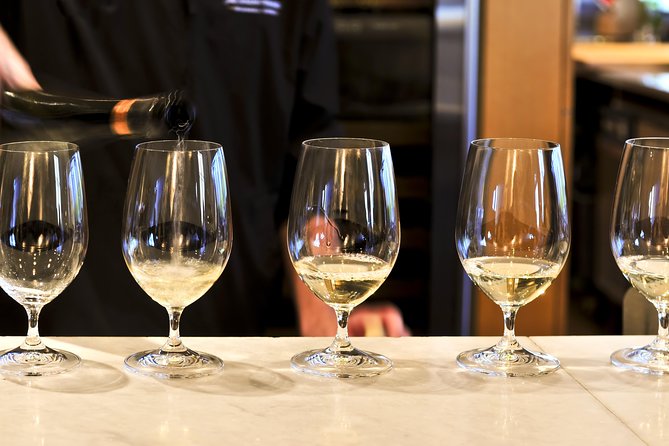
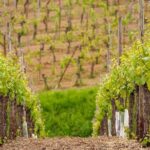
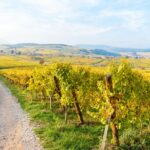
From Strasbourg, Alsace’s wine road is an easy way to taste a region without the stress of driving. The route stretches about 170 km (105 miles), winding through rolling hills at the base of the Vosges Mountains. That matters because Alsace is not one “generic wine region.” It’s a tight band where vineyards cling to slopes, and every pocket of soil and exposure can shift the style.
This tour is built around that idea. You start with Mittelbergheim, move through Dambach-la-Ville, then finish with the Ribeauvillé/Riquewihr wine area. You’ll still feel like you’re on a classic “wine route” day, but you’re also seeing how different sub-areas approach Riesling and other whites.
You can also read our reviews of more food & drink experiences in Strasbourg
Small-group format: what max 8 really changes
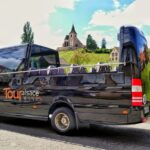
This is limited to up to 8 travelers, which is the sweet spot for wine touring. With a bigger group, tasting rooms can turn into a factory line: pour, swallow, move on. With a small group, the guide can ask what you like and steer the explanations to that.
It also changes the feel at wineries. Alsace tastings often include a mix of wines and talk about how they’re made. When there’s room to breathe, you catch the little differences—dry vs. off-dry style, aromatic notes, and the way Gewürztraminer tastes different from Riesling even when both are “white wine.”
And the guide can personalize without turning the day into chaos. One theme that shows up across guide experiences: the better the guide, the better your day. Guides such as Pauline, Jerome, Laurence, Maxim, and Amelie have been highlighted for strong regional context, clear explanations, and friendly pacing.
Mittelbergheim stop: Riesling, grands crus, and the Alsace basics you’ll remember
Your first wine area is Mittelbergheim, a place tied to top vineyard sites (grands crus) including Kastelberg, Zotzenberg, and Wiebelsberg. Even if you think Riesling is mainly a German grape, Alsace will adjust that assumption fast.
At the first winery tasting, expect an Alsace white lineup built around Riesling, then also Sylvaner and Pinot Blanc. That order is useful. Riesling is the benchmark grape for Alsace, so getting it first helps you compare everything else. Sylvaner gives you something lighter and more subtle in many cases, while Pinot Blanc is often a bridge toward the more delicate end of Alsace whites.
What I’d watch for during this first tasting is how the guide frames the region:
- How vineyards are shaped by slope and exposure
- Why Riesling dominates Alsace drinking culture
- How Alsace keeps its own identity even when Germans and French share the same grape history
This first stop sets your “wine vocabulary” for the rest of the day. If you ask one question early, ask about how the guide thinks about terroir—because later tastings will make more sense.
Dambach-la-Ville: caveau tastings and the Frankstein Grand Cru moment
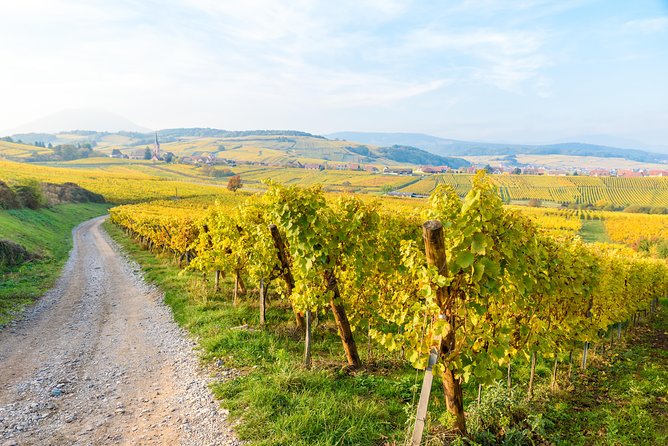
Next you head to Dambach-la-Ville—a village known for producing more wine than any other in Alsace. The mention of Frankstein Grand Cru is a big clue about what this stop is trying to do: show you that Alsace’s best sites aren’t random labels. They’re tied to serious vineyard reputation.
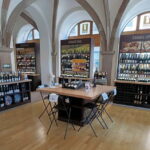
At the second winery, you’ll taste wines in a classic wine cellar (caveau) setting. That’s not just atmosphere. Cellars often keep the tasting environment consistent, and you tend to hear more about the cellar side of the story—how producers handle aging, texture, and the feel of the wine.
The tasting focus here includes Riesling and Gewürztraminer. Frankstein often gets attention for its Riesling potential, and Gewürztraminer is the aromatic counterpart many people expect from Alsace. If you’re new to Alsace, this is where you’ll start picking up how Gewürztraminer behaves on the palate compared with Riesling—richer aromatics, more spice-like impressions, and a different kind of finish.
Practical note: caveau tastings can feel cooler and darker than you’d expect, so bring layers you can handle.
Lunch timing and how to eat so tastings still taste good
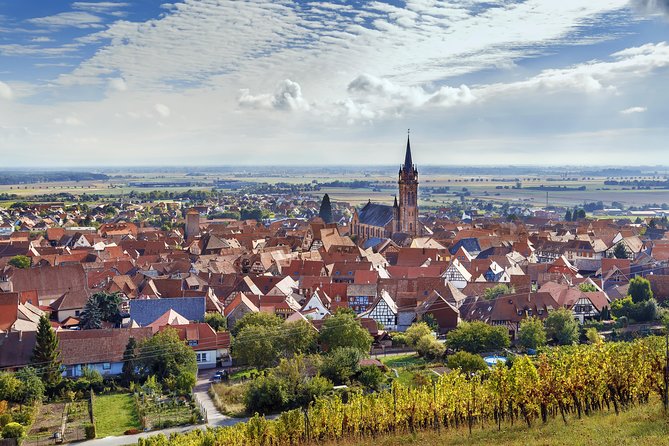
Midday, you get a break for lunch. Lunch is own expense, and snacks usually aren’t provided during tastings because they’re trying to keep your palate clean.
This is where I’d be smart:
- Eat a real lunch, not just a pastry, even if you’re excited for wine
- Give yourself time to walk a bit if the town stop allows it
- Avoid going in hungry, because you’ll end up drinking faster than planned
Also, tastings add up over the day. Several guides do their job well and the tasting pours can feel generous. If you want a relaxed experience, eat well and pace your water.
You can also read our reviews of more guided tours in Strasbourg
Ribeauvillé and Riquewihr: five grands crus in a walkable finish
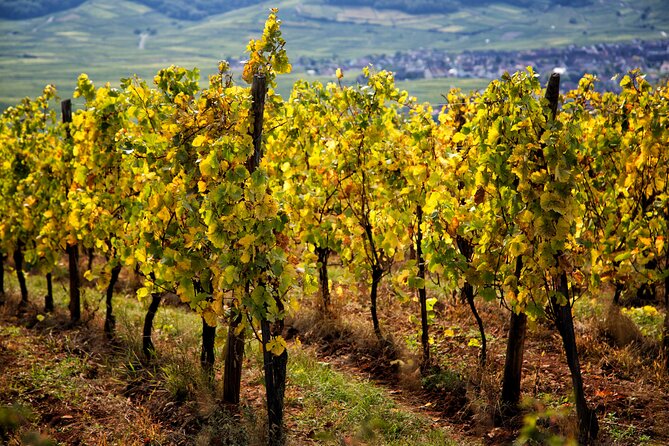
Your final wine area is the Ribeauvillé–Riquewihr region. Here you’ll hear about five grands crus: Kirchberg, Osterberg, Geisberg, Schoenenbourg, and Sporen. This is the “Alsace greatest hits” part of the day.
As in the earlier stops, Riesling remains the dominant grape, but you’ll also encounter Muscat, Gewürztraminer, and Pinot Gris depending on the wines offered at the last two wineries. This is a good moment to compare how Riesling expresses itself when you’re tasting again after two other sub-areas. You’re not starting over—you’re building a comparison.
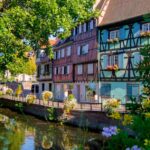
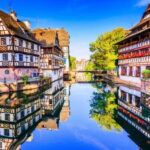
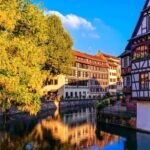
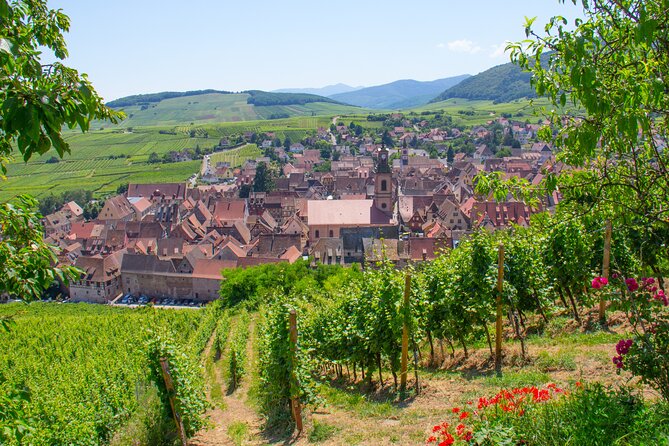
After the tastings, you get to spend time in Ribeauvillé and Riquewihr. Expect a lot of atmosphere just by walking—old streets, chateau culture, and vineyard views that make the wine feel logical. You’ll also hear about wine families with long roots in the area, including names like the Hugel and Trimbach families.
One thing to be ready for: access and timing can change. During the Christmas market period, traffic and road closures can limit access to Riquewihr, so your village time might be reduced. The tour still aims to show you the area, but don’t assume the exact walk-time will be identical on every calendar day.
How the tasting lineup teaches you to read Alsace wine
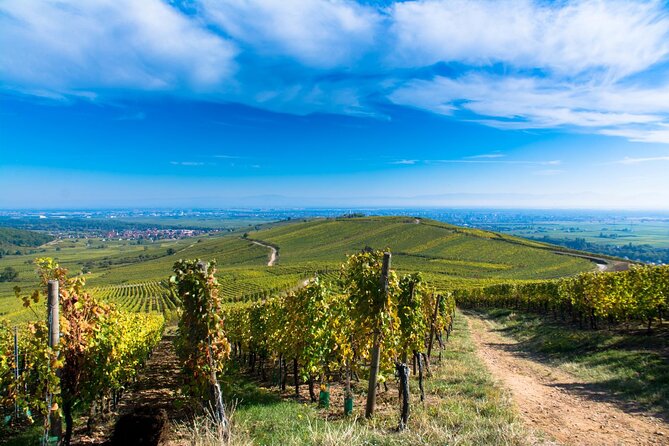
If you want value from three tastings, don’t treat it like three random pours. Use it to learn what Alsace does differently.
Here’s what you’ll likely taste across the day:
- Riesling as the anchor: often crisp, aromatic, and terroir-driven
- Gewürztraminer as the aromatic contrast: spicy, floral, richer-feeling
- Sylvaner and Pinot Blanc as lighter, food-friendly companions
- Muscat and Pinot Gris as the broader range that rounds out the Alsace white story
You can also use the guide’s explanations to connect style to place. Alsace winemaking is heavily influenced by vineyard location, and your guide will tie soils and climate to why the wines taste the way they do. The best guides make it feel simple: they give you a mental model, not a lecture.
Guide factor: when it’s excellent, it changes the whole day
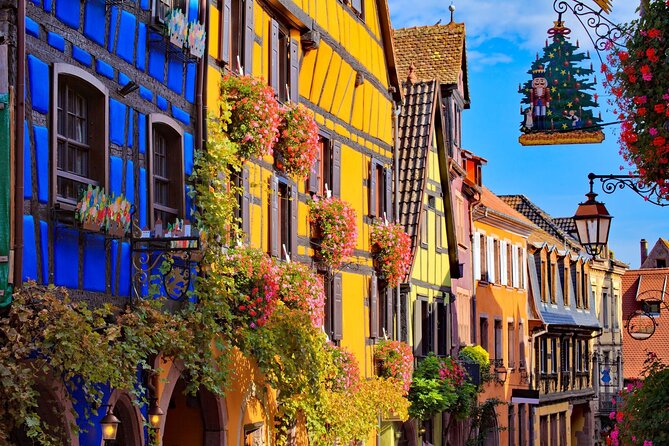
This tour is only as good as the day’s guide, and the guide quality can swing a bit. The strongest experiences tend to come from guides who:
- Keep explanations clear and practical
- Adjust the pace so people don’t feel rushed
- Build context around the villages, not just the wineries
- Make tastings feel relaxed instead of scripted
Names that have come up with strong results include Laurence and Pauline, with people praising their humor, their ability to tailor to preferences, and their history-and-wine explanations. Others have also praised guides like Jerome and Maksym for pairing wine talk with real regional context.
A fair caution: if the day includes a winery where the host’s energy is lower, the tasting can feel less engaging than the earlier stops. You can’t fully control that, but you can control how you participate—ask questions, compare wines out loud, and you’ll get more out of it.
Price and value: is $260.12 fair for an 8-hour wine day?
At $260.12 per person for about 8 hours, this is not a budget wine tour. But it also isn’t just paying for wine. You’re paying for:
- Air-conditioned transport from Strasbourg
- An English-speaking guide
- Three guided tastings
- The ability to hit multiple areas without driving yourself
What makes it feel like value is the small-group size and the guided structure. Alsace has plenty of wine stops, but doing it well takes time, planning, and a designated driver. This tour removes the logistics and replaces it with interpretation—especially helpful if you want to learn, not just drink.
What can reduce value for some people:
- Lunch isn’t included, so your total day cost goes up
- Tastings focus on quality wineries, but one or two stops can feel less special than others depending on the day and winery setup
- If you’re expecting long, deep time in Riquewihr every season, seasonal access may shorten it
Still, for a first Alsace wine day, it’s easy to see why the overall rating is extremely high.
Timing, weather, and seasonal access to Riquewihr
The day starts at 9:00 am and runs roughly 8 hours, returning to Strasbourg at the meeting point area. Timing matters here. You’re working with winery schedules and road conditions, and Alsace road traffic can change fast.
Weather matters too. The tour depends on good conditions; if weather is poor, you should expect date changes or a refund offer. In the winter season—especially close to Christmas—market traffic can make towns harder to access. The tour specifically notes that during Christmas period, it returns to Strasbourg just outside the Grande-Ile district with an exact address arranged with the guide, and access to Riquewihr can be extremely limited.
So: if Riquewihr is your top must-do, plan for flexibility. Peak-season days usually feel smoother. Winter dates can still be magical, but they can be less predictable.
Meeting point and day-of logistics that save you stress
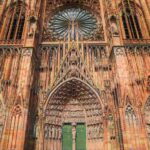
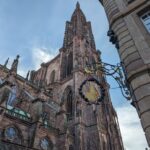
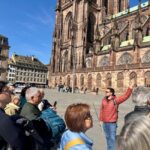
You’ll meet at 17 Pl. de la Cathédrale, 67082 Strasbourg, close to public transportation. The tour ends back at the same meeting point.
A few practical rules from the tour details:
- Adult-only: children under 18 aren’t allowed
- Pets aren’t allowed
- Most people can participate
- There’s a maximum of 8 people
- You’ll use a mobile ticket
Because you’re drinking wine, treat this as a day to relax, not a day to add extra sightseeing after. You’ll likely come home with bottles in mind, not a second itinerary.
Should you book this Alsace Wine Route tour?
Book it if you want an efficient, guided way to understand Alsace whites—especially Riesling, plus the region’s aromatic stars like Gewürztraminer—without renting a car or timing winery visits yourself. It’s also a great pick if you enjoy small groups and want your guide to connect wine to place (vineyard sites, family producers, and village life).
Skip it or consider alternatives if:
- You need to travel with kids or pets
- You’re very price-sensitive and don’t want to add on lunch and wine purchases
- You’re traveling in a winter/Christmas window and need guaranteed long time in Riquewihr
If you do book: eat well before the first tasting, dress for cool cellar conditions, and ask the guide to compare what you’re tasting across stops. That simple habit turns a nice wine day into a memorable education.
FAQ
How long is the Alsace Wine Route wineries and tasting tour?
It runs for about 8 hours.
How many wineries and tastings are included?
There are 3 guided white wine tastings included, at specially selected wineries.
Where do you meet in Strasbourg?
You meet at 17 Pl. de la Cathédrale, 67082 Strasbourg, France.
Is lunch included?
No. Lunch is at your own expense.
Is this tour suitable for children?
No. This is an adult-only tour, and children under 18 are not allowed.
What wines will you taste during the day?
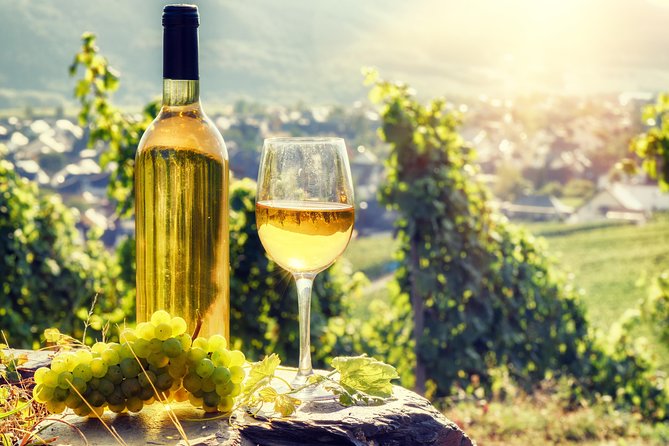
You’ll sample Alsace whites including Riesling, and other wines such as Sylvaner, Pinot Blanc, Gewürztraminer, Muscat, and Pinot Gris, depending on what’s served at each stop.
Are there any dates it does not operate?
The tour is not available on December 25th and January 1st.