REVIEW · STRASBOURG
Strasbourg: Walking Tour with Local Guide
Book on GetYourGuide →Operated by Bretzel&Fun · Bookable on GetYourGuide
One city, two centuries of stories in one walk. Strasbourg’s Old Town feels like a living textbook. You’ll see the UNESCO-listed cathedral, learn why the region is tied to French revolutionary wars, and still get practical tips for what to eat afterward.
I especially love how the tour blends major landmarks with quieter streets in the Tonneliers area, where locals actually go for bars and restaurants. And I really like the photo guidance along the way—your guide will help you spot angles and moments so you’re not just snapping randomly. One consideration: it’s not suitable if you have mobility impairments, and you’ll want comfortable shoes because it’s a real walking tour.
This is a great way to orient yourself in Strasbourg fast. It covers the Grande Île area first, then moves through classic city squares and intimate neighborhoods—so you end the walk with a mental map and a list of places to return to.
In This Review
- Key Highlights You’ll Feel on This Walk
- Why This 2-Hour Strasbourg Walk Works So Well
- Getting Started: Meeting at Place d’Austerlitz and Where the Walk Begins
- Ponts Couverts: The Bridge Start That Sets the Mood
- Petite France: Medieval Streets With Real Texture
- Église Saint-Thomas: A Short Stop With Purpose
- Notre Dame Cathedral (Strasbourg): UNESCO, Legends, and Photo Angles
- Place Saint-Étienne and Place de la République: Squares That Explain Power and Everyday Life
- Tonneliers District: Where You See the Alsace “Now”
- The Guide Experience: Nicolas and the Alsace-Lens Approach
- Photo Tips That Actually Help in Strasbourg
- Who This Tour Fits Best (and Who Might Want Something Different)
- Value Check: Is $41 for 2 Hours a Good Deal?
- Should You Book This Strasbourg Walking Tour?
- FAQ
- How long is the walking tour?
- How much does the tour cost?
- What’s the group size?
- What languages are available?
- Where does the tour begin?
- Is cathedral entry included?
- What stops are included during the walk?
- Is the tour suitable for people with mobility impairments?
- What if it rains or I change my plans?
Key Highlights You’ll Feel on This Walk
- Small group (up to 6) means you can hear the guide and ask questions without shouting over a crowd.
- UNESCO Strasbourg Cathedral stops include exterior photo time and stories tied to its legends and Gothic style.
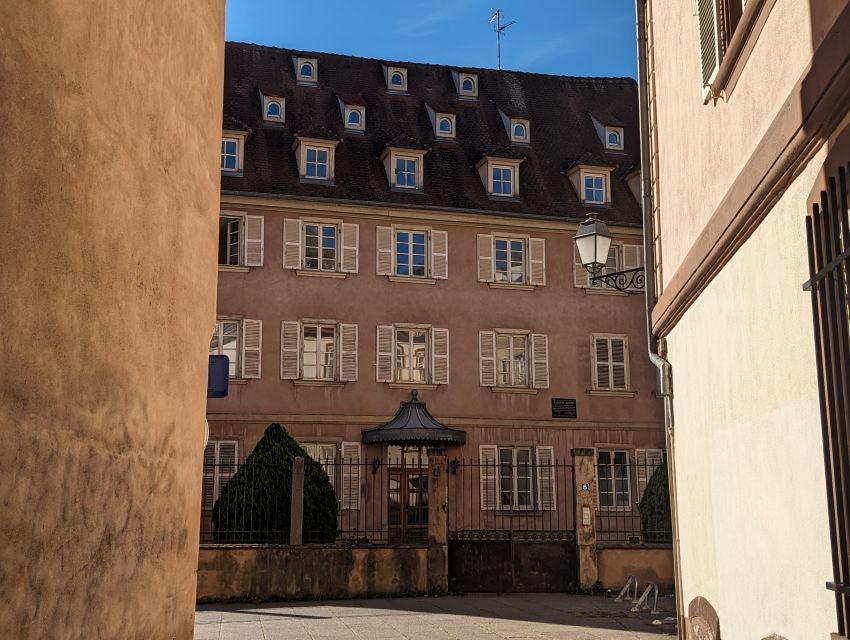
- Grande Île and Petite France give you the “medieval city” vibe without needing a guidebook lecture.
- Tonneliers district time shows how daily Alsatian life looks, especially in bar-and-restaurant streets.
- Jean-Baptiste Kléber context at Place Kléber connects the city’s look to France’s 18th-century revolutionary era.
- Food and drink recommendations after the tour help you keep the Alsace experience going beyond the walk.
Why This 2-Hour Strasbourg Walk Works So Well
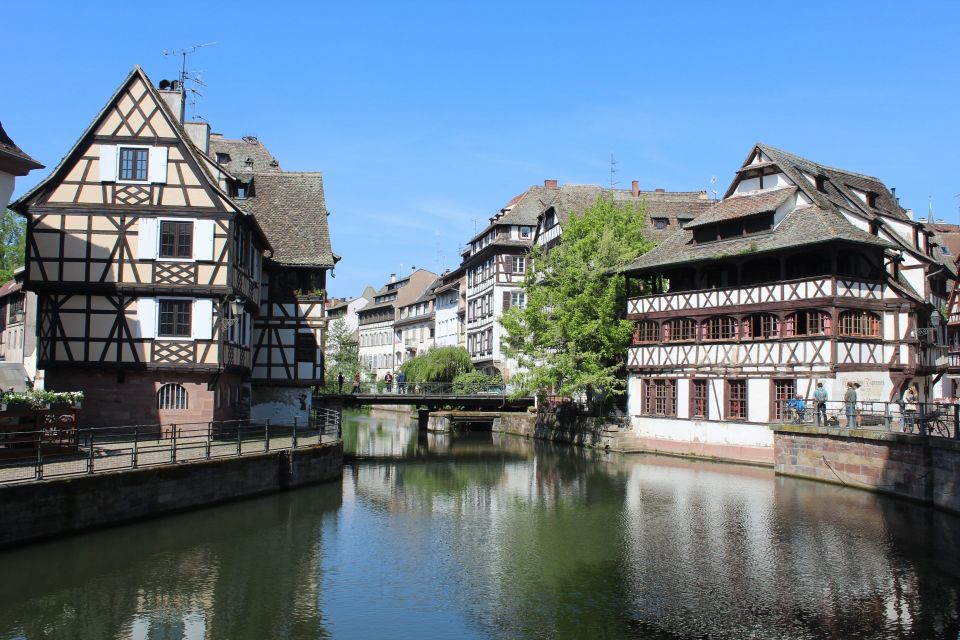
Strasbourg is one of those cities where the streets do the talking. Buildings, bridges, and squares explain history better than most museums. This tour is built for that reality: in just 2 hours, you cover the kind of places you’d otherwise bounce around randomly.
The value is in the mix. You’re not only ticking off sights like Notre Dame Cathedral and major squares. You’re also learning how the city fits together—geography shaping architecture, and architecture shaping identity. And you get practical payoff at the end: where to eat, where to drink, and where to shop for local products.
The group size matters too. With a maximum of 6 participants, the pacing stays human. You can pause for photos, ask questions, and still finish while daylight is still useful.
You can also read our reviews of more walking tours in Strasbourg

Getting Started: Meeting at Place d’Austerlitz and Where the Walk Begins
Your tour starts from one of the Place d’Austerlitz meeting point options (meeting point can vary depending on what you booked). From there, you’ll work your way into the sights that define the Grande Île area.
This matters because Strasbourg’s center is compact, but it’s easy to feel lost when you first arrive. A guided start helps you connect the dots quickly. You’ll also get a live guide speaking English and French, which is handy if you’re with someone who prefers French, or if your ear needs a second pass.
Bring comfortable shoes. Even in good weather, the ground is uneven in old-city areas. In rainy or snowy conditions, you’ll be happy you didn’t choose fashion over footing.
Ponts Couverts: The Bridge Start That Sets the Mood
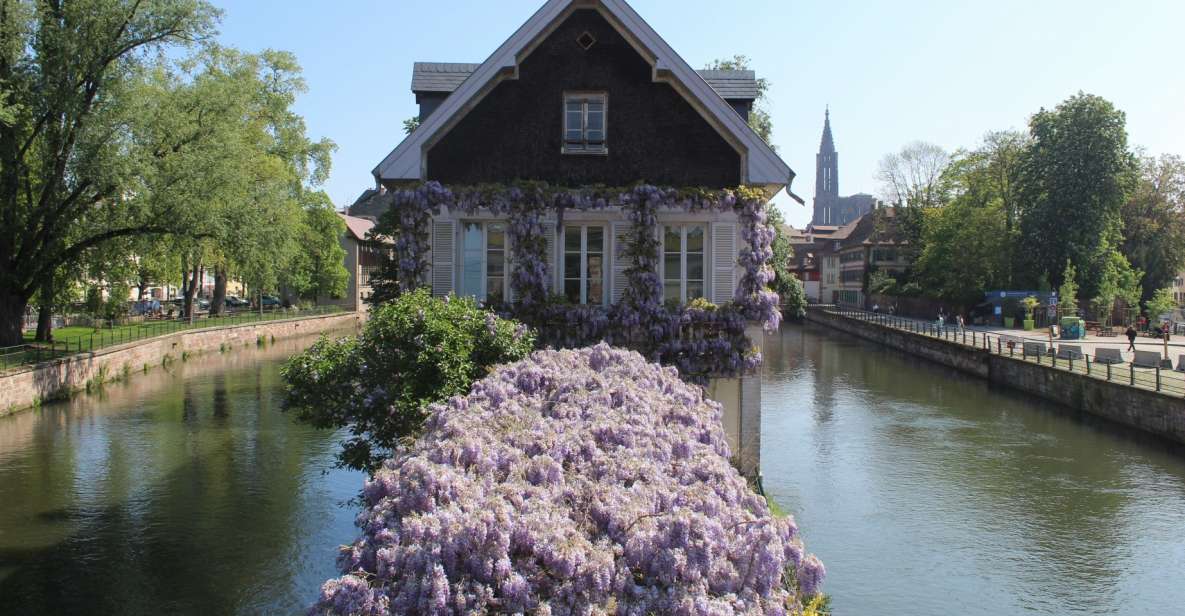
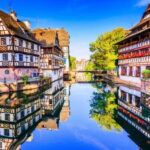
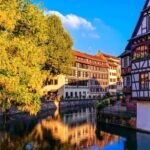
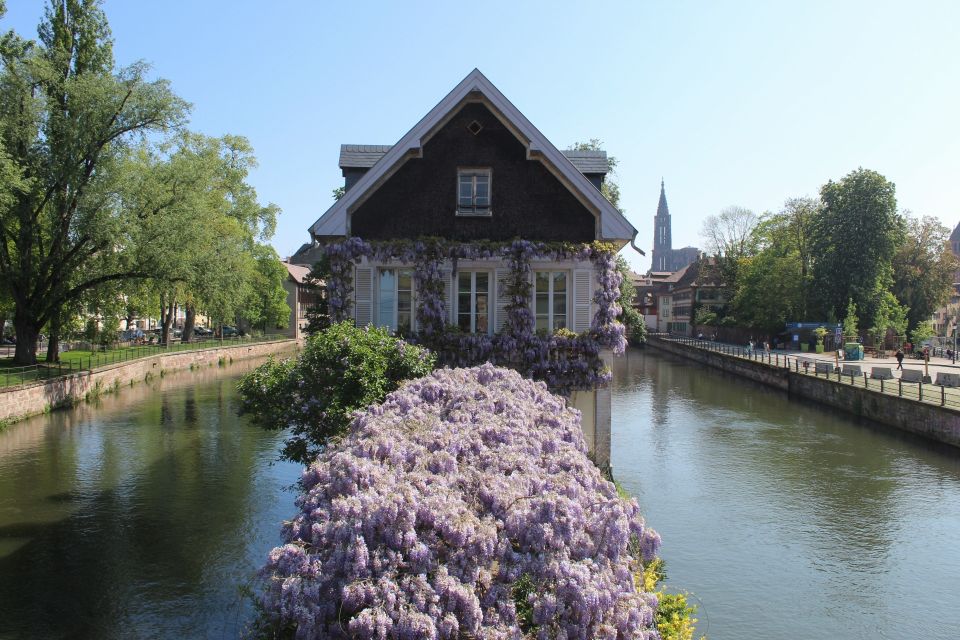
First up is Ponts Couverts for about 10 minutes. This is one of those Strasbourg moments where you instantly understand what makes the city photogenic: waterways, bridges, and that old-town look that makes you slow down.
Think of this stop as a tone-setter. The guide uses it to connect street-level views to the broader story of how Strasbourg developed and what you’re about to see in the medieval core. If you time it right, you might catch a small local spectacle on or near the bridges. One person noted the guide took advantage of opportunities to view bridge turning when it happened—so if the timing is right, you’ll benefit from a bit of “live city” energy.
Practical tip: at bridges, avoid shooting only from the middle of the walkway. Ask your guide for a spot that avoids backlighting. Those angle tweaks make a difference here.
Petite France: Medieval Streets With Real Texture
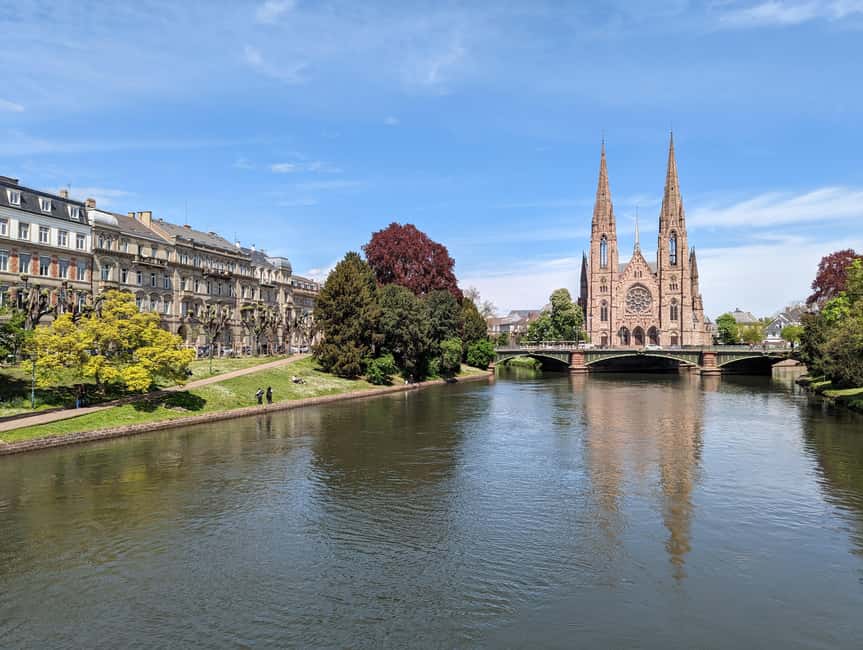
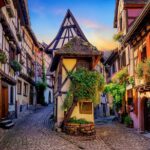
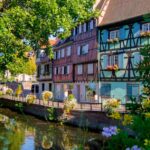
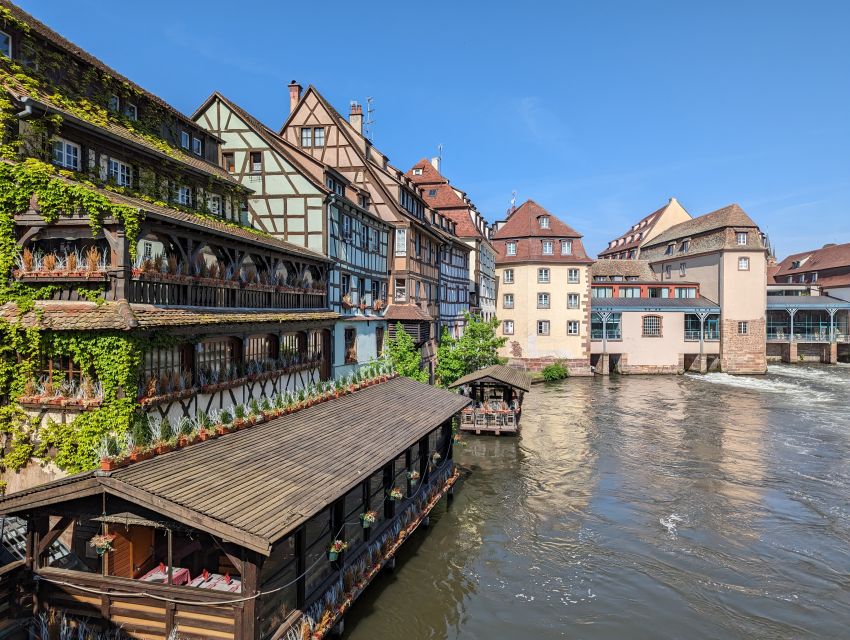
Next is Petite France for about 20 minutes. This is the old-quarter area that most visitors picture when they think Strasbourg: narrow streets, classic facades, and that postcard feeling that still holds up in person.
What you’ll get here is more than scenery. You’ll learn how the neighborhood fits into the city’s story—why people built and lived the way they did, and how the area’s look links to architecture styles you’ll hear about later at the cathedral.
Also, this is prime time for photos. The guide encourages you to take pictures as you go and offers tips to keep them looking intentional. If you’re traveling with a phone camera, this kind of guidance is especially useful because it helps you frame without cropping yourself into a corner later.
Église Saint-Thomas: A Short Stop With Purpose
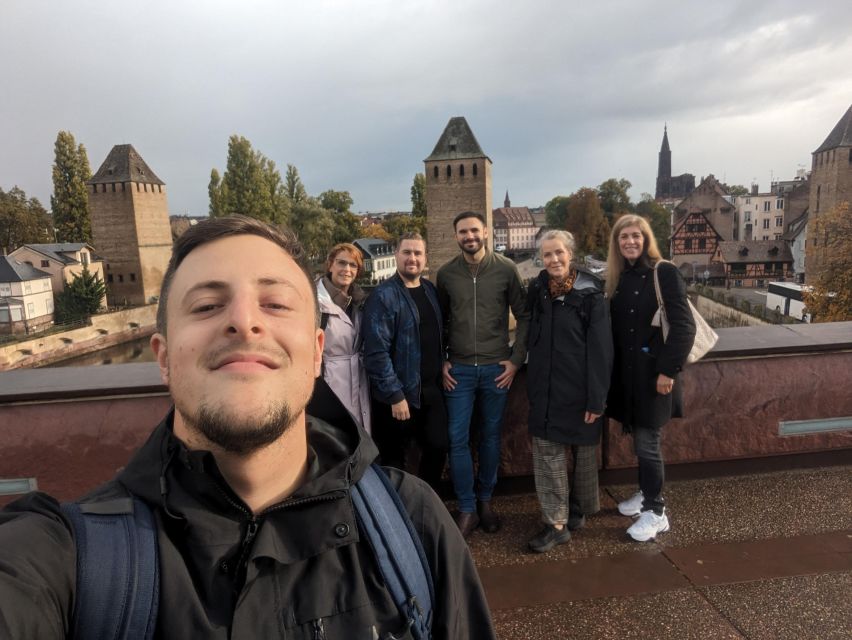
Then you’ll hit Église Saint-Thomas for about 10 minutes. This stop gives the walk more depth. You’re not only looking at the “big” attraction; you’re also seeing the religious and architectural texture that makes Strasbourg feel layered.
Even if you don’t go inside, the exterior still communicates. The guide uses these moments to round out the story—how Strasbourg’s architecture and institutions evolved over time, and why the city’s identity is so tightly linked to its European crossroads location.
Drawback to note: since this tour includes walking and guided context but not cathedral entry, you’ll be mostly viewing exteriors and key town spaces. If you’re hoping for lots of indoor time, you might want a separate cathedral entry ticket later.
You can also read our reviews of more guided tours in Strasbourg

Notre Dame Cathedral (Strasbourg): UNESCO, Legends, and Photo Angles
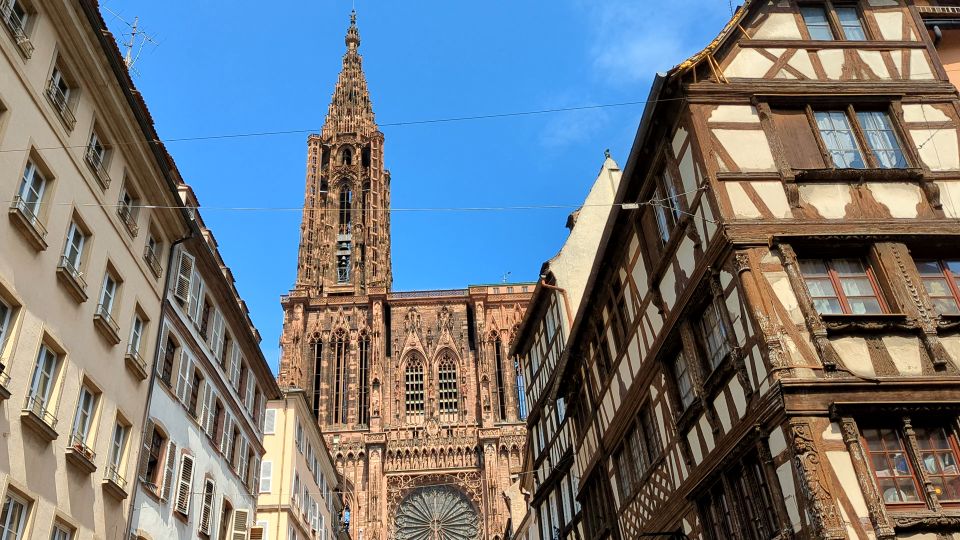
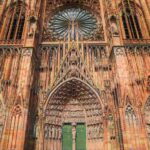
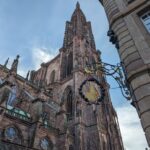
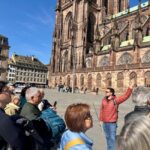
Now for the main event: Notre Dame Cathedral, Strasbourg for about 15 minutes. This is where the tour’s “wow” factor clicks. The cathedral is a famous UNESCO World Heritage Site, and you’ll be positioned for exterior viewing and photos.
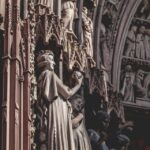
What I like about this approach is that you still get meaning without being stuck in a long line. The guide explains the Romanesque and Rayonnant Gothic architecture details that most people miss when they just look up. You’ll also hear stories and legends tied to the monument. That combination makes the building feel less like a single pretty object and more like the result of centuries of decisions.
Photo tip: take one wide shot for context, then one close shot focusing on features. The guide’s “best angles” advice is exactly for this. If you do only one thing with your camera, do it here—because the cathedral exterior gives you the best payoff for effort.
One key practical note: entry to the cathedral is not included. So think of this as guided exterior time plus explanation, not a full interior visit.
Place Saint-Étienne and Place de la République: Squares That Explain Power and Everyday Life
After the cathedral area, the tour shifts into squares for context and rhythm.
You’ll spend about 10 minutes at Place Saint-Étienne, then about 15 minutes at Place de la République and finish there. Squares like these are where Strasbourg’s identity shows up in layout: open space, monuments, and the flow of pedestrians.
Along the way, you’ll also reach Place Kléber, the largest square in the city. It includes the statue of Jean-Baptiste Kléber, and the guide explains how Kléber’s military and architectural past connects to the revolutionary era you’ll hear about throughout the tour. The point isn’t to memorize dates. It’s to understand why the city wears its history so visibly—down to which names get turned into statues and square addresses.
If you like street-level travel, these square stops are gold. You’ll see how people move through the city now, not just how they lived centuries ago.
Tonneliers District: Where You See the Alsace “Now”
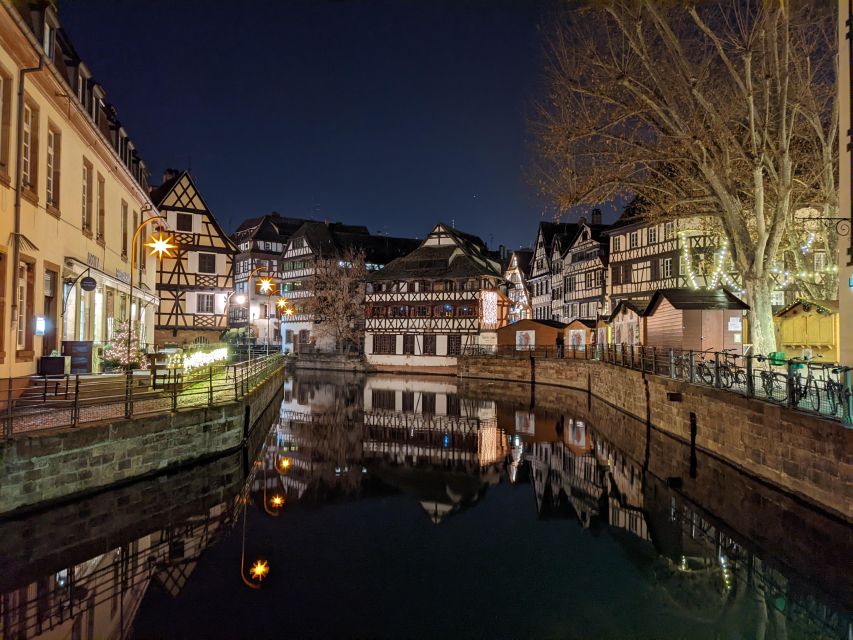
The tour includes time in the Tonneliers district, known for its bars and restaurants. This is one of the best parts because it keeps the walk from turning into a history parade.
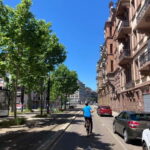
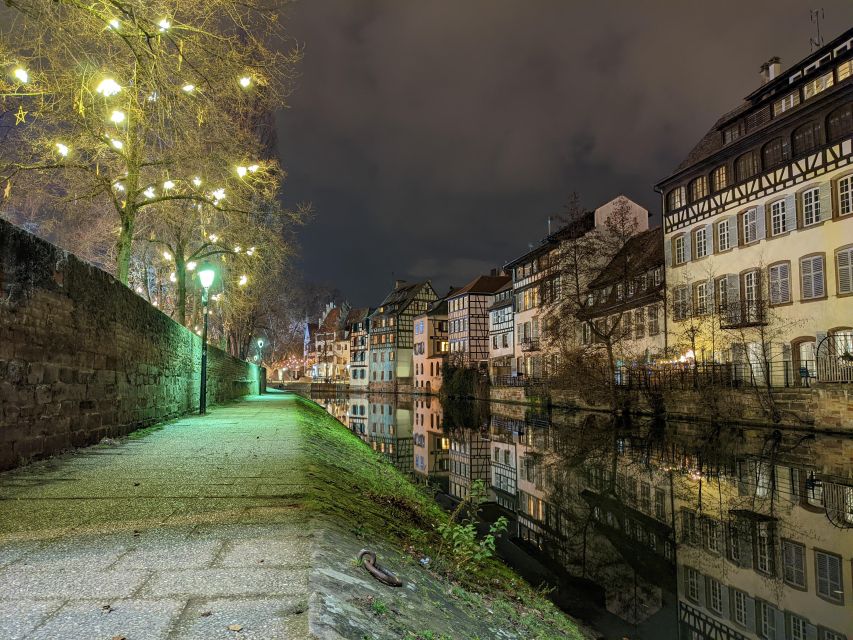
You’ll stroll through smaller, more intimate streets and get a sense of how locals live, not only what tourists point at. The guide also gives Instagram-friendly photo tips as you go—helpful for finding angles in narrow streets where it’s easy to get blocked by signs, bikes, or your own walking path.
This is also where the tour payoff becomes very practical. The guide finishes with advice on where to eat and drink in Strasbourg. Multiple people noted they received a helpful list afterward, including bakery and market food recommendations.
If you’re planning your first meal in Strasbourg, do yourself a favor: keep at least part of your evening open after the tour. Then you can follow the guide’s suggestions while the information is fresh.
The Guide Experience: Nicolas and the Alsace-Lens Approach
This tour is led by a live local guide. The guide names that show up most are Nicolas (with a few spelling variations in confirmations). What matters is the style: the guide ties city architecture to real regional identity and tells it with humor and personal pride.
I like that the tour doesn’t treat Strasbourg like a distant exhibit. You’ll hear stories that connect the past to present life. One person even described the tour as feeling like conversation because the group was very small—so your questions and interests can shape the experience.
Language support matters here too. You’ll get French and English, so you can match the guide’s pace even if your French is rusty.
And the “after-walk” touch is real. Several people said they got extra recommendations after the tour—places to eat, things to see, and even tips for other towns nearby. That’s the kind of bonus that turns a 2-hour walk into a bigger trip advantage.
Photo Tips That Actually Help in Strasbourg
Strasbourg is made for photos, but it’s also easy to end up with the same shot everyone posts. This tour tries to fix that.
You can expect guidance like:
- where to stand for cleaner cathedral shots
- how to frame narrow streets in Petite France and Tonneliers
- quick ideas for the best angles while walking
The value here is not just aesthetic. Better photos often mean better memory and better route recall later. When you know which corner gave you the great view, you’re more likely to return and explore on your own.
If you’re using a phone, aim to take:
- one establishing shot for each neighborhood
- one close-feature shot (doors, windows, stonework, or street details)
- one “people and place” shot near squares
The guide’s photo coaching helps you do this without needing fancy gear.
Who This Tour Fits Best (and Who Might Want Something Different)
This is a strong fit if you want:
- a fast orientation walk in central Strasbourg
- a guided path that hits the cathedral area plus local neighborhoods
- photo help so you leave with better images
- a guide’s recommendations for food and drink
It’s also ideal if it’s your first day and you want the city to feel navigable afterward.
It may not be ideal if:
- you’re sensitive to walking time or uneven surfaces (the tour isn’t suitable for mobility impairments)
- you want lots of indoor museum time or full cathedral entry
- you prefer a flexible, no-schedule wander (this is a structured, guided route with set stops)
Value Check: Is $41 for 2 Hours a Good Deal?
At $41 per person for a 2-hour small-group walking tour, you’re paying for two things: time with a local guide and a route that’s designed to make you feel oriented quickly.
If you were to do this on your own, you could certainly see the cathedral and squares. But you’d miss the connections that make Strasbourg feel understandable: why the city looks the way it does, how the revolutionary era shows up in public places like Place Kléber, and what to focus on so your photos look intentional.
The included guide also reduces decision fatigue. Instead of wondering where the locals go, you’re walking into the Tonneliers area and walking out with clear food and drink recommendations—plus extra suggestions sent after the tour for some guests.
In plain terms: you’re not paying for “just walking.” You’re paying for interpretation plus local direction.
Should You Book This Strasbourg Walking Tour?
Yes, if you want a smart first introduction to Strasbourg—cathedral views, medieval streets, and a neighborhood look at everyday Alsace life—without spending your whole day hunting for directions.
Book it if:
- you like history, but you want it explained in human-sized pieces
- you care about photo angles and want help getting better shots
- you want a local’s restaurant and drink recommendations right after the walk
- you want a small group (max 6) so you can hear and ask questions
Skip it (or pair it with cathedral entry separately) if you expect major indoor time. This is guided exterior viewing plus street-level learning, not an all-access cathedral visit.
If you’re only in Strasbourg briefly, this is the kind of tour that can “pay back” immediately—because once you know the route and the story, exploring the rest of the city gets a lot easier.
FAQ
How long is the walking tour?
The tour lasts 2 hours.
How much does the tour cost?
It costs $41 per person.
What’s the group size?
It’s a small group limited to 6 participants.
What languages are available?
The guide speaks French and English.
Where does the tour begin?
The meeting point can vary depending on the option you book, with starting options listed as Place d’Austerlitz.
Is cathedral entry included?
No. Entry to the cathedral is not included.
What stops are included during the walk?
You’ll see areas and landmarks such as Ponts Couverts, Petite France, Église Saint-Thomas, Notre Dame Cathedral (UNESCO), Place Saint-Étienne, and Place de la République, plus time in the Tonneliers district.
Is the tour suitable for people with mobility impairments?
No, it’s not suitable for people with mobility impairments.
What if it rains or I change my plans?
You get free cancellation up to 24 hours in advance for a full refund, and there’s also a reserve now & pay later option to keep plans flexible.
If you tell me your travel month and whether you’re traveling with kids or only adults, I can suggest the best time of day to do this walk for light, crowds, and photo conditions.