REVIEW · STRASBOURG
Selfguided and Interactive Tour of Strasbourg
Book on Viator →Operated by Hopla Guide · Bookable on Viator
Strasbourg becomes a puzzle you can solve on your own. This self-guided, app-supported Hopla Guide experience takes you through the cathedral area and on to Petite France, with questions and observation games that keep you moving (without rushing). I like that it’s built for your pace and for real attention to details, not just photo stops.
Two things I’d especially keep in mind: you get a Hopla Guide bag to kick things off right at the tourism office, and the tour includes small regional gifts that make each segment feel more like a scavenger hunt than a lecture. One potential snag: if you’re unsure how to set up or download the app, you may need to contact the provider, since the instructions weren’t obvious to everyone.
In This Review
- Key highlights
- Picking up your Hopla Guide bag near Pl. de la Cathédrale
- Inside the cathedral: portals, façades, and a south-side story
- The model-to-street game: building a mental map of Strasbourg’s center
- Palais Rohan and the Prince of Rohan: history that has a human face
- Printing history: a stop that turns curiosity into questions
- Petite France at your own pace: picturesque streets, built-in purpose
- Ending at Place Kléber: a clean finish point
- Price and group value: what $75.69 buys you
- Getting the most out of it: pacing, app setup, and walking comfort
- Who should book this Hopla Guide Strasbourg tour
- Should you book this tour?
- FAQ
- Where does the Strasbourg tour start?
- Where does the tour end?
- How long is the tour?
- What is the price?
- Is the tour private?
- Is it offered in English?
- Do I get a mobile ticket?
- Do I pick up anything before starting?
- What kinds of activities are included?
- Can service animals join?
- Is there free cancellation?
Key highlights
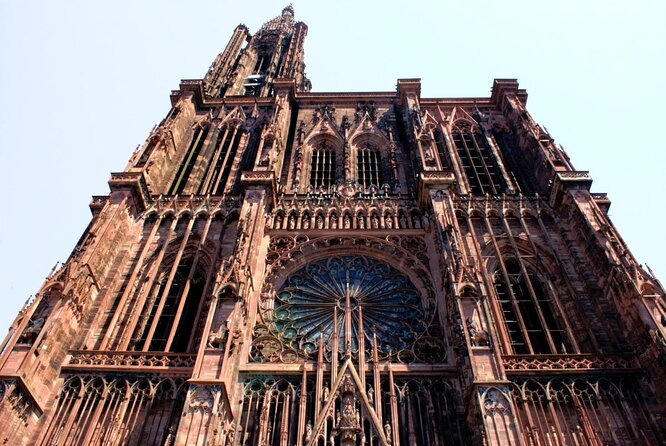
- Cathedral interior + façade storytelling, including the south portal tempter tale
- Observation games, including one using a cathedral model
- Palais and Prince of Rohan history as a focused stop
- A dedicated segment on the invention of printing
- Petite France on your schedule, ending at Place Kléber
Picking up your Hopla Guide bag near Pl. de la Cathédrale
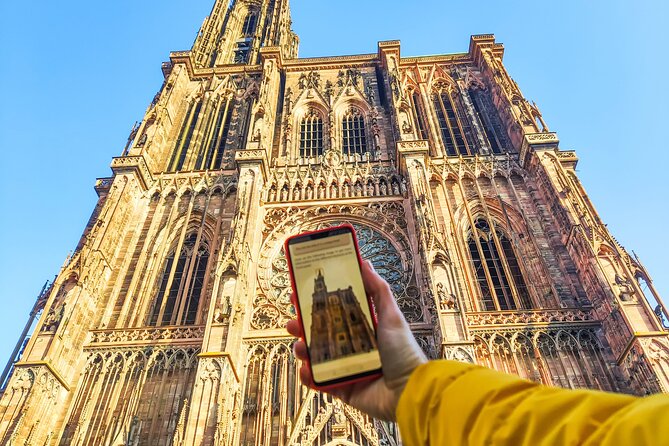
The tour starts at the Strasbourg tourism office at 17 Pl. de la Cathédrale, 67082 Strasbourg. You’ll pick up your Hopla Guide bag during opening hours, then begin whenever you’re ready inside that window. The hours listed run daily from 9:00 AM to 6:00 PM, with the office open throughout the year range shown.
I like this “grab-and-go” style because it lowers stress. You’re not forced into a tight departure time, and it helps if you’re arriving in Strasbourg by transit and need a little buffer. The pickup is quick too, since it’s designed as the launch point rather than a long briefing.
Also, it’s offered in English, so you won’t be stuck translating basic instructions. And since it’s private (your group only), the route feels less like a shared scramble and more like a focused walk you can manage together.
You can also read our reviews of more tours and experiences in Strasbourg.

Inside the cathedral: portals, façades, and a south-side story
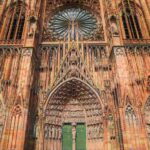
The first big “wow” moment is the interior of the cathedral. You’re not just walking through to admire the size. The experience is structured around noticing specific features and then answering questions tied to what you see.
Right after that, the tour guides your attention to the façade details. One of the standout themed parts is the story of the tempter of the south portal. That’s the kind of specific, character-driven detail that turns a decorative element into a story you can remember later, especially when you can spot the area it’s referring to.
Then comes an observation game built around a model of the cathedral. Models can be boring in other contexts, but here it’s used as a learning tool. You compare what you see in real life to what you’re asked to find, which helps your brain form a map instead of treating the building like one big wall of stone.
If you’re traveling with kids, this portion is one of the reasons the experience works. The interactive format gives them something to do while adults are still learning. That balance matters because cathedral visits can be tough with younger travelers.
The model-to-street game: building a mental map of Strasbourg’s center
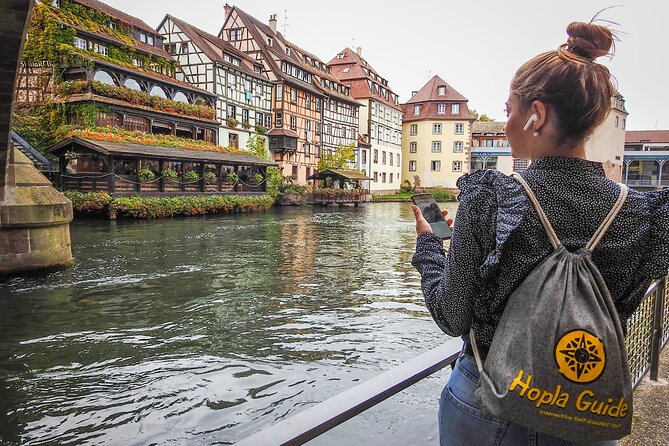
After the cathedral interior and the façade segment, you shift into another history and observation game. This is where the tour often feels like the instructions start clicking. You aren’t only reading facts; you’re repeatedly asked to look, notice, and respond.
That rhythm is practical. You spend a few minutes paying close attention, then you move on. It stops the “stand and listen” problem that happens with some guided tours, especially when the day is hot or weather changes fast.
The tour also layers in context for major nearby architecture. You’re gradually pointed toward what makes this area special, which helps once you start moving through streets where you can’t rely on one single landmark to guide you.
If you’re the type who likes to get your bearings fast, this is one reason to consider doing the tour early in your stay. It teaches you what to look for before you wander freely on your own.
Palais Rohan and the Prince of Rohan: history that has a human face
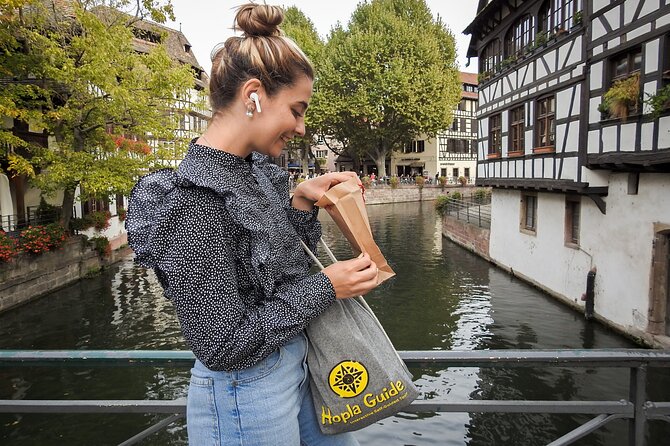
Next, you’ll reach the segment about the history of the Palace and the Prince of Rohan. This stop matters because it connects the cathedral zone to the broader story of power, influence, and style in Strasbourg.
Instead of treating the palace as just another impressive building, the tour frames it around a specific figure and the place tied to them. That’s a simple way to make big-name history stick. You’re not memorizing dates for their own sake, since the questions and prompts push you to connect what you see with what you’re learning.
I also like how this part of the experience works for mixed ages. People from 11 to 79 can enjoy it because you’re not dependent on long narration. You can participate at your own level, then check back with the group when something catches everyone’s attention.
There’s a gentle “choose your focus” feel here: some people zero in on architecture and symbols, while others enjoy the story hooks. The format supports both styles.
Printing history: a stop that turns curiosity into questions
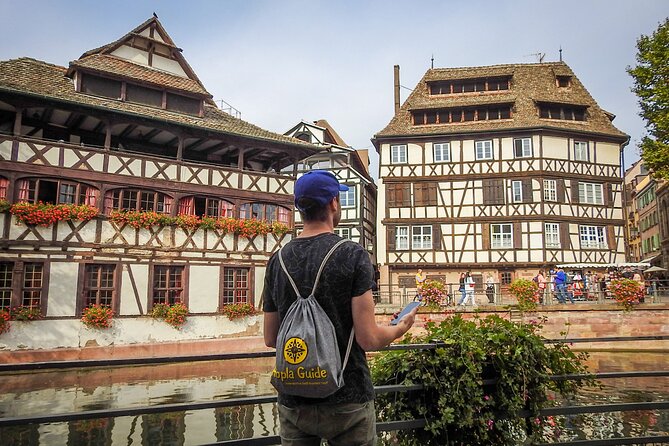
After the palace segment, the route includes the history of the invention of printing. You don’t have to be a bookish history nerd to enjoy this section, because the experience keeps it tied to questions rather than turning it into a lecture.
This is also a smart fit for Strasbourg. The city’s connection to print culture is a big part of its identity, and putting that story inside a walk makes it feel less like trivia and more like something that explains why you’re seeing certain things in the urban fabric.
In practice, this stop helps you slow down without getting stuck. You’re still moving through the city, but you’re using the prompts to direct your attention. It’s the difference between “we walked here” and “we learned something while we walked.”



Petite France at your own pace: picturesque streets, built-in purpose
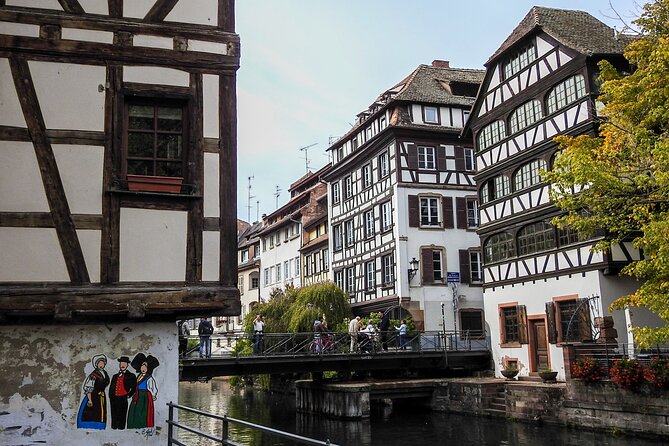
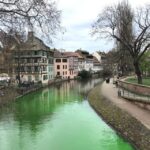
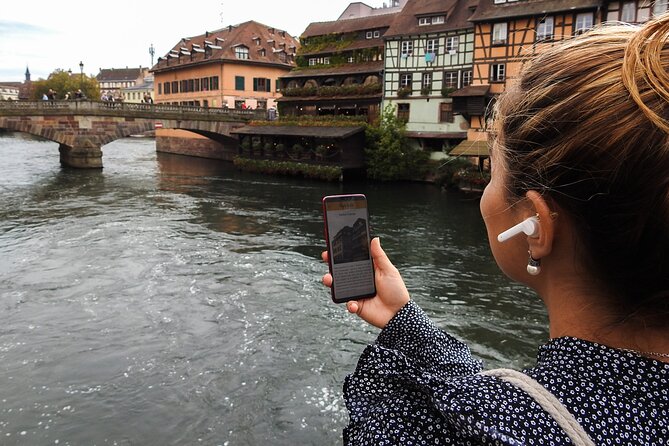
The tour then opens up into exploring the Petite France district. This is where the experience shifts from “find and answer” to “wander with guidance.” You get the best of both worlds: you’re using the game format to stay engaged, but you’re also allowed to linger where the streets feel most photogenic.
Petite France is the kind of neighborhood where you can easily lose time staring at façades, bridges, and canals. Here, that tendency can work in your favor. The interactive structure gives you an excuse to pause and look closely instead of just rushing through for the next landmark.
The segment is described as a way to discover the most picturesque part of the city, and that’s exactly how it plays on a good day. Even when weather turns, the interactive rhythm can keep the mood up. One review noted that bad weather didn’t ruin the experience because the app and games gave the day structure.
Ending at Place Kléber: a clean finish point
You wrap up at Place Kléber. Having a clear end point matters. It makes it easy to plan what you’ll do next—whether that’s grabbing coffee, continuing to museum time, or catching public transportation without needing to retrace your steps.
Place Kléber is a convenient hub, and ending there helps you avoid that awkward last stretch where everyone wonders where to go next. It also gives you a natural “time to regroup” moment after about 2 hours 30 minutes of walking and thinking.
Price and group value: what $75.69 buys you
The price is $75.69 per group (up to 10 people), and it’s typically booked about 9 days in advance. On paper, that might look high if you’re comparing it to a per-person city stroll. But the group pricing is the whole point.
If you’re traveling with family or a small friend group, it can be a strong deal. A group of 6, for example, effectively reduces your per-person cost while still giving you private routing (your group only). That private factor matters because it keeps the experience calmer and more manageable, especially with kids.
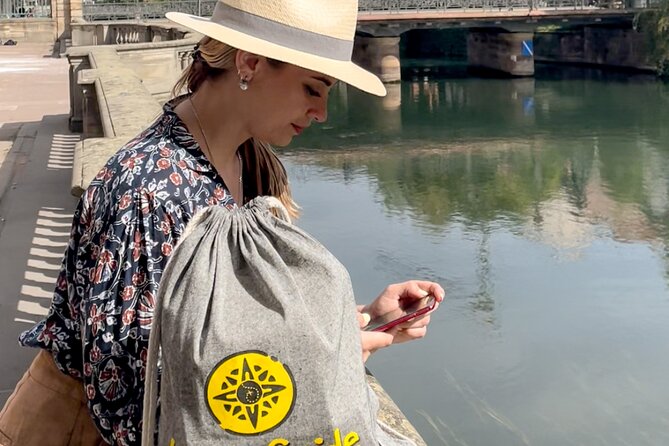
Also, the tour includes more than just route guidance. You get the Hopla Guide bag, the mobile ticket, and the interactive elements with observation games. The regional gifts included along the way add a small but memorable “souvenir” layer without requiring you to hunt for them later.
So the value is not just the sights. It’s the built-in engagement that turns a 2.5-hour walk into something you can talk about afterward.
Getting the most out of it: pacing, app setup, and walking comfort
This tour works best if you treat it like a game, not like a race. The format encourages you to stop at the prompts and answer questions. If you skip the prompts to speed through, you’ll feel like you’re just sightseeing without the extra meaning.
You’ll also want to take a moment before you start to confirm you understand how the app side works. One review described having to reach out because the download and use instructions weren’t easy to find. That’s not a dealbreaker, but it is worth checking early so you don’t lose time right at the start.
Walking time can add up. The route covers central Strasbourg highlights and then extends into Petite France. If you’re traveling with multiple participants who prefer shorter legs, you might find it helpful to split your day or slow your pace at the more relaxed segments.
Weather can also change how you experience outdoor stops. The nice part is that when conditions are rough, the interactive questions can keep you busy while you’re waiting out rain or adjusting your pace.
Who should book this Hopla Guide Strasbourg tour
This is a great match for you if you want a self-guided experience that still feels structured. It’s ideal for families because it’s interactive and it supports different attention spans at once. It’s also a good choice for mixed-age groups, since the activities can be enjoyed whether you’re focused on stories, architecture, or games.
I’d especially recommend it if you don’t want to hire a traditional walking guide but still want more than a plain map route. The prompts make it harder to miss details, and the gifts make the walk feel personal.
You might want to think twice if you prefer fully passive sightseeing—like only wandering and reading placards when you feel like it. The experience here has a stronger “do something” component, and you’ll get more from it if that suits your travel style.
Should you book this tour?
I’d book it if you’re excited by the idea of turning Strasbourg’s highlights into a choose-your-pace puzzle. The cathedral segment alone has enough specificity—like the south portal tempter story and the cathedral model game—to justify the time.
It also tends to work well when you’re traveling with kids or a multi-generational group, because the activities and regional surprises give everyone a role. If you’re worried about app setup, plan a few minutes at the start to make sure you’re ready before you walk.
If your schedule is tight or your group needs flexibility, the private format and clear end at Place Kléber help a lot. With free cancellation available up to 24 hours in advance, you can also book with some breathing room if your plans are still shifting.
FAQ
Where does the Strasbourg tour start?
It starts at Office de Tourisme Strasbourg et sa Région, 17 Pl. de la Cathédrale, 67082 Strasbourg, France.
Where does the tour end?
It ends at Place Kléber, Pl. Kléber, 67000 Strasbourg, France.
How long is the tour?
The duration is about 2 hours 30 minutes.
What is the price?
It costs $75.69 per group, up to 10 people.
Is the tour private?
Yes, it’s a private tour/activity, so only your group participates.
Is it offered in English?
Yes, it’s offered in English.
Do I get a mobile ticket?
Yes, the tour includes a mobile ticket.
Do I pick up anything before starting?
Yes. You pick up your Hopla Guide bag at the tourism office during opening hours.
What kinds of activities are included?
You’ll do guided observation games, including a game using a model of the cathedral, plus interactive questions throughout the route.
Can service animals join?
Yes, service animals are allowed.
Is there free cancellation?
Yes. You can cancel for a full refund up to 24 hours in advance of the experience start time.