REVIEW · STRASBOURG
Discover the Wines of Alsace and a brief introduction to Strasbourg.
Book on GetYourGuide →Operated by Fabry Tours · Bookable on GetYourGuide
Strasbourg is a fine place to pair a city walk with a wine tasting, and this tour makes that pairing its main event. You’ll see key sights such as Petite France, the covered bridges, and Notre Dame Cathedral, then settle into a 45-minute tasting of five Alsatian wines with a local sommelier.
I like the practical city overview and the wine talk about how soil, weather, and other natural conditions shape grape flavor. I also like the personal touches: the guide may use old photographs to show how Strasbourg has changed, and the walk has included stops for local cheese and nougat. The main drawback is pace. In 2.5 hours, you get an appealing introduction rather than a thorough city tour, and the tasting is not suitable for anyone under 18.
In This Review
- Key points to know before booking
- Why this Strasbourg tour works
- Starting at Place Kléber and Homme de Fer
- Rue du 22 Novembre and the central streets
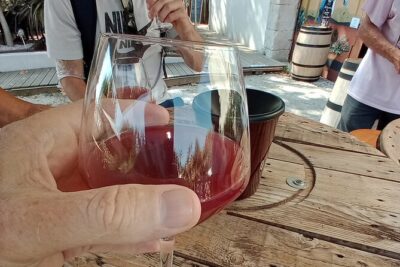
- The 45-minute Alsatian wine tasting
- Notre Dame Cathedral and Strasbourg’s postcard views
- Petite France, covered bridges, locks, and the swing bridge
- Ending near Place Gutenberg
- Who will get the most from this experience
- Should you book the Strasbourg wine and city walk?
- FAQ
- How long does the Strasbourg wine and city tour last?
- How many Alsatian wines are included?
- Which languages are available?
- Where does the tour start?
- Which Strasbourg sights are included?
- Is the tour private?
- Are entrance fees included?
- Is the activity suitable for children?
Key points to know before booking
- Five wines in one seated tasting: The main tasting stop lasts about 45 minutes and focuses on Alsatian wine with a sommelier from Strasbourg.
- A useful first look at Strasbourg: The route links Place Kléber, Homme de Fer, Rue du 22 Novembre, the cathedral, Petite France, and the covered bridges.
- A private group with a local guide: Fabry Tours provides a live guide in English or Spanish, with the experience designed for one private group.
- Photos and past-and-present stories: The guide points out good photo spots and may use historic images to show how certain places once looked.
- A walking tour, not a museum tour: You should expect outdoor sightseeing and wine tasting, with no museum or attraction entrance fees included.
- Plan for comfortable shoes: The route takes about 2.5 hours on foot, and the meeting instructions ask you to avoid backpacks and bags.
Why this Strasbourg tour works
The appeal here is simple: you get your bearings in Strasbourg, then sit down with wine while the city is still fresh in your mind. Instead of treating sightseeing and tasting as separate activities, the tour links the two. The guide explains what you are seeing, and the sommelier explains what you are drinking.
That combination suits a first visit. Strasbourg has a compact center, but its names and quarters can blur together when you are looking at the cathedral, canals, bridges, squares, and tram lines all at once. Starting at Place Kléber gives you a clear central reference point. From there, the walk moves through some of the city’s most recognizable areas before ending around Place Gutenberg according to the route.
The experience is private, which matters if you prefer to ask questions or move at a comfortable pace. It also avoids the feel of a large group trailing behind a flag. Fabry Tours is the named provider, and the guide is available in English or Spanish. One especially useful touch from the tour is the use of older photographs to connect present-day Strasbourg with its earlier appearance.
Still, keep your expectations in check. This is not a full historical tour, a formal winery visit, or a long tasting course. You will sample five Alsatian wines, but the description does not specify the exact labels, grape varieties, vintage years, or whether food is formally paired with the wines. Cheese and nougat have been included as informal tasting stops during the walk, but you should not book this as a meal.
You can also read our reviews of more wine tours in Strasbourg

Starting at Place Kléber and Homme de Fer
The tour begins at Place Kléber, the large central square in Strasbourg. Look for the guide in front of the Kléber monument with a red, blue, or black umbrella. If a market occupies the square, the alternate meeting point is in front of the Apple Store.
This is a sensible place to begin because it puts you close to several central streets and tram connections. It also gives the guide room to explain the city’s layout before the walk narrows into older streets. You should arrive ready to walk rather than expecting a coach or other transport.
The first named stop is Homme de Fer, a busy city junction and a useful contrast to the older quarters. The stop is short, about five minutes, and includes a photo opportunity and a brief explanation. Do not expect a long visit here. Its value is mainly orientation, helping you understand where central Strasbourg’s modern traffic and public transport meet the historic center.
Wear comfortable shoes and clothing. You will be on foot for most of the experience, and the route later reaches the covered bridges and waterways. The tour is described as wheelchair accessible, though the supplied information does not explain the exact surface conditions or how every part of the route is handled. If you use a wheelchair, confirm the route details before booking.
Rue du 22 Novembre and the central streets
The walk continues along Rue du 22 Novembre, with about ten minutes set aside for a visit and photographs. This part of the route helps connect Place Kléber with the older center. It is also a chance to pause before the wine portion, rather than rushing from one landmark to the next.
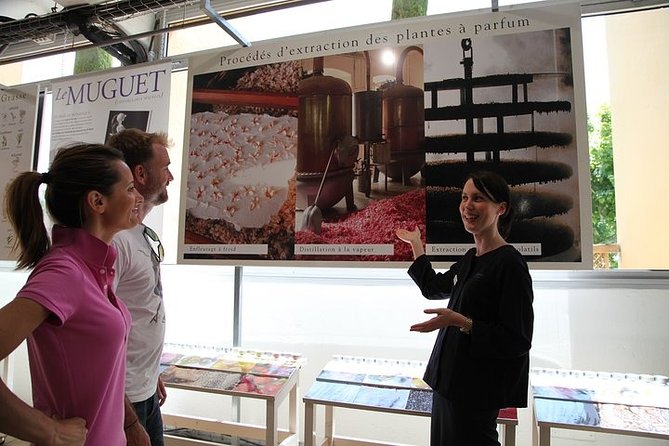
The guide’s role here is not just to point at buildings. The best use of a short city tour is to show you how the central streets fit together and to flag details you can return to later. The tour promises attention to important places and less obvious features, including city details that can be easy to miss when you explore alone.
One useful feature is the guide’s photo material. A past-and-present comparison can make a street corner more memorable than a long list of dates. You may find this especially helpful if you have limited time in Strasbourg and want a quick sense of how the city has developed.
The pace may feel brisk if you like lingering over architecture. The stop is only around ten minutes, and the entire walk has several major sights to cover. I would treat the tour as a first look, then return to the places that catch your eye.
The 45-minute Alsatian wine tasting
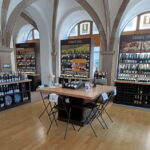
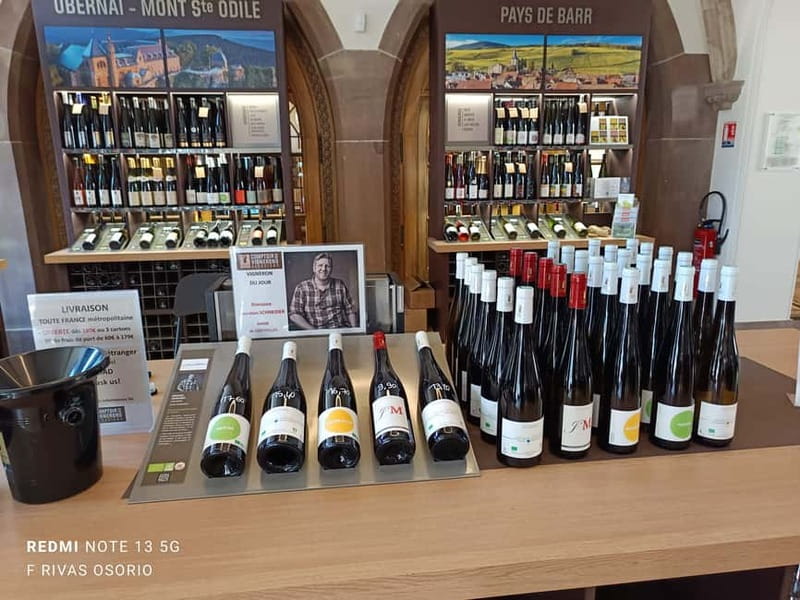
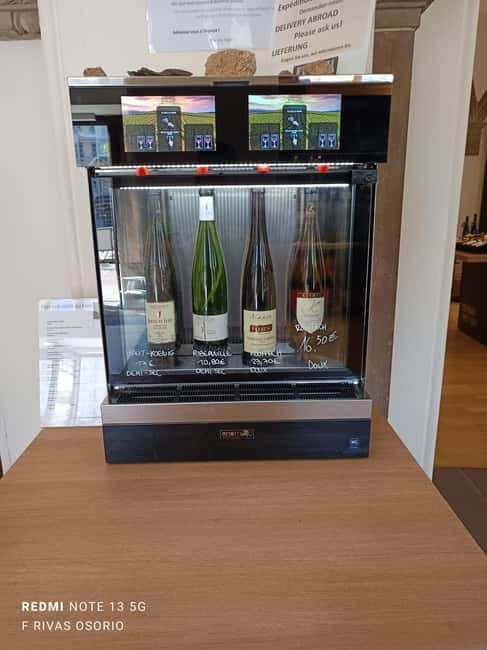
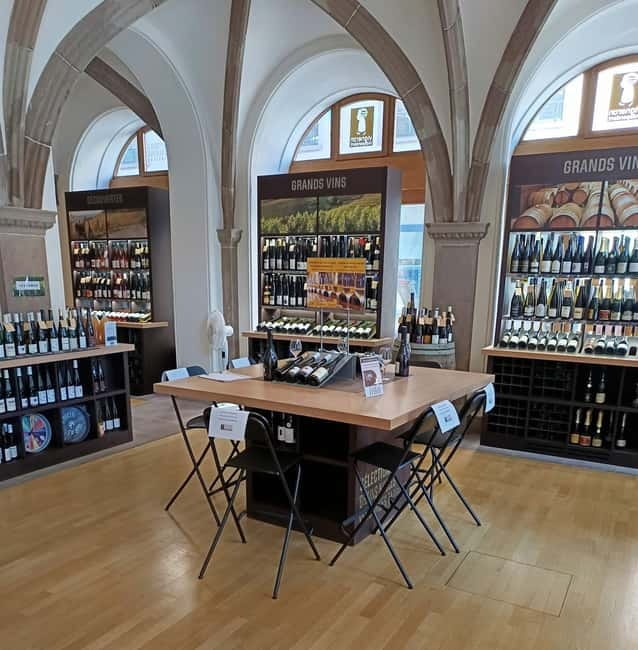
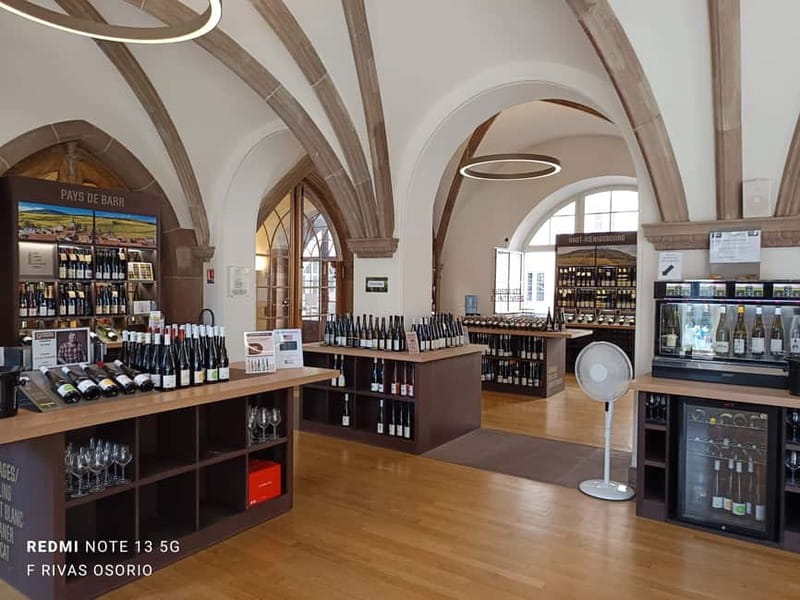
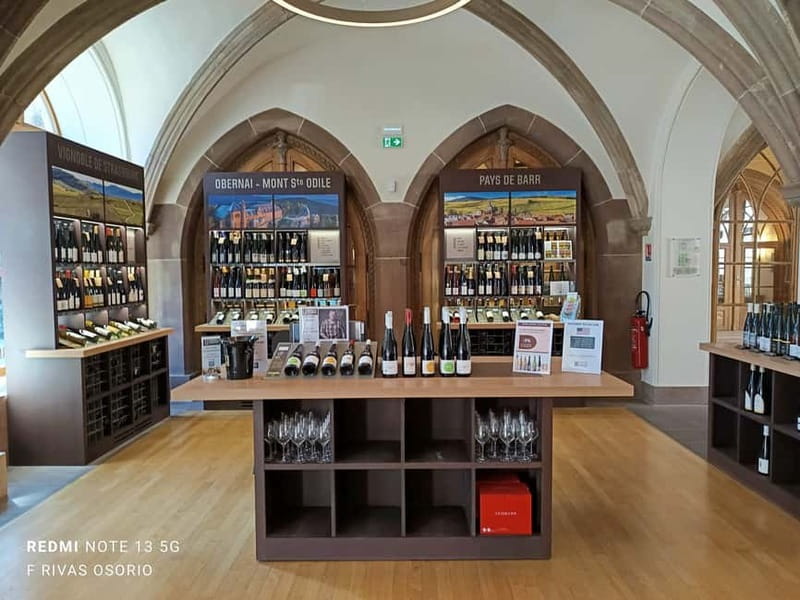
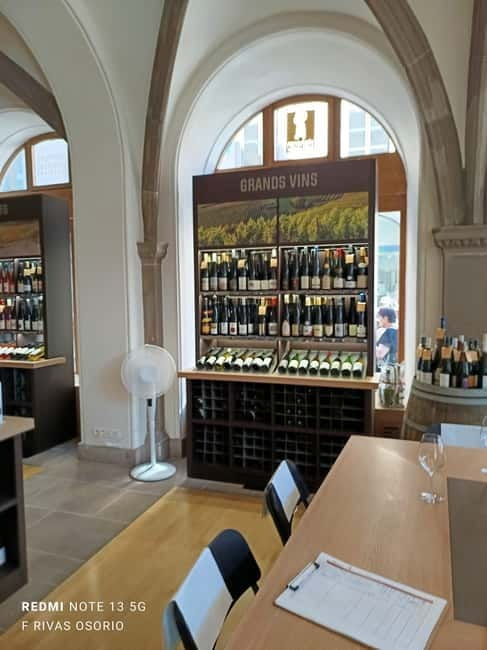
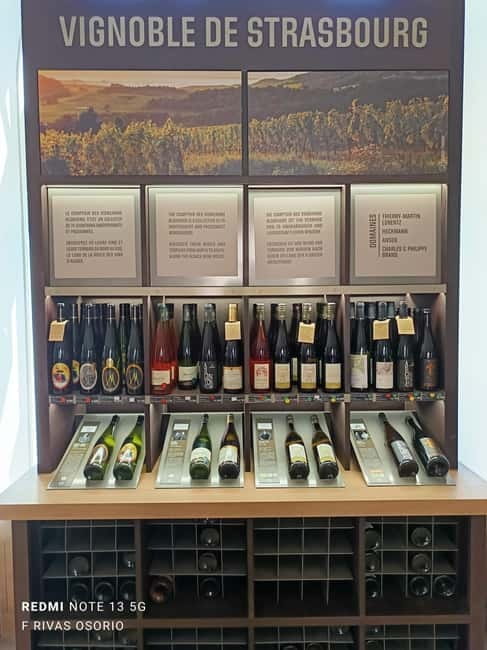
The central tasting stop lasts about 45 minutes and includes five Alsatian wines. A master sommelier from Strasbourg leads the tasting, explaining the connection between natural influences on the grapes and the resulting taste. That is the strongest educational part of the experience.
Alsace is a particularly good place for this kind of tasting because the region is associated with a varied set of white wines and distinctive growing conditions. The important point for you is not memorizing technical terms. It is learning to notice how a wine’s character changes and hearing a local explanation of why it tastes that way.
Five wines is enough to compare styles without turning the session into a marathon. You can ask questions, notice differences between pours, and decide which wine suits your own taste. Since the exact wines are not specified, do not assume the tasting will include particular grapes, producers, or rare bottles.
The tasting is described as a secret stop, meaning the precise location is not given in advance. That keeps the focus on the experience rather than on a named venue, but it also means you cannot assess the setting beforehand. The activity includes a commented tasting, not a full meal. Cheese and nougat have been sampled at vendors during the walk, though those extras should be viewed as occasional local treats rather than guaranteed food service.
At $108 per person, the wine session carries much of the value. You are paying not only for five samples but also for a private city walk, a live guide, and a sommelier-led explanation. The price makes more sense for someone who wants both activities and would otherwise book them separately. If your main goal is simply to see Strasbourg’s sights, a less expensive walking tour may suit you better. If your main goal is serious wine study, a dedicated Alsace wine excursion would offer more depth.
Notre Dame Cathedral and Strasbourg’s postcard views
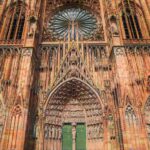
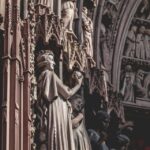
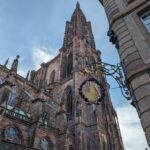
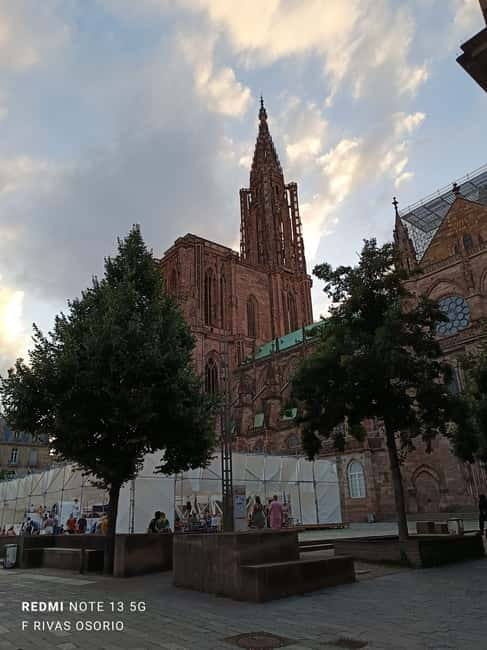
The route reaches Notre Dame Cathedral, with about ten minutes for photographs. Strasbourg Cathedral is one of the city’s essential sights, so including it gives the walk a clear visual centerpiece.
The short timing tells you what to expect: an exterior introduction and photo stop, not a detailed interior visit or a long architectural lecture. Entrance fees are not included, and the activity does not promise entry into the cathedral or any other attraction. If you want to go inside, plan that separately and check opening details for your date.
This is also a good point to use the guide’s photography help. The activity promises photographs of the most important places and the best city views, so you can expect guidance toward attractive angles rather than simply passing the building. Bring a camera or phone, as the tour specifically recommends it.
A ten-minute cathedral stop is enough for a quick introduction, but not enough for close study. You may want to return later if the building interests you. That is one of the tradeoffs of a short combined tour: you see more parts of Strasbourg, but each one gets limited time.


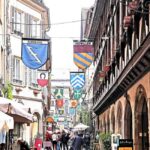
Petite France, covered bridges, locks, and the swing bridge
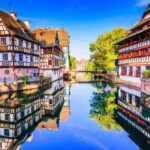
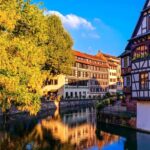
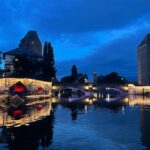
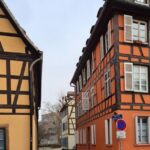
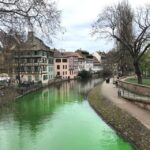
The walk then reaches Petite France and the covered bridges. This is the most atmospheric part of the route, with canals, old streets, locks, and bridges creating the Strasbourg many people picture before arriving.
The covered bridges are especially useful for understanding how the city’s waterways shape its neighborhoods. The itinerary allows a substantial walking section here, listed at about 57 minutes, so this is not just a quick photograph from the edge of the district. You will see the locks and the swing bridge as well, details that give the canal area more meaning than a simple scenic stroll.
The route is still an overview. You are not promised an extended stop at every bridge or lock, and the supplied information does not specify whether you enter particular buildings in Petite France. Think of this section as a guided outdoor walk through the area, with time for views and explanation.
This is where comfortable footwear matters most. The activity asks you not to bring bikes, backpacks, or bags, so pack lightly. The reason for the restriction is not explained, but you should follow it rather than arrive with a large day pack. A camera is encouraged, while a flashlight is not allowed and will not be needed for the described route.
Ending near Place Gutenberg
The stated route finishes at Place Gutenberg, another central square close to major sights. That makes the end useful for continuing your own visit, finding a meal, or returning to the cathedral area.
There is one practical detail to confirm before you go. The route lists Place Gutenberg as the finish, while the meeting information says the activity ends back at the meeting point. Those instructions do not match perfectly. Ask Fabry Tours to confirm the exact endpoint for your date, especially if you have timed transport or a restaurant reservation afterward.
The walking route itself is listed at 2.5 hours. Check the available start times when booking, since the schedule can affect how the tasting fits with lunch, dinner, or other Strasbourg plans. With a private group, you may have some flexibility, but you should not assume the start time can be changed unless the provider confirms it.
Who will get the most from this experience
I would recommend this tour to an adult who wants a broad first look at Strasbourg and enjoys wine but does not need a formal wine-school lesson. It works particularly well near the beginning of a stay, when you can use the guide’s suggestions to plan later visits.
It also suits couples, friends, or a small private party who value a personal guide. The English and Spanish options make it accessible to a wider range of visitors, and the private format should make questions easier than on a large group walk.
You may want to choose another activity if you are under 18, pregnant, looking for a family outing, or hoping for a full meal with your tasting. It may also disappoint you if you want extended cathedral time, museum entry, or a detailed visit to specific wine producers. The attraction is the combination of city highlights and local wine, not specialist depth in either subject.
Free cancellation is available up to 24 hours before the activity for a full refund, and you can reserve now and pay later. Those terms help if your Strasbourg schedule is still shifting. Travel insurance, food beyond what is included, souvenirs, and entrance fees are extra.
Should you book the Strasbourg wine and city walk?
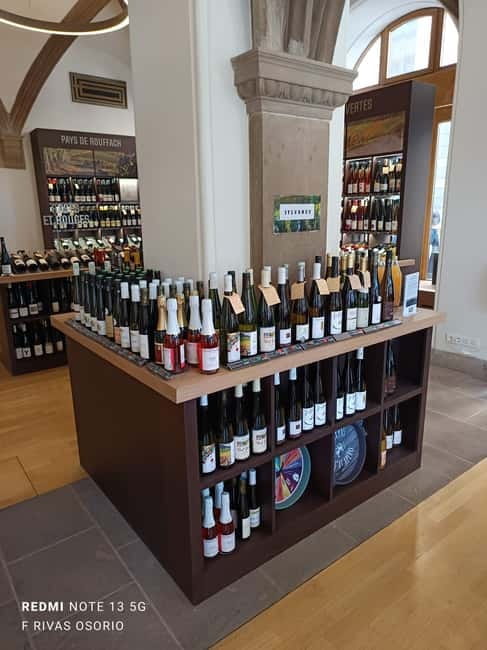
Book it if you want five Alsatian wines, a local sommelier, and a private introduction to Strasbourg in one compact outing. The strongest reasons are the useful route, the wine explanation about natural growing conditions, and the guide’s past-and-present photographs. The occasional cheese and nougat stops add a pleasant local flavor, though they should not replace lunch.
Skip it if you prefer a slow architectural tour, a full winery day, or a family-friendly activity. At $108, the value depends on using both halves of the experience. For an adult who wants to get oriented, take good photos, and understand Alsatian wine without committing to a full-day excursion, it is a well-balanced choice.
FAQ
How long does the Strasbourg wine and city tour last?
The experience lasts 2.5 hours. Check availability for the exact starting times.
How many Alsatian wines are included?
The tasting includes five Alsatian wines with commentary from a master sommelier from Strasbourg.
Which languages are available?
The live guide is available in English and Spanish.
Where does the tour start?
Meet at Place Kléber in front of the Kléber monument. Look for a red, blue, or black umbrella. If there is a market in the square, meet in front of the Apple Store.
Which Strasbourg sights are included?
The route includes Homme de Fer, Rue du 22 Novembre, Notre Dame Cathedral, Petite France, the covered bridges, locks, the swing bridge, and several central squares including Place Kléber and Place Gutenberg.
Is the tour private?
Yes. It is arranged for a private group with a local guide.
Are entrance fees included?
No. Museum or attraction entrance fees are not included. Food beyond the included tasting experience, souvenirs, travel insurance, and other extra expenses are also excluded.
Is the activity suitable for children?
No. The activity is not suitable for children under 18. It is also listed as unsuitable for pregnant women.