REVIEW · STRASBOURG
Alsace Wine Route Small Group Half-Day Tour with Tasting from Strasbourg
Book on Viator →Operated by Ophorus · Bookable on Viator
Alsace wine tastes better when you see where it comes from. This half-day small-group tour from Strasbourg pairs an expert guide with two tastings along the Route des Vins d’Alsace, so you get both context and sips without a full day commitment. It’s built around the idea that Alsace’s famous white wines start with the land, the weather, and the grape choices.
I especially love the two-winery tasting format. It gives you a real comparison—different producers, different styles, and different ways of explaining the same region. I also like how guides work the drive into the learning, with clear explanations of how grapes like Gewürztraminer and Riesling can taste so different from one another.
One thing to consider: this is a wine-focused tour, and snacks aren’t the default. You’re tasting plenty, and one review even noted the pour list can add up fast, so come fed and pace yourself.
In This Review
- Key highlights at a glance
- Strasbourg to the Alsace Wine Route: the drive is part of the value
- What you’ll learn about Alsace white wine (without turning it into a lecture)
- Stop 1: Route des Vins d’Alsace touring plus your first tastings
- Stop 2: the caveau cellar tasting and why aging matters
- Timing and pacing: 4 hours that don’t feel rushed (or do, depending on you)
- Guides and group vibe: when the guide clicks, the whole day clicks
- Price and what you get for about $157
- How to prep (so you enjoy the wine, not just survive it)
- Weather, cancellations, and the “small-print” you should actually care about
- Who should book this Alsace Wine Route tour (and who should skip it)
- Should you book this Alsace Wine Route tour from Strasbourg?
- FAQ
- How long is the Alsace Wine Route small-group tour?
- How many people are in the group?
- What language is the tour offered in?
- Is food or snacks included with the tastings?
- Are children or pets allowed?
- What happens if the tour is canceled?
Key highlights at a glance
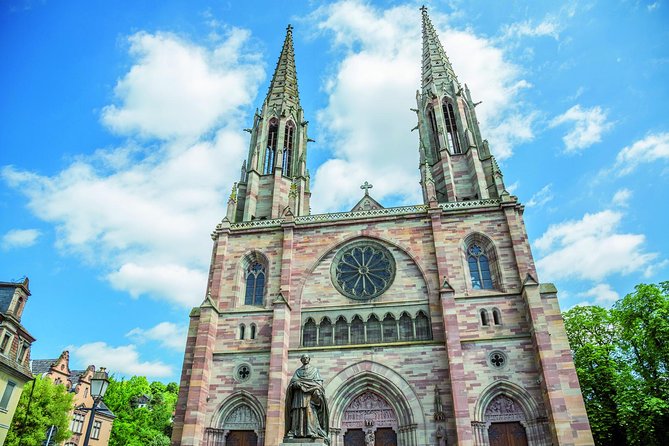
- Small group (up to 8 people) in an air-conditioned minivan, which keeps it relaxed and questions actually get answered
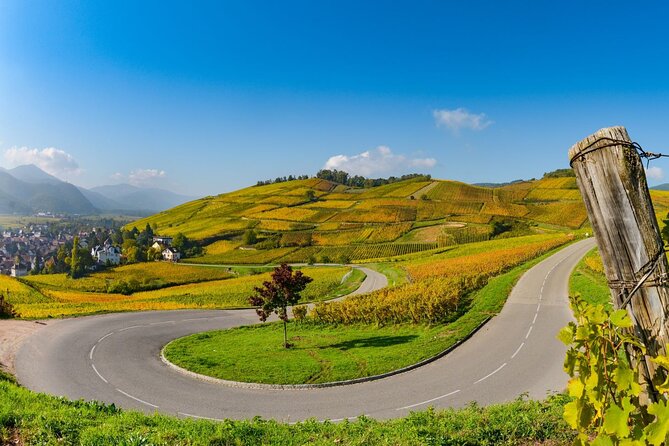
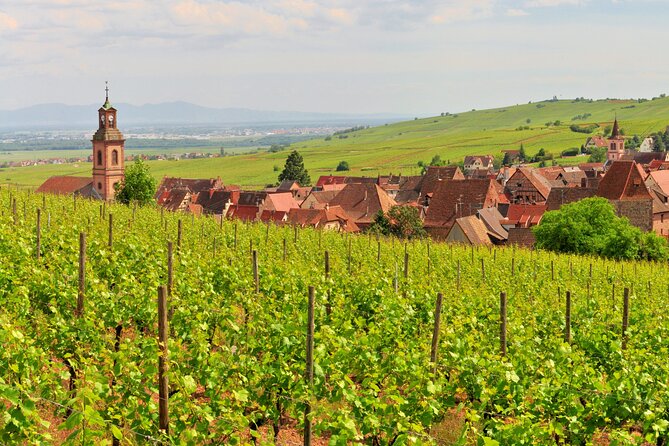
- Route des Vins d’Alsace road trip with views toward the Vosges area and lots of winery towns to spot
- Tastings at two different wineries, including a classic caveau setting for how the wine is stored
- Alsace grape education built in, covering major varietals grown in the region
- English-speaking guide plus guides with strong on-the-ground personalities, including names like Thierry, Carlos, Jerome, and Laurence in the feedback
Strasbourg to the Alsace Wine Route: the drive is part of the value
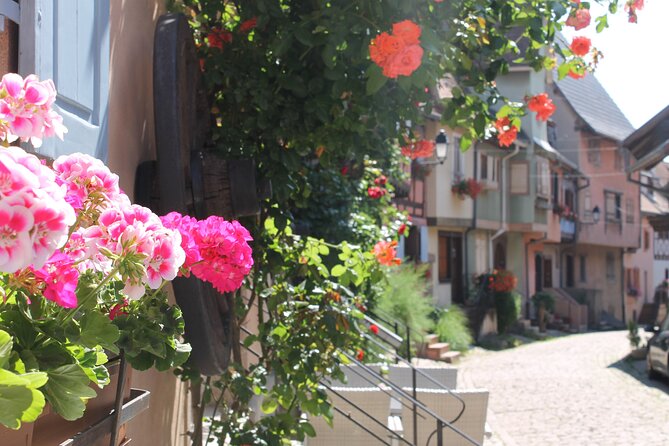
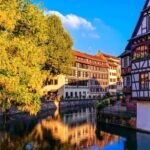
Alsace works when you learn its geography as you go. You start in Strasbourg at 8 Pl. de la Gare, then climb into an 8-passenger minivan with your English-speaking driver-guide. From there, the tour follows the Route des Vins d’Alsace, a well-known wine road that runs about 105 miles (170 km) through rolling hills near the Vosges Mountains.
This is one of those rare tours where transportation is doing real work for you. Instead of you bouncing around on your own schedule, you get a guided route that helps you understand why the region produces such distinctive white wines. And since you’re back at the starting point at the end, you don’t have to solve the “how do I get home from the countryside” puzzle.
The small-group size matters too. With a max of 8 travelers, the guide can slow down when someone asks a question, rather than rushing everyone through like a cattle train. In practice, that tends to make the whole thing feel more like a shared afternoon than a scripted factory tour.
You can also read our reviews of more food & drink experiences in Strasbourg
What you’ll learn about Alsace white wine (without turning it into a lecture)
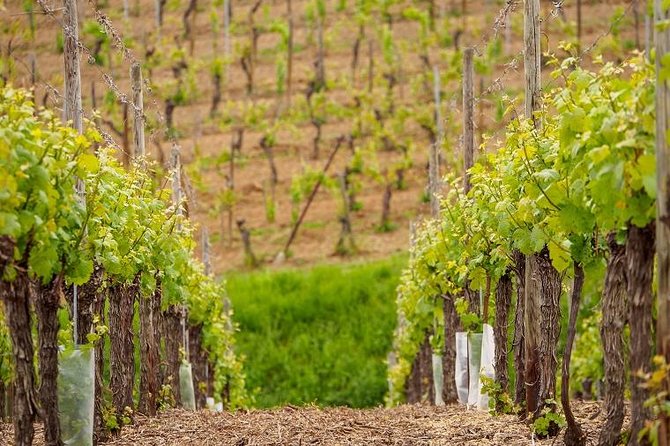
The guide’s job here is to connect the dots between place and glass. On the drive, you’ll get a picture of how soil, climate, and sun exposure shape Alsace’s wine style—especially its reputation for standout whites. You’ll also hear how the region grows multiple grape varietals, and why their flavors can be complex even when you think you already know what you like.
This tour is designed for wine lovers, but it doesn’t assume you’re already a sommelier. The tastings are the payoff, and the explanation is there to help you recognize what you’re tasting. You’ll learn how varietals such as Gewürztraminer and Riesling show up with different aromas, sweetness levels, and acidity.
A helpful pattern that comes up during tastings in Alsace: you’re not just drinking. You’re comparing. You’ll be encouraged to notice differences between producers and styles, which makes the final “which bottle should I bring home” decision feel less like guessing.
Stop 1: Route des Vins d’Alsace touring plus your first tastings
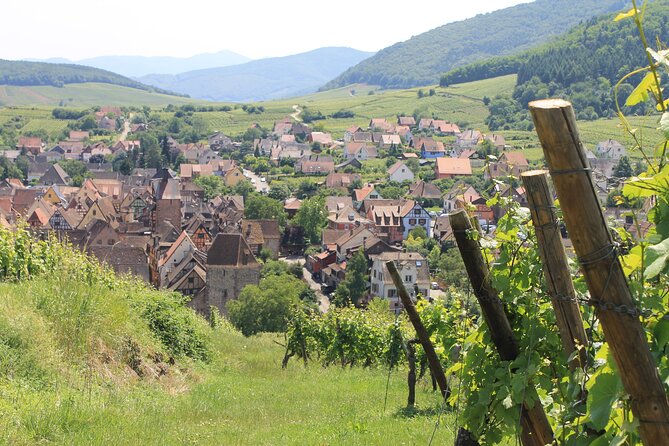
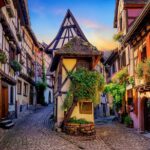
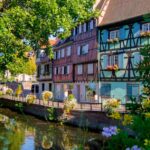
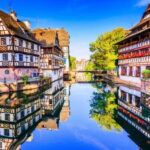
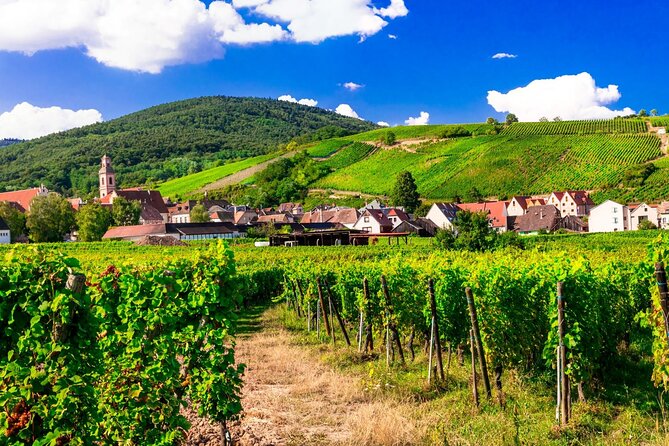
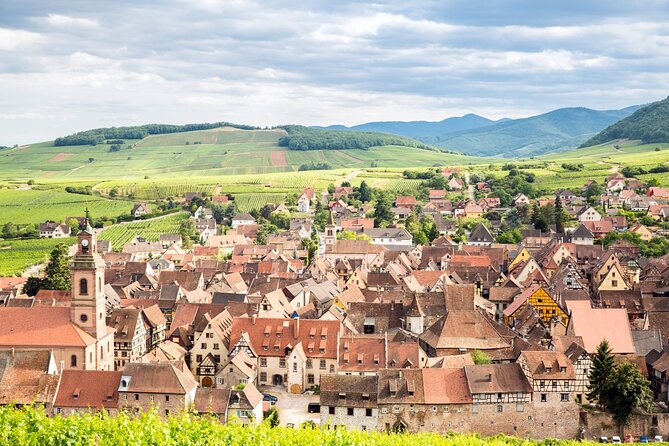
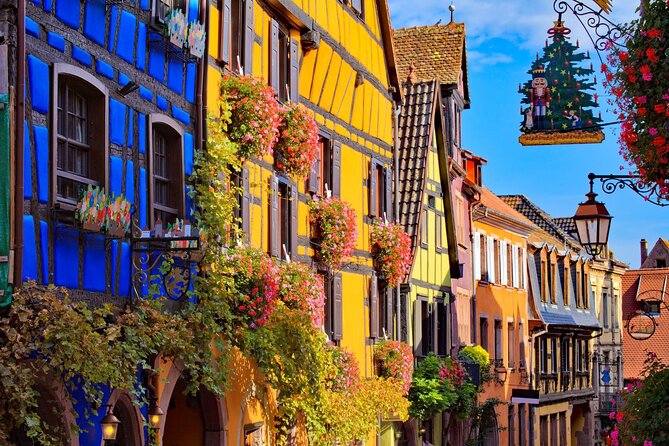
Your half-day starts by heading out along the wine road, soaking up the atmosphere of Alsace’s winery countryside. You’ll pass land dotted with hundreds of wineries, and you’ll start getting a mental map of the region—where the villages sit, how the hills roll, and how the road links wine towns together.
Then you reach the first tasting stop, described as tasting excellent local Alsatian white wines. In real terms, this is where your guide begins turning the landscape (sorry, not that kind) into flavor: why these grapes behave the way they do, and how a producer’s approach affects the final glass.
One practical point: tastings don’t always mean tiny pours with a cracker on the side. France often skips snacks during wine tasting to preserve the wine’s flavor. So even if your first stop feels welcoming and easy, keep in mind that you’re still going to sample multiple wines, and the cumulative effect can sneak up on you.
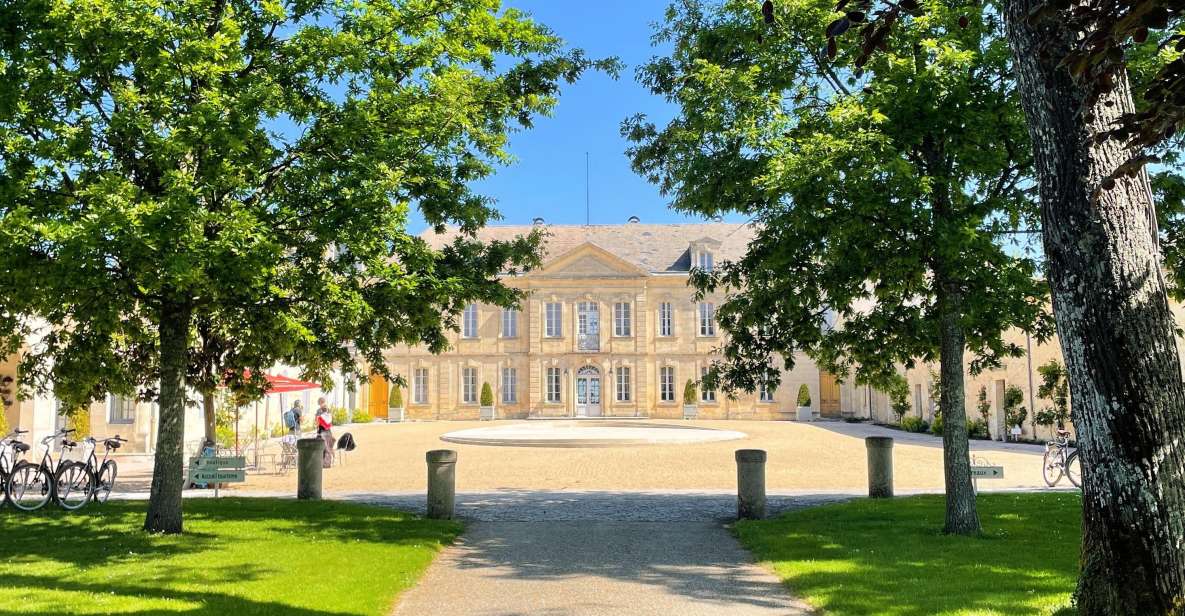
Also, know that not every “winery visit” is a big, polished visitor center. Some tastings can happen in a small family setting, even a home-like space. That can be charming and authentic if you’re expecting intimacy, but it can feel underwhelming if you’re picturing a formal vineyard tour with dramatic views.
Stop 2: the caveau cellar tasting and why aging matters
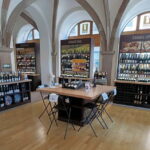
After your first tasting, you head back out along the Route des Vins d’Alsace toward the second winery experience. The highlight here is a classic Alsatian wine cellar, often referred to as a caveau, where wine is stored and aged.
This is the part I think most people underestimate. You might go to taste wine, but you leave understanding why cellars exist and what they do. The cellar visit helps you connect the tasting notes to real-world aging conditions, which is exactly what makes a bottle taste different weeks or months later.
In the feedback, guides often explain not just what’s in the glass, but how categories fit together. For example, one guest said they learned what Cremant wine is during the experience, and the group enjoyed it. Even if your exact lineup varies by day, you can expect a guided explanation of the wines you’re tasting and how they fit into Alsace’s broader style.
This second stop is also where the “two wineries” concept really pays off. You’re not just collecting bottles—you’re collecting comparisons. One place can emphasize precision and structure, while another might lean into a more approachable style. Either way, the cellar setting anchors the story in something tangible.
Timing and pacing: 4 hours that don’t feel rushed (or do, depending on you)
The tour runs about 4 hours. That’s long enough to travel, taste twice, and learn the basics, but short enough to still enjoy Strasbourg afterward. You’ll have morning or afternoon options when booking, which is great if you’re trying to align with your other plans.
Pacing is usually comfortable because it’s a small group and only two tasting stops. Still, keep expectations realistic: wine tastings take time, and so does talking to producers. If you want extra conversation, it helps to show up ready with questions, because the guide is most likely to engage when the group isn’t already in “sit back and sip” mode.
One thing I’d plan for: drive time between stops. Some days feel lively and chatty; other days can feel quieter in the minivan. That’s not necessarily bad—just be prepared. If you’re the type who likes to learn through conversation, bring a couple of topics you care about (pairs with food, bottle styles, how to pick a Gewürztraminer, and so on).
You can also read our reviews of more wine tours in Strasbourg


Guides and group vibe: when the guide clicks, the whole day clicks
The biggest “make it or break it” factor for most wine tours is the guide’s energy and skill at turning a tasting into an education. This tour tends to deliver strong results, with multiple guide names showing up in feedback, including Thierry, Carlos, Jerome, and Laurence. Across those mentions, the common thread is clear: people felt the guide explained things in a way that made the wine easier to understand.
Even the less-perfect experiences still point to the same lesson. A guide who talks with energy and answers questions tends to make the drive more fun, and it makes tastings feel more intentional. If you’re choosing this tour specifically because you like learning, it’s worth knowing that the format is set up for exactly that.
And if you’re traveling solo, the small group can be a plus. You get a built-in chance to chat with other visitors from different countries without the awkwardness of forcing conversation in a large group.
Price and what you get for about $157
At about $157.28 per person for roughly 4 hours, the value here comes from three things you’d otherwise have to piece together yourself.
First, you pay for transportation. The minivan takes you along the Alsace Wine Route and back to Strasbourg. Second, you’re paying for access to two different tastings, which often costs real money and time if you’re booking on your own. Third, you’re paying for the guide to translate the wine into context—why those grapes taste the way they do.
Food isn’t included, and that’s the only place where the value math can surprise you. If you go in hungry, your experience might feel a bit harsher than it needs to be. Since snacks aren’t usually provided during tastings, I treat this tour like a structured tasting event: eat a solid breakfast or lunch first, and then enjoy the pours.
So is it “cheap”? No. But it’s also not a casual stroll. For a wine region day trip that includes tastings and guided routing, the price makes sense if you want both structure and a couple of real producer visits.
How to prep (so you enjoy the wine, not just survive it)
Here’s how to make this tour smoother from minute one.
- Eat beforehand. Since snacks aren’t usually provided during tastings, plan a good breakfast or lunch before you meet at Pl. de la Gare.
- Drink water between tastings. It helps you stay focused on aromas and flavors instead of just thinking about the next sip.
- Go in curious, not picky. Alsace whites can run from aromatic and expressive to crisp and steely, and comparing styles is the point.
- Decide your pace. If you’re the kind of person who tends to power through, slow down; you’ll taste more when you don’t rush.
- Bring a photo mindset. There are chances for views as you drive through the villages and up toward the Vosges area, so you’ll want your phone ready.
One small bonus: because you’re only visiting two wineries, you can actually remember what you liked at stop one when you get to stop two. That makes the day feel coherent instead of scattered.
Weather, cancellations, and the “small-print” you should actually care about
This experience depends on good weather. If it’s canceled due to poor conditions, you’ll be offered a different date or a full refund. It also requires a minimum number of travelers, so if the minimum isn’t met, you’ll get a different option or a full refund.
That’s the practical reality of any countryside wine day. If you’re booking as part of a tight schedule, it’s still manageable, but I’d avoid scheduling it as your only possible sightseeing window.
Who should book this Alsace Wine Route tour (and who should skip it)
This is a great fit if you want a guided tasting day without the stress of driving or planning winery stops in advance. You’ll enjoy it most if you like tasting multiple styles and learning how Alsace’s whites work, not just collecting bottles.
It’s also a smart choice if you’re short on time in Strasbourg. Four hours lets you add the Alsace countryside to your trip without sacrificing your evening.
I’d be more cautious if you’re expecting a vineyard-heavy tour with big dramatic vineyard walks every time. Some tastings can happen in smaller family spaces, and the charm can depend on your expectations. If you want only large, formal visitor experiences, you may need to manage that expectation going in.
Should you book this Alsace Wine Route tour from Strasbourg?
Yes, I’d book it if you want a focused half-day that combines route views, two producer tastings, and real explanations of Alsace whites. The format hits a sweet spot: enough time to compare wines, not enough time to feel exhausted.
I’d especially consider it if you’re the kind of traveler who enjoys learning while walking between sips. With guides like Carlos, Jerome, Thierry, and Laurence showing up in strong feedback, you’re likely to get an experience that feels lively and thoughtful, not just transactional.
But don’t treat it like a casual drink-and-snack outing. Eat first, pace your tasting, and remember that the experience is built around wine education and cellars—not a full lunch and a vineyard hike marathon.
FAQ
How long is the Alsace Wine Route small-group tour?
The tour lasts about 4 hours (half-day).
How many people are in the group?
This is a small group tour with a maximum of 8 travelers.
What language is the tour offered in?
The tour is offered in English, with an English-speaking qualified driver guide.
Is food or snacks included with the tastings?
Food and drinks are not included unless specified. In France, snacks are usually not provided during wine tastings, so it’s recommended you have a good breakfast or lunch beforehand.
Are children or pets allowed?
Children under 18 are not allowed. Pets are not allowed on the tour.
What happens if the tour is canceled?
The experience is non-refundable and cannot be changed for any reason. If it’s canceled due to poor weather, you’ll be offered a different date or a full refund. If it’s canceled because the minimum number of travelers isn’t met, you’ll be offered a different date or experience or a full refund.