REVIEW · STRASBOURG
Strasbourg on Foot: Historic Center and Petite France with a Local Guide
Book on GetYourGuide →Operated by Free Tour Europe · Bookable on GetYourGuide
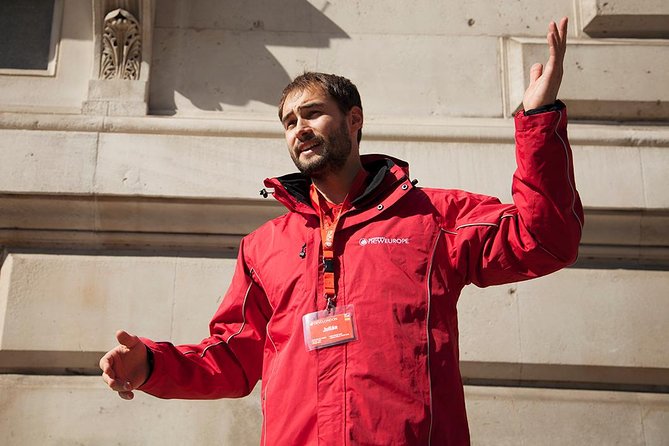
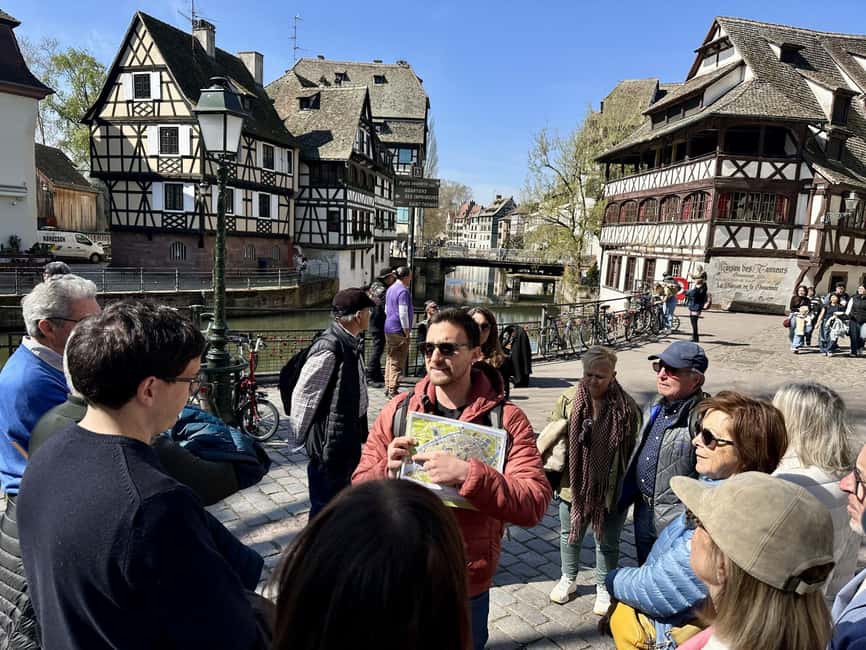
Strasbourg feels medieval before you even walk. I love the way this tour links Notre-Dame’s Gothic skyline with La Petite France’s canal views, and I like that the local guide keeps the story moving at a good pace (the kind of experience where questions get answered, not brushed off). One thing to consider: it’s a short walking tour, so you’ll want weather-ready layers since several stops are outdoors.
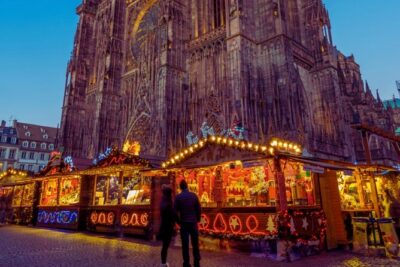
The vibe at the start is especially good in December, when Place Kléber turns into a festive scene dominated by its Christmas tree. You’ll also learn how the cathedral’s astronomical clock becomes a timed little show, which is handy if you want to plan the rest of your sightseeing day around it.
At the end, you’re deposited right in La Petite France, where calm canals and traditional houses do most of the relaxing for you. Plus, you get a small tasting of a typical Alsatian sweet, a city map, and practical recommendations for where to go next, all led in English or Spanish.
In This Review
- Key highlights you’ll feel right away
- Where the tour begins: Place Kléber and Strasbourg’s central beat
- Notre-Dame de Strasbourg: what you should look for (and when)
- Palais Rohan: a palace that turns politics into perspective
- The old-city spine: Gutenberg Square, Saint-Thomas, and the street-level clues
- Ponts Couverts (Covered Bridges): why defense and canals belong together
- La Petite France: canals, half-timbered houses, and the Tanner’s Quarter feel
- What’s included (and why it’s good value)
- Pace, timing, and what to wear on a 2-hour walk
- Who should book this Strasbourg walking tour
- Should you book it?
- FAQ
- Where does the tour start?
- How long is the tour, and what does it cost?
- Is Notre-Dame de Strasbourg visited inside or outside?
- What parts of the city are covered on the walk?
- Is Rohan Palace included?
- Does the tour include any food or drink?
- What languages are available for the live guide?
- Can I get a refund if my plans change?
Key highlights you’ll feel right away
- Place Kléber at holiday time: a strong start point, especially when the Christmas tree lights are up
- Notre-Dame focus: Gothic details plus the astronomical clock story
- Palais Rohan: princes and cardinals in the background, with today’s museum halls
- Covered Bridges (Ponts Couverts): medieval defensive structures and canal crossings
- La Petite France finish: half-timbered streets, cobbles, and the classic canal scene
Where the tour begins: Place Kléber and Strasbourg’s central beat
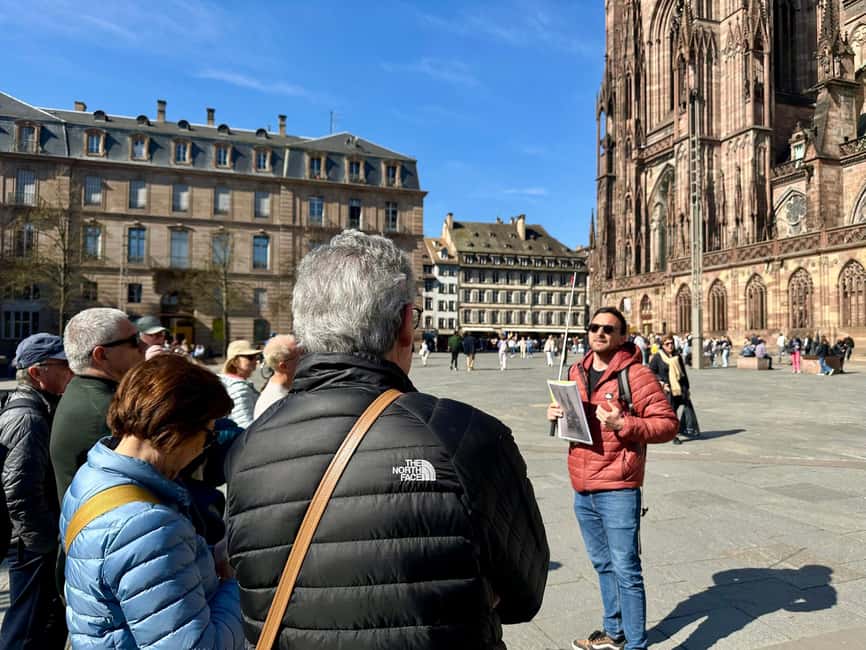
Most good old-city walks start with a map anchor, and Place Kléber does that job fast. It’s the beating heart of Strasbourg, and the tour’s meeting point here (or a nearby start option at 14 Rue Mercière) makes it easy to orient yourself right away.
I also like that the guide sets the tone immediately. During the Christmas season, the square becomes dominated by a tall Christmas tree under bright lights. Even if you’re not shopping, it’s the kind of start that makes Strasbourg feel like a living postcard before you’ve even reached the first landmark.
You can also read our reviews of more guided tours in Strasbourg

Notre-Dame de Strasbourg: what you should look for (and when)
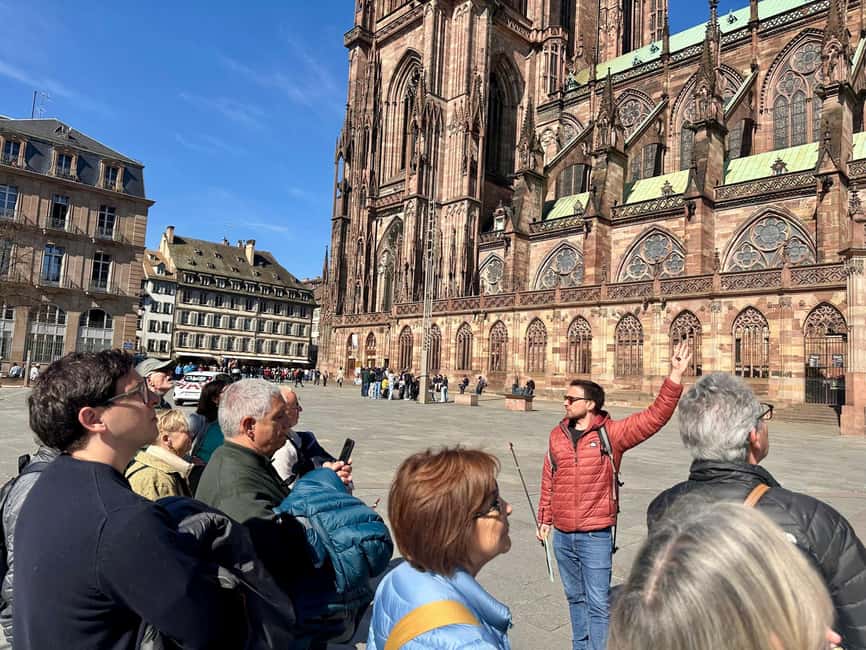
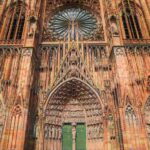
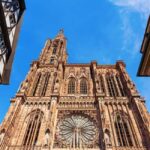
Notre-Dame de Strasbourg is the skyline boss. From the outside, you’ll get a clear view of its European Gothic architecture and the famous tower height (142 meters), so you understand why people build their routes around this building.
A big moment here is the cathedral’s astronomical clock. The key practical point is timing: the clock offers a spectacle at certain times of day. You don’t need to memorize technical details. Just keep it in mind while your guide is walking you through what the clock is and why it mattered, because you might want to plan other stops with that in your head.
You’ll also hear about the stained glass effect—how multicolored light filters through medieval windows. Even without a long indoor stay, that concept helps you “see” what the cathedral looks like when the light hits the glass, which makes your first impression stick.
Palais Rohan: a palace that turns politics into perspective
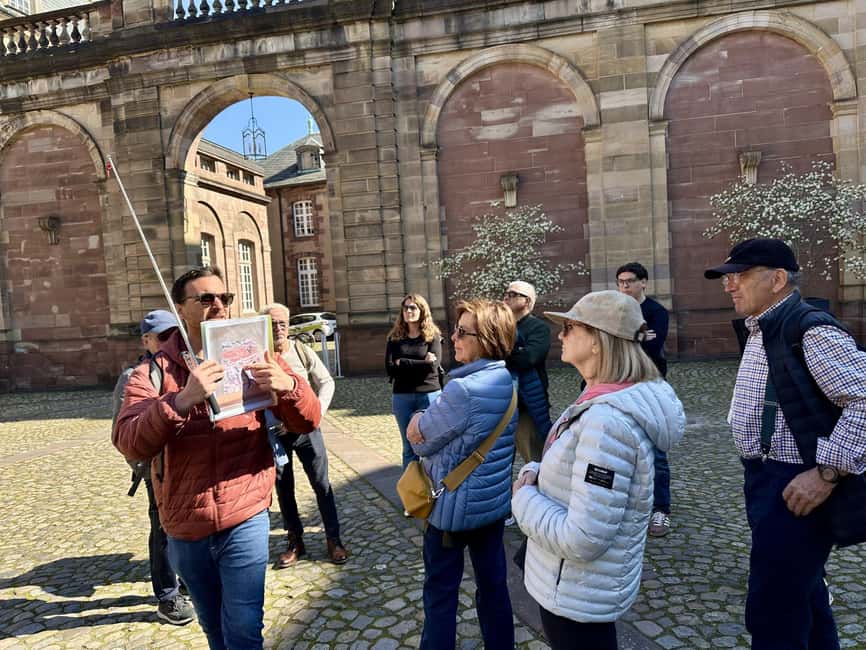
After Notre-Dame, the walk swings toward Palais Rohan, the 18th-century residence tied to princes and cardinals. That sounds grand, but what makes it useful on foot is how the palace connects big power to a city scale you can actually grasp.
Your guide brings the place to life with stories about historical figures associated with the palace, including Marie Antoinette and Napoleon. Even if you only remember a couple of names, it changes the experience from sightseeing to understanding. You start realizing Strasbourg wasn’t just beautiful—it was strategic, influential, and closely linked to European events.
And today, Palais Rohan houses museums like the Fine Arts and Decorative Arts. Knowing that in advance helps you read the space differently as you move through it with your guide. It’s not only about the palace façade; it’s about why these halls still matter.
The old-city spine: Gutenberg Square, Saint-Thomas, and the street-level clues
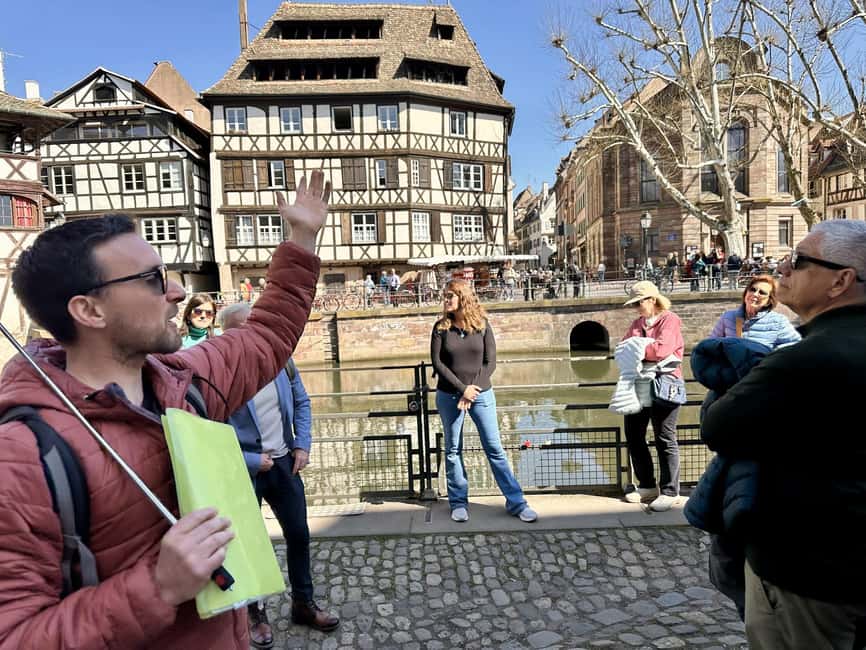
Once you leave the biggest monuments behind, the tour gets smarter about how cities actually work. Stops like Place Gutenberg (described as Strasbourg’s cultural and historical center) act like a “decision point” for the walk’s story.
From there, you pass through other central waypoints such as Église Saint-Thomas. The value here isn’t that every church stop is a standalone event. It’s that a local guide helps you connect each landmark to the next. You begin to understand the rhythm of the old center: civic buildings, squares, and church silhouettes forming a mental map.
Two other quick stops help keep the route grounded in everyday city life: L’Ancienne Douane and Place des Tripiers. Even without long detours, these names give you a feel for Strasbourg as a working city, not just a museum. Your guide’s explanations make these points feel like chapters in the same story, rather than random stops you could have Googled later.
Practical note: because this is a 2-hour format, the “in-between” stops are brief. If you’re the type who wants to linger in photos, you’ll still get the big hits—but be ready to move.
Ponts Couverts (Covered Bridges): why defense and canals belong together
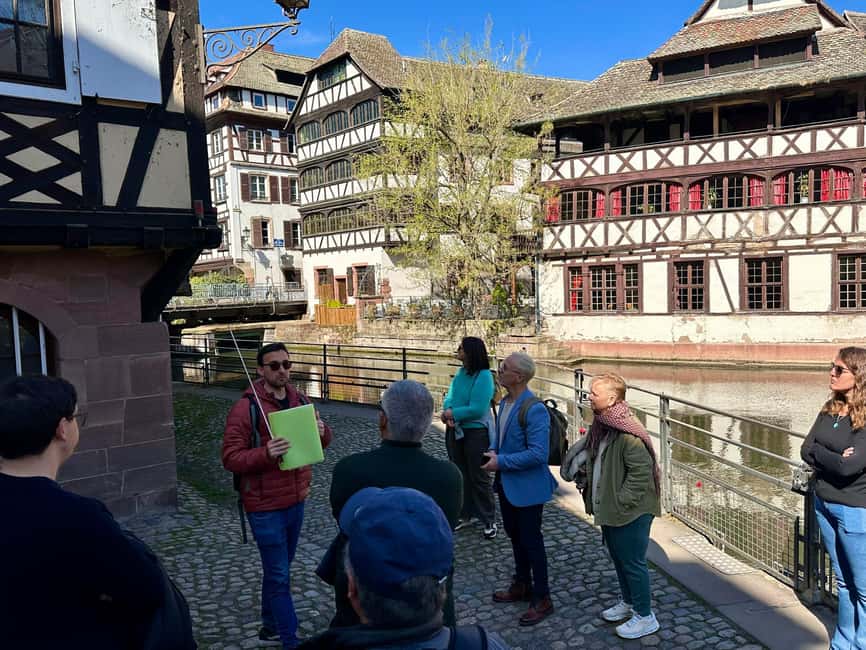
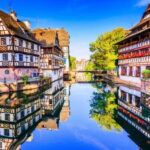
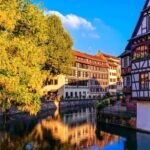
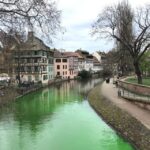
Ponts Couverts, the Covered Bridges, are one of Strasbourg’s most recognizable symbols for a reason. You’ll see the medieval structure set around canals, and you’ll learn how the old wooden roofs once protected these crossings.
Here’s what I think makes this section click: it’s not just architecture. It’s infrastructure and defense. Your guide explains the defensive towers and how the canals crisscross the historic quarter. That turns what might look like charming “bridge-and-water” scenery into a more serious story about how the city protected itself and how it evolved over time.
When you pause for views, you’re not only taking photos—you’re also learning the geography. After this stop, La Petite France feels like the next logical page, not a separate attraction.
You can also read our reviews of more historical tours in Strasbourg




La Petite France: canals, half-timbered houses, and the Tanner’s Quarter feel
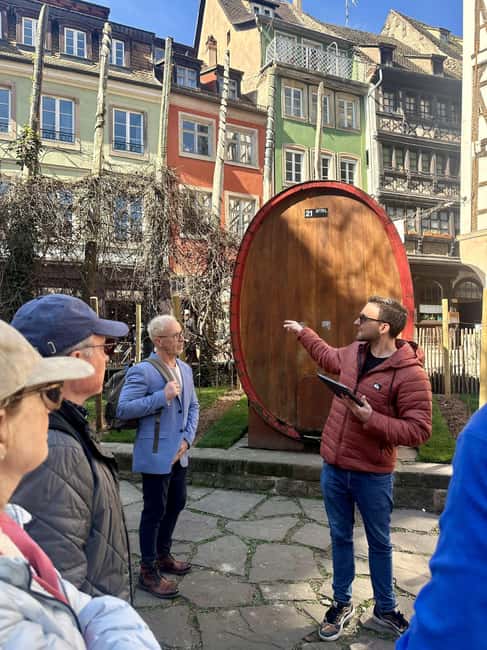
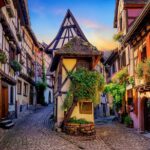
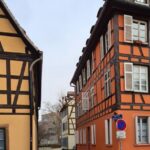
The finish in La Petite France is where Strasbourg shifts from dramatic monuments to intimate scenery. The area is described as one of the city’s most picturesque neighborhoods, with half-timbered houses, cobbled streets, and canals that create that classic reflection-and-stone effect.
This is also where the tour taps into the artisanal roots of the old city. You’ll hear about the Tanners’ Quarter—Strasbourg’s craft origin—so the neighborhood isn’t just pretty. You understand why these streets and waterways mattered for work and daily life.
The way you move through La Petite France works because it’s pedestrian-friendly in feel, even if it’s still a walking tour. Narrow streets and canal sightlines keep you oriented without needing constant map checks. And the tour wrap-up is placed right in the neighborhood, giving you time to slow down and soak up the calm by the water.
One small consideration: this part is a “linger zone,” meaning you may want more time than the tour gives you. If you can, plan a short extra window after the tour so the neighborhood stays enjoyable, not rushed.
What’s included (and why it’s good value)
At $34 per person for about 2 hours, you’re paying for three things that matter more than a checklist:
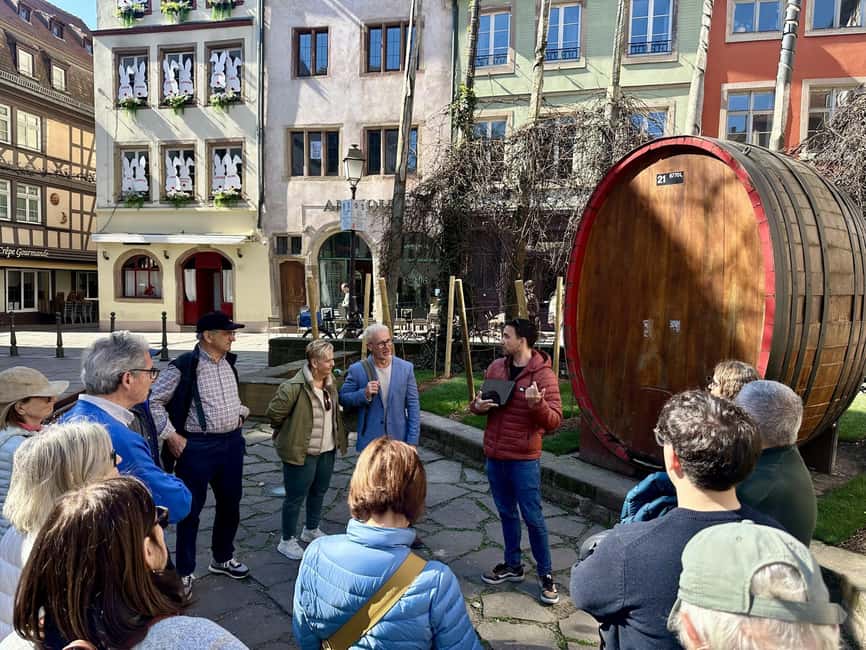
- A local guide who strings landmarks together into a clear walking narrative
- Entry-style engagement where relevant, like the visit to Palais Rohan
- A built-in tasting and practical help after the walk
The included tasting is a typical Alsatian sweet. That’s a nice bonus because it’s local and easy—no searching for a café or guessing what to order. You also get a city map and recommendations for places to visit, which helps you turn the tour into a smarter itinerary for the rest of your stay.
Also, because this is a guided experience in English or Spanish, it’s a good fit if you want someone to translate the city’s layers into plain language. The reviews associated with the tour strongly emphasize how guides handle questions and keep the pace right, including instances where guides memorize guests’ names and keep the group engaged.
Pace, timing, and what to wear on a 2-hour walk
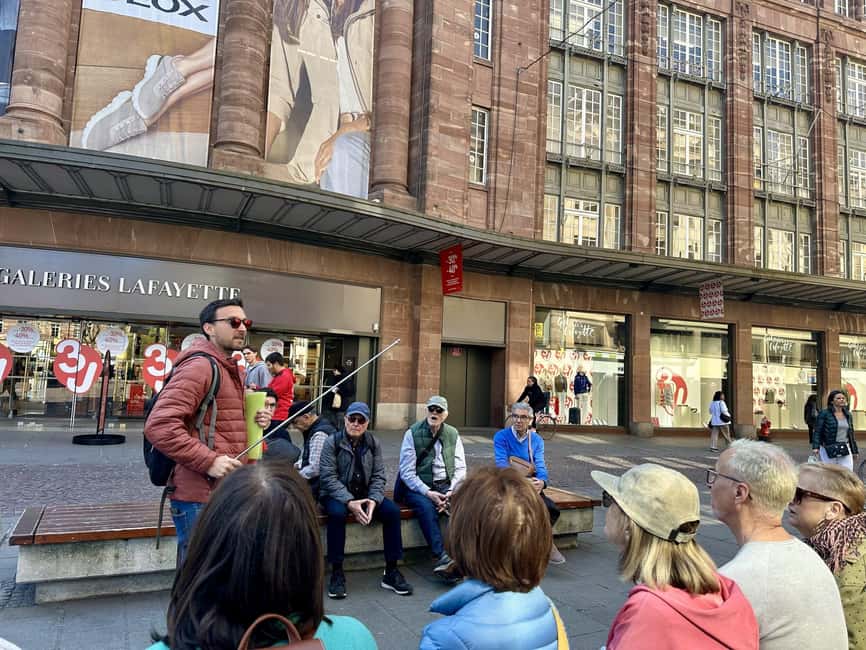
This is a compact walking tour, so pace is part of the product. The route covers several major points across the old center, meaning you’ll be moving most of the time rather than sitting in one place.
For timing, remember two practical ideas:
- The astronomical clock is a timed spectacle, so if you care about seeing it, keep an eye on what your guide suggests about the best moments during your day.
- In the colder months (especially around the Christmas season), the outdoors can be the limiting factor, not the sightseeing. Layers and comfortable shoes will make or break the experience.
Who should book this Strasbourg walking tour
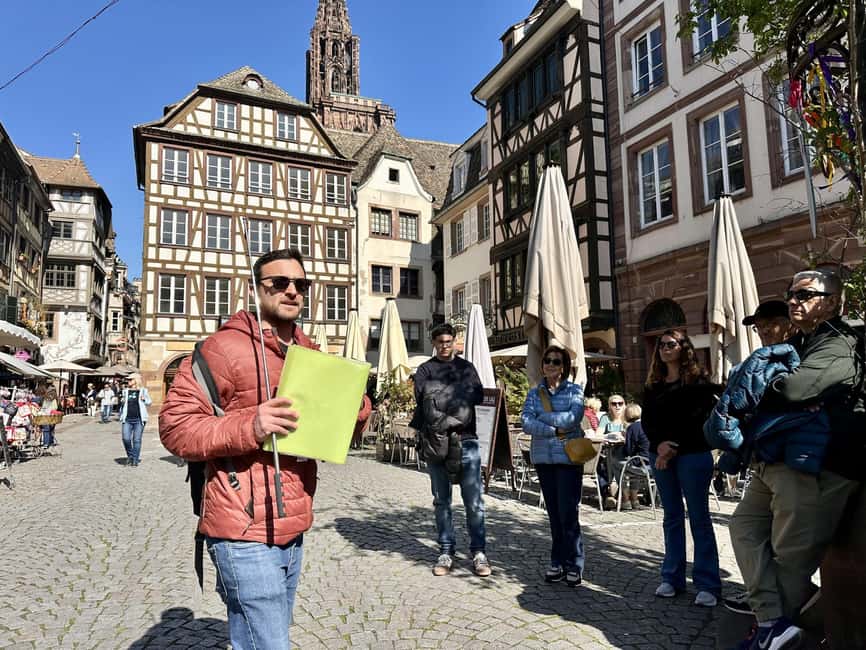
I think this works especially well if:
- You want the classic Strasbourg highlights connected into one coherent route
- You’re short on time and still want a sense of the city’s layout
- You like getting historical context without hunting for it yourself
If you’re the type who loves long museum time, you might still enjoy the palace visit, but you’ll likely want additional self-guided time afterward. And if you don’t enjoy walking, this isn’t the tour for you—because the charm of Strasbourg here comes from seeing the streets in motion.
Should you book it?
Yes, if your priority is a well-structured introduction to Strasbourg’s core: Notre-Dame, Palais Rohan, Ponts Couverts, and a finish in La Petite France. The price feels fair for a 2-hour guided walk that includes a tasting and leaves you with a usable map plus next-step recommendations.
Skip it only if you already know Strasbourg well and want deeper, longer stops at specific sites. This tour is built for orientation and memorable highlights, not for slow, museum-level immersion.
FAQ
Where does the tour start?
The meeting point can vary depending on the option booked. Common starting points include Place Kléber and 14 Rue Mercière.
How long is the tour, and what does it cost?
The tour lasts 2 hours and costs $34 per person.
Is Notre-Dame de Strasbourg visited inside or outside?
The included visit is described as outside the Notre Dame Cathedral in Strasbourg.
What parts of the city are covered on the walk?
The walk includes stops around the historic center and ends in La Petite France, with key sights like Rohan Palace and Ponts Couverts (the Covered Bridges).
Is Rohan Palace included?
Yes. The tour includes a visit to Rohan Palace.
Does the tour include any food or drink?
Yes. There is a tasting of a typical Alsatian sweet.
What languages are available for the live guide?
The live guide is available in Spanish and English.
Can I get a refund if my plans change?
There is free cancellation up to 24 hours in advance for a full refund.