REVIEW · PARIS
Paris: Musée d’Orsay Masterpieces Guided Tour
Book on GetYourGuide →Operated by City Wonders Ltd. · Bookable on GetYourGuide
Two hours, and you see Orsay’s story move. This guided tour uses pre-booked entry to cut the line and an English-speaking art historian guide to connect the paintings to the Paris that made them.
I also like the small-group options: semi-private groups (up to 6) or a larger class size capped at 25, with a headset to help you hear clearly when needed.
My one real caution: you’ll do a fair amount of walking, and many museum areas are not air-conditioned.
In This Review
- Key things to know before you go
- Musée d’Orsay’s Beaux-Arts train-station feel (and why it matters)
- Finding the meeting point near Musée d’Orsay Station
- Getting there by train or Metro
- If you’re coming on foot
- Your 2-hour tour flow: quick entry and a tight focus
- Impressionism under pressure: how the guide frames the era
- What you’ll see: masterpieces you can’t miss
- Monet, Renoir, and the Paris Sunday feeling
- After Impressionism: Cézanne and Degas to Van Gogh
- Price and value: is $69 for 2 hours worth it?
- Practical rules, comfort, and how to make the most of your visit
- Who this tour fits best in your Paris plan
- Should you book the Musée d’Orsay Masterpieces Guided Tour?
- FAQ
- How long is the Musée d’Orsay Masterpieces guided tour?
- Where is the meeting point, and how do I find the guide?
- Is skip-the-line access included?
- Is this tour a small group?
- What’s included in the $69 price?
- What items are not allowed during the tour?
- Is the tour wheelchair accessible?
- Can I cancel and get a refund?
Key things to know before you go
- Skip-the-line entry with reservations, so your time goes to art, not waiting
- Two group-size choices: semi-private (6) or group tours (25 max)
- Headsets included when the room gets noisy
- A former railway station setting inside the Beaux-Arts shell
- A guided path through major Impressionist-to-Post-Impressionist names, including Monet, Renoir, Manet, Van Gogh, Degas, and Cézanne
- Meeting at Rue de la Légion d’Honneur, right where you enter the museum area
Musée d’Orsay’s Beaux-Arts train-station feel (and why it matters)
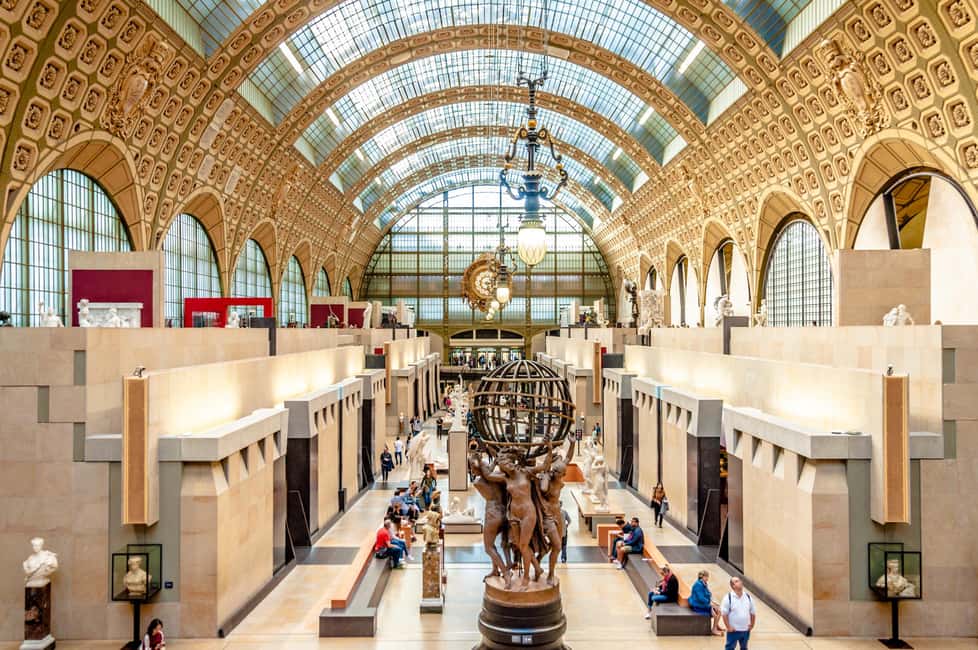
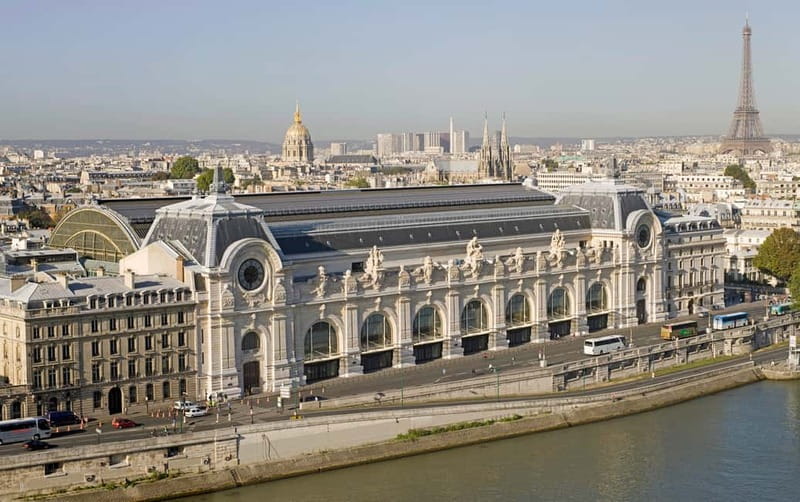
Musée d’Orsay is one of those Paris stops where the building is part of the show. You’re inside a former railway station, with the big, dramatic architecture of a Beaux-Arts landmark doing the framing for the art. It’s not a quiet, bookish museum vibe. It feels like you’re stepping into a grand public space, which pairs well with the subject matter.
The other reason the setting matters: it helps you understand why these paintings belong here. Orsay’s collection focuses on the turn of the artistic century, and the station shell gives you a sense of movement and change. As you move between rooms, you’re not just collecting individual masterpieces. You’re seeing an era evolve.
A quick note on comfort: the museum’s layout can include sections without air-conditioning. So if you’re visiting in warmer months, plan for a bit of heat during your 2-hour walk.
You can also read our reviews of more guided tours in Paris



Finding the meeting point near Musée d’Orsay Station
Your tour starts at 5 Rue de la Légion d’Honneur. The guide meets you at the entrance area by the stairs that lead up toward Musée d’Orsay, and they’re waiting with a City Wonders sign.
If you like arriving smoothly, aim to get there a little early so you’re not rushed while people are filing in. (And because this is a skip-the-line tour, being on time helps the group keep its pace.)
Getting there by train or Metro
- The nearest RER option is RER Line C, Musée d’Orsay Station.
- Metro: Line 12 to Solferino. Exit 2 has signs for Musée d’Orsay. Then it’s a left turn and a walk up Rue de Bellechasse.
If you’re coming on foot
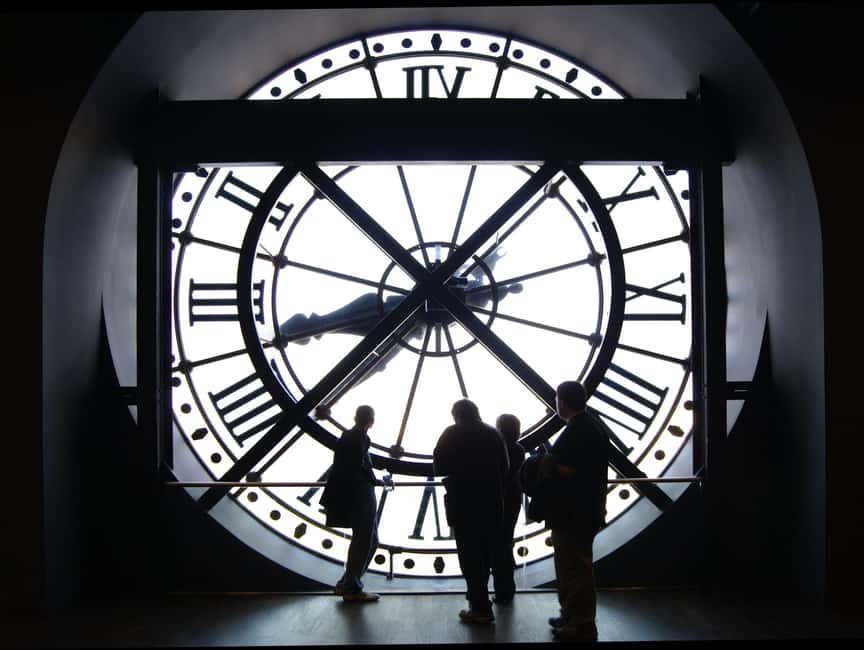
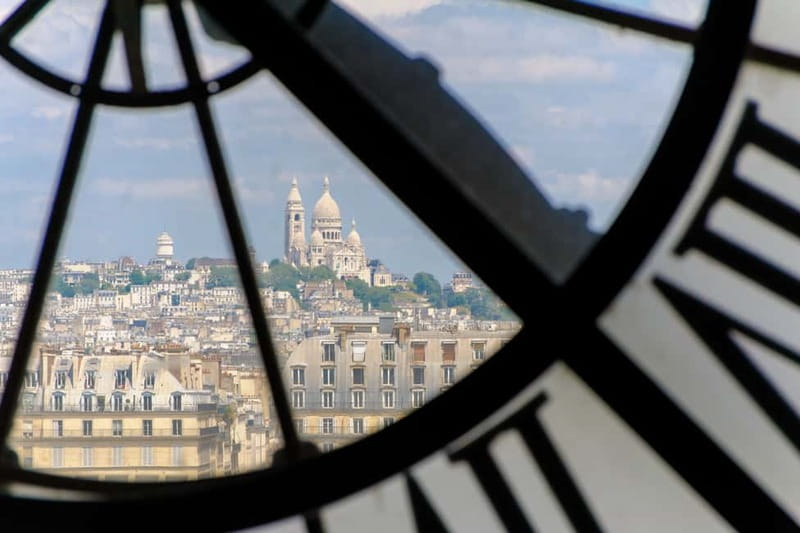
The museum sits above the Seine at Quai Anatole France. Look for the large building facing the river with two clocks on the facade. The courtyard sits between Quai Anatole France and Rue de la Légion d’Honneur.
Your 2-hour tour flow: quick entry and a tight focus
This is a 2-hour guided tour, starting and ending back at the same meeting point. That means you’re not wandering for hours trying to figure out what to see first. You get a planned route through the highlights, with an expert guiding the pace.
The big practical win is the pre-booked entry. Orsay can get crowded, and lines can eat up your energy. With a reserved slot, you spend your time inside looking at paintings instead of watching a queue.
At the start, the guide brings you into the museum and begins shaping what you’ll notice. Expect the guide to connect paintings to technique and to the historical reactions of the time. The Impressionists weren’t universally welcomed, and the tour framing makes that criticism feel real instead of like textbook trivia.
Along the way, you’ll also get practical help reading the museum layout. People often feel lost in Orsay’s rooms because it’s not laid out like a simple corridor. A guide helps you build a mental map fast.





Impressionism under pressure: how the guide frames the era
This tour doesn’t just list famous artists. It explains the story of a period that faced heavy pushback. That matters because Impressionism is easier to enjoy once you understand what was controversial about it at the time.
The best guides in this format do two things:
- They show you what changed—brushwork, light effects, subject choices, and composition.
- They connect those changes to why people argued so loudly.
The result is that the paintings start to make more emotional sense. You’re not only admiring a surface look; you’re seeing a shift in what painters thought art should do.
In the past, guides such as Laurent, Karine, and Christine have been highlighted for clear explanations and keeping the tour at the right speed for the group. The common thread is pacing that doesn’t feel rushed, and context that stays tied to what you’re actually seeing.
What you’ll see: masterpieces you can’t miss
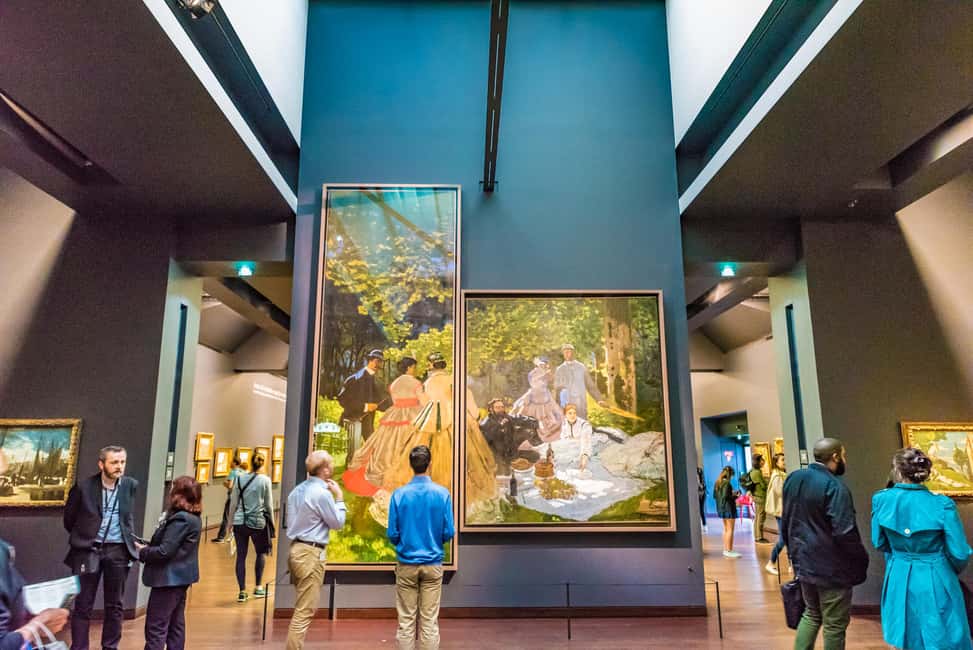
Orsay is a heavyweight collection for anyone who wants the big names without turning the day into a scavenger hunt. The tour focuses on the museum’s core strengths: Impressionist and Post-Impressionist works.
Here are some of the standout artists and paintings the tour is built around:
- Monet: You’ll see works that capture his obsession with light and atmosphere
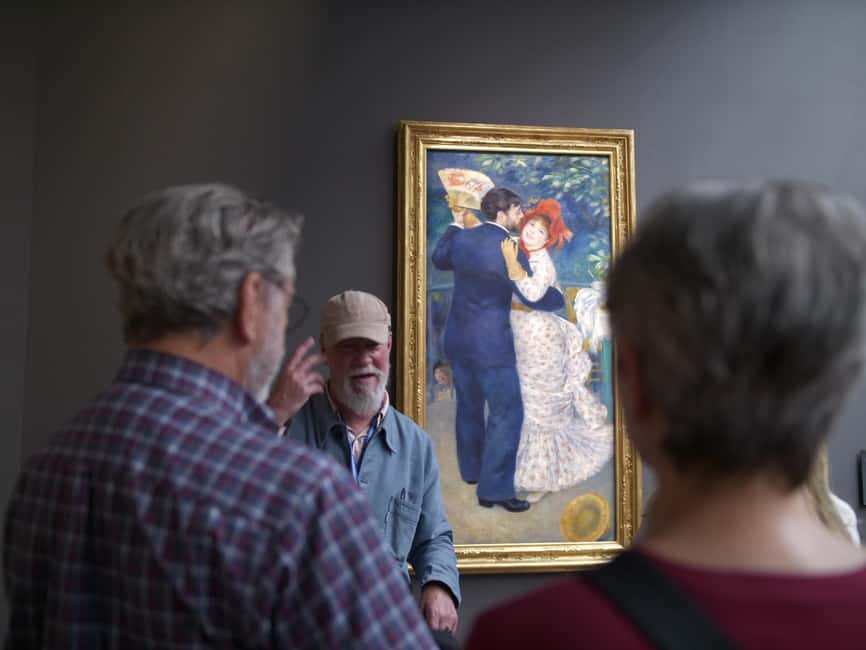
- Renoir: Including Dance at Le Moulin de la Galette, a classic scene of a lively Paris Sunday
- Manet: For the bridge between earlier styles and the newer ideas taking hold
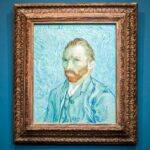
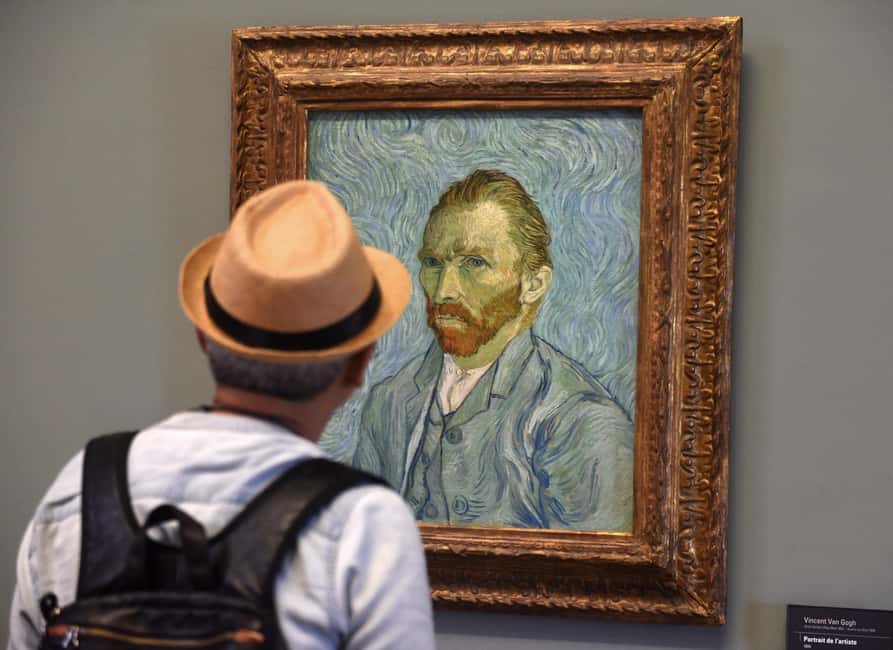
- Van Gogh: Such as Starry Night over the Rhône, which helps you see how Post-Impressionism twists emotion into color and structure
- Cézanne and Degas: Often used to show how forms and figures evolve as the movement changes
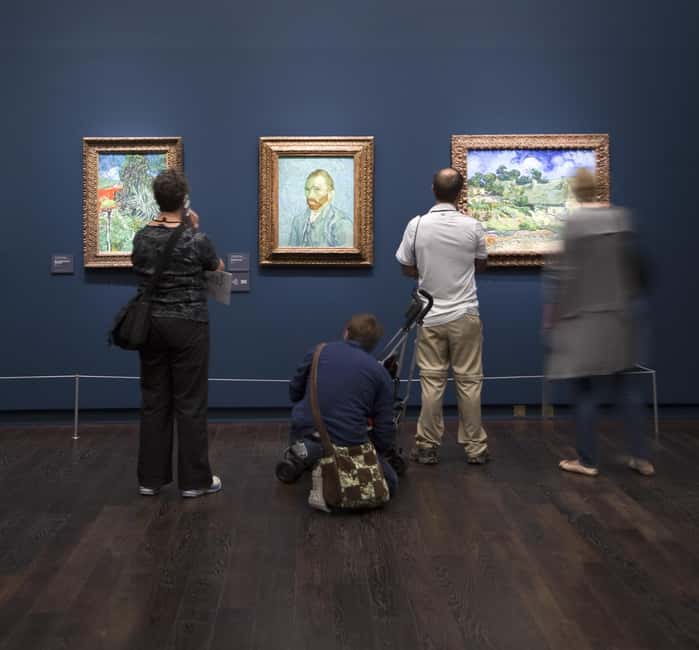
If you’re new to these artists, the guide’s job is to show you how to look. That includes pointing out details you might miss on your own—like what to focus on first, how to read expressions, and how a painting’s technique creates its mood.
And if you already like Impressionism, the value is that the guide organizes it into a timeline of ideas. You’re not only saying, I recognize Monet. You’re asking, why does this painting feel different from the previous one, and what problem was the artist solving?
Monet, Renoir, and the Paris Sunday feeling
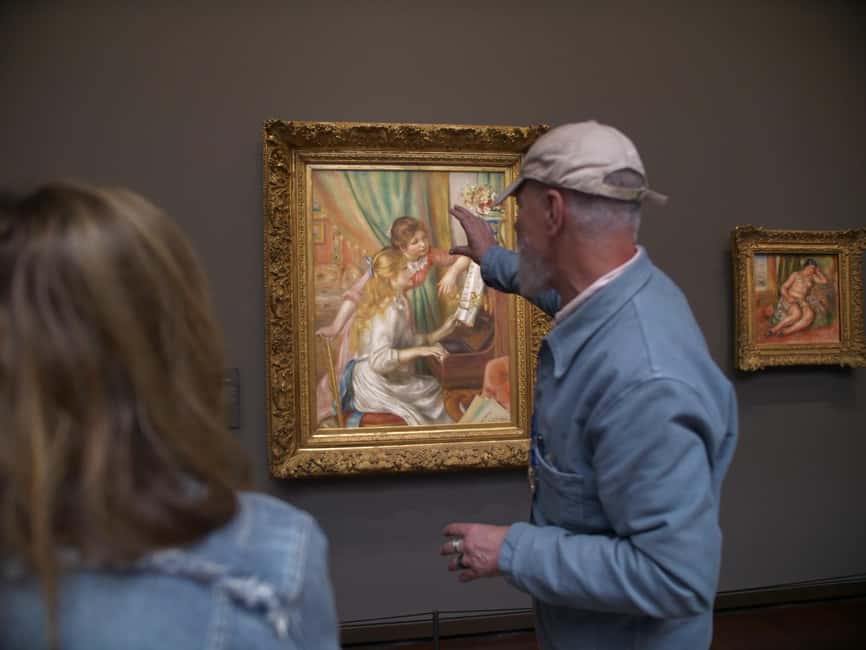
One of the most enjoyable parts of Orsay (and of this kind of guided highlights tour) is how it captures everyday Paris life in a way that still looks fresh today.
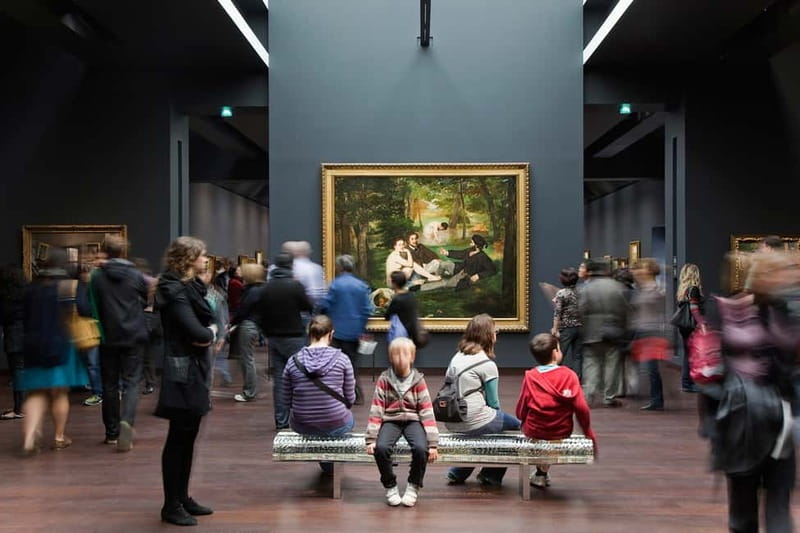
Renoir’s Dance at Le Moulin de la Galette is a perfect example. The subject is familiar—people at leisure, music, movement—but the magic is in how the scene is constructed. The guide’s context tends to help you notice how the painting balances spontaneity with composition.
When the tour hits Monet, you get another kind of Paris magic: changing weather, shifting light, and a view that feels like it’s always one step away from becoming something else. The Impressionist approach can feel subtle until you learn what to watch for. After that, Monet’s choices start making sense fast.
Guides like Hamish and Abad/Abed have been described as especially good at keeping the tour readable even if the room is crowded. That matters in Orsay, where you may find yourself squeezed between other groups while trying to look at the details that make the painting work.
After Impressionism: Cézanne and Degas to Van Gogh
Orsay is ideal if you want to see the movement evolve. This tour reaches past early Impressionism and helps you understand the shift toward Post-Impressionist ways of making art.
Cézanne is useful here because he’s often a bridge figure: he changes how form works and how the eye reads structure under all that color and light. Degas, on the other hand, often helps you see how modern subjects and modern framing took hold in everyday scenes.
Then comes Van Gogh, like Starry Night over the Rhône, where the style becomes more expressive and less interested in copying a view exactly as the eye sees it. A good guide connects that feeling to broader changes in the period, so the painting doesn’t just look dramatic. It reads like a step in a larger artistic argument.
Price and value: is $69 for 2 hours worth it?
At $69 per person for 2 hours, this tour sits in the “smart use of time” category more than the “cheap add-on” category. The value comes from what’s included, not just the instruction.
Your ticket covers:
- An English-speaking art historian guide
- Entrance and reservation fees for Musée d’Orsay
- A headset to hear the guide when necessary
What you don’t pay for here is transportation, but the tour does handle one of the biggest time costs: museum access. If you’re visiting Orsay as one stop among many, saving an hour on lines and getting a planned route can be the difference between loving the museum and feeling overwhelmed.
The other value factor is group size. A semi-private setup (up to 6) usually gives a more personal feel, while the max-25 group option keeps things social without getting out of hand. If you’re going with kids, a quick warning: strollers and baby carriages aren’t allowed, so you’ll want to plan your arrival accordingly.
Practical rules, comfort, and how to make the most of your visit
This tour has clear restrictions, and they matter because Orsay can be strict about what you bring into galleries.
You should plan for:
- Comfortable shoes (there’s a fair amount of walking)
- No flash photography
- No backpacks
- No luggage or large bags
- No strollers or baby carriages
Also note that the museum includes sections without air-conditioning. Dress for walking, and be ready for warmer rooms.
One more reality check: Orsay is popular. Even with skip-line entry, it can still be busy once you’re inside. The guide helps you keep your bearings and see the main works without losing the group.
Finally, this tour isn’t suitable for wheelchair users (and those who need special assistance). If accessibility is a factor, you’ll want to look for an alternative format that matches your needs.
Who this tour fits best in your Paris plan
This experience is a great match if:
- You have limited time in Orsay and want the most important works with context
- You like learning art history as you look, not after the fact
- You want the confidence of a guide for a museum that can feel maze-like
- You prefer small groups, especially with the semi-private option
It’s also a strong pick if you’re doing a “major museums” week (Louvre, Orsay, maybe another big site) and you want Orsay to feel purposeful instead of chaotic.
If you’re the kind of visitor who likes to linger for long stretches, I’d still book this tour, then plan extra time on your own after to slow down. Two hours gives you the map and the highlights; the longer stops are where the art starts to feel personal.
Should you book the Musée d’Orsay Masterpieces Guided Tour?
Yes, if you want a fast, guided path through the Impressionist and Post-Impressionist core of Orsay, and you value reserved entry and an expert-led focus on what matters.
Book it if:
- You’re visiting during peak hours and want to avoid the worst line time
- You want a structured introduction to Monet, Renoir, Manet, Van Gogh, Degas, and Cézanne
- You like the idea of choosing between semi-private (6) and group (25 max)
Skip it or consider another approach if:
- You need a wheelchair-friendly tour format
- You hate walking through busy rooms
- You’re hoping for a super flexible, roam-at-your-own-pace experience
FAQ
How long is the Musée d’Orsay Masterpieces guided tour?
The tour runs for 2 hours.
Where is the meeting point, and how do I find the guide?
Meet at 5 Rue de la Légion d’Honneur, at the entrance area next to the stairs leading toward Musée d’Orsay. The guide will be holding a City Wonders sign.
Is skip-the-line access included?
Yes. The tour includes pre-booked entry, so you don’t waste time in long ticket lines.
Is this tour a small group?
You can choose either a semi-private tour (6 people) or a group tour with a maximum of 25 people.
What’s included in the $69 price?
The price includes an English-speaking art historian guide, entrance and reservation fees for Musée d’Orsay, and a headset when needed.
What items are not allowed during the tour?
Flash photography is not allowed. You also can’t bring strollers, luggage or large bags, flash photography, or backpacks. Baby carriages are also not allowed.
Is the tour wheelchair accessible?
No. This tour is not suitable for wheelchair users.
Can I cancel and get a refund?
Yes. Free cancellation is available up to 24 hours in advance for a full refund.