REVIEW · STRASBOURG
Alsace: Full-Day Wine Tour & Tastings from Strasbourg
Book on GetYourGuide →Operated by Ophorus · Bookable on GetYourGuide
Alsace wine tastes like a place with a long memory. This full-day tour strings together Grand Cru vineyards and two medieval towns, with tastings built around the grapes Alsace does best.
I especially like how you move through the region at a relaxed pace in a comfortable mini-van, while your English-speaking guide connects the dots between soil, styles, and what’s in your glass. The second win: a small group (max 8) keeps the day friendly, so you can ask questions without shouting over the bus.
One drawback to think about: at about three winery tastings, some people feel the price is a bit steep if you’re chasing lots of stops over a deeper look at a few.
In This Review
- Key points that make this Alsace wine tour worth your attention
- Why Alsace wine hits differently from the rest of France
- Start in Strasbourg, then head straight into wine-country rhythm
- Mittelbergheim Grand Crus: your first tasting with Pinot Blanc, Sylvaner, Riesling
- Dambach-la-Ville and Frankstein: second tasting, more Alsace center-stage
- Walk time in a traditional village: use your hour well
- Ribeauvillé and Riquewihr: medieval towns plus more Grand Cru context
- Riesling is king here, but Alsace has more leaders than one
- How the tastings actually feel in a full 8-hour day
- Price and logistics: does $253 feel fair?
- Small group dynamics: why max 8 really matters
- Who should book (and who should skip) this Alsace wine day
- Practical tips so your day goes smoothly
- Should you book this Alsace tour?
- FAQ
- Where does the tour start in Strasbourg?
- How many wineries do you visit?
- How long is the tour?
- Do I need to bring ID?
- Is the tour only for adults?
- Is the tour wheelchair accessible and does it run in bad weather?
Key points that make this Alsace wine tour worth your attention
- Max 8 people: easier questions, less crowd stress during tastings.
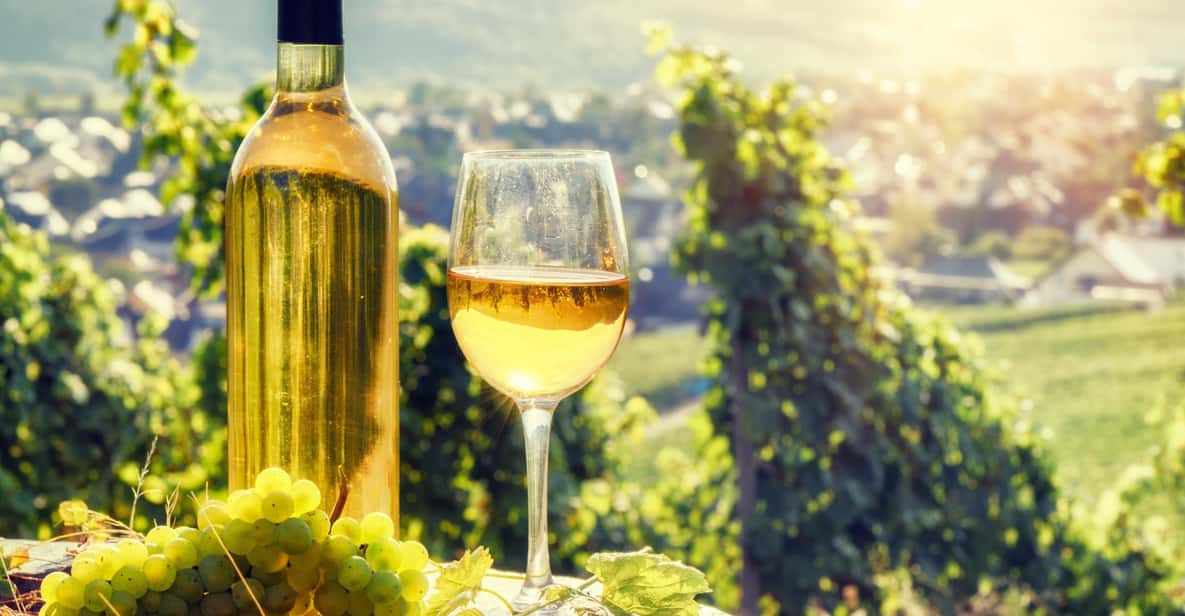
- 3 winery tastings built for a clear style arc (Pinot Blanc, Sylvaner, Riesling, then more Grand Cru context).
- Grand Cru names show up: Zotzenberg, Kastelberg, Wiebelsberg, Frankstein, plus Geisberg, Kirchberg, Osterberg, Schoenenbourg, Sporen.
- Medieval towns time: free time to walk and wander Ribeauvillé and Riquewihr.
- Rain or shine: it’s designed to keep moving even when the weather has other ideas.
- Plan your meals: snacks usually aren’t part of tastings, so you’ll want food sorted ahead.
Why Alsace wine hits differently from the rest of France
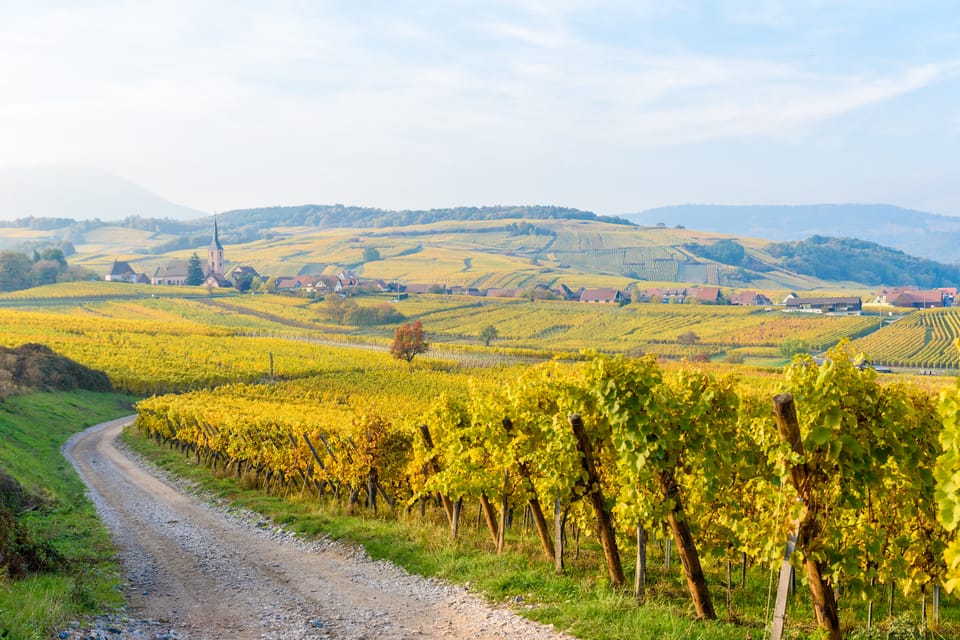
Alsace is France, but it tastes like it has a German conversation running in the background. You’ll feel that in the focus on crisp whites, the grape variety, and the way people talk about site and soil rather than just brand names.
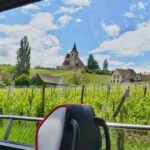
This tour is built around that Alsace angle. You start in Mittelbergheim, in a zone with favorable soils for Riesling, and then you keep pressing into villages where Grand Cru status matters. If you’re new to the region, it’s a smart way to learn what makes Alsace distinct. If you’re not new, it still works because the day gives you variety across villages and tasting settings, not just a single stop and a photo op.
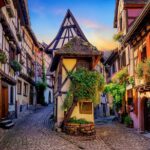
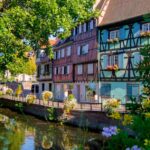
And yes, the tour includes the big scenic reward: medieval Ribeauvillé and Riquewihr. That mix—wine facts plus postcard towns—is exactly why a day like this is fun instead of homework.
You can also read our reviews of more wine tours in Strasbourg
Start in Strasbourg, then head straight into wine-country rhythm
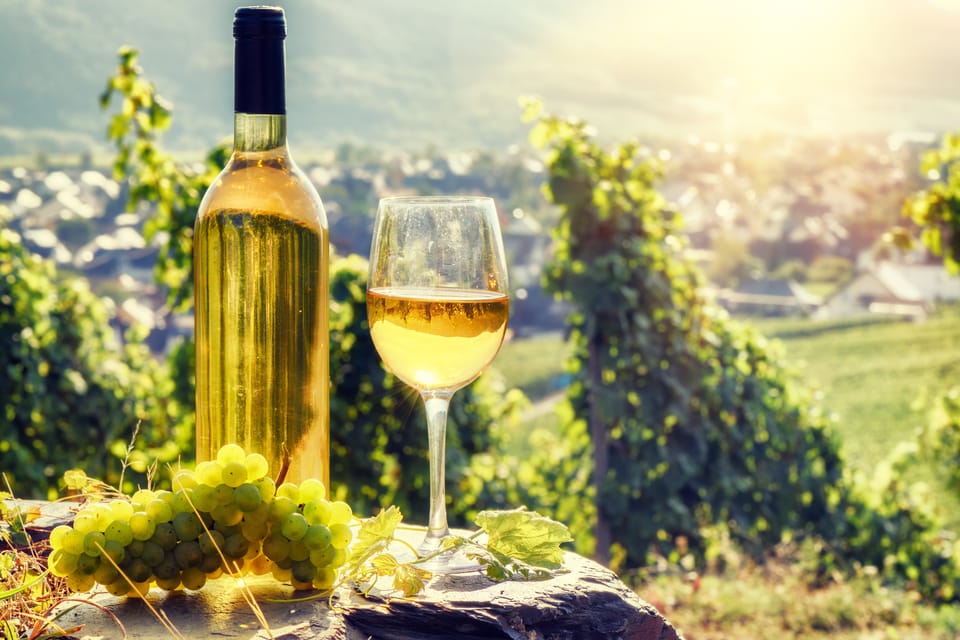
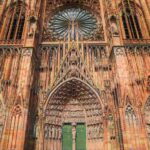
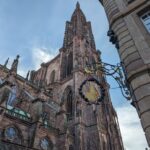
You meet at 17 Pl. de la Cathédrale in Strasbourg. From there, you’re on the road for about 1 hour toward the Mittelbergheim area, with time inside the mini-van for your live English commentary.
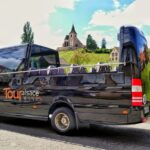
The mini-van matters more than you might think. Alsace wine roads are pretty, but they also mean slow turns, sudden stops, and lots of small roads. Having a comfortable ride and a guide handling route logistics keeps the day from turning into a car-navigation contest.
Also, expect a day that stays “on schedule.” The itinerary keeps moving between tastings and towns with short drives (often around 15 to 20 minutes between sections). If you like your days structured, great. If you hate timers, I’d still say this is worth it because there’s also that built-in human time for walking and lunch.
Mittelbergheim Grand Crus: your first tasting with Pinot Blanc, Sylvaner, Riesling
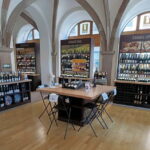
Your first tasting happens in the Mittelbergheim wine-producing area. This is a big part of the point of the day: you’re not just tasting random bottles. You’re tasting within the broader story of the local Grand Crus—including names like Zotzenberg, Kastelberg, and Wiebelsberg.
You’ll start with a tasting lineup featuring Pinot Blanc, Sylvaner, and Riesling. That trio is useful because it shows Alsace’s range without throwing you into a thousand grape names at once. Pinot Blanc often feels smooth and quietly expressive. Sylvaner is typically drier and more about the land’s character. Riesling is the star here, and the tour takes you to places where that’s not marketing fluff.
A tasting session lasts about 1 hour at the start. In that time, you’ll get a guided explanation of what to notice, not just how to drink. This is where you can start building your own map: how acidity feels in different wines, what sweetness is (or isn’t), and how style changes from village to village.
Dambach-la-Ville and Frankstein: second tasting, more Alsace center-stage
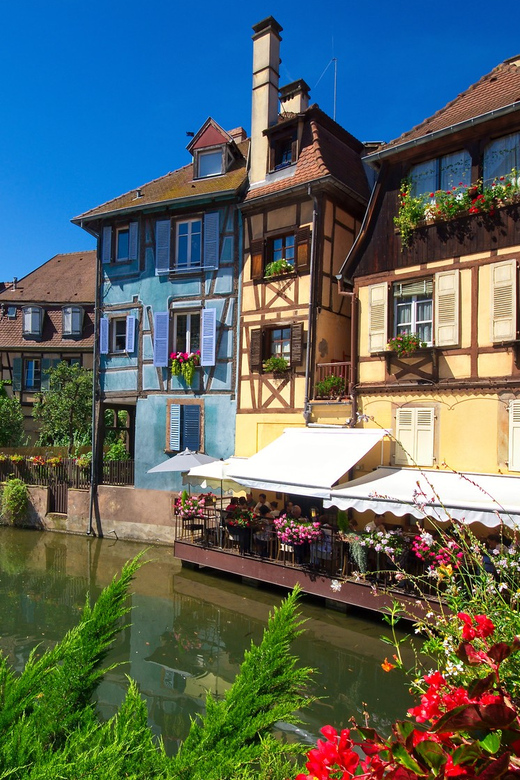
After the Mittelbergheim segment, you head toward Dambach-la-Ville, a village in the heart of Alsace wine country. This area is tied to the Grand Cru Frankstein, and the tour keeps your tasting count going with another session—about 45 minutes.
This part of the day is valuable because it shifts the conversation from one core grape experience to a broader understanding of how the region behaves across sites. You’ll still be focused on Alsace white wines, but the textures and flavor directions can change enough that you start to recognize differences instead of just collecting sips.
Then comes an important “real life” break: you’ll have free time for lunch. The tour doesn’t include meals, and snacks usually aren’t part of tastings, so treat this like a plan you own. In winter or rainy days, I’d rather show up fed than rely on food being there between sips.
Walk time in a traditional village: use your hour well
You’ll get about 1 hour of free time in a traditional village area, with walking included. This is your chance to slow down and actually look at what Alsace villages feel like beyond wine labels.
Wear comfortable shoes. You’ll likely be moving between viewpoints, streets, and corners that look great from a distance but require a little walking to enjoy up close. If it’s raining, don’t panic—this is a rain-or-shine tour—just bring the basics and keep your posture relaxed.
Use this hour for two simple tasks:
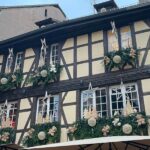
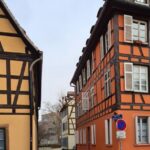
- Look for the everyday details: old stone, woodwork, and the way buildings hug the roads.
- Take one or two photos, then put the phone away and watch people and street life for a few minutes.
It keeps the day from feeling like a checklist.
A few more Strasbourg tours and experiences worth a look

Ribeauvillé and Riquewihr: medieval towns plus more Grand Cru context
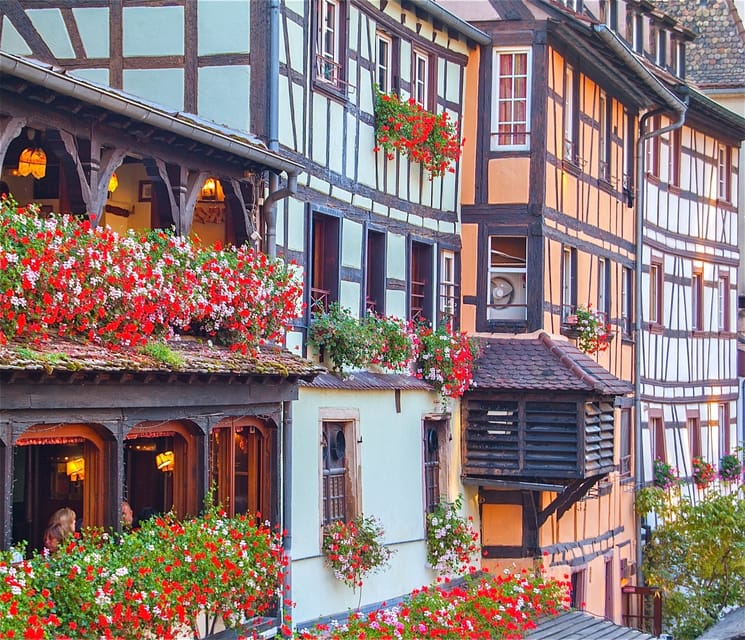
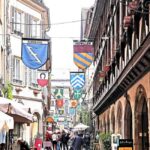
Later, the tour shifts to the Ribeauvillé/Riquewihr wine area. These towns are famous for a reason: the streets feel old, the viewpoints are easy, and the vibe is unmistakably Alsatian.
This is also where the wine story gets bigger. The region here is linked to five Grand Crus appellations: Geisberg, Kirchberg, Osterberg, Schoenenbourg, and Sporen. Even if you’re not a full-on wine nerd, the names matter because they help you understand why Riesling can be so different within the same overall region.
You’ll also get a second afternoon tasting session in this broader area, with another 45 minutes tasting time. That timing is key. The morning tasting sets your baseline. The afternoon tasting is where you compare and see whether your preferences hold up when you’re more awake, more curious, and more used to the patterns in Alsace whites.
Riesling is king here, but Alsace has more leaders than one
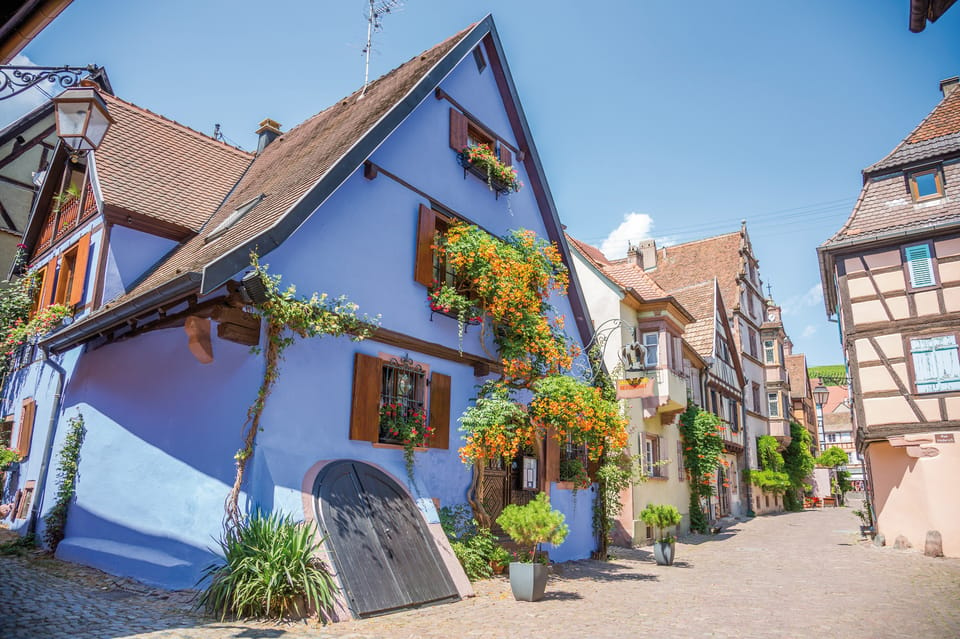
Riesling is described as the king of grapes in this area, and that matches the way the day is organized. But you’re not limited to one grape either.
You’ll be tasting a broader Alsace set where Pinot Gris, Muscat, and Gewürztraminer can also show up as strong local players. Why that matters: Gewürztraminer and Muscat can taste like aromatic fireworks compared to Riesling’s clean, focused acidity. Pinot Gris sits somewhere else on the spectrum, giving you a mid-course check so you don’t walk away only thinking one-note thoughts.
You’ll also hear about major historic producers, like the Trimbach family (making wine since 1626) and the Hugel family (since 1639). Even if your tasting bottles aren’t from those houses, the names help you understand that Alsace wine has been a serious, long-running business here—not something invented yesterday.
How the tastings actually feel in a full 8-hour day
This is an 8-hour outing with English-only guiding and a comfortable pace. Your tasting sessions total three winery stops, each with enough time to ask questions and actually compare wines instead of sprinting through.
In practice, people report sampling well beyond just a couple pours. Expect a full tasting set across the day—often well over a dozen wines, depending on the winery and how the tasting is structured. Some groups have described totals in the teens and even around the 20+ range.
One more reality check: the tour notes that snacks usually aren’t provided during tastings. So you need to eat. I’d treat it like a wine-day plan, not a browsing-and-bargain-hunt plan. A good breakfast and a real lunch keep the tasting experience enjoyable instead of foggy.
Price and logistics: does $253 feel fair?
At $253 per person, you’re paying for three things: transport, guiding, and access to a small set of wineries with tastings planned into the day.
Here’s the value logic I’d use:
- You’re not driving yourself in a region where everything is prettier but less direct.
- The guide’s commentary is part of the experience, not a side add-on.
- Small-group size (up to 8 people) is included, which can change the quality of a tasting because you’re not lost in a big crowd.
That said, there is a valid concern: three winery visits can feel like too few if your personal definition of a wine tour means lots of separate stops. If you want depth over quantity, this fits well. If you want a tasting crawl, you might feel under-stopped.
My take: this price makes sense when you value guidance and a coherent route. It makes less sense if you’re only chasing the number of tastings rather than the learning and comparisons.
Small group dynamics: why max 8 really matters
Small group isn’t just a marketing line here. When you’re tasting, you’re tasting. You’ll want to hear explanations clearly, ask what you missed, and sometimes ask a second time if the question is a good one.
With up to 8 participants, the day tends to feel more like a shared afternoon than a factory line. It also helps in the towns, where free time is on the clock but you still want a group that isn’t stretched out into separate planets.
The tour is also adults-only (18+ for drinking). If you’re traveling with a group where not everyone wants alcohol, you should still check comfort level ahead of time, because tastings are part of the structure.
Who should book (and who should skip) this Alsace wine day
This tour is a great match if:
- You want a first serious Alsace wine day from Strasbourg without the driving.
- You like tasting with guidance and want to understand why the wines taste different.
- You’re drawn to classic Alsace stops like Ribeauvillé and Riquewihr.
You might skip if:
- You need wheelchair accessibility. This tour notes it isn’t suitable for wheelchair users.
- You want a long meal-centered day with lots of restaurant time. Meals aren’t included, and tastings are the core.
- You’re traveling with pets. Pets aren’t allowed.
If you’re in your element with history, this also works because the region’s winemaking families and Grand Cru structure give you context that makes the towns feel connected to the wine.
Practical tips so your day goes smoothly
A few things to do before you leave Strasbourg:
- Bring a passport or ID card.
- Wear comfortable shoes for the walking and town time.
- Plan food: since snacks usually aren’t offered during tastings, eat beforehand and use the lunch window intentionally.
- If you’re sensitive to weather, pack for it. The tour runs rain or shine.
If you’re visiting around the Christmas season, the tour returns to Strasbourg just outside the Grande-Ile district, with the exact address arranged by the guide. That’s one of those small details that can save you stress, especially if you’re trying to plan a hotel pickup.
Should you book this Alsace tour?
Book it if you want an organized, small-group Alsace day that pairs three guided tastings with a real dose of medieval town atmosphere. This route makes it easy to learn the logic behind Alsace wines—especially Riesling—without turning the day into a logistics puzzle.
Skip it if your top priority is maximum winery stops or a food-heavy schedule. At its best, this tour is about understanding and comparing, not stacking as many tastings as possible.
If you’re sitting on the fence, decide this: do you want to be guided through a few great moments, or do you want a winemaking buffet of many quick hits?
FAQ
Where does the tour start in Strasbourg?
The meeting point is 17 Pl. de la Cathédrale.
How many wineries do you visit?
You have tastings at 3 typical wineries.
How long is the tour?
The duration is 8 hours.
Do I need to bring ID?
Yes. Bring a passport or ID card.
Is the tour only for adults?
It’s an adults-only tour, and the minimum age to participate and drink alcohol is 18.
Is the tour wheelchair accessible and does it run in bad weather?
It’s not suitable for wheelchair users. The tour operates rain or shine.