REVIEW · STRASBOURG
Strasbourg: Capture the most Photogenic Spots with a Local
Book on GetYourGuide →Operated by LocalBini AG (EU) · Bookable on GetYourGuide
Strasbourg is easy to photograph, but harder to understand in a useful way. This 90-minute walk pairs Petite France’s half-timbered houses with the grand Palais Rohan, while a local guide explains how these postcard scenes fit into everyday city life.
I like the small maximum of eight people, which should make it easier to ask questions and pause for photos. I also like the practical local advice about cafes, bars, and restaurants. The main drawback is the price: at $116 per person for 90 minutes, it makes the most sense if you value personal guidance and cultural context, not just a quick stroll.
In This Review
- Key Points to Know Before You Book
- Why This Photo Walk Works in Strasbourg
- Starting at Kléberplatz
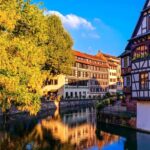
- Petite France and Its Half-Timbered Views
- Palais Rohan and Strasbourg’s Baroque Side
- Stories Behind Strasbourg’s Postcard Scenes
- A Small Group That Leaves Room for Photos
- What $116 Buys You in 90 Minutes
- Who Should Book This Experience
- What to Bring for Better Photos
- My Verdict: A Good Short Introduction to Strasbourg
- FAQ
- Where does the Strasbourg photo tour begin?
- How long does the experience last?
- What languages are available?
- What places are included in the route?
- How large is the group?
- Is transportation included?
- What should I bring?
- Can I cancel the booking?
Key Points to Know Before You Book
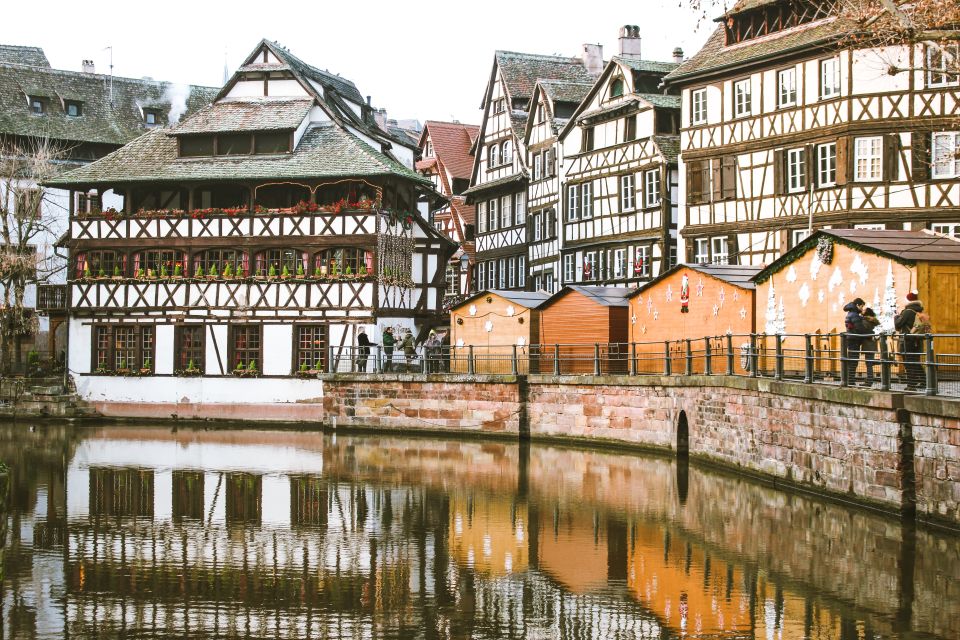
- Petite France gives you Strasbourg’s classic view: Expect crooked-looking half-timbered houses, canals, and streets made for photographs.
- Palais Rohan adds a grand contrast: The baroque palace brings formal architecture and a different side of the city.
- The tour begins at Kléberplatz: This central meeting point makes the walk easy to find.
- A small group keeps the pace personal: The maximum is eight people, with private options also available.
- The route can adjust to you: The guide may adapt stops to your interests, walking speed, and weather.
- Bring a charged phone: You are here to take pictures, and there is no promise of professional photography equipment or a photographer taking portraits for you.
Why This Photo Walk Works in Strasbourg
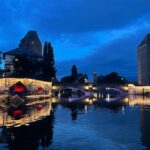
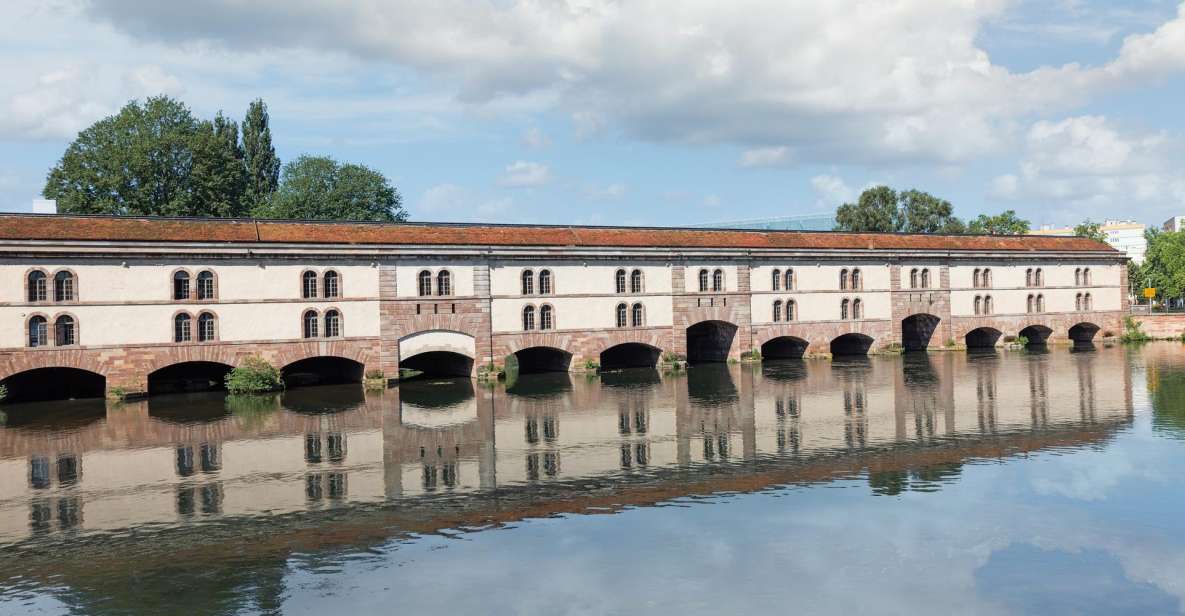
Strasbourg rewards a slow walk. Its best scenes are not limited to one famous monument. A half-timbered facade may look completely different when reflected in water, while a palace courtyard or broad square can give your photo collection a more formal rhythm.
This experience is designed around that variety. You move between recognizable sights and attractive corners that may otherwise pass by unnoticed. The guide adds stories and personal observations, so you are not simply collecting images without knowing why the place matters.
I see the real value in the mix of photography and orientation. In 90 minutes, you can get a quick visual introduction to Strasbourg and leave with ideas for where to eat, drink, and wander afterward. It is not a full historical tour, nor is it a dedicated photography class. It sits between the two.
The guide speaks English or French. You should expect conversation, explanations, and help finding appealing views, but not technical instruction on camera settings unless your guide chooses to offer it informally. A charged smartphone is specifically recommended, which tells you who this activity suits best: people using a phone or simple camera who want better locations and local context.
You can also read our reviews of more tours and experiences in Strasbourg.

Starting at Kléberplatz
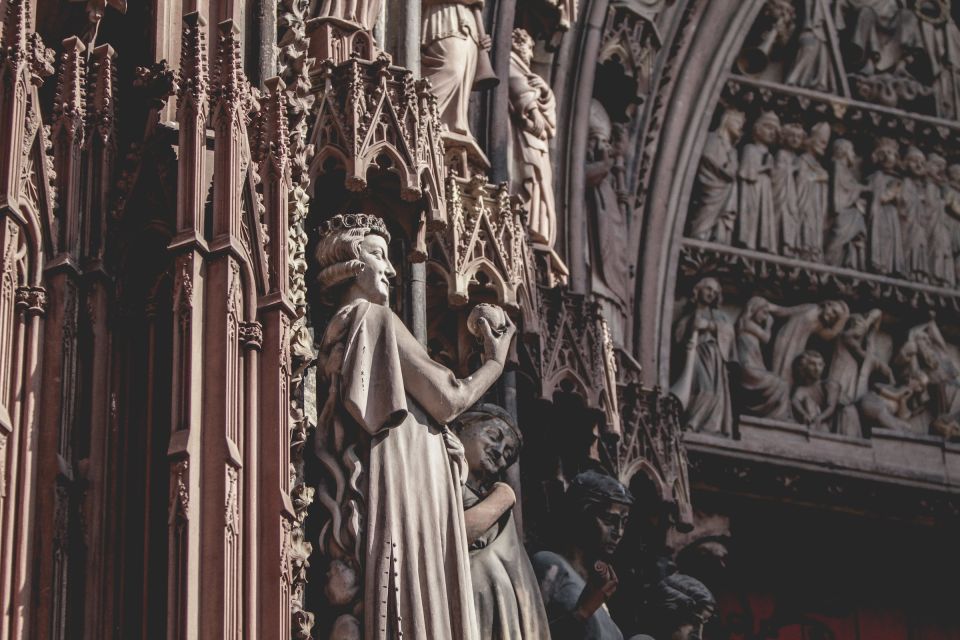
The meeting point is Kléberplatz, one of the city’s central gathering places. Starting here gives you a practical place to meet before moving toward the older, more picturesque parts of Strasbourg.
The square itself may provide an early chance to take a few urban photographs, but its greater use is orientation. You can arrive, meet the guide, and begin without first trying to locate a remote neighborhood or museum entrance.
I would arrive with your shoes ready and your phone charged before the start. The route is on foot, and the experience does not include transportation tickets. You also need to bring water and clothing suited to the weather.
From Kléberplatz, the walk moves toward Strasbourg’s more scenic areas. The exact order and stops can change, since the guide may adjust the route to the group’s pace, interests, and weather.
Petite France and Its Half-Timbered Views
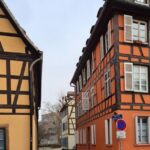
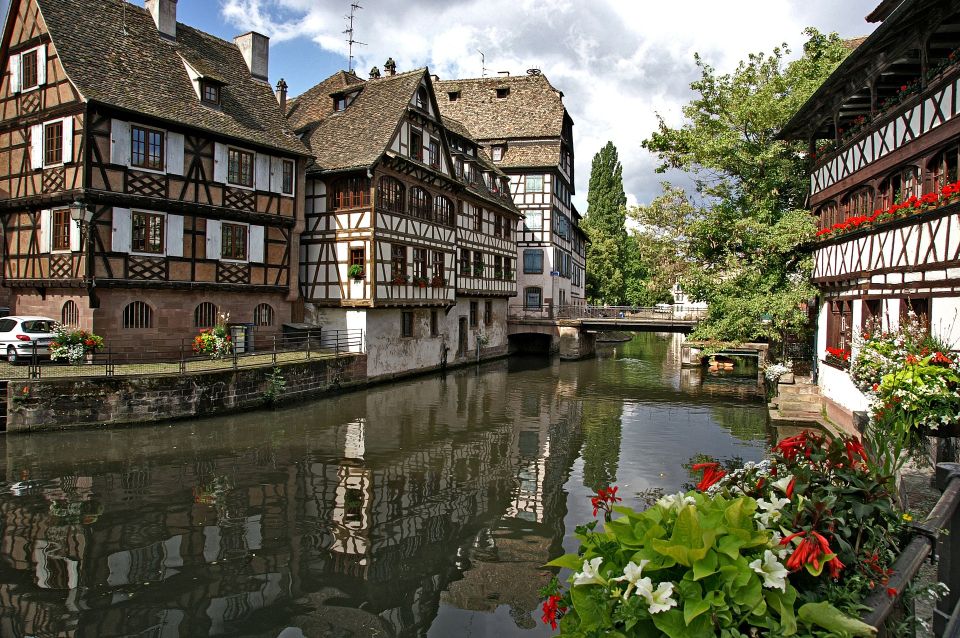
Petite France is the part of Strasbourg most likely to appear in your first search for city photographs. Its half-timbered houses, narrow streets, and waterside setting create the familiar look many people associate with the city.
The value of seeing it with a local is not just finding the obvious viewpoint. A guide can point out how a street works as a daily meeting place, which angle gives you a cleaner view, or where the architecture changes as you walk. The experience description places emphasis on the connection between postcard scenes and ordinary local life.
That matters because Petite France can become a checklist stop. You take a picture of a pretty building, move on, and miss the details around it. A local perspective can slow you down enough to notice the relationship between the houses, the water, and the streets people actually use.
For photography, this section should give you variety within a small area. You might find close views of timber framing, wider compositions that include the canal, and street scenes with more depth than a straight-on facade. The tour does not promise a particular number of photo stops, so you should think of the route as guided access to good possibilities rather than a fixed shot list.
The tradeoff is that scenic old streets are not always easy walking. The activity is not suitable for people with mobility impairments, and anyone who finds uneven or extended walking difficult should take that warning seriously. Comfortable shoes are essential.
Palais Rohan and Strasbourg’s Baroque Side
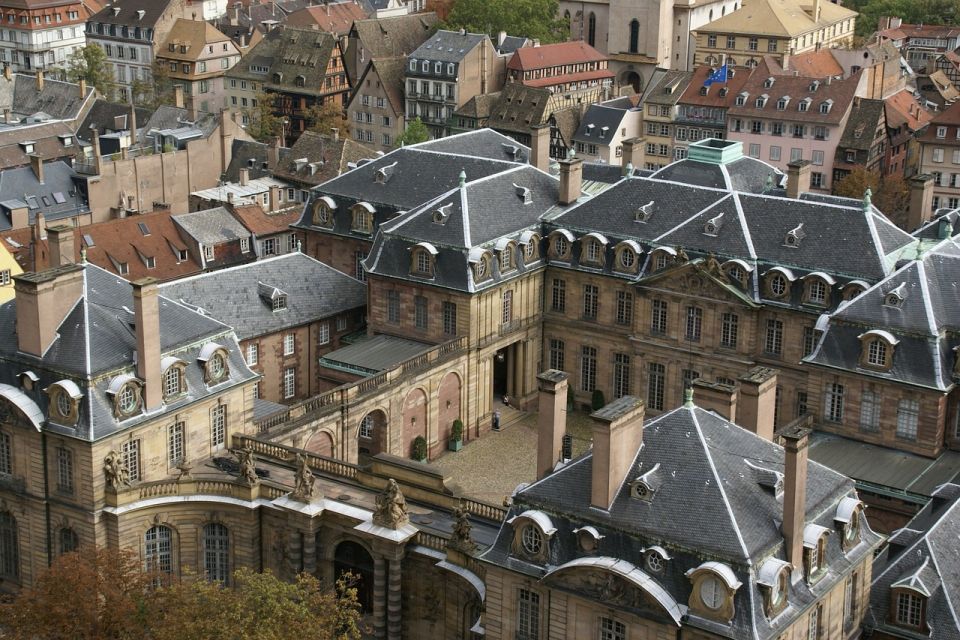
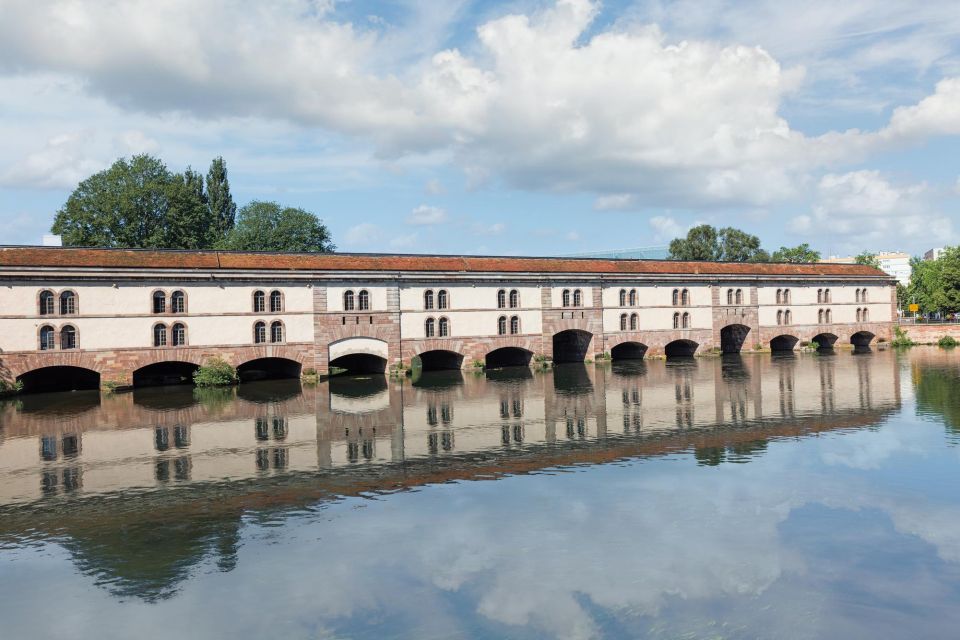
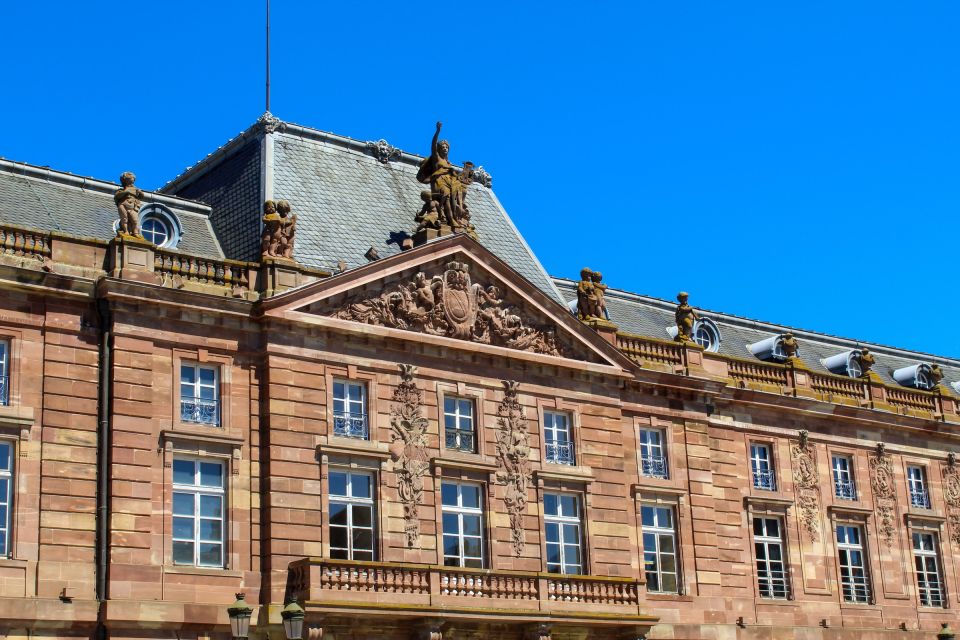
Palais Rohan changes the mood. After the intimate scale of Petite France, the palace offers grand baroque architecture and a more formal composition for your photographs.
The building is described as emblematic, and the guide explains its place in Strasbourg rather than treating it as a decorative backdrop. You can expect the stop to add architectural variety to the walk, with large-scale details replacing the close-up charm of the old houses.
This contrast is one of the strongest features of the route. A short photo walk can easily become repetitive if every stop consists of another pretty street. Moving from timber-framed buildings to a grand palace gives you different shapes, lines, and visual subjects.
The tour does not include entry tickets to museums or monuments. That means you should plan to see Palais Rohan from the included route rather than assume you will enter its interiors. If you want a museum visit, you will need to arrange and pay for that separately.
The guide’s role here is especially useful if you want more than an exterior photograph. Stories about how a landmark fits into local life can give the picture a sense of place. You may leave with a better understanding of why this building matters, not just a record that you saw it.
Stories Behind Strasbourg’s Postcard Scenes
The most useful part of this activity may be the explanation between the photo stops. Strasbourg’s best-known views are attractive on their own, but a short story can turn a pretty image into a memory with a setting and purpose.
The guide is meant to share personal anecdotes and explain the roles that landmarks play in local life. That may include the way a place functions as a meeting point or how a scene that looks staged for a postcard is part of the ordinary city.
I appreciate that approach because it avoids treating Strasbourg as a collection of monuments. You get the famous sights, but you also hear how residents relate to them. The information is likely to be conversational rather than academic, which suits a compact walking tour.
One guide connected with the experience is Benoît. A previous participant described him as having a wonderful depth of knowledge and said he made Strasbourg more interesting while allowing plenty of time for exploring and photographs. You should not assume every departure is led by Benoît, but his name gives you an idea of the kind of local background the activity aims to provide.
The available feedback is consistently positive, with particular praise for the guides’ kindness, historical understanding, beautiful locations, and time for taking pictures. That is a useful pattern: the experience appears to work best when you want a friendly introduction rather than a highly technical photography lesson.

A Small Group That Leaves Room for Photos
The group maximum is eight people, and private or small-group formats are available. That limit matters on a photography walk because stopping for a picture takes longer when everyone is trying to move through a narrow street at once.
A group of eight is still a group, so you will not have unlimited control over every stop. But it is small enough that asking a question should be straightforward, and the guide can make reasonable adjustments for the group’s pace.
The itinerary is flexible. Stops may vary because of weather, and the guide can adapt to your interests. If architecture matters most to you, say so. If you want cafe suggestions or extra time at a particular view, raise it early.
That flexibility is helpful, but it also means the experience is not a guaranteed list of every major Strasbourg sight. The stated focus is photogenic spots, with Petite France and Palais Rohan highlighted. If you need a strict historical route or a complete overview of the city, a longer traditional sightseeing tour may suit you better.
The small-group format is also useful for solo visitors and couples who want company without joining a large crowd. Families should consider the walking demands and whether children will enjoy a 90-minute photo-focused route.
What $116 Buys You in 90 Minutes
At $116 per person, this is not a bargain sightseeing walk. The price buys a local guide, a small-group setting, and personalised recommendations, but it does not include museum admission, transportation, drinks, meals, or personal spending.
The value depends on how you use the time. If you already know Strasbourg well and simply need a list of photo locations, the cost may feel high. You can take your own pictures in Petite France without booking a guide.
I think the price is easier to justify at the beginning of your stay. In one short session, you can get oriented, hear local context, and collect suggestions for places to eat and drink later. The recommendations can continue to pay off after the walk ends.
It is also a better fit for visitors who do not want a large group. A maximum of eight gives the guide more room to respond to questions and pace the walk around photography. Private groups are available if you want the route to feel more tailored, though the supplied details do not state a separate private-group price.
The 90-minute duration is both a strength and a limit. It is short enough to fit around a museum visit, meal, or train connection, but long enough for several scenic areas. It is not long enough for a full city tour or extended time at every landmark.
Free cancellation up to 24 hours before the activity and the option to reserve now and pay later add useful flexibility. You can check the available start times before committing, and the booking terms allow you to keep plans open.
Who Should Book This Experience
I would recommend this walk to first-time visitors who want a quick, friendly introduction to Strasbourg’s visual character. It is especially useful if you enjoy taking pictures but do not want to spend your first afternoon searching online for the best streets and viewpoints.
It also suits solo visitors who prefer a small social setting, couples who want attractive photographs and local advice, and anyone who likes to combine sightseeing with casual conversation. The English and French options make it accessible to a broad range of visitors.
You may also like it if food and drink recommendations matter to you. The guide provides tips about bars, cafes, and restaurants, giving you useful ideas for the rest of your stay.
I would hesitate if you are looking for a serious photography workshop. There is no stated promise of instruction in composition, lighting, editing, or camera controls. The focus is on reaching photogenic places and learning the stories behind them.
I would also hesitate if you have limited mobility. The activity is specifically not suitable for people with mobility impairments, and the route is a walking experience. Weather can also change the stops, so you need to be comfortable with an outdoor plan.
What to Bring for Better Photos
A few simple preparations will make the walk easier:
- Wear comfortable shoes for city walking.
- Bring water.
- Dress for the weather, since stops may change with conditions.
- Charge your smartphone before meeting the guide.
- Leave room on your phone for new photographs.
- Keep your schedule flexible enough to enjoy the walk rather than rush to the next booking.
You do not need to bring professional equipment. The supplied information specifically asks for a charged smartphone, so a phone is an appropriate choice.
Because entry tickets and transportation are excluded, bring a separate budget if you plan to visit museums, monuments, or use public transport before or after the walk. Personal expenses are also not included.
My Verdict: A Good Short Introduction to Strasbourg
Book this experience if you want good photo locations plus local explanation in a small group. Petite France and Palais Rohan provide a strong mix of intimate old streets and formal architecture, while the guide’s stories and restaurant tips make the walk more useful than a simple picture hunt.
Skip it if $116 feels too high for 90 minutes, if you want a full historical tour, or if you need a photography class with technical instruction. For everyone else, the best time to schedule it is early in your Strasbourg visit, when the guide’s local suggestions can shape the rest of your stay.
FAQ
Where does the Strasbourg photo tour begin?
The tour begins at Kléberplatz in Strasbourg.
How long does the experience last?
The experience lasts 90 minutes.
What languages are available?
The live guide is available in English and French.
What places are included in the route?
The experience focuses on Strasbourg’s most photogenic spots, including Petite France and Palais Rohan. Stops may vary depending on weather, interests, and walking pace.
How large is the group?
The group can include up to eight travellers. Private or small-group options are available.
Is transportation included?
No. Transportation tickets, museum admission, and monument entry tickets are not included.
What should I bring?
Bring comfortable shoes, water, weather-appropriate clothing, and a charged smartphone.
Can I cancel the booking?
Yes. You can cancel up to 24 hours in advance for a full refund. A reserve-now-and-pay-later option is also available.