REVIEW · STRASBOURG
From Strasbourg: Half-Day Tour of Alsace Villages
Book on GetYourGuide →Operated by Ophorus · Bookable on GetYourGuide
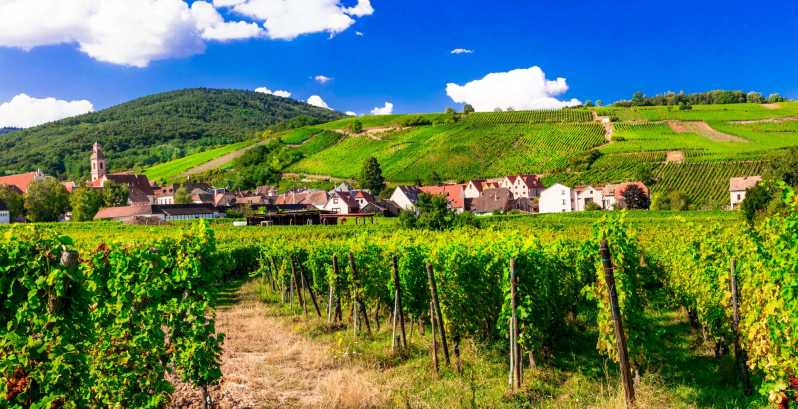
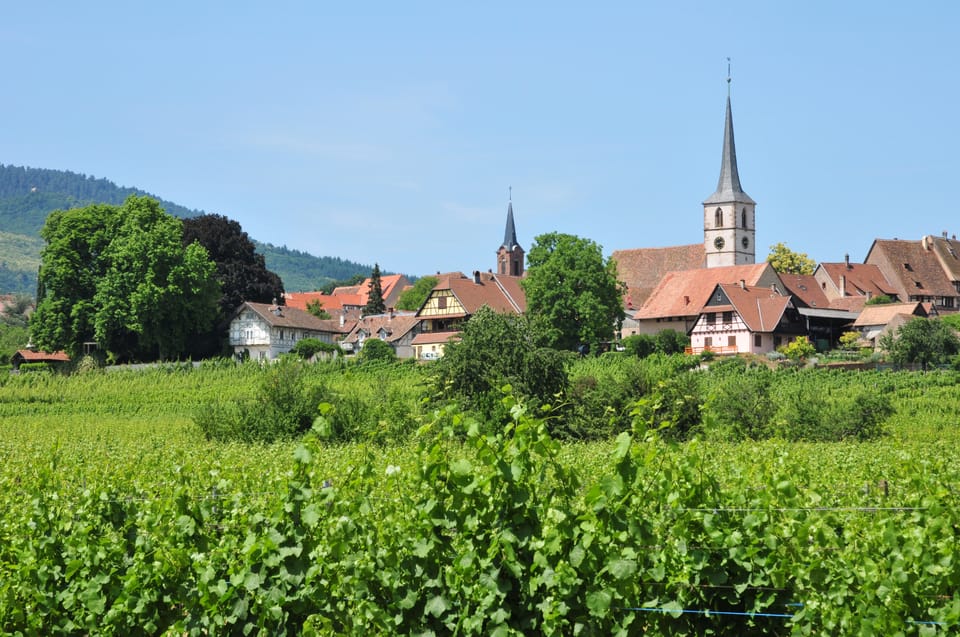
Alsace feels like a postcard that learned to talk. This half-day Alsace wine route tour takes you out of Strasbourg and into small-town streets, vineyards, and Romanesque stone. You’ll spend time in Barr (with Sylvaner, Riesling, Gewurztraminer talk), wander hillside Mittlebergheim, and finish with Andlau’s guided walk to the 9th-century Saint Peter–Saint Paul Abbatial Church.
I especially like how the plan mixes pretty places with real guidance. You’re not just looking; you’re getting the why behind the architecture, the wine-making landscapes, and the church details. The main drawback to keep in mind: this trip is not suitable for wheelchair users or people with mobility impairments, so plan on walking on uneven village streets.
In This Review
- Key moments that make this tour worth it
- Why This Half-Day Alsace Wine Route Works So Well From Strasbourg
- Leaving Strasbourg in a Comfortable Minivan (and What the Timing Means)
- Barr’s Vineyards, Sylvaner Talk, and Marco Folie
- Mittlebergheim’s Hillside Winemakers and the Arched Renaissance Town Hall
- Andlau’s Narrow Streets and the Saint Peter–Saint Paul Abbatial Church
- Transport, Group Size, and Why You’ll Feel Seen
- Price and Value: Is $112 for 4 Hours a Good Deal?
- Who Should Book This Alsace Villages Tour?
- Should You Book This Tour or DIY?
- FAQ
- What is the duration of the Strasbourg: Half-Day Tour of Alsace Villages?
- Where do I meet the tour?
- What’s included in the price?
- Are entrance fees or food included?
- Is the tour offered in English?
- Is this tour suitable for wheelchair users or mobility impairments?
- What is the cancellation policy?
Key moments that make this tour worth it
- Barr vineyards and grape-story stop focused on Alsace’s signature varieties
- Marco Folie visit as an easy-to-grasp add-on to the town tour
- Mittlebergheim’s hillside layout with winemakers’ houses and an arched Renaissance town hall façade
- Andlau walking tour through narrow streets lined with old homes
- Saint Peter–Saint Paul Abbatial Church viewing the Romanesque portal and frieze-covered façade
Why This Half-Day Alsace Wine Route Works So Well From Strasbourg
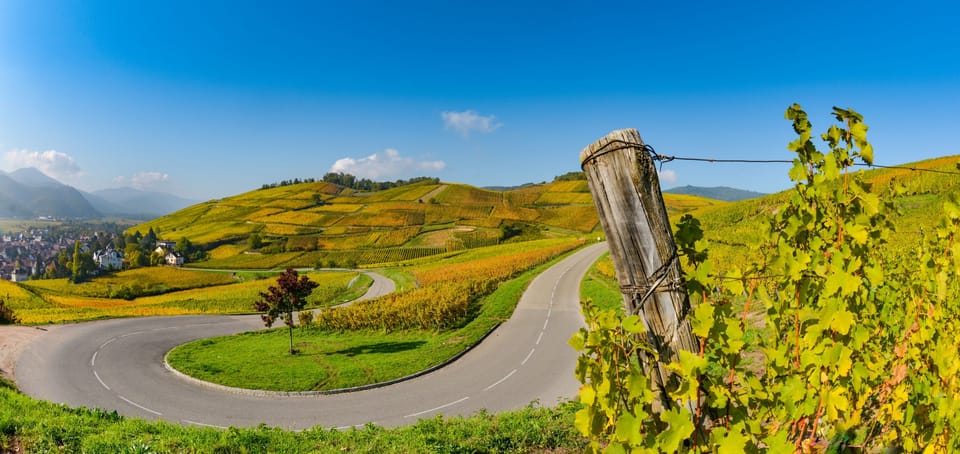
Four hours sounds short. That’s the point. You get a real taste of Alsace without turning your day into a transportation marathon. You’ll start in Strasbourg, ride out in an air-conditioned minivan, and come back the same day—perfect if you want charm and context, not just checkpoints.
I like that the route is built around three different “moods” of Alsace: village wine country views, a hillside winemaking town, and then Andlau’s quieter, older-feeling streets. It’s also a smart format for people who don’t want to guess at what’s worth seeing. The guide steers you to the places that explain the region fast.
One more thing: the tour runs in English only, and the group is capped at 8 people. That small size tends to make questions feel normal, not rushed. From the way guides are described, you can also expect a style that brings the region to life—humor helps, especially when you’re hopping from one village scene to the next.
A few more Strasbourg tours and experiences worth a look

Leaving Strasbourg in a Comfortable Minivan (and What the Timing Means)
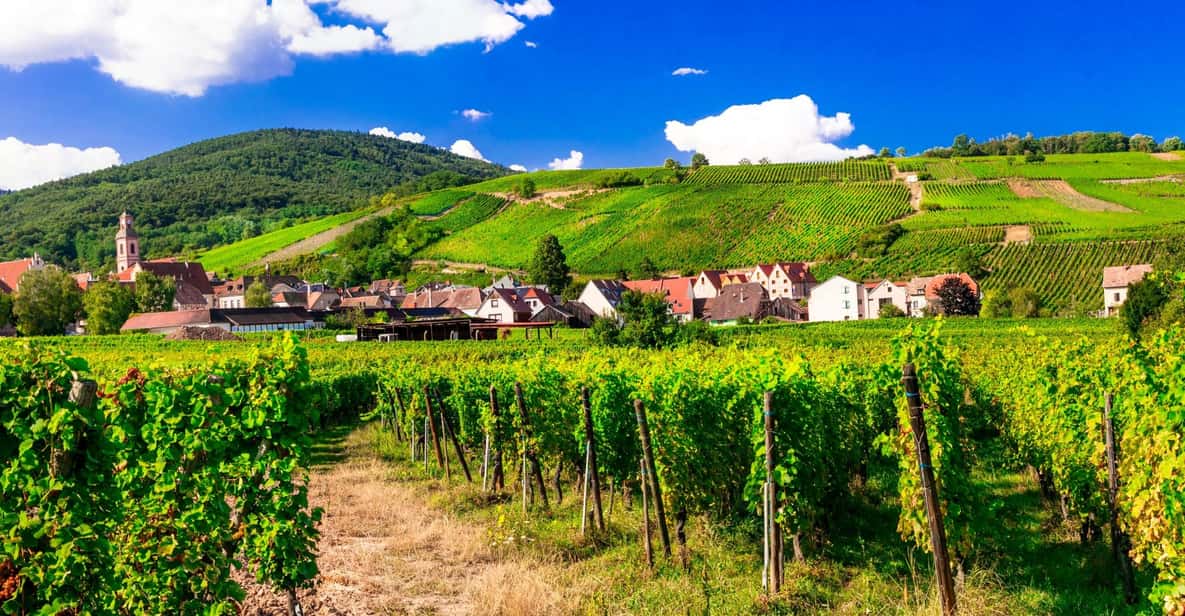
Your meeting point is 8 Place de la Gare, facing the train station and next to the pharmacy. From there, you’ll head out by van, with stops spaced so you’re not constantly sitting. The drive time blocks are short enough that you’re still fresh when you arrive.
Typical pacing goes like this:
- a ~30-minute van ride to Barr
- then short van hops between towns and guided segments
- a total experience length of about 4 hours, ending back at the same place in Strasbourg
This kind of schedule matters for two reasons. First, you avoid the late-day “everything is starting to blur” effect. Second, village walking stays manageable—especially since you’ll be on foot in narrow streets.
What to bring is simple: a passport or ID card and comfortable shoes. The “comfortable” part is not optional; village surfaces can be uneven, and Andlau’s walking route runs through old-town lanes.
Barr’s Vineyards, Sylvaner Talk, and Marco Folie
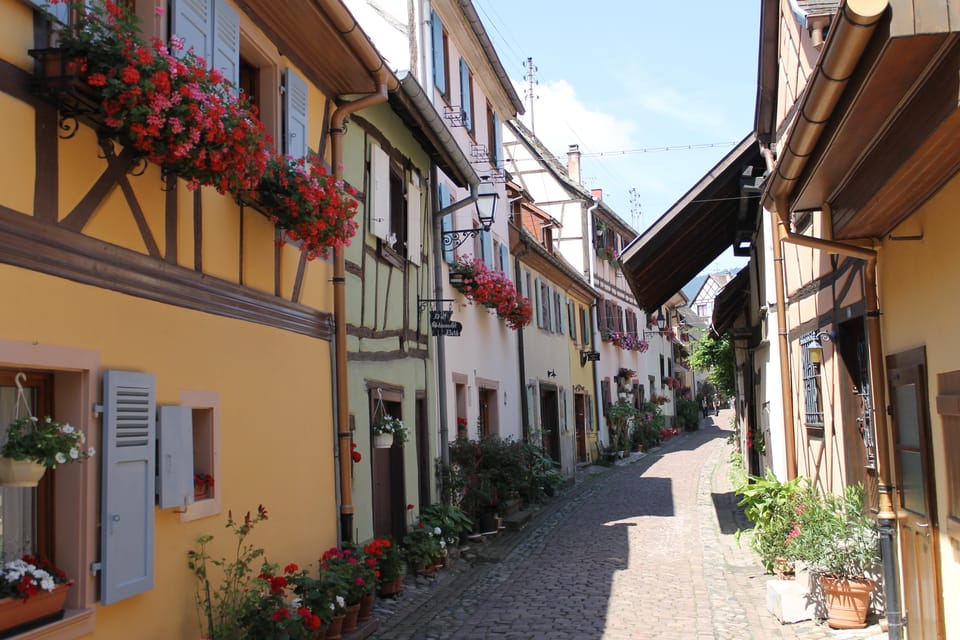
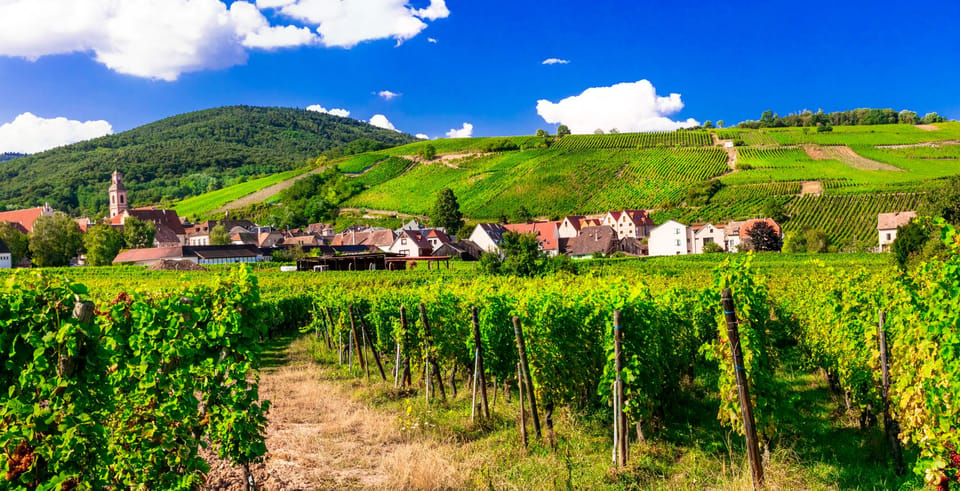
Barr is the first proper taste of Alsace wine country. If you’re into wine, you’ll recognize the names right away: Sylvaner, Riesling, and Gewürztraminer. Even if you’re not a sommelier, hearing how these varieties fit into the landscape and local identity helps you look at the vineyards with better eyes.
Barr’s guided portion is designed to connect town life with vines. You’ll also see architectural details that explain why Alsace towns look the way they do—especially the town hall’s intriguing architecture. And then there’s Marco Folie, an 18th-century house turned museum. It’s a practical stop because it gives you a structured story moment before you move on to smaller, more intimate streets later.
A small tip: Barr’s views and vineyards can make you want to linger. Don’t fight the schedule too hard. The itinerary is short on purpose, and the guide’s timing is built to get you to the next town while everything is still lively.
Possible extra: on some departures, guides manage to work in a local winery cellar visit and tasting. That’s not something you should treat as guaranteed, but it’s an example of how the guide can add a hands-on layer when conditions allow.
Mittlebergheim’s Hillside Winemakers and the Arched Renaissance Town Hall
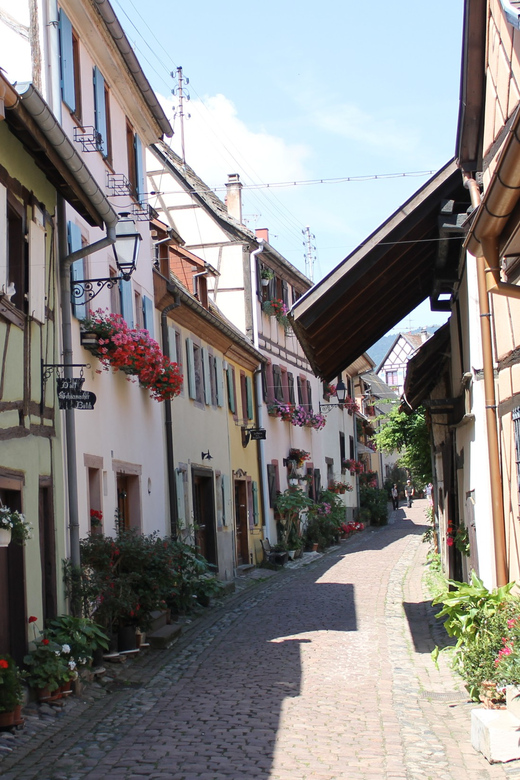
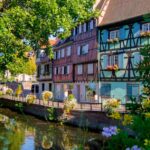
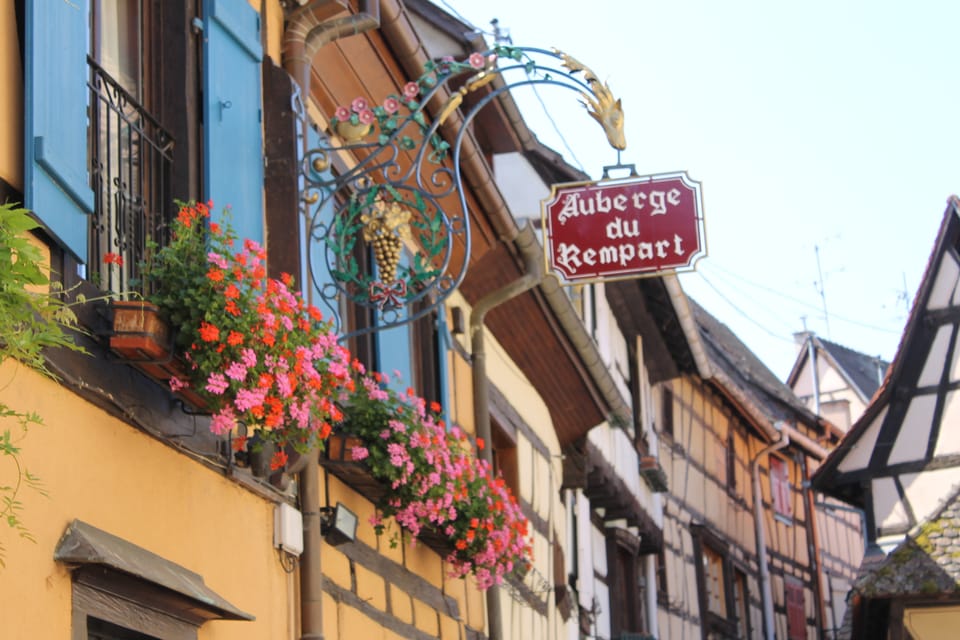
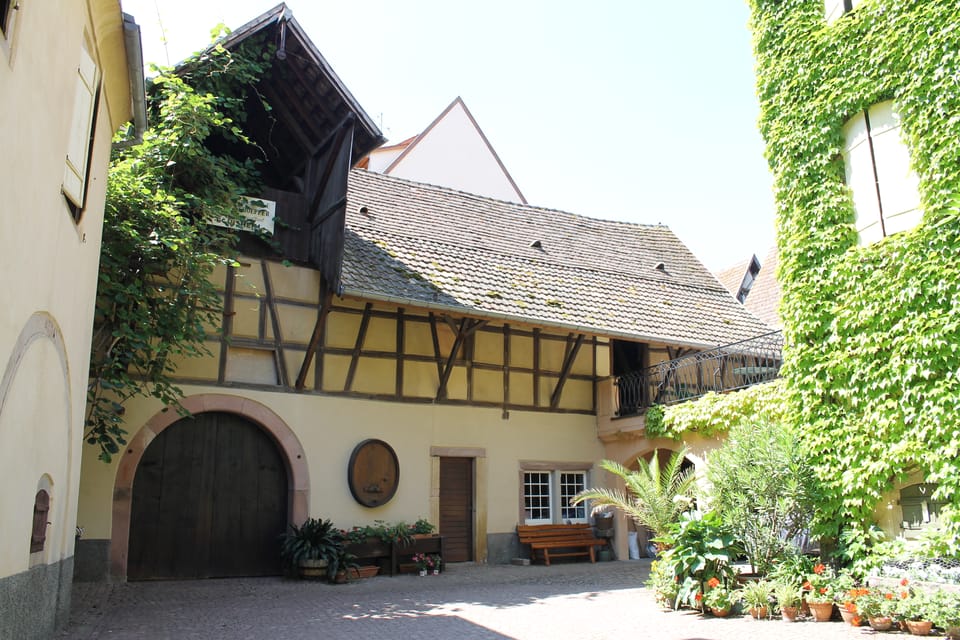
After Barr, you’ll head to a traditional hillside village—Mittlebergheim—a place built around winemakers’ homes and the slopes they depend on. The village feel here is different. Instead of the first stop’s broader vineyard emphasis, you get closer to daily life: narrow lanes, old façades, and the sense that the hills are part of the household.
This is where the guide’s walking tour style becomes especially useful. You’re wandering the streets, and the guide points out details that are easy to miss if you’re just strolling on your own. Expect talk that links the built environment to wine work—how the town’s layout supports the rhythm of seasonal labor and cellar routines.
One highlight is the Renaissance town hall façade made of arches. It’s one of those details that makes you pause without needing a long speech about it. You see it, you get it, and you start noticing how many Alsace buildings play with shape and depth.
If you’re the type who likes photos, Mittlebergheim is a good place for them—especially if you’re willing to take a few steps off the obvious main viewpoint. The hillside perspective gives you layers: rooftops, slopes, and vineyard edges.
Andlau’s Narrow Streets and the Saint Peter–Saint Paul Abbatial Church
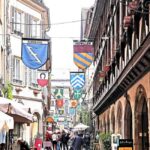
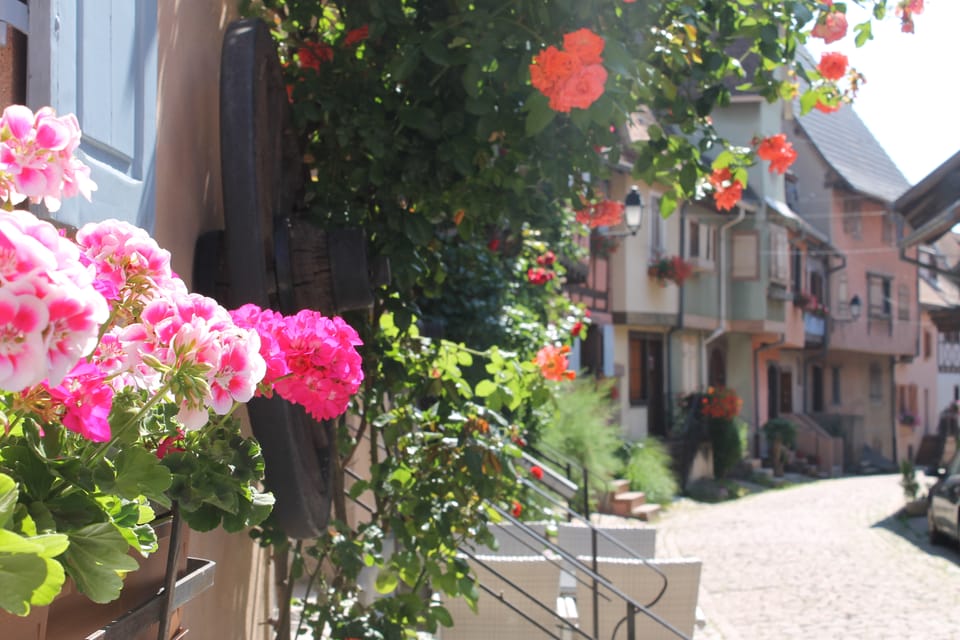
Andlau is the emotional finish to the trip. The town feels older, calmer, and more about walking than about collecting scenes. Your guided visit leads you through dainty streets dotted with old houses, and the guide’s job is to help you connect the streets to Andlau’s long timeline.
This is also where you get one of Alsace’s standout church experiences: the Saint Peter–Saint Paul Abbatial Church, an ancient 9th-century site. Even if churches aren’t your top priority, this stop gives you something specific to look at.
What makes it memorable is the sculptural and façade detail:
- the Portal, decorated with Romanesque sculptures
- a frieze-covered façade, packed with visual texture
Those are not “check the box” features. They’re the kind of things you can look at for a few minutes and still feel like you learned something useful—especially with a guide translating what you’re seeing.
Two practical notes for Andlau:
- Wear the most comfortable shoes you own, because the streets are part of the experience.
- Bring your energy early. The guided church-focused time is the most concentrated visual payoff, so try to avoid rushing through it mentally.

Transport, Group Size, and Why You’ll Feel Seen
A half-day tour lives or dies on transport. Here, you’re in an air-conditioned minivan, and the transport quality is rated very highly, with 93% of reviewers giving it a perfect score. That doesn’t sound exciting—until you’re on the road in summer heat. Comfortable getting there makes the walking parts feel easier.
The group limit—up to 8 participants—also changes the experience. Instead of speaking to a crowd, you get a real back-and-forth with the guide. That can matter a lot on a tour like this, where people arrive with different interests: wine types, architecture, or just wanting the “storybook” Alsace vibe.
The guide experience specifically comes through in multiple trip stories. Thierry is described as outstanding—funny and informed, but also able to introduce Alsace with personality. Pauline comes up as kind and very good at steering the group through beautiful villages and teaching the region’s history. Carlos is mentioned as listening actively and adjusting the plan to include a well-regarded local winery and tasting. Roxanne is noted for responding well to unexpected situations with alternatives that keep the day on track.
I can’t promise any particular adjustment on your date. But the bigger point is this: the tour has a reputation for guides who don’t treat you like a seat number. That’s what makes short tours feel richer.
Price and Value: Is $112 for 4 Hours a Good Deal?
At $112 per person for about 4 hours, you’re paying for more than the van. You’re paying for guided walking, a structured route across multiple towns, and English interpretation in a small group.
Here’s how I think about value on tours like this:
- If you try to do Barr, Mittlebergheim, and Andlau on your own, you’ll spend time figuring out routing and what’s worth your attention.
- If you want a church stop with meaningful details (Romanesque sculptures, façade friezes, historical context), a guide helps you see more than the stones alone.
- The small group size means you’re not lost in a mass of people.
What’s not included is also part of the equation: entrance fees and food and drinks are not included. That means your final cost depends on whether you buy museum tickets or add any extra stops (like tastings, if they’re arranged).
Still, for a half-day with transport plus guided tours in multiple towns, this pricing feels reasonable. You’re getting a compact sampler of Alsace at a pace most solo travelers can’t match without planning.
Who Should Book This Alsace Villages Tour?
This works best if you’re:
- short on time but want real Alsace highlights
- interested in wine-country scenery and how towns connect to vineyards
- the kind of traveler who appreciates a guided walk through narrow historic streets
- okay with walking on uneven village surfaces
It may not be your best fit if you need mobility-friendly routes. The tour isn’t suitable for wheelchair users or people with mobility impairments. Also, pets aren’t allowed.
Should You Book This Tour or DIY?
Book it if you want a guided, time-efficient Alsace experience that hits Barr, Mittlebergheim, and Andlau with a focused plan. This is a smart pick when you want the region’s story without spending your afternoon doing route math.
DIY can be good if you prefer wandering with total freedom and you’re already confident about what to see in each town. But on a short schedule, DIY usually means you miss the “why” behind details like Marco Folie, the arched Renaissance façade, or the Romanesque sculpture work on the church portal.
My practical advice: if you want a clean half-day out of Strasbourg with strong guidance, this is the kind of tour that makes the time feel fuller than it is on the clock.
FAQ
What is the duration of the Strasbourg: Half-Day Tour of Alsace Villages?
The tour lasts about 4 hours.
Where do I meet the tour?
You’ll meet at 8 Place de la Gare in Strasbourg, facing the train station and next to the pharmacy. The tour also returns you to the same meeting point.
What’s included in the price?
Included are the driver/guide and transportation in an air-conditioned minivan.
Are entrance fees or food included?
No. Entrance fees and food and drinks are not included.
Is the tour offered in English?
Yes. The tour guide is live in English, and the tour is operated in English only.
Is this tour suitable for wheelchair users or mobility impairments?
No. It is not suitable for people with mobility impairments or wheelchair users.
What is the cancellation policy?
You can cancel up to 24 hours in advance for a full refund.