REVIEW · STRASBOURG
Strasbourg: Guided Walking Tour
Book on GetYourGuide →Operated by Fabry Tours · Bookable on GetYourGuide
Strasbourg looks bilingual in every turn. This 125-minute guided walking tour in Grand Est shows you how French and German touches explain the city’s layout, defenses, and landmarks, from the start around Place Kléber all the way to the postcard photo spots in the river district. I especially like the way the guide turns street corners into clear stories, and how the route builds in photo time at the best-looking spots, including la Petite France.
One thing to keep in mind: the tour includes tastings (dessert, cheese, and wine time are part of the flow), but the food stops may not feel like a full-on, all-day tasting spree. If you’re expecting long, lingering meals, plan to treat this as a taste-and-see walking experience, not a food marathon.
In This Review
- Key highlights at a glance
- Why this Strasbourg walk feels different than a basic sightseeing loop
- Price and time: $30 in 125 minutes, and what that buys you
- Where to start: Place Kléber vs Hôtel Strasbourg Le Kléber
- The opening stretch: Kleber Square into the old-town lanes
- Modern Art area stop: a short break that sets up what comes next
- Barrage Vauban: the fortifications you can actually see
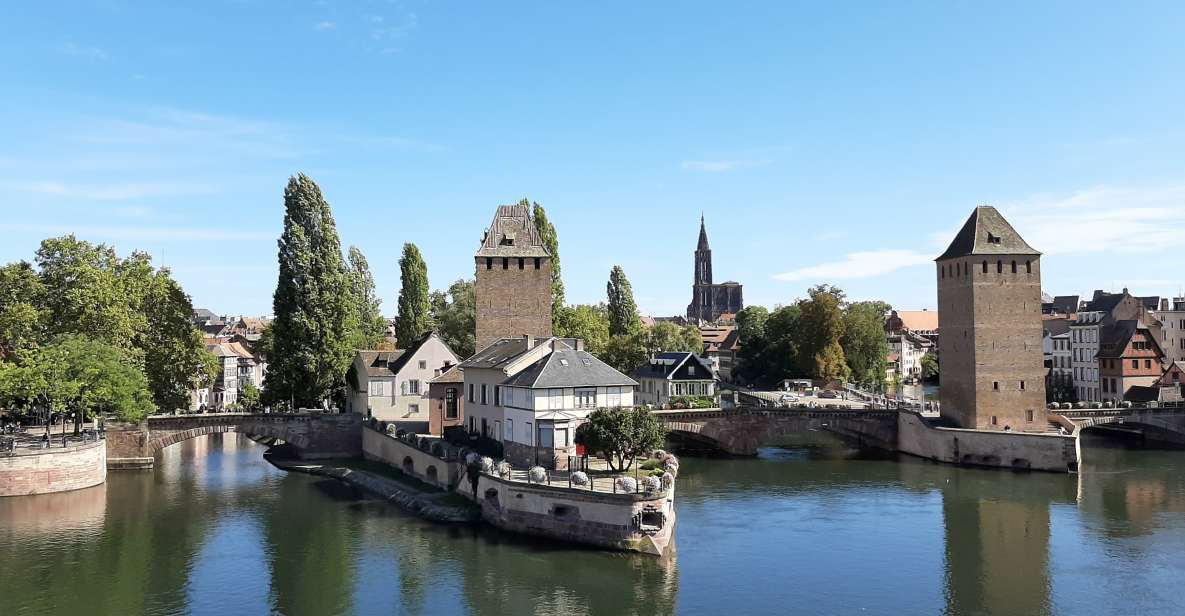
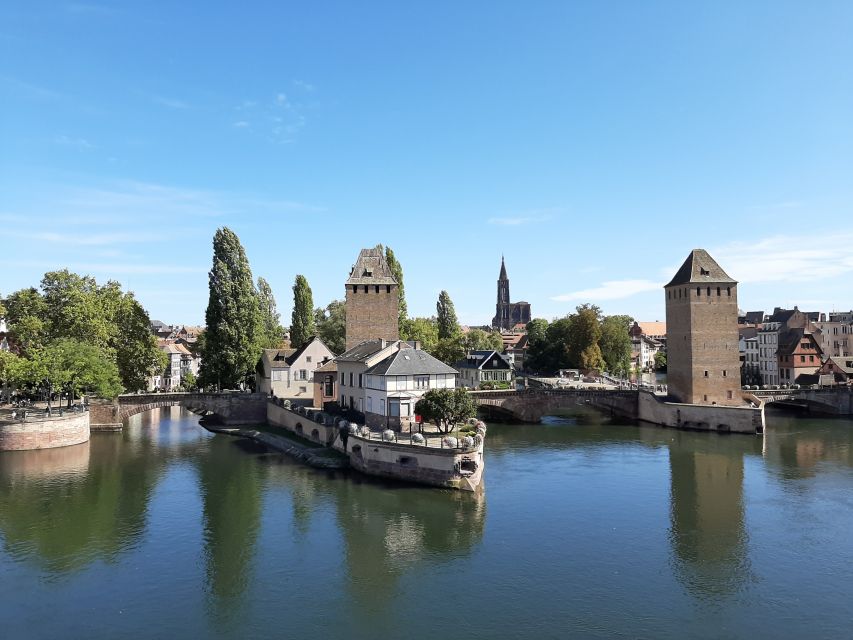
- la Petite France: swing-bridge drama and classic canal views
- Ponts Couverts and St-Thomas Church: when the photos turn 3D
- Rue des Serruriers cheese tasting: a practical local stop
- Winery time: wine tasting without turning it into a long detour
- Place Gutenberg and the cathedral district: finishing at the big silhouette
- Palais Rohan drop-off: ending near your next easy choice
- Guides make the difference: Carlos, Erick, and Fabrizio style notes
- Photo strategy: how to use the stops for real results
- Who should book this Strasbourg guided walking tour
- Should you book it?
- FAQ
- What is the duration of the Strasbourg guided walking tour?
- How much does the tour cost?
- Where do I meet for the tour?
- What languages is the live guide available in?
- Are museum tickets included?
- Is the tour wheelchair accessible, and can I cancel if plans change?
Key highlights at a glance
- Franco-German story on foot: the route is built to explain why Strasbourg feels split between two cultures and still works as one city.
- Barrage Vauban + riverside defenses: you get viewpoints and context for how the city protected itself along the water.
- la Petite France photo moments: classic canals, bridges, and the kind of scenes you’ll want on a postcard.
- Ponts Couverts and St-Thomas area: covered bridges and churches show up right when the views are best.
- Tastings along Rue des Serruriers and at a winery: small breaks that add local flavor without turning the day into a restaurant crawl.
- Cathedral-area finale (outside views) and Palais Rohan drop-off: you end where the city’s biggest silhouette sits.
Why this Strasbourg walk feels different than a basic sightseeing loop
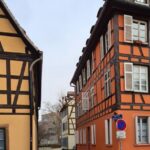
Strasbourg’s magic is that it never pretends to be one thing. You’ll feel the French and German influence in the architecture, the street plan, and even the way the city used the river for defense and transport. This tour leans into that idea, so the walk doesn’t just stack landmarks. It helps you understand why they’re where they are.
I like tours that make a city readable. This one does that by linking the water, the fortifications, and the historic center into one chain of explanations. You’ll also get time for photos instead of only speed-walking between spots.
You can also read our reviews of more walking tours in Strasbourg
Price and time: $30 in 125 minutes, and what that buys you
At about $30 per person for roughly 2 hours (with breaks), this is built for travelers who want structure without committing to a museum day. You’re paying for a guide-led route, multiple major photo stops, and built-in tasting breaks.
Here’s the best value angle: you’re not paying extra for museum entry, but you still pass by important culture landmarks like the modern-and-contemporary art area and the cathedral district for context. If your time in Strasbourg is limited, this kind of “see the highlights, understand the why” format is usually a smart fit.
Where to start: Place Kléber vs Hôtel Strasbourg Le Kléber
Your meeting point can vary based on the option you book, with two common starting places around Place Kléber and Hôtel Strasbourg Le Kléber. Either way, you’ll want to arrive a few minutes early so you don’t start the walk stressed.
Also, bring comfortable shoes. This is a walking tour with several photo stops and some short breaks, and Strasbourg’s center is full of uneven old-stone sections.
The opening stretch: Kleber Square into the old-town lanes
You begin in the city center near Kléber Square, a solid anchor point for orientation. From here, the guide points out emblematic areas as you work toward the historic river district.
Along the way, expect quick attention to streets and institutions tied to Strasbourg’s identity, including Rue Jeu des Enfants, Église Saint Peter the Elder (Saint-Pierre-le-Vieux), and the way key buildings shape how you move through the city. Even if you’ve seen photos of Strasbourg before, this early segment helps you spot details that cameras often flatten.
Modern Art area stop: a short break that sets up what comes next
One of the itinerary moments is a stop at the Museum of Modern and Contemporary Art area for a break, a guided walk-by, and photo time. Museum entry isn’t listed as included, so treat this as a perspective stop—how the city layers newer creativity onto older streets.
This brief pause also matters for pacing. After a chunk of walking, you get a reset before the tour leans harder into defense architecture and the river views.
You can also read our reviews of more guided tours in Strasbourg

Barrage Vauban: the fortifications you can actually see
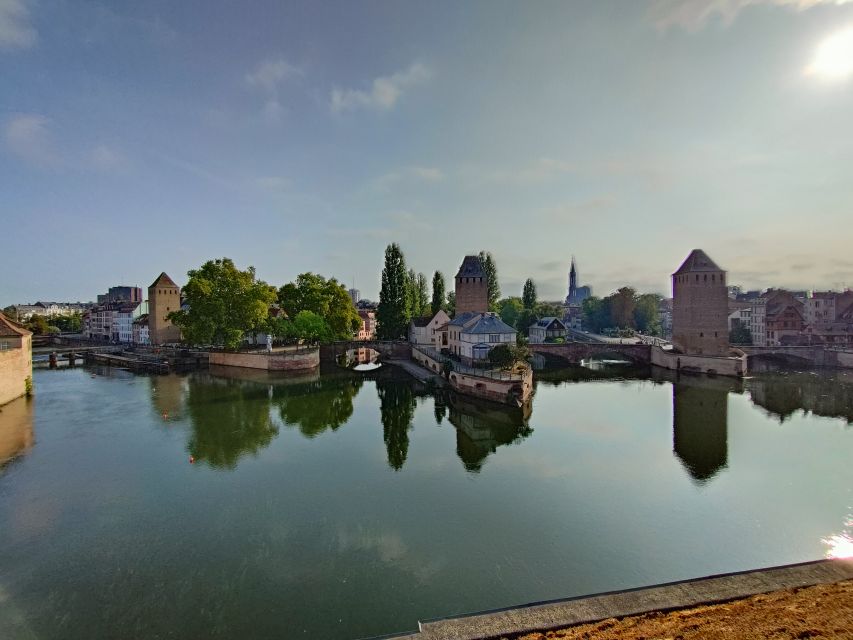
The Barrage Vauban section is where the tour really earns its keep. You’re guided through the river defenses and how the city’s protection worked in stages—linked to the covered bridges and the architecture you can still recognize today.
I love this stop because it explains the city’s engineering logic in plain language. Strasbourg isn’t just pretty; it was strategic. Standing where the defenses meet the water makes that click fast.
You’ll also get photo time here, which is important because the angles around the defensive structures can look dramatically different depending on where you stand.
la Petite France: swing-bridge drama and classic canal views
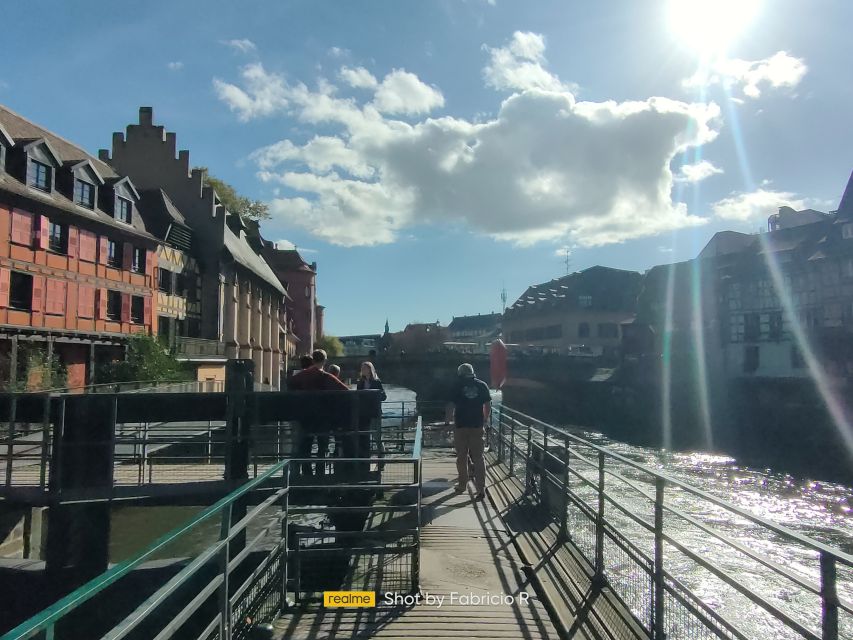
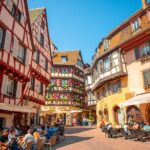
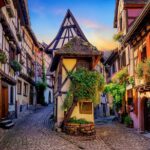
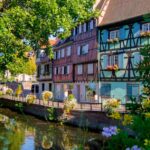
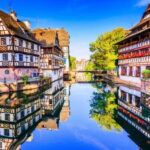
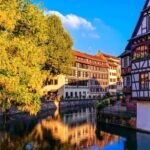
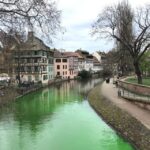
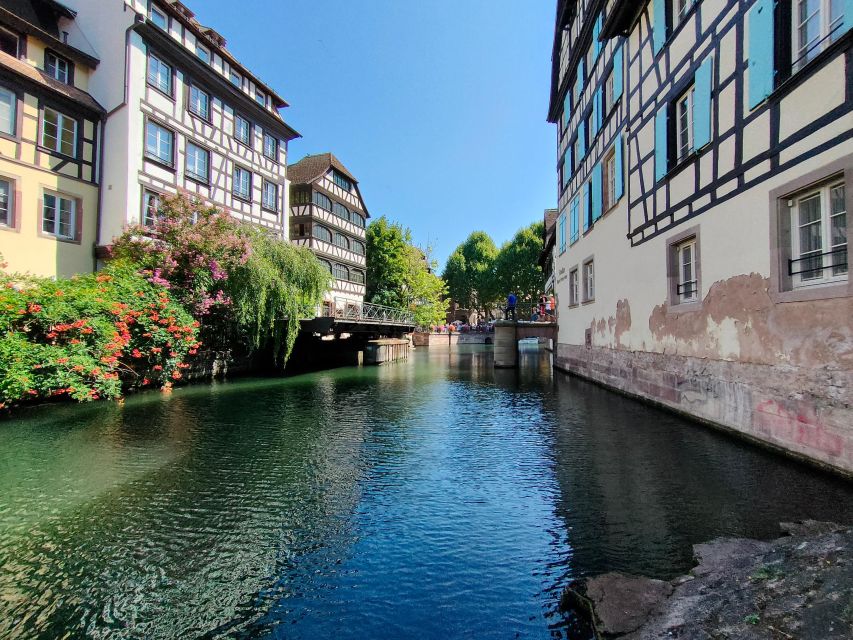
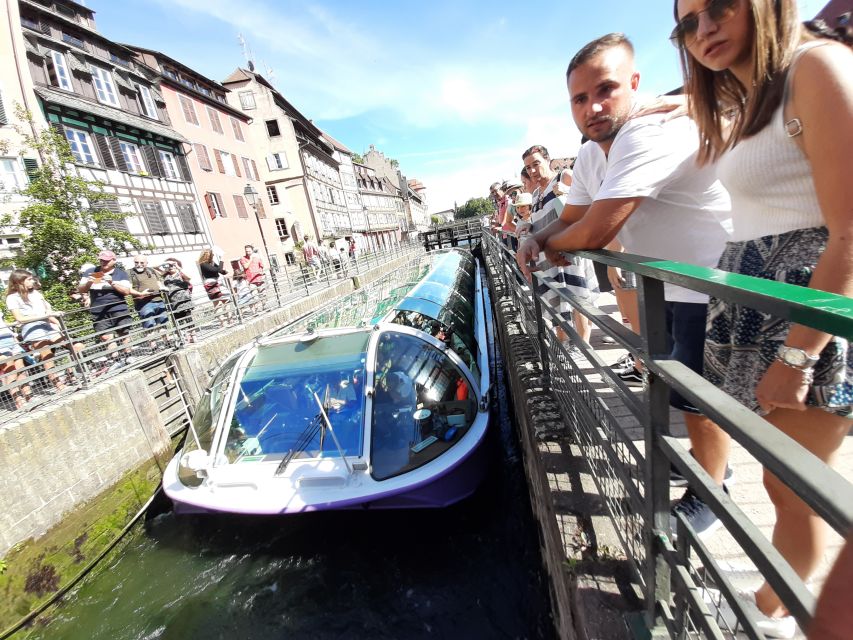
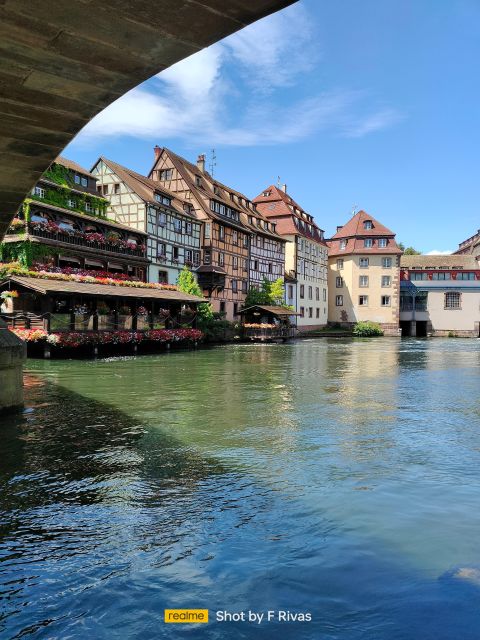
Then you hit la Petite France, the river neighborhood that looks like it was designed for postcards. Expect guided photo stops, short free time, and the chance to shop and wander a bit while still staying on schedule.
The tour specifically includes appreciation of the swing bridge and the gate that shows the way boats change level in the middle of this area. That’s the kind of detail you’d miss if you just followed the crowd.
This is also where you’ll likely get your best “I get why people love Strasbourg” feeling. The buildings, canals, and bridge lines all play together, and the guide helps you find good viewpoints without turning it into a race.
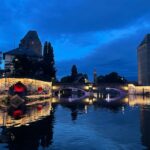
Ponts Couverts and St-Thomas Church: when the photos turn 3D
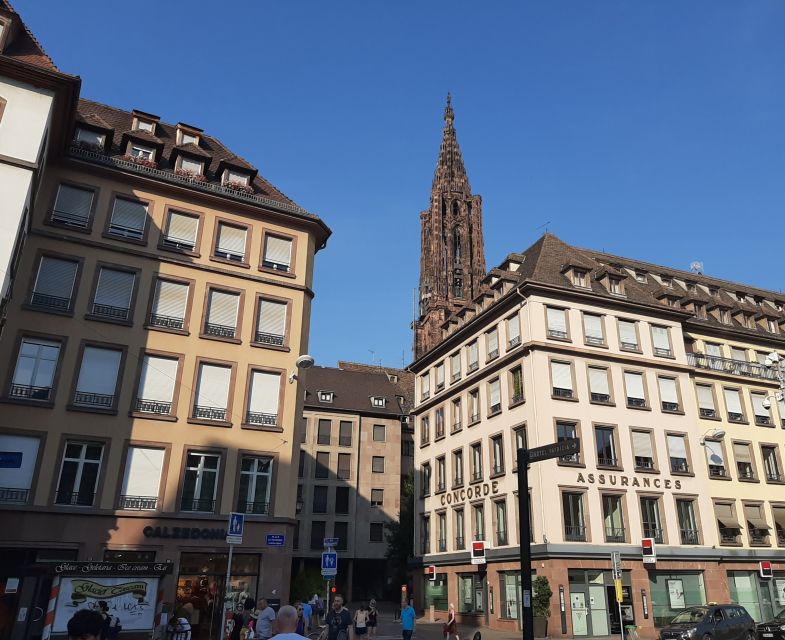
Next come the covered bridges (Ponts Couverts) and then the Église Saint-Thomas area. These stops are worth it because the covered bridge views feel layered—architecture on top, water moving below, and the skyline wrapping the background.
You’ll get photo opportunities at Ponts Couverts, plus time for guided viewing around St-Thomas. If you’ve only seen one or two pictures of Strasbourg’s river, this section usually changes how you imagine it. The shapes look bigger in real life, and the shadows add depth.
Rue des Serruriers cheese tasting: a practical local stop
Rue des Serruriers is where the tour shifts from sightseeing to edible Alsace. Expect cheese tasting and a short food tasting moment here.
This stop is a good break during the walk. It gives you a chance to slow down, ask simple questions, and taste something that belongs to the region rather than a menu designed for tourists. If you’re picky, you’ll still be glad for the sampling format because you can try without committing to a full plate.
Winery time: wine tasting without turning it into a long detour
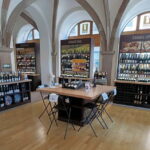
The itinerary includes a winery visit with wine tasting time. This is a full block compared with the other snacks, so it helps if you like pairing your walking day with a drink-based stop.
Do note a common expectation trap: some travelers want a bigger wine-and-cheese storyline. One previous booking flagged that tasting time can feel shorter than they hoped. So I’d treat this as a structured taste stop, not a thorough tasting session where you’ll compare dozens of labels.
Place Gutenberg and the cathedral district: finishing at the big silhouette
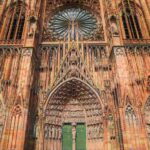
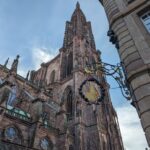
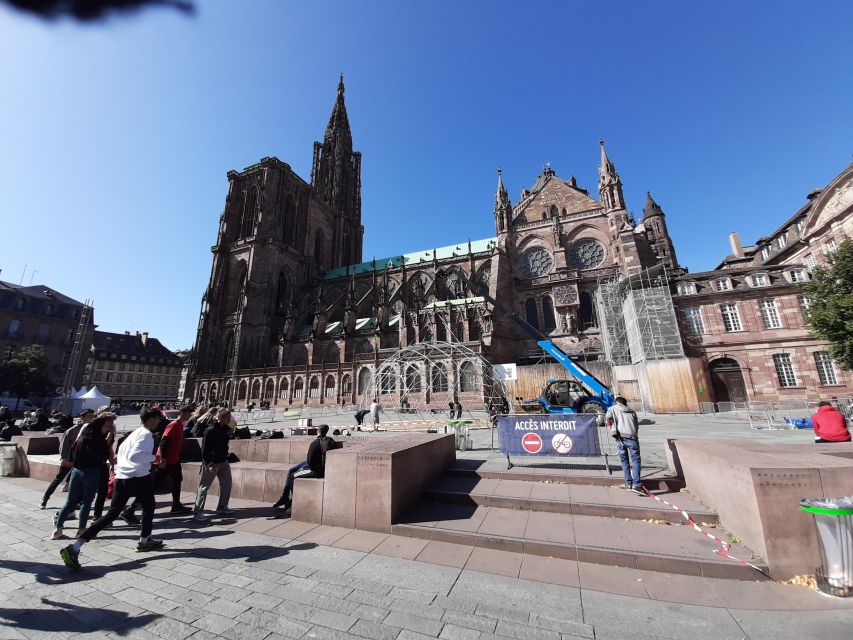
You’ll reach Place Gutenberg for a photo stop and then head toward the Notre Dame Cathedral area. The tour includes cathedral viewing outside, so you’ll see the main visual impact even if you’re not entering the building.
This part of the walk is where the city’s shape shows up most clearly. If you’ve been focused on canals and defenses earlier, the cathedral views give you the grand centerpiece that ties it together.
Palais Rohan drop-off: ending near your next easy choice
You finish with drop-off options around Palais Rohan or Place de la Cathédrale. This is helpful because it keeps you close to where most people naturally want to go next—whether that means wandering more street lanes, heading into a museum with spare time, or just grabbing coffee and people-watching.
If you want one simple strategy: plan your next stop based on where you get dropped. You’ll be in the right neighborhood to keep the momentum going without extra transit.
Guides make the difference: Carlos, Erick, and Fabrizio style notes
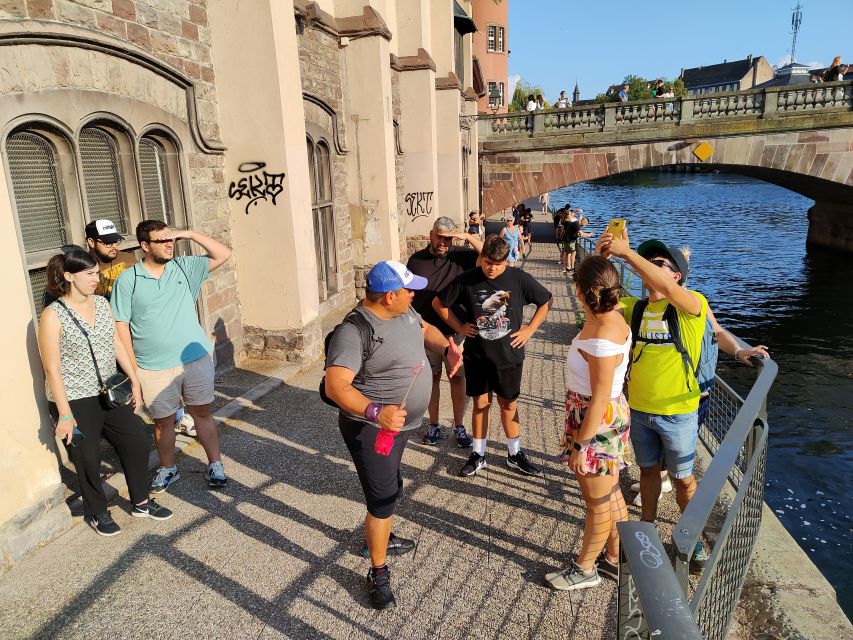
The tour’s success often comes down to the guide’s storytelling and how they handle pace. In English and Spanish groups, names like Carlos, Erick, and Fabrizio (also appearing as Fabry/Fabrizio/Fabricio in bookings) have been praised for making history feel human and for keeping energy high without losing control.
I’d also pay attention to how your guide manages timing. Several guides are known for fitting strong photo stops into the route so you don’t feel like you’re always chasing the group.
Photo strategy: how to use the stops for real results
The tour is built for photos, not just passing views. Here’s how to get better results during short stops:
- Start by taking one wide shot first, then move to a second angle after the guide points out the best sight lines.
- At covered bridges and river corners, wait for a moment when pedestrians aren’t blocking the lines of architecture.
- If the group is moving, don’t panic. Use the guided photo stops like “mini stations” and grab a quick sequence before you walk again.
The route also includes time designed for postcard-looking scenes in la Petite France and the river defense areas, so you’re not stuck shooting only from street level.
Who should book this Strasbourg guided walking tour
This is a strong match if you:
- want a guided explanation of why Strasbourg feels French and German at the same time
- care about major photo spots in the Petite France and covered-bridge area
- prefer a 2-hour format that mixes landmarks with tastings
- like walking with a plan, but still want short breaks for wandering and shopping
It may be less ideal if you:
- want museum entry included
- expect long, sit-down meals or a full-day food crawl
- dislike walking for 125 minutes even with breaks
Should you book it?
Yes, if your goal is to see Strasbourg’s top sights while getting the “why” behind what you’re looking at. The guide-led structure, the photo-heavy river stops, and the built-in tastings make this good value for the time you’re spending.
If you’re coming mainly for museum interiors or a heavy, multi-hour tasting experience, you may feel slightly constrained. But for most first-time Strasbourg visits—or for anyone who wants a second pass that finally makes the city click—this guided walk is a smart, efficient choice.
FAQ
What is the duration of the Strasbourg guided walking tour?
The tour lasts about 125 minutes.
How much does the tour cost?
The price is listed as $30 per person.
Where do I meet for the tour?
The meeting point can vary by option. Two starting location options given are Place Kléber and Hôtel Strasbourg Le Kléber.
What languages is the live guide available in?
The live tour guide is available in English and Spanish.
Are museum tickets included?
Museum entrance tickets are not included.
Is the tour wheelchair accessible, and can I cancel if plans change?
The tour is wheelchair accessible, and free cancellation is offered up to 24 hours in advance for a full refund.