REVIEW · STRASBOURG
Guided Walking Tour in Strasbourg between History and Curiosities
Book on Viator →Operated by Davide Diana - Where In Strasbourg · Bookable on Viator
Strasbourg feels friendlier when someone gives you the map. This guided walking tour with Davide Diana turns the city’s big landmarks and small oddities into a clear, funny story you can follow on foot. I love the way the guide blends history with humor, so it never feels like a textbook. I also like how the route builds momentum, so you leave knowing where everything is and why it matters.
One thing to consider: you do not enter the Cathedral. You’ll end in front of Cathédrale Notre-Dame de Strasbourg, then spend the time explaining what you’re looking at and what to see nearby instead. Also, coffee and tea are not included, so if you want a mid-walk stop, plan to pay for it yourself.
In This Review
- Key things that make this walk worth your time
- Starting at Place de la République: fast orientation with real context
- Place Kléber: the main square and the Christmas spotlight
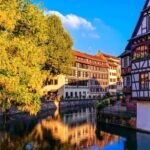
- La Petite France: why the name matters and how the neighborhood shifted
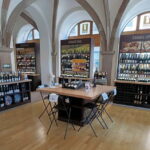
- Place Gutenberg and Bottai: ethnic restaurants and local everyday life
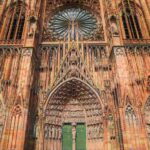
- Cathédrale Notre-Dame de Strasbourg from the outside: stories without entering
- The walking pace, group size, and why it stays enjoyable
- Price and value: why $38.71 can feel like more than a short walk
- What to do next after the tour ends near the Cathedral
- Who should book this Strasbourg history and curiosities walk
- Should you book this guided walk in Strasbourg?
- FAQ
- Is the tour offered in English?
- How long is the guided walking tour?
- How much does it cost?
- Where does the tour start and end?
- Will we enter the Cathedral?
- Are admission tickets included for the stops?
- What is included in the tour?
- Is coffee or tea included?
- What group size should I expect?
- Are service animals allowed?
- Is there free cancellation?
Key things that make this walk worth your time
- Small group size (max 10) keeps it easy to move through tighter old-town lanes.
- English mobile ticket means less fuss and smoother check-in.
- Major Strasbourg anchors in one loop: République, Kléber, Petite France, Gutenberg, then the Cathedral area.
- A guide who uses humor to keep attention through complicated local history.
- Practical food advice gets you pointed toward where to eat after the tour.
Starting at Place de la République: fast orientation with real context
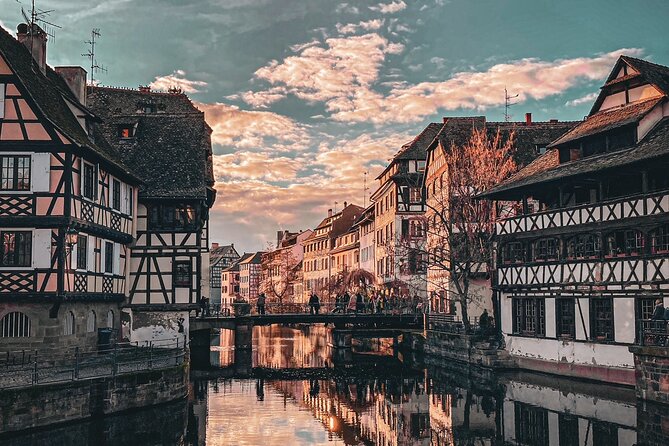
The walk begins at Place de la République, a strong starting point for anyone who wants orientation without wasting the first day guessing. The guide sets the tone by sharing the story behind the square, connecting what you see today to the layers of what came before. This matters more than it sounds. When you understand why a place looks the way it does, the rest of Strasbourg stops being random snapshots and starts becoming a connected walk.
You’ll spend about 20 minutes here—long enough to get the background, short enough that you keep moving. I like this structure because it stops the classic walking-tour problem: you get “history notes” at one stop, then you’re stuck there too long, while everyone else hurries on. This tour keeps the pace practical.
One more detail I appreciate: the tour is designed for an English-speaking group, so you’re not trying to piece together meaning from partial translations while standing in a loud square. If this is your first trip to Strasbourg, starting here is a smart move.
You can also read our reviews of more walking tours in Strasbourg

Place Kléber: the main square and the Christmas spotlight
Next comes Place Kleber, described as Strasbourg’s most important square. Even if you’re not traveling in December, this stop has year-round energy because it’s one of the city’s natural “meeting points.” The guide explains why it becomes a centerpiece during the Christmas season, including the annual Christmas tree and the markets.
You get another around 20 minutes here, which is just enough time to notice the square’s layout and see how it feeds into the rest of the old town. If you’re the kind of traveler who likes to understand local rhythms, this is a good stop. It turns a “pretty plaza” into something seasonal and specific.
Practical tip: if you want photos, stand where you can include both the square and the streets leading out. The guide’s explanations help you choose angles that make more sense than just pointing your camera and hoping.
La Petite France: why the name matters and how the neighborhood shifted
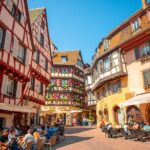
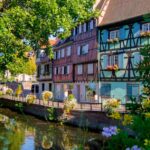
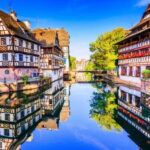
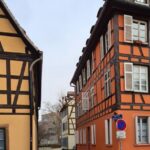
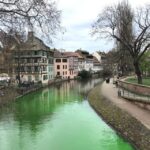
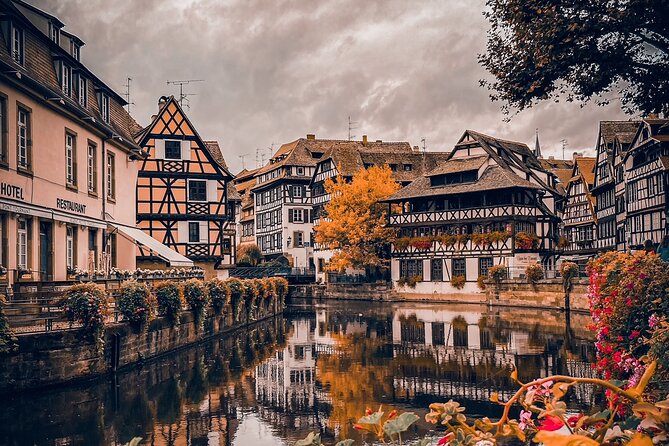
Then you’ll head into La Petite France, one of Strasbourg’s most famous districts. This is the stop where the tour turns scenic. You’ll get about 40 minutes here, and that extra time is well used. The guide explains why it’s called that and how the area changed over the centuries—so you’re not just admiring old buildings without any clue what they represent.
La Petite France is also the kind of place where it’s easy to wander in circles on your own. A guided approach helps because you’re learning what to look for while you’re walking. In my experience, that’s the difference between spending time and actually seeing the place.
Potential drawback: because this is a famous area, it can feel busy at peak times. The tour keeps your group small (max 10), which helps with navigating and listening without constantly repeating yourself in crowded corners. Still, go in with the expectation of tight streets and slower footwork.
If you enjoy architecture, canals, and city evolution (not just famous views), this is the heart of the route.
Place Gutenberg and Bottai: ethnic restaurants and local everyday life
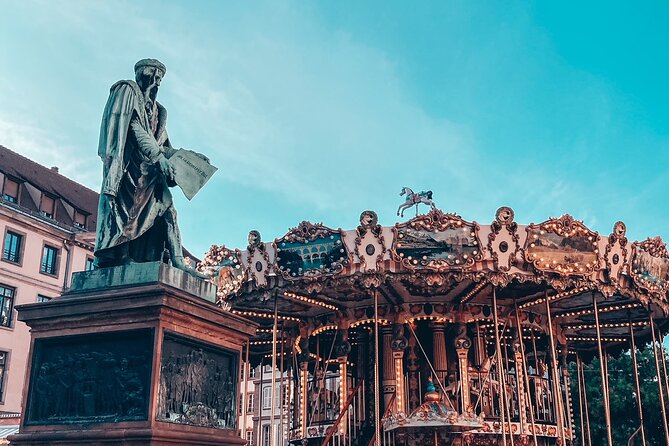
After Petite France, the tour shifts slightly away from pure postcard scenery. You’ll visit Place Gutenberg, and the walk also takes you through the historic district of Bottai, where there are many ethnic restaurants.
The time here is about 20 minutes, which might sound short, but it works because this stop is more about perspective than deep sightseeing. You’re learning how Strasbourg isn’t only medieval walls and grand squares—it also has neighborhoods with real, current-day food culture. The guide’s viewpoint is useful here, especially if you’re hungry and trying to avoid the tourist trap approach of picking the nearest menu.
The best part is that this comes before you reach the Cathedral area. That timing matters because it gives you food ideas while you still have energy for decisions. Based on how people described the tour, the restaurant recommendations are a major reason they felt the value was more than just the walk.
If you want to eat well without turning the trip into a research project, pay attention at this stop.
Cathédrale Notre-Dame de Strasbourg from the outside: stories without entering
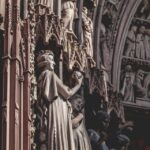
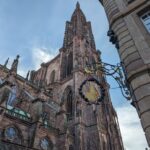
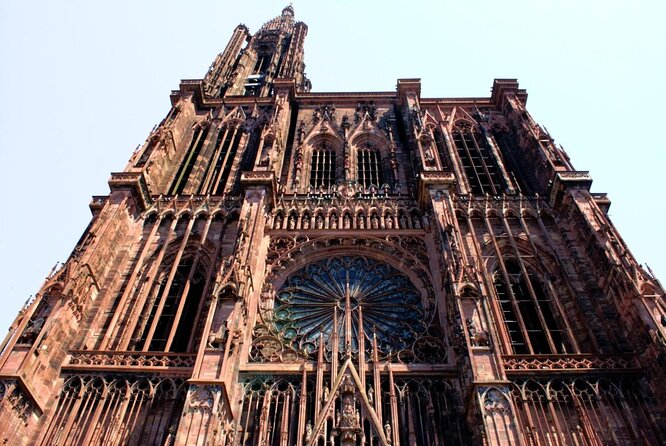
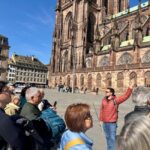
The tour ends in front of Cathédrale Notre-Dame de Strasbourg. Importantly, the guide says you’ll not enter the building. Instead, you’ll get about 20 minutes of stories and explanations focused on the Cathedral as a symbol and on what to notice around it.
Ending here is smart. The Cathedral is the obvious anchor, but the tour helps you see it as more than a landmark photo. You’ll hear interesting context about what it represents to Strasbourg, plus guidance for where to go next around the area.
After the walk, the guide also gives information on what to see nearby and where to eat. That kind of ending is valuable because it solves the post-tour problem: you’ve spent the morning learning, now you need a plan for the rest of your day.
One consideration: if you were hoping for an interior visit, this tour won’t satisfy that. You’ll still get a strong on-the-ground overview of what to look for outside, but you’ll need a separate plan if you want the inside experience.
You can also read our reviews of more guided tours in Strasbourg

The walking pace, group size, and why it stays enjoyable
This tour is built for ease. The group maximum is 10 travelers, and that size shows up in the experience. Smaller groups move more smoothly through narrower streets, and you get more back-and-forth listening instead of feeling like you’re standing in a human line.
The tour runs about 2 hours 30 minutes, with short segments at each stop—around 20 minutes at squares and 40 minutes in Petite France. That pacing is a sweet spot. You learn something at each location, you get time to look with your own eyes, and you still finish while your energy is good.
Another detail that comes through in how people rate it: the guide keeps the mood light. Multiple people mention humor, lively delivery, and a strong sense of how to pace explanations. One review also noted an Italian-accented delivery from Davide Diana, but that it was still easy to follow. So if accent familiarity is your concern, you can feel fairly confident.
One practical note: the tour duration is long enough that you might want a refreshment break. Coffee and tea are not included, but the schedule and reviews suggest there’s time to take a pause halfway through. If you’re planning a coffee stop, bring cash/card and pick something close so you don’t lose the group.
Price and value: why $38.71 can feel like more than a short walk
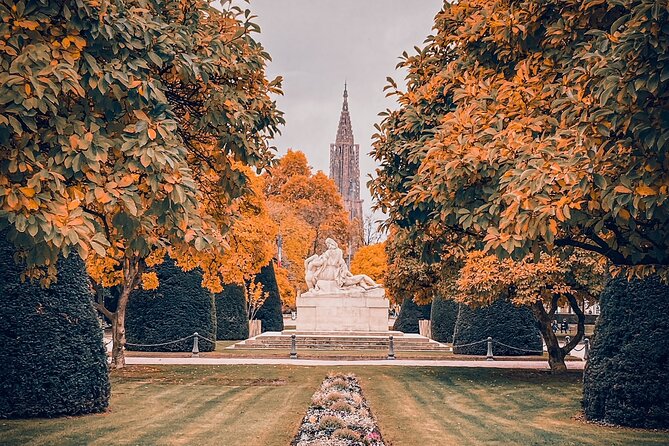
At $38.71 per person for roughly 2.5 hours, the price feels reasonable because you’re paying for more than movement. You’re paying for:
- a guided route through major districts,
- explanations that connect what you see to how Strasbourg developed,
- and practical advice that helps you eat and choose what to do next.
Admission is listed as free for the stops on this route. That’s a big value point because you’re not paying extra entry fees while still getting major sights. The Cathedral is the one place where you’re not entering, but you’re still getting the interpretive guide element outside, which often costs money in other formats.
Also, the tour is often booked in advance—around 51 days on average. That’s a quiet signal that this tour fits into many people’s first-day plans. If you want a specific day or time, don’t wait until the last minute.
If you’re traveling on a budget but still want meaning, this is the kind of tour that helps you avoid spending hours later trying to figure out what you already saw.
What to do next after the tour ends near the Cathedral
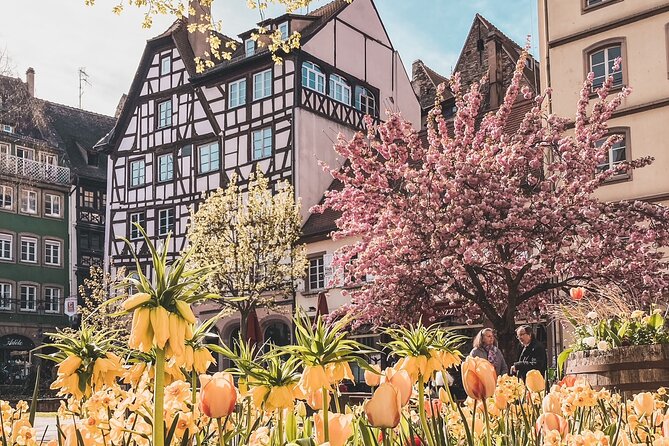
The tour finishes at Place de la Cathédrale, right by the Cathedral area. That positioning is great because you’re ending where you can immediately turn knowledge into action. The guide provides valuable information on what to see around the surroundings and where to eat.
Use it like this: after you say goodbye to the group, pick just one or two nearby targets. You’ll be more effective than if you try to do everything right away. Since you already learned what the Cathedral symbolizes and how to orient yourself, you can spend more time on your favorite pieces instead of doing vague wandering.
If you want museums later, ask yourself what you’re most curious about—architecture, local culture, or the way Strasbourg fits into broader regional themes. The tour is designed to give you those decision-making hooks at the right moment.
Who should book this Strasbourg history and curiosities walk
This tour suits you best if:
- it’s your first time in Strasbourg and you want orientation fast,
- you like a guided walk where the guide explains how places connect,
- you want humor along with history,
- and you prefer a small group so the walk feels personal.
It’s also a good choice if you’re the type who hates over-planning. You’ll get a route that hits major areas, plus recommendations that make the rest of your trip easier.
If your main goal is an inside visit to the Cathedral, though, you’ll need to pair this with another activity. Think of this as the excellent outside primer and map-builder, not the full cathedral ticket experience.
Should you book this guided walk in Strasbourg?
Yes, if you want a smart first stroll through Strasbourg’s most important sights and quirky corners, taught by Davide Diana with energy and humor. The route is compact, the group is small, and you leave with a sense of where to go and what to prioritize next—without extra entry fees.
Skip it only if you specifically want the Cathedral interior as part of the tour. Otherwise, this is one of those trips where you spend a little time walking and talking, then reap the benefit all day.
FAQ
Is the tour offered in English?
Yes. The tour is offered in English, and you’ll receive the experience through a guided walking format.
How long is the guided walking tour?
It runs for about 2 hours 30 minutes.
How much does it cost?
The price is $38.71 per person.
Where does the tour start and end?
It starts at Place de la République, 67000 Strasbourg and ends in front of the Cathedral area at Place de la Cathédrale, 67000 Strasbourg.
Will we enter the Cathedral?
No. The tour ends in front of Cathédrale Notre-Dame de Strasbourg, and you will not enter the building.
Are admission tickets included for the stops?
The tour information lists admission ticket free for the stops, and it does not include Cathedral entry since you stay outside.
What is included in the tour?
It includes a personalized experience. A mobile ticket is provided.
Is coffee or tea included?
No. Coffee and/or tea are not included.
What group size should I expect?
The tour has a maximum of 10 travelers.
Are service animals allowed?
Yes. Service animals are allowed.
Is there free cancellation?
Yes. You can cancel for a full refund if you cancel at least 24 hours before the experience’s start time.