REVIEW · STRASBOURG
Strasbourg City Center Guided Bike Tour w/ Local Guide
Book on Viator →Operated by Cyclorama Strasbourg · Bookable on Viator
Strasbourg looks best when you move through it, not just around it. This guided bike tour gives you a fast, well-paced orientation—cathedral area views, Petite France charm, and the big architectural contrast of the Neustadt—plus a guide who ties the street scenes into one clear story.
I particularly love the way you get a local-guided route that connects places you might otherwise miss, and the fact that it’s a real highlight circuit instead of a random ride.
The main thing to consider is cycling comfort: you should be reasonably confident on a bike and okay riding on streets where cars may appear at times, even though the overall pace is not described as strenuous.
In This Review
- Key Things to Know Before You Go
- Why This Strasbourg Bike Tour Works So Well
- Price and What You Really Get for $47.07
- Place d’Austerlitz Meeting Spot: Plan for a Smooth Start
- The Cathedral Area Stop: Quick, Worth It, No Pressure
- Petite France: Old Houses, Real Atmosphere, Short Time
- Vauban Dam and Covered Bridges: Where the River Story Shows
- Neustadt: The Big Style Contrast You Came For
- Strasbourg Squares and Daily-Life Views Without the Guesswork
- Bikes, Pace, and Who Should Book This Tour
- Practical Tips to Make the 2.5-Hour Ride Feel Effortless
- Should You Book This Guided Bike Tour?
- FAQ
- How much does the Strasbourg City Center Guided Bike Tour cost?
- How long is the tour?
- What time does the tour start, and are there different departure times?
- Is the tour in English?
- Is a bicycle provided, and is there a guide?
- Where does the tour meet, and where does it end?
- What happens if the weather is poor?
Key Things to Know Before You Go
- Small group size (max 12) helps the guide keep everyone together and makes questions easy.
- Bike and guide are included, so you can show up and roll without extra planning.
- You’ll get a guided orientation before the ride starts, which helps the city make sense fast.
- Cathedrale Notre-Dame and key districts are covered, including the old-town feel and the Neustadt.
- English is offered, with guides like Sarah, Jean, Barbara, Josh, Maud, Letitia, and Georges mentioned by past guests.
Why This Strasbourg Bike Tour Works So Well
Strasbourg can feel like a puzzle at first: old bridges and canals on one side, a whole different “imperial” look in the Neustadt on the other. This tour is designed for that exact moment when you want your bearings fast, and you don’t want to burn your vacation hours trying to connect the dots yourself.
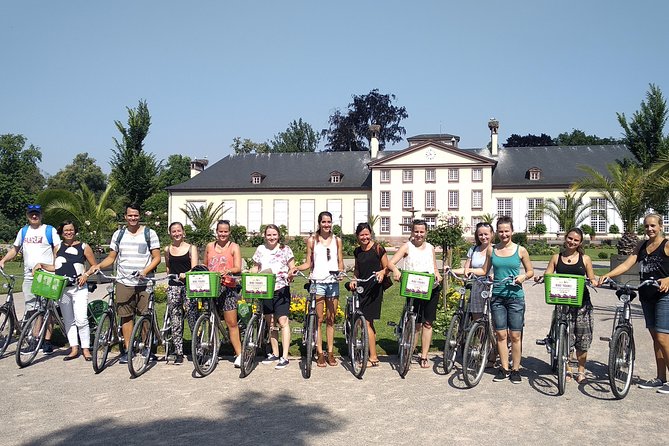
The format matters. You meet up at Place d’Austerlitz, get fitted with a bike, and receive a short introduction before you ride. That intro is where the tour earns its value—suddenly the city isn’t just pretty buildings. It becomes a timeline and a set of neighborhoods with reasons behind the styles you’re seeing.
You’ll also cover a lot of ground without turning it into a race. The ride portion is about 1.5 hours, and the whole experience clocks in at about 2 hours 30 minutes with bike fitting and orientation. That balance is great if you want highlights without the slow grind of walking between viewpoints.
You can also read our reviews of more cycling tours in Strasbourg

Price and What You Really Get for $47.07
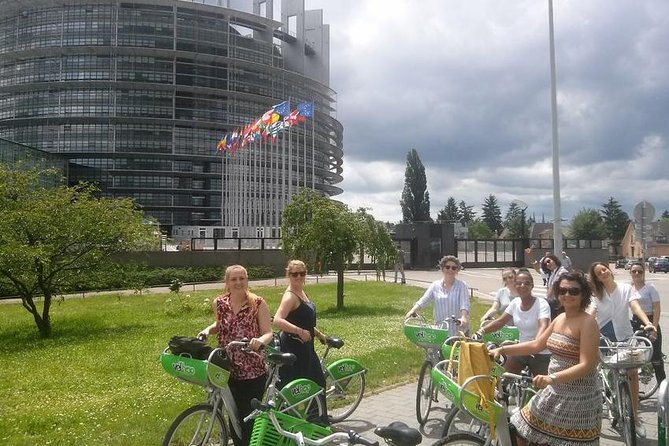
At $47.07 per person for about 2.5 hours, this price feels reasonable when you account for what’s included. You’re paying for three things that are hard to DIY efficiently:
- A local guide who explains what you’re looking at and how Strasbourg’s French and German layers fit together.
- A bike (no rental friction, no “where do I pick this up?” stress).
- A preplanned route that hits major visual anchors: cathedral views, Petite France streets, river engineering landmarks, and Neustadt institutions.
What’s not included is also clear: there’s no hotel pickup, no food or drinks, and you may see places where admission tickets aren’t included. For example, the cathedral stop is a short look-around, not a full paid entry experience.
If you’re trying to get your money’s worth in a first couple days in Strasbourg, this is the kind of tour that can save you time later. You’ll leave knowing which areas you want to return to on foot.
Place d’Austerlitz Meeting Spot: Plan for a Smooth Start
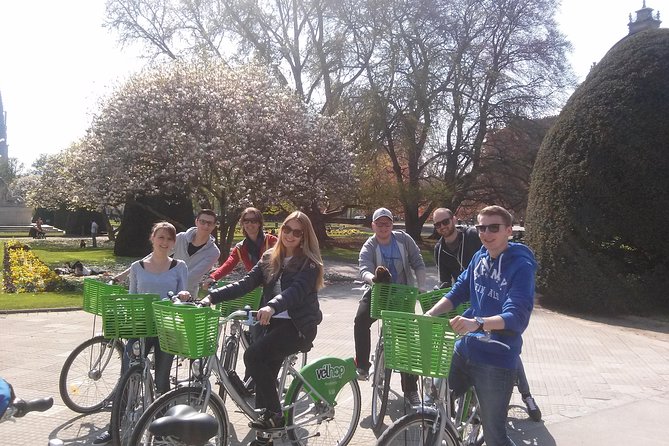
Your tour starts and ends at 10 Pl. d’Austerlitz, 67000 Strasbourg. That’s useful, because you’re not stuck navigating across town at the end.
Here’s the only practical headache to watch for: the meeting instructions can be easy to misread when you’re new to the street layout. More than one person described confusion about the exact street reference (some saw different numbers mentioned in different instruction text), leading to a late start while people figured it out.
Do yourself a favor:
- Arrive early (think 10–15 minutes before).
- Use your phone map to confirm the exact address number at Place d’Austerlitz.
- If you don’t see the guide right away, don’t wander for long—check again with another lap, then ask around if you’re close to the right street section.
Past guides include people like Sarah and Jean (and also Barbara, Josh, Maud, Letitia, and Georges), and the best strategy is still the same: identify the correct spot early enough that you’re not stressed by the clock.
The Cathedral Area Stop: Quick, Worth It, No Pressure
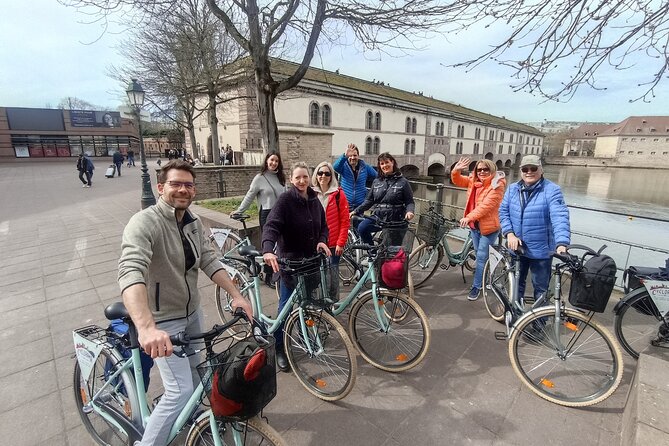
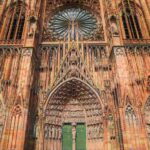
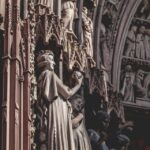
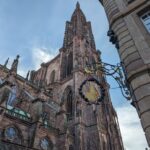
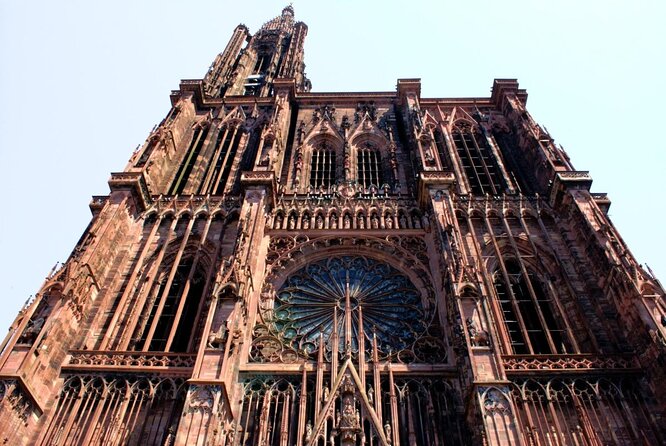
The tour’s first stop is at Cathedrale Notre-Dame de Strasbourg. You get about 5 minutes here, and admission isn’t included—so this is a look-from-the-outside-and-around-the-area type of stop, not a long cathedral visit.
Even in a short time window, it works because the cathedral is the city’s visual anchor. You’ll see why it dominates the skyline and how the surrounding old-town streets feel built around it. This quick stop is great if you’re the type who likes to save longer museum or church time for a later return day.
If you do want deeper cathedral time, you now have the location stamped into your brain. That makes it much easier to come back when you’ve got more time and you want to go inside.
Petite France: Old Houses, Real Atmosphere, Short Time
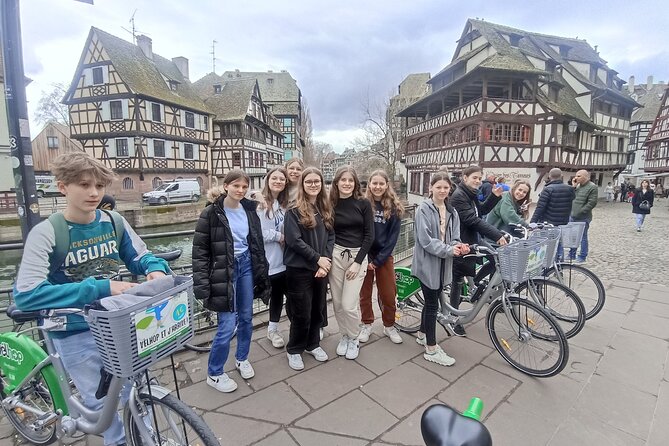
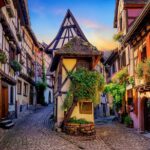
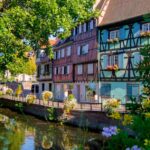
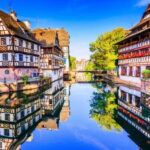
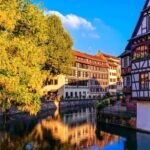
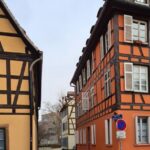
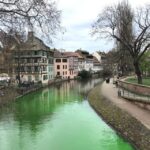
Next up is La Petite France for about 5 minutes. This is the postcard district—old Alsatian houses, narrow street charm, and the feeling that Strasbourg has been doing “style” for centuries.
The time here is intentionally short. That’s a plus for most people because you don’t end up stuck in a single spot while the rest of the route slips away. You get the key visual impressions and the guide’s framing, then you move on while the city is still fresh in your mind.
One drawback to be aware of: if you’re hoping for a slow stroll photo session with zero pressure, this probably isn’t the format. The value comes from the sequence—Petite France followed by the river-and-bridge sections, so the whole old-town vibe hangs together instead of feeling random.
You can also read our reviews of more guided tours in Strasbourg

Vauban Dam and Covered Bridges: Where the River Story Shows
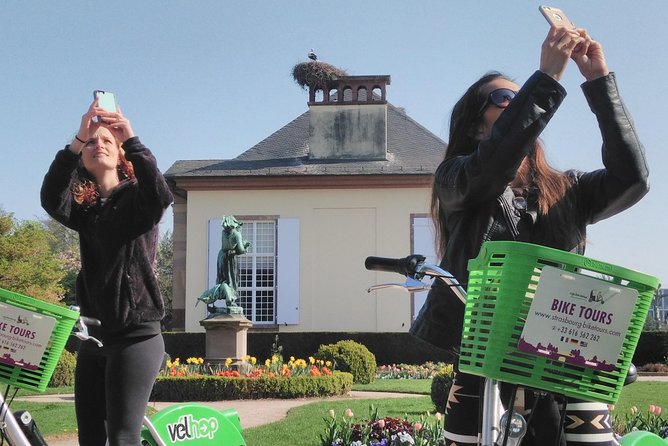
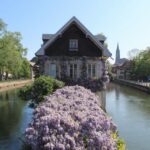
After the old-town sights, the ride shifts toward the river side. You’ll pass Pont de Corbeau across the Ill River, then follow the riverbank toward the Vauban Dam.
This is one of the best parts of the tour because it connects engineering to beauty. The bridges and covered crossings you pedal past aren’t just scenic photo spots. They also explain how Strasbourg shaped water access and transportation over time.
Covered bridges have a special effect when you’re moving. From the bike seat, you get that “this street keeps going” feeling, and the visuals don’t blur as much as they would if you were rushing on foot. You also tend to get a different angle on architecture when you’re slightly elevated and in motion.
If you like practical sightseeing—places that are interesting because of how they work—this river section delivers.
Neustadt: The Big Style Contrast You Came For
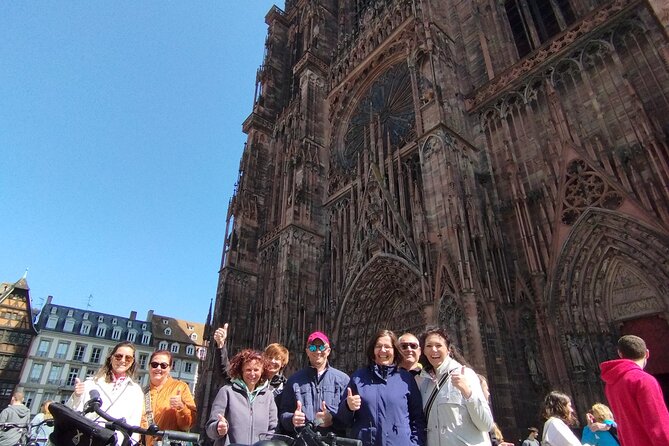
Then the tour takes you into the Neustadt, Strasbourg’s more “imperial German” district. You’ll get about 10 minutes in this part of the route, plus additional viewing time at key stops along the way.
Expect to see:
- Palais Universitaire
- Place de la République
- Strasbourg Opera House
The Opera House has a particularly good story. It’s a 19th-century landmark that was rebuilt in a Neoclassical style after damage from Prussian artillery. Even if you don’t memorize dates, the guide’s explanation helps you understand why the district looks the way it does.
This is also where Strasbourg’s identity becomes clear: you’re not just seeing one culture. You’re seeing layers of design decisions made over time. The ride makes those layers obvious because you go from old-town charm to more formal, institutional city planning without needing to figure out the transition on your own.
Strasbourg Squares and Daily-Life Views Without the Guesswork
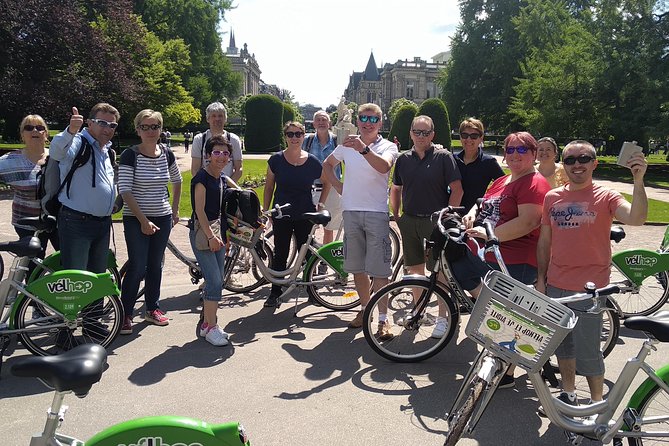
As you near the end, the route slows down into the “live here” part of sightseeing—pretty public spaces where daily life happens in between monuments.
You’ll ride through and get look-ins at squares such as Place Broglie, Place Gutenberg, and Place Saint Etienne. These areas are useful because they’re not only about famous buildings. They show you how Strasbourg spaces itself for people: squares that work as meeting points, stroll zones, and everyday hangouts.
The stop around Place Saint Etienne includes the feel of traditional-style surrounding homes. That’s the kind of detail that helps you stop thinking of Strasbourg as only a museum city.
This is also a smart segment for questions. If you’ve been wondering about dialect, neighborhood vibes, or why certain districts look the way they do, this is where the guide’s explanations can lock it into place. In the past, guides such as Barbara and Maud were singled out for making the city’s timeline and local language feel understandable, not lectured.
Bikes, Pace, and Who Should Book This Tour
You’ll ride a provided bike, and the tour is described as not overly strenuous. Also, Strasbourg is known (and repeatedly described by guests) as bike-friendly, including the fact that it’s relatively flat.
Still, don’t ignore the cycling reality. One caution that comes up again and again: you should be confident riding on roads where cars may appear. If you can handle normal bike traffic, follow instructions, and keep an even pace, you’ll be fine.
The plus side is that bikes are described as easy to ride and comfortable—and for many people it becomes a stress-free way to see more than walking would allow. A few people noted minor bike issues (like the bike not being fully up to date), but nothing that sounded like a dealbreaker.
Who this fits best:
- First-time visitors who want highlights and orientation
- People who like the “see it, then return later” travel style
- Travelers who want a structured route without turning it into a long day
Who might hesitate:
- If you’re not comfortable riding near car traffic
- If you want long stops at each major site (this tour is about coverage and context, not lingering)
Practical Tips to Make the 2.5-Hour Ride Feel Effortless
This tour is short enough that small choices matter. Here’s how to set yourself up for a smooth experience:
- Wear shoes you can bike in for the whole route (you’ll be on the bike seat for the main 1.5-hour portion).
- Bring patience for city cycling. Even with a guide, you’re part of normal street flow.
- Arrive a bit early at Place d’Austerlitz so you’re not hunting under pressure.
- Bring water if you tend to get thirsty, since food and drinks aren’t included.
- Go on a day with good weather. The experience is noted as requiring good weather, and you’ll be offered a different date or a refund if it’s canceled for weather.
If you’re the type who loves city history but finds museum pacing too slow, this hits a sweet spot: movement plus short explanations plus scenery.
Should You Book This Guided Bike Tour?
If you want a smart, efficient first look at Strasbourg, I think you should book this. The price makes sense because you’re not just renting a bike—you’re buying a guided route that stitches together the cathedral area, La Petite France, river landmarks like the Vauban Dam, and the Neustadt’s architectural contrast.
I’d especially recommend it if:
- You’re here for a short stay and want to feel oriented after day one
- You like seeing how districts differ, not just collecting standalone photos
- You want a local guide to explain the story behind the buildings
The only reason to pause is cycling confidence. If you’re unsure on busy streets, or you need a totally car-free environment, you might feel anxious. But if you can ride a bike comfortably and follow the guide, this tour is a genuinely fun way to understand Strasbourg quickly—and then decide what to explore on your own after.
FAQ
How much does the Strasbourg City Center Guided Bike Tour cost?
It costs $47.07 per person.
How long is the tour?
The duration is about 2 hours 30 minutes (approx.).
What time does the tour start, and are there different departure times?
There is a choice of morning or afternoon departure. The start time shown is 2:00 pm.
Is the tour in English?
Yes, it’s offered in English.
Is a bicycle provided, and is there a guide?
Yes. The tour includes a local guide and use of a bicycle.
Where does the tour meet, and where does it end?
The meeting point is 10 Pl. d’Austerlitz, 67000 Strasbourg, France, and the tour ends back at the meeting point.
What happens if the weather is poor?
The experience requires good weather. If it’s canceled due to poor weather, you’ll be offered a different date or a full refund.