REVIEW · FRANCE
Wine Getaway with Tasting in the Chablis Vineyard
Book on Viator →Operated by Domaine Céline & Frédéric Gueguen · Bookable on Viator
The clever idea here is simple: you taste each wine in the vineyard parcel that produced it. A short minibus ride links several Chablis appellations, while the guide explains how soil, slope, exposure, pruning, and harvest work affect what ends up in your glass.
I like the plot-by-plot tasting and the small group limit of seven. I also like that the experience goes beyond sipping wine, with practical talk about geology, vine care, aromas, and food pairings. The main consideration is the two-hour time limit, which gives you a useful introduction rather than a long winery visit, and the tour can be canceled if fewer than two people book or if weather is poor.
In This Review
- Key points to know
- Why tasting wine in the actual parcel matters
- A short minibus route through four appellations
- Burgundy and Petit Chablis: starting with the broader picture
- Chablis and Premier Cru: comparing more specific sites
- Five wines, plus food-pairing guidance
- The guides and the teaching style
- Is $108.84 a fair price for two hours?
- Who will enjoy this Chablis outing most?
- Weather, group size, and the small practical catches
- Should you book the Chablis vineyard tasting?
- FAQ
- Where does the experience start?
- Where does the activity end?
- How long does the wine experience last?
- How much does it cost?
- How many people can join the tour?
- What wine areas are included?
- How many wines are tasted?
- Is the experience offered in English?
- Is there a minimum number of participants?
- Can I cancel for a full refund?
Key points to know
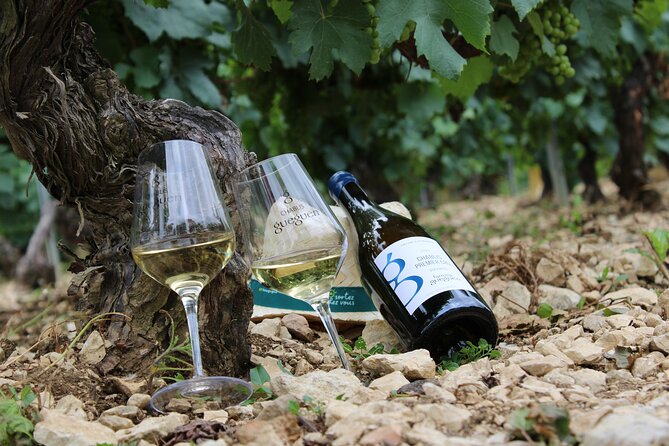
- Five wines tasted in their own vineyard settings: The tasting connects each glass to the parcel beneath your feet.
- Four Chablis wine levels explored: The route includes Burgundy, Petit Chablis, Chablis, and Chablis Premier Cru plots.
- Small minibus group: A maximum of seven people keeps the presentation personal and limits time spent waiting.
- Guides with a clear teaching style: Aija, Fanny, and Frédérique have led sessions that cover geology, vine work, aromas, and food matches.
- Two-hour format: This fits neatly into a day in Chablis, though it is not a full-day vineyard excursion.
- $108.84 per person: The price is easiest to justify if you value detailed instruction and several site-linked tastings, not simply a quick glass of wine.
Why tasting wine in the actual parcel matters
Chablis is a place where the word terroir is not just decoration on a wine label. The point of this outing is to show you the connection between a named vineyard site and the wine in your glass.
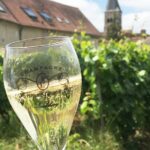
You stop at different parcels in and around the Chablis wine area. At each one, the guide explains the geological character of the site, then pours wine made from grapes grown there. That order matters. Instead of tasting several bottles indoors and hearing a general explanation afterward, you get the physical setting first and the wine second.
I find this especially helpful if you know Chablis mainly as a style of crisp white wine. The experience shows that the region includes several appellation levels: Burgundy, Petit Chablis, Chablis, and Chablis Premier Cru. The distinctions are not presented as abstract categories alone. They are tied to particular plots and the ground, slope, and exposure around them.
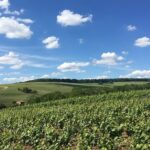
The setting also gives the guide something real to point toward. You may hear about the angle of a parcel, its exposure to the sun, the work required in winter, or how pruning shapes the vines. Those details are easier to remember when you are looking at the rows rather than sitting in a tasting room.
You can also read our reviews of more food & drink experiences in France
A short minibus route through four appellations
The tour begins at 5 Bis Rue Jules Rathier in Chablis and returns there at the end. From this meeting point, you board a minibus for a route through the surrounding vineyard parcels.
The minibus is important because the experience is built around visiting several sites in a short period. Walking between all the plots would take too much time, and driving lets you compare locations that may otherwise blur together during a short stay in town.
The group has a maximum of seven people. That is a useful limit for a teaching-focused outing. You are not joining a large coach party where the guide must repeat every point or where the tasting becomes a queue. A small group should also make it easier to ask about a particular wine, vineyard term, or food pairing.
Still, keep the scale in mind. The ride is a practical way to connect the stops, not a private chauffeur service with a custom route. The published format lasts about two hours, so the pace needs to stay focused.
Burgundy and Petit Chablis: starting with the broader picture
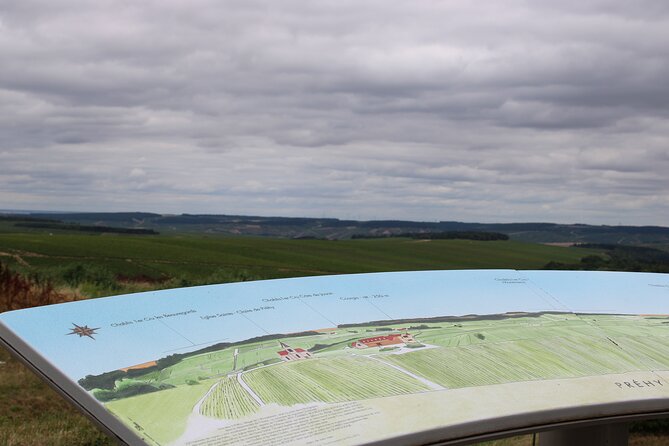
The Burgundy and Petit Chablis stops help set the lower end of the local appellation structure. These wines are useful starting points because they give you a reference before the tasting reaches Chablis and Chablis Premier Cru.
You will not simply be told that one level is better than another. The guide discusses the site itself, including geological features and the conditions affecting the vines. That makes the comparison more grounded. You can consider how the character of a wine relates to where the grapes grew, rather than treating the appellation name as a scorecard.
The guide may also explain work carried out at different times of year. The educational material includes winter pruning, seasonal vine care, and harvest work. That is worthwhile because it shows that the final wine depends on many decisions made long before the bottle reaches a table.
For someone new to Chablis, these first stops may be the most useful part of the outing. They give you a framework for understanding the bottles you see in local shops and restaurants later in your trip.
Chablis and Premier Cru: comparing more specific sites
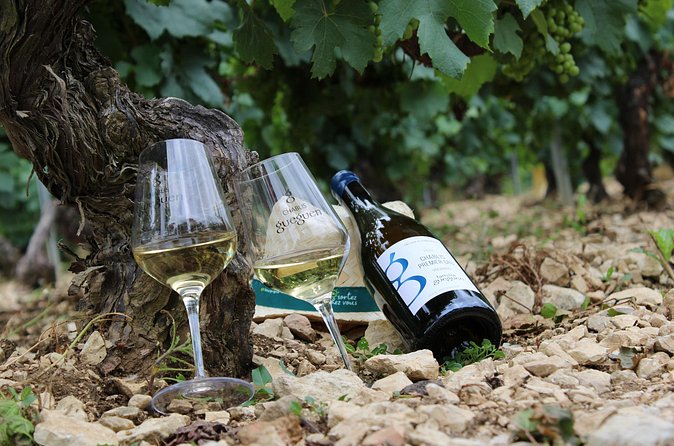
The route then includes Chablis and Chablis Premier Cru parcels. These stops make the lesson more specific, as the guide links wine style to individual vineyard conditions and the designation of the plot.
The experience does not promise a long cellar tour or a visit to a grand production facility. Its focus is the vineyard itself. You look at the site, hear about its geological particularities, and taste the wine produced from that place.
That format is a strong choice for anyone who wants to understand why two wines made in the same broad region can taste different. The guide covers aromas and terroir according to the parcels visited, so you have a chance to compare the wines while the physical differences are still fresh in your mind.
The Premier Cru stop is likely to attract the most attention, but I would not treat the earlier wines as mere warm-up pours. The value of the tasting comes from the comparison. A single prestigious bottle can impress, but several wines tasted across different sites teach you more.
Five wines, plus food-pairing guidance
The tasting includes five different wines. The guide presents each wine and explains possible food combinations, adding a practical layer to the geology lesson.
Food pairing advice is useful because Chablis is often bought for the table rather than for slow tasting alone. You can leave with a better sense of how to use the wines at home, though the available information does not specify particular dishes or a meal included in the price.
The five-wine format also gives the two-hour activity a clear rhythm. You move to a parcel, hear the explanation, taste, and compare. Since the wine is connected to the plot you are visiting, the tasting has a stronger sense of place than a standard lineup at a bar.
Remember that only people aged 18 and older may consume alcohol. Anyone under 18 could potentially participate if otherwise eligible, but the supplied details do not say how non-drinkers or younger participants are handled, so it is sensible to confirm that point before booking.
You can also read our reviews of more wine tours in France
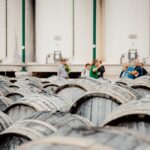


The guides and the teaching style
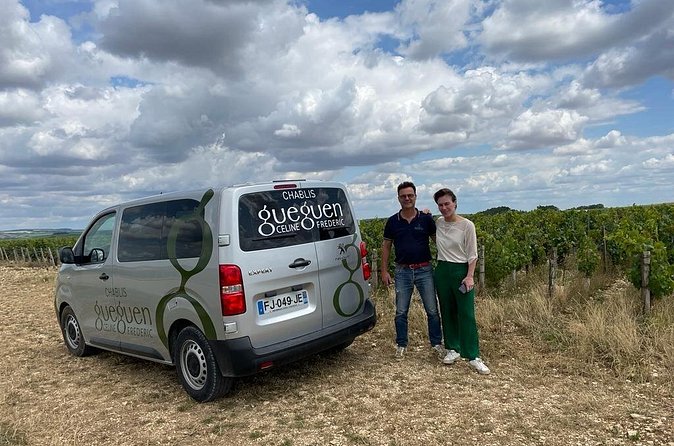
Several guide names are associated with this experience: Aija, Fanny, and Frédérique. Their approach is described as friendly, professional, and enthusiastic, with a strong emphasis on explaining rather than merely pouring.
Aija has led a vineyard walk followed by a tasting of five wines and food-pairing advice. Fanny has guided guests through the connection between viticulture and Chablis terroir. Frédérique has also led visits to different appellation plots with tasting included.
You may not receive the same guide on every departure, so treat those names as examples of the people who conduct the activity rather than a guarantee of who will be present. The tour is offered in English, which removes one common obstacle for international visitors, but the details do not specify the guide assigned to a particular date.
I like that the instruction covers both the technical and human side of wine. You hear about geology and exposure, but also about pruning, winter work, harvest work, aromas, and pairing. That range should suit you if you want more than a quick introduction but do not want a formal wine course.
Is $108.84 a fair price for two hours?
At $108.84 per person, this is not a bargain tasting. You are paying more than you would for a casual glass or a basic shop tasting, so the value depends on what you want from the experience.
The price includes a minibus route through several vineyard parcels, a small group of no more than seven people, and a tasting of five wines tied to the sites visited. It also buys you guided interpretation of geology, appellation levels, vine care, aromas, and food combinations.
That makes the cost easier to defend for a visitor who wants a compact, organized introduction to Chablis and does not have time to arrange separate winery visits. The return to the same meeting point is also convenient if you are building other plans around the activity.
The value is weaker if you only want to sample wine with little explanation. In that case, the two-hour format and price may feel high. You are paying for the connection between place and wine, plus the guide’s teaching, not just the liquid in the glass.
The fact that the activity is often booked well ahead, around 96 days in advance on average, suggests that you should not leave it until the last moment if it is central to your Chablis plans. Availability still has to be confirmed within 48 hours of booking.
Who will enjoy this Chablis outing most?
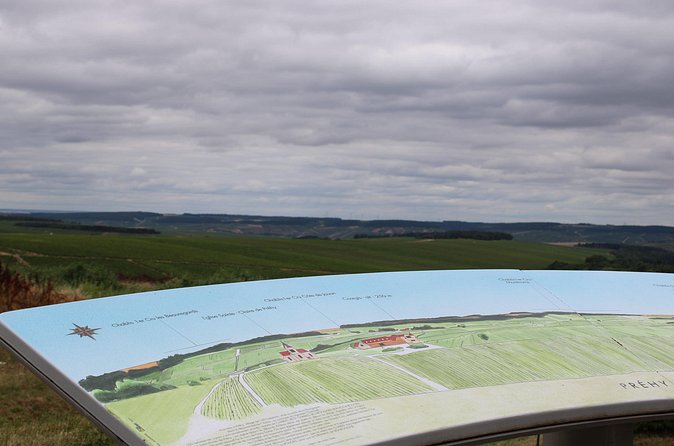
I would recommend it most strongly to three kinds of people.
First, it suits wine drinkers who know they like Chablis but want to understand the regional labels more clearly. The progression from Burgundy and Petit Chablis through Chablis and Premier Cru gives you a useful structure.
Second, it works well for visitors with only a short window in Chablis. Two hours is long enough to visit several sites and taste five wines, while the minibus keeps the route practical.
Third, it is a good fit for curious beginners. You do not need to arrive with detailed wine knowledge. The guide explains the basics through real vineyards, and the tasting gives you immediate examples.
It may be less suitable if you want a full winery tour, a long meal, extensive cellar time, or a private itinerary. None of those are promised here. The experience is a focused vineyard lesson with transport between plots.
The activity is offered in English, and most people can participate. Service animals are allowed. The available details do not give specific accessibility information for the minibus or vineyard stops, so anyone with mobility concerns should ask the provider before reserving.
Weather, group size, and the small practical catches
Good weather is required. If conditions force a cancellation, you are offered another date or a full refund. The same applies if the minimum number of two participants is not reached, with the choice of another activity or a refund.
That policy is fair for an outdoor vineyard experience, but it means you should avoid placing this tour on the final few hours of a tightly scheduled trip. A weather-related change could affect your plans, even though you would not lose the payment if the provider cancels.
You can cancel for a full refund up to 24 hours before the start time. Cancellations or changes made less than 24 hours before the local start time are not accepted for a refund.
The experience uses a mobile ticket and begins and ends at 5 Bis Rue Jules Rathier, 89800 Chablis, France. The meeting point is especially handy because you return there rather than being dropped at a separate winery or village.
Should you book the Chablis vineyard tasting?
Book it if you want to connect Chablis wine with the ground where it is made. The plot-specific pours, five-wine comparison, small group, and practical discussion of geology and vine work give this short outing more substance than a simple tasting counter.
I would also book it if your time in Chablis is limited and you want an organized way to see several appellation areas without arranging transport yourself. The two-hour length makes it easy to fit into a day.
Think twice if your priority is low cost, a long meal, or a leisurely full-day wine trip. At $108.84, this is best value for someone who wants clear instruction and a strong sense of place. Check the minimum participation and weather terms, keep some flexibility in your schedule, and reserve early if your dates are fixed.
FAQ
Where does the experience start?
It starts at 5 Bis Rue Jules Rathier, 89800 Chablis, France.
Where does the activity end?
The activity returns to the same meeting point.
How long does the wine experience last?
It lasts approximately two hours.
How much does it cost?
The listed price is $108.84 per person.
How many people can join the tour?
The activity has a maximum of seven participants.
What wine areas are included?
The route visits parcels associated with Burgundy, Petit Chablis, Chablis, and Chablis Premier Cru.
How many wines are tasted?
The tasting includes five different wines.
Is the experience offered in English?
Yes, it is offered in English.
Is there a minimum number of participants?
Yes. At least two participants are required. If the activity is canceled because the minimum is not reached, you are offered another activity or a refund.
Can I cancel for a full refund?
Yes. You can cancel at least 24 hours before the local start time for a full refund. Changes or cancellations made less than 24 hours before the start time are not refunded.