REVIEW · FRANCE
Visit and wine tasting: The Musketeers’ wine
Book on Viator →Operated by Domaine d'Arton · Bookable on Viator
This estate runs on curiosity. You’ll get an English guide in Lectoure while learning how their wines and Armagnac connect to Haut-Armagnac terroir. One heads-up: tasting of Armagnac isn’t listed as part of the standard package, so plan your day around wine first.
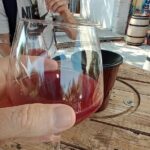
What I really liked was the vineyard walk—proper boots-on-ground time, with the estate’s approach to biodynamic/permaculture explained in plain language. The other standout is the staging of the tastings: you’re walked through what you’re drinking, with local food served alongside and a commented 7 PGI wine aperitif.
In This Review
- Key things to know before you go
- Arriving at Château Artondomaine d’arton in Lectoure
- The estate walk: gardens, vines, and the Haut-Armagnac story
- Biodynamic and permaculture: how “environmental approach” shows up in real life
- Genodics technology and music-treated vines
- Inside the ageing cellar: where Armagnac fits the picture
- The tasting flow: local produce, 4 wines, and a 7 PGI aperitif
- Price and value: why $42.05 can make sense here
- What to wear and expect from the walking parts
- Who this tour is best for (and who should skip)
- Should you book the Musketeers’ wine at Domaine d’Arton?
- FAQ
- Is the tour offered in English?
- How long is the visit?
- Where does the tour start?
- What’s included in the wine tasting?
- Is Armagnac tasting included?
- How big is the group?
- What if the weather is bad?
Key things to know before you go

- A small-group estate visit (up to 20 people) so questions don’t get swallowed.
- Genodics technology with music is part of the tour story, not a side note.
- Vineyard time with 8 grape varieties and the Haut-Armagnac terroir focus.
- Cellars and aging: you’ll see the Armagnac ageing space even if Armagnac tasting is not guaranteed.
- Local food pairing starts the tasting, then the wines keep coming with commentary.
Arriving at Château Artondomaine d’arton in Lectoure
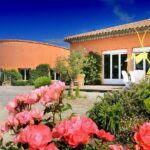
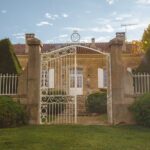
Your visit starts at Château Artondomaine d’arton in 32700 Lectoure, France. This matters because it sets the tone: you’re not rushing through a big city stop. You’re stepping onto a working domain where the winemaking story is built around the land.
The experience is designed for a smooth flow over about 2 hours. With a max of 20 people, you’re more likely to get real back-and-forth than you would on a busier, faster tasting circuit. If you like tours where you can actually hear the guide, this format helps.
You can also read our reviews of more food & drink experiences in France

The estate walk: gardens, vines, and the Haut-Armagnac story

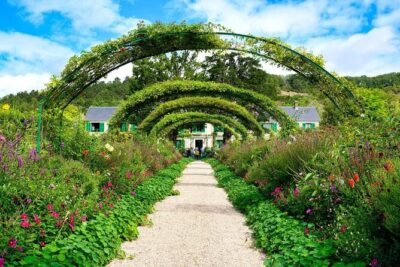
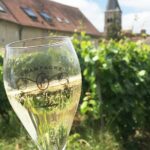
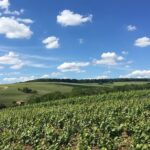
The first big block of the experience is a guided discovery of the property: history, secrets, and access to the private gardens. Then you move into the vineyards for a walk that’s meant to be practical, not just scenic.
Here’s what you learn on the ground:
- the terroir of Haut-Armagnac, where their wines draw character from the site
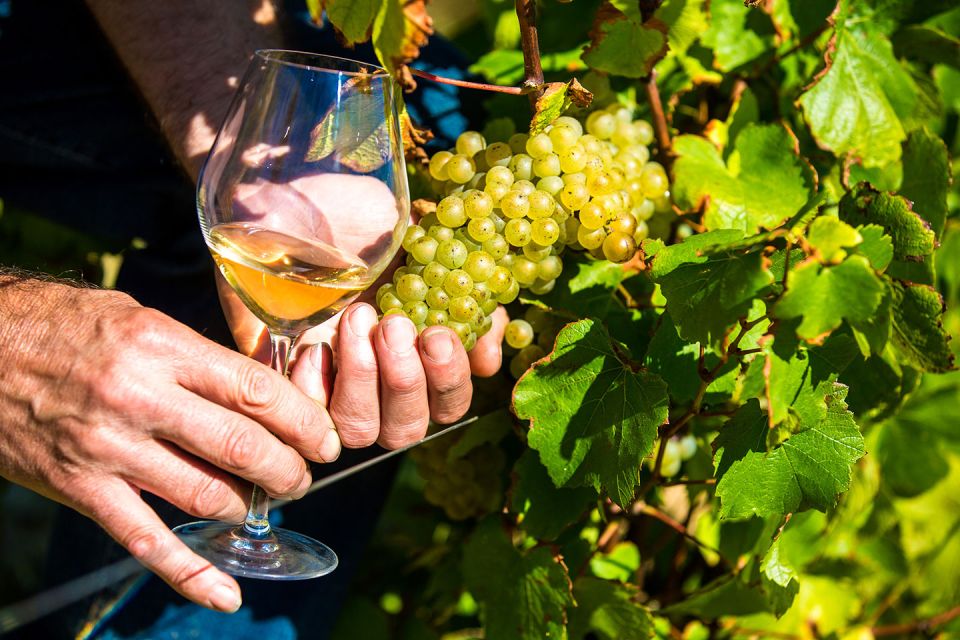
- the 8 grape varieties grown on the domain
- how their farming choices fit the bigger goal of repositioning Côtes de Gascogne wines
You’ll also want to pay attention to how the guide explains typicity—basically, how they think their wines should taste like where they come from, not like generic “wine shelf” flavors. That’s the theme running through the day.
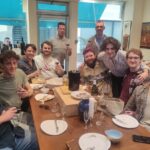
The reviews you’ll see for this stop tend to praise the guiding itself—especially the hosts’ English and the ability to explain without turning it into a sales pitch. In fact, names like Didier and Romain/Romaine show up in the feedback, and that’s a good sign for anyone who wants clarity more than speed.
Biodynamic and permaculture: how “environmental approach” shows up in real life

One of the tour’s strengths is that it doesn’t stop at marketing terms. You get an awareness of their environmental approach, built around converting toward biodynamic and permaculture methods.
In practice, you should think of this as a “how they try to grow grapes” story. You’ll hear how those choices connect to what ends up in the bottle—dry white, sweet, red, and rosé options from the Côtes de Gascogne area.
A potential drawback to consider: if you’re only interested in straight wine tasting and you’re not in the mood for farming-focused explanations, some of the middle part of the tour may feel more educational than indulgent. For most people, though, it’s exactly what makes this one worth the time.
Genodics technology and music-treated vines
Yes, this tour includes Genodics technology—the idea of treating vines with music. It’s not there to be weird for the sake of being weird. The point is that the estate uses it as part of their wider environmental approach and innovation story.
What you should take away as a visitor is how the domain frames experimentation:
- they’re trying to improve vine health and growing conditions
- they tie it to their broader farming goals
- the guide connects the technology to the estate’s logic and commitments
If you’re the type who likes hearing how modern methods are tested in vineyards, you’ll likely enjoy this section. If you’re more traditional, you might still appreciate hearing the reasoning behind it, since the guide keeps the story moving through what you can actually see and understand on the property.
Inside the ageing cellar: where Armagnac fits the picture
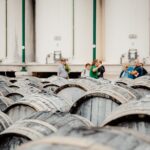
After the vineyards, you’ll visit the ageing cellar of their Armagnacs. Even though the tour’s main focus is wine tasting, this stop is important because it gives context for the estate’s winemaking identity.
Armagnac ageing is a craft with its own rhythms. Seeing the ageing cellar helps you understand that the domain’s work isn’t only about bottling wine for near-term drinking—it’s also about long-term transformation. That perspective can make the wine tasting feel more meaningful, because you’re not just tasting flavors; you’re tasting decisions that come from a whole production mindset.
One note to keep expectations straight: the package information says tasting of Armagnacs is not included. Still, there is at least one example in the feedback where an Armagnac tasting was offered at the end. Since that isn’t listed as a standard inclusion, ask your host if you’d like to add it if they offer it that day.
You can also read our reviews of more wine tours in France


The tasting flow: local produce, 4 wines, and a 7 PGI aperitif

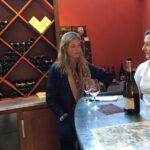
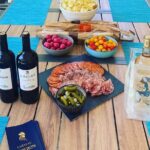
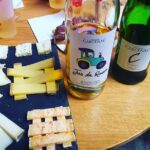
This is where the afternoon pays off. You’ll start with a sample menu that includes a starter described as a tasting of local products. That matters more than it sounds, because it sets up the palate and gives your guide a chance to connect the wines to the region’s food.
Then comes the guided tasting:
- Alcoholic beverages tasting of 4 wines
- A commented aperitif of their Arton signature, described as a tasting that includes 7 PGI wines
- A commented tasting with snack pairings during the tasting segments
If that feels like a lot, it’s because it is. The tour is structured around giving you repeated chances to taste and compare, with commentary so you’re not just guessing what you’re supposed to notice.
What I’d watch for as you taste:
- how their dry whites compare with the rosé and reds in terms of texture and balance
- how their sweet wine option reads when it’s paired with local products
- whether the guide explains the “why” behind each wine’s style (grape choice, terroir expression, and production decisions)
The best part of this setup is that it trains your tasting instincts. You’re not just drinking; you’re learning what signals they want you to notice.
Price and value: why $42.05 can make sense here

At $42.05 per person for about 2 hours, the price works best if you care about more than a quick pour and a photo. You’re paying for a guided estate visit that includes:
- vineyard walking time
- access to private gardens
- a cellar visit
- multiple wine tasting moments with commentary
- local product pairing
In wine country, pricing usually separates into two types: places that sell you volume, and places that teach you something. This one leans toward the second. With up to 20 people, you also have a better shot at real conversation.
If your goal is only a simple self-guided tasting at your own pace, you might find other options cheaper or more flexible. But if you want the story behind the bottle, and you enjoy a guided comparison, this feels like a fair deal for the time.
What to wear and expect from the walking parts
This is a working vineyard estate, so plan around walking outdoors. You’ll be on a guided walk in the vineyards, which means:
- wear comfortable shoes you don’t mind getting a bit dusty
- dress for good weather since the experience requires good weather
- bring a light layer in case the afternoon turns breezy
Also, because you’ll be drinking, pace yourself. The tour is around 2 hours, and the tastings add up. If you’re planning to drive afterward, make sure you’re practical about it.
Who this tour is best for (and who should skip)
This tour is a strong fit if you:
- want a wine-focused visit with real estate context
- enjoy guided explanations in English
- like the idea of vineyards, grape varieties, and how the farming approach influences flavor
- enjoy food and wine pairing, even if the food is simple and local
It’s less ideal if you:
- only want Armagnac tasting and nothing else (since it’s not listed as included)
- hate any discussion about farming methods or tech like Genodics
- prefer a totally free-form tasting with no structured commentary
Should you book the Musketeers’ wine at Domaine d’Arton?
I’d book it if you’re in the Lectoure area and want an experience that feels like you’re learning from the people who make the wines. The combination of vineyard walking, an environmental approach that’s actually explained, and a multi-part commented tasting makes it more than a quick stop.
Also, the small-group size (up to 20) plus hosts who work in English is a big deal here. If you’re choosing between a generic tasting and a guided estate experience, this one is the better bet for value and understanding.
If you’re curious about music-treated vines and want to see the Armagnac ageing cellar, even with tasting not guaranteed, you’ll likely enjoy the full arc of the visit.
FAQ
Is the tour offered in English?
Yes. The experience is offered in English.
How long is the visit?
It runs for about 2 hours.
Where does the tour start?
The meeting point is Château Artondomaine d’arton, 32700 Lectoure, France, and it ends back at the meeting point.
What’s included in the wine tasting?
You’ll have an alcoholic beverages tasting of 4 wines, plus a commented aperitif of the Arton signature that involves their 7 PGI wines, with local product pairings.
Is Armagnac tasting included?
Tasting of Armagnacs is listed as not included. You can ask at the start of the visit whether they offer anything extra.
How big is the group?
The tour has a maximum of 20 travelers.
What if the weather is bad?
The experience requires good weather. If it’s canceled due to poor weather, you’ll be offered a different date or a full refund.