REVIEW · NICE
Nice: Provence Village Tour with Wine and Produce Tasting
Book on GetYourGuide →Operated by french riviera sightseeing · Bookable on GetYourGuide
A Provence day trip with built-in wow moments starts early. This Nice-to-the-French-Riviera tour strings together village viewpoints, a real waterfall stop, and tastings for both wine and olive oil. You get the car-comfort part too, with hotel pickup and an air-conditioned minivan that helps you cover a lot without white-knuckle driving.
I especially like the way the food and drink stops feel purposeful, not just commercial. The olive oil tasting at an old 15th-century mill pairs regional bites in a setting you can actually picture centuries-old production in, and the Saint-Jeannet wine estate tasting includes red, rosé, white, and sweet samples with an explanation of how the wine is aged using sun-powered glass carboys.
One consideration: it’s a 9-hour loop with plenty of roads and multiple stops, so you won’t have hours to wander in each village. It’s best if you want variety and views more than deep, slow exploration.
In This Review
- Key highlights at a glance
- First Stop: Nice pickup, then a smooth ride into Provence
- Biot glassmaking: why this town became a glass standard
- Opio and the countryside lead-in: olive groves, cork oak, and strawberry trees
- A rare 15th-century mill in operation: olive oil tasting that actually teaches
- Gourdon: medieval views over the French Riviera and a garden by André Le Nôtre
- Gorges du Loup and the waterfall: 40 meters of gravity doing its job
- Tourrette-sur-Loup: violet fame since 1880
- Saint-Jeannet organic wine estate: six wines and sun-powered aging
- Remy Rasse art and wine labels: why this stop feels different
- How the pace works in a 9-hour day (and who it fits best)
- Price and value: is $117 per person a fair deal
- Quick practical tips before you go
- Should you book this Provence Village Tour?
- FAQ
- How long is the tour?
- Where does pickup happen?
- Is the transportation air-conditioned?
- What tastings are included?
- How many wines do you sample at Saint-Jeannet?
- Is lunch included?
- What languages are available for the guide?
- Does it include skip-the-ticket-line access?
- Is the tour wheelchair accessible?
- Can I cancel for a refund?
Key highlights at a glance
- Biot glassmaking: learn how the famous glassware is made, and why Biot earned its reputation.
- Opio + an old oil mill: countryside scenery before you taste olive oil where production is still part of the story.
- Gourdon: 9th-century castle photos and serious French Riviera views from a hilltop medieval village.
- Gorges du Loup waterfall: a dramatic 40-meter drop that’s easy to justify as a mandatory stop.
- Tourrette-sur-Loup violets: a village whose identity traces back to violet cultivation since 1880.
- Saint-Jeannet wine tasting: six wines at an organic estate, plus a hands-on winemaker-style explanation.
First Stop: Nice pickup, then a smooth ride into Provence
The day begins with pickup from your accommodation in Nice, then you settle into an air-conditioned minivan for the drive south and east. That matters more than you’d think on the Côte d’Azur, where winding roads can turn a long day into a sweaty one. Here, the vehicle comfort gives you energy for the walking and photo stops later.
You’ll also spend less time “figuring it out” and more time just showing up. A multilingual driver/guide (Arabic, German, English, French, Italian, Portuguese, Russian, Spanish) keeps the day moving with clear explanations of what you’re seeing, not just a list of where to stand for pictures.
You can also read our reviews of more food & drink experiences in Nice
Biot glassmaking: why this town became a glass standard
After leaving Nice, the route takes you toward Biot, known for glassware that has circulated around the world. You’ll get a focused stop to learn about how the glass is manufactured there, so the famous sparkle isn’t just a souvenir pitch in your face.
This is a great first culture hit because it’s not all outdoors and it doesn’t require a lot of effort from you. You’ll get context early in the day, which helps when you later move through villages where local craft traditions still show up in daily life.
Opio and the countryside lead-in: olive groves, cork oak, and strawberry trees
From Biot, you head to Opio, a hillside village that sits among olive groves, pines, cork oak, and strawberry trees. Even if you just catch the scenery from the road and at quick stops, the setting helps you understand the region’s food culture: olive oil, wine, and produce are all part of this landscape.
Then the tour gets practical. You don’t just drive past farms; you stop where production happens and taste what the area is known for.
A rare 15th-century mill in operation: olive oil tasting that actually teaches
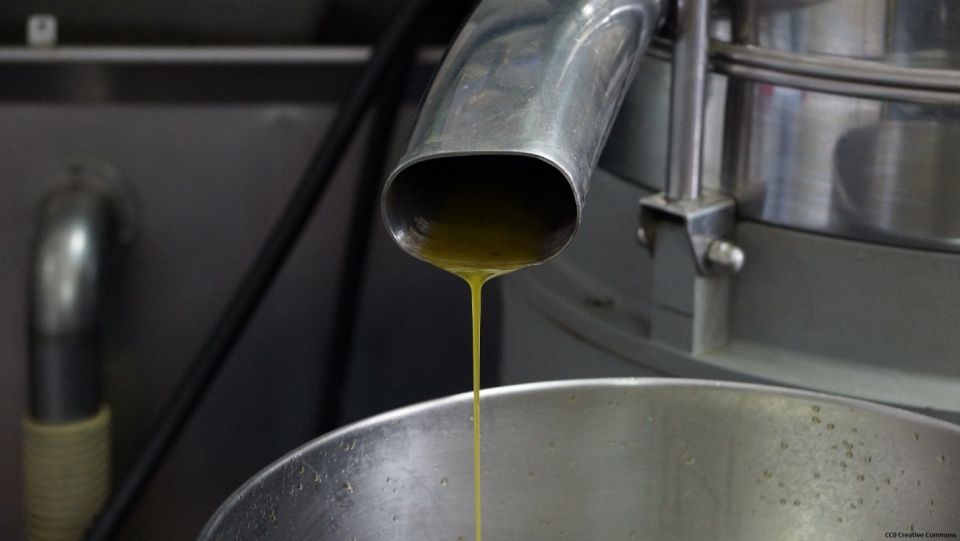
One of the best parts of the day is the visit to an old oil mill still in operation, described as rare because it dates to the 15th century. That’s the kind of detail that turns a tasting into something more than sipping and nodding.
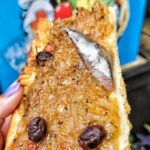
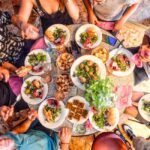
You’ll savor regional products paired with olive oil, and the setting makes the flavors feel tied to place. Expect different tastes depending on the oil style and what you’re eating alongside it, which is exactly what a good tasting should do: it teaches your palate how to notice.
If you like food travel that’s hands-on, this stop is a strong reason to book the tour. It’s also a nice break from the longer photo-view segments, because you’re using your senses in a different way: smell, taste, texture, and pairing.
Gourdon: medieval views over the French Riviera and a garden by André Le Nôtre
Next up is Gourdon, a hilltop medieval village famous for huge views. This stop is built for photography and for that moment when you realize the Riviera is more than a coastal strip.
You’ll take in the 9th-century castle area and see the sumptuous garden designed by André Le Nôtre, the landscape designer behind famous French garden work. Even without deep garden knowledge, you’ll feel the difference between a casual park stop and a designed destination.
The big value here is not only the view. It’s the perspective: Gourdon gives you that layered sense of the region, where you can visually connect coast, hills, and villages. For many people, it’s the mental map-maker stop of the day.
Possible drawback? If you’re sensitive to uneven ground, plan to take it slowly. Hilltop medieval areas often mean steps and paths that aren’t smooth. Nothing extreme, but it’s not a flat stroll either.
You can also read our reviews of more wine tours in Nice


Gorges du Loup and the waterfall: 40 meters of gravity doing its job
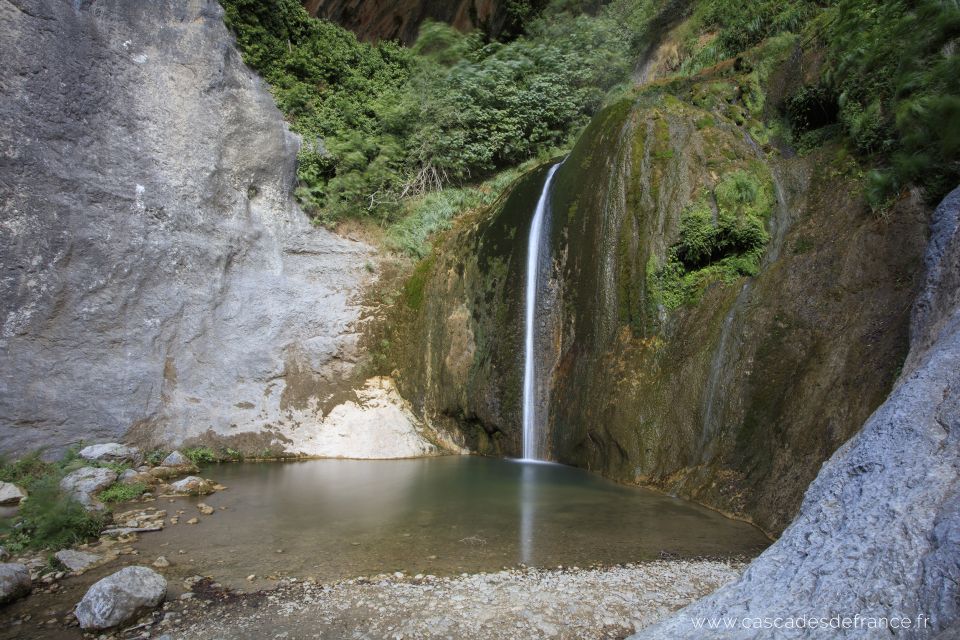
Then comes the dramatic part: the 40-meter-high Gorges du Loup waterfall. This is one of those stops you can’t really fake with a picture later. You want to see the water working and hear it, even if you only spend a short stretch watching.
A small practical note: you may encounter a tiny entry fee or payment requirement linked to access/viewing. Some guides have handled the awkward part of it by making sure people could still get in, even if they didn’t have change. So if you arrive without small cash, it’s not the end of the world, but having a euro coin or two is smart.
Tourrette-sur-Loup: violet fame since 1880
After the waterfall, the route continues to Tourette-sur-Loup, also known as Cité des Violettes. The core story is that violets have been the village’s main crop since 1880, which explains why you’ll see violet-themed shops and products here.
This stop works well because it’s short on effort but rich on flavor (even if you’re not buying anything). You get to connect the region’s agriculture to what you see in town—like a storyline that makes the souvenirs make sense.
If you want a quiet reset after the waterfall noise, this is that in-between moment. You can wander, look around, and absorb the vibe without feeling like you’re sprinting.
Saint-Jeannet organic wine estate: six wines and sun-powered aging
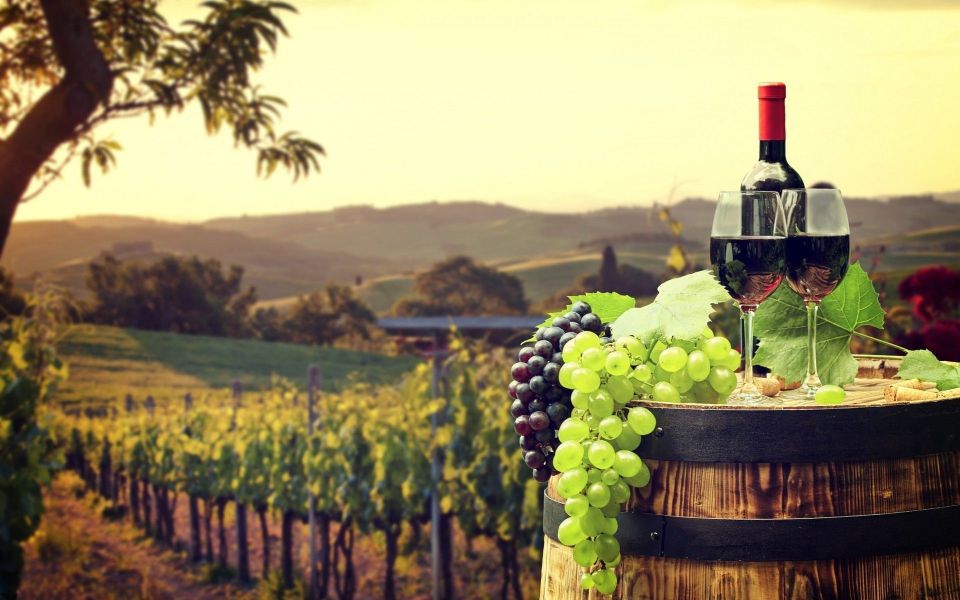
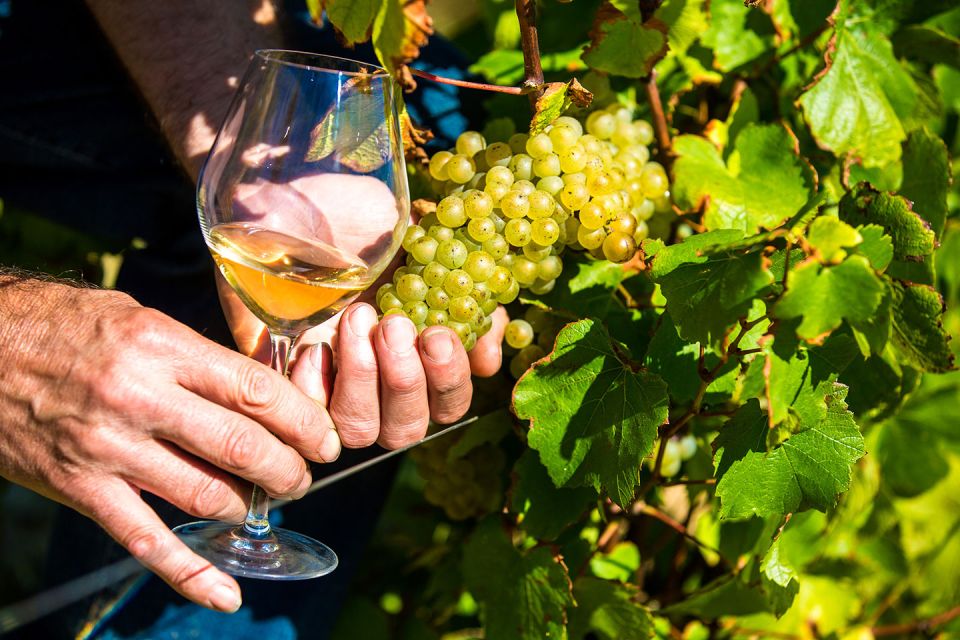
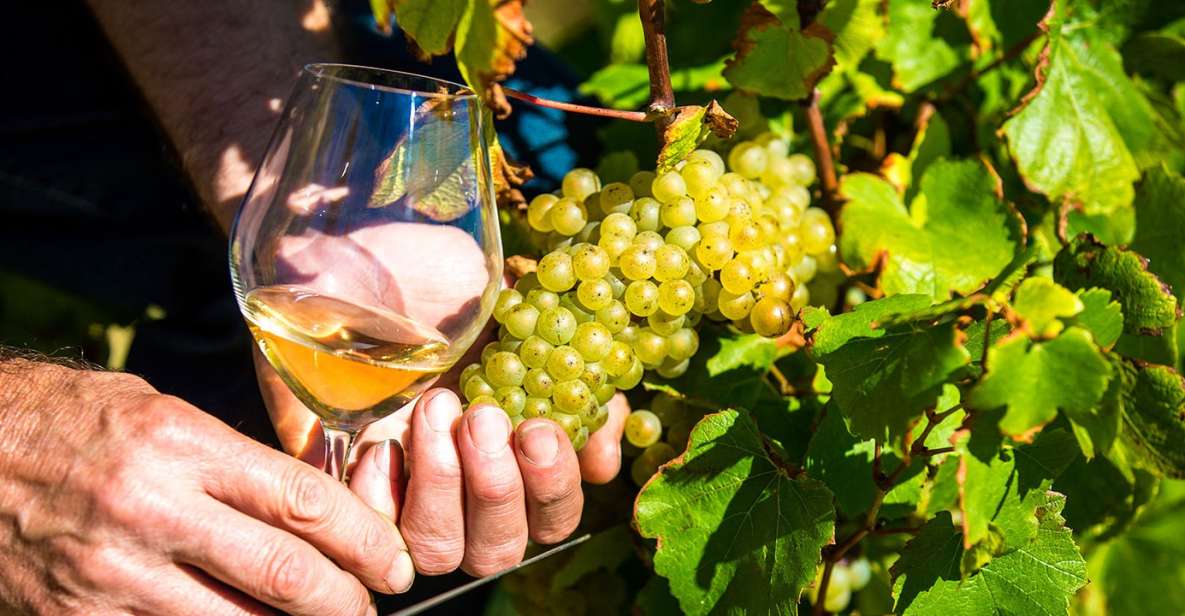
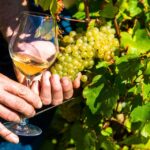
The day saves one of its biggest payoffs for last: a wine tasting at a wine estate in Saint-Jeannet. You’ll sample 6 wines, covering red, rosé, white, and sweet options. That range is useful because it keeps the tasting from becoming one-style-only.
What makes this tasting feel more authentic is how it’s explained. The winemaker walks you through the process, including how wine is aged by harnessing the power of the sun with glass carboys. You’re not just tasting; you’re learning how the estate thinks about time, heat, and aging conditions.
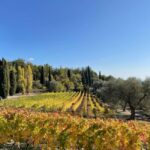
If you care about organic production, this stop is especially relevant. The estate’s organic approach adds meaning to the flavors. And if you’re not a huge wine person, the variety plus the plain-language explanation still makes it an enjoyable finale rather than a lecture you need to survive.
Remy Rasse art and wine labels: why this stop feels different
Along the route to and around the tastings, you’ll also have time linked to Remy Rasse, who creates paintings and also produces wine labels. Seeing art tied to branding and production helps you understand a small but important truth about wine country: it’s not only agriculture. It’s also identity, storytelling, and design.
This is the kind of “why it matters” stop that makes the day feel more personal. You’ll walk away remembering not only what you drank, but also the people and visual culture around the wines.
How the pace works in a 9-hour day (and who it fits best)
This tour is designed for movement and variety. You’ll spend time in the van, then take photo/walk breaks and tastings in short bursts. That means you’ll see a lot, but you won’t get long, slow wandering in any single village.
This fits you best if:
- You’re on a tight schedule in the Nice area and want a meaningful overview.
- You want both views and food stops in one day.
- You like guided context that turns random streets into stories.
It’s less ideal if:
- You hate car time and prefer a base-camp strategy.
- You want hours of museum time in one place rather than quick hits.
Price and value: is $117 per person a fair deal
At $117 per person for a 9-hour day with hotel pickup, air-conditioned transport, a multilingual guide, wine tasting, and an olive oil/produce tasting, this is the kind of pricing that often feels like value in the real world. You’re paying for convenience and structure, not just a ticket to one site.
What makes it feel worth it is the mix:
- You get multiple villages and viewpoints (Gourdon, Tourrette-sur-Loup, plus waterfall access).
- You get two tasting categories (olive oil/produce and wine), with real explanations.
- You avoid the logistics problem of stitching this route together yourself in one day.
If you tried to book this kind of route with separate taxis and separate activities, the cost usually balloons fast. The price here is one reason many people treat it as their “we’ll see the highlights” day before slowing down elsewhere.
Quick practical tips before you go
A few small things make the day easier:
- Wear shoes you’re comfortable walking in on uneven village ground.
- Bring sunglasses and sunscreen. The wine stop is late-day, and the sun-aging story at Saint-Jeannet will feel extra relevant.
- If you don’t want to think about lunch, read the fine print on food expectations: lunch is not included. Still, guides tend to be good at suggesting where to eat once they see what you’re into. Some days they even help with securing a reservation if timing is tight.
- Keep your camera ready for Gourdon. It’s the kind of view you’ll want more than one angle for.
Should you book this Provence Village Tour?
I’d book it if you want one day that clearly uses your time: village viewpoints, a dramatic waterfall, and tastings that go beyond just drinking and buying. The Saint-Jeannet wine tasting plus the olive oil mill stop are the strongest reasons to choose this over a plain bus tour.
Skip it if you want lots of free time in just one place, or if you know you hate short stops and prefer a slower, single-village trip. This is a highlights-and-flavors route, not a stay-put strategy.
If you’re a first-time visitor to the Nice/Provence edge, it’s an efficient way to get your bearings fast—then you can spend the rest of your time exactly how you like.
FAQ
How long is the tour?
It lasts 9 hours.
Where does pickup happen?
Pickup is included from your accommodation in Nice.
Is the transportation air-conditioned?
Yes. The tour uses an air-conditioned minivan.
What tastings are included?
You’ll enjoy a local products tasting with olive oil and also a wine tasting.
How many wines do you sample at Saint-Jeannet?
The wine estate tasting includes 6 wines, with red, rosé, white, and sweet options.
Is lunch included?
No. Lunch is not included.
What languages are available for the guide?
Arabic, German, English, French, Italian, Portuguese, Russian, and Spanish.
Does it include skip-the-ticket-line access?
Yes, skip the ticket line is included.
Is the tour wheelchair accessible?
Yes, it is listed as wheelchair accessible.
Can I cancel for a refund?
Yes. Free cancellation is available up to 24 hours in advance for a full refund.