REVIEW · PARIS
2 hour outdoor group activity in Paris: SAINT GERMAIN
Book on Viator →Operated by Foxtrail Paris · Bookable on Viator
Paris gets way more fun with a fox hunt. In Saint-Germain-des-Prés, you follow a printed trail of a runaway fox through real city streets, solving codes and uncovering hidden messages at your own pace. I love that it is self-paced—you pick your start time, then slow down or speed up as you like. One watch-out: you’ll walk around 4km, so comfortable shoes matter.
I also like how the game uses permanent street installations that turn ordinary corners into clever puzzle stops. It’s set up for teams of 2 to 6, with instructions in English or French, plus live help if you get stuck on the trail.
In This Review
- Key things to know before you go
- Foxtrail Saint-Germain: a different kind of Paris walk
- What the 2-hour format really means on the ground
- Your trail kit: printed instructions plus teamwork
- Clues, codes, and hidden messages across real streets
- The permanent installations that turn landmarks into puzzle stops
- Where the trail starts and how it ends
- Timing matters: start windows from 10:15am to 5:00pm
- Getting help when a clue slows you down
- How long you should set aside (and what to wear)
- Price and value: is $34.84 worth it?
- Who will enjoy Saint-Germain Foxtrail the most?
- Practical tips to make your trail smoother
- Should you book Foxtrail Saint-Germain?
- FAQ
- How long is the Foxtrail Saint-Germain activity?
- Where does the Saint-Germain Foxtrail start and end?
- What group size is it for?
- What languages are available?
- Is there support if we get stuck?
- Can I cancel, and are service animals allowed?
Key things to know before you go
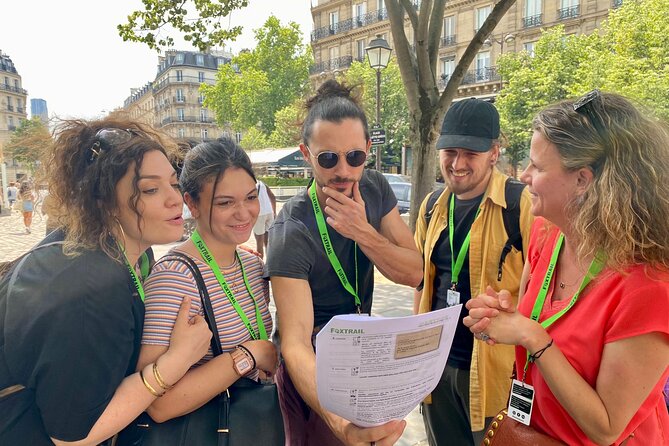
- Self-paced puzzle walk: choose a start time and finish when your team figures it out
- 4km route: about a 2½ to 3 hour walking experience for most teams
- Escape-room style clues outdoors: codes, hidden messages, and teamwork
- Foxtrail street installations: creative, tech-adjacent challenges built into Paris scenery
- Live SMS or phone hotline: support if a clue stalls your group
- Start window from 10:15am to 5:00pm: morning and afternoon/evening options
Foxtrail Saint-Germain: a different kind of Paris walk
The best part of this Foxtrail Saint-Germain experience is that it feels like sightseeing, but with momentum. Instead of wandering until you decide you’re done for the day, you’re pulled forward by clues tied to the neighborhood.
You’re in the Saint-Germain-des-Prés area, one of those parts of Paris where it’s easy to miss things because you’re busy clocking major sights. Foxtrail nudges you off the obvious path and into smaller streets and quieter angles. It’s also a nice change of pace if you’ve already done museums, and you want something active but not exhausting.
This is also one of those activities where the group dynamic matters. You’ll be in teams of 2 to 6, working together to interpret clues. If you like brain games, or you just want a structured reason to keep exploring, it hits the sweet spot.
A few more Paris tours and experiences worth a look



What the 2-hour format really means on the ground

The activity is sold as about 2 hours, but the experience itself includes roughly 4km of walking, which typically takes closer to 2½ to 3 hours. For most people, that means you should treat the listed time as a planning baseline, not a promise.
The good news is that the pace is in your hands. You’re free to finish at your own pace, which matters in Paris, where you may want to pause for photos, grab a quick drink, or just let the neighborhood sink in. This also makes it easier to manage mixed groups. If one person is quicker at puzzle-solving, they can pull ahead. If someone wants slower sightseeing, they won’t feel rushed through the city.
For the downside, the main consideration is still movement: you’re doing a real walk. If you’re not comfortable with 4km in city conditions, you may feel it by the end, even if the clues themselves stay fun rather than punishing.
Your trail kit: printed instructions plus teamwork
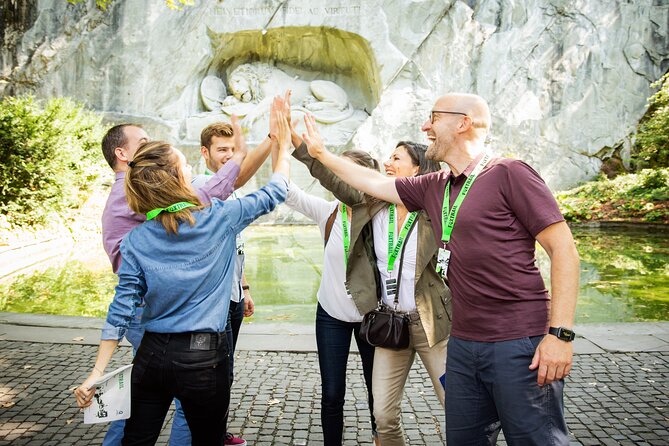
The game is built around printed Foxtrail instructions. That detail matters more than it sounds. You’re not stuck staring at a phone screen the whole time, and you’re not dependent on signal bars to keep moving. It’s very much a on-the-go puzzle experience.
In your team of 2 to 6, you’ll read, discuss, test ideas, and decide where to go next. The clues are designed to require intelligence and teamwork, with a feel similar to an outdoor escape room.
What I like about this style is that it encourages real conversation. Everyone has something to contribute. One person can focus on patterns in a code, another can handle the navigation, and someone else can read the clue text carefully again. That shared problem-solving is part of why this works so well as a group activity.
Clues, codes, and hidden messages across real streets

Foxtrail is often described as a treasure hunt, escape room, or a walking tour, but it’s best understood as its own thing. The story is guided by a runaway fox trail, and the checkpoints are where the game becomes interactive.
Along the way, you’ll encounter clues that involve:
- Breaking codes and interpreting hints
- Revealing hidden messages
- Solving small puzzles that point you onward
You’re not just collecting trivia. You’re doing light detective work with the city as your game board. That means the fun comes from making connections, not from just reaching a destination.
Also, the clues are paced to keep you moving, but not so hard that you feel stuck forever. One review highlighted that the clues were easy enough to solve on the go. Another review praised the balance between being exciting and not frustrating, which tells me the difficulty is intentional for a wide range of travelers.
The permanent installations that turn landmarks into puzzle stops
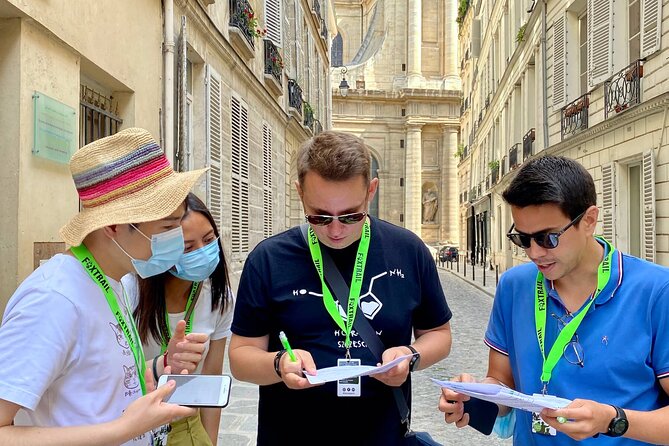
A key element of Foxtrail Saint-Germain is that you’ll find permanent installations around the city. The fox hides them, but they’re built into the neighborhood experience in a way that’s meant to feel playful and surprising.
Think of it like this: instead of the city being the backdrop, the city becomes part of the mechanism. The installations blend creativity and technology into challenges you complete as a team. You’ll likely notice how the game designers use details in the surroundings, which is why it can feel like you’re discovering the area at a new angle.
This is also why you can walk by places you might otherwise overlook. The route nudges you toward corners that don’t always make it into standard sightseeing lists. One of the best practical benefits here is that it helps you avoid tourist-trap autopilot.






Where the trail starts and how it ends
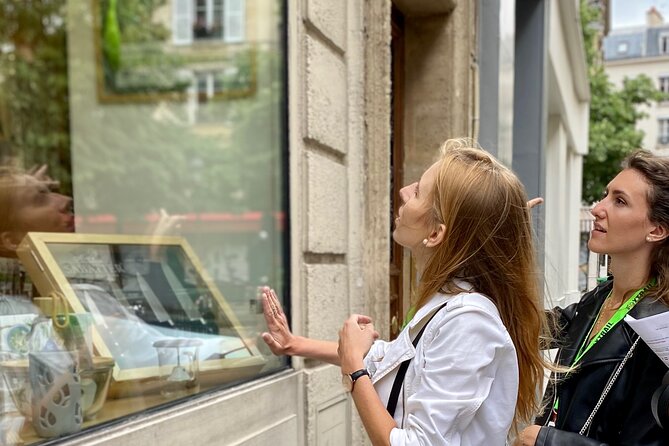
The meeting point is in Saint-Germain-des-Prés, Paris (75006). The activity ends back at the same place, which keeps everything simple.
That return-to-start design is practical in Paris. It means you’re not trying to figure out transit back from some random point in the city after you finish. You can plan your rest of the day around going back to a familiar neighborhood.
One more benefit: if your team wants to stop more often for photos or snacks, returning to the start point keeps the logistics calmer. You don’t have to worry about stretching the day trying to reach a far-off finish line.
Timing matters: start windows from 10:15am to 5:00pm
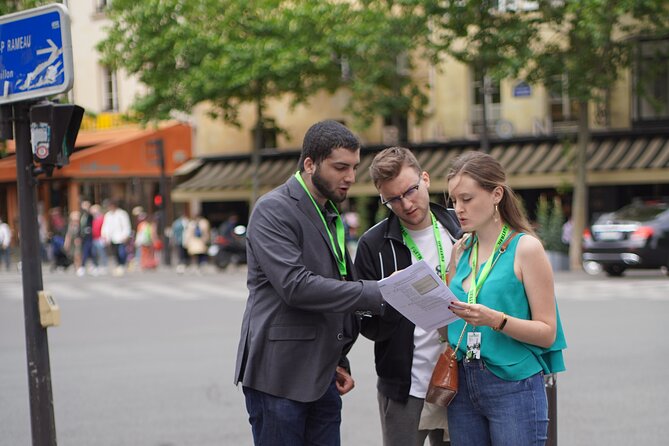
Foxtrail offers start times from 10:15am to 5:00pm, including morning and later start options. That flexibility is a real advantage if your Paris day is already packed, or if you don’t want to be stuck at a single fixed time.
If you’re traveling with mixed schedules, this helps. You can pick a start time that fits around:
- morning museum time
- a lunch break
- an evening plan
It also works nicely for people who don’t want to feel forced into one pace. Since you’re self-paced, your team’s finish time is tied to how you solve, not to how a guide runs a set tour tempo.
Getting help when a clue slows you down
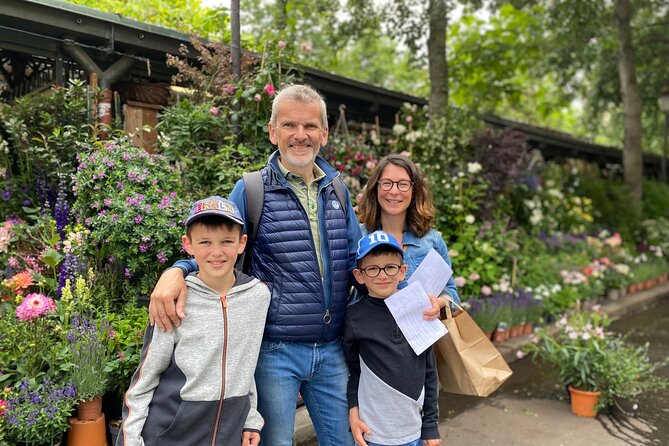
Foxtrail includes live support during the activity. You can use an SMS hotline or telephone assistance if you’re stuck.
That’s important because outdoor puzzle games can hit weird moments. You might misread a clue. You might arrive at the right place but miss the interaction. Or a detail in the environment might be harder to notice in bright light.
Having a support option keeps the experience from turning into stubborn frustration. And one thing I appreciated from the situation someone described is that when document access was an issue at the beginning, contacting the office sorted it quickly. So if you run into any snag before you start, don’t just wait it out.
How long you should set aside (and what to wear)
Plan for about 2½ to 3 hours of walking time in many cases, because the route is about 4km. If you only allocate 2 hours, you might finish with time pressure, especially if you pause often.
Wear:
- comfortable walking shoes
- layers for weather shifts
- something to keep your pages dry if it’s rainy
Since it’s outdoors, weather is part of the plan. I’d rather you show up prepared than feel annoyed mid-trail.
Also consider the group size. Teams of 2 to 6 are the sweet spot. In a small team, you’ll solve faster and move more easily. In a larger team, you’ll get more opinions, but it can take longer to agree on what the clue means. That’s not bad—it’s just how the activity is designed.
Price and value: is $34.84 worth it?
The price is $34.84 per person for a ~2 hour activity (often closer to 2½–3 with walking). For Paris, that sits in the “you’re paying for a structured experience” category.
Where the value comes from:
- You’re not paying for a guided lecture. You’re paying for a game that pulls you through streets.
- The format replaces a traditional city tour with something more interactive, so you’re more likely to remember the area.
- The clue design is meant to be fun without being impossible, which reduces the chance you’ll waste time stuck.
If you’re the type who likes puzzles, it feels like a bargain. If you only want passive sightseeing, it may feel like more effort than you’re in the mood for. The best way to think about it is this: you’re buying a reason to keep walking and a plan for what to do along the way.
Who will enjoy Saint-Germain Foxtrail the most?
This works best if you want a social, active activity in a classic neighborhood.
It’s a strong match for:
- Couples who like escape-room style challenges
- Small groups of friends who enjoy solving things together
- Families and groups who want a structured, playful walk (difficulty is described as right for many people)
- Team-building groups that want shared problem-solving without a lecture
One reason it lands so well is the pace flexibility. You’re not stuck with a guide calling time every few minutes. That helps when someone needs a quick break or when you spot something you want to look at longer.
Practical tips to make your trail smoother
A few things can make the difference between a good and great outing.
- Read the clue instructions as a team first. Don’t rush.
- Assign roles. One person reads, one person checks the location, one person watches for details.
- If you think you’re at the right spot but nothing makes sense, use support rather than spiraling.
Also, if you’re visiting in a group, you’ll have to coordinate attention. Foxtrail rewards focus. If your group splits into separate mini-adventures, you’ll lose time.
One more real-world consideration: sometimes a location can be unavailable. In at least one experience, a stop was closed, but the game still offered an easy way to reach the next clue. That suggests the trail is designed with contingencies, which is reassuring.
Should you book Foxtrail Saint-Germain?
I think you should book Foxtrail Saint-Germain if you want a fun alternative to a typical walking tour and you like the idea of solving city-based clues with your group. It’s especially worth it in Saint-Germain-des-Prés, where the neighborhood texture makes the game feel like more than just a route.
Skip it if you hate puzzles, want only passive sightseeing, or you’re trying to squeeze in too many commitments on a day when you’re already exhausted from travel. The walking is real, and the experience is built around active participation.
If you do book it, pick a start time that gives you breathing room. Then go into it with a simple mindset: teamwork first, then the city details start clicking into place.
FAQ
How long is the Foxtrail Saint-Germain activity?
It lasts about 2 hours. The route includes about 4km of walking, which typically takes around 2½ to 3 hours for most teams.
Where does the Saint-Germain Foxtrail start and end?
It starts in Saint-Germain-des-Prés (75006 Paris) and ends back at the same meeting point.
What group size is it for?
It’s played in teams of 2 to 6 people, and it’s a private activity where only your group participates.
What languages are available?
The trail instructions are available in English and French.
Is there support if we get stuck?
Yes. There is live support during the activity through an SMS hotline or telephone assistance.
Can I cancel, and are service animals allowed?
You can cancel for a full refund if you cancel up to 24 hours in advance. Service animals are allowed.