REVIEW · FRANCE
Cellar visit and Alsace wine tasting with a feminine touch
Book on GetYourGuide →Operated by Domaine GUETH · Bookable on GetYourGuide
One hour in Alsace can turn into a lesson you’ll remember. Domaine Gueth pairs a feminine-led winemaking philosophy with a practical cellar visit and a sit-down tasting of 7 organic wines.
What I like most is how the host takes time to explain what you’re tasting, and how you get to choose the wines that fit your tastes instead of just being pushed through a set list. The atmosphere also feels personal, not like a factory tour.
One watch-out: the name and framing lean on a “feminine touch,” but the emphasis may land more on farming choices and vinification than on a specific story about what makes it feminine.
In This Review
- Key things to know before you go
- Domaine Gueth: a calm, modern stop on the Alsace wine road
- Inside the cellar and installations: what you’re really learning
- The feminine philosophy: where it shows up (and where it may not)
- The 7 organic wines: spontaneous fermentation and how to taste them
- How to taste smarter in a short flight
- You choose wines to match your taste
- Pairing snack timing: pretzel or kougelhopf with crackers
- The larger list: over 20 wines, including old-vine selections and atypical picks
- Buying direct at the producer: take your favorites home while it’s fresh
- Value and logistics: $20 for 7 wines in a one-hour window
- Who should book this Alsace wine tasting (and who might look elsewhere)
- Should you book Domaine Gueth’s feminine wine tasting?
- FAQ
- How long does the Domaine Gueth cellar visit and Alsace wine tasting last?
- How many wines are included in the tasting?
- Is the tasting for adults only?
- Can I replace the wine tasting with something non-alcoholic?
- Where is the meeting point, and is there parking?
- Is the tour accessible for wheelchair users?
Key things to know before you go
- Domaine Gueth cellar visit focused on how the winery works in practice, not just pretty views
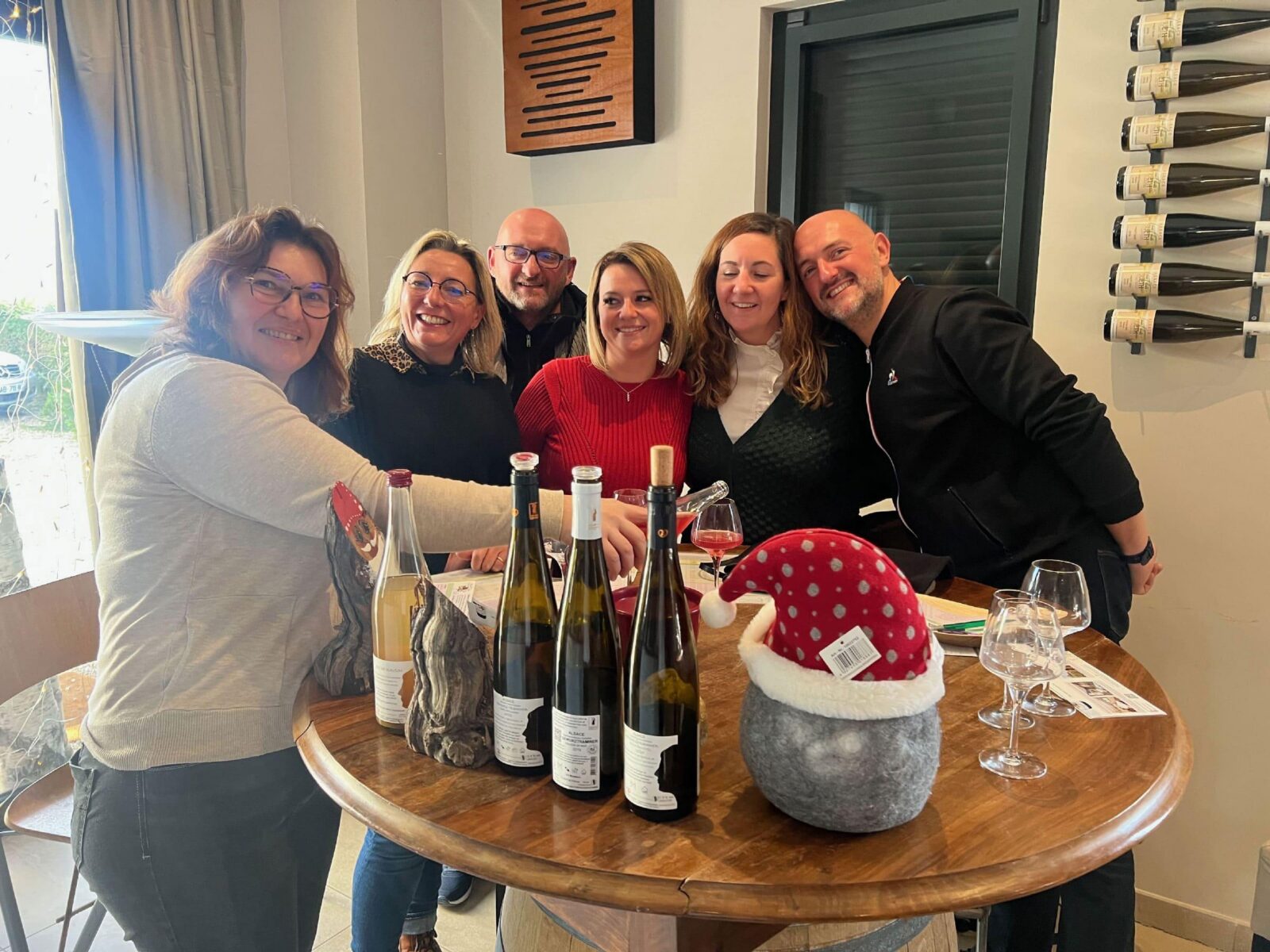
- 7 organic wine tasting selected from the estate, with spontaneous fermentation emphasized
- You pick what suits you from the vintages available that day, so the flight can feel tailored
- Alsatian snacks included: pretzel or kougelhopf slice plus crackers
- Direct-to-producer buying so you can take bottles home while everything is fresh in your mind
- Adults only tasting, with an option to swap wines for 100% organic grape juice
Domaine Gueth: a calm, modern stop on the Alsace wine road
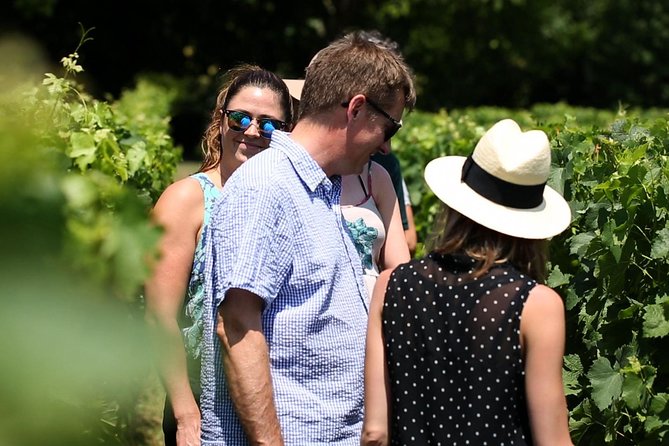
This is the kind of Alsace tasting that makes the wine road feel smaller and more human. Instead of rushing through rows of barrels with a stopwatch in your hand, you settle in at Domaine Gueth and get both a look at the cellar setup and a guided tasting with lots of commentary.
Domaine Gueth is presented as a vigneron indépendant with organic farming and a High Environmental Value approach. That matters because Alsace can be confusing if you only focus on grape names. Here, you’re nudged to connect the dots between vineyard choices, fermentation approach, and the style you see in the glass.
I also like the time target: 1 hour is long enough to understand what’s going on, but short enough that you can still enjoy the rest of your Alsace day—lunch, a village stroll, or another producer stop.
You can also read our reviews of more food & drink experiences in France
Inside the cellar and installations: what you’re really learning
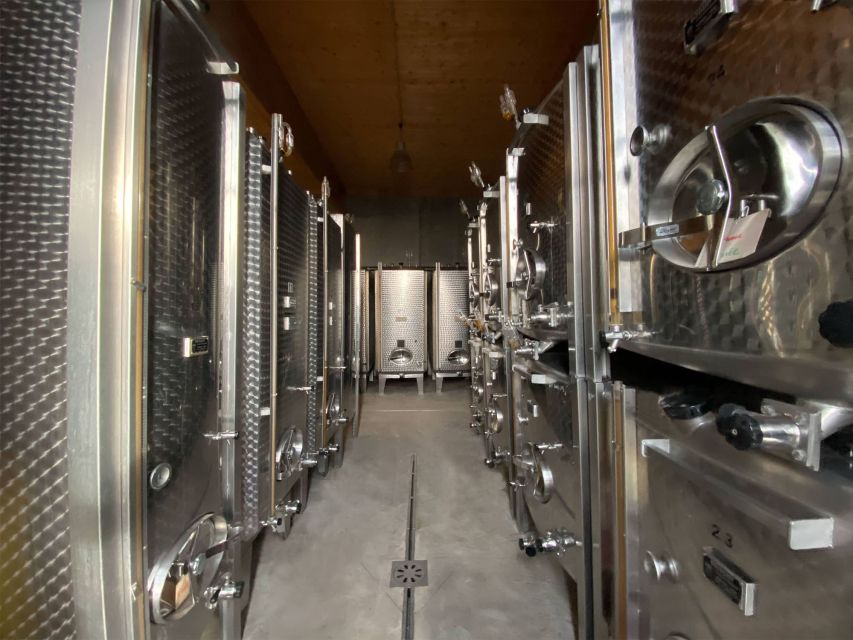
The visit is built around showing you the winery’s facilities and how wine moves from one step to the next. You’ll see the cellar and the installations used for production, then you’ll get explanations that link those steps back to the end result in the bottle.
Why that’s valuable: Alsace has a reputation for aromatic whites and crisp structure, but the “why” behind those traits isn’t always obvious. When you watch and hear how wine is handled, it becomes easier to taste differences like aromatics versus structure, or fruit expression versus restraint.
This is also a practical stop if you’re the type who likes to know what you’re paying for. Even though you’re only with them for about an hour, you’re not treated like you just came for samples. The whole point is to understand their approach before you start tasting.
The feminine philosophy: where it shows up (and where it may not)
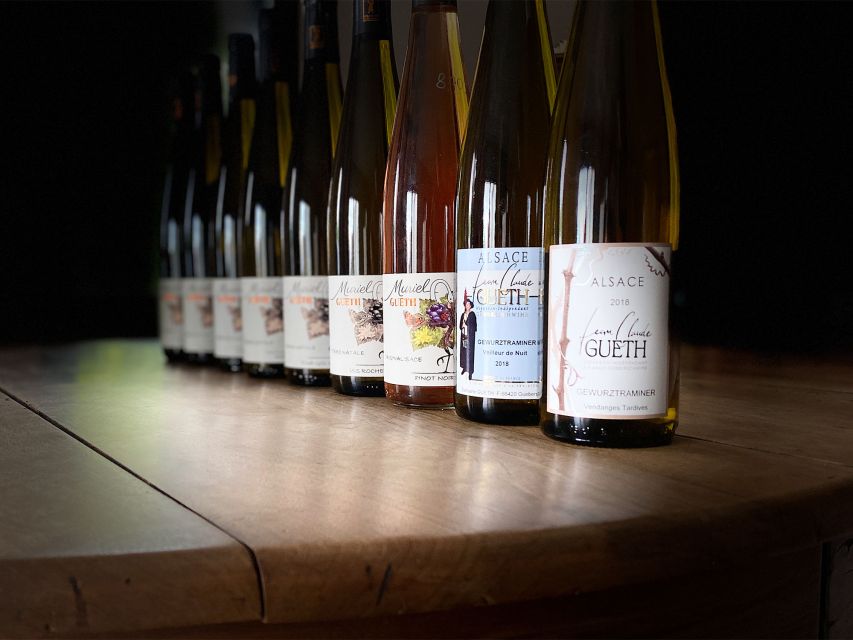
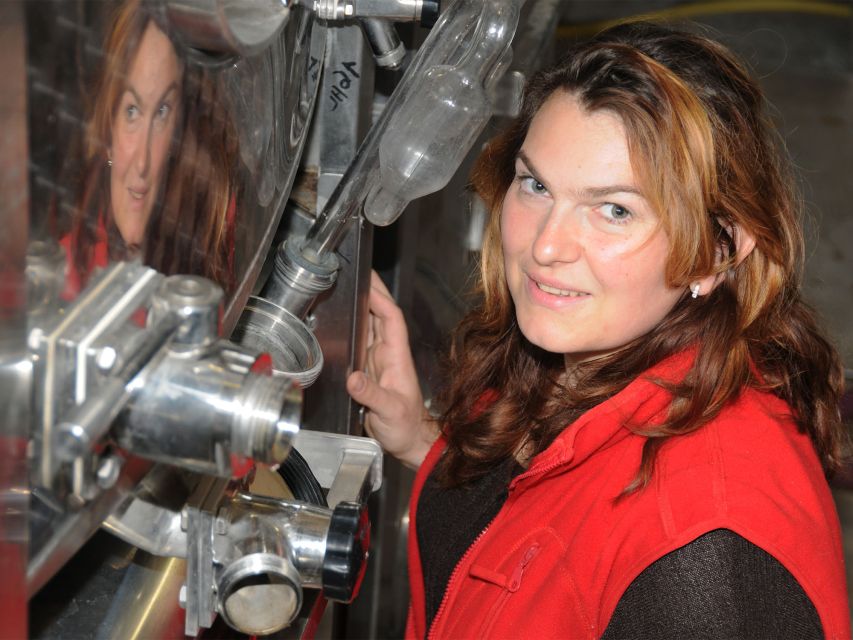
Domaine Gueth frames the experience as a feminine, modern approach to wine. The host explains their philosophy and how they relate to the environment, plus how they raise grapes and make wine with minimal constraint—letting the process follow its own path from vine to wine.
Here’s the key practical takeaway for you: don’t go in expecting only a symbolic theme. Go in expecting a focus on farm-to-cellar choices, especially organic farming and a natural, spontaneous style of fermentation.
That said, there is a reasonable consideration. If you’re specifically looking for an explicit narrative—like a clear breakdown of what makes it feminine in culture, practices, or how it appears in the winemaking story—you might find the emphasis more on techniques and values than on a detailed “feminine” origin story. So mentally brace for philosophy plus method rather than a purely thematic storytelling format.
The 7 organic wines: spontaneous fermentation and how to taste them
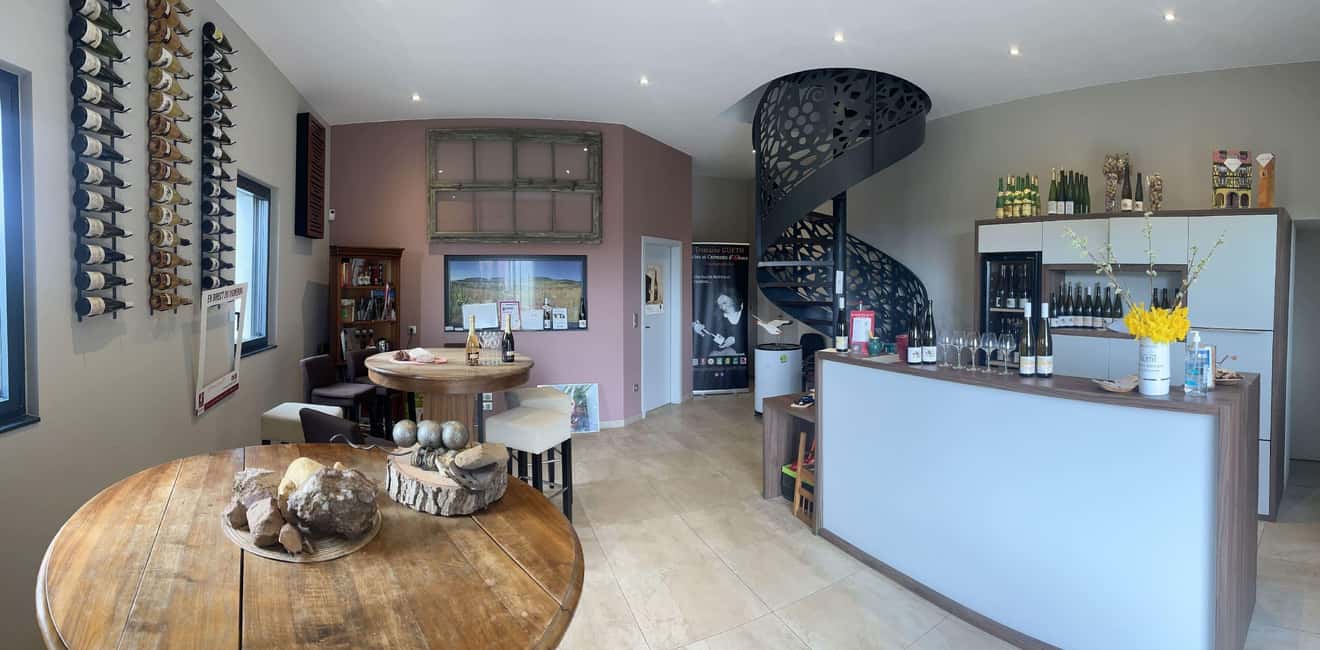
The tasting centers on 7 organic wines from selected vineyards, with spontaneous fermentation highlighted. Even if you don’t consider yourself a wine nerd, this is a useful way to understand Alsace style beyond the basics.
You’ll taste wines that reflect the estate’s approach: fruity and elegant wines, close to nature, in a contemporary setting. And the guidance is described as richly commented, which usually means the host isn’t just naming grapes—they’re connecting what you smell and taste to what happened in the vineyard and cellar.
How to taste smarter in a short flight
With seven wines in one hour, you’ll want to keep your attention simple and consistent:
- Start with aroma first: fruit, spice, florals, or something more herbal or stony
- Then look for balance: does it feel light and bright, or more structured?
- Finally, check your finish: does the wine taper off quickly, or stay with you?
Because the wines are organic and spontaneous-fermented, you may notice more expressive aromatics and a sense of texture that doesn’t feel mass-produced. That doesn’t mean every wine will taste the same. The point is variety within the same philosophy.
You can also read our reviews of more wine tours in France


You choose wines to match your taste
A big plus here is that you select the wines that best suit you among their vintages. So if you tend to prefer fresher, lighter styles, you can likely guide the tasting in that direction. If you like more aromatic intensity, you can steer toward that too.
If you’re planning your day around this, think of the tasting as a conversation as much as a flight. Bring one quick preference into the room—dry vs. off-dry, crisp vs. fuller-bodied, or something you want to learn more about. It helps the tasting feel less generic.
Pairing snack timing: pretzel or kougelhopf with crackers
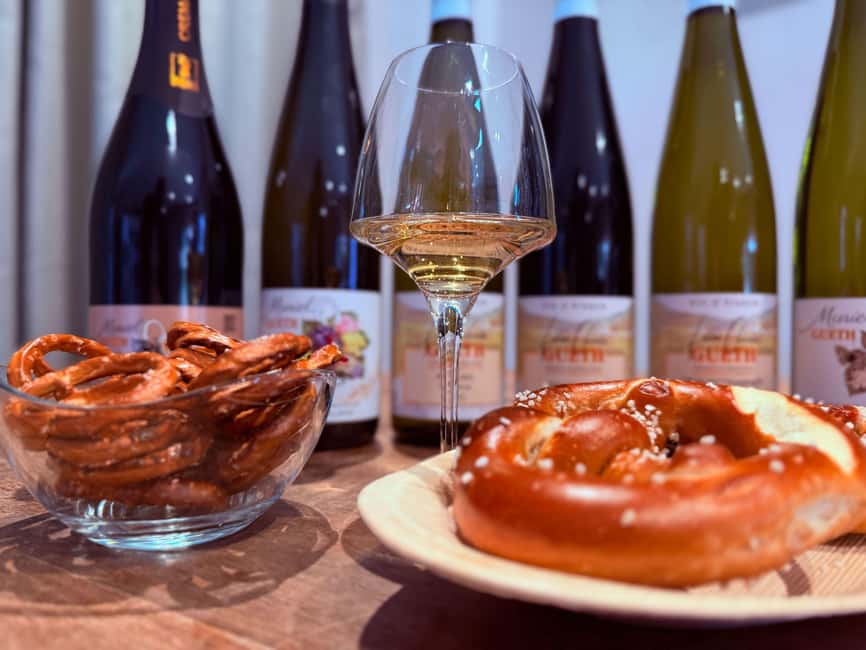
You’ll be served a small Alsatian snack with your tasting: either an Alsatian pretzel or a slice of kougelhopf, plus crackers.
This isn’t just a polite add-on. It’s there to keep your palate from getting overwhelmed by aromatics and acidity. A little salt and bread texture can help you reset between wines so you can actually compare them.
And since Alsace is a region where food is part of the wine culture, it’s a nice touch that the snack stays local. The pretzel is familiar and salty; kougelhopf adds a sweeter, buttery note. Either way, you get a quick taste of regional life without needing a full meal first.
The larger list: over 20 wines, including old-vine selections and atypical picks
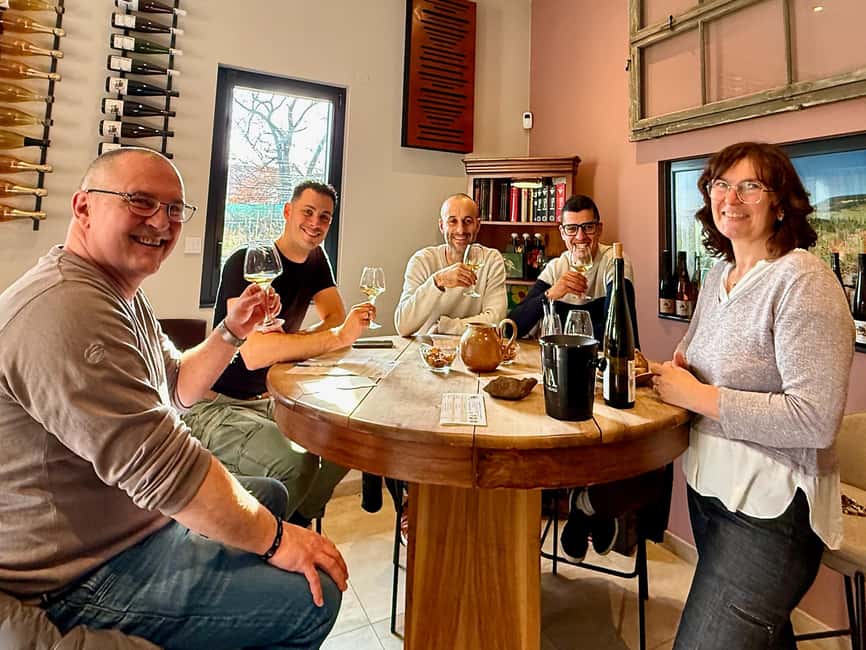
The tasting is built around seven wines, but the estate menu includes more than twenty options. That gives you a path forward once the tasting ends.
What’s on offer (as described): traditional wines, selections of old vines, and also atypical wines and local wines. That blend matters because Alsace drinkers often have two needs: something familiar to share with friends, and something slightly unusual for variety at dinner.
If you’re a casual buyer, you’ll likely find at least a couple bottles that match what you enjoyed in the flight. If you’re more curious, the “atypical” and old-vine angle can help you build a small mixed set for different meals.
Buying direct at the producer: take your favorites home while it’s fresh
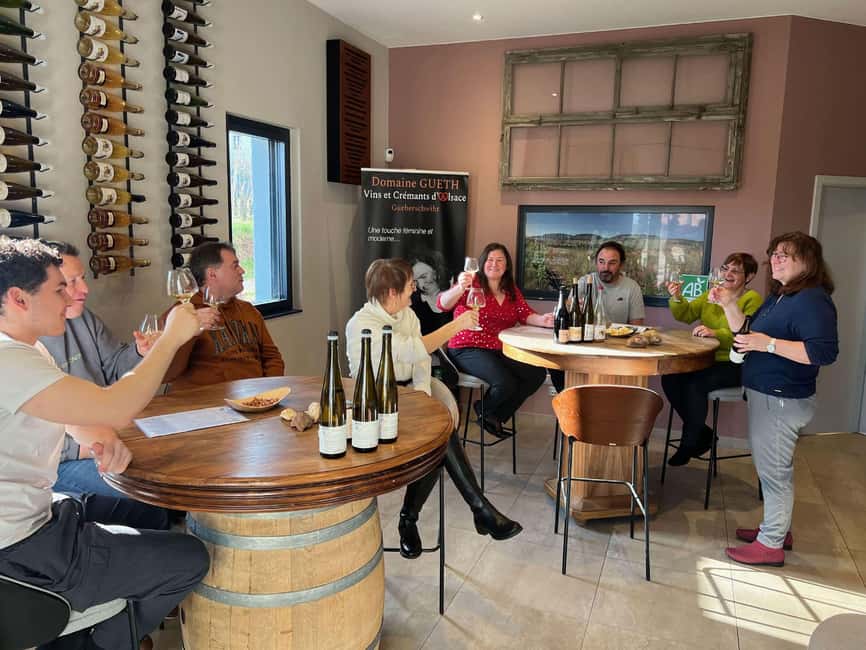
One of the practical perks here is that you can buy the wines you taste directly from the producer. That’s a straightforward advantage: you’re not guessing based on labels or guessing based on a shop description days later.
And because the tasting is guided, you’re more likely to understand what you’re buying. You can connect the wine in your hand to the vineyard character and winemaking choices you heard during the visit. That makes it easier to bring back bottles that fit your tastes, not just a souvenir you’ll feel guilty about later.
If you’re doing multiple stops in Alsace, plan for space and weight. Wine shopping can add up fast, especially when the tasting makes you want to sample different styles.
Value and logistics: $20 for 7 wines in a one-hour window
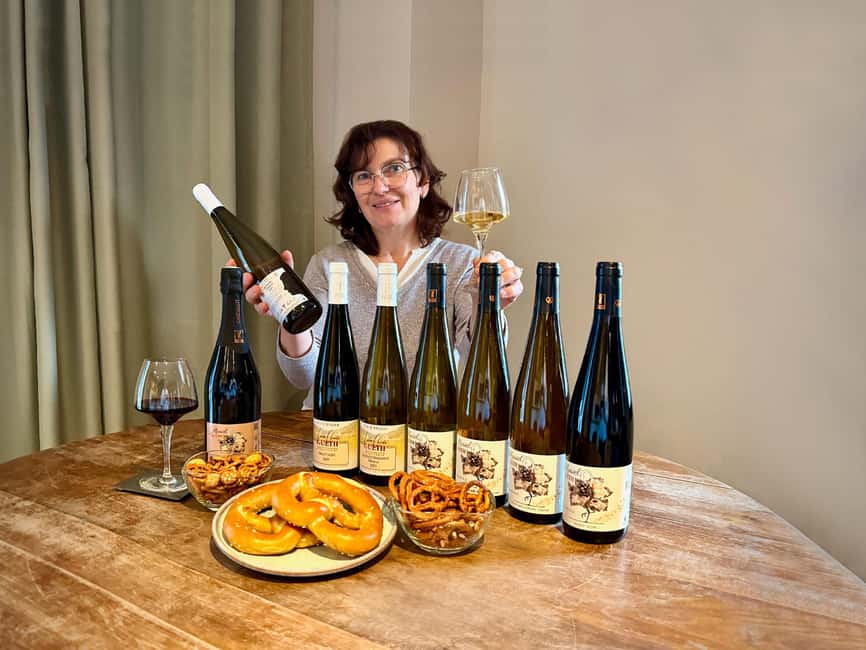
At about $20 per person for an experience lasting 1 hour, the value comes down to what’s included: cellar visit, philosophy discussion, and a tasting of 7 organic wines with local snacks.
You’re getting both education and product exposure. That’s not always the case on wine tours where you get either a lecture with few pours, or a pour-heavy experience with little context. Here, the “why” is part of the package, and that’s what makes the time feel worth it.
Two small practical notes to keep your day smooth:
- Parking is available inside the domain, and there are limited places available (the booking is capped at 10).
- The tour includes a live guide speaking French, English, and German, so it’s easy to fit if you’re traveling with friends who speak different languages.
Also, the tasting is adults only. If you’re traveling with someone who doesn’t drink alcohol, you can replace the wine pours with 100% organic grape juice from their vineyards. That keeps everyone included without turning the event into a compromise.
Who should book this Alsace wine tasting (and who might look elsewhere)
Book it if you want:
- An Alsace wine tasting with context, not just a flight of samples
- Organic wines and spontaneous fermentation as a focused theme
- A calmer, smaller-scale feel at Domaine Gueth, with time for explanation
- A chance to choose the wines you taste and then buy direct
Consider looking elsewhere if:
- You came specifically for a long, explicit “feminine touch” origin story with lots of detail beyond philosophy and practice
- You prefer very high-volume tastings where the goal is quantity over guidance
In other words, this works best when you like being taught while you drink—especially if you’re curious about how farming and fermentation shape Alsace style.
Should you book Domaine Gueth’s feminine wine tasting?
If you like guided tastings and you want to understand Alsace through the lens of organic farming and spontaneous fermentation, I think you should book it. For $20 and a one-hour visit, you’re getting cellar access, a philosophy talk, seven organic pours, and local snacks, plus the option to buy directly while the experience is still fresh.
My final advice is simple: go with curiosity, not rigid expectations about what the feminine theme will look like in the narration. If you focus on the farming choices, the vinification approach, and the way the wines taste, you’ll leave with bottles you can actually justify back home.
FAQ
How long does the Domaine Gueth cellar visit and Alsace wine tasting last?
The experience lasts about 1 hour.
How many wines are included in the tasting?
You taste 7 organic wines.
Is the tasting for adults only?
Yes, the wine tasting is for adults only.
Can I replace the wine tasting with something non-alcoholic?
Yes. You can replace the wines with 100% organic grape juice from the vineyard.
Where is the meeting point, and is there parking?
The meeting point is at Domaine Gueth. Parking is available inside the domain.
Is the tour accessible for wheelchair users?
Yes, it is wheelchair accessible.