REVIEW · FRANCE
Discovery visit of Château Rol Valentin with tasting
Book on Viator →Operated by SAS Vignobles Robin Roché · Bookable on Viator
Three wines and one hour of craft lessons.
At Château Rol Valentin in the Saint-Emilion hillsides, you get a guided look at how a Grand Cru is made today, starting outside in the vineyard and moving into the winemaking and aging vat room. The visit ends with a structured tasting of three wines with a guide who stays with your group the whole time, offered in English.
I especially like the small group size (capped at 10 people), because it makes it easier to ask questions and actually hear the answers. I also like that the tasting isn’t random: you sample a focused selection of three wines, plus bottled water, so you’re not left scrambling for what to do next.
One consideration: there are no snacks included, and the total time is about an hour. If you’re arriving hungry, plan to eat before or after, or you may feel a bit rushed.
In This Review
- Key things I’d flag before you go
- A one-hour Saint-Émilion winemaking intro that actually fits your day
- Vineyard walk to winemaking rooms: what the tour format gives you
- The vat room stop: where aging starts doing its real work
- The tasting of 3 wines: how to get more out of every glass
- Price and value: why $18.02 can make sense
- Group size, language, and the pace that keeps you from feeling lost
- Where to meet at Bel Air (and why that matters)
- What to bring (since snacks aren’t part of the package)
- Who this experience suits best
- Should you book Château Rol Valentin?
- FAQ
- Where does the experience start?
- How long does the Château Rol Valentin discovery visit last?
- How much does it cost?
- Is the tour offered in English?
- How many wines will I taste?
- What’s included in the price?
- Are snacks included?
- What group size should I expect?
- Do I need to print anything or can I use a mobile ticket?
- Are service animals allowed?
- What’s the cancellation policy?
Key things I’d flag before you go

- Vineyard first, then the vat room: you see production, not just the final pour.
- Three-wine tasting format: enough variety to learn, not so much you lose the thread.
- English-friendly guide: the experience is explicitly offered in English.
- Maximum 10 people: calmer pace and more personal attention.
- Bottled water included: a small detail that helps the whole visit feel smoother.
A one-hour Saint-Émilion winemaking intro that actually fits your day

If you want a taste of Saint-Émilion without turning your whole afternoon into a production, this one works. The timing is tight (about an hour), but it’s built to cover the key steps: where the grapes grow, how they’re handled, and what happens during aging—then you get to try the result.
This is also a solid choice when you’re doing a multi-stop day in the area. You can slot it in without needing a long lunch recovery period. And because it’s offered in English, you won’t feel like you’re piecing things together from handouts.
The big value here is that you’re not just paying to drink wine. You’re paying for context—enough context to make your tasting more meaningful.
You can also read our reviews of more food & drink experiences in France
Vineyard walk to winemaking rooms: what the tour format gives you

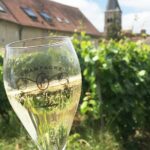
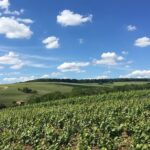
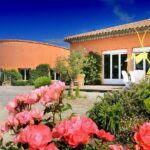
The experience starts with a guided walk through the vineyard at Château Rol Valentin. That matters more than it sounds. You get to connect the vines to what you’re about to taste, instead of showing up only for the last 10 minutes of the process.
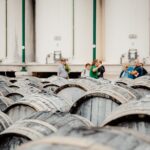
Then you move into the winemaking and aging vat room. This is where the visit feels practical: you see the modern facilities and learn how a Saint-Emilion Grand Cru is crafted today. That’s a helpful contrast for many first-timers, who expect only old stone and tradition. You still get the spirit of Saint-Émilion, but you also see how current techniques show up in the cellar.
Since a guide accompanies your group throughout, you’re not left standing in a room trying to guess what you’re looking at. You can ask questions as you go, which is a major reason the experience lands well for people who like learning while they taste.
The vat room stop: where aging starts doing its real work
The tasting hits your palate, but the aging vat room stop is where the story becomes tangible. You’re there to understand what aging is for—how the wine gains structure and texture over time rather than just picking up flavor magically at the label stage.
In a short visit like this, the goal isn’t to overload you with chemistry. It’s to give you a clearer mental map. When the guide later presents your three wines, you’ll have something to anchor your attention to: what aging does, how winemaking decisions connect to the final glass, and why a Grand Cru can taste distinct from the next cuvée over.
This is also one of the most practical parts if you plan to tour other estates afterward. You’ll start noticing what you learn here shows up again and again—especially around how producers talk about aging and style.
The tasting of 3 wines: how to get more out of every glass

The tasting is built around a selection of three wines. That’s a sweet spot. Too few and you don’t compare much. Too many and everything blurs into one long sip parade. Three gives you enough contrast to spot differences in character without losing your focus.
Here’s how to make it work in your favor. As you taste each wine, try to compare them in the same order the guide presents them. Even if you’re not a wine expert, consistent comparison helps your brain lock onto patterns. Then ask the guide what to look for—because the guide can steer you toward the cues that matter for these specific wines.
Also, remember what’s included: bottled water is part of the experience. That means you can pace yourself and reset between pours instead of relying on the goodwill of your group’s quick souvenir snacks.
If you’re new to wine tastings, this structure is beginner-friendly. If you’re not new, it’s still useful because it links the technical walk through the facilities to what you’re drinking at the end.
Price and value: why $18.02 can make sense

At about $18.02 per person for roughly an hour, this isn’t priced like a long, multi-meal estate day. It’s priced like a focused discovery experience. And what you get is proportionate: a guided vineyard and cellar walk, a vat room visit, bottled water, and a three-wine tasting.
The value angle is about efficiency and clarity. You’re not being asked to pay for a vague tour that ends quickly with no explanation. You’re paying for a clear sequence and an English-speaking guide who stays with the group.
One smart way to think about it: if you were to do only the tasting somewhere else, you might still want the production context. Here, that context is part of the deal, built into the same hour.



Group size, language, and the pace that keeps you from feeling lost
With a maximum of 10 people, the pacing feels manageable. In bigger tastings, you can end up orbiting the guide’s voice from the back of the room. In a smaller group, you’re more likely to catch the explanations and ask a quick question when something clicks.
The experience is offered in English, which keeps the flow smooth. Wine tours can get awkward when you’re listening only for a few words here and there. With English instruction, you can follow the logic behind the tasting rather than just tasting.
Time-wise, plan around an hour. That’s short enough for a side trip, but long enough to include vineyard context, production explanation, and tasting. If you’re the type who likes to linger, you might want to do additional self-paced time afterward—because this tour is designed as a compact, guided hit.
Where to meet at Bel Air (and why that matters)
You’ll want to show up at the meeting point listed for Alexandra & Nicolas Robin, at 2 lieu dit Bel Air, 33330 Saint-Étienne-de-Lisse, France. This matters because the visit starts with the guided portion, and the whole experience is time-boxed.
The good news: the activity ends back at the meeting point. So you’re not left with the hassle of figuring out transport after you’ve finished tasting.
If you’re coming from Saint-Émilion itself, give yourself a little buffer for parking or last-mile directions. With a short tour, a late arrival can cut into the vineyard and cellar time, which is the best part.
Also, an average booking window of about 13 days in advance suggests you shouldn’t wait until the last moment—especially if you’re visiting during a busy period.
What to bring (since snacks aren’t part of the package)
Because snacks are not included, I’d plan like you’re going to taste wine and learn in the middle of your day. Eat beforehand if you’re prone to getting lightheaded with an empty stomach.
A bottle of water isn’t required because bottled water is included. Still, if you’re walking around Saint-Émilion hills, you might want a small personal refill option for after the tour.
Wear comfortable shoes. Even though the core visit is described as a guided tour, you’re spending time outside first. If it’s warm, bring sun protection; if it’s cool, bring a layer. Small comfort upgrades make a short tour feel far longer—in the best way.
Finally, bring your mobile ticket. The experience uses a mobile ticket, so have it ready on your phone before you meet the guide.
Who this experience suits best
This is a great fit if you:
- want a structured tasting with real production context
- prefer a small group setting (max 10)
- would like an English-guided explanation of a Saint-Émilion Grand Cru approach
- need something compact that won’t wreck your day
It may feel less ideal if you want a long, slow estate experience with heavy food pairing. This visit is focused and ends after the tasting; it’s not built as an all-afternoon feast. It’s also not a seminar you’d attend for deep technical lectures—think guided clarity, not a textbook.
For families, couples, or solo wine learners, it’s approachable. And service animals are allowed, so you won’t have to stress about that detail if you travel with one.
Should you book Château Rol Valentin?
Yes, if you want a high-value, low-commitment Saint-Émilion introduction. The format makes sense: vineyard walk, vat room visit, and then a three-wine tasting with bottled water included. You’ll likely leave with a clearer sense of how the wines you taste connect to what you saw.
I’d skip it only if you’re specifically chasing a longer, food-heavy experience or you know you want more than a single guided session. For a quick, informative wine stop with an English guide and a small group feel, this is a smart booking.
If your schedule is tight, book ahead rather than treating it as a last-minute maybe. At $18.02 and about an hour, you’re not risking much time—and you’re getting enough structure to make the tasting feel worth remembering.
FAQ
Where does the experience start?
It starts at Alexandra & Nicolas Robin, 2 lieu dit Bel Air, 33330 Saint-Étienne-de-Lisse, France.
How long does the Château Rol Valentin discovery visit last?
The duration is approximately 1 hour.
How much does it cost?
The price is listed as $18.02 per person.
Is the tour offered in English?
Yes, the experience is offered in English.
How many wines will I taste?
You will taste a selection of three wines.
What’s included in the price?
Bottled water and a selection of three wines from the estate are included.
Are snacks included?
No, snacks are not included.
What group size should I expect?
The activity has a maximum of 10 travelers.
Do I need to print anything or can I use a mobile ticket?
You’ll use a mobile ticket.
Are service animals allowed?
Yes, service animals are allowed.
What’s the cancellation policy?
You can cancel for a full refund up to 24 hours in advance of the experience start time.