REVIEW · FRANCE
Cave Museum Village Troglodyte of Rochemenier Admission Ticket
Book on Viator →Operated by Troglodyte Village of Rochemenier · Bookable on Viator
Underground rooms beat any stuffy museum. The Cave Museum Village Troglodytique de Rochemenier gives you a smart, low-cost way to see how people lived by hand inside the rock, with exhibits packed into an actual village of excavated rooms. I love that it’s a self-guided visit with an explanatory leaflet in many languages, so you can move at your own pace. I also like the way the displays mix daily life details—furniture, tools, and period photos—with the big-picture story of how the village grew from the 13th to the 19th century. The main catch: there’s a guided visit option, but it’s in French only, so if you need English, plan on relying on the leaflet.
This is one of those experiences that stays practical. You get a timed entry plan that works in 1 to 3 hours, you’ll be walking underground (so bring a layer), and the site is designed for many ages. There’s also a small group limit of 15 for the scheduled guided portion, which helps keep things from feeling chaotic.
In This Review
- Key highlights worth planning for
- Rochemenier Troglodytes: what makes this cave village special
- Ticket value: why the price makes sense for what you get
- Entering the museum: what the visit feels like underground
- The timeline you’ll notice as you walk: 13th to 19th century life
- Two farms, one abandoned chapter: why that section hits
- Self-guided flow vs. the French guided visit
- Practical details that can make or break your visit
- How long you need: 1 to 3 hours and how to choose your pace
- Who this cave museum ticket is best for
- Should you book the Rochemenier Cave Museum ticket?
- FAQ
- How long is the cave museum village visit?
- Is this experience self-guided, and is there an English option?
- What is the price per person?
- What does the ticket include?
- Is there a guided visit, and what language is it in?
- Where do the rooms and farms come into the visit?
- Are strollers allowed?
- Are service animals allowed?
- What are the opening hours?
Key highlights worth planning for
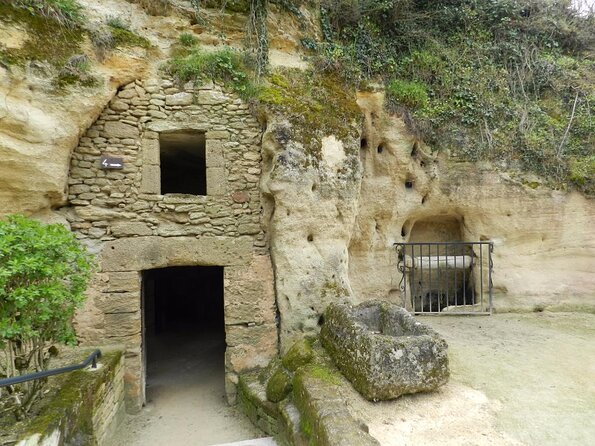
- 250 underground rooms carved into sandstone across about 40 farms
- Self-guided visit with an explanatory leaflet available in 18 languages
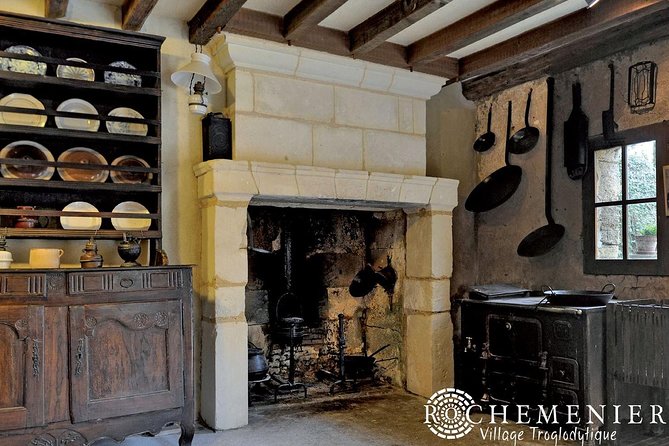
- Period rooms show furniture, tools, and photographs from the last inhabitants
- You’ll see part of the village including two farms abandoned in the early 20th century
- Underground freshness: bring a sweater, especially in warmer months
- Strollers are possible, but the underground chapel is not accessible
Rochemenier Troglodytes: what makes this cave village special
Rochemenier is not a fake cave set. It’s an entire way of life cut into sandstone. The village is made of roughly 250 underground rooms, spread over around 40 farms, and then organized in a way that lets you walk through daily spaces like someone from the past might have. That alone is a big reason this works as a museum visit instead of a quick look-and-leave stop.
Here’s the part I find most compelling: the village wasn’t carved all at once. It expanded to meet a growing population, with the oldest habitation dating to the 13th century and growth continuing up to the 19th century. In other words, you’re looking at layers of time, not one snapshot. The museum interpretation ties that timeline to why the rock mattered.
The sandstone used for the excavations included sea shells. That isn’t just geology trivia. It connects to how local farmers worked the land. This kind of calcareous sand was used to help neutralize soil acidity, which meant it played a role in agriculture—not just housing.
A few more France tours and experiences worth a look


Ticket value: why the price makes sense for what you get
The admission ticket is about $10.26 per person, and you’re buying access to the Cave Museum itself—plus the self-guided materials that turn the visit from wandering into understanding. At this price, you’re basically paying for time in a real working-feeling underground village, with built-in context.
Two details make the value feel stronger than it sounds on paper:
- The leaflet is available in 18 languages. That’s a practical way to bridge language gaps without you having to wait for staff or hunt for translations.
- The site is designed for a 1 to 3 hour visit. You’re not pressured into rushing. If you’re the type who likes to read signs and look closely, you can easily spend enough time to feel like you got your money’s worth.
Also, the site has a maximum of 15 travelers for the guided visit at specific times. That small number helps explain why the experience can feel more controlled and easier to follow during the French portion (even if you’re not following every word).
A final tip on money: since it’s typically booked about 16 days in advance, it’s smart to reserve ahead of time in busy periods so you don’t end up shoehorning your day around availability.
Entering the museum: what the visit feels like underground
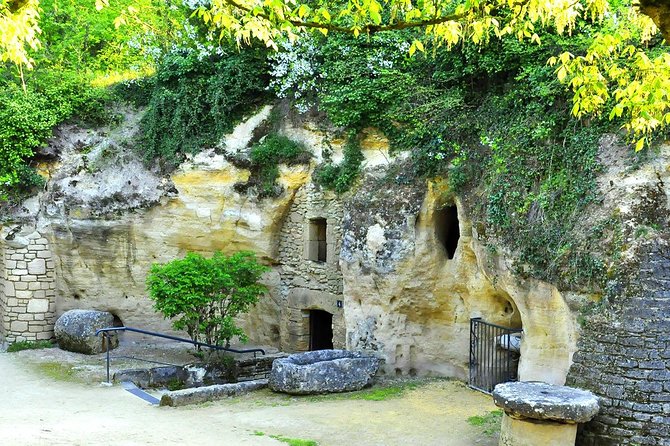
Your visit centers on the Village Troglodytique de Rochemenier cave museum experience. When you arrive, you’re essentially stepping into a layout that’s been organized like a village, with rooms excavated into the rock and grouped across farms.
You’ll see rooms that were opened to the public after long abandonment. Part of the village consists of two farms that were abandoned at the beginning of the 20th century, and those were later opened in 1967. That matters because it tells you why the museum can show period features rather than just abstract “here’s a cave” information.
The exhibitions include furniture, tools, and photographs belonging to past residents. The museum’s goal isn’t to shock you with dramatic set dressing. It’s to help you understand what normal life looked like when your walls were literally rock and your day revolved around the farms.
And yes: you’ll feel the temperature difference. Underground air stays cooler. The site notes underground freshness, so bring a sweater even if it’s warm outside.
The timeline you’ll notice as you walk: 13th to 19th century life
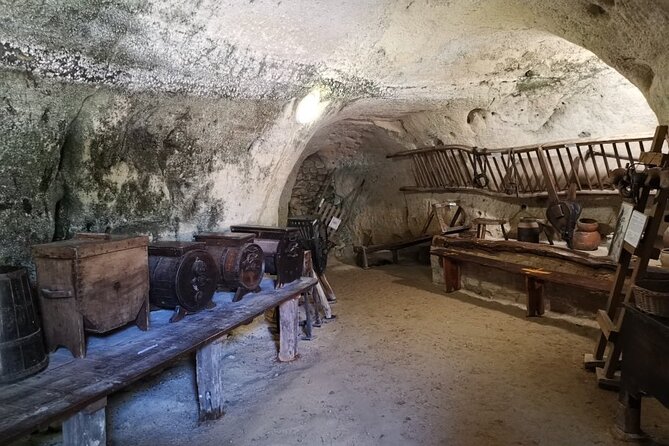
It’s easy to treat underground rooms like a single curiosity. Rochemenier makes it harder to be shallow about it, because the story is built into the village expansion pattern.
You’ll learn that the oldest habitation is from the 13th century, and the village gradually grew until the 19th century. The museum framing connects that growth to the needs of a rising population and to farming life.
In practical terms, what this means for your experience is simple: you’re reading a longer arc of human settlement as you move. Even if you only skim some signs, you’ll likely pick up the sense that the village didn’t stop evolving, and that different rooms reflect different stages of development.
Two farms, one abandoned chapter: why that section hits
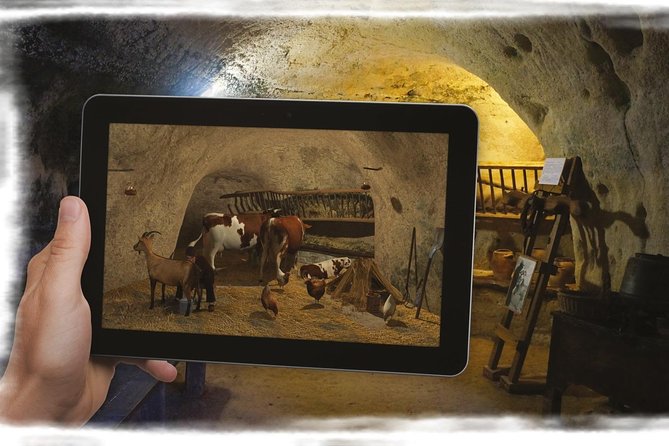
One of the most interesting parts of the visit is the portion of the village that includes two farms. These farms were abandoned at the beginning of the 20th century, which means the site preserves a feeling of “life ended here, not just changed.”
Then there’s the museum’s restoration and public opening: those farms were opened in 1967. That combination—abandoned early 1900s, then curated later—often results in exhibits that feel grounded rather than purely theatrical. You get to see the way rooms were furnished and organized, and you can follow the logic of farm life.
If you like places where you can picture daily routines, spend extra time here. Slow down near the tools and furniture displays. Those are the details that make the whole village feel lived in instead of just impressive architecture.





Self-guided flow vs. the French guided visit
This experience is primarily self-guided. You’ll have an explanatory leaflet (available in 18 languages), which is your main tool for turning rooms and exhibits into a coherent story.
There is also a guided visit at specific times, but it’s in French only. If your French is limited, don’t panic. The self-guided leaflet exists so you’re not stuck. Still, check the timing once you arrive, because the guided portion can be a great option if you enjoy listening—even if you understand only part of it.
Also keep in mind the small group size for the guided visit: maximum 15 travelers. Smaller groups usually mean easier listening and fewer bottlenecks, which makes a difference underground.
A practical pacing idea: start self-guided to get your bearings, then join the guided French segment only if it lines up with your schedule. That way you’re not forced into one rigid route.
Practical details that can make or break your visit
Underground sites reward preparation. Rochemenier is pretty accommodating, but a few details really matter.
Bring a sweater. The museum explicitly warns about underground freshness. You’ll likely get cooler as you walk deeper.
Strollers: you can bring them, but only the underground chapel is not accessible for strollers. So you may need a quick detour depending on where the chapel route falls within your walking plan. If you’re traveling with a stroller, check the chapel access expectations before you assume you can go everywhere.
Service animals are allowed. Good to know if you travel with one.
Most people can participate. There’s no indication of extreme difficulty for the general visit, but remember you are walking inside a cave museum, so comfortable shoes help.
Opening hours change by season and day. The museum has different hours across date ranges:
- 02/01/2026 to 04/15/2026: Tuesday–Sunday 10:00 AM–5:00 PM
- 04/16/2026 to 09/15/2026: Monday–Sunday 9:30 AM–5:30 PM
- 09/16/2026 to 11/20/2026: Tuesday–Sunday 10:00 AM–5:00 PM
If you’re planning a day trip, pick one of those windows and build your schedule around it rather than guessing.
How long you need: 1 to 3 hours and how to choose your pace
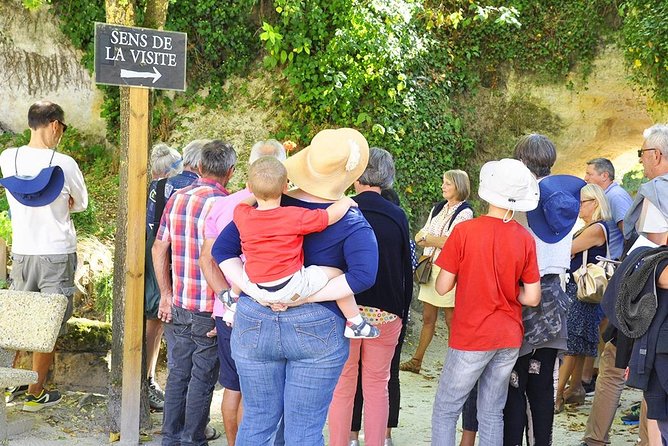
The visit is listed as about 1 to 3 hours. That range is realistic because your pace will depend on how you like to tour.
- If you mainly want highlights—exhibits plus a quick pass through key rooms—plan closer to 1 to 1.5 hours.
- If you enjoy reading, looking closely at tools, furniture, and photos, and trying to connect the rooms to the 13th–19th century timeline, give yourself 2 to 3 hours.
A good strategy: don’t try to see everything in one sprint. Underground spaces can blur together. Instead, pick a few anchors—one area about the timeline, one area about the farms, and one area about daily life items—and let the rest support those anchors.
Who this cave museum ticket is best for
This is a strong fit for a few types of travelers:
- Families and mixed ages: it’s self-guided and suitable for people of all ages, with a duration that can work even if kids need shorter stops.
- Budget-minded museum lovers: you get a full museum experience without paying big-city ticket prices.
- History and everyday-life fans: the displays focus on real objects—furniture, tools, and photographs—so you’re not just reading dates.
- Geology and agriculture curious minds: the sandstone story, including the sea shells and soil acidity angle, gives you a reason to care beyond the walls.
If you need a fully English-speaking guided experience, this may be less ideal, because the guided portion is French only. In that case, rely on the leaflet and enjoy a self-guided pace.
Should you book the Rochemenier Cave Museum ticket?
Yes—if you want a museum that feels like a real place, not a staged attraction, this is worth booking. The value is strong for the time you get, and the mix of underground village rooms plus everyday-life exhibits makes it practical and memorable.
Book it if:
- you’re comfortable touring self-guided with a multilingual leaflet,
- you like small-scale, focused visits (the guided portion is capped),
- you’re happy to plan around cool underground temperatures.
Skip it or adjust your expectations if:
- you require an English guided tour, because the guided visit is in French only,
- you want a quick 20-minute stop—this is better when you give it at least an hour or two.
For me, the decision comes down to this: Rochemenier gives you an authentic way to understand rural life carved into the earth, and it does it with objects and rooms you can actually study. That’s the kind of ticket that earns its cost.
FAQ
How long is the cave museum village visit?
The duration is listed as approximately 1 to 3 hours.
Is this experience self-guided, and is there an English option?
It’s self-guided with an explanatory leaflet available in 18 languages. There is also a guided visit at specific times, but it is in French only.
What is the price per person?
The admission ticket price is $10.26 per person.
What does the ticket include?
Your ticket includes admission to the cave museum and a self-guided tour using the explanatory leaflet.
Is there a guided visit, and what language is it in?
Yes, there is a guided visit at specific times, and it is in French only.
Where do the rooms and farms come into the visit?
You explore the village of Rochmenier, which includes about 250 underground rooms spread across roughly 40 farms. The visit includes part of the village with two farms that were abandoned in the early 20th century.
Are strollers allowed?
Strollers are possible, but the underground chapel is not accessible for strollers.
Are service animals allowed?
Yes, service animals are allowed.
What are the opening hours?
Opening hours vary by season. For example, from 02/01/2026 to 04/15/2026 it’s Tuesday–Sunday 10:00 AM–5:00 PM, and from 04/16/2026 to 09/15/2026 it’s Monday–Sunday 9:30 AM–5:30 PM.