REVIEW · BORDEAUX
Bordeaux: Wine and Trade Museum Entry Ticket & Wine Tasting
Book on GetYourGuide →Operated by Musée du Vin et du Négoce de Bordeaux · Bookable on GetYourGuide
Two wines, in historic cellars, in one day. I love the vaulted cellar setting that makes Bordeaux wine feel physical, not abstract, and I love that the tasting is paired with a vineyard presentation so you know what you are actually drinking. One catch: the food is more sweet treats (raisins dorés and canelés) than a full snack plate, so plan to eat elsewhere if you get hungry.
You’ll start at the Musée du Vin et du Négoce de Bordeaux and explore on your own with a paper guidebook or an audio guide in many languages, then finish with a guided format for the vineyard talk and wine tasting. It runs as a small-group experience (up to 9 people), so the pacing stays calm and you’re not just herded around.
In This Review
- Quick takeaways
- Entering the Musée du Vin et du Négoce: your pace in a merchant’s house
- Museum walk: what you’ll realistically cover in a self-guided visit
- A practical tip for enjoying it
- The vaulted cellars and barrels: where Bordeaux wine learns to age
- What to watch for while you’re down there
- The Bordeaux vineyards presentation: turning terroir terms into tasting meaning
- Why this matters for first-timers
- Guided tasting of two local wines: what you’ll taste and what they’re paired with
- A consideration to keep in mind
- How much time you should plan for (and how the pacing works)
- Price and value: is $14 a good deal?
- Who should book this tasting-and-museum ticket?
- Should you book the Bordeaux Wine and Trade Museum ticket with tasting?
- FAQ
- How long is this experience?
- Is there a guided tour of the museum included?
- What happens after the museum visit?
- What food is included with the tasting?
- How big is the group?
- Can I cancel for a refund?
Quick takeaways
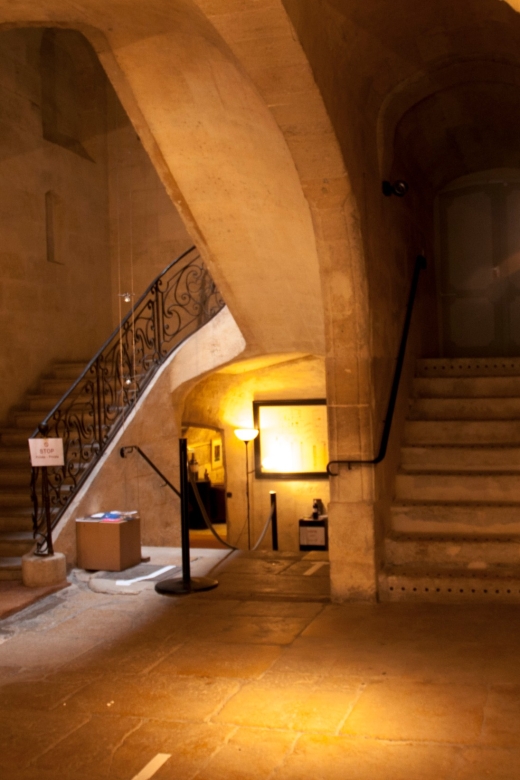
- Vaulted cellars from around 1720: traditional barrel aging in a real merchant-wine setting
- Self-guided museum, your pace: paper guidebook or audio guide in multiple languages
- Vineyard presentation that connects to the glass: AOC, terroir, grape varieties, and classifications
- Guided tasting of 2 local wines: taught, not just poured
- Paired sweet local bites: raisins dorés and canelés de Bordeaux
- Small group max 9: easier questions, less crowd pressure
Entering the Musée du Vin et du Négoce: your pace in a merchant’s house
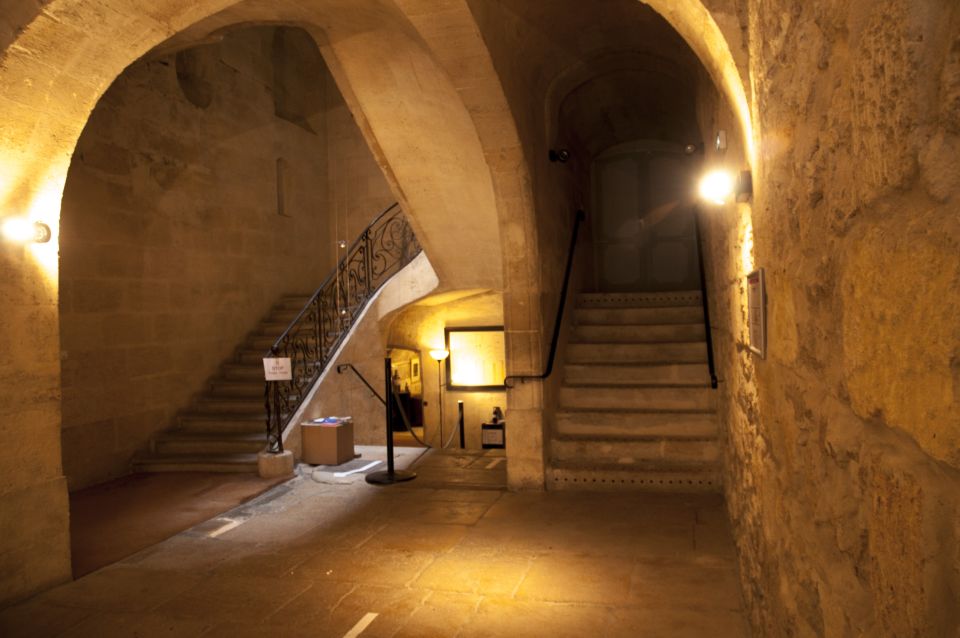
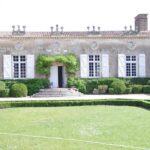
This is the kind of Bordeaux stop that feels grounded. You’re not just looking at wine posters or generic vineyard photos. The museum sits in the former residence of Louis XV’s royal broker, which matters because it frames Bordeaux wine as trade as much as terroir. In other words, you learn why Bordeaux became Bordeaux: people moved wine, organized it, protected it, and sold it with serious know-how.
Your entry ticket lets you explore independently. That means you can spend extra time in the rooms that grab you and skim the rest. I like this approach because wine museums can either be too fast or too rigid. With a self-guided option, you control the rhythm.
You can choose either a paper guidebook or an audio guide (offered in several languages). If you prefer strolling with minimal reading, the audio guide is your best bet. If you like underlining facts and going back to them later, the paper guidebook is great.
A few more Bordeaux tours and experiences worth a look
Museum walk: what you’ll realistically cover in a self-guided visit
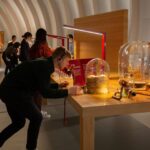
Once you’re inside, the museum is laid out so you can do a true walk-through rather than a quick “see and go” loop. Over time, Bordeaux wine merchants and their practices shaped the international prestige of Bordeaux—so the exhibits are designed to show that arc rather than only celebrate modern bottles.
What I find useful here is that you’re not just consuming wine trivia. You’re learning the logic behind Bordeaux’s role in the broader wine world. You’ll also pick up enough vocabulary to follow the vineyard presentation later without feeling lost.
A practical tip for enjoying it
Give yourself two passes:
- First pass for atmosphere and main themes.
- Second pass for the details you care about, especially grape variety and classification concepts.
It’s not required, but it makes the later tasting click into place.
The vaulted cellars and barrels: where Bordeaux wine learns to age
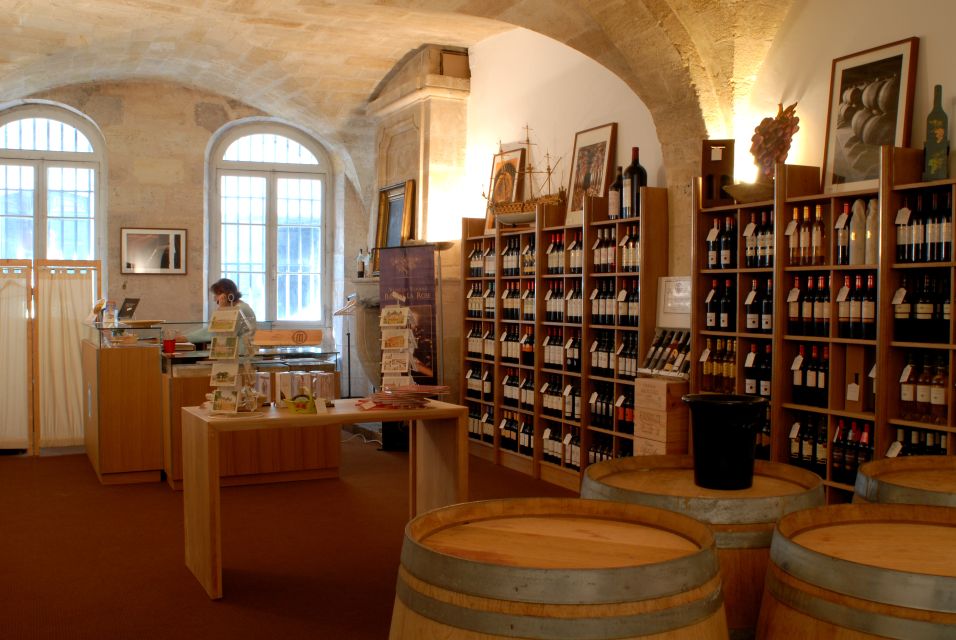
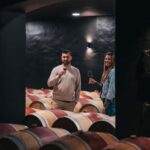
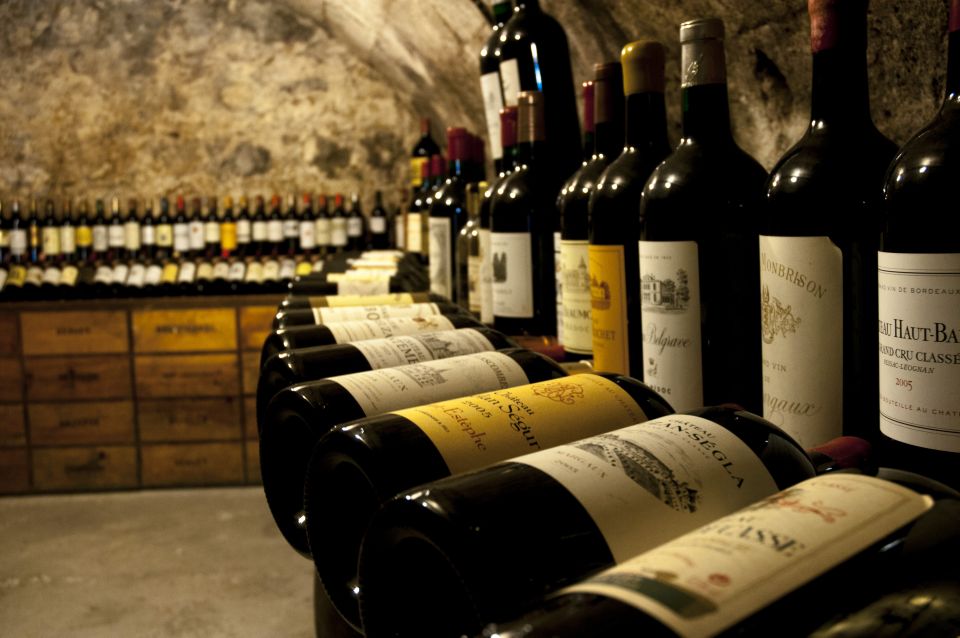
Then you get to the star setting: the vaulted cellars. These date back to around 1720, and they show how wine was managed in the age of traditional merchants—especially the work of coopers (barrel makers) and the long, patient aging of wine in barrels.
This is the part where the museum stops being informational and starts being sensory. The cellars are structured, built, and designed for storage, and you can see how the barrels fit the system. Instead of imagining aging, you watch the physical infrastructure that made aging possible.
Also, these cellar spaces illustrate the practices of 19th-century wine merchants. That connection is helpful because it explains why Bordeaux’s style can feel consistent across time: not because every bottle is identical, but because the trade system and aging practices influenced outcomes.
What to watch for while you’re down there
Look for cues about:
- How barrels are arranged for storage.
- How coopers’ work relates to aging.
- How the space is meant for keeping and handling wine.
Even if you only spend a short time in each area, you’ll leave with a clearer mental model of barrel aging.
You can also read our reviews of more food & drink experiences in Bordeaux
The Bordeaux vineyards presentation: turning terroir terms into tasting meaning
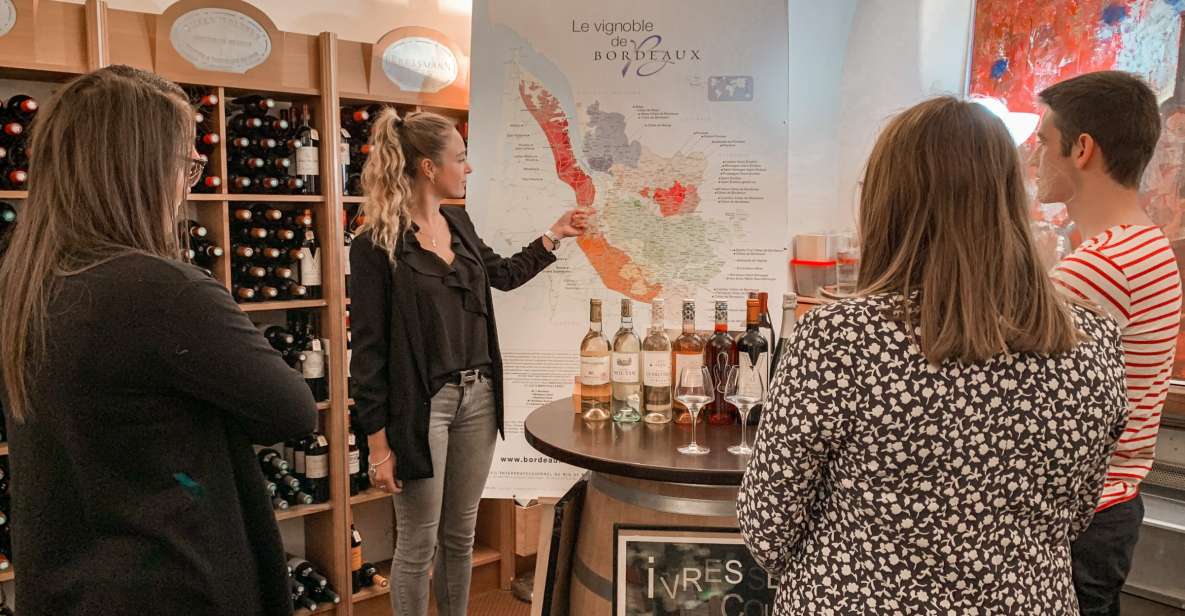
After the self-guided museum time, the experience shifts into a dedicated presentation focused on Bordeaux vineyards and how the region produces its wines.
This part is genuinely practical. It introduces key ideas such as:
- grape varieties
- appellations d’origine contrôlée (AOC)
- terroir
- regional classifications
If those terms feel abstract to you, this talk is the bridge between “wine words” and “wine choices.” The goal is not to lecture you into expertise. The goal is to make your tasting feel intentional.
Why this matters for first-timers
Without this kind of explanation, two glasses of wine can blur together. With it, you start noticing differences in grape character and how the environment influences flavor and structure. You’ll also get a framework for reading Bordeaux labels later, even if you don’t plan to become a Bordeaux specialist.
Guided tasting of two local wines: what you’ll taste and what they’re paired with
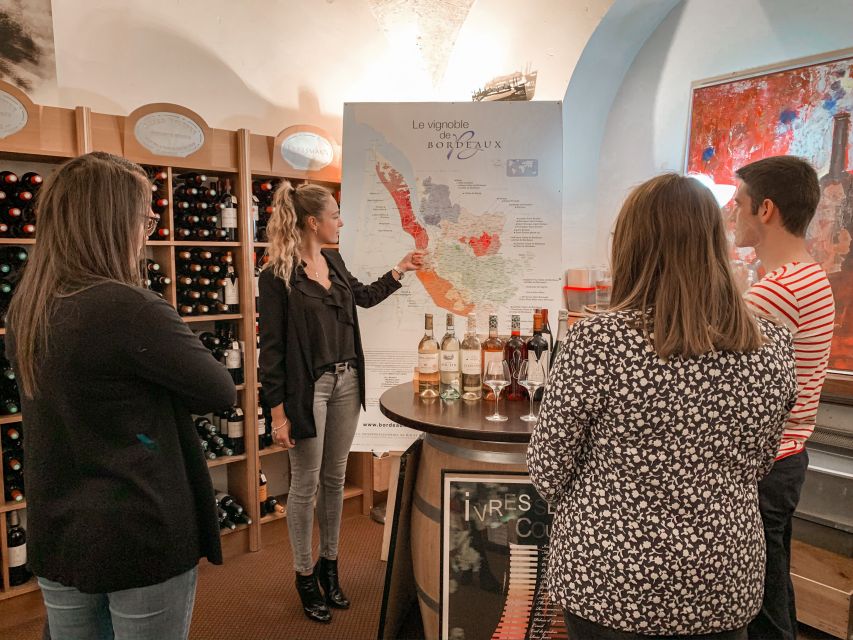
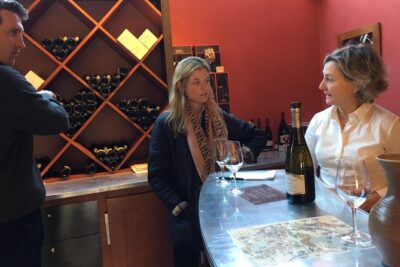
The finish is the tasting: a guided, commented session of two in-house selected local wines. This is the centerpiece, and it’s structured to help you learn rather than just consume.
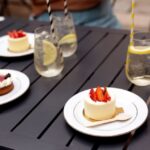
During the tasting, you’ll pair the wines with local treats, including:
- raisins dorés (chocolate-coated raisins)
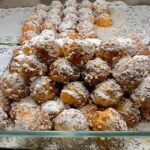
- traditional canelés de Bordeaux (the pastry is described as rum-soaked)
I like that the pairing focuses on familiar regional sweets. It gives you something consistent to compare against while you taste. Chocolate-coated raisins can add richness and sweetness that changes how tannins and acidity feel. Canelés bring caramelized notes and a baked aroma that also interacts with the wine’s texture.
A consideration to keep in mind
If you’re hoping for a savory charcuterie-style pairing or a full snack plate, this is not that setup. You’ll mostly have these sweet Bordeaux bites. If you want more food, grab a meal before or after so you’re not hunting for lunch mid-tasting.
How much time you should plan for (and how the pacing works)
The activity is designed to fit into a 1-day visit. In practice, that usually means you’ll want to budget enough time for:
- your own museum pace in the rooms and cellars
- arriving before the vineyard presentation
- lingering just a little after the tasting to reset
The small group size also affects pacing. With a maximum of 9 participants, you’re not squeezed into a wall-to-wall experience. The format tends to feel more conversational, and you’re more likely to hear details clearly.
Price and value: is $14 a good deal?
At about $14 per person, this one is priced like a value play—especially because you’re getting more than a label-reading lesson. You’re combining:
- museum entry (including the cellar spaces)
- a paper guidebook (included)
- the vineyard presentation
- a guided tasting of two local wines
- local sweet pairings (raisins dorés, plus canelés de Bordeaux)
For many wine experiences in France, the tasting alone can cost more than the museum ticket. Here, the museum plus tasting are bundled, and that’s what makes it feel fair. You’re paying for context (the presentation and cellar story) plus a tasting payoff.
Who should book this tasting-and-museum ticket?
This works especially well if:
- you’re new to Bordeaux wine and want a clear starting point
- you like learning concepts (AOC, terroir, classifications) before tasting
- you want a mix of self-guided exploring and a guided finish
- you prefer small groups
You might want a different option if:
- you expect a long, full-course wine pairing with lots of food
- you want a fully guided tour where every room is explained start to finish
But if you like flexibility and you want real atmosphere—cellars, barrels, trade history—this hits the sweet spot.
Should you book the Bordeaux Wine and Trade Museum ticket with tasting?
I’d book it if you want a compact Bordeaux experience that’s both pleasant and educational. It’s not a wine-only show. It connects the dots between merchants, storage practices, and vineyard concepts, then lets you taste with guidance.
If you’re the type who enjoys walking at your own pace but still wants a knowledgeable hand during the tasting, this is a smart match. For the price, the combination of museum entry, cellar atmosphere, a vineyard explanation, and a guided tasting of two wines is hard to beat.
FAQ
How long is this experience?
It’s listed as a 1-day activity, based on the available starting times.
Is there a guided tour of the museum included?
No. You explore the museum at your own pace using the paper guidebook and/or the audio guide.
What happens after the museum visit?
You attend a Bordeaux vineyards presentation, which leads into a guided tasting of two in-house selected local wines.
What food is included with the tasting?
You’ll be offered local delicacies including raisins dorés and traditional canelés de Bordeaux.
How big is the group?
The experience is a small group limited to 9 participants.
Can I cancel for a refund?
Yes. Free cancellation is available up to 24 hours in advance for a full refund.