REVIEW · DUNKIRK
Dunkirk: Operation Dynamo and Battlefield of Dunkirk Tour
Book on GetYourGuide →Operated by OTCC Dunkerque · Bookable on GetYourGuide
Dunkirk hits harder when you walk the routes. This Operation Dynamo tour drives you through the real evacuation geography, with guides such as Emmanuel, Fred, Elise, and Onno bringing the story into focus. You’ll also have a chance to connect key WWII moments to the Christopher Nolan film Dunkirk.
I especially like how you follow the soldiers’ logic—beach to port—instead of just seeing monuments as isolated points. I also enjoy the film tie-in, since the tour can include locations where the movie was shot, which makes the history feel easier to place.
One consideration: it’s a 2-hour tour and it includes some walking, so if you’re the type who wants to linger forever at a single memorial or add a museum stop, you’ll need to choose your priorities.
In This Review
- Key things you’ll remember
- Operation Dynamo, in plain human terms
- How the 2-hour format keeps it focused (and a bit intense)
- The evacuation beaches: quiet sand, loud history
- The port and the East Mole bunker: where departures concentrated
- The British Memorial and cemetery: the names you can’t place
- Movie filming locations: why the Dunkirk tie-in works
- Who this tour is best for
- Price and value: $188 per group, but what you’re really paying for
- Practical tips so your visit feels smooth
- Should you book the Dunkirk Operation Dynamo tour?
- FAQ
- How long is the Dunkirk: Operation Dynamo and Battlefield of Dunkirk Tour?
- What sites are included during the tour?
- Will the tour include filming locations from the movie Dunkirk?
- Is food and drink included?
- Is this tour fully guided?
- Do I need a car of my own?
- Is there walking involved?
- Can I cancel for a full refund?
Key things you’ll remember
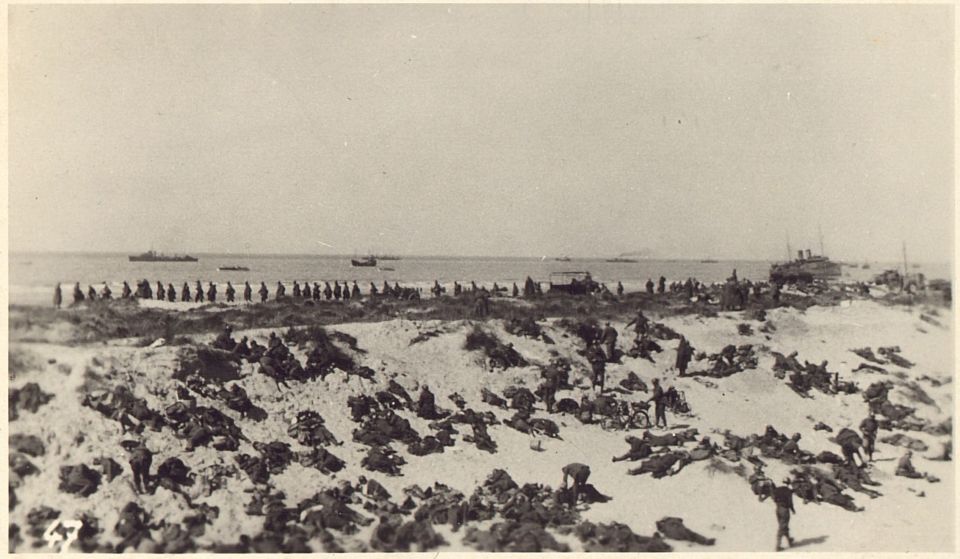
- Beaches and the Dunkirk Little Ships story, set in the same wide sandy areas where soldiers waited and hoped
- East Mole in the port, including a preserved bunker section from the German occupation
- British Memorial + cemetery impact, tied to the 4,528 missing and the 810 graves nearby
- Movie filming stops are optional, which helps you compare film scenes to real ground
- A tight 2-hour route, ideal for seeing a lot without spending the day on logistics
- Strong guide performance, with many praised for clarity, punctuality, and high-level WWII detail
Operation Dynamo, in plain human terms
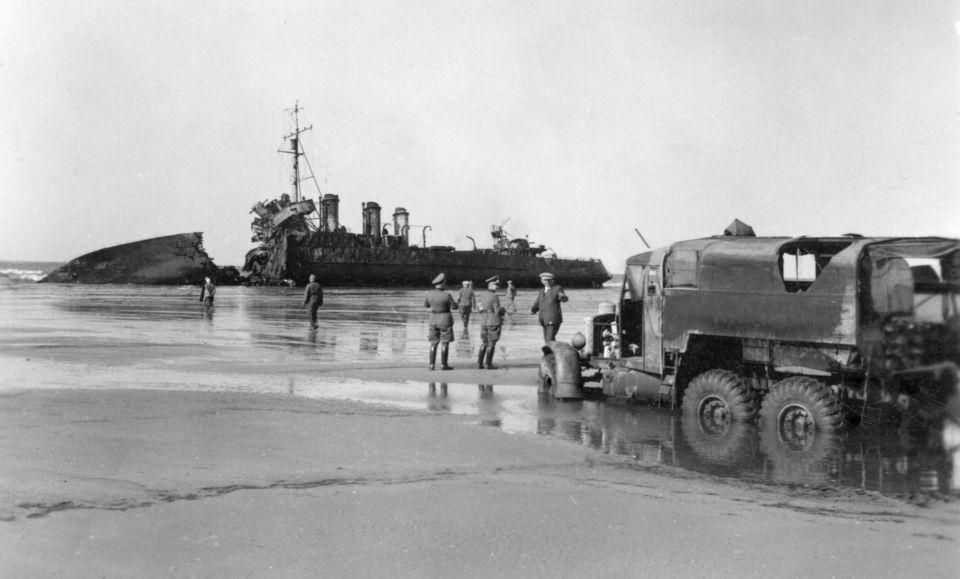
If you only know Dunkirk from the movie, this tour is the shortcut to understanding the real thing. From May 26 to June 4, 1940, Dunkirk became the stage for the largest evacuation in military history: 338,000 Allied soldiers pulled off from beaches and ports using a flotilla of more than 800 ships.
What makes this experience work is that it moves in the direction the soldiers moved. You’re not stuck in one spot reading plaques. Instead, you’re guided through the evacuation “chain”—where men tried to escape, where they could be loaded, and why some places mattered more than others.
The other big reason to do it with a guide: the route is built to connect the dots. Guides bring not just facts, but the why behind the choices—how the geography, the timing, and the urgency shaped what happened. And if you’re a film fan, you’ll appreciate how the tour can layer in the Christopher Nolan / July 2017 film reference points so you can match on-screen intensity to real-world locations.
This tour is set up as a private group, and transport is comfortable. Many people also felt the guides brought serious depth, not just a script.
You can also read our reviews of more tours and experiences in Dunkirk.

How the 2-hour format keeps it focused (and a bit intense)
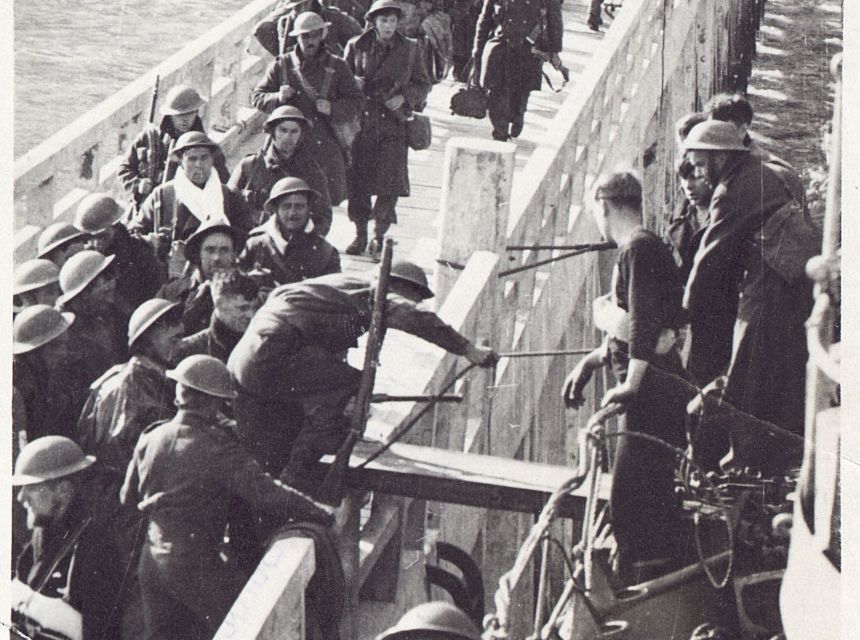
This isn’t a half-day “let’s see Dunkirk” stroll. It’s a 2-hour route designed to hit the key sites tied to Operation Dynamo. You’ll ride around Dunkirk on a coach, or in a car if you book the individual VIP option. Either way, you’re spending more time at meaningful points and less time figuring out how to get between them.
The stops are designed to create a clean storyline:
- evacuation beaches
- Dunkirk port, centered on the East Mole
- British memorial and cemetery
Expect some walking. It’s not described as a long hike, but you will move at least enough to reach viewpoints and memorial areas comfortably. Wear shoes you’d actually trust on uneven ground near the waterfront.
The upside of this tight timeline is value. For $188 per group (up to 20 people), you’re getting a live guide and transportation coverage (if you select the vehicle option), plus the structure to make sense of what you see. The downside is simple: you can’t also do a museum visit in the same window without sacrificing time at another stop. If you’ve got museum plans, think about what you want most: artifacts in a building, or sites on the ground.
The evacuation beaches: quiet sand, loud history
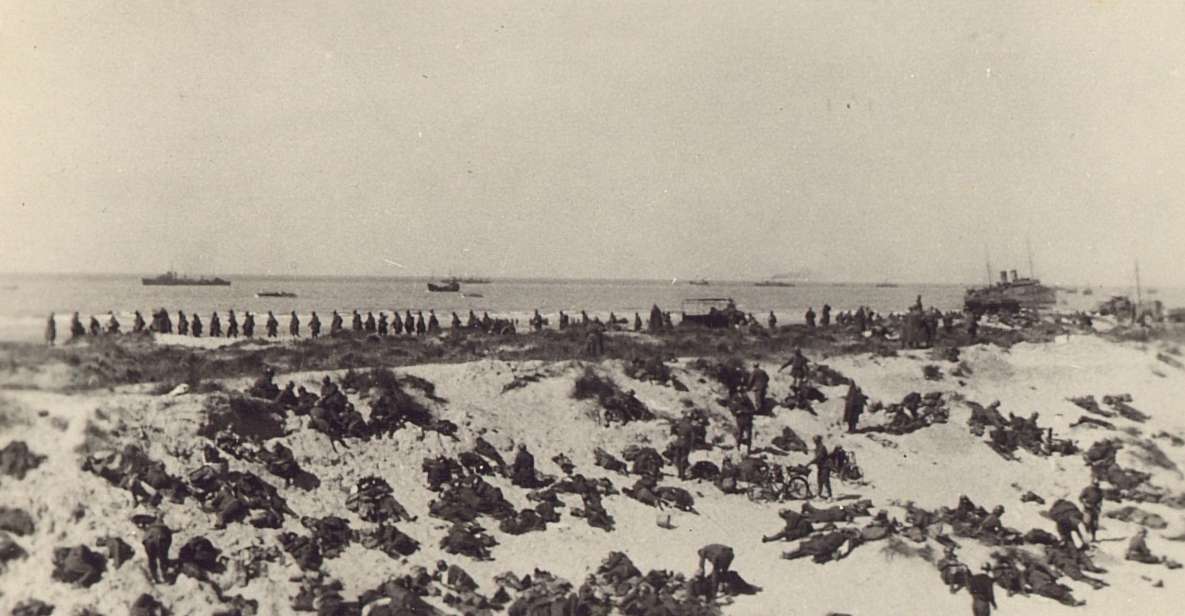
The tour starts with the evacuation beaches. Today, the wide sandy areas are peaceful. That calm is exactly why this stop hits: spring 1940 was not peaceful. Imagine being in the BEF—hoping desperately to get onto one of the Dunkirk Little Ships while the situation worsens by the hour.
Your guide will help you connect the dots: how these beaches weren’t just “a place where soldiers were,” but part of a time-sensitive system of departures. You’ll likely hear about why soldiers ended up where they did, how the evacuation flow changed, and what it meant to be waiting for an opening that might never come.
What I’d suggest you do at this stop is slow down for one moment. Don’t just take photos. Pick one spot on the beach line and ask yourself: if you were standing here, where would you have tried to move next? A good guide makes you think like a person in motion, not like a spectator.
If you’re also a movie fan, this is where the film references can start paying off. Even when you’re not matching a specific shot, you begin to recognize why the film’s sense of scale and urgency looks the way it does on screen.
The port and the East Mole bunker: where departures concentrated
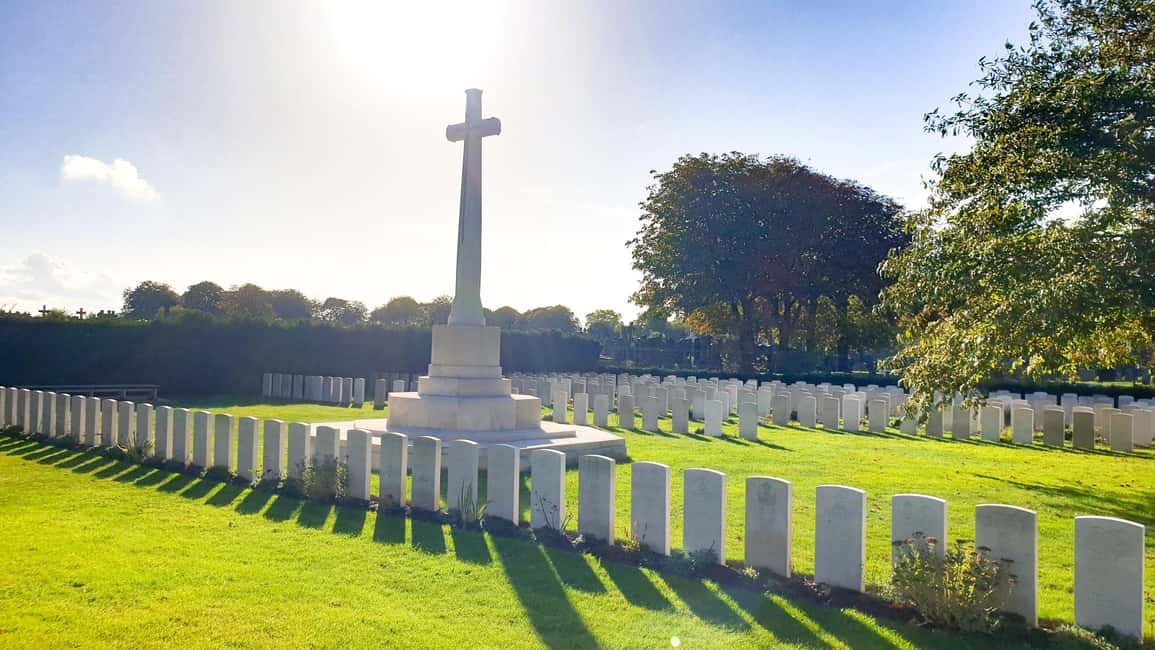
Next comes the port, with a focus on the East Mole. This is the point where most of the soldiers were evacuated. The stop isn’t just theoretical; you’ll stop at an impressive bunker built by the Germans during the occupation, with a preserved section of the original East Mole still visible.
This part of the tour is valuable because it shows how the evacuation wasn’t random. It concentrated toward infrastructure—areas that could support loading and movement. Even if you don’t consider yourself a “port person,” you’ll leave with clearer mental geography: which zone likely fed departures, and why some areas became more central than others.
When you’re standing near preserved structures like this, it’s also a reminder that war history is layered. The evacuation story is Allied, but it happened under German occupation conditions. The bunker stop gives you that context without turning the tour into a lecture.
If you want to compare movie scenes, the port area is often where the film’s sense of staging makes the most sense. You can see how cinematic framing comes from real lines, real angles, and real movement space.
The British Memorial and cemetery: the names you can’t place
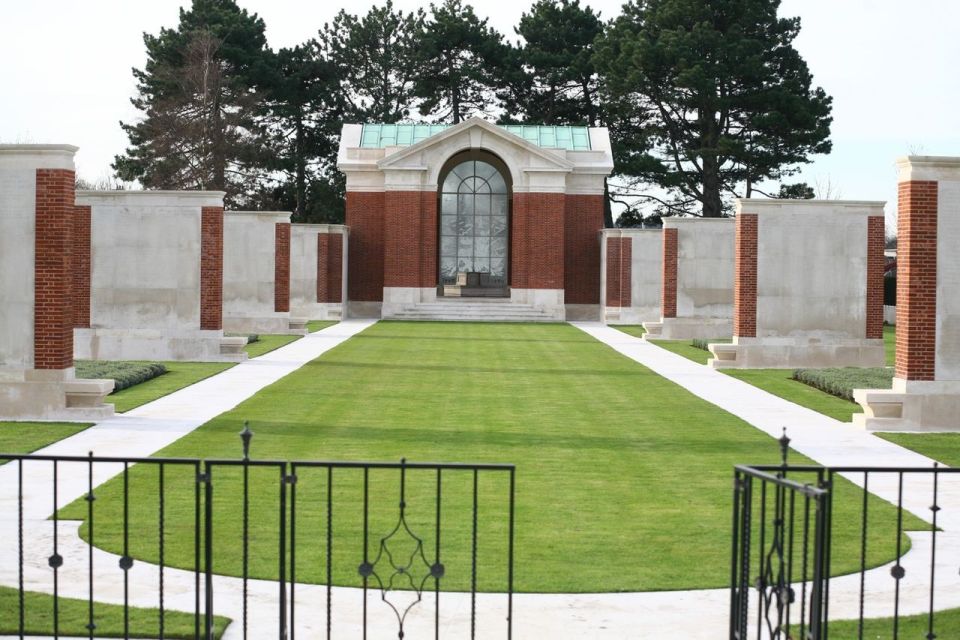
No Dunkirk tour feels complete without the British Memorial and cemetery. The British Memorial commemorates 4,528 members of the British Expeditionary Force who died in 1940 and have no known grave. Right beside it is a cemetery with 810 graves of British soldiers, many of them killed defending the perimeter during the May–June 1940 evacuation operations.
This stop matters because it turns numbers into a human boundary. You’re not looking at a battlefield diagram. You’re looking at remembrance shaped by uncertainty—what it means when you can’t recover remains, and the way memory tries to do the job the earth couldn’t finish.
A good guide will give you the background clearly, and many people praised guides for making this emotional without making it vague. It’s also one of those stops where visuals help. Some guides bring materials such as photo booklets to match key moments to where you’re standing, which can make the explanation easier to track while you’re reading and looking around.
Tip for this stop: don’t rush. Even if you’re short on time, give yourself a few minutes to read and absorb. The rest of the tour will feel stronger because you’ll understand what these places represent.
Movie filming locations: why the Dunkirk tie-in works
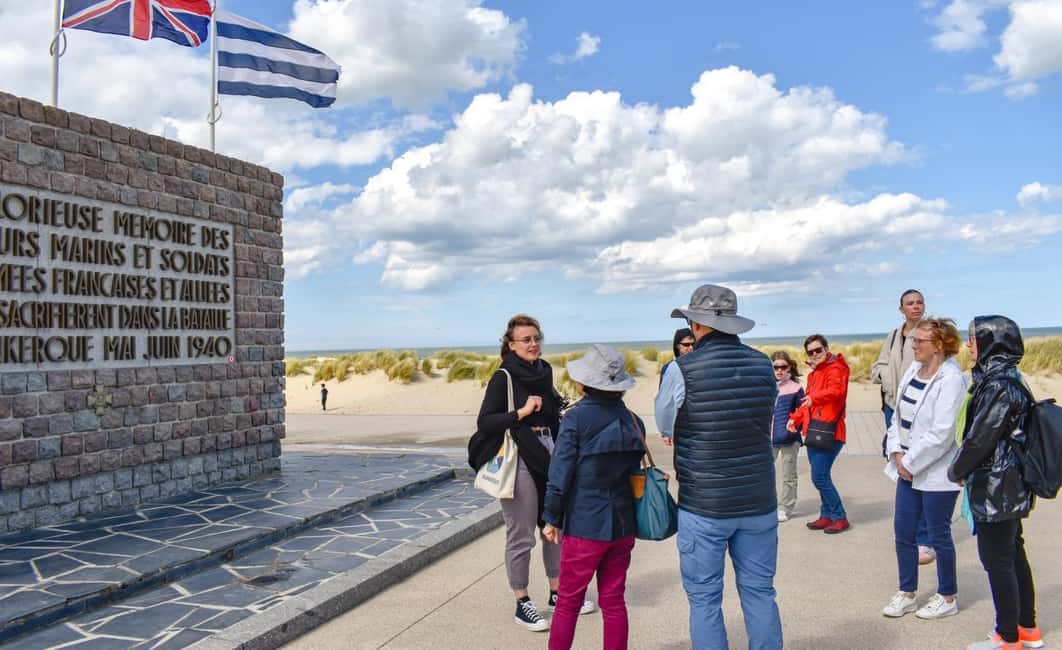
One of the most practical reasons to consider this tour is that it can include locations where the movie Dunkirk was filmed. The film came out in July 2017, directed by Christopher Nolan. If you’ve watched it, the on-screen chaos and scale can stay stuck in your head—so it’s natural to want to know where the scenes map to real ground.
Here’s how the movie element becomes more than “cool trivia.” It helps you build spatial memory. When you stand at a real evacuation beach, the film’s framing stops feeling like abstract intensity and starts feeling like a representation of specific geography and movement problems.
It also creates a fair comparison. The movie is a crafted narrative. The tour gives you the historical route. Together, you get a better sense of what the film emphasizes—urgency, uncertainty, and separation—and what the real story adds: the system, the concentration points, the memorial outcomes.
If film locations are important to you, just make sure your guide knows that’s a priority so the route includes that angle during your 2-hour timing.
Who this tour is best for
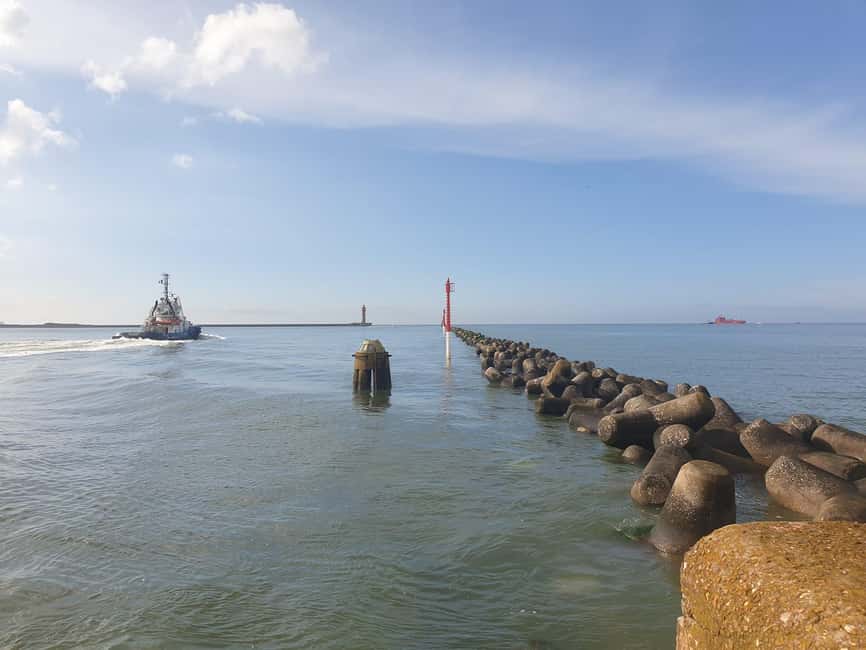
This is a strong choice if you want WW2 context without trying to DIY your way through Dunkirk sites on limited time. It’s also ideal for:
- film fans who want the real ground behind what they saw
- history-minded travelers who prefer guided structure
- couples and small groups who want a private group experience
- anyone visiting Dunkirk briefly and wanting the core Operation Dynamo stops
It can also work well for families, since the tour hits major sites and many guides are praised for making it engaging for younger history lovers. If you’re traveling with a child, bring patience for memorial stops—they’re moving, and children will remember that tone.
If you’re the type who only wants museums, you might find this tour’s focus more site-based than artifact-based. In that case, you’d likely pair it with a museum visit on a different day, if your schedule allows.
Price and value: $188 per group, but what you’re really paying for
At $188 per group up to 20 for 2 hours, the price isn’t just about getting from A to B. You’re paying for:
- a live guide to explain what you’re seeing
- structured stops tied directly to Operation Dynamo
- transportation (coach, or car for the individual VIP option)
- the option to tie in the movie locations
The value shows up fastest if you’re short on time or don’t know the geography yet. Doing this on your own can turn into a half-day of searching, driving, and guessing what matters most. With the tour, you’re guided through the points that connect into one story.
In other words: the cost isn’t just transportation. It’s interpretation plus logistics, which is exactly what makes it worth it for many people with tight itineraries.
Practical tips so your visit feels smooth
- Bring comfortable shoes. You will do some walking, including memorial areas.
- Dress for coastal weather. Even if it looks calm outside, the coast can surprise you.
- If film locations matter, mention it early so the guide can shape the route inside the 2-hour window.
- For the memorial stop, plan to spend a little quiet time. It lands harder when you slow down.
And if your guide includes visual aids—some guides use photo booklets—take a moment to look at those visuals before you start the next site. It helps you track what you’ll see.
Should you book the Dunkirk Operation Dynamo tour?
Yes—if you want the fastest way to understand how Operation Dynamo unfolded on the ground, this is the kind of tour that makes Dunkirk click. The strongest reason to book is the combination of site-based history (beaches, East Mole, memorials) and the option to connect it to the Dunkirk movie.
Skip it or consider a different plan if you have a very narrow interest (like only wanting a museum collection) or if your schedule is so tight that you can’t handle a 2-hour focused route with a bit of walking. But for most visitors—especially first-timers—this is a practical, moving way to spend a short time in Hauts-de-France.
FAQ
How long is the Dunkirk: Operation Dynamo and Battlefield of Dunkirk Tour?
The tour lasts 2 hours.
What sites are included during the tour?
You’ll visit evacuation beaches, the port area including the East Mole (with a preserved German-built bunker section), and the British Memorial and cemetery.
Will the tour include filming locations from the movie Dunkirk?
The tour can include locations where the movie Dunkirk was filmed.
Is food and drink included?
No. Food and drinks are not included.
Is this tour fully guided?
Yes. The experience includes a live guide and is offered in English and French.
Do I need a car of my own?
Transportation is handled. The tour runs on a coach, or you can choose an individual VIP option using a car (if selected).
Is there walking involved?
Yes. This activity includes some walking.
Can I cancel for a full refund?
There is free cancellation up to 24 hours in advance for a full refund.