REVIEW · BAYEUX
Normandy World War II Private 2 Hours Sidecar Tour From Bayeux
Book on Viator →Operated by Normandy Time Riders, D-Day Sidecar Tours · Bookable on Viator
Sidecar runs beat bus tours on D-Day. This private Normandy ride from Bayeux keeps your guide focused on you, with Omaha Beach and the American Cemetery as the core stops. You also get a simple game plan: quick Bayeux start, a full coast-and-cemetery visit, then time for optional cider before heading back.
I especially like the included gear—gloves, a helmet, and motorcycle glasses—because it makes the ride feel ready from minute one. I also like that the tour is built for real weather, with rain gear if conditions turn wet, so you’re not stuck waiting around.
One consideration: it’s a tight time window (about 2 to 2½ hours), so you’ll get meaningful highlights but not a long museum-style day. If you’re sensitive to wind or cool air, dress accordingly, because the open-air sidecar ride can feel brisk.
In This Review
- Key things that make this sidecar tour worth your time
- Why a motorcycle sidecar beats a car tour for D-Day
- Getting to Normandy World War II sights from Bayeux Tourist Office
- Stop 1 in Bayeux: a quick start with your bearings
- Omaha Beach: time on the sand plus clear June 6 context
- The American Cemetery at Colleville-sur-Mer: why 50 minutes feels right
- Ferme de la Sapinière and optional cider tasting in Normandy
- Passing back through Bayeux: cathedral glimpses and medieval streets
- The guide makes the difference: Thierry and Manuel’s style
- Gear, weather, and comfort tips that actually matter
- Price and value: what $159.50 buys you in Normandy time
- Who should book this sidecar tour (and who might not)
- Should you book this Normandy World War II sidecar tour?
- FAQ
- How long is the Normandy World War II private sidecar tour from Bayeux?
- What does the tour cost?
- Is the tour private, and is it offered in English?
- What riding gear do you get?
- Do you ride in the rain?
- How much time do you spend at Omaha Beach and the American Cemetery?
- Is cider tasting included?
- Where do you meet, and do you get pickup?
- What’s the cancellation and weather policy?
Key things that make this sidecar tour worth your time

- Private pacing: your group gets the guide’s full attention the whole way
- Safety-ready add-ons: gloves, helmet, and motorcycle glasses are included
- Rain plan included: rainwear is provided if the weather shifts
- Focused battlefield stops: Omaha Beach plus a 50-minute American Cemetery visit
- Optional local break: cider tasting can be added at Ferme de la Sapinière
- Bayeux feel built in: you start and end in the center, with a final look at the cathedral area
Why a motorcycle sidecar beats a car tour for D-Day

D-Day sites are powerful, and you want a format that helps you slow down when it matters. A sidecar tour does that by giving you a different pace than a bus or a quick stop-and-go drive. You’re closer to the coastline roads and the Normandy countryside, and it’s easier to look around and take it in while your guide explains what you’re seeing.
The second big win is control. A private tour means your guide can manage the timing so the ride doesn’t feel rushed, and the stops don’t feel like a checklist. That matters at Omaha Beach and at the American Cemetery, where the setting deserves time to absorb, not just a photo.
You can also read our reviews of more private tours in Bayeux
Getting to Normandy World War II sights from Bayeux Tourist Office
You meet next to the Bayeux Tourism Office at Rue Saint-Jean, in central Bayeux. Pickup is offered, and the ride design is simple: you’ll head out with your group and return to the same meeting point at the end. The tour runs in English, so the explanation and wayfinding stay clear without you needing to read along with a guidebook.
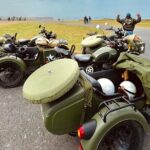
The operator also provides the riding essentials. You get gloves, a helmet, and motorcycle glasses, which is more practical than it sounds if you’re dealing with sun, wind, or even light rain. Your guide also shares rain gear when the forecast changes, so you’re not stuck canceling your plans at the first gray cloud.
Stop 1 in Bayeux: a quick start with your bearings

The tour begins in Bayeux, at the starting point by the tourism office. There’s about 20 minutes here, and the value is orientation: you’re not just hopping onto a vehicle; you’re getting positioned for what comes next.
Bayeux is a real town, not just a departure point, so this short start helps you feel the place early. If you arrive a little early, you’ll likely have a chance to take a first look around before you roll out.
What to watch for: because this is a quick segment, don’t plan to use this time for major sightseeing. Think of it as a reset button—your guide helps you understand the route and what to expect as you move toward the coast.
Omaha Beach: time on the sand plus clear June 6 context
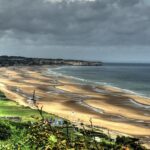
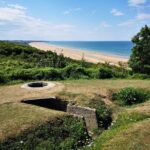
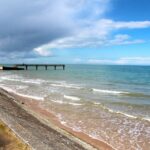
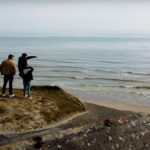
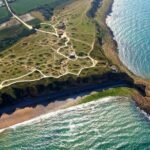
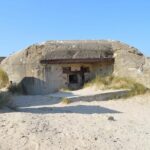
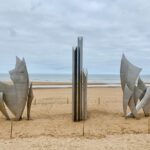
Omaha Beach is where history becomes physical. You’ll spend about 30 minutes here, with your guide explaining what happened on June 6, 1944, as part of Operation Overlord. The key is how the story is told: how American troops landed under enemy fire, how obstacles and heavy casualties shaped the battle, and how the operation’s outcome mattered for the liberation of Europe.
The beach setting gives you a different kind of understanding than reading alone. Standing on the sand, seeing the shoreline shape, and hearing the timeline in context helps you connect the events to the ground you’re standing on. It also makes the memorial visits feel more grounded, because you’ve already “met” the battlefield first.
Possible drawback: 30 minutes is enough for meaningful perspective, but it won’t replace a longer independent visit for people who want to study every feature. If you love extra time at D-Day sites, plan your free time in Bayeux or the coast for another half day after this tour.
The American Cemetery at Colleville-sur-Mer: why 50 minutes feels right
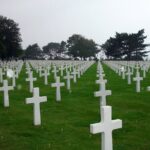
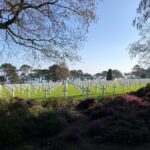
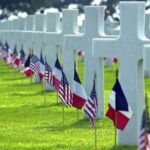
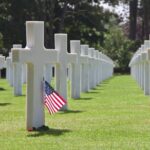
Next comes the American Cemetery at Colleville-sur-Mer, with about 50 minutes on site. This is one of the most moving WWII stops in Normandy, and the layout does a lot of emotional work for you: white marble crosses in careful rows and Stars of David among the markers.
What makes this visit especially important is what it represents. The cemetery honors over 9,000 Allied soldiers who died during the Normandy campaign. The memorial also bears the names of over 1,500 missing soldiers, which adds a second layer beyond the graves: it’s about lives lost and the people still remembered.
Here’s the practical reason the timing is so valuable: the cemetery needs quiet attention. A private guide helps keep you respectful and organized—so you can focus on what you’re seeing instead of constantly checking where to go next. You’ll likely find it’s easier to absorb the scale when you’re not managing a group or following a rush.
A few more Bayeux tours and experiences worth a look


Ferme de la Sapinière and optional cider tasting in Normandy
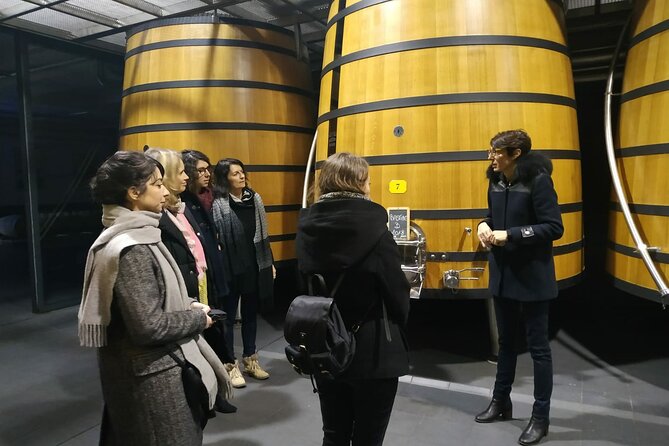
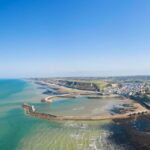
After the coast and cemetery, the tour includes a break in the countryside at Ferme de la Sapinière. You’ll have about 30 minutes here, and cider tasting is optional.
This stop works as a palate cleanser—mentally and physically. Normandy isn’t only wartime; it’s also farms, apples, and the slow craft of cider-making. Ferme de la Sapinière traces cider tradition back to the 16th century, and it’s connected to the local story of nearby Château de la Percée, which helps explain why cider is more than a drink here.
If you choose to taste, treat it like a short cultural detour rather than a long food tour. It’s time to slow down, taste local apples, and get a small reminder that life carried on long after 1944.
If you don’t do cider, don’t worry—you’ll still get the countryside stop and a change of pace before returning toward Bayeux.
Passing back through Bayeux: cathedral glimpses and medieval streets

On the way back, the tour includes a brief look through Bayeux again, about 20 minutes, finishing at the meeting point. This is the “wrap-up” moment where your brain has shifted from battlefield focus back to town life.
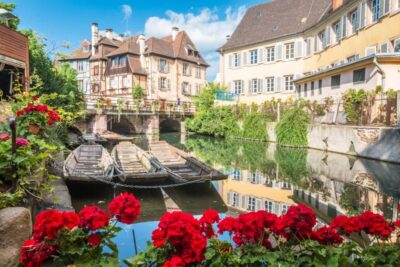
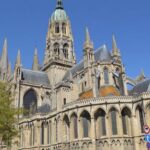
You’ll get views of Bayeux Cathedral, dating back to the 11th century, plus quick glimpses of the old streets with timber-framed houses. It’s not a long wander, but it’s a satisfying contrast: solemn history on the coast, then a reminder of everyday Normandy back in town.
If you want more, you’ll know where to return on your own time. Use this stop as a preview and bookmark what you’d like to revisit.
The guide makes the difference: Thierry and Manuel’s style
A private tour lives or dies on your guide’s ability to explain clearly without turning the sites into a lecture. In this experience, guides like Thierry and Manuel come through in how they handle both the story and the mood—friendly and approachable, but still respectful when you’re standing on sacred ground.
I like that the ride isn’t only about facts. It’s also about how the guide connects the dots between the countryside roads and what the battle means on the ground. That’s where a sidecar format helps too: you’re seeing more of the region as you travel, not just staring out of a car window.
Practical note: because the tour is private, you can ask quick questions as you go. That flexibility is one reason people love this style of tour for both first-timers and repeat Normandy visitors.
Gear, weather, and comfort tips that actually matter
This tour isn’t just “get on a motorcycle.” It’s designed to keep you comfortable enough to enjoy the experience. You get gloves, a helmet, and motorcycle glasses, which helps with wind and weather exposure. If rain shows up, rain gear is provided.
Still, you should dress like you’re going to be outdoors on a moving ride. Wear layers you can adjust, and bring something warm even in shoulder season. If you’re prone to getting chilly, plan for it—short ride time doesn’t erase wind.
Also, if you’re riding with kids, the sidecar can be a fun way to make history feel less like a school day. You’ll want to keep an eye on helmets and comfort, but the overall format is built to make the experience feel safe and structured.
Price and value: what $159.50 buys you in Normandy time
At $159.50 per person, this isn’t the cheapest way to see Omaha Beach. But it also isn’t trying to be. You’re paying for three main things:
First, you’re paying for privacy and your guide’s full attention. That cuts the “waiting and regrouping” time you lose in larger tours, and it makes questions easy.
Second, you’re paying for the transport style. The sidecar ride changes how you experience the route, not just how you get from point A to B. Getting closer to sights than you’d be able to on a standard car tour is part of the value here.
Third, you’re paying for the time efficiency. In about 2 to 2½ hours, you hit Bayeux, Omaha Beach, the American Cemetery, and a quick Normandy countryside stop with optional cider. If you’re short on days, that’s a real win.
Bottom line: if you want a standard bus tour, you’ll likely feel this is priced high. If you want a more personal, memorable format that adds actual value to how the sites are experienced, this is strong value for the time you have.
Who should book this sidecar tour (and who might not)
Book it if you want WWII history with a different feel—private, structured, and timed to keep you from feeling rushed. It’s a great match for couples, solo travelers who like meeting the guide at the center of things, and families who want a day highlight that isn’t only museums.
Book it if you like the outdoors and don’t mind a bit of wind. This is also a solid choice if you prefer a quick but meaningful itinerary rather than a full day of driving and long stops.
Consider skipping or adjusting expectations if you need long stays at each site. This tour is built around concise stops and clear explanations, not all-day wandering. Also, even with rain gear, the experience depends on good weather conditions.
Should you book this Normandy World War II sidecar tour?
If your dream Normandy day includes Omaha Beach plus the American Cemetery, and you want to see the region by sidecar rather than a standard vehicle, I think this is an easy yes. The included gear, the private guide attention, and the realistic timing make it feel like a highlight that fits into a busy trip.
If you’re unsure, decide based on your style. If you enjoy fast, personal tours that combine driving, explanation, and short stops, you’ll probably love it. If you prefer slow museum time and long independent wandering, you may want to pair this with additional free time afterward.
FAQ
How long is the Normandy World War II private sidecar tour from Bayeux?
It runs about 2 hours to 2 hours 30 minutes.
What does the tour cost?
The price is $159.50 per person.
Is the tour private, and is it offered in English?
Yes, it’s private, and it’s offered in English.
What riding gear do you get?
Gloves, a helmet, and motorcycle glasses are included.
Do you ride in the rain?
Your guide provides rain gear if needed, and the tour requires good weather, so poor weather can affect the schedule.
How much time do you spend at Omaha Beach and the American Cemetery?
You’ll have about 30 minutes at Omaha Beach and about 50 minutes at the American Cemetery.
Is cider tasting included?
Cider tasting is optional at Ferme de la Sapinière.
Where do you meet, and do you get pickup?
You start next to the Bayeux Tourist Office on Rue Saint-Jean, and the activity ends back at the meeting point. Pickup is offered.
What’s the cancellation and weather policy?
You can cancel for a full refund if you cancel at least 24 hours before the experience starts. If it’s canceled due to poor weather, you’ll be offered a different date or a full refund.