REVIEW · BAYEUX
Normandy Battlefields Tour – American Sites (A3)
Book on Viator →Operated by Normandy Sightseeing Tour · Bookable on Viator
D-Day sites, in one tight day. You’ll cover the American landing story around Bayeux with a small-group van plus included entry tickets at key memorials.
The big win is how the stops connect: you’re not just looking at views, you’re learning why each place mattered (and asking questions along the way).
One catch: it’s a long, packed day. If you want a slow stroll, extra restroom breaks, or deep museum time at every stop, you’ll need to manage your expectations.
In This Review
- Key things you’ll love
- Getting There From Bayeux: the 8:30 Start That Shapes Your Day
- Van Time With a Real Guide: What the Best Days Feel Like
- Stop by Stop: How Each Site Adds a Piece of the American D-Day Story
- Sainte-Mère-Église Church: The Town as a Battlefield
- Airborne Museum: Why the Invasion Started in the Air
- La Cambe German War Cemetery: Context You Shouldn’t Skip
- Pointe du Hoc: The Attack on the Cliffs That Changed the Plan
- Utah Beach and Omaha Beach: Standing Where the Plan Met Reality
- Cimetiere Americain de Colleville-sur-Mer: The Final Landing Memory
- How the Timing Works: Expect Walking, Not a Museum Marathon
- Price and Value: Why This One Can Be a Smart Deal
- Tips That Make a Difference (and Save You Stress)
- Who This Tour Suits Best
- Should You Book This Normandy American Battlefields Tour?
- FAQ
- FAQ
- Where does the tour start?
- What time does the tour begin?
- How long is the tour?
- Is hotel pickup included?
- Does this tour return to Bayeux?
- Are meals included?
- Are admission tickets included?
- How many people are in the group?
- Is the tour offered in English?
- Can I bring a service animal?
- What’s the cancellation window for a full refund?
Key things you’ll love
- Max 8 travelers keeps it personal, not like herding cats in a coach
- Included admission tickets at every major stop help you move efficiently
- Guides with strong track records were repeatedly praised, including names like David, Sophie, Louie, Emma, Gaetan, and Jack
- Pointe du Hoc + Omaha Beach give you a real sense of the plan—and the chaos
- Memorial stops on both sides (like La Cambe) add needed context without being preachy
- Pickup and drop-off in Bayeux make logistics easier than most Normandy day trips
Getting There From Bayeux: the 8:30 Start That Shapes Your Day
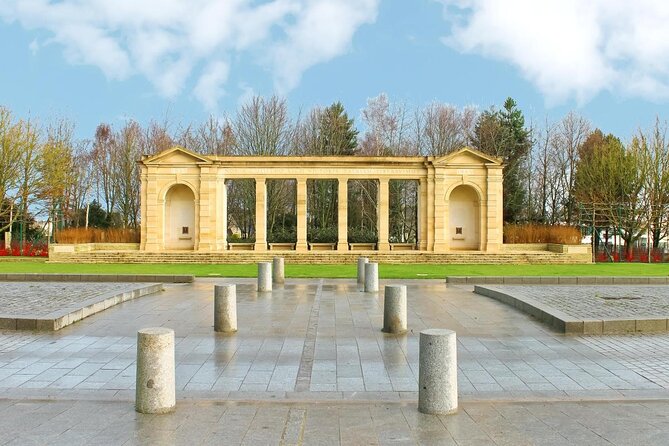
This tour is built around one practical base: Bayeux. It’s a 9-hour day that starts at 8:30 am, so you’ll begin early and spend your daylight on the most important American-sector sites.
Hotel pickup is included—but only for the 8:30 am option, and only from hotels/accommodations in Bayeux. There’s no pickup from Paris on this one, so plan your travel into Bayeux accordingly. The tour returns to Bayeux around 6:00 pm, which matters if you’re trying to coordinate dinner or the next day’s plans.
Because it’s a small group (maximum 8), the minivan ride feels focused. You’re not waiting forever for late arrivals, and you can hear the guide during the drive better than on big buses. That matters because the car time is where the tour starts “making sense.”
You can also read our reviews of more tours and experiences in Bayeux.
Van Time With a Real Guide: What the Best Days Feel Like
The difference between a good battlefield tour and a great one is usually what happens between the stops. This is where a strong guide earns their paycheck.
Across the experience, guides were repeatedly praised for staying engaged and for doing more than reciting dates. People highlighted how guides like David and Louie were patient with questions, and how Sophie and Emma went above and beyond in small ways (like helping with a last-minute video moment at a memorial).
I also think you’ll appreciate the tone you get from a smaller group. With fewer people, it’s easier to ask why something failed, how reinforcements shifted, or what to look for while you’re standing in the grass and concrete.
Practical tip: bring a power bank. One review mentioned a phone running out of battery near the end of the day—easy fix, big regret avoided.
Stop by Stop: How Each Site Adds a Piece of the American D-Day Story
Sainte-Mère-Église Church: The Town as a Battlefield
This is where Normandy feels real as a place, not just a map. Sainte-Mère-Église is famous for what happened there, and the church stop gives you a built-in reference point for the surrounding area.
You’ll have about an hour here, including admission ticket. That’s enough time to get your bearings, read the key context, and then connect it to what comes next as you head toward the coast and the landing points.
The main value is pacing. Many Normandy tours open with “big beach views” right away. This one starts by grounding you in the human scale—churches, streets, and the kind of local geography that invasion forces had to navigate.
Airborne Museum: Why the Invasion Started in the Air
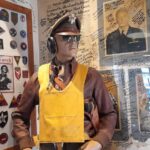
An airborne museum stop is a smart choice because it explains the operation behind the beaches. You get about an hour here with admission included, which means you’re not guessing at the role of paratroopers.
This is also a place where you can quickly raise your understanding from basics to “I get it.” One review even suggested doing a little D-Day study before you go; I agree. Even a simple pre-read helps you catch more details while you’re standing inside.
If you’re the type who likes diagrams and visual explanations, you’ll likely enjoy this stop. One guide, Naomi, was specifically praised for bringing maps and pictures to help explain what you were seeing.

La Cambe German War Cemetery: Context You Shouldn’t Skip
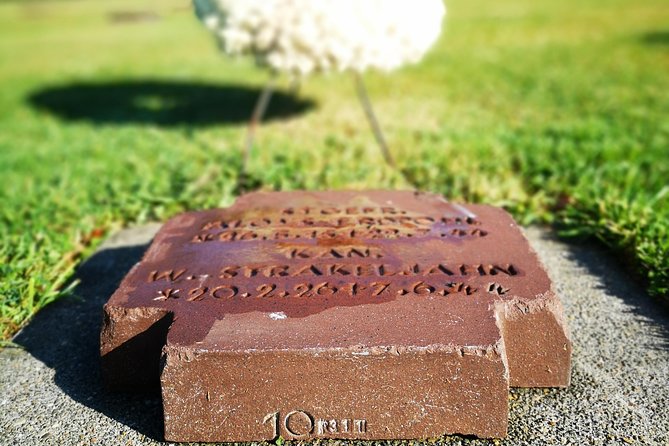
This stop is emotionally heavy in the right way. La Cambe is a German war cemetery, and including it helps prevent the American story from floating in isolation.
You’ll get around an hour. That’s time to slow down, read names, and remember that the cost wasn’t one-sided. Reviews describe this tour as heart breaking—not in a melodramatic way, but as a reminder that the outcome came with unbearable human loss.
If you’re worried about spending too long at cemeteries: don’t. The timing is tight, but the hour gives you enough space to be respectful without turning the day into a long mourning session.
Pointe du Hoc: The Attack on the Cliffs That Changed the Plan
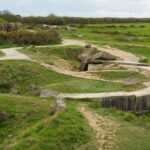
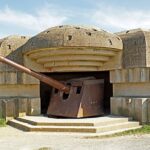
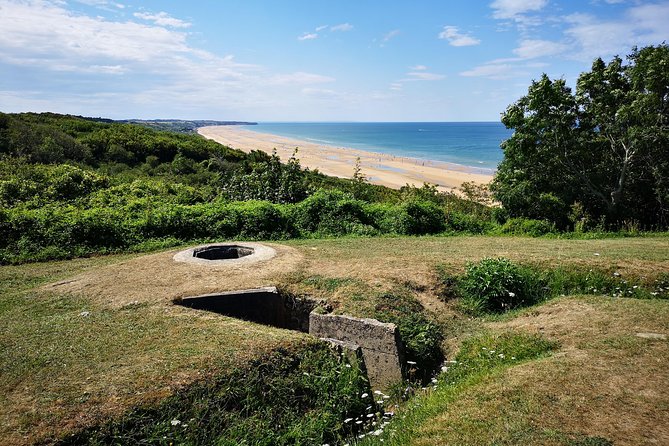
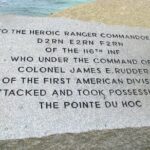
Pointe du Hoc is the kind of stop that snaps your understanding into focus. It’s a critical German outpost, attacked by US forces, and you’ll spend about an hour there with admission included.
This is where you start looking at the terrain like an operator: where guns could be placed, why the cliffs mattered, and why the fighting here had ripple effects. One review noted the guide explained how things didn’t go exactly as planned—and how attackers adapted by shifting to support the broader landing outcome.
You may find yourself wishing you had more time on the spot. But honestly, the one-hour block is the right length for staying sharp. You’ll want to see it, understand it, then move before your brain gets fried from too much information in one place.
Utah Beach and Omaha Beach: Standing Where the Plan Met Reality
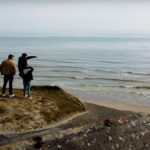
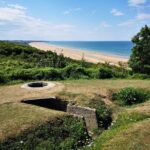
The highlight for many people is getting onto the beaches themselves—especially Utah Beach and Omaha Beach—and learning what happened there.
You’ll have about an hour at Omaha Beach, and you’ll also step onto Utah Beach as part of the American-sector route. This is where earlier stops pay off. When you understand the airborne strategy and the inland objectives, the beach terrain stops looking like a postcard.
Omaha is often the emotional peak of the day. One review described how the guide explained that Omaha’s landing was expected to fail, and how reinforcement actions from earlier assaults (connected to Pointe du Hoc) helped change the outcome. That kind of cause-and-effect explanation is exactly what you want while you’re looking at the shore.
Tip: at the beach, focus on sightlines and access points. Even if you’re not a military-history person, you’ll start to notice why small shifts in movement mattered.
Cimetiere Americain de Colleville-sur-Mer: The Final Landing Memory
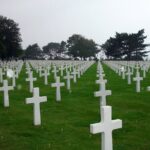
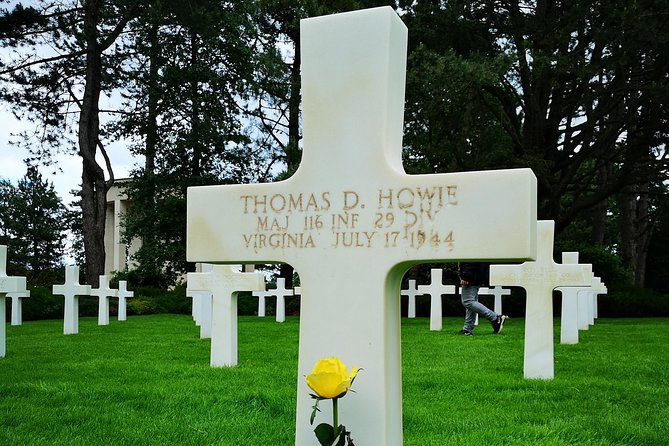
You’ll end the coastal section with the American cemetery at Colleville-sur-Mer, also about an hour with admission included.
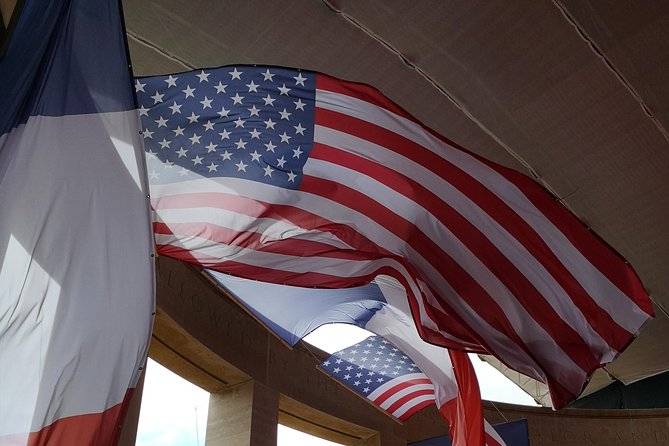
This stop works because it returns you to the human scale. In reviews, people called it moving and memorable, and one even mentioned a quick moment to capture a flag-lowering video during the visit. That’s the kind of detail that makes the place feel alive—not just historical.
I also like that you’re given time to pay respects properly. It’s not rushed through like a photo stop. The hour gives you space to read, reflect, and absorb.
How the Timing Works: Expect Walking, Not a Museum Marathon
This day is about rhythm: short blocks, meaningful stops, and driving time that turns landmarks into story. It’s roughly 9 hours, starting at 8:30 am and returning to Bayeux around 6 pm.
Plan for a lot of standing and some walking. Reviews repeatedly mention it’s a day you should plan for—like drinking from a firehose, even if you know some history already. That matches how the route is constructed: you’ll cover multiple key locations without long gaps.
If you’re traveling with someone who hates pace or can’t do uneven outdoor ground, you’ll want to think carefully before booking. One review noted mobility considerations, and that people still found the tour helpful because the information was structured. So it can work—but you should bring realistic expectations about how quickly you’ll move from place to place.
Price and Value: Why This One Can Be a Smart Deal
At $161.25 per person, this is not a budget throwaway. But it also isn’t just a guide for hire.
Here’s what you get that supports the value:
- Roundtrip transport by minivan within Bayeux
- Professional guide in English
- Admission tickets included at the listed stops
- Small group size (max 8), which usually makes questions easier and time feel less rushed
The parts you don’t get matter too. Food and drinks aren’t included unless specified, so you’ll need to budget for meals. That’s normal for Normandy battlefield tours, but it’s worth planning because the day is long.
One more value factor: you’re not just visiting icons. You’re getting connections between sites, which is where tours can justify their cost. Reviews praised guides for explaining what went right and what went wrong, and how events across locations affected each other.
Tips That Make a Difference (and Save You Stress)
A few practical things will make your day smoother:
- Arrive early and confirm the van meeting spot. One review said it was a bit confusing to find the exact meeting location; arriving a few minutes early reduces stress.
- Bring a charged phone and a power bank. You’ll want photos and videos, especially at memorial moments.
- Dress for outdoors. Normandy weather can shift fast, and you’ll be outside at multiple stops.
- Use the group Q&A time. Smaller groups mean you’ll actually get questions answered, so don’t hold back.
- Bring patience for tight timing. One review wished some stops were a little shorter, but the overall structure still feels well paced for seeing a lot in one day.
Also, if you’re someone who struggles to hear in outdoor conditions, keep in mind that one review wished they had headsets. That doesn’t mean you won’t hear fine, but it’s a reason to show up ready to manage audio (and to ask the guide what they recommend on the day).
Who This Tour Suits Best
This works especially well if you:
- Want a guided American-sector overview without driving yourself between scattered sites
- Like a small group and real time for questions
- Are curious about the “why” behind each location, not just the “where”
- Plan to be emotionally present at memorial cemeteries
If you’re the type who loves long, quiet museum time and slow pacing, you may prefer a multi-day trip with fewer stops. But if your goal is a powerful first Normandy visit, this gives you a strong hit of the core sites.
Should You Book This Normandy American Battlefields Tour?
I’d book it if you want a focused, first-timer-friendly way to see the American D-Day story with included entry and transport from Bayeux. The small group size and repeated praise for guides like David, Sophie, Louie, Emma, Gaetan, Jack, and Naomi point to the same thing: the experience depends on the guide, and this one clearly aims to deliver.
Don’t book it if you hate long days, want an unhurried pace, or need lots of downtime between stops. The route is packed by design, and you’ll feel it.
FAQ
FAQ
Where does the tour start?
The tour starts in Bayeux, France, with pickup offered from your hotel/accommodation in Bayeux for the 8:30 am option.
What time does the tour begin?
The start time is 8:30 am.
How long is the tour?
It’s listed as approximately 9 hours.
Is hotel pickup included?
Yes, pickup is offered in Bayeux for the 8:30 am option (hotel pick up only for that option).
Does this tour return to Bayeux?
Yes. The tour returns to Bayeux around 6:00 pm.
Are meals included?
No. Food and drinks are not included unless specified.
Are admission tickets included?
Yes. Admission tickets are included for the stops listed on the tour.
How many people are in the group?
The tour has a maximum of 8 travelers.
Is the tour offered in English?
Yes, it’s offered in English.
Can I bring a service animal?
Yes, service animals are allowed.
What’s the cancellation window for a full refund?
You can cancel up to 6 days in advance for a full refund.
If you’d like, tell me your travel month and whether you prefer more walking or more museum time, and I’ll help you decide if this pacing fits your style.