REVIEW · BAYEUX
Bayeux: Band Of Brothers Full-Day Tour
Book on GetYourGuide →Operated by HQ COMPANY TOUR · Bookable on GetYourGuide
Easy Company’s footsteps feel close here. This small-group Normandy tour tracks the story of the men behind Band of Brothers as you move from Omaha Beach to Carentan, with maps and photos helping the battle make sense on the ground.
What I like most is how the guide uses the terrain like a lesson plan: defenses at Omaha, the cliff raid at Pointe du Hoc, and the airborne chaos at Sainte-Mère-Église all get tied to specific actions. I also love the practical touches, like headsets for clear commentary and a tight group of up to 7 people, so you’re not shouting over traffic while trying to take in something heavy.
One thing to consider: this is a long, outdoor day and it’s not suitable for people with mobility impairments, with lots of time spent walking on uneven battlefield ground. Bring good shoes, and expect the tour to run rain or shine.
In This Review
- Key Points You’ll Feel During the Day
- From Place de Québec to Omaha Beach: why the day starts at the waterline
- Omaha Beach to the Normandy American Cemetery: where the facts turn personal
- Pointe du Hoc: bomb craters, bunkers, and the story of the 2nd Rangers
- Sainte-Mère-Église and the airborne chaos: liberation starts in a church tower
- Marmion Farm and Easy Company: the “newsreel” moment on the ground
- Brecourt Manor and the guns at Utah Beach: seeing why one battle mattered
- Carentan: the crossroads that locks the show-to-ground connection
- Price and logistics: is $165 good value for this kind of day?
- What kind of traveler should book this Easy Company route?
- Should you book this Bayeux Band of Brothers full-day tour?
- FAQ
- How long is the Bayeux Band of Brothers full-day tour?
- Where do I meet for the tour?
- How big is the group?
- What language is the tour guide?
- What’s included in the price?
- Is lunch or other food included?
- Does the tour run in bad weather?
- What should I bring?
- Is the tour suitable for people with mobility impairments?
- Can I get a refund if I cancel?
Key Points You’ll Feel During the Day

- Omaha Beach is explained in plain terms with the German defenses and first-wave reality put into context
- The American Cemetery comes with weight: 9,000+ American servicemen and women resting behind Omaha
- Pointe du Hoc gets specific with the 2nd U.S. Ranger Battalion and Lt. Col. James E. Rudder’s cliff assault focus
- Sainte-Mère-Église anchors the airborne story as the first town liberated by American paratroopers
- Easy Company’s route is the thread linking Marmion Farm, the Brecourt Manor action, and the road at Carentan
- A group of 7 keeps it personal, and guides like Sophie, Michael, Gwen, Brigit/Bridget, and Pierre are praised for strong storytelling and pacing
From Place de Québec to Omaha Beach: why the day starts at the waterline

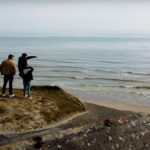
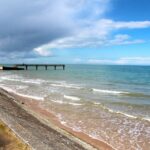
Your day begins at Place de Québec, and you’ll meet your van by looking for the HQ Company Tour sign on the front. Then it’s a short ride to Omaha Beach, where the tour wastes no time with atmosphere. The first guided stop is a focused look at the landings—when the 1st and 29th U.S. Infantry Divisions came ashore and what that meant in practice.
This matters because Omaha can feel like a single famous image unless someone teaches you how to read it. Here, the guide uses maps and pictures to walk you through what the defenses looked like and why the first waves paid such a brutal price. You’re not just looking at sand and seawall angles—you’re learning how those angles shaped survival.
The tour also gives you a sense of rhythm. You’ll spend about 40 minutes at Omaha Beach with a guided explanation, then you move on quickly to what comes right after—so the story stays connected instead of turning into a collection of disconnected stops.
A few more Bayeux tours and experiences worth a look
Omaha Beach to the Normandy American Cemetery: where the facts turn personal
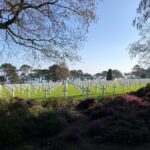
Right behind your Omaha Beach time comes the Normandy American Cemetery. This isn’t a quick drive-by. You’ll get a guided visit plus free time—about an hour altogether—to slow down and absorb what you’re looking at.
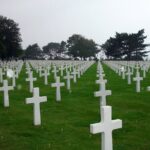
The cemetery is run by the American Battle Monuments Commission and is the resting place of more than 9,000 American servicemen and women. And because it sits behind Omaha, it hits you from two angles: the beach that tried to absorb an invasion, and the cemetery that records what that invasion cost.
This is one of the strongest parts of the day for a simple reason: it gives you a place to properly notice the word sacrifice without turning the whole tour into a lecture. The headset helps you stay with the guide’s narration while your own thoughts do the rest.
Practical note: plan for your free time to be quiet and unhurried. If you rush through, you’ll miss the value of this stop, which is to help you see the human scale of what you just learned at Omaha.
Pointe du Hoc: bomb craters, bunkers, and the story of the 2nd Rangers
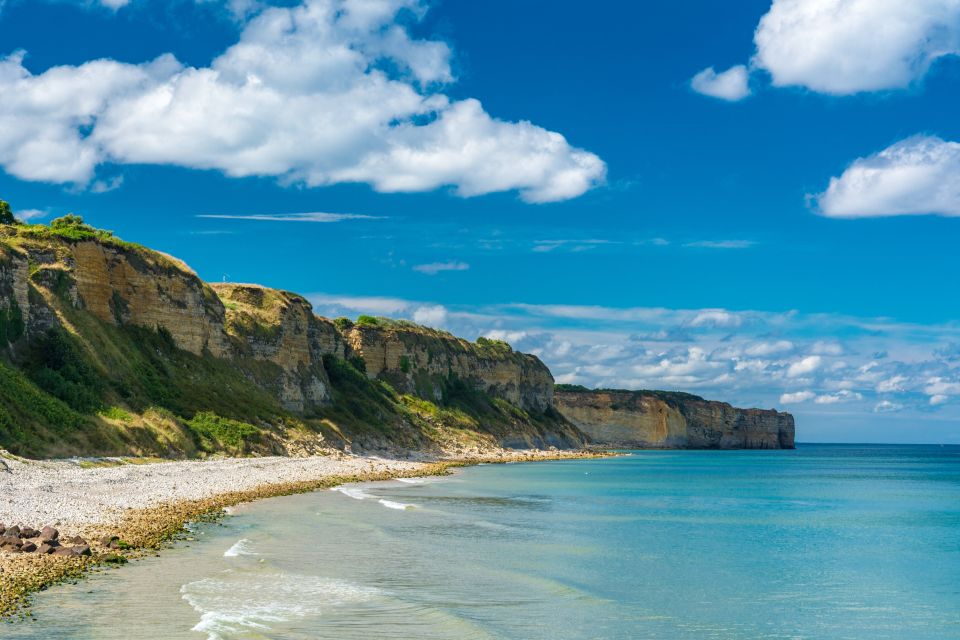
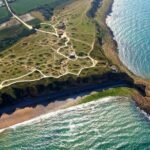
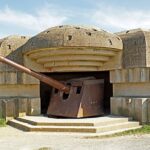
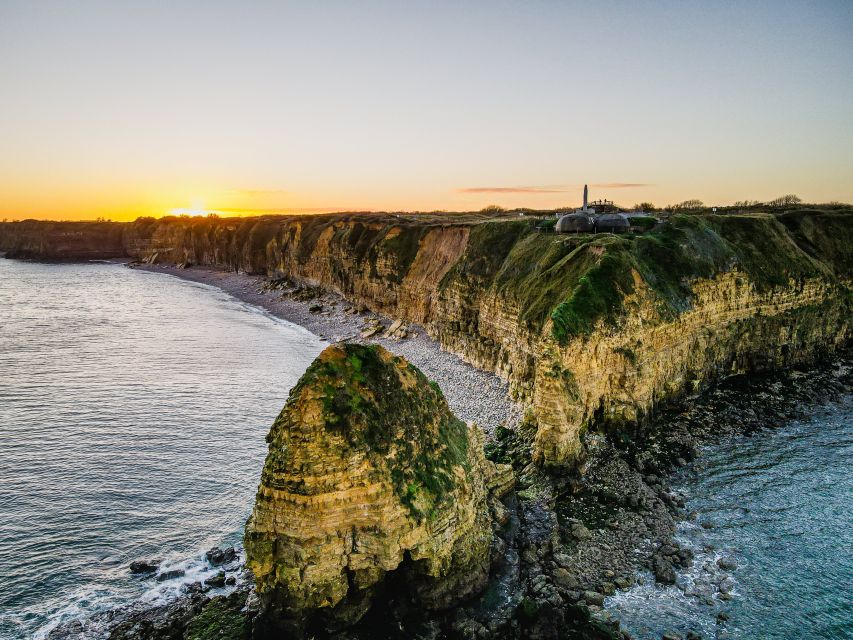
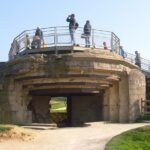
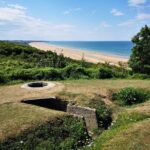
Next up is Pointe du Hoc, and this stop is built for people who want the battle to look like a battle, not a museum label. You’ll visit for about 50 minutes with a guided explanation that includes the physical reality of the site—bomb craters, bunkers, and dugouts—while also anchoring the raid in the command story.
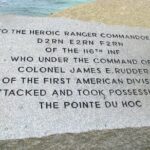
The focus here is the 2nd U.S. Ranger Battalion under Lt. Col. James E. Rudder. You’ll hear how the mission centered on a German gun battery that threatened the overall U.S. landing operation, and you’ll follow the logic of why taking those weapons mattered so much. The cliff setting turns the story from dramatic to believable fast: you can understand how hard it would be to approach, coordinate, and fight there.
This is also where the tour’s Band of Brothers connection feels most useful. The show tie-ins work best when you can link the action you remember from TV to the terrain you’re standing on. Pointe du Hoc gives you that match.
If you’re hoping for the ocean view, you might notice that your perspective can change with weather and time of day. Bring rain gear and keep your eyes up—not just at the cliffs, but at the way the land forms natural lines and barriers.
Sainte-Mère-Église and the airborne chaos: liberation starts in a church tower
After a van ride (and about 35 minutes to get there), you’ll reach Sainte-Mère-Église, the center of the airborne operation portion of the day. The visit is paired with lunch and free time, about an hour total for that break.
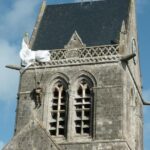
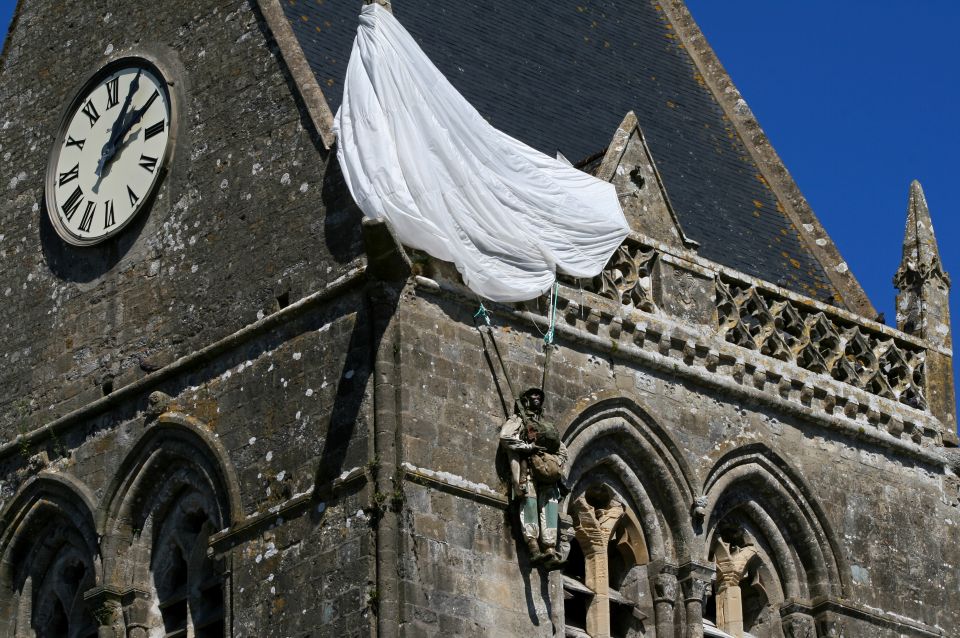
Sainte-Mère-Église is described as the first town liberated by American paratroopers. That’s already a big statement, but the tour also zooms in on one memorable detail: one paratrooper got stuck up on the church tower during that night. The guide uses that moment to help you understand the confusion, timing problems, and human unpredictability that came with airborne drops.
Here’s why this stop works: it doesn’t just say the paratroopers landed. It helps you imagine how messy a night landing can be—where landmarks matter, how a single visible tower can become both a navigation marker and a symbol of what went wrong.
Lunch is on you. Food and drinks are not included, and the tour gives you free time rather than a sit-down meal. If you want a quick bite and still have time to wander, I’d plan to keep your lunch simple so you don’t feel rushed before the next van call.
Marmion Farm and Easy Company: the “newsreel” moment on the ground
After lunch, the day moves into Easy Company territory—shorter stops that feel like chapters. You’ll head to Marmion’s farm for about 20 minutes of guided time.
This is where the tour gets interesting for people who like connecting history to what the world saw later. Marmion’s farm is highlighted as the place where the first newsreel pictures of the invasion were taken. That means you’re not only standing in a wartime location—you’re also standing in a spot tied to how that invasion got recorded for public eyes.
The guide’s job here is to make the shift from fighting to documentation feel logical. You learn why certain locations became visible symbols soon after the immediate chaos passed, and you get a clearer picture of how the war moved from front-line reality into global storytelling.
You’ll also stop at Sainte-Marie-du-Mont for about 15 minutes. It’s a shorter visit, so don’t expect it to be the main emotional centerpiece. Think of it as part of the chain that keeps the route coherent as you head toward the next major action site.

Brecourt Manor and the guns at Utah Beach: seeing why one battle mattered
The heart of the Easy Company story shows up around the Brecourt Manor action. This is tied to the second episode of Band of Brothers, and the tour uses that linkage as a way to explain what actually happened—specifically the group taking out four guns firing at Utah Beach.
You’ll stand near the Easy Company monument and get the full guided explanation of why that action was so important in the larger landing picture. The key point for your understanding is this: taking out guns wasn’t just about winning a small firefight. It was about reducing the threat that could slow or break a landing plan.
What I like here is the way the tour keeps talking about cause and effect. You see a spot, the guide explains what the guns were doing, and then you understand what would have happened if those guns weren’t silenced. It makes the battle feel concrete rather than abstract.
Keep your expectations realistic about time. This is a full-day route, so you’ll get guided coverage and photo opportunities, but not hours to linger. If you want to read every marker, bring patience and be selective.
Carentan: the crossroads that locks the show-to-ground connection
The tour ends at Carentan, with about 30 minutes of guided time. Carentan is described as a strategic crossroads that Easy Company captured. That detail matters, because crossroads are where plans become movement—routes, supply, and control all get decided quickly.
The guide connects the location to the road used by Easy Company in the third episode of Band of Brothers. That’s the payoff for the day’s structure: you started with the Omaha landings, moved through the airborne breakouts, and then you finish with the ground-level movement that ties those pieces together.
This last stop is also a good moment to reflect on pacing. By the time you reach Carentan, the day has already carried you through multiple kinds of warfare: beach assault reality, cliff assault difficulty, night airborne confusion, and the gun-threat math that shaped landings.
Then you head back to Place de Québec, with about 35 minutes of transport time. It’s a long loop, but it keeps the day from turning into a series of separate drives.
Price and logistics: is $165 good value for this kind of day?
At $165 per person, this tour isn’t a budget experiment. But for what you’re getting, the price can make sense—especially if you care about guided context at major D-Day sites.
Here’s why the value holds up:
- You’re paying for a licensed guide with a full route across multiple battle sites, not just a driver with a map.
- Headsets are included, and that’s a big deal when you want to hear battlefield explanations clearly.
- Group size is capped at 7, which helps you feel less like a body in a line and more like you’re part of an actual small group learning session.
- You’re covering major stops in one day, including Omaha and the American Cemetery, Pointe du Hoc, Sainte-Mère-Église, and Carentan.
Logistics to know:
- Hotel pickup and drop-off are not included, so you’re responsible for getting to the meeting point.
- Food and drinks are not included. Lunch is built in as free time, so you’ll need to plan what and how you eat.
- The tour runs rain or shine, so you’ll want rain gear ready at the start.
One more practical reality: Omaha and the beach area can change in appearance depending on conditions. If you’re hoping for certain visuals, weather and tide can affect what you see. The guide can’t control that, but you can control what you bring—extra patience and a waterproof layer help a lot.
What kind of traveler should book this Easy Company route?
This tour is a strong match if:
- You’ve watched Band of Brothers and want the show’s actions tied to real places and real terrain.
- You like battlefield storytelling that uses maps and pictures to turn names and dates into something you can picture.
- You want a small group day with frequent stops but guided explanations at each one.
It’s also a good choice if you’ve already done the basics in Normandy and you’re looking for a more focused route. The show-centric framing gives structure, and the guide’s pacing helps prevent information overload.
If you’re sensitive to long walking and standing, plan accordingly. The tour isn’t suitable for mobility impairments, and the battlefield surfaces are not designed for easy navigation.
Should you book this Bayeux Band of Brothers full-day tour?
If your goal is to see major Normandy D-Day sites while learning the battle in a structured, show-connected way, I’d book it. The combination of headsets, a small group, and multiple guided stops across Omaha, Pointe du Hoc, Sainte-Mère-Église, and Carentan makes it feel like a complete day rather than a drive-and-hope tour.
Skip it only if you want a relaxed, sit-down museum day or you need accessibility-friendly pacing. Otherwise, this is one of the better ways to understand what the men of Easy Company faced—and why those places still matter.
FAQ
How long is the Bayeux Band of Brothers full-day tour?
The tour duration is listed as 510 minutes, so plan for a full day.
Where do I meet for the tour?
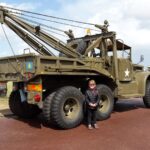
Meet at Place de Québec. Look for the vehicle with the HQ Company Tour sign on the front.
How big is the group?
The group is limited to 7 participants.
What language is the tour guide?
The live tour guide speaks English.
What’s included in the price?
Headsets to hear the tour guide clearly and a licensed tour guide are included.
Is lunch or other food included?
Food and drinks are not included. Lunch is built into the day with free time.
Does the tour run in bad weather?
Yes. The tour takes place rain or shine.
What should I bring?
Bring comfortable shoes and rain gear.
Is the tour suitable for people with mobility impairments?
No. It is not suitable for mobility impairments.
Can I get a refund if I cancel?
You can cancel up to 24 hours in advance for a full refund.